

- The Golden Age of Ringtones: How Artists Cashed In and Built Careers in the 2000s - September 21, 2026
- How Pop Song Lengths Have Changed Over the Last Century – And Why - September 21, 2026
- 10 Movie Scenes That Weren’t in the Script - September 21, 2026
New Orleans stands as a vibrant mosaic of cultures, where French elegance mingles with Spanish resilience, African rhythms pulse through the streets, and Creole traditions weave everything together. This city below sea level defies geography with its unyielding spirit, shaped by floods, fires, and festivals that echo across centuries. Layers of history hide in every corner, from shadowy alleys to grand cathedrals.
Ready to uncover secrets that even locals whisper about? Let’s dive into ten truly obscure facts that reveal the Crescent City’s hidden depths.[1][2]
The Lake Pontchartrain Causeway: Longest Bridge Over Water
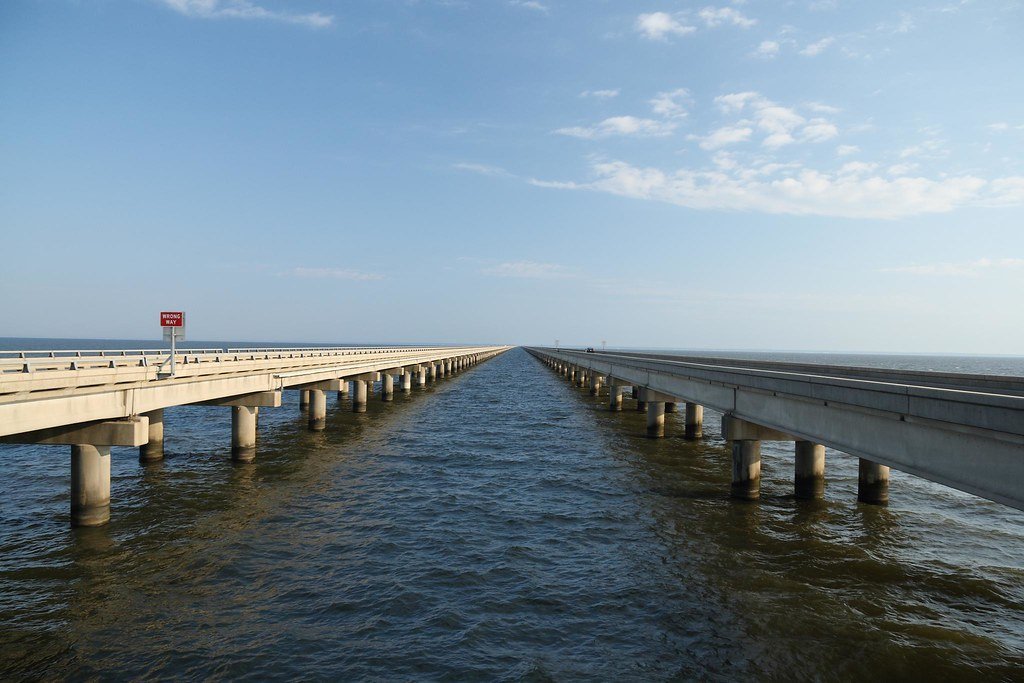
Imagine driving 24 miles straight across a lake with no land in sight. That’s the Lake Pontchartrain Causeway, connecting Metairie to New Orleans and holding the Guinness record as the world’s longest continuous bridge over water since 1956.[1] Nighttime crossings spook drivers, especially in the middle where horizons vanish.
This engineering marvel shapes daily life for commuters, offering skyline glimpses on approach. It even hosts rare births during traffic jams rushing to hospitals. Such feats highlight New Orleans’ knack for bold infrastructure amid watery challenges.[2]
St. Louis Cathedral’s Unbroken Worship Legacy
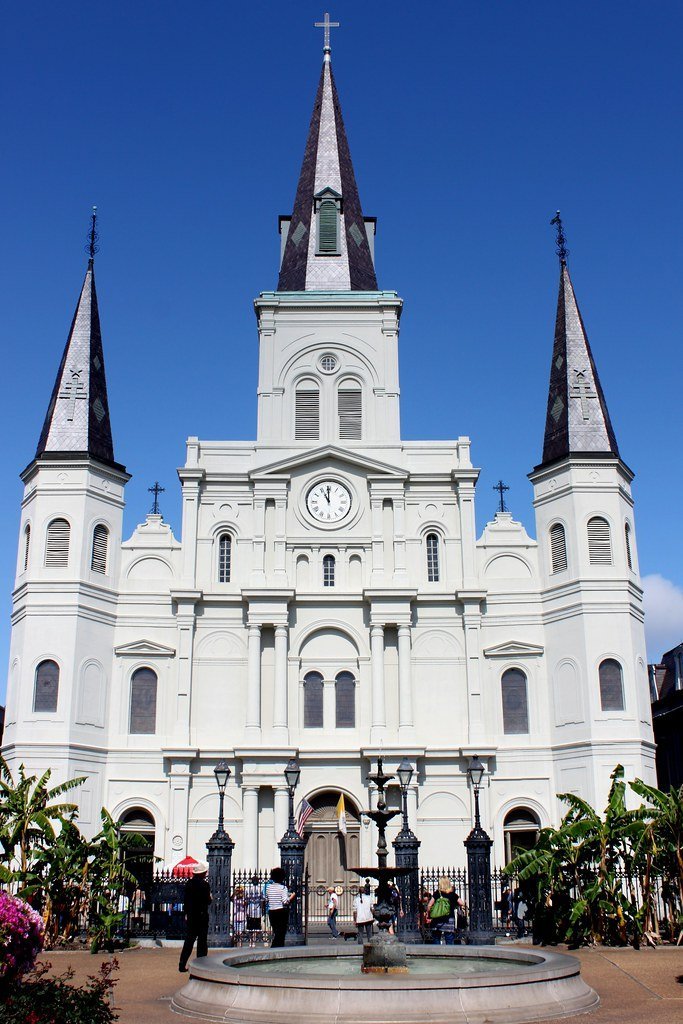
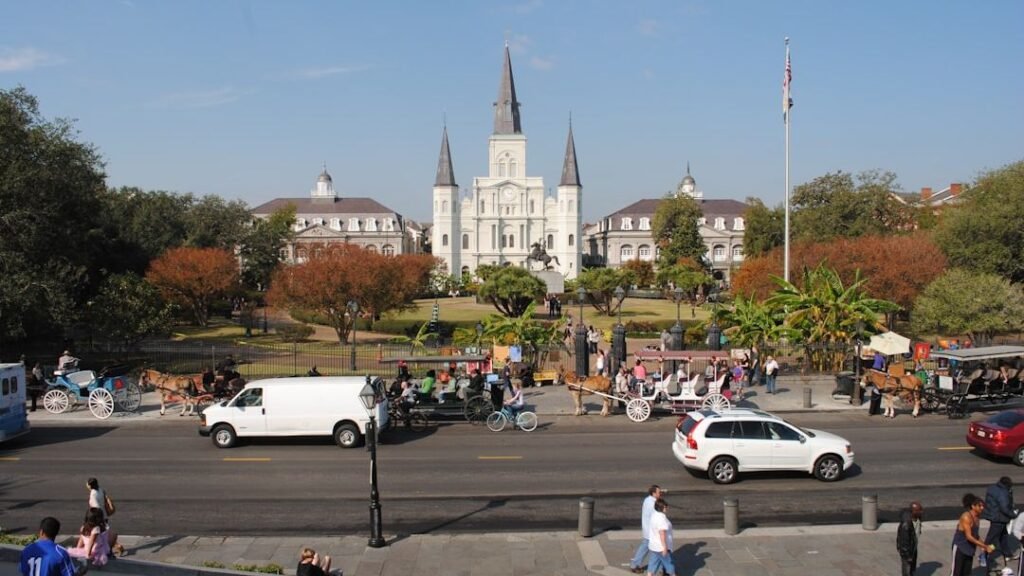
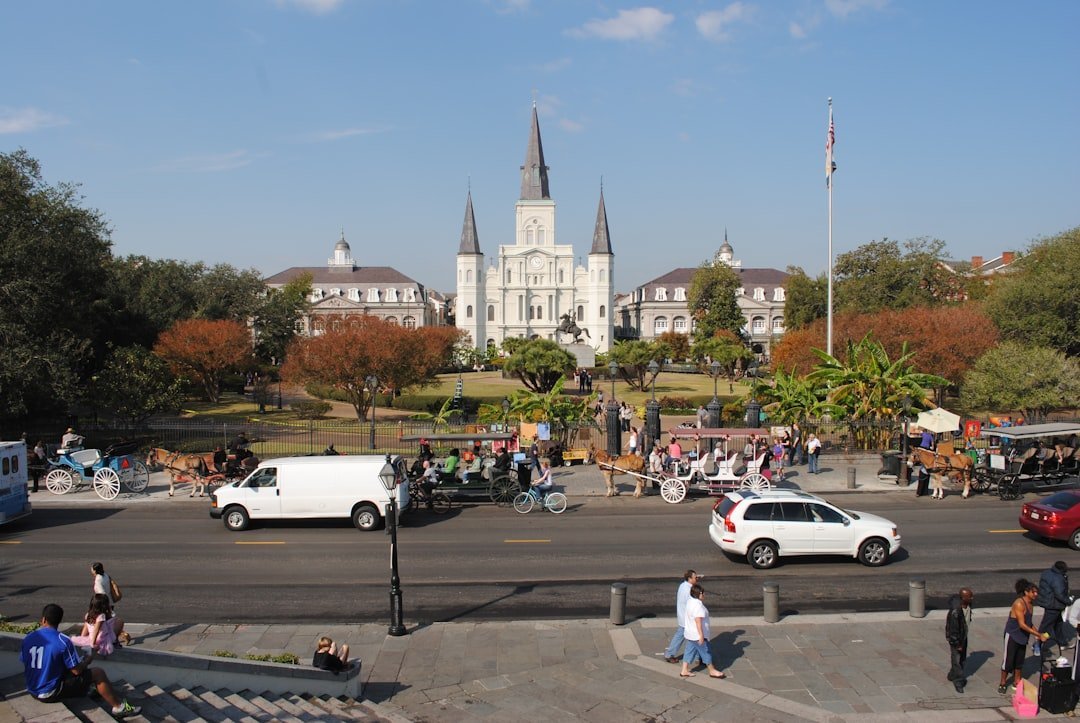
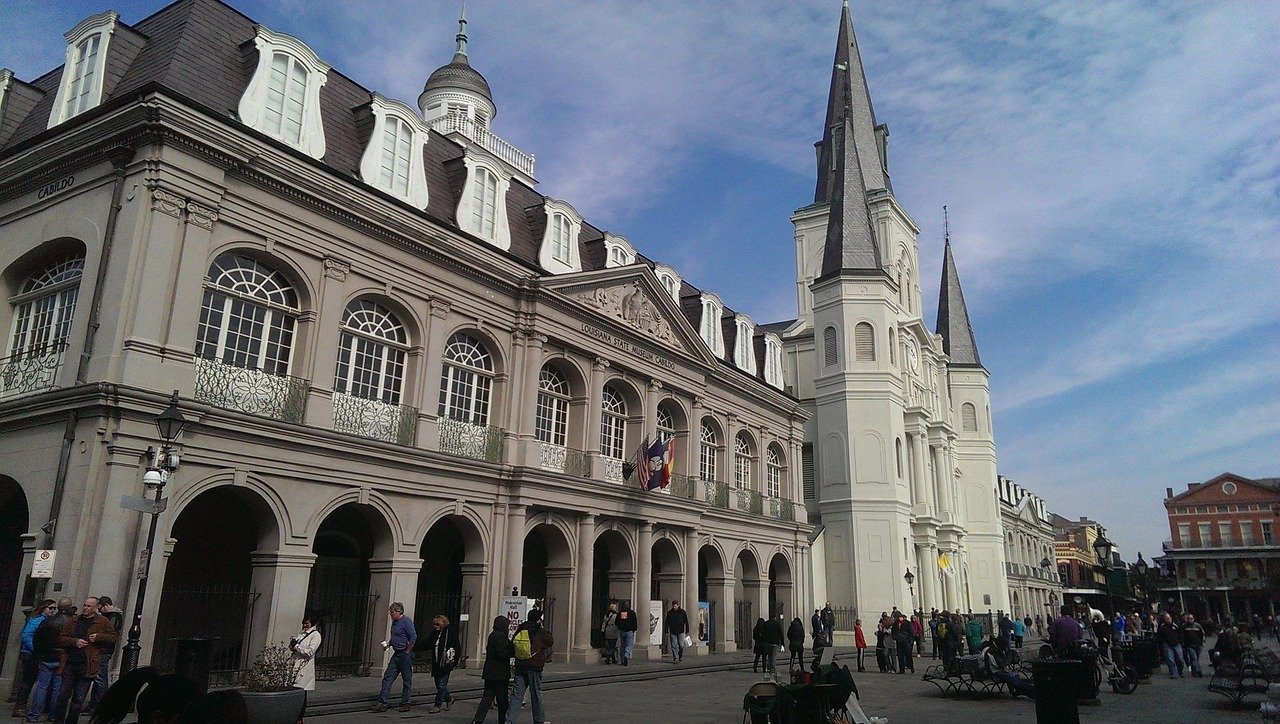
Every Sunday since 1794, mass echoes through St. Louis Cathedral in Jackson Square, making it the longest continuously used cathedral in the U.S. This triple-spired icon dwarfs typical churches, drawing crowds opposite Andrew Jackson’s statue.[1]
Voodoo Queen Marie Laveau worshipped here, blending faiths in NOLA’s eclectic soul. Older than most, it stands resilient against storms and time. This endurance mirrors the city’s faithful, layered heritage.[1]
Poker and Craps: Games Born in the Big Easy
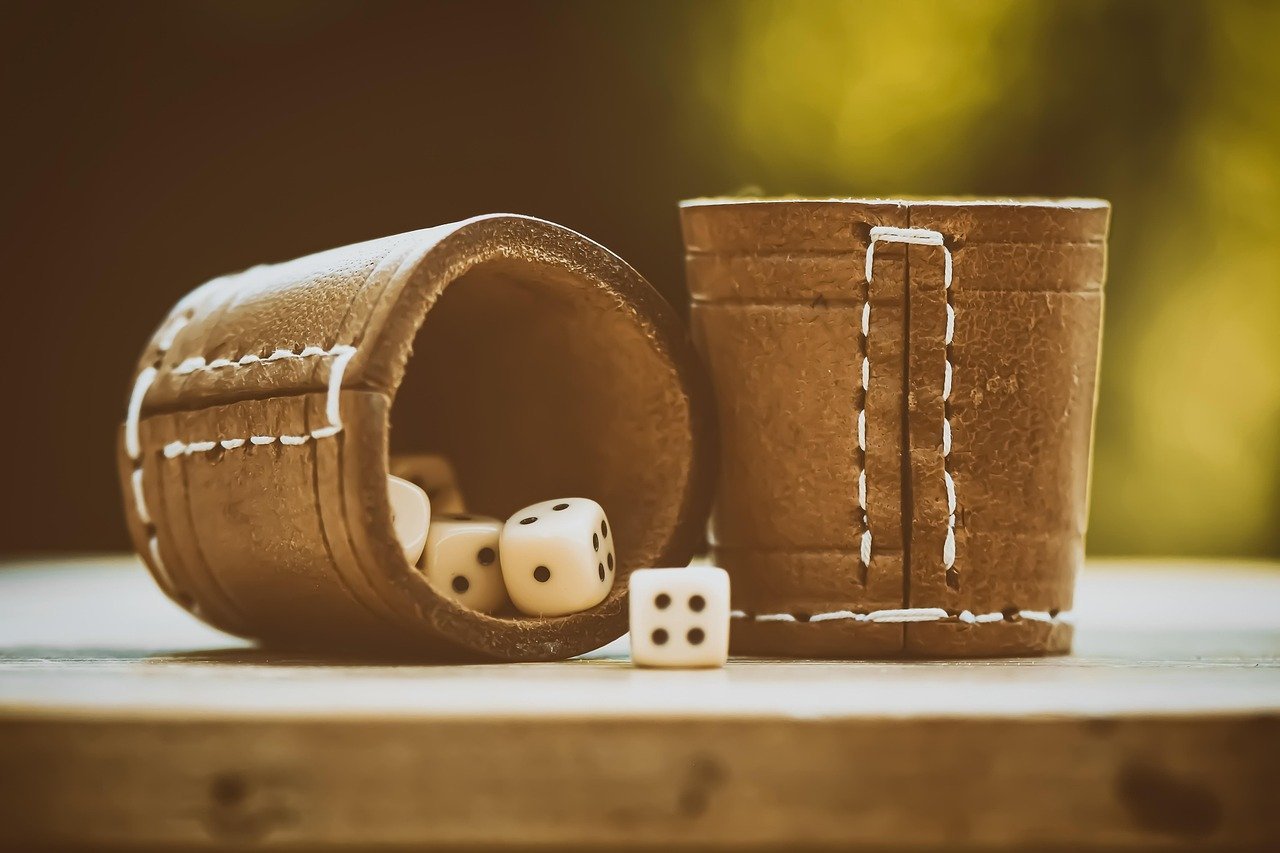
French settlers brought Poque to New Orleans in the 1700s, evolving it into poker among English speakers. Craps sprang from “crapaud,” or frog, thanks to Bernard de Marigny’s crouching dice throws on his plantation.[1][3]
These games fueled riverboat gambling and spread worldwide. They capture NOLA’s playful, risky vibe amid multicultural mixes. Who knew vice had such local roots?
Bourbon Street’s Royal, Not Whiskey, Namesake
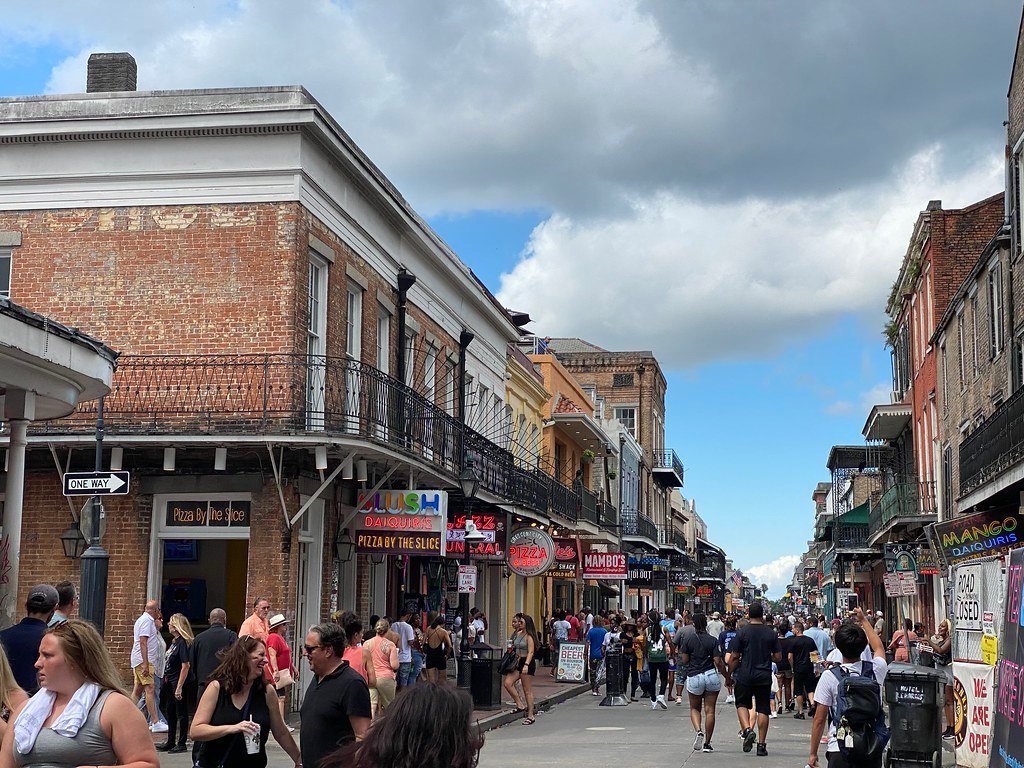
Bourbon Street buzzes with liquor lovers, yet it honors France’s Bourbon dynasty, named Rue Bourbon in 1721 by engineer Adrien de Pauger. The ruling family spanned centuries, minus revolutionary gaps.[1]
This misnomer amuses amid the neon chaos. It underscores French colonial echoes in a street synonymous with excess. History sneaks into the party scene.
Jean Lafitte: Pirate Hero of the Battle
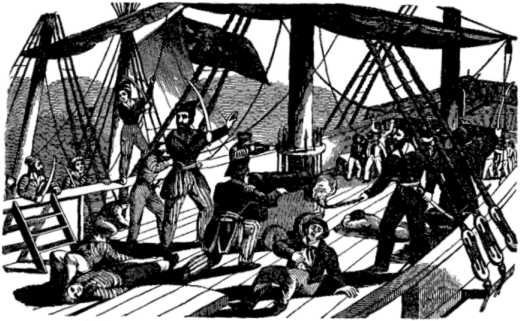
Pirate Jean Lafitte ran a black market empire from Barataria Island during the War of 1812. After Jackson raided him, Lafitte flipped to aid Americans, securing victory with minimal losses.[1]
His pardon made him a folk hero, blending outlaw allure with patriotism. This tale fuels NOLA’s pirate lore and resilient underdog stories. Pirates shaped the nation’s edge here.
New Orleans Mint’s Dual Currency Secret
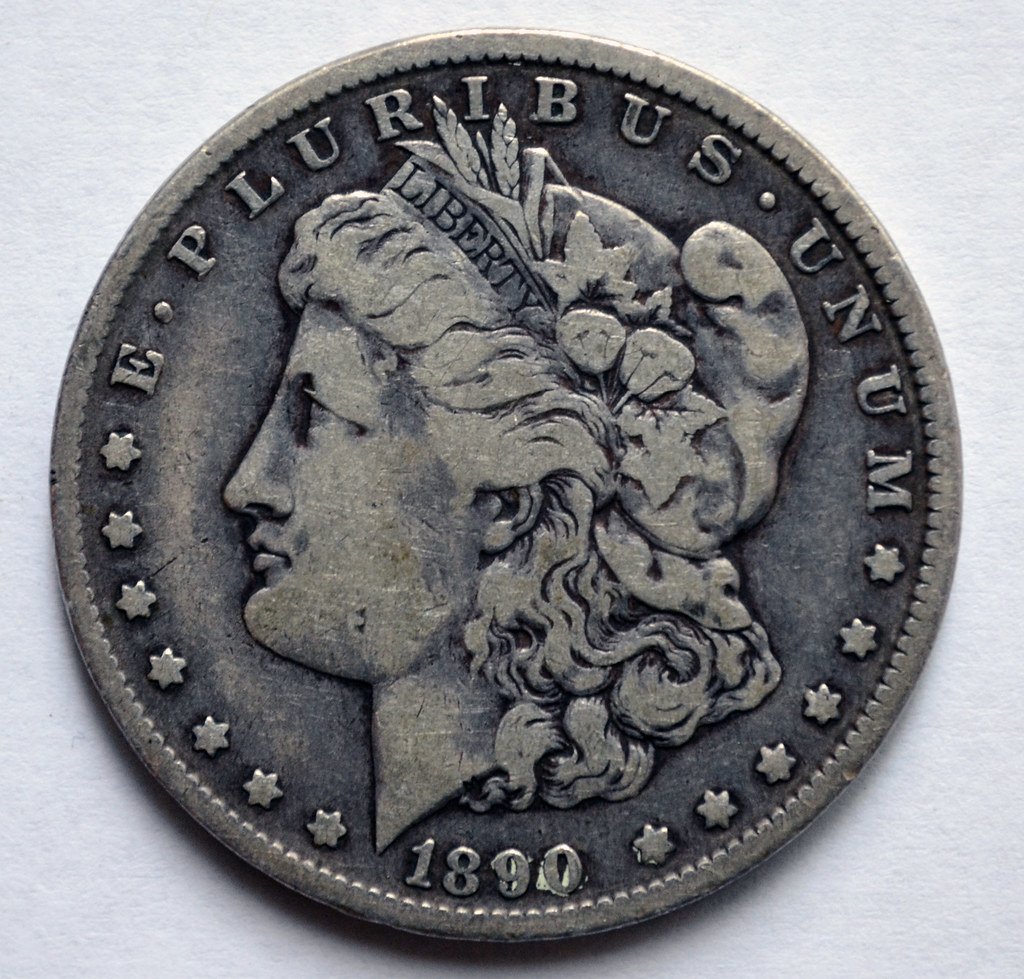
From 1838 to 1909, with a Confederate stint in 1861, the New Orleans Mint uniquely struck both U.S. and rebel coins. No other branch did this.[1]
Now a museum blending mint and jazz exhibits, it nods to divided pasts. This rarity spotlights the city’s pivotal Civil War role. Coins tell tales of loyalty splits.
America’s First Pharmacy and Its Dark Tale
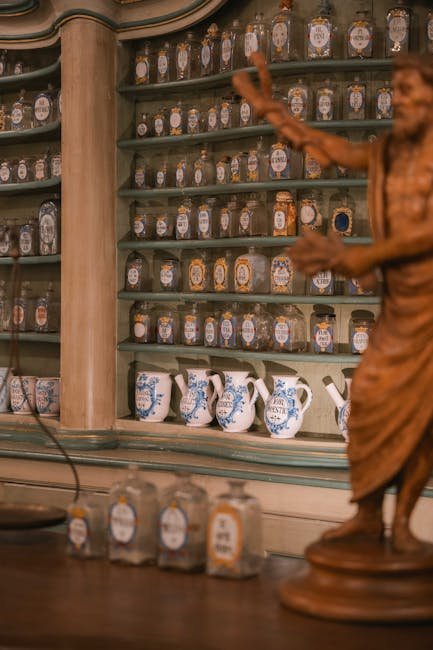
In 1823, Dr. Louis Dufilho opened the U.S.’s inaugural pharmacy on Chartres Street to fight yellow fever epidemics. He licensed first in 1816.[1]
Buyer Dr. Dupas turned murderer, using chloroform on victims before syphilis claimed him. The haunted site now draws ghost hunters. Medicine’s origins twist darkly here.
French Quarter’s Spanish Architectural Core
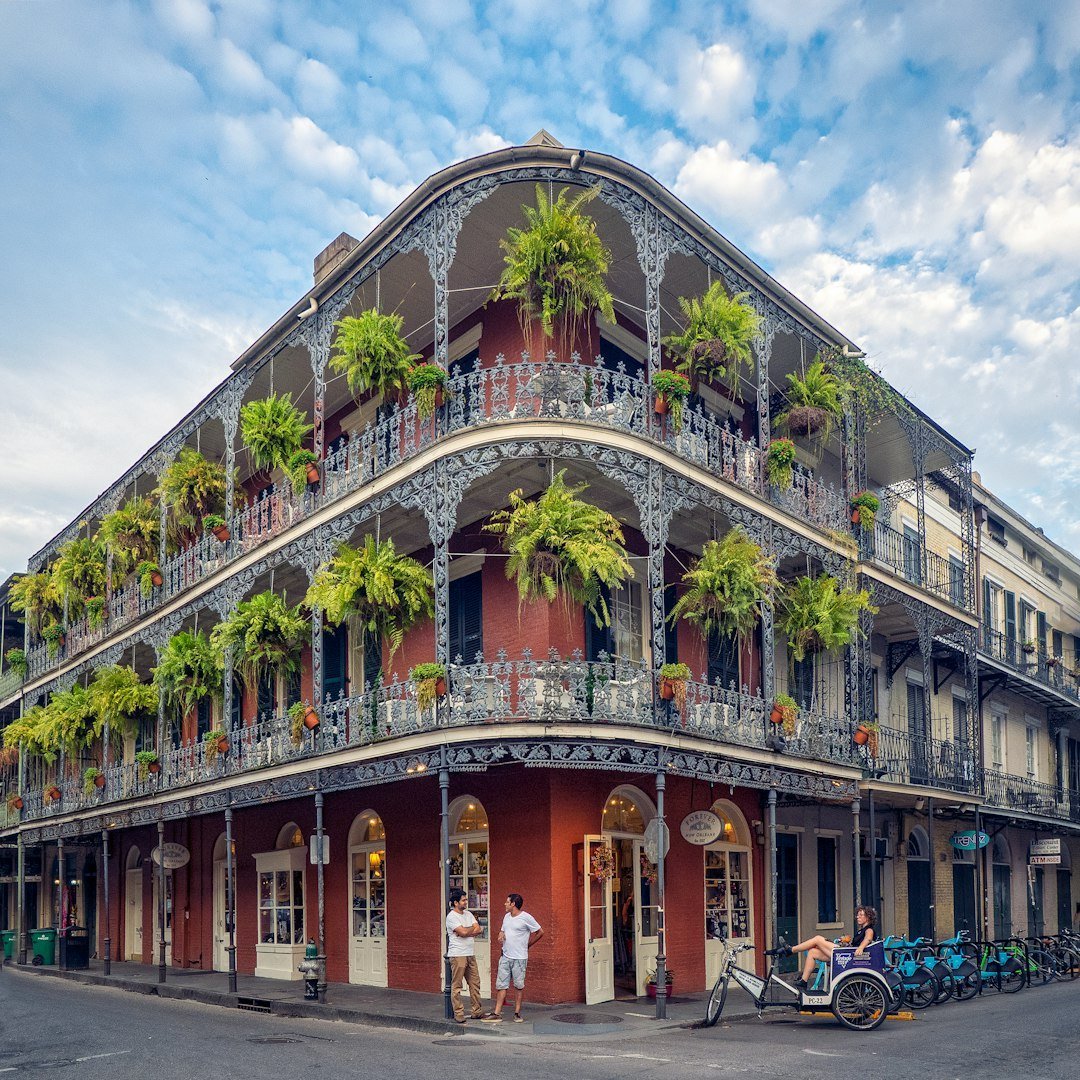
Fires razed French Quarter in 1788 and 1794 after Spain took Louisiana in 1763. Rebuilds adopted sturdy Spanish styles over flammable French ones.[1]
This “French” icon hides Iberian bones, proving adaptive genius. It enriches the multicultural facade. Looks deceive in NOLA’s rebuilds.
Birthplace of the American Mafia
Sicilian immigrants birthed La Cosa Nostra in 1860s New Orleans, decades before New York’s version, amid the largest early Italian hub.[1][2]
Dock wars in 1890 scarred the wharves. This origin ties crime to immigrant waves. Shadows lurk in melting pots.
Dental Floss: A New Orleans Invention
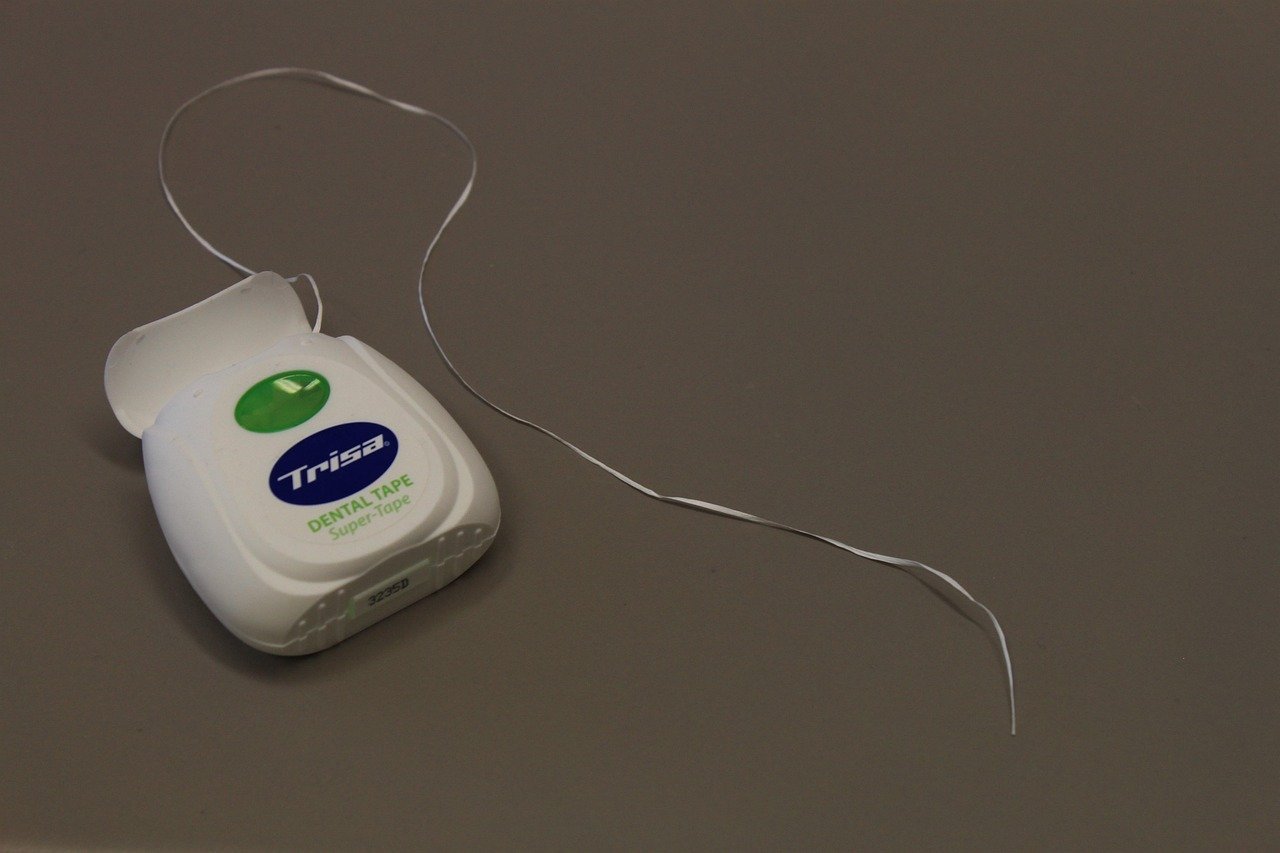
Dentist Levi Spear Parmly pioneered modern floss in 1815 with waxed silk thread for tight teeth gaps.[1][3]
Johnson & Johnson commercialized it later. This hygiene hero emerged amid epidemics. Everyday essentials trace to the bayou.
New Orleans’ Timeless Allure
These facts peel back layers of a city that’s French in name, Spanish in stone, pirate in pluck, and endlessly inventive. New Orleans thrives on reinvention, turning tragedy into triumph with jazz notes and chicory coffee.
Its heritage defies erasure, inviting endless discovery. What obscure gem have you uncovered there? Share in the comments.[4]

Besides founding Festivaltopia, Luca is the co founder of trib, an art and fashion collectiv you find on several regional events and online. Also he is part of the management board at HORiZONTE, a group travel provider in Germany.
