

- 20 Forgotten Writers Who Invented Modern Genres - September 21, 2026
- 10 Opening Lines That Were the Author’s Second Choice - September 21, 2026
- The 20 Quietest Songs That Leave the Loudest Impression - September 21, 2026
Every morning, millions of people step out of their apartments, hail a taxi, or rush down into a subway station – completely unaware that directly beneath their feet lie the remnants of long-dead civilizations. Stone temples, buried streets, ancient aqueducts. History, literally underfoot.
It’s a strange and wonderful truth about modern urban life: the cities we live in today are rarely brand new. Most of them are layered things, palimpsests of time, built up century by century on whatever came before. The deeper you dig, the stranger it gets. And some cities, it turns out, are sitting on absolutely remarkable secrets.
So if you’ve ever wondered what’s actually hiding beneath the gleaming facades of the world’s great metropolises, prepare to be genuinely astonished. Let’s dive in.
Rome, Italy – The City That Never Stopped Building Over Itself
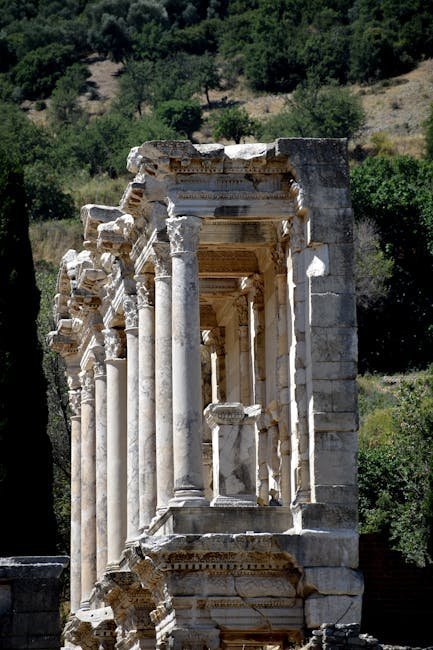
There is no better place to start than Rome. Honestly, it almost feels unfair to include it because it operates on a completely different scale than every other city on this list. With over 2.8 million residents living above layers of history spanning nearly 3,000 years, Rome offers an unparalleled urban archaeological experience. Think about that for a moment. Nearly three thousand years of continuous human occupation, stacked like geological sediment.
Many tourists are surprised to discover that a sizable chunk of ancient Rome is buried beneath the present city, often up to 10 metres below the surface. The reason? People merely levelled the soil and built on top of the remnants rather than clearing them, and this buildup of earth, ruins, and rubbish over time caused the city’s ground level to gradually rise. It’s a bit like how a child builds a sandcastle on top of an old one at the beach, except the sandcastles here are imperial palaces and temples.
The famous Piazza Navona square, for example, owes its long ovular shape to the nearly 2,000-year-old ancient stadium found directly beneath it. Even the city’s subway construction has become a perpetual archaeological event. Whenever the city undertakes any kind of major construction or public works project, there’s a delay related to archaeological findings. Since the fall of the Western Roman Empire, the city’s ground level has risen by about 9 metres due to debris and construction, meaning most of imperial Rome remains hidden below modern street level.
Mexico City, Mexico – A Metropolis Built on a Drowned Empire
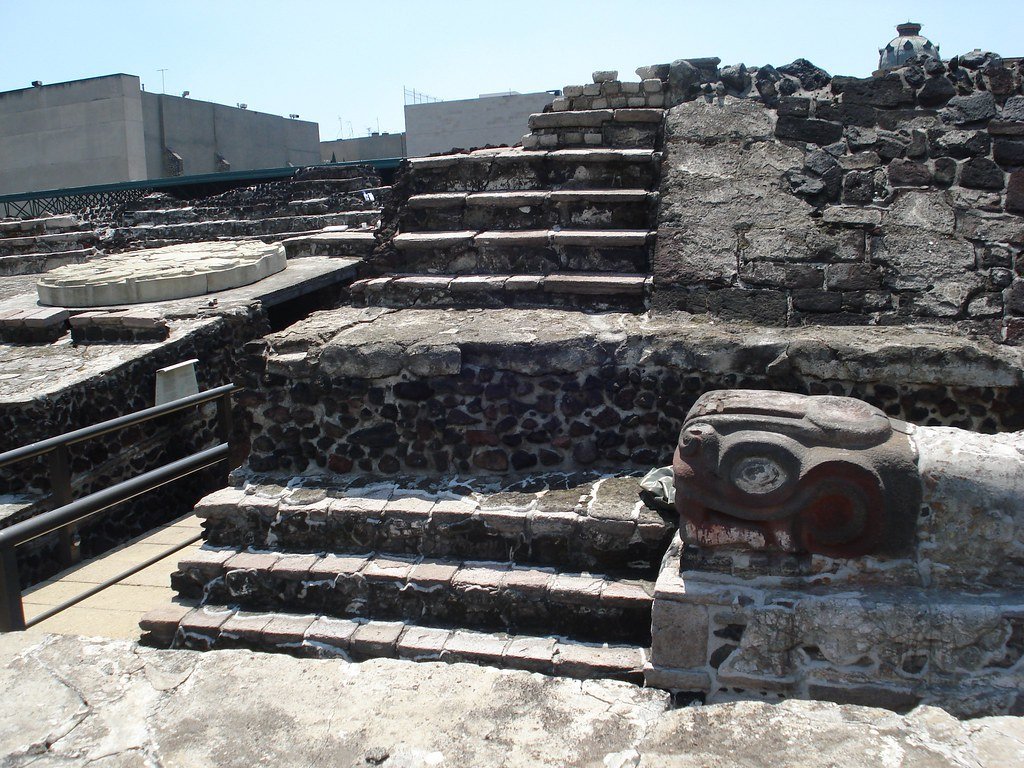
Here’s a fact that genuinely stops people in their tracks. Mexico City is built upon the ruins of Tenochtitlan, the capital of the Aztec Empire. Founded in 1325, Tenochtitlan was a large and thriving city until the Spanish conquest led by Hernán Cortés in 1521. The Spanish didn’t just conquer the city – they essentially erased it and built their own colonial capital on top of its bones. An entire civilization, buried under concrete and ambition.
The leader of the conquistadors, Hernán Cortés, began the construction of what is now known as Mexico City among the ruins, and Lake Texcoco was ultimately drained so that much of Mexico City rests in the lake basin. The archaeological consequences of this are extraordinary. Today archaeology is happening everywhere in Mexico City – just off the main square, in alleys, patios, and back lots. One dig is being conducted in the basement of a tattoo parlor. Others are going on beneath the rubble of buildings destroyed in the city’s 1985 earthquake. There’s a site located in a subway station, and two others are under the floor of the Metropolitan Cathedral.
Throughout downtown Mexico City, archaeologists have found some 40,000 artifacts, including mirrors made of shiny obsidian, Pacific turtle shells that were much-prized by the Aztecs, and precious jade-and-turquoise masks, all of which attest to the empire’s wealth. I think what makes Mexico City uniquely haunting is the visibility of the conquest itself – you can literally see a cathedral built from the stones of a pyramid. The layers of power could not be more tangible.
Athens, Greece – Where Democracy Was Born Beneath Your Feet
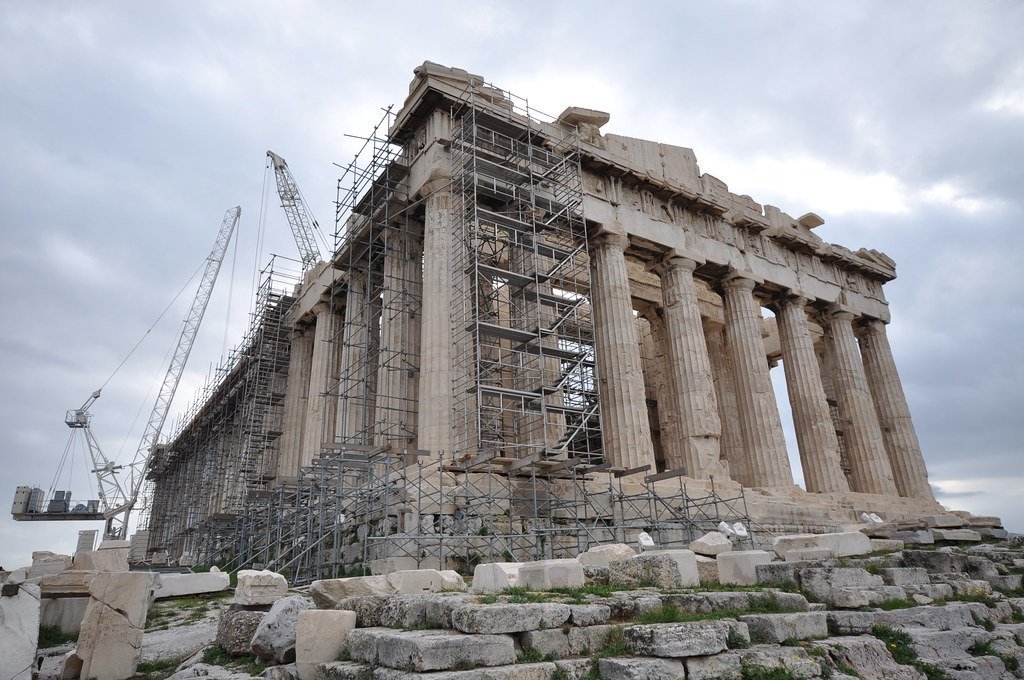
Athens has been home to people for more than 7,000 years, ranking it among the oldest cities in the world. That’s a staggering number. When you walk through Athens today, you’re essentially strolling through one of the longest uninterrupted stories of human civilization on earth.
What makes Athens particularly special is how it integrates its past into everyday life. Several metro stations display archaeological finds, turning daily commutes into glimpses of the past, and shops and hotels often feature glass floors that reveal ancient ruins beneath. Even the Acropolis Museum itself is built literally over an ancient neighborhood. The museum has incorporated in its architectural design the ruins of the ancient neighbourhood that were brought to light during the archaeological excavation conducted for its construction, and these ruins are visible through the glass floor and the Museum’s balconies.
From the 4th century BC to the 12th century AD, people carried out their daily lives in this place, constructing streets, residences, baths, workshops, and tombs. When you look down through that glass floor at the Acropolis Museum, you’re not looking at dead history. You’re looking at someone’s neighborhood, someone’s morning routine, someone’s life. That feeling is genuinely difficult to shake.
Cairo, Egypt – A Modern Megacity Perched on the Edge of Antiquity
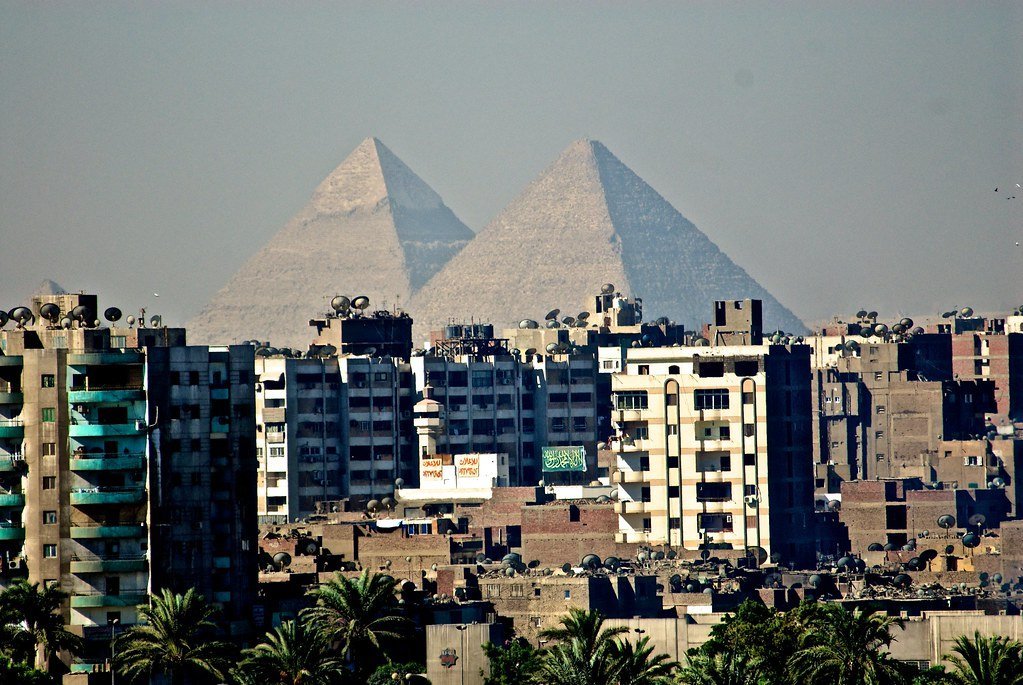
Cairo is where the ancient world feels the least ancient. Walk its streets today and you’ll find traffic jams, street food vendors, and minarets – yet lurking just outside the city’s western edge are the Pyramids of Giza, one of the greatest wonders of the ancient world. Built near the ancient city of Memphis, Cairo is home to some of the most iconic monuments of ancient Egypt, including the Pyramids of Giza and the Sphinx.
Parts of the city rest atop ancient Memphis, the former capital of Old Kingdom Egypt. Residents frequently unearth artifacts while constructing new buildings, enriching Egypt’s archaeological heritage. Some of Cairo’s oldest structures have been occupied for centuries, incorporating stones from ancient temples. It’s an almost casual relationship with the past – as if having pharaonic stones in your basement wall is perfectly normal, which in Cairo, honestly, it kind of is.
Specific ruins include the Memphis ruins with colossal statues and temple remains and Babylon Fortress foundations in Old Cairo, and the city’s famous Islamic architecture often incorporates pharaonic stones and columns. Despite its rapid modernisation and growth, Cairo continues to be a city where ancient history is visibly intertwined with everyday life. There’s a certain poetry to that. The world’s most modern chaos, right next to its oldest stones.
Jerusalem, Israel – Possibly the Most Layered City on the Planet
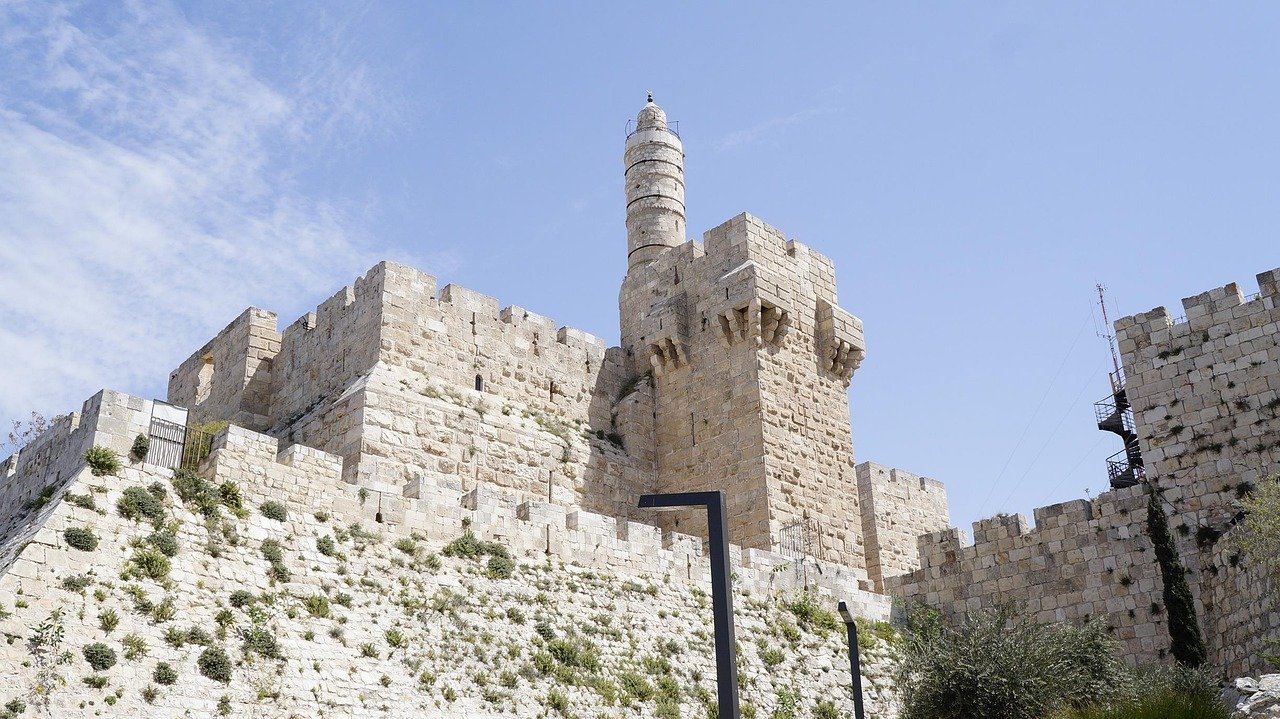
If Rome is the benchmark for archaeological layering in Europe, Jerusalem is its global equivalent, times ten. Jerusalem holds over 5,000 years of layered history, with more than 70 archaeological strata. Seventy distinct layers of civilization, one on top of the other. The geological metaphor practically writes itself: this city is a mountain made entirely of human history.
The Western Wall anchors the Temple Mount, a site sacred to Jewish, Christian, and Islamic traditions. Tunnels beneath the Old City expose ancient streets buried far below today’s surface. Excavations frequently reveal artifacts from Canaanite, Byzantine, and Crusader eras. Every new building project becomes a potential archaeological revelation. A new geological and archaeological study has mapped dozens of ancient stone quarries hidden beneath today’s Jerusalem, detailing how generations extracted the “Jerusalem stone” that still defines the capital’s skyline.
What makes Jerusalem different from all other cities on this list is the weight of meaning that gets compressed into those layers. This is not just history for history’s sake. Every stratum carries profound religious and political resonance for hundreds of millions of people across the world. The past here is never truly past – it shapes geopolitics, faith, and identity in the present tense, every single day.
London, England – The Roman City That Never Left
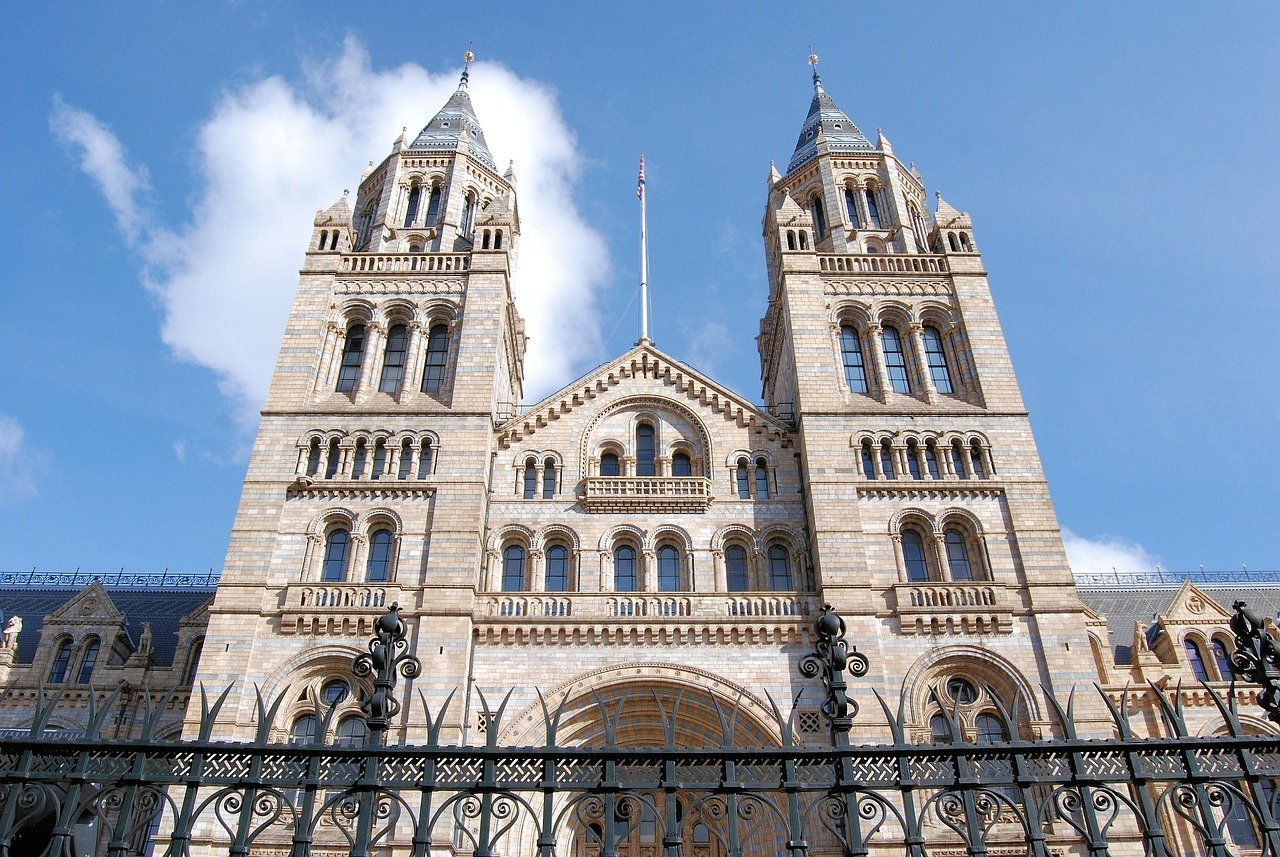
Most people associate London with red double-decker buses and Buckingham Palace. Far fewer know that the city’s entire layout traces patterns set by an ancient Roman settlement called Londinium. London’s streets trace patterns set nearly 2,000 years ago during the Roman period. The roads you walk today in central London are, in some cases, the same roads Roman legions marched along.
Roman wall foundations still exist in the financial district, integrated into modern buildings. Skyscraper construction often reveals medieval, Viking, and Roman artifacts, prompting mandatory archaeological surveys. This is one of the most fascinating things about London’s relationship with its past: the construction of billion-pound towers keeps accidentally uncovering ancient history. It’s a delicious irony, really – capitalism’s ambitions interrupted by the Roman Empire.
The Museum of London Archaeology team conducts rescue excavations to preserve discoveries before development. The scale of what lies beneath London is genuinely hard to grasp. Viking longboats, Roman amphitheaters, medieval plague pits – all of it exists below the hum and rush of one of the world’s greatest financial centers. It’s hard to say for sure, but London may be the most archaeologically surprising city in the Western world precisely because it doesn’t look like it should be.
Xi’an, China – Where the Silk Road Began and the Past Sleeps in the Soil
Xi’an, a city with a history stretching back over 3,000 years, stands as a living reminder of China’s ancient heritage. Known as one of the country’s four great ancient capitals, Xi’an was the eastern starting point of the Silk Road, connecting China to the rest of the world. Let’s be real – the sheer scale of what lies buried around Xi’an is almost incomprehensible.
Xi’an, once China’s capital for multiple dynasties, retains its complete Ming Dynasty city walls. Skyscrapers now surround its ancient core, standing near historic pagodas and temples. Archaeologists continue to uncover Tang Dynasty streets beneath modern structures. The contrast is visually stunning – glass towers casting shadows on medieval fortifications that have stood for centuries.
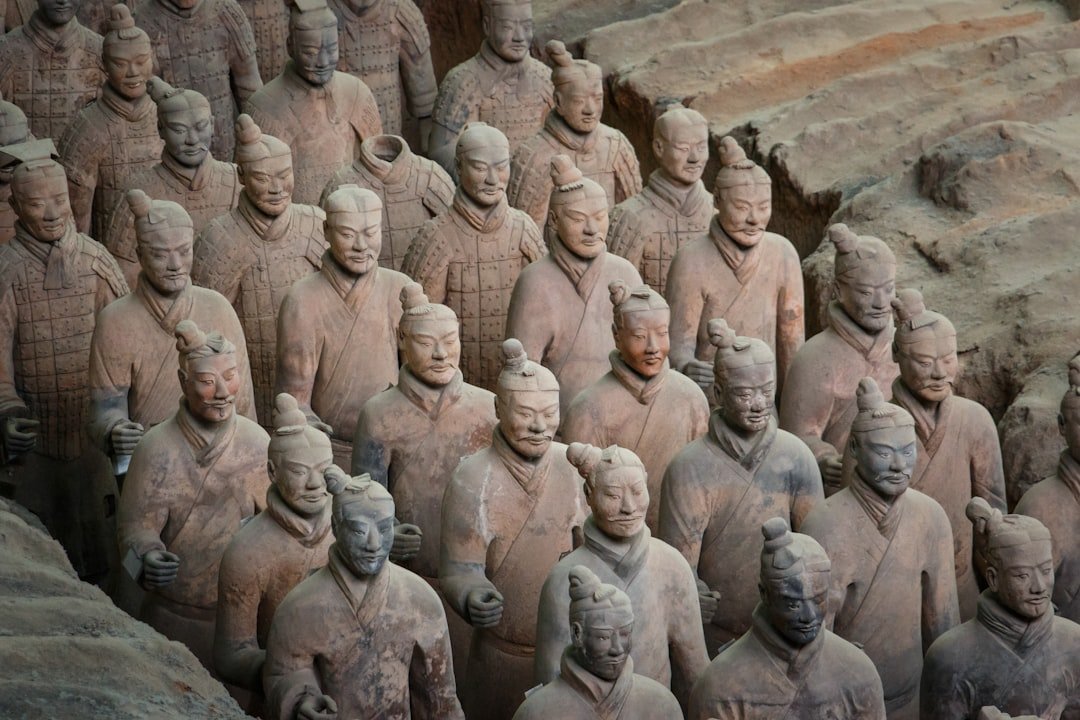
The famed Terracotta Army was unearthed by farmers digging wells near the city. That fact never gets old. One of the most extraordinary archaeological discoveries in human history was found not by a team of trained professionals with ground-penetrating radar, but by farmers looking for water. It’s a perfect reminder that the ancient world has a habit of surfacing on its own terms, when and where it chooses.
Damascus, Syria – The Oldest Inhabited City on Earth
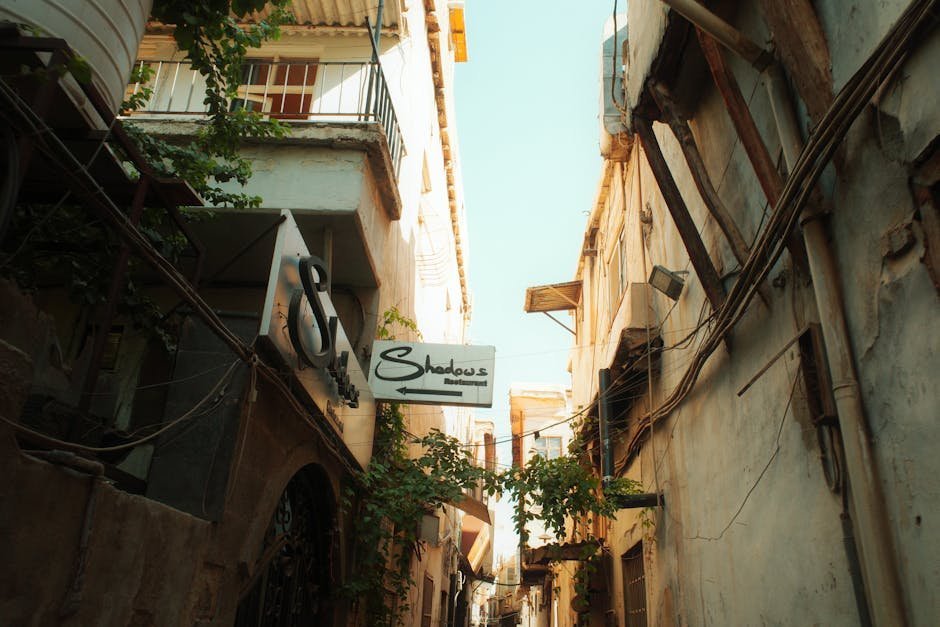
Damascus, often called the world’s oldest continuously inhabited city, has a history stretching back over 11,000 years. Eleven thousand years. That number is so large it becomes almost abstract. For context, when the first people settled in what is now Damascus, agriculture itself had barely been invented. The city predates written history.
Straight Street, mentioned in the Bible, still serves as a key route through the Old City. Courtyard homes often retain Roman and Byzantine design features. Beneath the surface, layers of history preserve traces of Aramean, Persian, Greek, Roman, and Islamic cultures. The thing about Damascus is that its layers aren’t just underground. They’re visible in the architecture, the street patterns, the very spatial logic of the city.
Damascus is a place where a Roman colonnade might frame the entrance to an Ottoman-era marketplace, and a Byzantine church could sit embedded in the wall of a medieval mosque. It’s not just a city built on ruins – it’s a city made of them, assembled from every civilization that ever passed through. Few places on earth wear their history so openly on their sleeve.
Lima, Peru – An Andean Megalopolis With a Hidden Pre-Columbian Soul
Lima tends to get overlooked in conversations about ancient cities, which is a shame. Lima, the capital of Peru, is one of the largest cities in the Americas, with a population of nearly 10 million people in its urban core alone. It is a vast, sprawling modern metropolis. Yet hidden within that urban sprawl are artifacts and structures of remarkable antiquity.
Despite Lima’s modern skyline, the city’s past stretches back to the time of the Incas, who established settlements in the region around AD 1400. Much of these early Inca sites lay forgotten, buried beneath centuries of urban expansion. In the 1950s, significant archaeological work unearthed remnants of Lima’s ancient heritage, bringing the city’s hidden history to light.
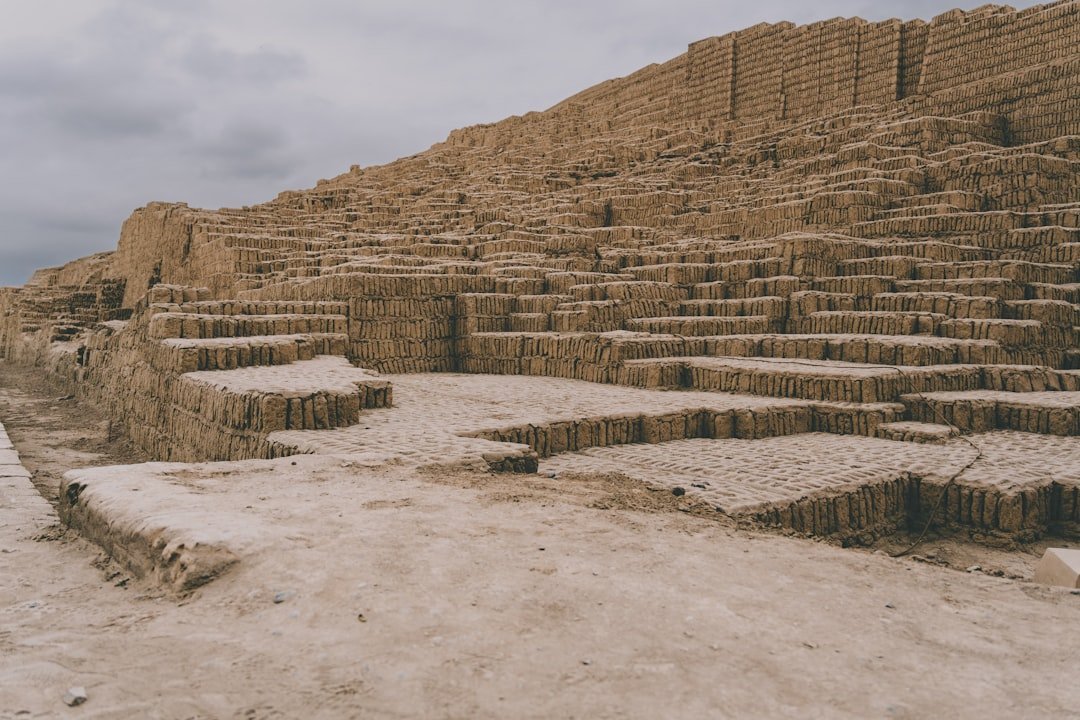
Among the most remarkable sites is Huaca Huallamarca, a pre-Columbian adobe pyramid standing as a testament to Lima’s ancient roots. Located in the city’s heart, this ancient structure provides a stark contrast to Lima’s contemporary urban landscape. Huaca Huallamarca, now a well-preserved historical site, offers both locals and tourists a glimpse into the city’s distant past. Imagine driving through a modern neighborhood of apartment blocks and fast food restaurants – and then suddenly, right there in the middle of it, a pyramid. That’s Lima. Strange, surprising, and somehow perfect.
Beirut, Lebanon – A City That Keeps Revealing Its Own Story
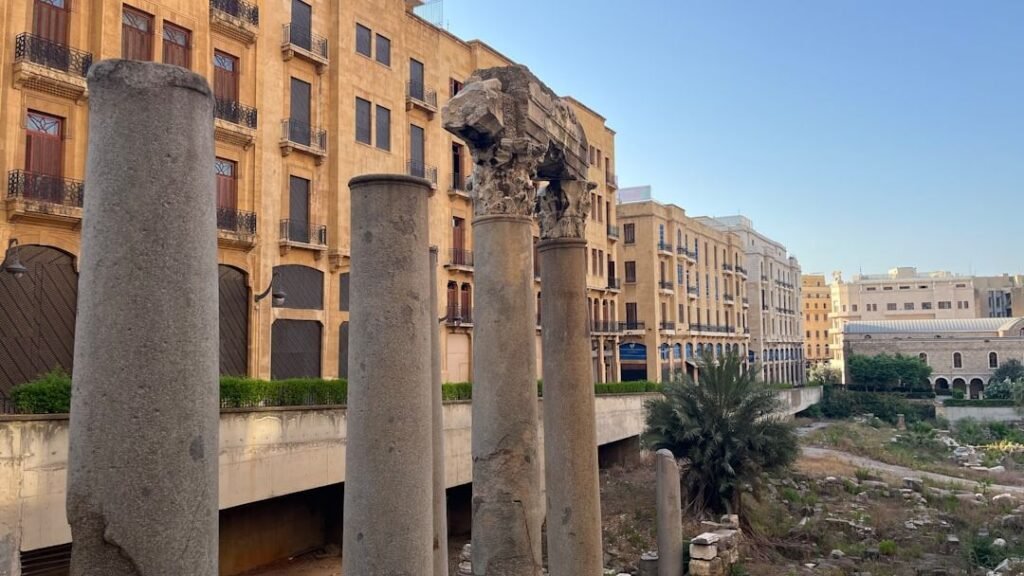
Beirut is perhaps the most emotionally charged entry on this list. Beirut has been inhabited for over 5,000 years, preserving layers of Phoenician, Hellenistic, Roman, Byzantine, and Ottoman history. That depth of occupation makes it one of the richest archaeological landscapes in the entire Middle East.
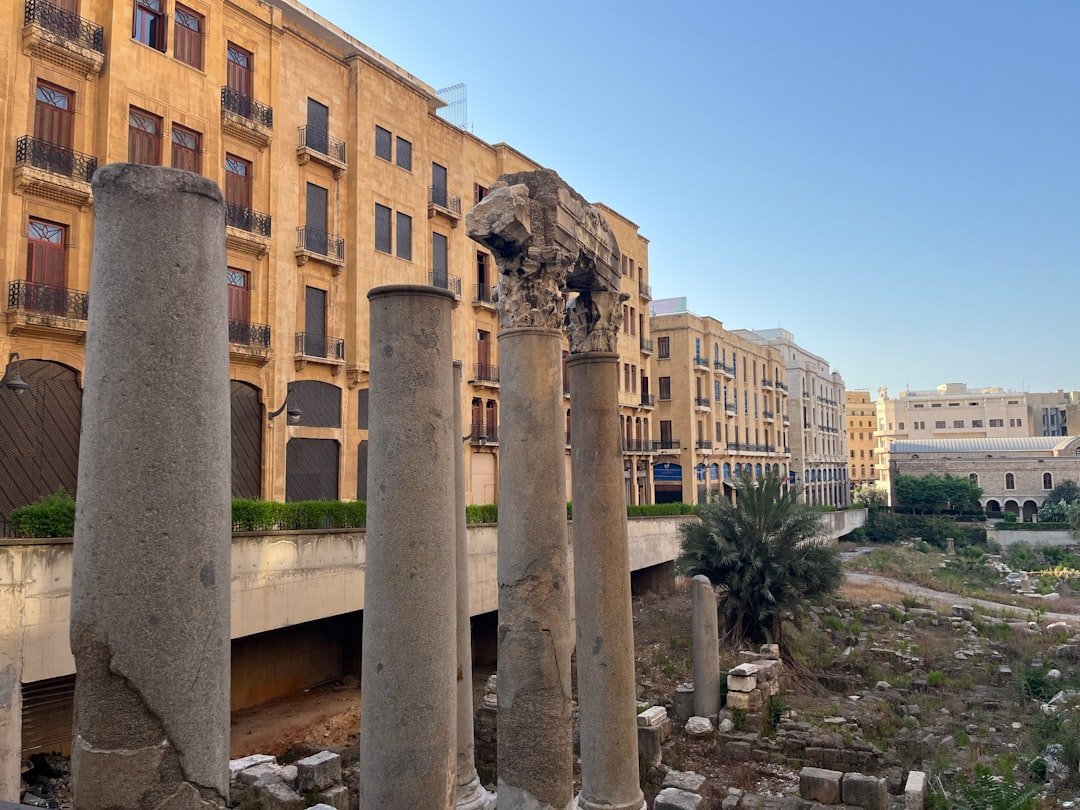
The city’s troubled modern history has, paradoxically, opened windows into its ancient past. The “Garden of Forgiveness” downtown displays ruins uncovered after the civil war. Ancient Phoenician walls lie beneath modern structures, sometimes integrated into basements. Roman mosaics occasionally surface during construction, briefly halting projects for archaeological study. Even in the rubble of conflict, Beirut’s ancient identity keeps asserting itself.
The Cardo and Decumanus Maximus, the two main streets of Roman Berytus, were discovered here, and their shaded colonnades were once busy markets on festival days. Even as Beirut reinvents itself yet again – this time as a skyscraper-studded center of finance – a new generation of young Lebanese archaeologists is fighting to reclaim the city’s complicated past before it is gone for good. In a city that has been destroyed and rebuilt so many times, the fact that its ancient bones keep surfacing feels less like coincidence and more like determination. Beirut, in every sense, refuses to let its history be forgotten.
The Thread That Connects Us All
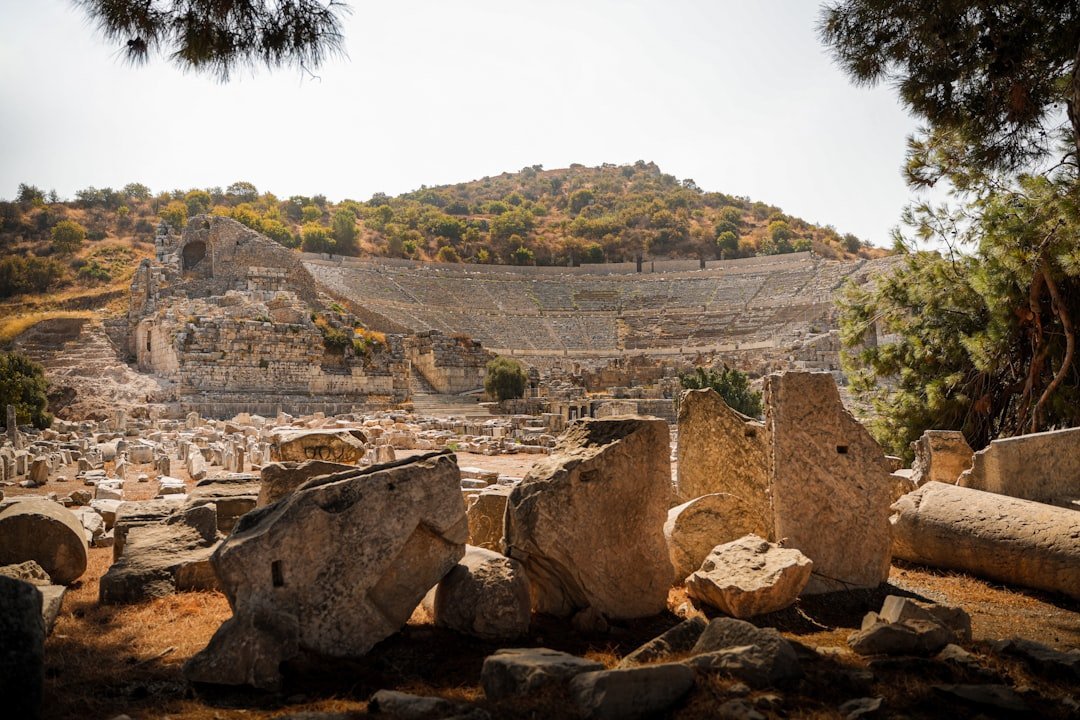
What unites all ten of these cities is something that goes beyond archaeology. It’s the recognition that human civilization is not a straight line – it’s a spiral. We return again and again to the same places, the same riverbanks and hilltops and harbors, because geography and human need haven’t changed all that much. We still want water, shelter, trade, community.
The ruins beneath our feet are not relics of failure. They are proof of persistence. Every ancient street that surfaces during a subway dig, every buried temple discovered in a basement, every mosaic uncovered beneath a parking lot – all of it says the same thing. People were here. They built something. And what they built became the foundation for everything that came after.
There is something quietly profound in knowing that the sidewalk you walk to work on might be resting on a Roman road, or that the city block where your favorite coffee shop stands was once a sacred Aztec precinct. We don’t just inherit history. We live on top of it. What other forgotten worlds, do you think, are still waiting to be discovered beneath the cities we call home?

Besides founding Festivaltopia, Luca is the co founder of trib, an art and fashion collectiv you find on several regional events and online. Also he is part of the management board at HORiZONTE, a group travel provider in Germany.
