

For any feedback please reach out to info@festivalinside.com
- Top 10 Movie Soundtracks of All Time - September 20, 2026
- 20 Song Intros That Hook You Instantly - September 19, 2026
- 15 Historical Myths That Turned Out to Be False - September 19, 2026
There is something deeply satisfying about watching a plant thrive under your care. It is almost like a conversation. You give it what it needs, and it rewards you with lush leaves, vibrant blooms, and a yield that makes all those hours in the dirt completely worth it. Most people assume their garden’s performance is mostly down to luck or the weather. Honestly, that could not be further from the truth.
The real secret to a thriving garden lives almost entirely in your technique. Small, deliberate choices – what you add to your soil, how you water, when you prune – can have an enormous impact on how fast and how full your plants grow. Whether you are a first-timer or a seasoned weekend gardener, there is always something new to gain from refining your approach. So let’s dive in.
1. Supercharge Your Soil With Compost
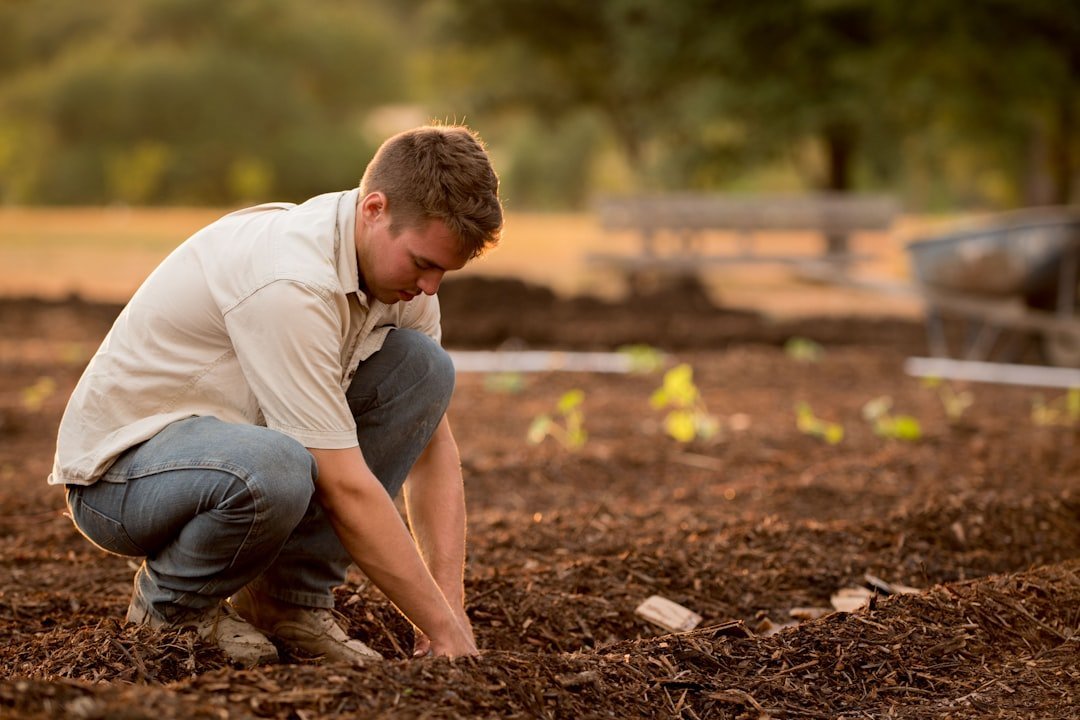
Let’s be real. Most garden soil is nowhere near as good as you think it is. Most gardens suffer from depleted, compacted earth that is basically a nutritional wasteland. This is not a minor issue. Think of it like trying to run a marathon on an empty stomach. Your plants cannot perform when the foundation beneath them is broken.
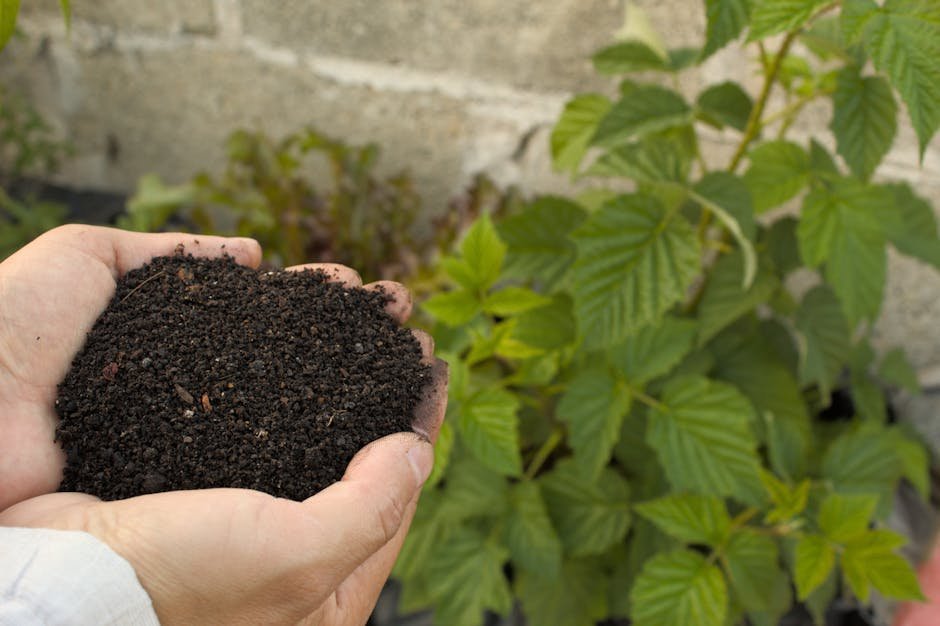
Compost is the gold standard and one of the most common amendments because it benefits all soil types. It will improve your soil over time, help reduce erosion, improve water drainage and retention, reduce pest pressure and disease, and boost crop yields. Spread two to three inches of compost and mix it into the top six to eight inches of soil. Make this a seasonal habit, and you will be genuinely amazed at the transformation in your garden’s output.
2. Master the Art of Deep Watering
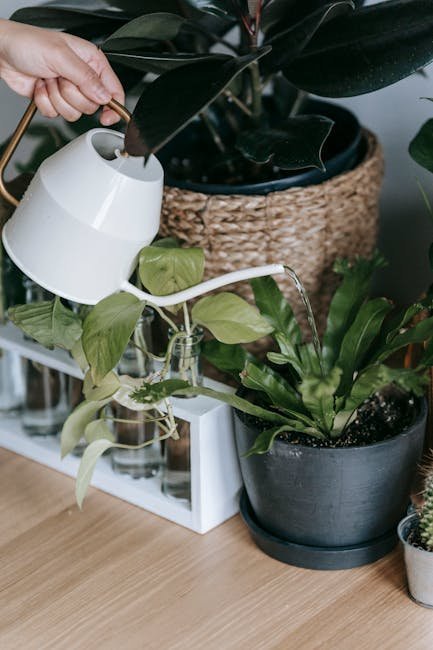
Watering your plants every day in small amounts feels like responsible care. It is actually one of the most common mistakes home gardeners make. Deep watering encourages roots to grow downward, while shallow watering creates weak, surface roots. Weak roots mean a weak plant, full stop.
Watering wisely ensures that your plants receive the right amount of moisture to support their physiological processes. Adequate water is essential for photosynthesis, nutrient transport, and cell expansion. Overwatering can lead to root rot and other diseases, while underwatering can cause stress and wilting, both of which hinder growth. Water deeply and less frequently. Let the soil guide you.
3. Fertilize Strategically, Not Just Generously
More fertilizer does not always mean faster growth. It is tempting to pile on the nutrients, but getting the balance right is what actually matters. Each type of plant has a specific set of nutrient needs. All-purpose fertilizers will work great for most any vegetable garden. These fertilizers have an equal amount of nitrogen, potassium, and phosphorus, and can provide plants what they need in a pinch.
I think the smarter move is to go organic whenever possible. By providing a consistent supply of nutrients, gardeners can promote stronger, healthier plants that are better equipped to resist pests and diseases, ultimately leading to improved growth and higher yields. Regular fertilization tailored to specific plant needs creates an optimal growing environment and supports overall plant vitality. Apply it in a circle around each plant, then water thoroughly afterward to activate those nutrients.
4. Test and Adjust Your Soil pH
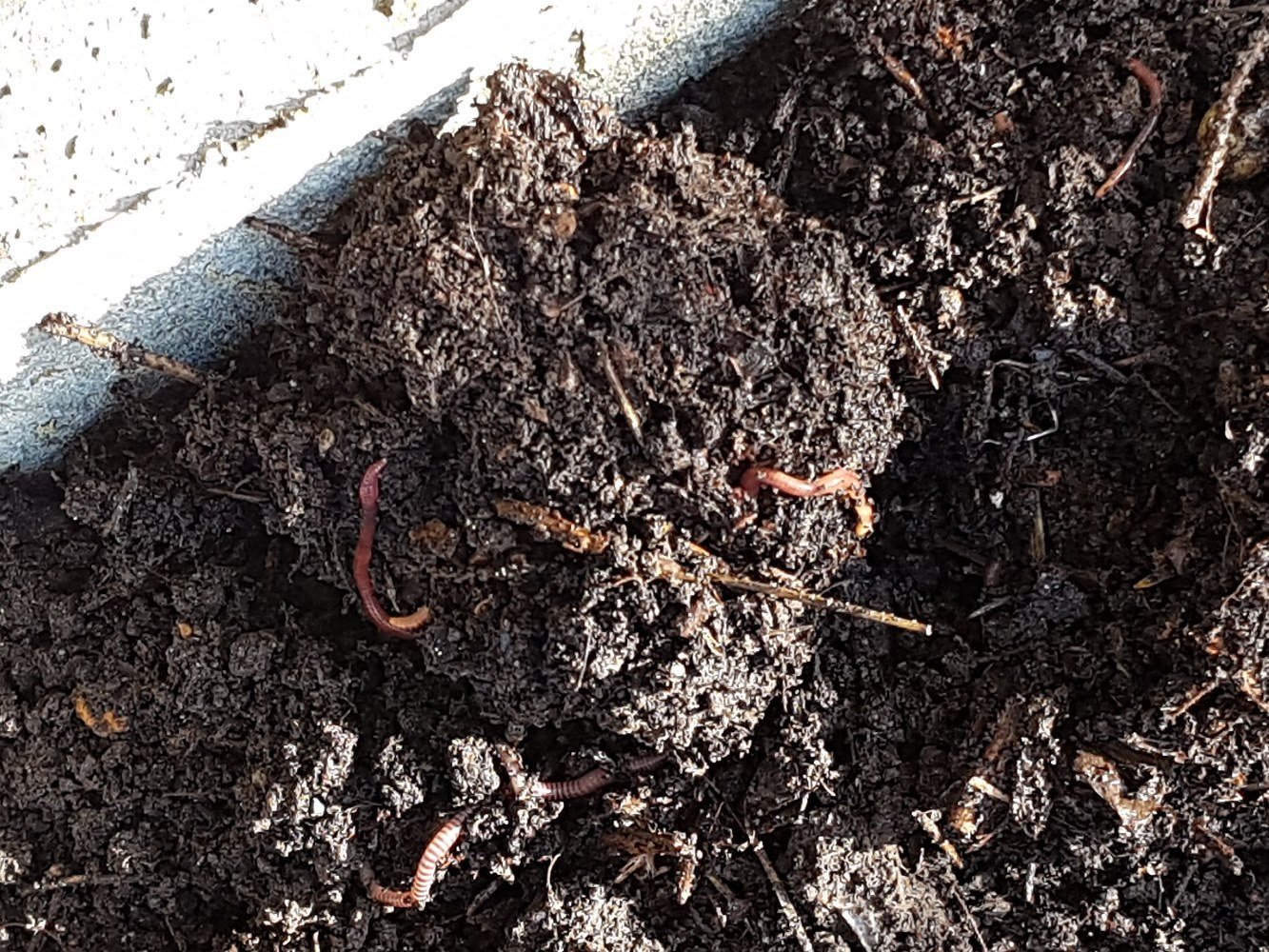
Here is something a lot of hobby gardeners overlook entirely. Different plants have different needs, and one of those needs is the right soil pH. Blueberries and azaleas love an acidic soil. Most vegetables prefer a neutral soil. Growing an acid-loving plant in alkaline soil is like wearing the wrong shoes for a long hike. You can push through it, but you will pay a price.
Soil pH levels play a crucial role; a balanced pH ensures that nutrients are accessible to plants. Furthermore, optimizing soil quality can enhance beneficial microbial activity, which contributes to nutrient cycling and overall soil fertility. By improving soil conditions, gardeners can create a thriving environment that supports robust plant growth and resilience. Soil pH test kits are widely available and inexpensive. Use one. It might just change your entire approach to gardening.
5. Apply Mulch to Lock in Growth Conditions
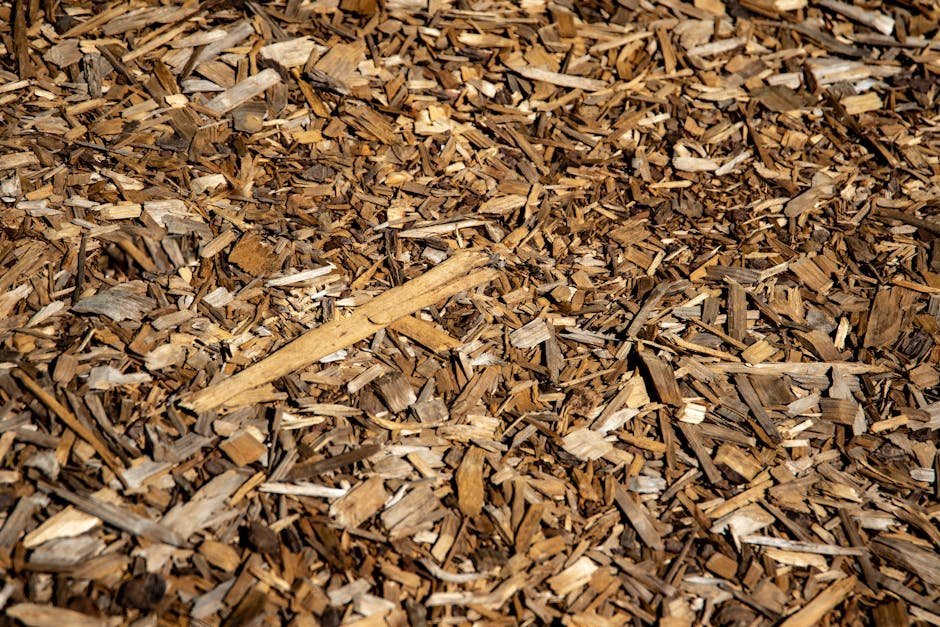
Mulch is one of those things that looks purely cosmetic from the outside, like you are just tidying up the garden bed. In reality, it is doing some very heavy lifting. It reduces weed growth by keeping light from reaching the soil surface, reduces water loss from the soil surface to help maintain soil moisture, and moderates soil temperatures, keeping soil warmer on cold nights and cooler on hot days.
Apply mulch in early spring and fall to retain moisture, suppress weeds, and protect roots from temperature fluctuations. Wood chips, bark, compost, or leaves all work well. This simple step goes a long way in maintaining plant health. Just remember to keep it a few inches away from plant stems and tree trunks. Piling mulch right against a trunk can cause rot and invite pests, which is the last thing you want.
6. Deadhead Spent Flowers to Redirect Energy
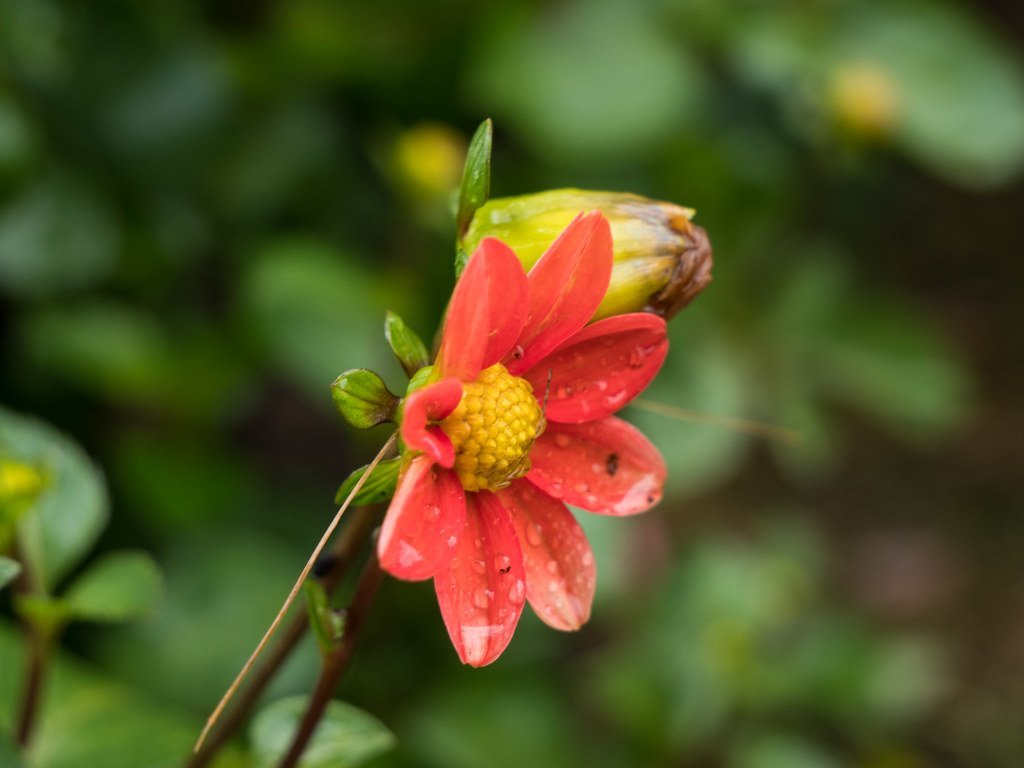
This one surprises a lot of new gardeners. Removing flowers from a flowering plant actually makes it produce more flowers. It sounds almost cruel, but the biology behind it is elegant. When dead blooms are left clinging to flowering plants, they sap the nutrition and strength from the core of the plants and rob them of the energy to produce new and colorful blooms. The deadheading process redirects the plant’s energy from seed production to root and vegetative growth.
Regular removal of dead blooms redirects the energy from seed development into flower or fruiting development, promoting a healthy and vigorous garden. Even perennials that bloom only once per season benefit from having their stalks cut back, as the energy is channeled back to their roots and vegetation. Simply pinch or snip off the fading flower just above the next healthy set of leaves, and let the plant do the rest.
7. Prune and Pinch for Fuller, Bushier Growth
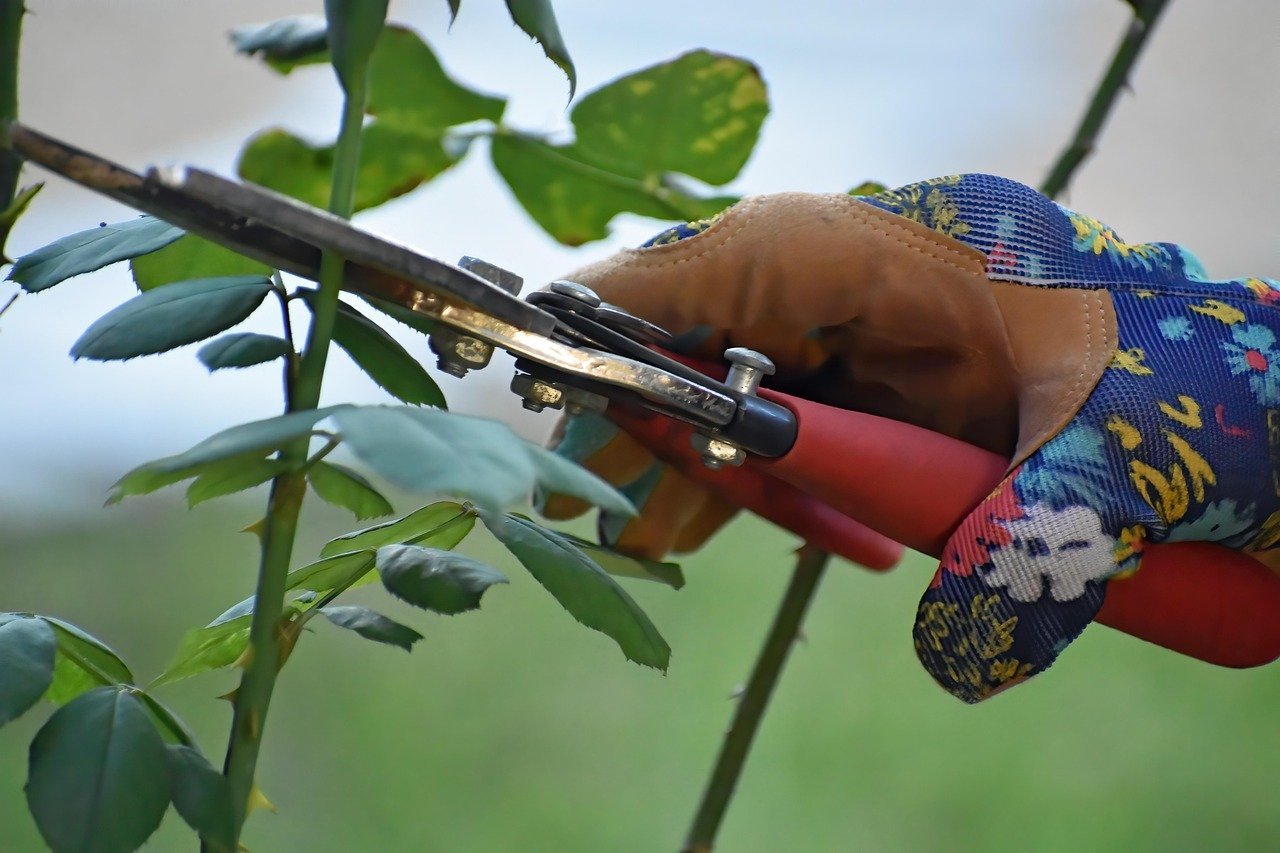
Pruning might feel like you are hurting your plant, but it is honestly one of the most generous things you can do for it. Think of it like a good haircut. You take a little off the top, and everything grows back stronger and fuller. Pinching off the top growth of a plant encourages it to produce more side branches, making it fuller.
When pruning, eliminate any deceased or diseased parts that reduce the livelihood of plants. You may also want to thin out overgrowth to allow more light and airflow, which reduces the likelihood of pests or disease. The focus is, ultimately, on the yield – if pruned correctly, your fruits, vegetables, or flowers will flourish even more. Use clean, sharp tools every time. Dull blades tear rather than cut, and a messy wound on a stem is an open invitation for disease.
8. Start Seeds Indoors for a Head Start
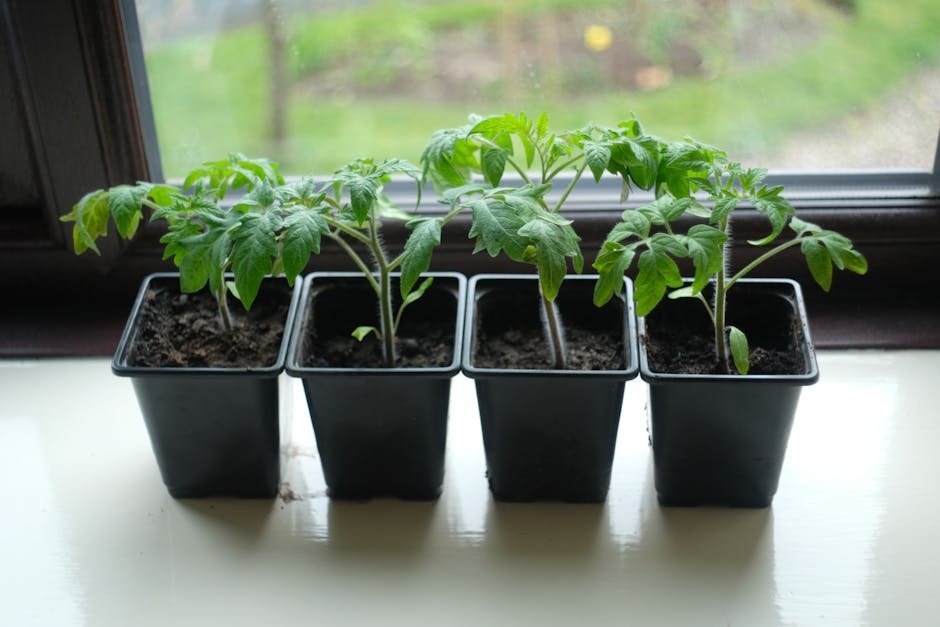
Most gardeners wait until the outdoor season is clearly upon them before planting anything. But the clever ones are already weeks ahead, growing seedlings inside where temperatures are controlled and conditions are ideal. You can start seeds indoors early in the spring before normal planting season begins and get a jump on growth. Just do not set these seedlings out too early.
The transition from indoor to outdoor needs to be gradual. Hardening off your seedlings over about a week, where you progressively expose them to outdoor conditions for longer periods each day, gives them the resilience they need before facing wind, fluctuating temperatures, and direct sun. It is a bit like training wheels for plants. The transition should be made gently so as not to burn the foliage. First, move your pots into the shade for a few hours, then gradually increase the intensity and duration of exposure.
9. Feed Plants With Kitchen Scraps and Natural Boosters
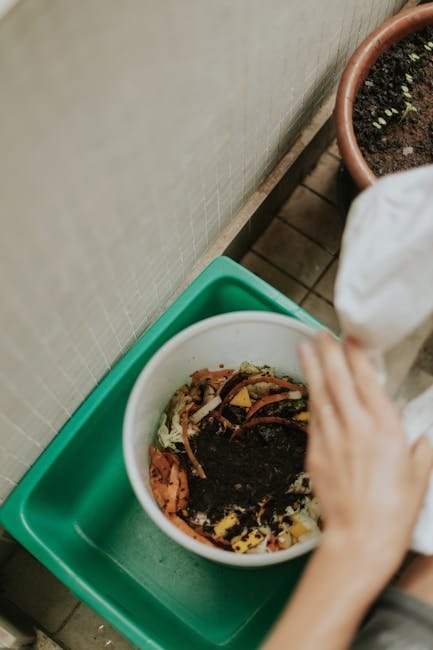
Your kitchen contains ingredients that can genuinely improve your garden, and most people just throw them away. It is kind of shocking, honestly. Chop up banana peels and bury them in the soil when you plant tomatoes, rose bushes, or green pepper plants. The potash and phosphorus content in the peels will enrich the soil and strengthen your plants.
Old coffee grounds have many uses around the house, but they are particularly effective as plant boosters, thanks to their calcium, potassium, nitrogen, and phosphorus content. Although using coffee grounds in the garden will not acidify your soil, acid-loving plants like rose bushes and azaleas will still benefit from their presence. Scatter fresh grounds lightly at the base of your plant or add them to the compost pile. These are free, zero-waste options that can make a real difference over a growing season.
10. Brew Compost Tea for a Liquid Growth Boost
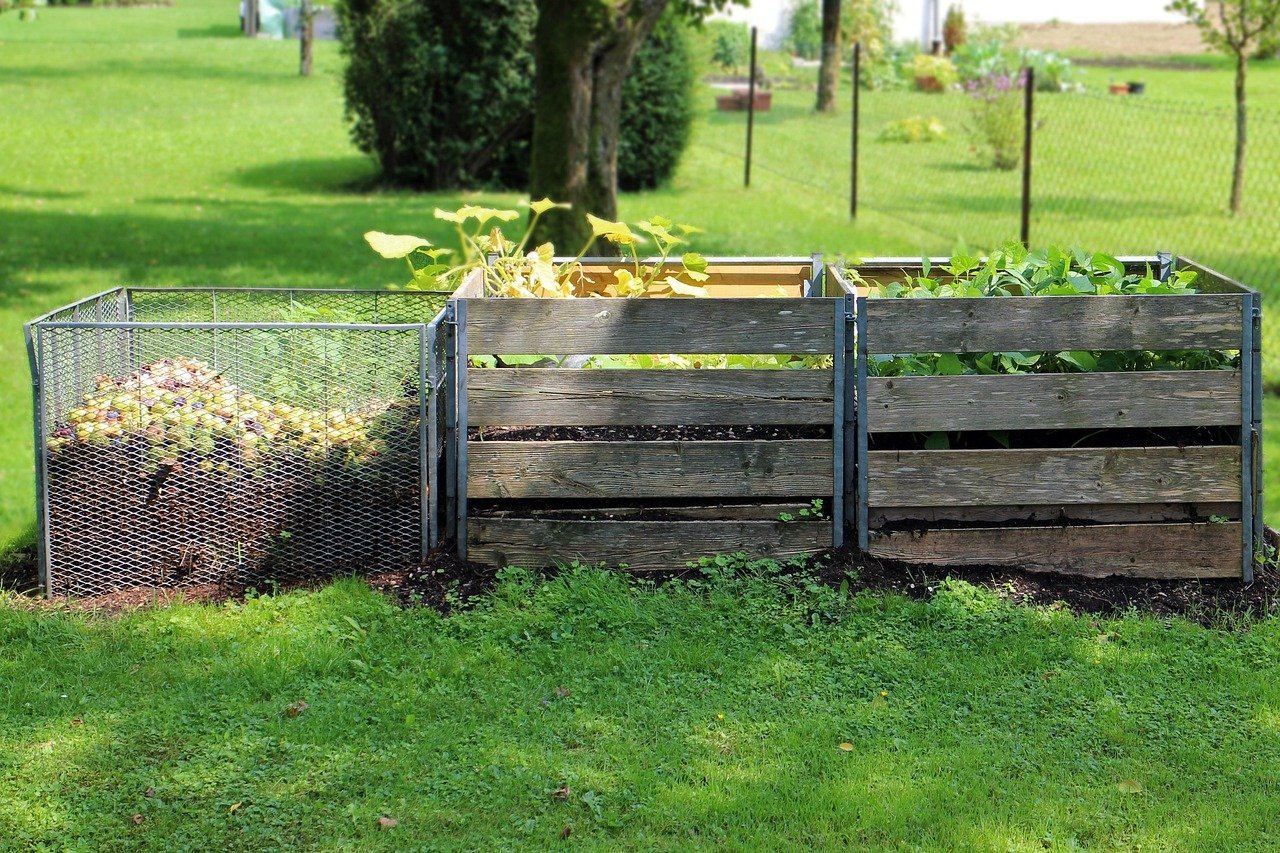
If you already have a compost pile, there is a brilliant next step that many gardeners have not yet discovered. Compost tea is praised as a magical elixir that allows plants to grow stronger and quicker. The entire premise of compost tea is to enhance the amount of biological life in the soil. This soil life aids the plant in its gradual development and makes it resistant to diseases. It also introduces healthy bacteria, protozoa, and nematodes into the soil, increasing soil web life and overall soil quality.
Making it is simpler than it sounds. The application of compost tea is an easy task. Simply dilute the tea in water in a one-to-four ratio and spray it directly to the soil using a sprayer or watering can. Apply it consistently during the growing season and watch your plants respond with noticeably greener, more vigorous growth. It is one of those low-effort, high-reward tricks that experienced gardeners quietly swear by.
11. Manage Temperature to Reduce Plant Stress

Plants are more sensitive to temperature than many gardeners realize. Too cold, too hot, or caught in a sudden swing – any of these can slow growth dramatically or cause visible damage almost overnight. Plants have a preferred temperature at which they perform optimally, from germination stages all the way through setting fruit. Providing that preferred temperature will save your plant a lot of stress, and ensure that your plant arrives at the stage where it can provide fruit.
Plants respond to temperature fluctuations by showing various signs physically. As they get a more favourable temperature, new leaves, new stems, more fruit or flowers, and even depth in the colors and textures become evident. Small tools like row covers, cold frames, or even just moving potted plants to a sheltered spot on cold nights can make a remarkable difference. It is a surprisingly simple intervention with outsized rewards.
12. Enrich Roots With Worm Castings and Bone Meal
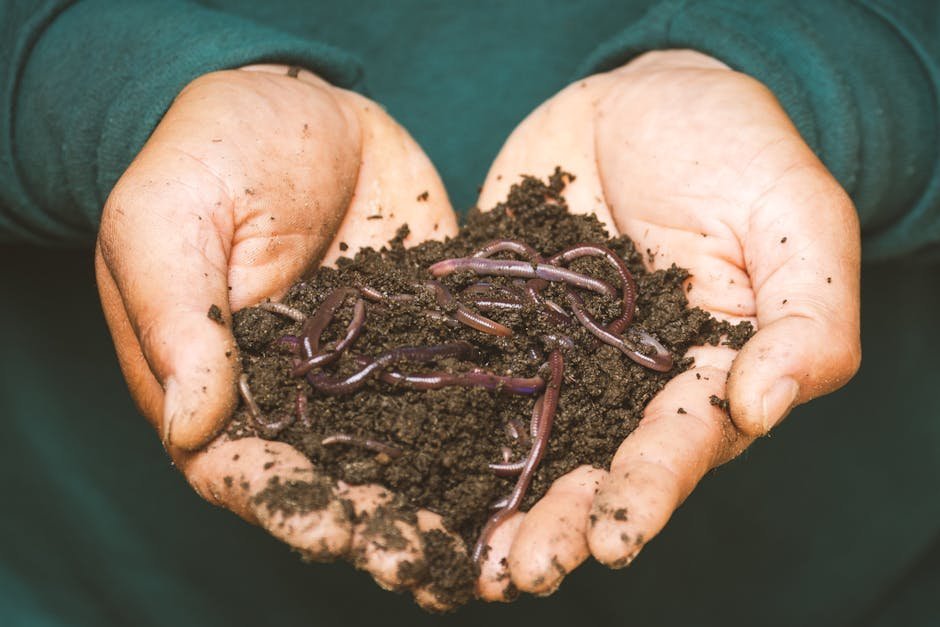
If you want to talk about some of the most underused but genuinely powerful garden inputs, worm castings and bone meal deserve a spotlight. Often called “black gold” for how rich it is, worm castings, or vermicompost, is essentially worm excrement. Gardeners treasure worm castings for their high concentration of nitrate, a biodegradable form of nitrogen. Mix them into your soil when planting or top-dress established beds for a steady, gentle nutrient release.
Bonemeal is a fantastic source of phosphorus, crucial for strong root development and flowering. Mix it thoroughly into the soil to ensure even distribution. In addition to being high in calcium, bone meal can help to prevent problems like blossom end rot. Gardeners may need to reapply it on the soil because it is a slow-release fertilizer that may take up to four months to absorb fully. Together, these two inputs create a foundation that supports serious, sustained plant growth from the ground up.
Conclusion: Small Changes, Big Results
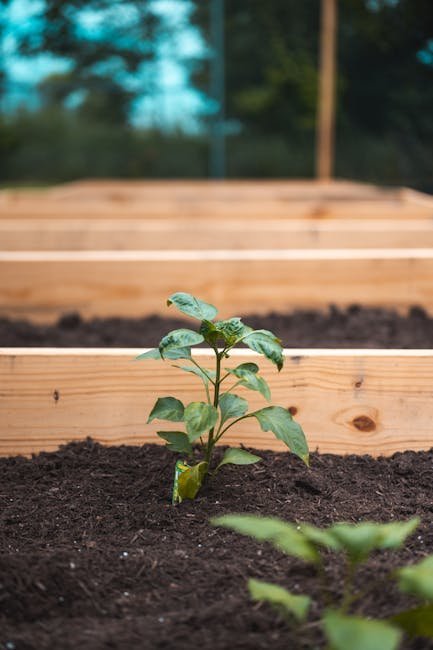
The gap between a mediocre garden and a truly thriving one is rarely about the plants themselves. It is almost always about the decisions made around them. By understanding what your garden truly craves and giving it exactly that, you can dramatically speed up plant development. That is the core truth behind every single trick on this list.
None of these strategies require expensive equipment or expert-level knowledge. Most can be started this weekend with what you already have at home. Start with just two or three of these tricks, master them, and build from there. Gardens reward patience and consistency more than anything else.
Your garden is already trying to grow. All it needs is for you to get a little more deliberate about helping it along. Which of these tricks will you try first?

Christian Wiedeck, all the way from Germany, loves music festivals, especially in the USA. His articles bring the excitement of these events to readers worldwide.
For any feedback please reach out to info@festivalinside.com
