

For any feedback please reach out to info@festivalinside.com
- Movie Soundtracks Are the Unsung Heroes of Cinematic Storytelling - August 30, 2026
- The Golden Age of Hollywood Produced Unrivaled Cinematic Masterpieces - August 29, 2026
- 15 Unforgettable Movie Soundtracks That Defined an Entire Era - August 29, 2026
History is messy, chaotic, morally complex – and frankly, not always cinematic. So it’s no great surprise that Hollywood has spent well over a century tidying up the past, smoothing out uncomfortable truths, and injecting love stories where there were none. Depending on whom you ask, historical accuracy isn’t always necessary when it comes to making a good historical movie. Some filmmakers consider it important, but not as important as telling a compelling story; others dismiss the notion entirely.
The problem? Many people acquire their knowledge of history from movies. That’s a terrifying thought when you realize just how wild some of these cinematic retellings really are. From ancient Greece to World War II, filmmakers have taken liberties that would make actual historians weep into their coffee. So buckle up. What you’re about to read might change how you see some of your favorite films forever. Let’s dive in.
1. The Battle of Thermopylae – “300” (2006)
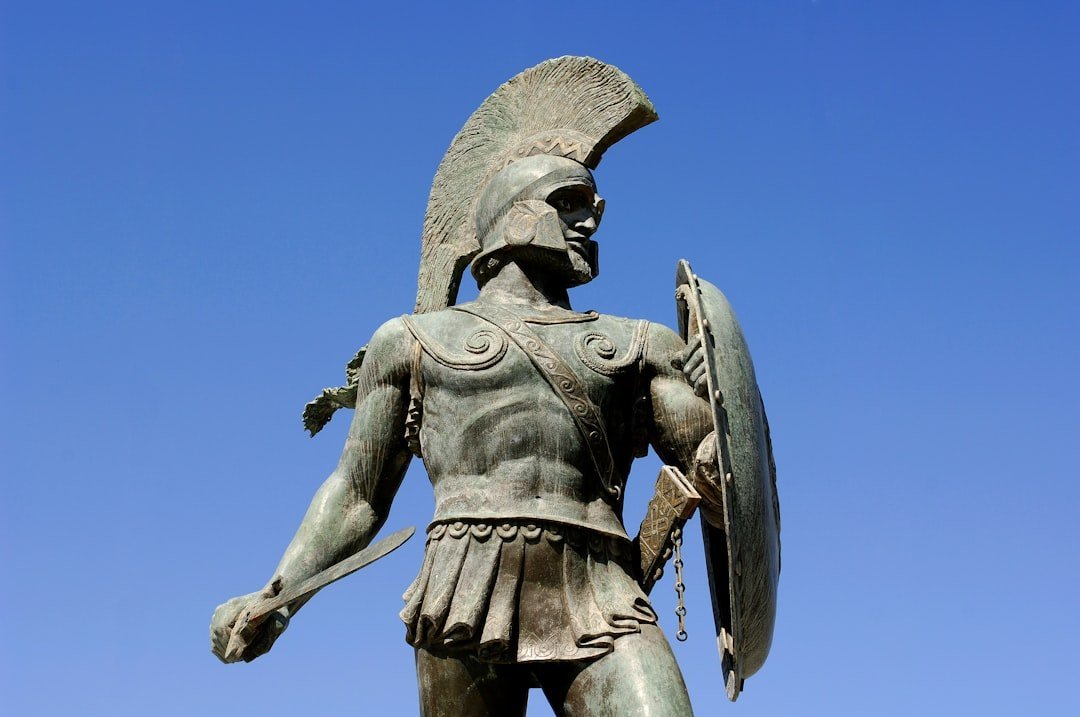
You’ve probably seen it. Sculpted abs, leather speedos, a thousand gallons of slow-motion digital blood. Zack Snyder’s “300” is a cinematic spectacle, no question about that. At its core, “300” is based on the genuinely amazing true story of roughly 7,000 Greek warriors, including 300 Spartans, holding off somewhere between 70,000 and 300,000 Persian soldiers at the Battle of Thermopylae. The problem is that almost everything else in the film is a dramatic invention.
The film shows almost exclusively Spartans during the actual fighting, ignoring the thousands of other Greek soldiers who gave their lives at Thermopylae. In real life, Leonidas took around 7,000 soldiers to the battle, and the force contained soldiers from across Greece who fought just as bravely as the Spartans. The film also entirely scrubs out the pivotal naval confrontation happening at the same time. The movie leaves out the decisive amphibious battle that took place in the straits adjacent to Thermopylae, where allied Greek fleets led by Athens held off the Persian fleets. Soon after, this Athenian-led fleet saved Greece by destroying the Persian fleet during the Battle of Salamis, which marked the turning point in the war. Honestly, that alone is a story worth telling.
Xerxes, the real-life Persian king, is also depicted as a scantily clad giant god with a nose ring and covered in jewelry. The real Persian King Xerxes had a beard and was much shorter. He never went to the front line at the Battle of Thermopylae as his character does in the movie. I think even the most generous historian would struggle to argue that’s just “creative license.”
2. The Battle of Stirling Bridge – “Braveheart” (1995)

Let’s be real: “Braveheart” is an emotionally gripping film, and Mel Gibson’s portrayal of William Wallace still gives people chills. The same can be said of pretty much everything in Braveheart, which Mel Gibson both directed and starred in as Scottish folk hero William Wallace. The movie is wildly, famously inaccurate, beginning with its name: Wallace was not known as Braveheart; that nickname belonged either to King Robert the Bruce or to no one at all. But one error stands out above all others in terms of sheer absurdity.
The movie Braveheart had the chance to depict the Battle of Stirling, known by most historians as the Battle of Stirling Bridge. Braveheart made this battle quite epic, but also took the bridge entirely out of the equation. In history, the Scots waited for a manageable amount of English to cross the narrow bridge before attacking and defeating the isolated English. Removing the bridge is like filming the sinking of the Titanic without a ship. The belted plaid, kilts, and blue face paint aren’t based on anything factual either, nor were several of the battle sequences. One Scottish history expert has said that the movie “almost totally sacrifices historical accuracy for epic adventure.”
3. The Attack on Pearl Harbor – “Pearl Harbor” (2001)
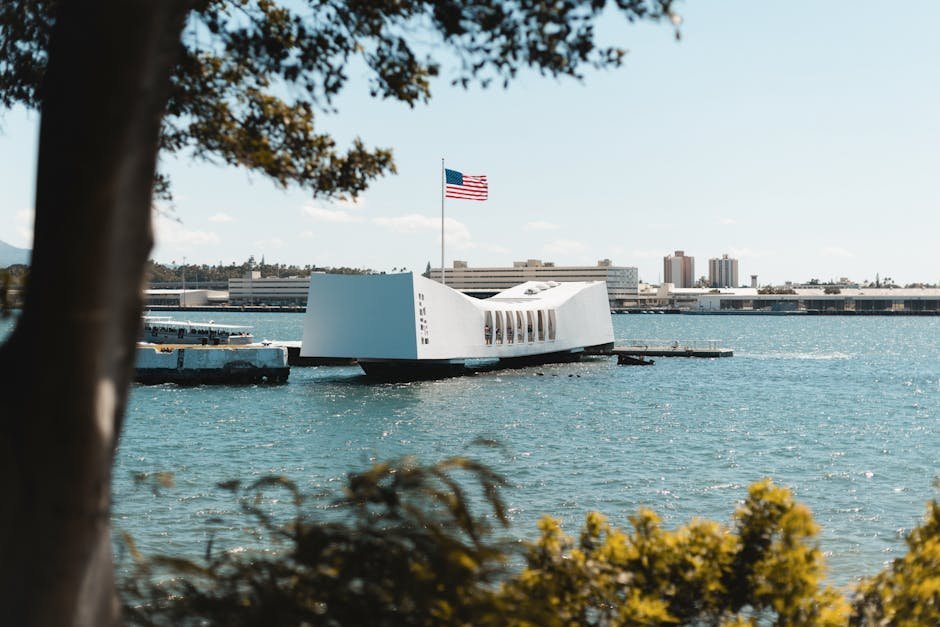
Michael Bay’s “Pearl Harbor” is perhaps the most infamous offender on this list. The film, as critics were quick to point out upon its release, is riddled with factual and historical errors. Though a captivating story according to so many moviegoers, history lovers will find that it’s nearly impossible to sit through Pearl Harbor without noticing one of its many mistakes or misrepresentations. That’s saying something for a film with a budget reportedly larger than many small countries’ military spending.
The battle scenes were totally inaccurate. It’s not just that the planes are shown flying recklessly and unrealistically. The movie also shows Japanese planes using jet catapults and angled flight decks, which involved technology not invented until years later. Plus, the Japanese aircraft depicted were the same ones used by the United States Navy. Then there’s the love triangle. After Pearl Harbor, the U.S. officially entered World War II and responded to the Japanese attack with a surprise attack on Tokyo known as the Doolittle Raid. In the movie, it’s implied that America bombs Japan to resolve a love triangle between the three main characters. You genuinely can’t make this stuff up.
4. The Battle of the Bulge – “Battle of the Bulge” (1965)
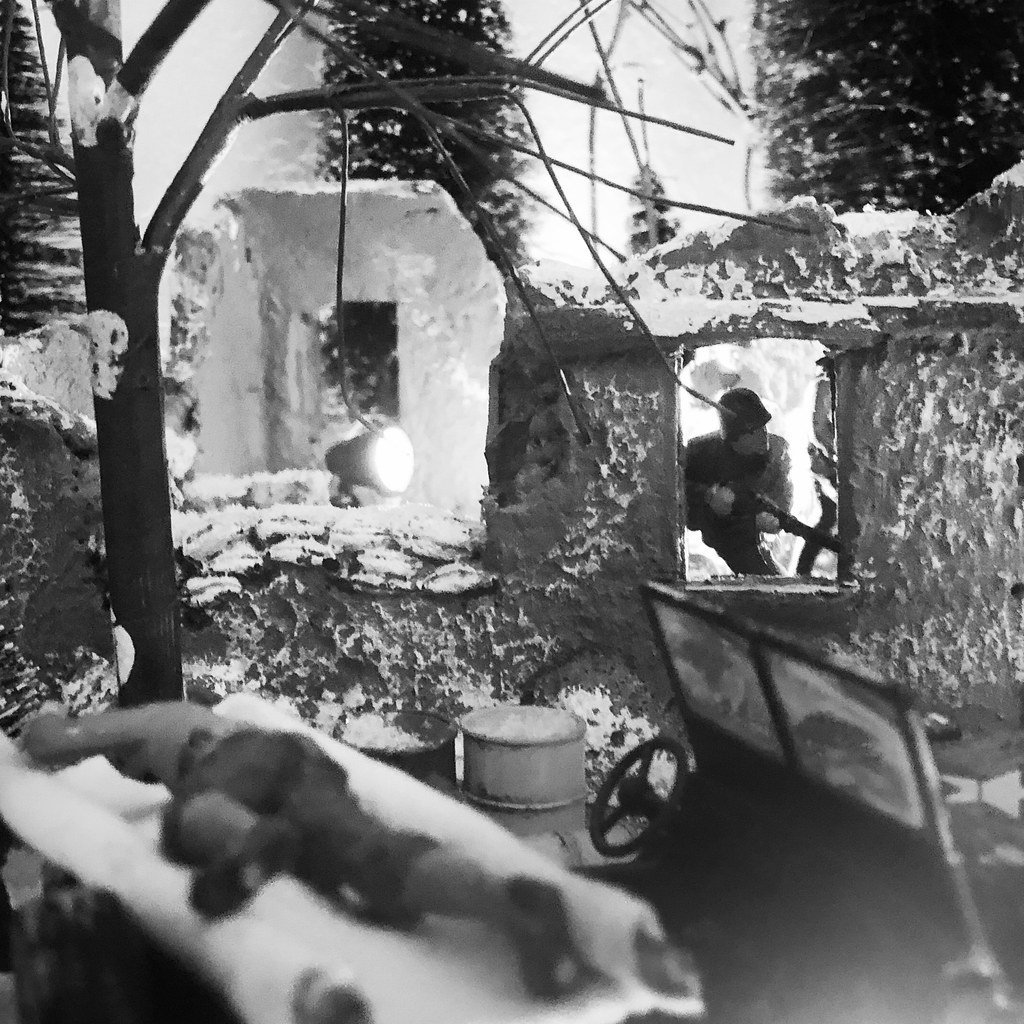
The Battle of the Bulge saw more American deaths than any other World War II engagement, so you’d expect MGM’s movie of the same name to strive for respectful accuracy. The result was more reminiscent of the popular cowboy movies of the time than the actual battle. Ouch. That comparison alone should tell you everything. This was a battle fought through frozen, fog-drenched forests. The movie turned it into something closer to a Western.
The screenplay itself was so inaccurate that former President Dwight Eisenhower, supreme commander of the Allied Forces at the time of the battle, felt the need to deliver a scathing critique. Right from the beginning, Eisenhower pointed out, the narrator got names and units wrong, including moving the entire British Eighth Army from Italy to the Ardennes. Eisenhower also pointed out that most of the plot lines were fictional, including a race for a fuel depot that never happened. Eisenhower also criticized the movie for using Korean War-era American tanks as German panzers. In fact, every tank, plane, and jeep used in the movie is a post-war model. When the man who actually ran the battle calls your movie fiction, it’s probably time to listen.
5. The Battle of Germania – “Gladiator” (2000)
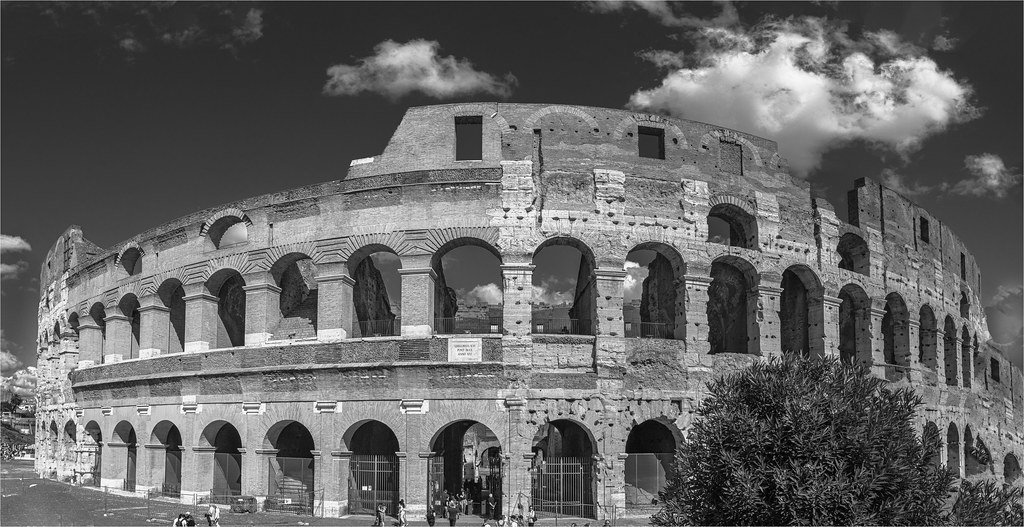
Ridley Scott’s “Gladiator” is a masterpiece of atmosphere and performance. But its famous opening battle scene in Germania is a historian’s nightmare dressed up in spectacular cinematography. Gladiator features massive dart launchers and catapults to sell the excitement of the opening scene in Germania. Unfortunately, these were siege weapons in use at the time as a means of stationary defense, as opposed to moving platforms fighting in a forested environment. Dragging giant catapults through dense forest for open-field combat is roughly as sensible as bringing a submarine to a knife fight.
Marcus Aurelius passed in 180 AD while leading a military campaign against northern Germanic tribes. While historians still debate what specifically caused his end, the most popular guess is the plague, and he certainly did not perish at the hands of his son and heir. In fact, his health had been deteriorating for quite some time before his passing. The film also scrambles the Roman military’s famed discipline. The Roman legions were trained to fight as a regimented force, and to maintain formation for mutual support. In the film, the formation collapses instantly upon contact with the enemy. That would have gotten real Roman soldiers not cheered, but executed.
6. The Trojan War – “Troy” (2004)
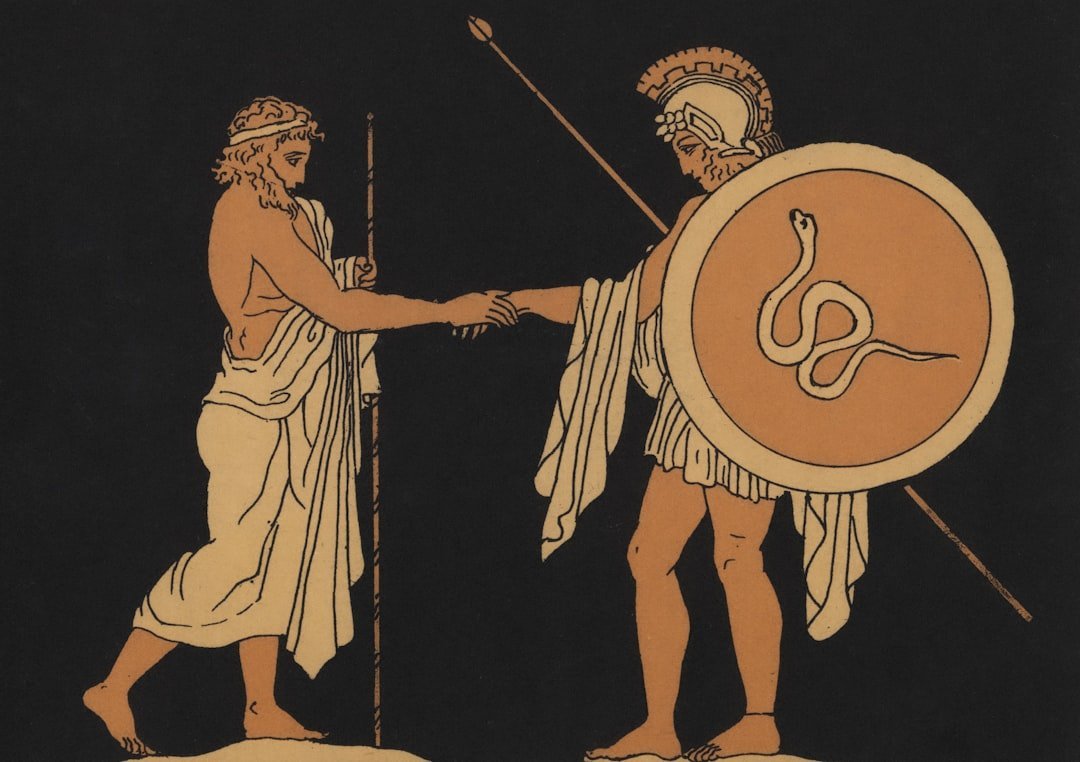
Wolfgang Petersen’s “Troy” stripped the gods out of Homer’s “Iliad” entirely and tried to present the war as a grounded, realistic military conflict. That’s an interesting creative choice. The problem is it also stripped out a lot of historical and mythological truth in the process, while adding new inaccuracies of its own. The film compressed a war that ancient sources suggest lasted a full decade into what feels like a long weekend.
The absolute worst feature of ancient warfare on the big screen is the total lack of regard for personal safety. Sure, the act of being a soldier and marching into battle is risking one’s life, but movie scenes take dying for a cause to a whole new level. Battle lines charge wildly into each other and thoroughly mix the soldiers together five ranks deep. Ancient warriors were not suicidal, and only the fiercely brave or foolish would jump two ranks into an enemy formation. It was also very difficult to charge horses into what they perceived as a solid wall of people, despite all the military training horses went through. The reality of combat was actually a lot of timid strikes and sustained defense. Nothing that Hollywood’s version of Troy chose to show, clearly.
7. The Battle of Stalingrad – “Enemy at the Gates” (2001)
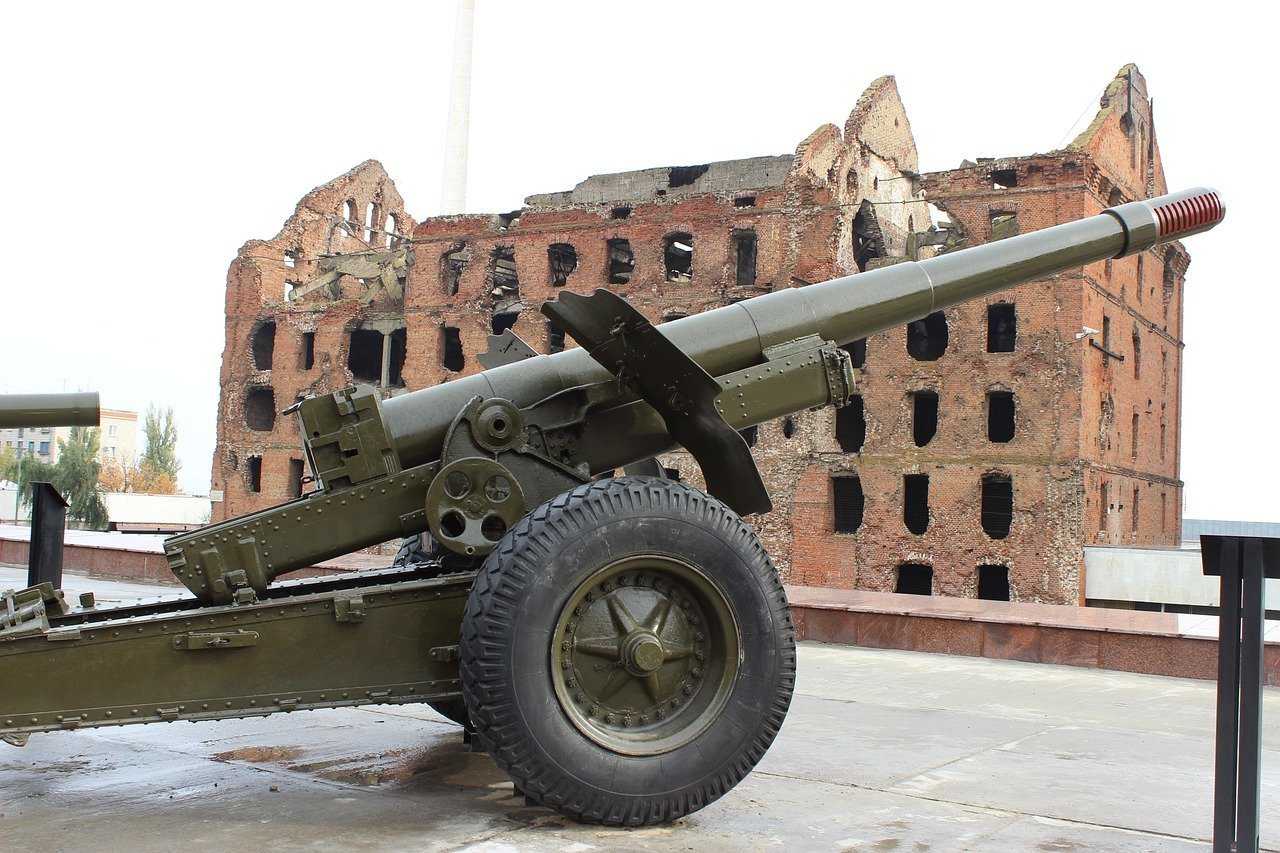
The siege of Stalingrad was arguably the most harrowing and consequential battle of World War II. “Enemy at the Gates” zeroes in on the story of a Soviet sniper named Vasily Zaitsev, a real man who genuinely did fight at Stalingrad. Here’s the thing though: The film is about the infamous Battle of Stalingrad and the exploits of Russian sniper Vasily Zaitsev. While Zaitsev was a decorated sniper, most of his sniping missions in this film are fabricated or exaggerated.
The film constructs a dramatic cat-and-mouse duel between Zaitsev and a German master sniper, a compelling narrative device that historians have long argued is more fiction than fact. The broader depiction of Soviet forces and conditions at Stalingrad was also criticized for favoring Western cinematic conventions over the brutal, specific realities of what Soviet soldiers actually endured. It’s hard to say for sure where exactly the line between dramatization and distortion falls, but most historians agree this film crosses it fairly boldly.
8. The American Revolutionary War Battles – “The Patriot” (2000)

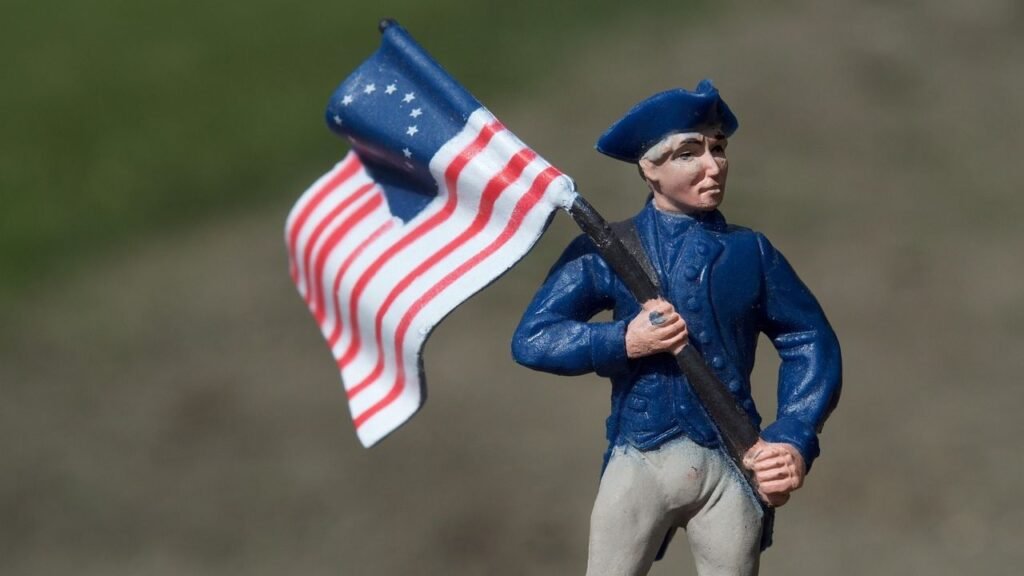
Roland Emmerich’s “The Patriot” presents itself as a sweeping American Revolutionary War epic. Originally, “The Patriot” was supposed to be a biopic of Francis Marion, a guerrilla fighter in the South Carolina swamps during the Revolutionary War. Marion was a compelling figure whose ambush tactics would have provided an interesting contrast to George Washington’s stand-and-fire battles. What audiences got instead was something far more sanitized and far less honest.
Marion’s life simply didn’t fit easily into the standard Hollywood action-movie template. Among other things, he owned slaves and fought in a particularly brutal campaign against the Cherokee during the French and Indian War. He also didn’t have children, but the screenwriter wanted the movie to depict “the conflicting responsibilities of principle and parenthood,” so the character was renamed Benjamin Martin and made a composite of at least five historical figures. The British forces in the film were depicted in ways that drew widespread criticism too, with historians and commentators pointing out the movie painted a wildly lopsided picture of both sides of the conflict.
9. The Battle of Gettysburg – “Gettysburg” (1993)
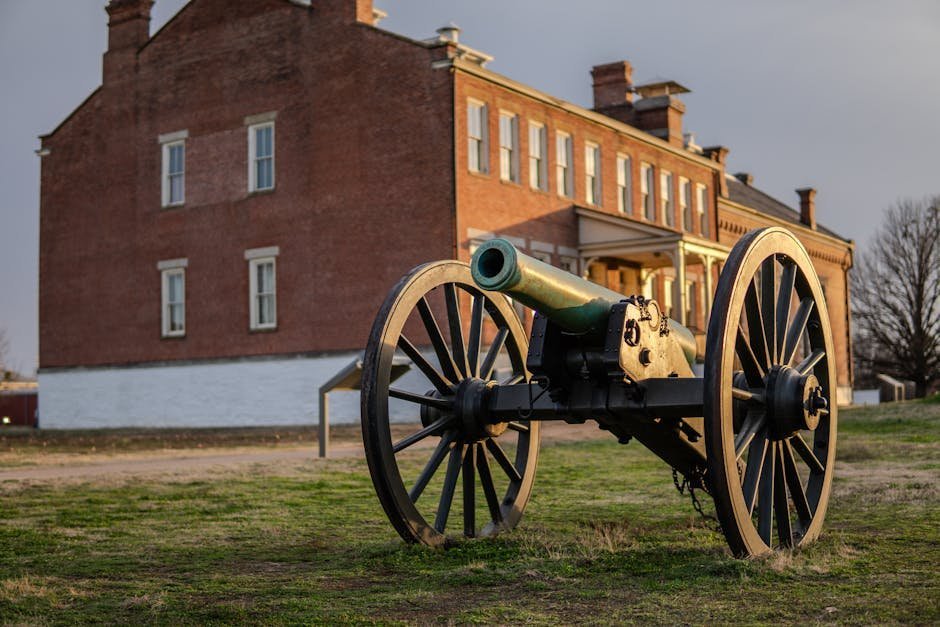
This one is a bit more nuanced. “Gettysburg” is generally considered one of the more earnest attempts at Civil War accuracy, and it gets a remarkable amount right in terms of spirit and broad strokes. Yet even here, the realities of large-scale battle were softened for the screen. Pickett’s Charge, one of the most catastrophically failed military maneuvers in American history, is depicted with a drama and nobility that arguably glosses over just how catastrophic and strategically senseless it actually was in real time.
The film’s pacing and character focus also mean that many of the supporting commanders and key tactical decisions that shaped the three-day battle are either simplified or omitted entirely. This sort of moving or restructuring of battles happens a lot, mostly based on filming locations and expenses, and sometimes imprints the wrong picture of historical battles. In short, these could be lumped together as things done to make the movie more watchable. Still, compared to some of the other entries on this list, “Gettysburg” is practically a documentary. Relatively speaking.
10. The Enigma Machine Capture – “U-571” (2000)
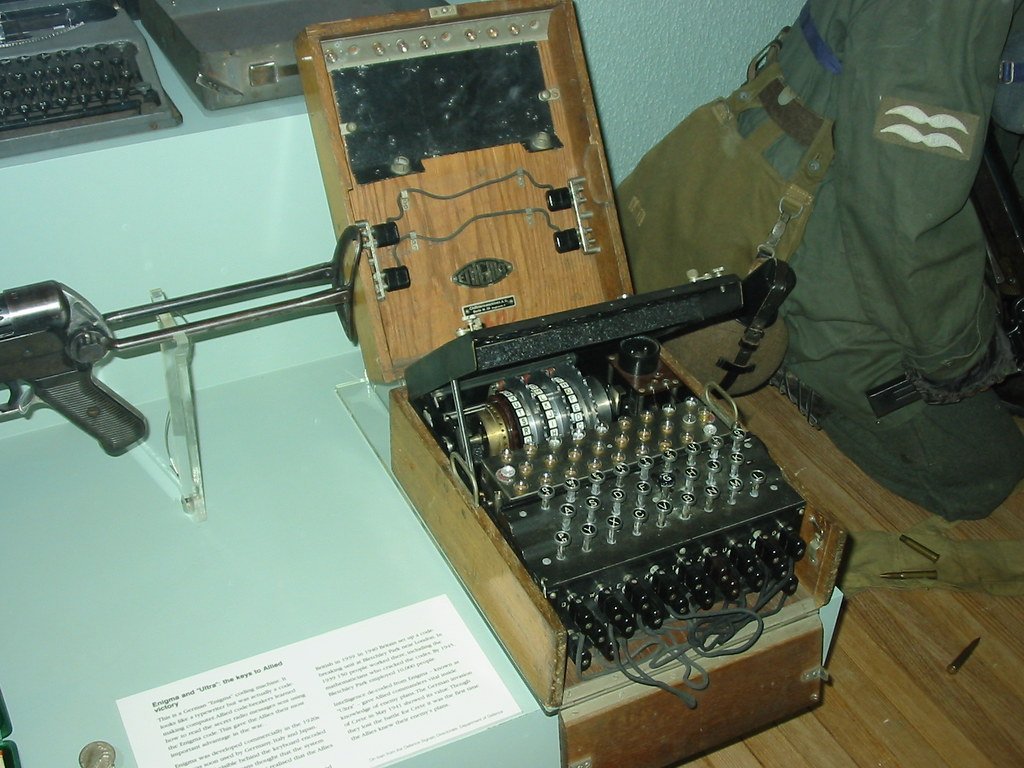
Here’s where things get genuinely outrageous. “U-571” tells the story of an American submarine crew capturing a German Enigma machine during World War II. It’s tense, gripping, and well-made as a thriller. The plot of this WWII film revolves around a US Navy operation to steal an Enigma machine from a German U-boat. No matter how entertaining it might be, “U-571” is basically a fantasy.
In reality, it was British forces who were responsible for capturing Enigma machines, a fact so important to that nation’s wartime history that the film provoked an official condemnation in the British Parliament. The actual Enigma capture operations were dangerous, ingenious, and genuinely heroic, just not American. The film’s erasure of British contributions was seen not merely as inaccuracy but as a cultural insult. Movies based on true stories and real history have been staples in Hollywood since its earliest days. Getting the history incorrect has been a tradition as well. It’s important to note that just because a movie isn’t 100% true doesn’t always mean it’s a bad movie. There are many reasons filmmakers may choose to omit facts or change the story for cinematic reasons, but it’s still important that those changes be noted.
Why It Matters More Than You Think
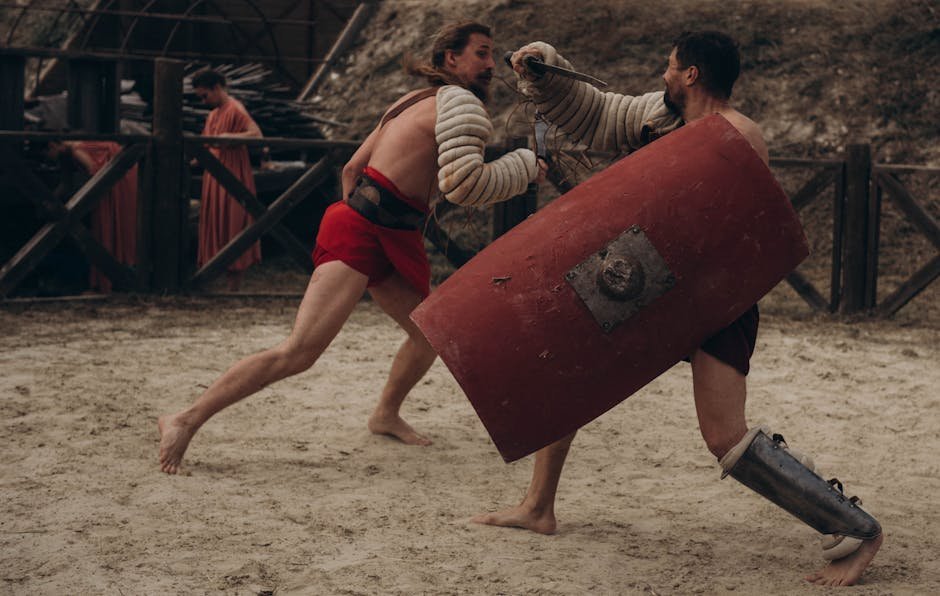
It would be easy to shrug and say, “It’s just a movie.” I get that impulse. Honestly, I enjoy a good historical epic as much as anyone, inaccuracies and all. There’s something undeniably thrilling about watching a massive battle unfold on screen, even if the costumes are wrong and the tactics are fantasy. But the stakes are real, because many people acquire their knowledge of history from movies. That’s not a small thing. That’s how myths get born.
When films depict Spartans as solo action heroes and erase the contributions of other Greek city-states, or when they turn the American revolution into a sanitized heroic fantasy, or when they credit Americans for British wartime bravery, they quietly reshape public understanding. Many of these films have been widely criticized by historians as a result, though many proved quite popular with audiences despite, or perhaps because of, their deviations from the historical record. Popularity doesn’t equal truth, though. It never has.
The best historical films manage to be gripping and emotionally honest while still respecting what actually happened. It’s not an impossible balance. It just requires filmmakers who care as much about their subjects as they do about their box office. Perhaps the real question worth sitting with is this: if the truth is so often more dramatic, more complex, and more human than anything Hollywood invents, why do so many filmmakers keep choosing the fiction? What do you think? Drop your thoughts in the comments below.

Christian Wiedeck, all the way from Germany, loves music festivals, especially in the USA. His articles bring the excitement of these events to readers worldwide.
For any feedback please reach out to info@festivalinside.com
