

- Top 10 Movie Soundtracks of All Time - September 20, 2026
- The Surprising Benefits of Reading Books in Their Original Languages - September 19, 2026
- Top 10 Demanded Houseplants In The US – And How To Treat Them - September 19, 2026
Picture this: the raw energy of a guitar riff crashing into the quiet intensity of a novel’s page. Music culture, especially the wild world of rock stars, has long seeped into literature, shaping characters that pulse with rebellion, excess, and genius. Authors draw from these icons not just for flair, but to capture the chaos and charisma that define rock legends.
It’s like the beat of a drum driving a story forward. These fictional figures borrow habits, struggles, and triumphs from their real-life counterparts, blurring lines between stage lights and printed words. Let’s dive into nine striking examples that prove rock’s grip on the literary imagination.[1][2]
Stag Preston from Spider Kiss: Jerry Lee Lewis’s Wild Fire
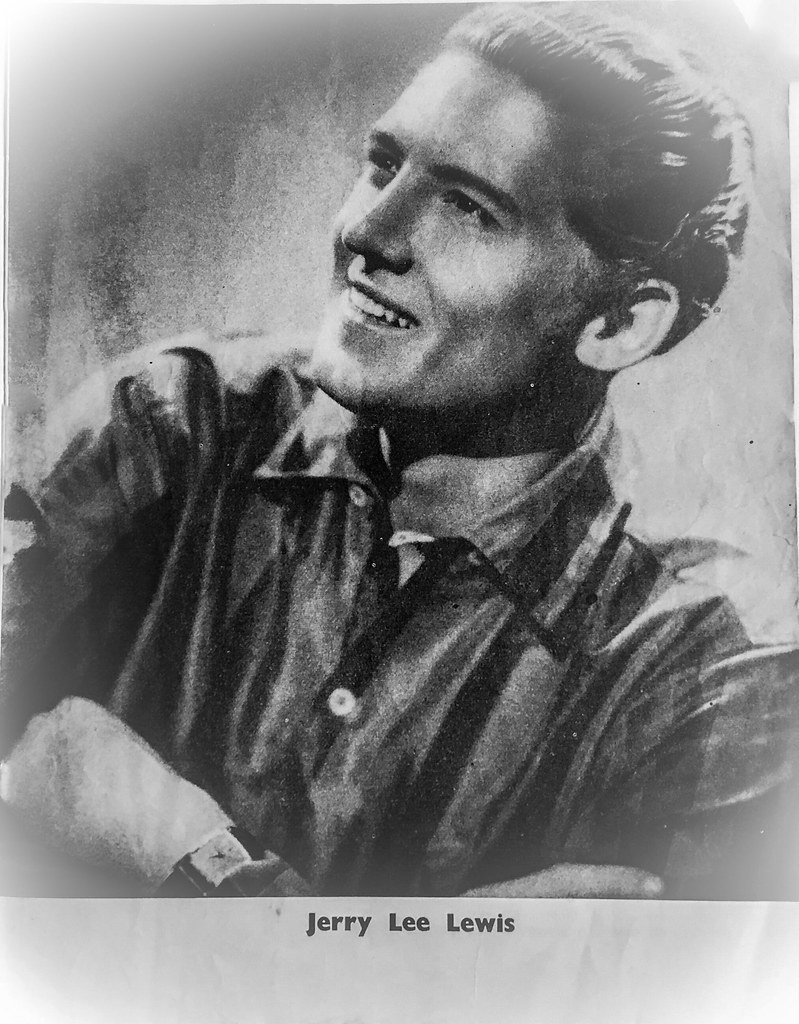
Stag Preston bursts onto the scene in Harlan Ellison’s Spider Kiss as a poor kid from Louisville renamed by a slick promoter, his angelic voice masking a demonic edge. Just like Jerry Lee Lewis, Stag rockets to fame with pounding piano rockabilly, but fame unleashes his voracious appetites for women, booze, and destruction. The character’s incendiary performances and scandalous personal life mirror Lewis’s own controversial marriage and hellfire persona.[3][2]
Ellison paints Stag’s rise and fall with brutal honesty, echoing how Lewis’s career teetered on moral outrage and raw talent. Here’s the thing: both men wielded music like a weapon, leaving wreckage in their wake. Their shared trajectory from obscurity to infamy feels less like coincidence and more like a deliberate echo across decades.
Desmond Howl from Whale Music: Brian Wilson’s Reclusive Genius
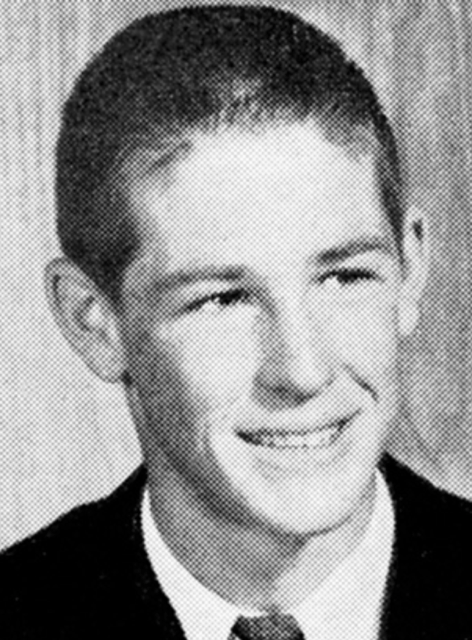
In Paul Quarrington’s Whale Music, Desmond Howl is a washed-up rock star holed up in his mansion, battling addiction and eccentricity while obsessing over whale songs. This mirrors Brian Wilson’s real-life descent after Beach Boys success, complete with bed-bound isolation, junk food binges, and unfinished symphonies like Smile. Howl’s jelly-doughnut diet and fractured psyche scream Wilson, down to the whale-inspired compositions replacing pop hits.[4])[5]
Quarrington captures the tragedy of genius unmoored, much like Wilson’s battles with mental health and industry pressures. I think it’s poignant how both characters chase otherworldly music amid personal ruin. Their stories remind us rock stardom often devours its brightest flames.
Bucky Wunderlick from Great Jones Street: Bob Dylan’s Enigmatic Retreat
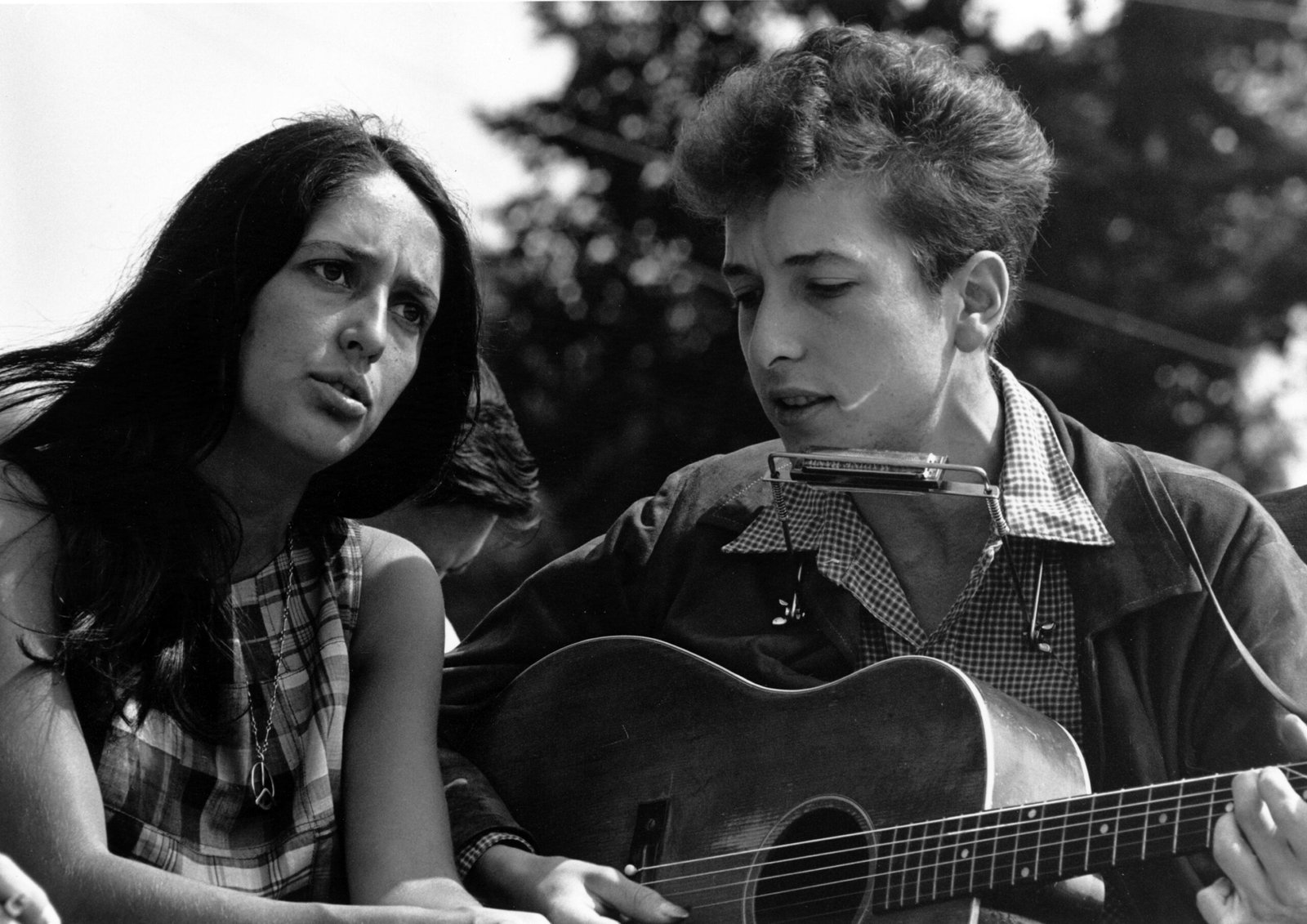
Don DeLillo’s Bucky Wunderlick in Great Jones Street is a cryptic rock icon who vanishes from the spotlight, squatting in a rundown New York building while dodging fans and cults. Modeled after Bob Dylan, Bucky’s stolen “Mountain Tapes” parallel Dylan’s Basement Tapes, and his disdain for fame echoes Dylan’s motorcycle crash seclusion. The character’s sparse lyrics and philosophical detachment feel ripped from Dylan’s playbook.[6])
DeLillo weaves Bucky’s story with Dylan’s aura of mystery, where music becomes a riddle rather than entertainment. Honestly, it’s like watching Dylan step off the page, guitar slung low. This inspiration highlights how retreat can amplify a rock star’s myth.
Daisy Jones from Daisy Jones and The Six: Stevie Nicks’s Ethereal Fire
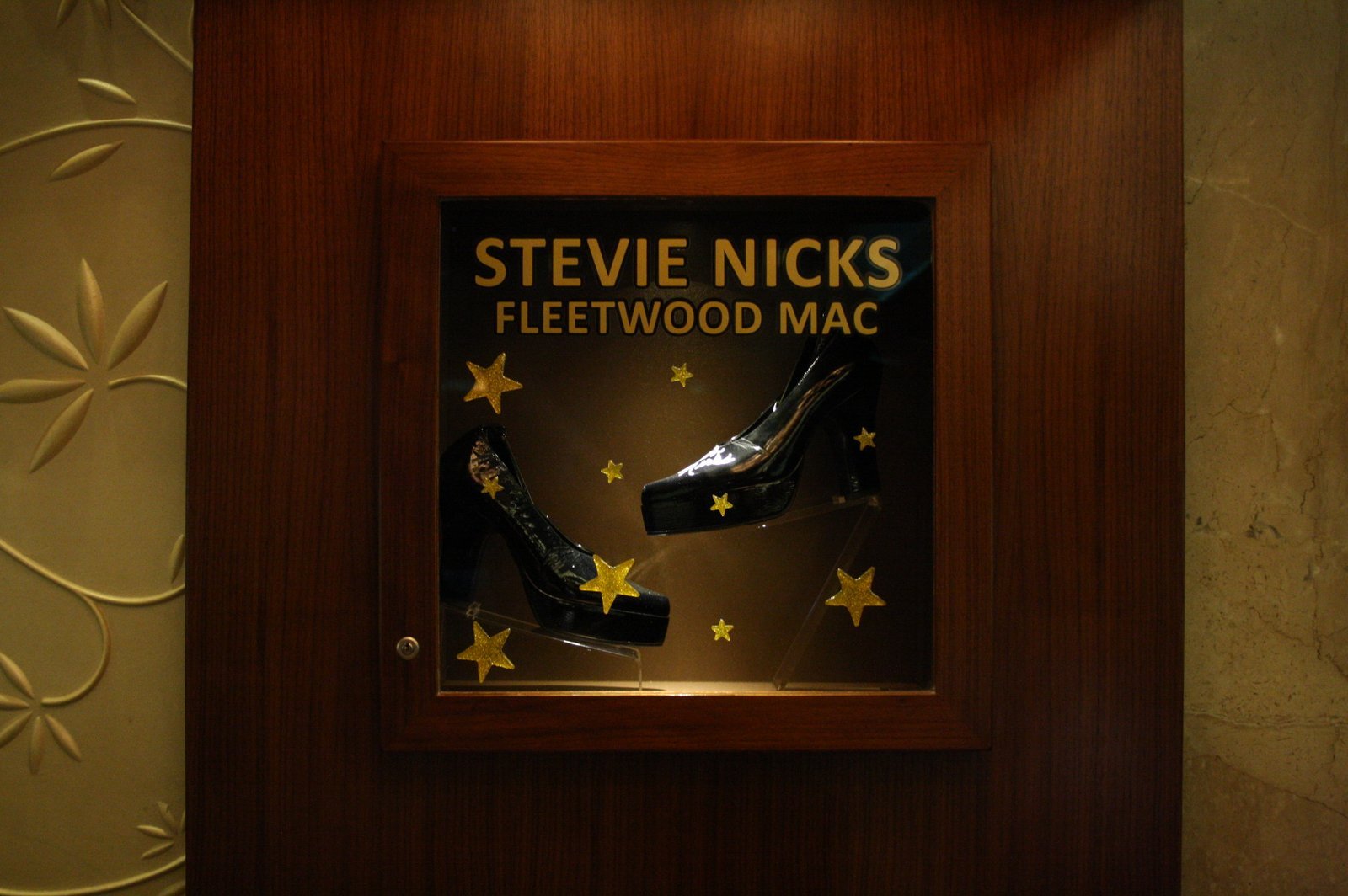
Taylor Jenkins Reid’s Daisy Jones embodies Stevie Nicks’s bohemian witchcraft, with flowing shawls, soaring vocals, and a penchant for chaotic romance amid ’70s rock excess. Daisy’s entry into the band sparks drama mirroring Nicks joining Fleetwood Mac, complete with substance struggles and magnetic stage presence. Reid drew directly from Nicks’s cocaine-fueled highs and emotional ballads.[7]
The character’s free-spirited turmoil and twin flame tension with Billy Dunne capture Nicks’s real-life band entanglements. Let’s be real, Daisy’s twirl-and-wail performances are pure Stevie. It shows how one woman’s mystique can ignite an entire fictional saga.
Billy Dunne from Daisy Jones and The Six: Lindsey Buckingham’s Brooding Drive
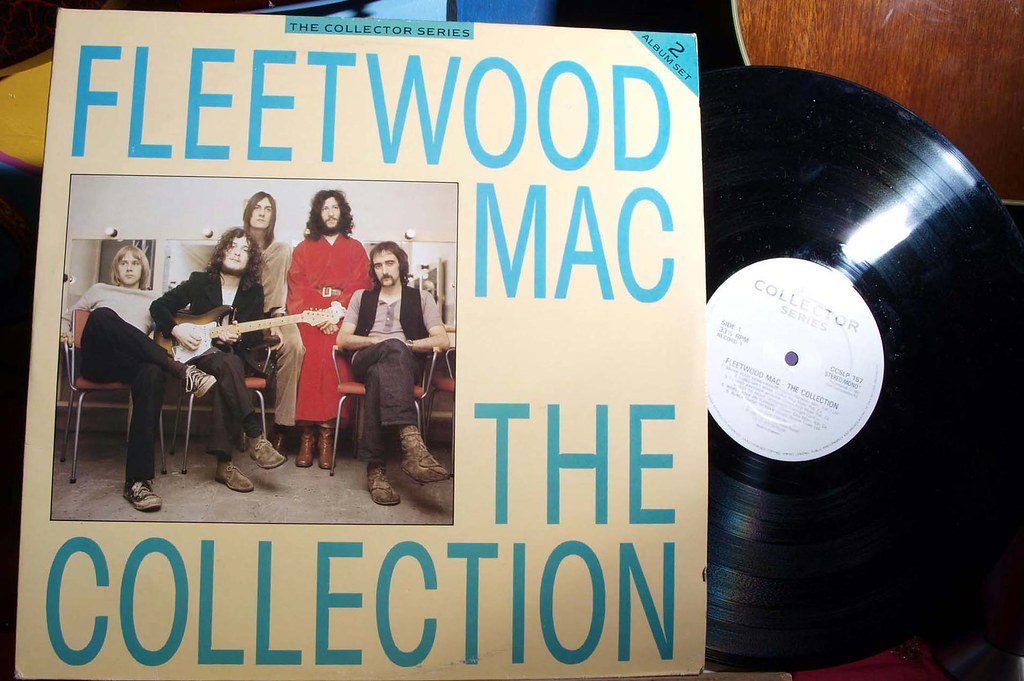
Billy Dunne leads with guitar wizardry and brooding intensity, much like Lindsey Buckingham’s intricate riffs and volatile Fleetwood Mac dynamics. His controlling nature, love triangle agonies, and push for perfection reflect Buckingham’s real tensions with Nicks and the band’s fame. Reid crafts Billy as the anchor unraveling under pressure, echoing Buckingham’s songwriting genius amid heartbreak.[8]
Both men channel personal pain into anthems that define eras. It’s hard not to see Buckingham in Billy’s relentless ambition. This pairing underscores rock’s blend of art and interpersonal inferno.
Leroy Kirby from Tender: Elvis Presley’s Hip-Shaking Shadow
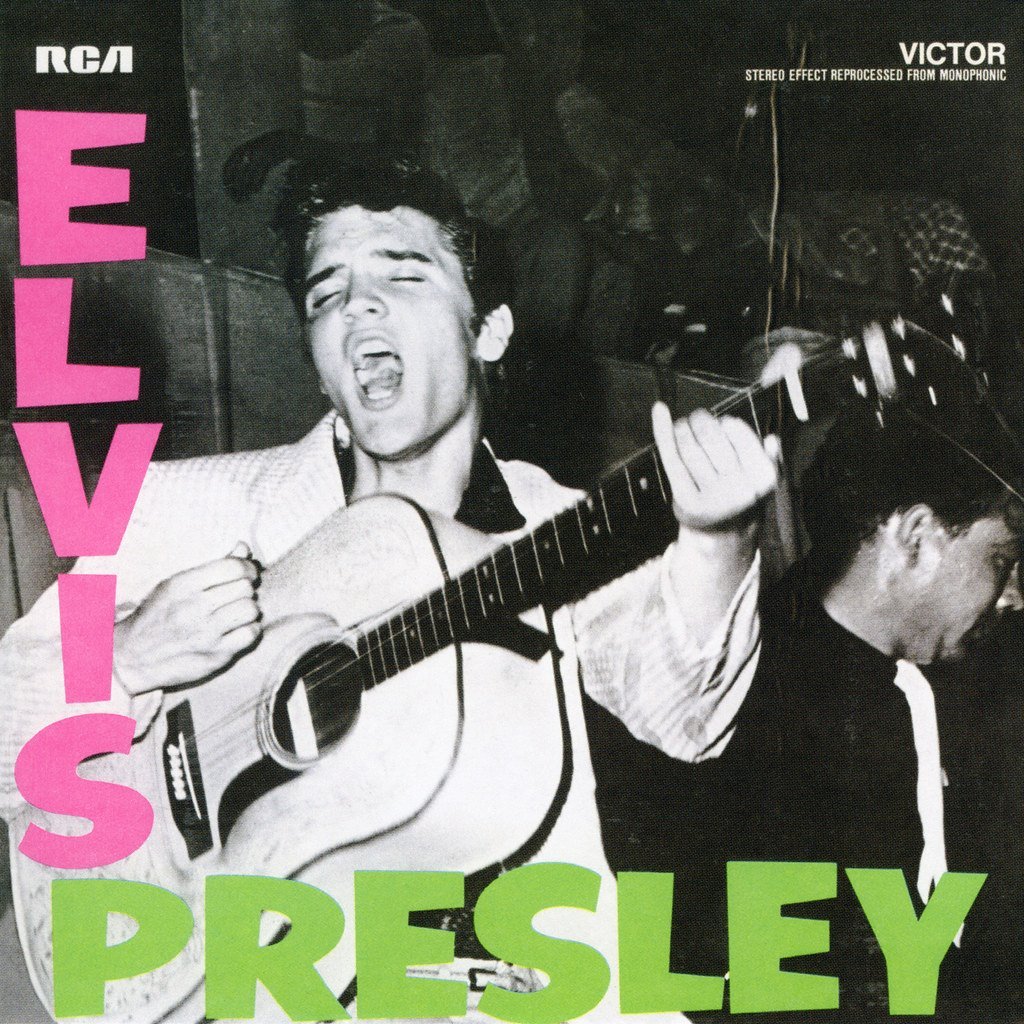
In Tender, Leroy Kirby rises as a charismatic Southern crooner whose pelvis-thrusting shows and velvet voice scream Elvis Presley. His rapid ascent to heartthrob status, coupled with off-stage indulgences, parallels the King’s explosive ’50s breakthrough and hidden excesses. The character’s blend of innocence and seduction captures Presley’s boy-next-door allure turned icon.[2]
Like Elvis, Leroy grapples with the cage of fame. Their stories feel intertwined, a metaphor for rock’s devouring hunger. Pretty wild how one man’s swivel reshaped fiction too.
Sharlene from Fuel-Injected Dreams: Ronnie Spector’s Wall of Sound Heart

Sharlene in Fuel-Injected Dreams channels Ronnie Spector’s girl-group glory, trapped in a gilded cage by a domineering producer while belting hits with unbreakable spirit. Her journey from stardom to escape mirrors Ronnie’s real imprisonment by Phil Spector and triumphant comeback. The character’s vocal power and resilience shine through the abuse.[2]
This inspiration highlights the hidden costs behind pop-rock facades. Sharlene’s fire feels authentically Ronnie. It’s a testament to how real struggles fuel compelling tales.
Dennis Contrelle from Fuel-Injected Dreams: Phil Spector’s Tyrannical Echo
Dennis Contrelle looms as the obsessive producer in Fuel-Injected Dreams, layering sounds into masterpieces while exerting iron control over his artists, just like Phil Spector. His wall-of-sound innovations and paranoid declines parallel Spector’s hits with the Ronettes and Beatles, plus his infamous mansion horrors. Contrelle’s genius-tinged madness is pure Spector.[2]
Though more producer than performer, his rock empire fits the star mold. I know it sounds intense, but it nails the dark side of creation. Fiction thrives on such shadowed inspirations.
Luke Fairchild from The Rich Man’s Table: Another Dylan Doppelgänger
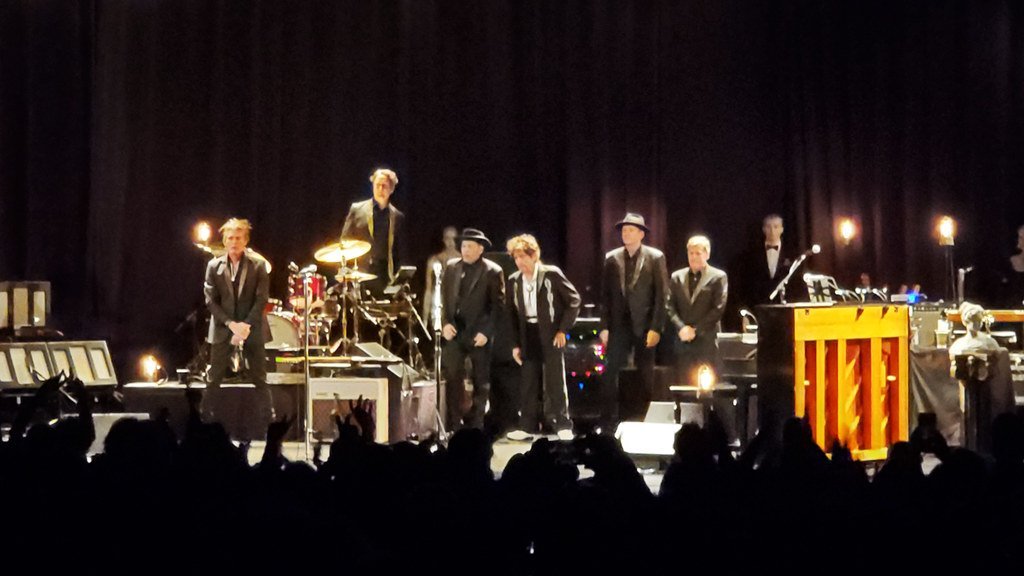
Luke Fairchild in The Rich Man’s Table drifts as a folk-rock poet haunted by fame, his cryptic songs and nomadic life evoking Bob Dylan’s perpetual reinvention. Like Dylan, Luke wrestles with audience expectations versus personal truth, trading arenas for introspection. Their shared aura of untouchable cool permeates the page.[2]
Dylan’s influence strikes again, proving his enigma’s endless appeal. Luke feels like a fresh lens on the bard. Rock’s chameleons make for timeless literary muses.
Cross-Media Echoes: Why Rock and Literature Dance Together
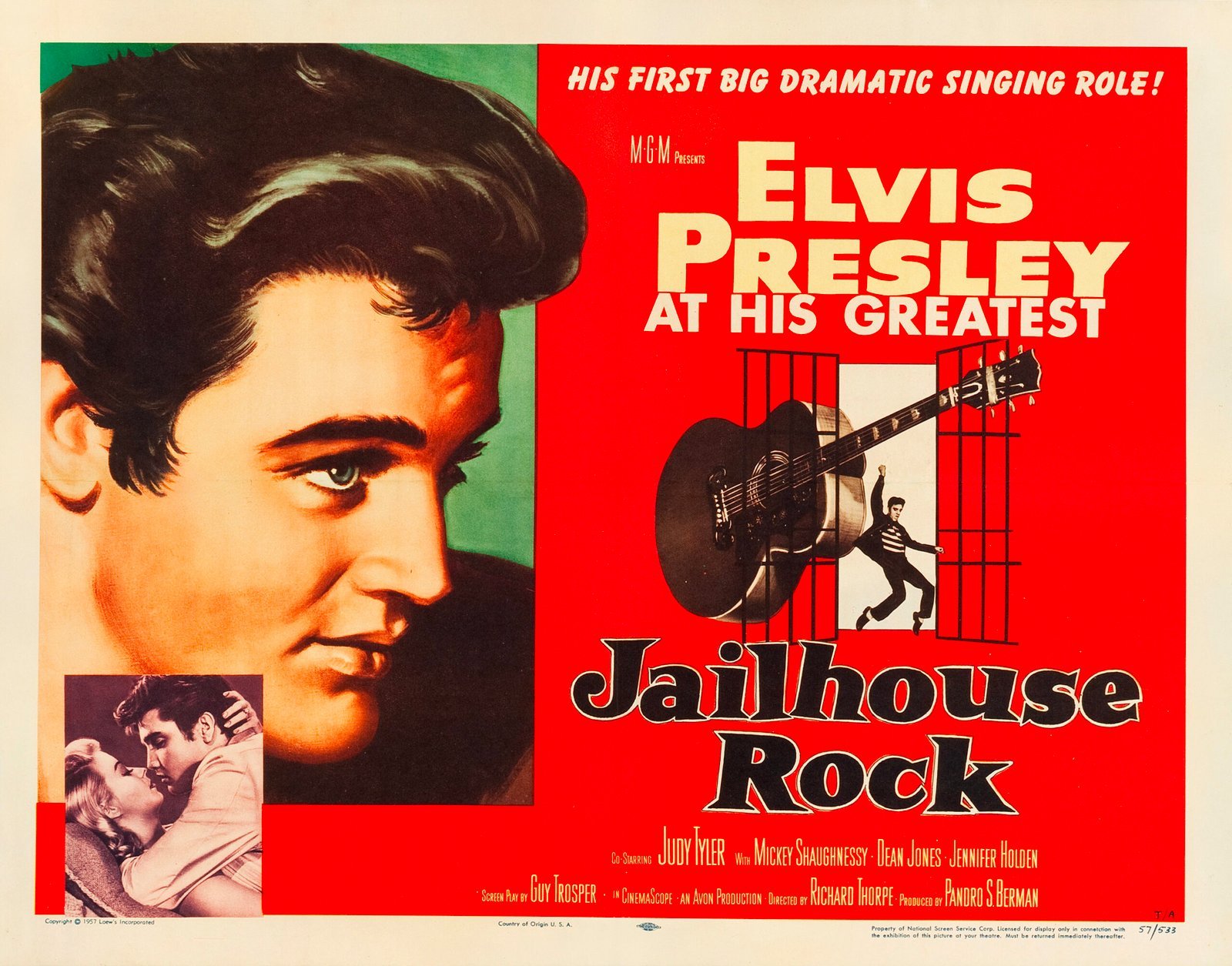
These characters reveal how rock stars’ lives – raw, rebellious, ruined – offer authors a blueprint for complexity. Music’s rhythm infuses prose with urgency, turning pages into arenas. From Wilson’s whimsy to Nicks’s witchy vibe, real icons breathe soul into fiction.[1]
Yet, this inspiration flows both ways; novels amplify rock myths. Imagine the stories untold. What rock legend do you see in your favorite book? Share below.

Besides founding Festivaltopia, Luca is the co founder of trib, an art and fashion collectiv you find on several regional events and online. Also he is part of the management board at HORiZONTE, a group travel provider in Germany.
