

For any feedback please reach out to info@festivalinside.com
- 20 Song Intros That Hook You Instantly - September 19, 2026
- 15 Historical Myths That Turned Out to Be False - September 19, 2026
- 10 Inventions That Changed the World in Unexpected Ways - September 19, 2026
We tend to picture great writers hunched over a desk, surrounded by crumpled paper and cold coffee, firmly planted in the world of ideas. The image of a novelist sprinting down a soccer pitch or a playwright pummeling a punching bag feels almost absurd. Yet some of the most celebrated literary minds in history were also genuinely devoted athletes, sometimes competing at near-professional levels, sometimes simply unable to stop themselves.
The connection between physical discipline and creative discipline is real, and honestly, it makes a lot of sense when you think about it. Both demand patience, endurance, repetition, and a kind of willful stubbornness. A marathon runner and a novelist share more than you might think. They both operate in the space between “I want to quit” and “I have to keep going.” So let’s dive in and meet the writers who lived on both sides of that line.
1. Ernest Hemingway – The Relentless Boxer
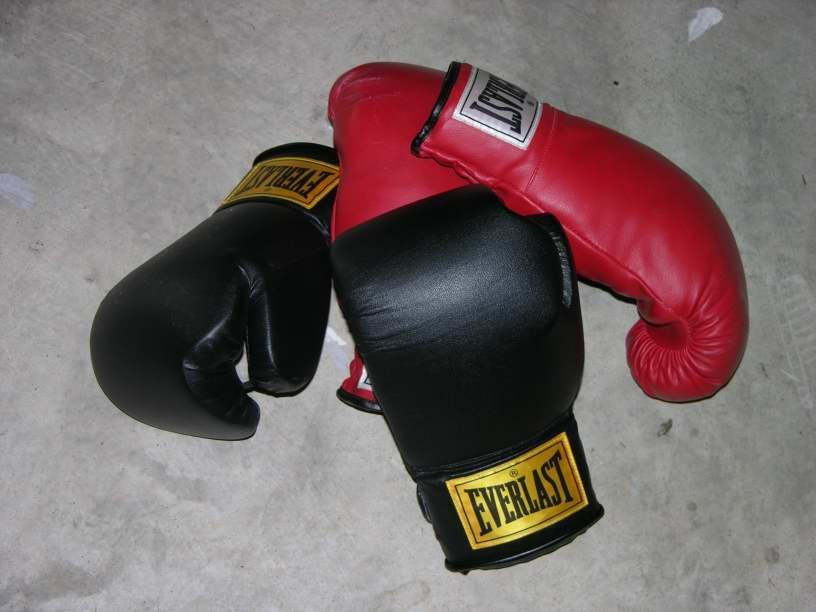
Few authors have wrapped their identity so tightly around a sport as Ernest Hemingway did with boxing. He had practiced boxing from a very young age and continued to promulgate an image of himself as a proficient boxer throughout his lifetime. He wasn’t just a spectator or a romantic about it. He sparred regularly, hung around gyms, and carried his gloves almost everywhere.
Hemingway wasn’t much of a boxer technically, but he had some legitimate in-ring experience due to sparring with the likes of Canadian writer Morley Callaghan, who was a genuinely skilled fighter, on several occasions. There’s a legendary story about Callaghan actually knocking Hemingway down during a Paris session in 1929, with F. Scott Fitzgerald serving as timekeeper. In those bonus sixty seconds that the round ran long, Callaghan put Ernest on the canvas, and for a man as competitive as Hemingway, the round’s perceived length was enough to warrant outrage and suspicion.
Ernest Hemingway’s writing deploys sport to a degree perhaps unmatched by any other literary modernist. His short story “Fifty Grand” shows Hemingway’s love for and knowledge of boxing, and his use of omission and understatement. The ring shaped not just his subject matter but his whole aesthetic: lean, hard, stripped of excess. Every word in a Hemingway sentence earns its place, just like every step in a boxing stance.
2. Arthur Conan Doyle – The Multi-Sport Visionary
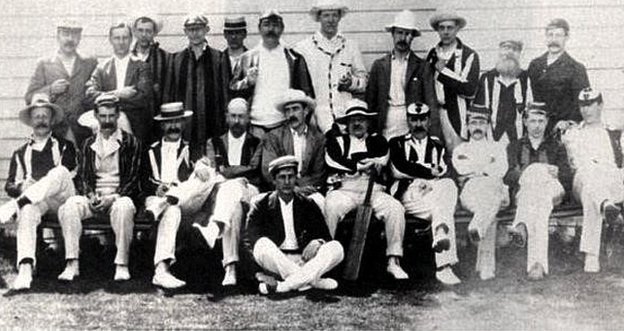
Immediate source: http://www.authorscricketclub.com/, Public domain)
The creator of Sherlock Holmes was, almost comically, the opposite of the reclusive, cerebral detective he invented. Conan Doyle was a natural athlete and took a lifelong interest in sports. He played cricket, rugby and football among other team sports and a wealth of individual sports. He was also one of the first Englishmen to ski across an Alpine pass in winter, which is exactly the sort of reckless, magnificent thing you would expect from the man who invented the world’s most famous adventurer.
Relieved of the burden of his creation, Conan Doyle travelled with his family for a long stay in Switzerland in 1893, and it was here that he mastered the infant sport of skiing, called ski-running in those days. He later claimed to have been the first to introduce skis into the Grisons division of Switzerland, or at least to demonstrate their practical utility as a means of getting across in winter from one valley to another. Meanwhile, while living in Southsea near Portsmouth, Doyle played football as a goalkeeper for Portsmouth Association Football Club under the pseudonym A. C. Smith, and he was a keen cricketer who between 1899 and 1907 played 10 first-class matches for the Marylebone Cricket Club.
Sports similes and metaphors litter his writings on virtually all subjects. There’s also a delightful theory that the name “Sherlock” was derived from two stalwart Nottinghamshire cricketers, Mordecai Sherwin and fast bowler Frank Shacklock, and when Shacklock moved to Derbyshire his fellow fast bowler was William Mycroft, making it not too big a leap to conclude that the name of the detective’s brother was borrowed from cricket as well.
3. Albert Camus – The Existentialist Goalkeeper
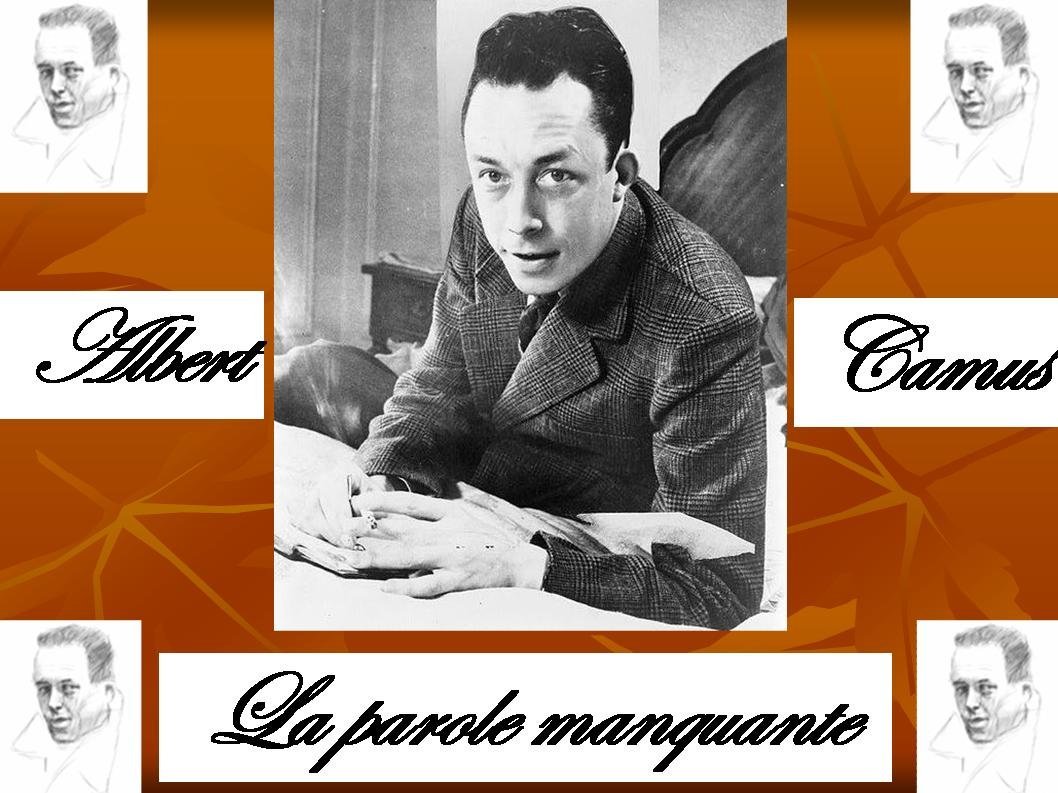
Here is a man who genuinely believed that football taught him everything worth knowing about morality. Albert Camus once said that after many years in which the world afforded him many experiences, what he knew most surely in the long run about morality and obligations he owed to football, referring to his college days when he played goalie for the Racing Universitaire Algerios junior team. This is not just a charming anecdote. For Camus, the goalkeeper’s solitude was a genuine philosophical condition.
Camus’ love for soccer began long before he started writing philosophy. As an orphan growing up in an Algerian slum, he was often reproached by his grandmother for damaging his shoes while playing, but he was undeterred. Camus was goalie for the Racing Universitaire d’Alger, winning the North African Champions Cup and the North African Cup twice each in the 1930s. That is not casual participation. That is a championship-level athlete who happened to also become a Nobel Prize-winning philosopher.
He became, like the goalkeeper he once was, the outsider. The loneliness of standing between the posts, separated from teammates, waiting and watching, maps almost perfectly onto Camus’ central ideas about alienation and human solidarity. It’s hard to say exactly when the sport ended and the philosophy began for him. Honestly, I’m not sure it ever did.
4. Vladimir Nabokov – The Daydreaming Goalkeeper
Nabokov taught tennis and boxing in Berlin, but called football “the great love of my life.” He wrote with passion about his time as a goalkeeper at Cambridge, and his relationship to the sport was deeply personal in a way that went beyond athletics. His headmaster, who knew little about games though greatly approving of their consociative virtues, was suspicious of Nabokov’s always keeping goal in soccer “instead of running about with the other players.” Even his choice of position was a statement of individuality.
Nabokov confesses to “daydreaming in goal at Cambridge University, composing verse in a tongue nobody understood about a remote country nobody knew.” Think about that for a moment. While a match was happening around him, Nabokov was quietly writing poetry in his head. It’s an almost perfect metaphor for how he approached everything. The Russian writer Vladimir Nabokov was an excellent all-round sportsman, at times earning his living as a tennis and boxing coach, and while at Trinity, Cambridge, playing in goal for the College. He didn’t dabble. He coached, he played, and he wrote about it all with uncompromising precision.
5. Ken Kesey – The Olympic-Level Wrestler
Before Ken Kesey became famous for “One Flew Over the Cuckoo’s Nest” and leading the Merry Pranksters across America on a psychedelic bus, he was one of the most promising wrestlers in the Pacific Northwest. Kesey’s prowess on the mat landed him at the University of Oregon where, competing in the 174 lb. division, he earned the Fred Lowe Scholarship, awarded annually to the Northwest’s most outstanding wrestler.
A shoulder injury sustained during preliminary qualifying for the United States Olympic team effectively ended his wrestling days while simultaneously kick-starting his literary career. It’s one of those stranger-than-fiction biographical turns that sounds invented but wasn’t. Before he was a Merry Prankster, Kesey was a standout wrestler at the University of Oregon and was on the verge of qualifying for the U.S. Olympic team before dislocating his shoulder. The athletic discipline, the willingness to push through pain, the competitive fire – all of it found a second life on the page.
6. John Irving – The Wrestling Coach Who Wrote Novels
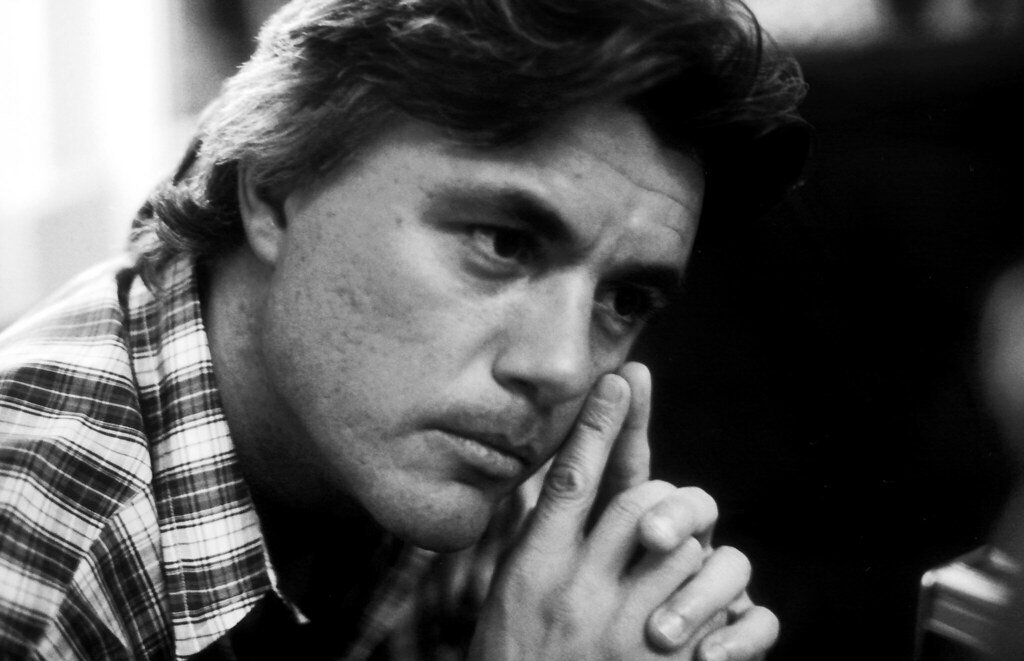
John Irving is another author for whom wrestling was not a passing phase. This was a lifelong athletic identity that ran in parallel with his literary career in a genuinely rare way. Irving’s official biography notes that he “competed as a wrestler for twenty years, until he was thirty-four, and coached the sport until he was forty-seven.” That is nearly five decades inside the sport. Most professional athletes don’t last that long.
Irving has written openly and with warmth about why wrestling captured him so completely and held on. Irving wrote for The New Yorker about why he gravitated to wrestling: “The best answer to why I love wrestling is that it was the first thing I was any good at.” There is something genuinely moving about that admission coming from one of the most celebrated novelists of the twentieth century. His fiction, packed with physical struggle and human endurance, carries that wrestling sensibility in every chapter.
7. Jack Kerouac – The Football Scholarship Student
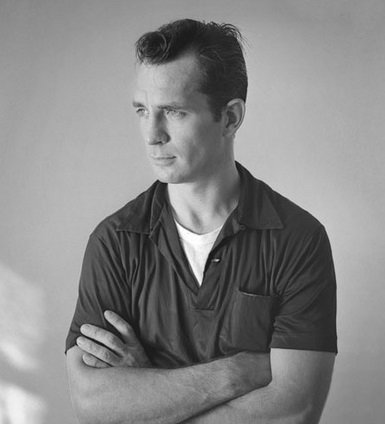
The king of Beat prose, the man who wrote “On the Road” in one frenzied burst, was a serious football player in his youth. This is one of those facts that genuinely surprises people, because nothing about the jazz-soaked, highway-haunting voice of Kerouac sounds like a gridiron. Kerouac ran track and played baseball, but he excelled at football, receiving a football scholarship to Columbia University, though a tibia injury in the second season ended his football career.
The injury that stopped his football career may well have redirected everything. Once the scholarship dried up and the athletic identity was stripped away, Kerouac had nothing left but his restlessness and his words. That restlessness became “On the Road.” The same physical urgency that made him a halfback, that constant forward momentum, shows up in every breathless paragraph he ever wrote. The football field and the open highway, it turns out, are not so different in spirit.
8. Samuel Beckett – The First-Class Cricketer
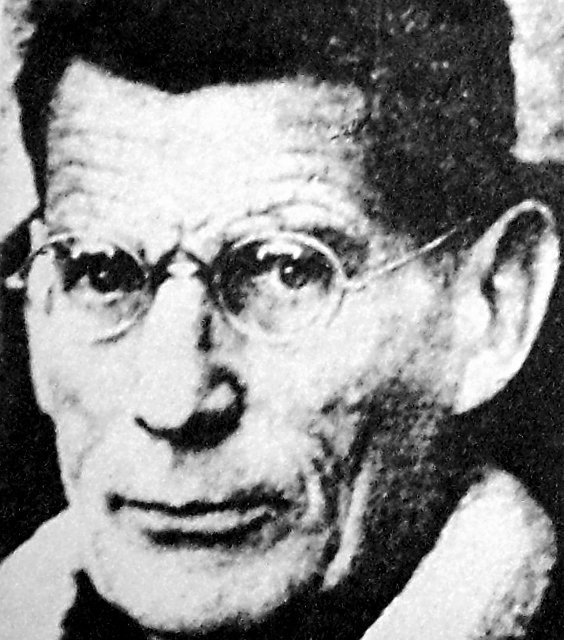
Samuel Beckett, the author of “Waiting for Godot,” a play where precisely nothing happens in the most philosophically dense way possible, was also a formidable cricketer. The contrast is almost too perfect. Upon receiving the 1969 Nobel Prize for literature, Beckett earned the double-distinction of “only Nobel laureate to have played first-class cricket” and “only laureate to have an entry in Wisden Cricketeers’ Almanack,” which is considered the foremost authority on the game.
Among the most influential writers of the 20th century, Samuel Beckett is also the only first-class cricketer to win a Nobel Prize. The “Waiting for Godot” absurdist playwright excelled at cricket as a left-hand batsman and left-arm medium-pace bowler. Let’s be real: there is something deeply Beckettian about cricket itself. The long waiting, the sudden action, the cycles of hope and disappointment, the stoic players standing in a field as time passes. Maybe Beckett found his deepest philosophical metaphors not in a library but on a pitch.
9. Lord Byron – The Passionate Swimmer
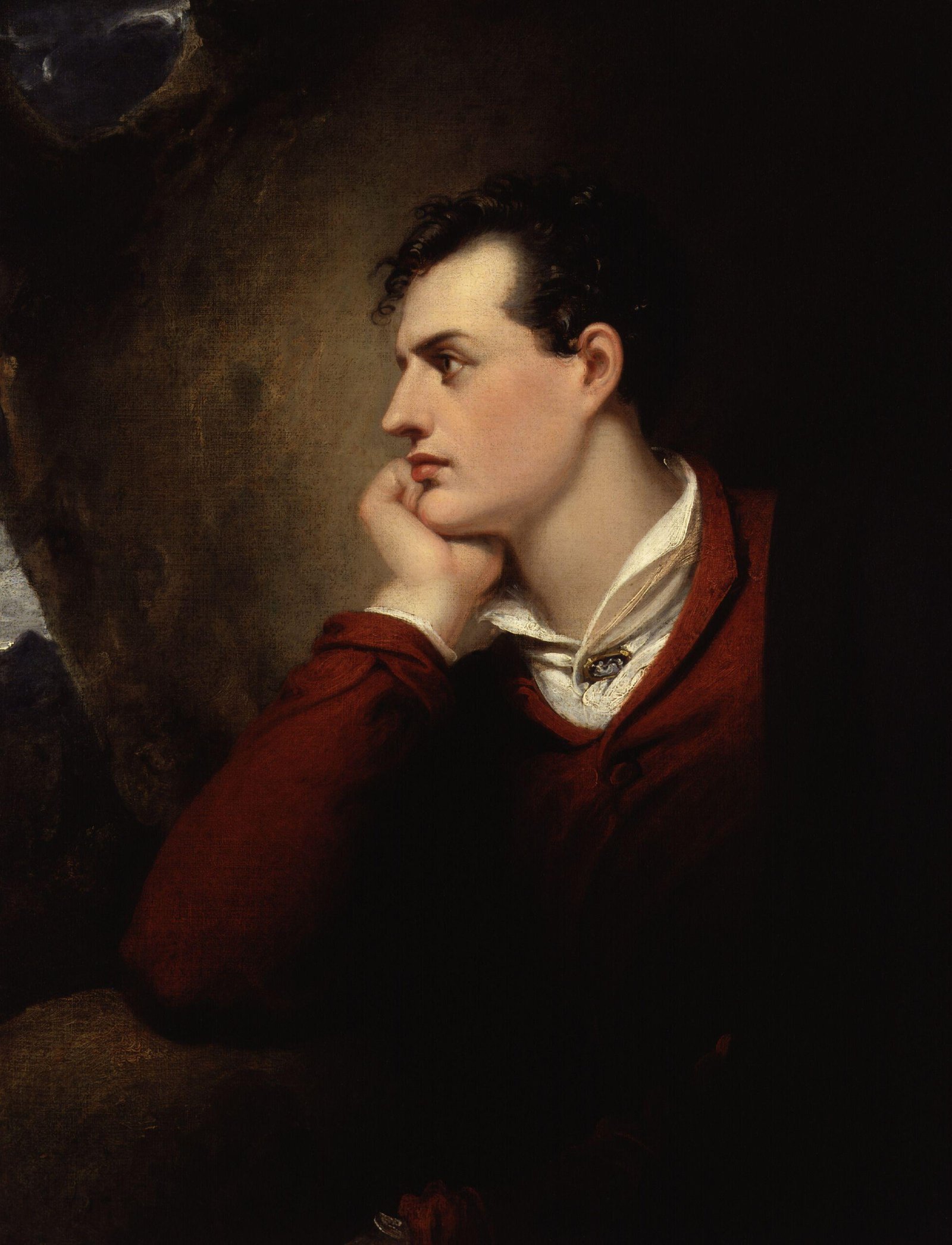
As such, use of this image in the jurisdiction of the claimant or other countries may be regarded as copyright infringement. Please see Commons:When to use the PD-Art tag for more information., Public domain)
Lord Byron was born with a club foot. He called himself “The Limping Devil” with a kind of defiant self-awareness that defined his whole personality. Despite being born with club foot, the hopeless Romantic loved sports passionately. He was most passionate about swimming, probably because his disability was less of a hindrance in the water, but Byron also “fenced, sculled, rode and shot at targets” in addition to playing cricket for his boarding school Harrow.
His most famous athletic achievement was swimming the Hellespont, the strait separating Europe from Asia. It was about four miles across in strong currents, and he did it in 1810. He was enormously proud of this, possibly more than anything he ever wrote. In the water, the disability that defined his life on land simply ceased to exist. That liberation, that defiance of physical limitation, runs through his poetry with an almost aching intensity. The man who swam the Hellespont wrote “She Walks in Beauty.” Make of that connection what you will.
10. David Foster Wallace – The Junior Tennis Prodigy
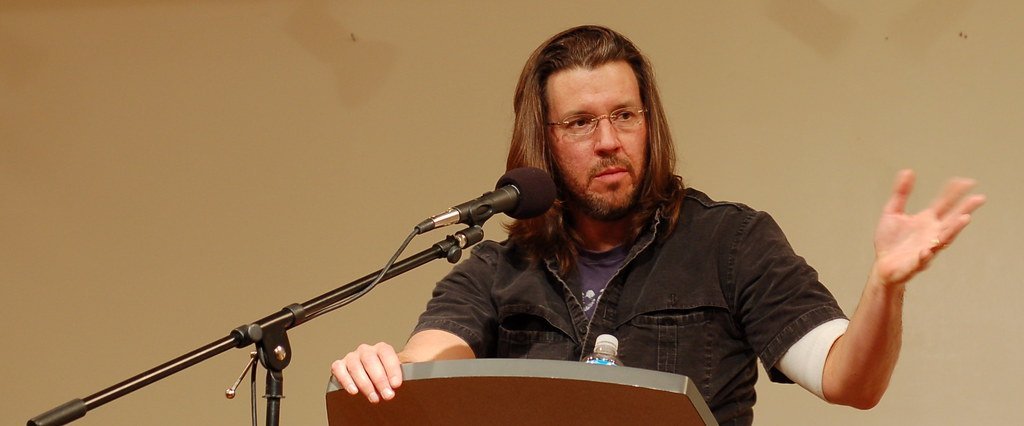
“Infinite Jest,” one of the most demanding novels of the twentieth century, features an entire tennis academy as its central setting. That was not an accident. Wallace spent his post-pubescence pursuing a level of near-great junior tennis, and as a 14-year-old he enjoyed a U.S. Tennis Association ranking of 17th in the Midwest, 4th in his home state of Illinois, and by his own estimation, “around one hundredth in the nation.”
The subject of tennis, its beauty, intricacies, and participants, permeates the late postmodernist’s bibliography, and in an Esquire profile of tennis pro Michael Joyce, Wallace submitted that “tennis is the most beautiful sport there is and also the most demanding.” Even in his athletic twilight, he continued to possess unwavering confidence in his abilities, confessing that “deep down inside, I still consider myself an extremely good tennis player, very hard to beat.” There is something wonderfully human about a genius novellist holding onto that. The tennis court gave him the competitive ferocity, the obsession with precision, that his fiction demanded.
11. Jim Carroll – The Basketball Star from New York
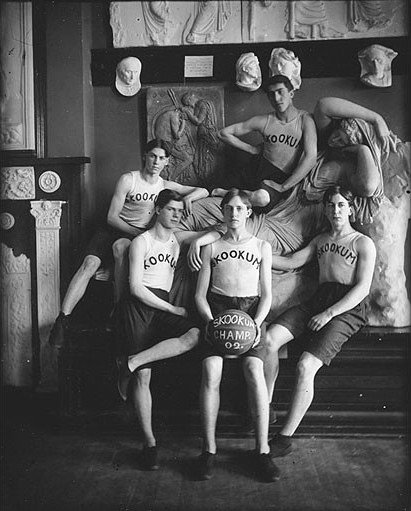
Jim Carroll is best known for “The Basketball Diaries,” which tells you almost everything you need to know about his relationship to sport. But the extent of his actual athletic talent is often underestimated. Carroll’s raw, prodigious talents on the court and in the classroom earned him a half-academic, half-athletic scholarship to Manhattan’s Trinity School, one of the nation’s elite prep schools, and he was a three-time All-City performer while at Trinity, selected to play in the National High School All-Star Game in 1966.
His playground exploits are left to the subjective memory of oral historians who recall Carroll’s rivalry with fellow Inwood resident Lew Alcindor, among other greats. Lew Alcindor, of course, became Kareem Abdul-Jabbar. The fact that Carroll was competing at that level, in those New York City playground games that served as genuine proving grounds, tells you something real about how good he was. The court gave him a language for ambition, for desire, for the gap between talent and self-destruction, that his poetry never quite left behind.
12. Agatha Christie – The Pioneering Surfer
Agatha Christie, creator of Hercule Poirot and Miss Marple, mistress of the locked-room mystery, was also a surfer. Not in the gentle paddling sense. A genuine, early-adopter surfer at a time when the sport was virtually unknown in Europe. While living in South Africa, Christie was introduced to surfing, described it as occasionally painful as you took a nosedive into the sand, but on the whole an easy sport and great fun, and she became adept at the sport and surfed along the coasts of Australia, New Zealand and Hawaii.
This makes her one of the first known British women to stand up on a surfboard, which is remarkable on its own. Think about the personality it takes to try an unknown sport in an unfamiliar country and then follow it across oceans. That same quality, curiosity without fear, willingness to go somewhere nobody else has gone, is exactly what makes her mystery plots work so well. Christie didn’t just sit in armchairs plotting murders. She was riding waves in the Pacific.
13. J.R.R. Tolkien – The Tennis Player Turned World-Builder
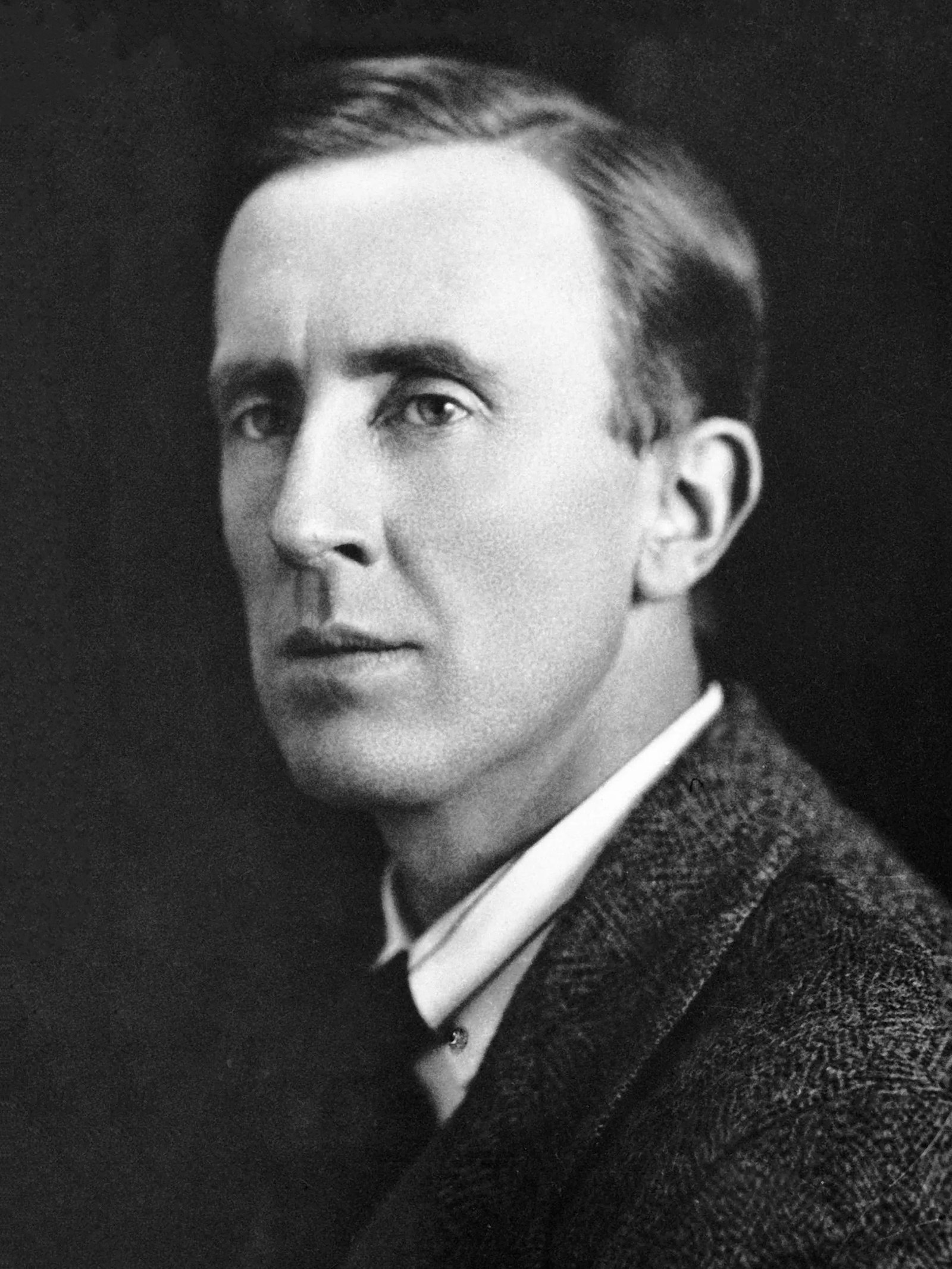
Tolkien is not the name you immediately associate with athletics. He is the man who created the Shire, Mordor, and the entire mythology of Middle-earth. Yet he was a committed tennis player for decades, and here is the genuinely remarkable part: his injury on the tennis court may have directly given us “The Lord of the Rings.” Tolkien was a lifelong tennis player, and it was a tennis injury at the age of 40 that led him to begin writing his famous fantasy series.
The idea that a sprained something on a tennis court rerouted one of the most influential fictional universes in history is the kind of thing you couldn’t invent. Tolkien needed enforced stillness to build Middle-earth. The injury gave him that. Without the tennis court, without the physical discipline he’d maintained for years, the hours of sudden immobility might have driven him mad instead of giving him the patience to construct entire languages and genealogies. Sometimes sport gives you the work. Sometimes it gives you the time to do it.
14. Jack London – The Oyster Pirate and Amateur Boxer
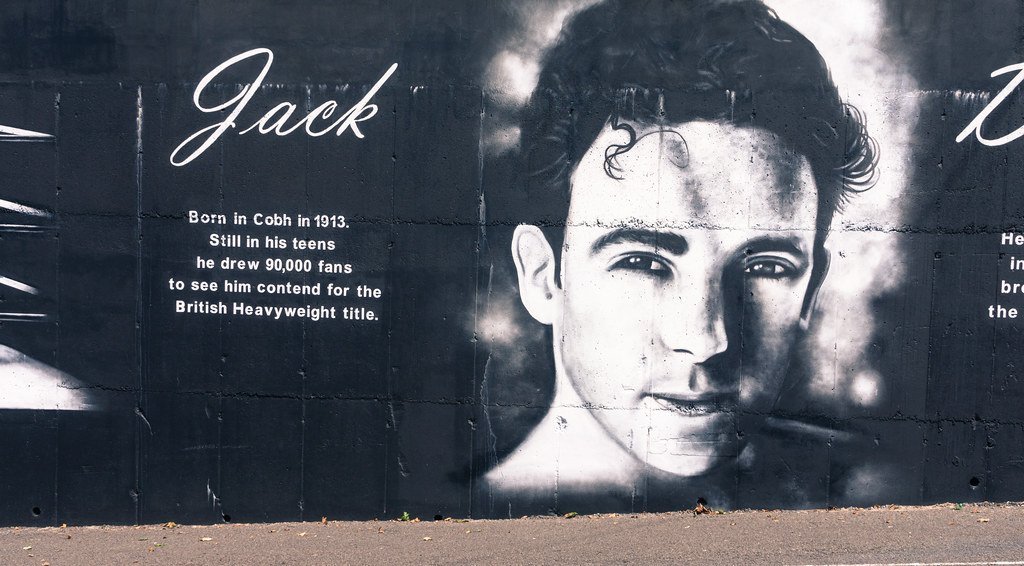
Jack London’s life before writing was practically a novel in itself. He worked on a fish patrol, traveled as a hobo, was part of a socialist movement, and sailed the Pacific on a small boat he helped build. Physical endurance wasn’t incidental to his identity. It was his identity. He was also a devoted amateur boxer who trained regularly and wrote some of the most technically literate boxing fiction of the early twentieth century.
London’s athletic experiences informed his writing in the most direct way possible: he had actually done the things he described. His novel “The Game” and his many boxing stories draw on real knowledge of the ring, real understanding of what it means to be in a physical contest where your body is both weapon and target. I think there’s a reason his adventure narratives feel visceral in a way that armchair writers rarely achieve. You can feel in every page that the man who wrote them had actually been cold, wet, exhausted, and afraid.
15. J.M. Barrie – The Cricket Team Founder Who Couldn’t Play
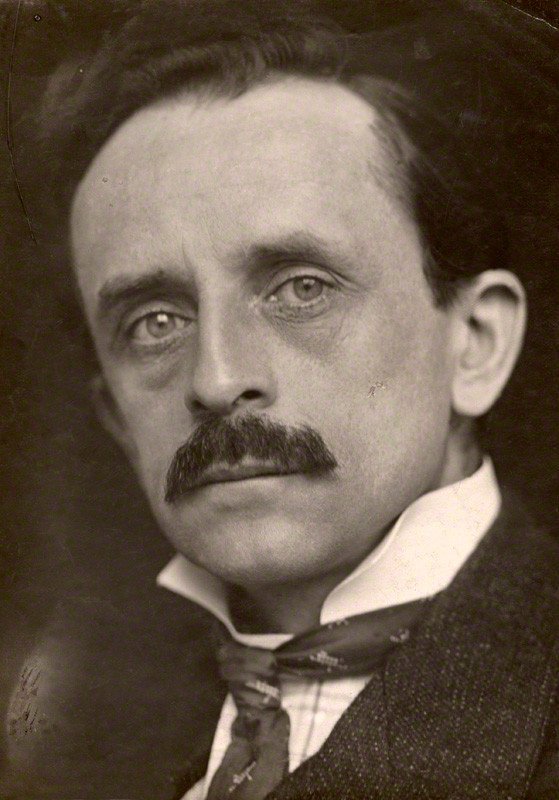
Last but absolutely not least, J.M. Barrie, creator of Peter Pan, formed one of the most extraordinary cricket teams in history. Barrie’s love for the game was far superior to his talent for it. He founded a cricket team for his friends called the Allahakbarries, erroneously believing it to mean “Heaven Bless Us,” given the team’s poor cricketing skills. The name was essentially a prayer. They needed it.
Among the team’s notable players were Conan Doyle, P.G. Wodehouse, Rudyard Kipling, H.G. Wells, Jerome K. Jerome, and Lord Alfred Tennyson’s grandson. Imagine having that lineup available and still losing matches badly. According to Barrie himself, Arthur Conan Doyle was the only genuinely good player in the team. Yet Barrie kept organizing games, kept gathering these literary giants onto a cricket pitch season after season, because the joy wasn’t in winning. It was in the ritual, the camaraderie, the stubbornness of showing up. That sounds exactly like the man who wrote about a boy who refused to grow up.
The Bigger Picture: Athletic Bodies, Literary Minds
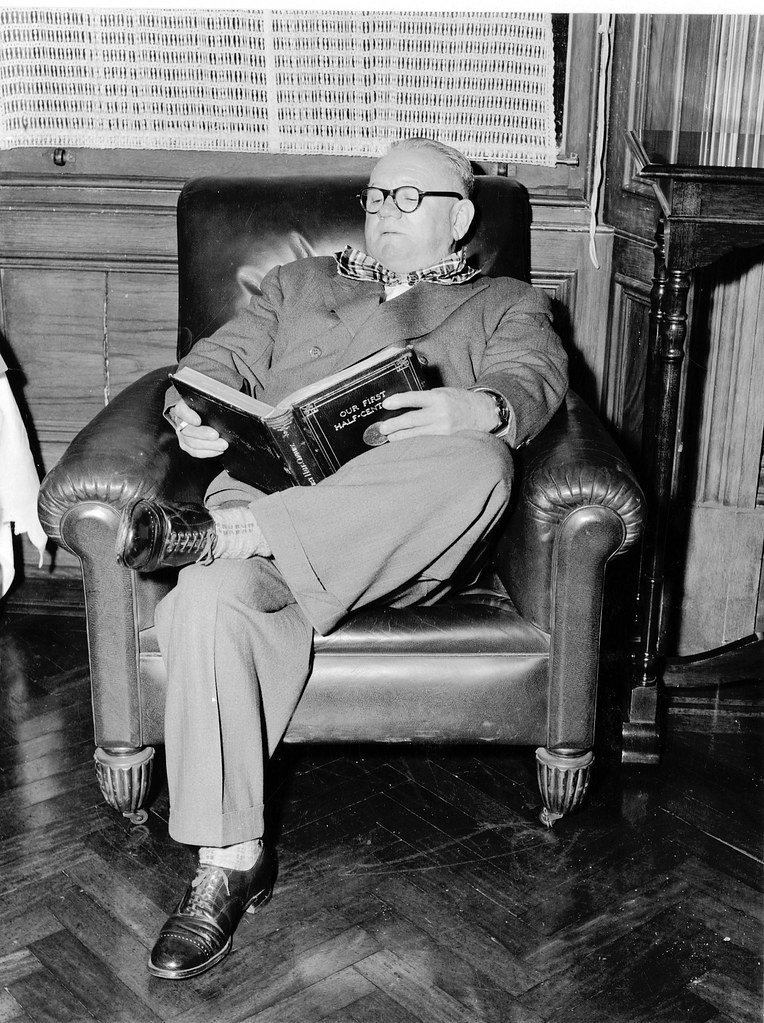
What these fifteen authors reveal, collectively, is something that our culture tends to forget. The division between the physical life and the intellectual life is largely invented. Discipline trained on a wrestling mat transfers to a writing desk. The endurance built through miles of swimming informs the patience required to revise a manuscript for the seventh time. The solitude of a goalkeeper standing between posts is not so different from the solitude of a writer staring at a blank page.
Every single author on this list brought something from their sport into their work, whether it was a subject, a metaphor, a rhythm, a temperament, or simply the kind of hard-won self-knowledge that physical challenge tends to produce. Hemingway’s spare prose punches like a jab. Camus’ existentialism carries the goalkeeper’s loneliness. Tolkien’s mythology was born in enforced stillness after a tennis court accident. These are not coincidences.
The most multidimensional people in history have usually refused the categories we try to assign them. Writer. Athlete. Thinker. Doer. The truth is that most of the great ones were all of it at once, and that fullness is exactly what made their work extraordinary. So the next time someone suggests that serious writers should stay indoors and leave the sport to others, remind them: the creator of Sherlock Holmes bowled out one of cricket’s greatest players. Albert Camus won championship football trophies. And somewhere in Switzerland, a great ski trail was first crossed by the man who invented the phrase “Elementary, my dear Watson.” What would you have guessed?

Christian Wiedeck, all the way from Germany, loves music festivals, especially in the USA. His articles bring the excitement of these events to readers worldwide.
For any feedback please reach out to info@festivalinside.com
