

For any feedback please reach out to info@festivalinside.com
- 20 Song Intros That Hook You Instantly - September 19, 2026
- 15 Historical Myths That Turned Out to Be False - September 19, 2026
- 10 Inventions That Changed the World in Unexpected Ways - September 19, 2026
Picture this: your first garden bursting with vibrant greens and ripe tomatoes, all because you planned ahead. Too many beginners dive in headfirst, only to watch their dreams wilt under poor soil or scorching sun. Preparation flips that script, turning potential heartbreak into a rewarding harvest that saves time, money, and frustration.
Here’s the thing. Smart prep means understanding your yard’s quirks and picking strategies that actually work. Let’s dive into these 10 essential tips to set you up for green-thumb glory.
1. Assess Your Space for Sunlight and Shade
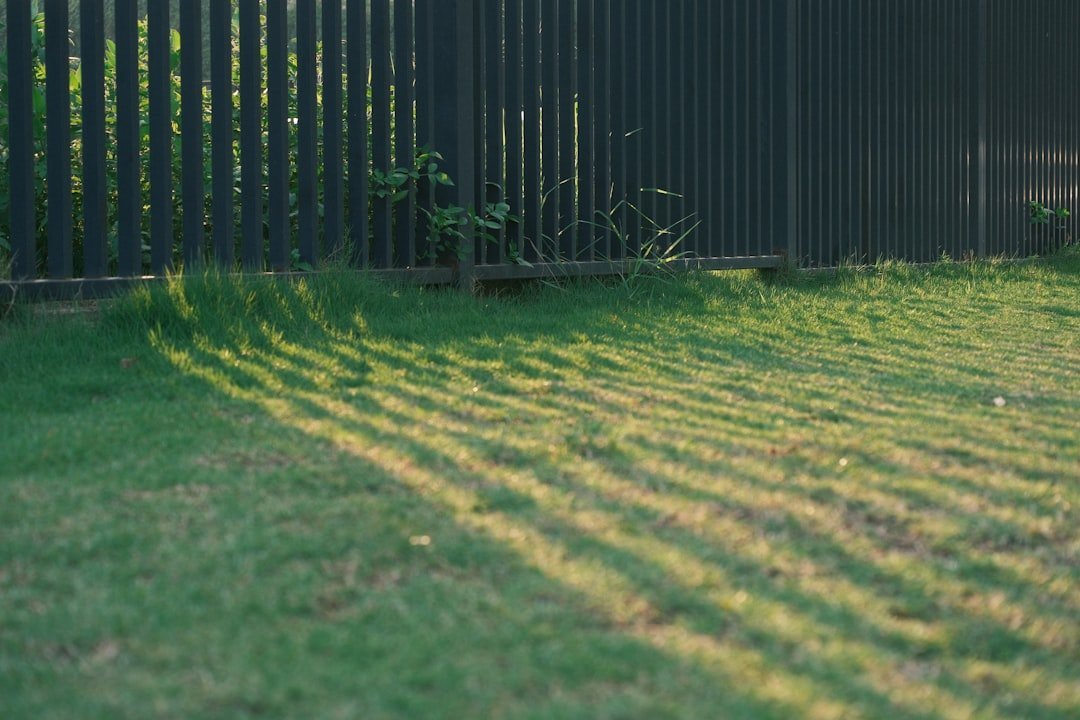
Most veggies crave six to eight hours of direct sun daily, so scout your yard early. Walk around at different times, noting shadows from trees or buildings. This simple step prevents picking a shady corner that dooms your plants from day one.
Why it works? Plants photosynthesize best in light, fueling growth and flavor. I once ignored this and ended up with leggy tomatoes; trust me, full sun spots yield sturdier, tastier results every time.
2. Test Your Soil Before Planting Anything
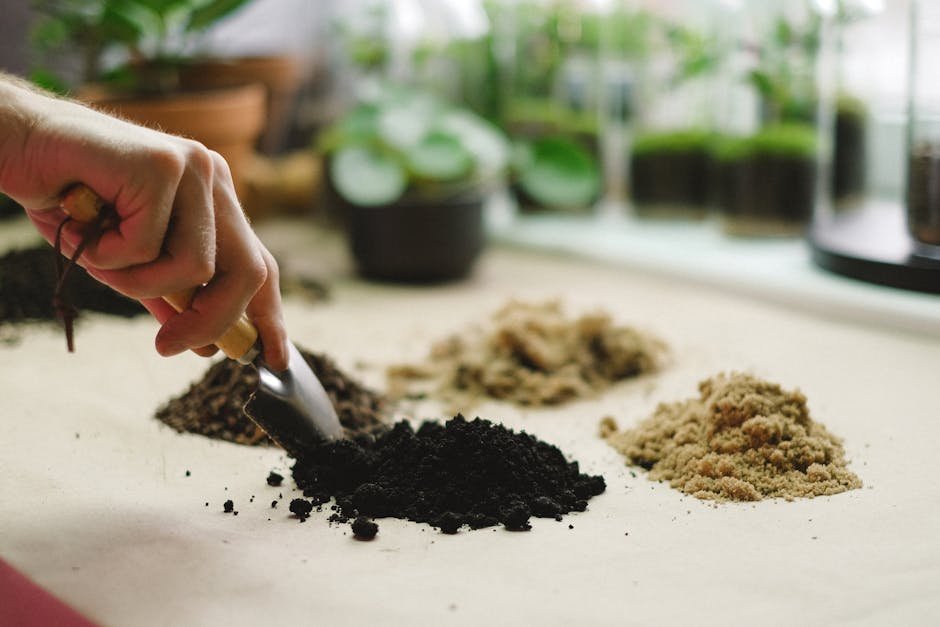
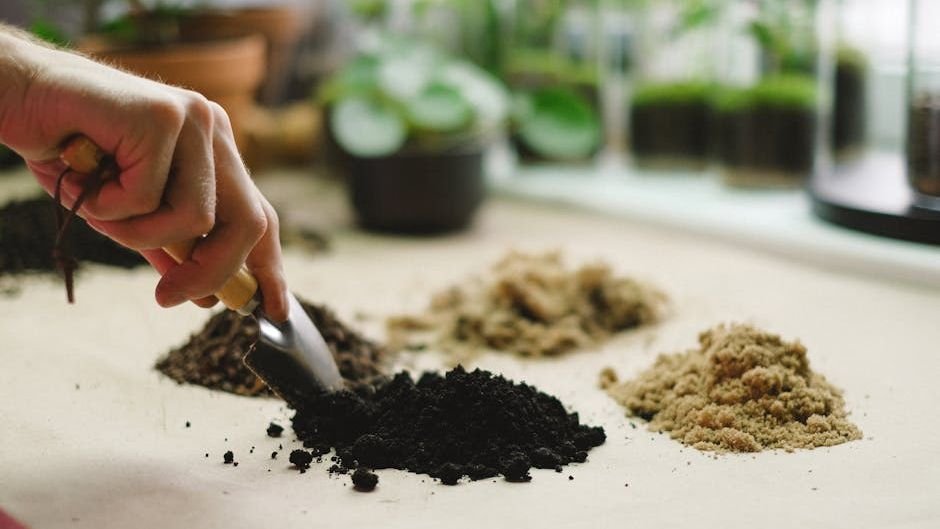
Grab a soil test kit from a garden store or send a sample to your local extension service. It reveals pH levels, nutrients, and drainage issues you can’t spot by eye. Adjust with lime for acidity or compost for poor fertility right away.
Healthy soil feeds roots like a gourmet meal. Skipping this leads to stunted growth; prepared soil, though, lets plants thrive with minimal fuss. It’s the foundation that makes everything else click.
3. Start Small to Avoid Overwhelm
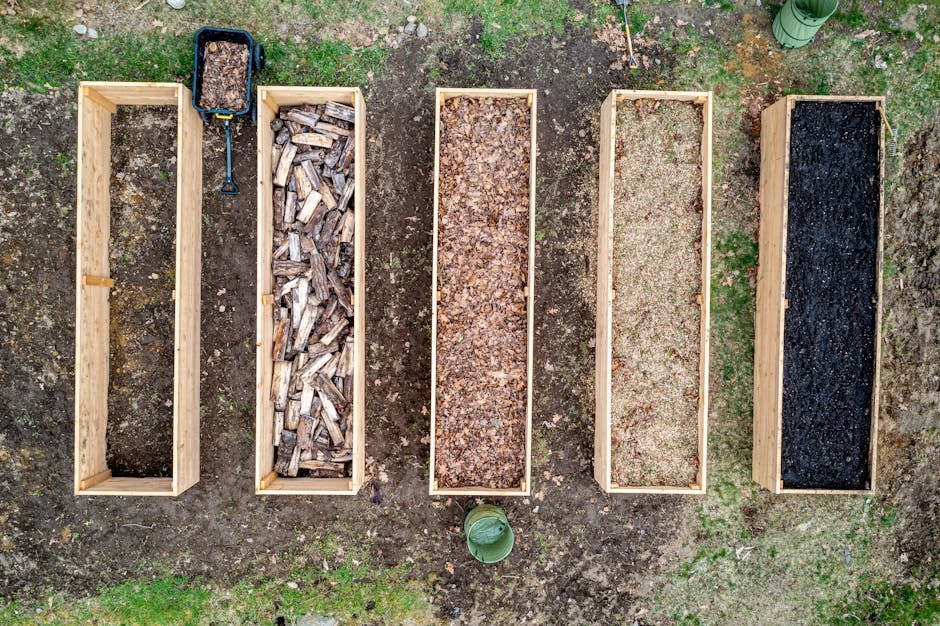
Limit your first garden to a 4×4 foot raised bed or a few pots. Focus on three to five easy crops instead of a sprawling plot. This builds skills without the chaos of weeding a massive area.
Small wins breed confidence and let you learn from mistakes on a tiny scale. Expand later once you’ve nailed the basics. Honestly, I’ve seen huge gardens fail while tiny ones flourish year after year.
4. Pick Plants Matched to Your Climate Zone
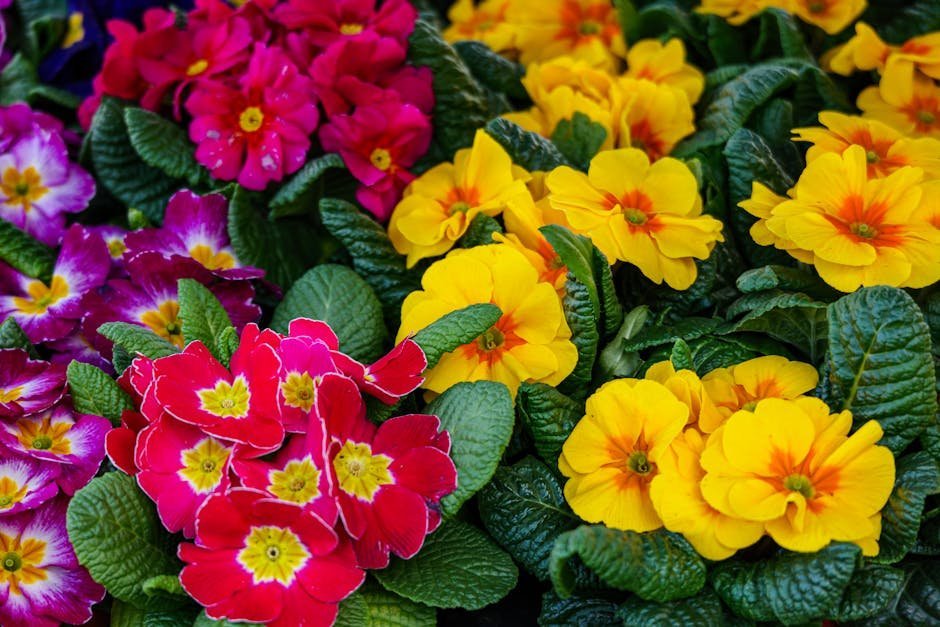
Check your USDA hardiness zone online and choose varieties labeled for beginners. Opt for quick-maturing types like bush beans or lettuce over finicky exotics. Local nurseries often stock zone-perfect options.
Matching plants to weather cuts failure rates dramatically. They handle local frosts, heat, or humidity better, saving you replanting cash. It’s like dressing for the weather, but for your greens.
5. Map Out a Simple Garden Layout
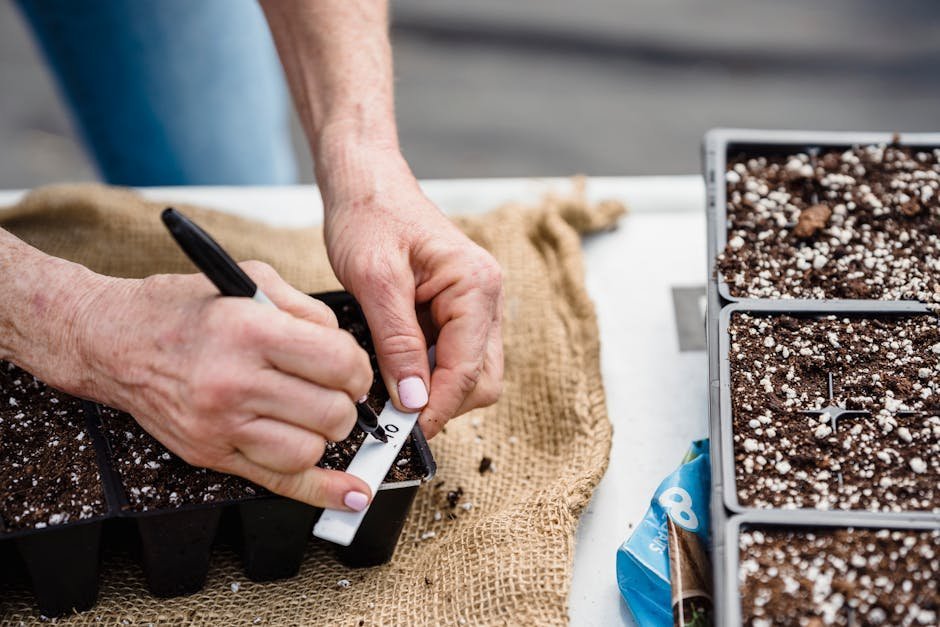
Sketch your space on paper, grouping tall plants like corn at the back and low growers like carrots up front. Space seeds per packet instructions to dodge crowding. Companion planting, such as basil near tomatoes, boosts natural pest control.
A thoughtful layout maximizes sun and airflow, curbing diseases. Poor planning packs plants too tight, inviting rot. This upfront effort pays off in healthier yields and less daily hassle.
6. Gather Essential Tools Without Overspending
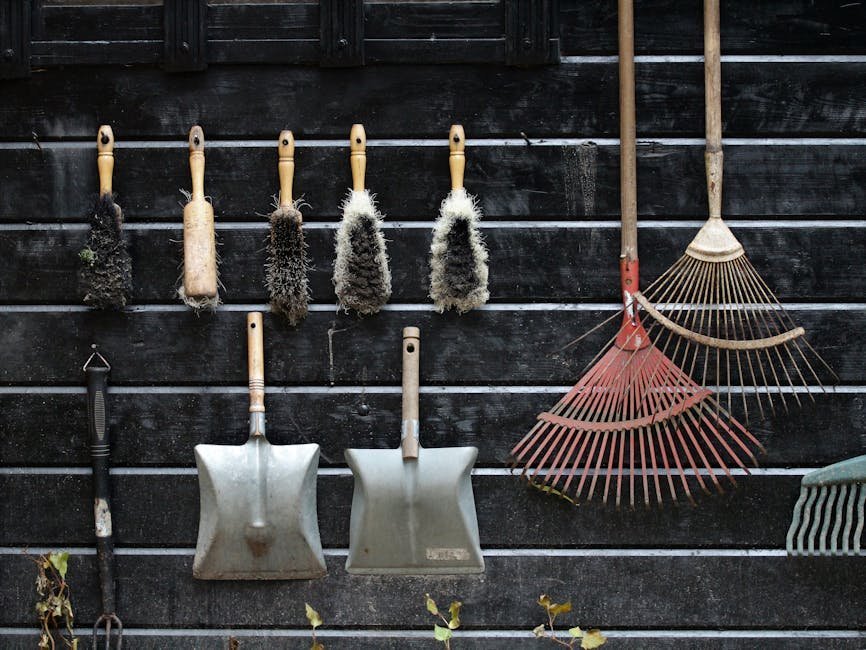
Stock up on basics: trowel, gloves, watering can, hoe, and pruners. Quality matters for longevity, but skip fancy gadgets at first. Thrift stores or basic sets keep costs under fifty bucks.
Right tools make tasks efficient, preventing blisters or broken gear mid-season. They’re your garden’s workhorses. I started cheap and upgraded slowly; it kept things fun, not frustrating.
7. Learn Proper Watering from the Start
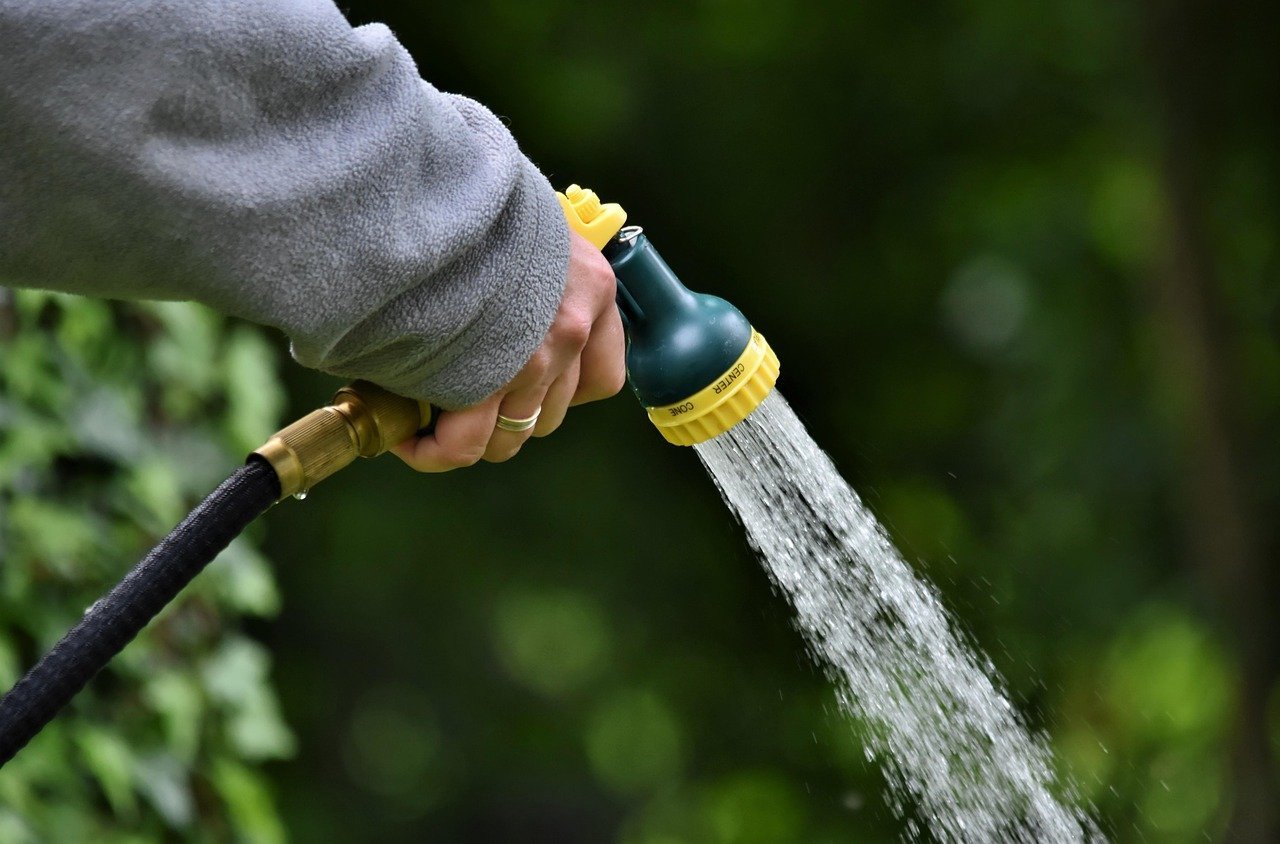
Water deeply but infrequently, aiming for moist soil an inch down. Early morning avoids leaf burn and evaporation waste. Drip hoses or soaker lines deliver steady moisture without drama.
Consistent hydration builds deep roots resilient to dry spells. Overwatering drowns roots, while skimping stresses plants. Get this rhythm down, and half your success is locked in.
8. Mulch Early to Lock in Moisture
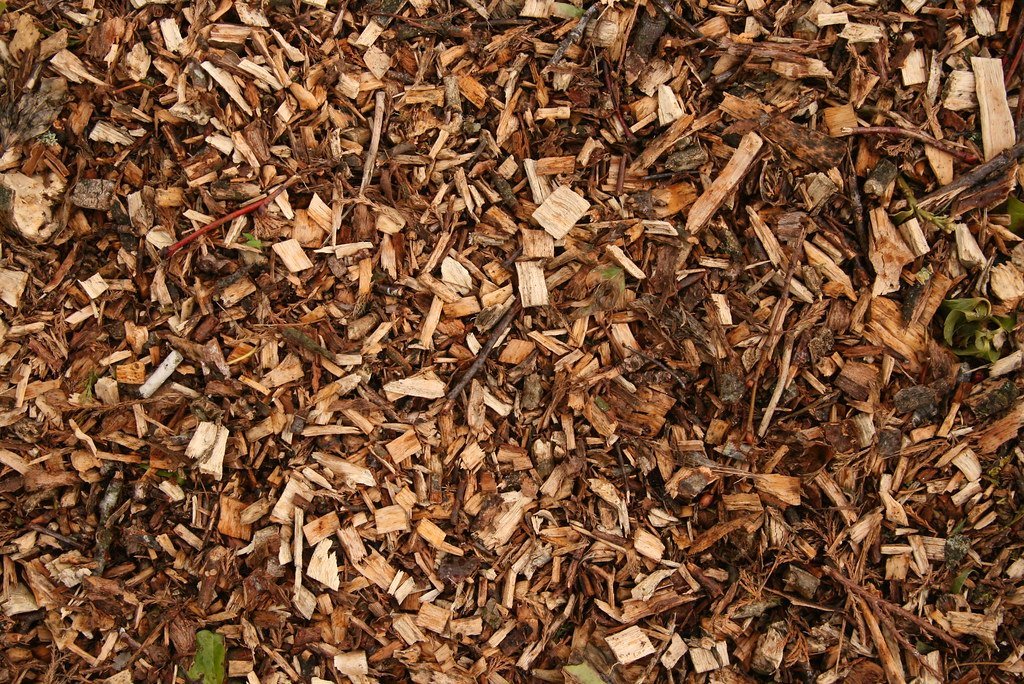
Spread two inches of organic mulch like straw or bark around plants after soil warms. It suppresses weeds that steal nutrients and water. Refresh it seasonally to maintain the barrier.
Mulch mimics forest floors, regulating soil temperature and retaining nearly half the water you’d otherwise lose. Fewer weeds mean less work. It’s a low-effort trick pros swear by for beginners.
9. Build a Compost Pile for Free Fertilizer
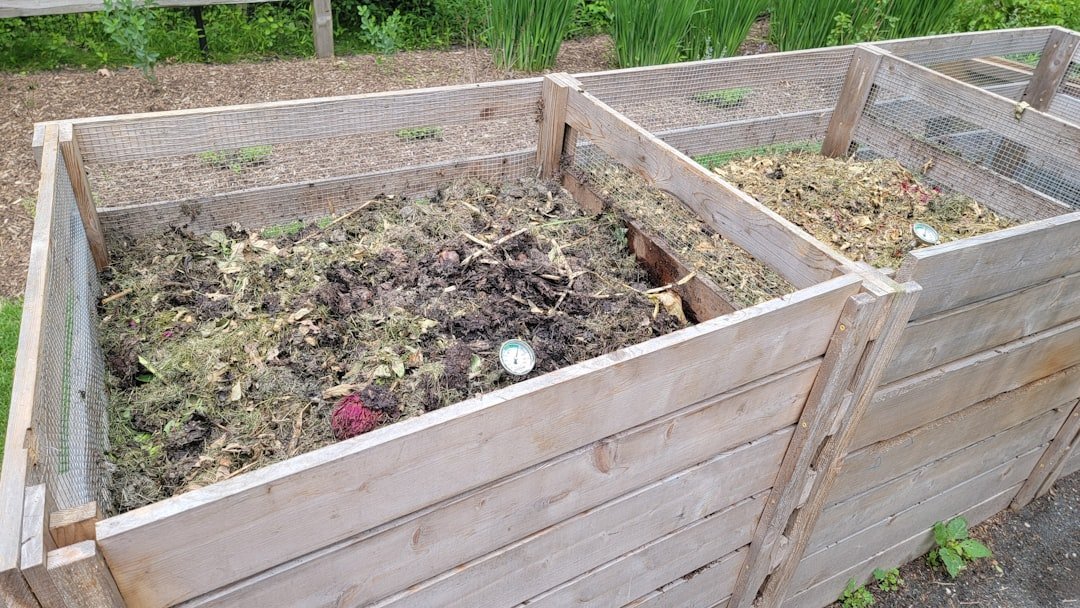
Layer kitchen scraps, leaves, and grass clippings in a bin or pile, turning it weekly for air flow. Aim for half greens, half browns to balance moisture. Ready compost in months nourishes without chemicals.
Homegrown compost recycles waste into rich humus, improving soil structure naturally. Store-bought saves time, but DIY builds endless supply. Your garden will thank you with vigorous growth.
10. Time Your Planting with Local Seasons
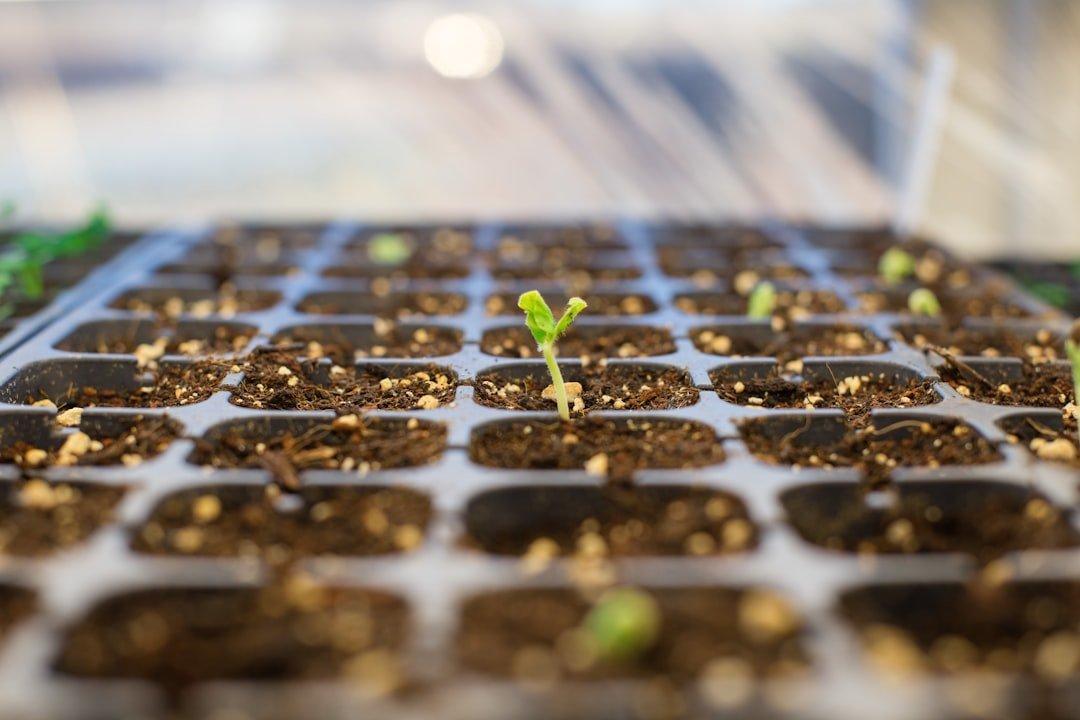
Watch frost dates via almanacs or apps, starting seeds indoors if needed. Cool-season crops like spinach go in early spring; heat-lovers like peppers wait for warmth. Succession planting staggers harvests.
Seasonal timing syncs with nature’s cycles, boosting survival odds. Off-schedule starts invite cold snaps or bolting. Nail this, and your garden hums productively all season long.
These tips arm you against rookie pitfalls, paving the way for fresh harvests and dirt-under-nails joy. Dive in this season, no matter how modest your plot. Your future self, munching homegrown salads, will cheer you on. What’s your first crop pick? Share below!

Christian Wiedeck, all the way from Germany, loves music festivals, especially in the USA. His articles bring the excitement of these events to readers worldwide.
For any feedback please reach out to info@festivalinside.com
