

For any feedback please reach out to info@festivalinside.com
- 20 Song Intros That Hook You Instantly - September 19, 2026
- 15 Historical Myths That Turned Out to Be False - September 19, 2026
- 10 Inventions That Changed the World in Unexpected Ways - September 19, 2026
Imagine stumbling upon a painting that seems to whisper secrets from the future, or a sculpture eerily mirroring a tragedy yet to unfold. These moments in art history grip us because they blur the line between creativity and fate, making us question if artists tap into something beyond conscious thought. Scholars pore over them, audiences gasp in awe – what if the canvas holds prophecies we can’t quite grasp?
From self-portraits foretelling personal doom to literary visions sinking into reality, these alignments feel too precise for chance. Let’s dive into nine that still puzzle experts today.[1][2]
Victor Brauner’s Missing Eye Foretold
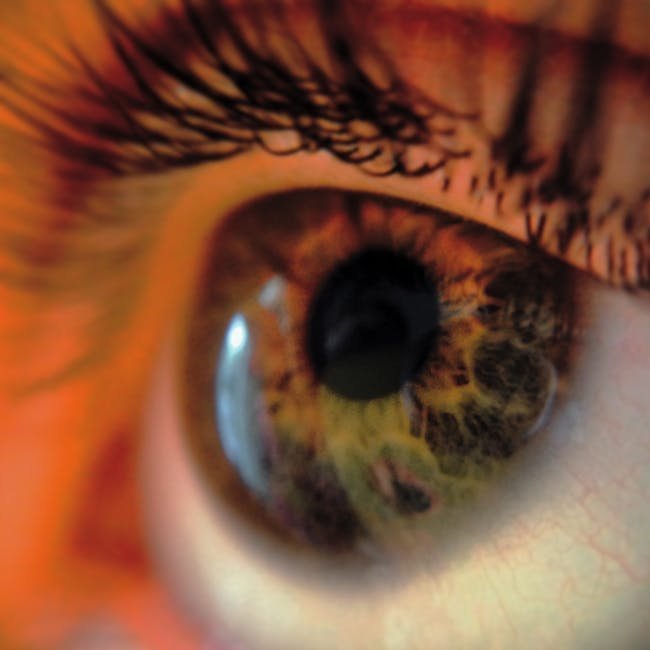
In 1931, Romanian surrealist Victor Brauner painted “Self-Portrait with Enucleated Eye,” depicting himself with his left eye unnervingly plucked out, a socket staring blankly.[1] Seven years later, during a drunken brawl in Paris, a flying glass shard struck exactly that eye, blinding him permanently. Here’s the thing: Brauner had no prior injury or reason to imagine such a fate.
Surrealists like him often chased the subconscious, yet this precision defies logic. Did his brush channel a premonition? It transformed his entire style afterward, fixating on eyes as windows to destiny. Honestly, it gives me chills thinking how art might glimpse what’s coming.[3]
Michael Richards’ Planes of Doom
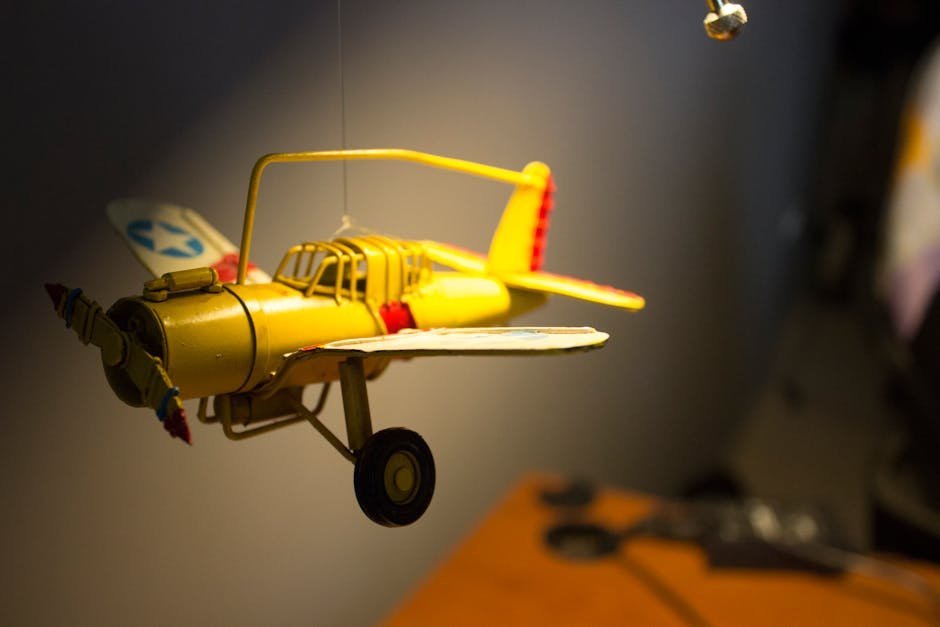
Sculptor Michael Richards crafted “Tar Baby vs. St. Sebastian” in 1999, casting his own body as a Tuskegee Airman pierced by dozens of tiny biplanes frozen mid-attack.[1] Tragically, on September 11, 2001, he perished in his World Trade Center studio as hijacked planes slammed into the towers – planes impaling a Black artist evoking historical resilience. The symbolism hits like a gut punch.
Richards explored aviation’s dual role in heroism and horror, but no one foresaw this literal enactment. His work now stands as a haunting memorial. Let’s be real: in a city of dreamers, this feels like the universe scripted a final act.[4]
Mark Twain Rides Halley’s Comet
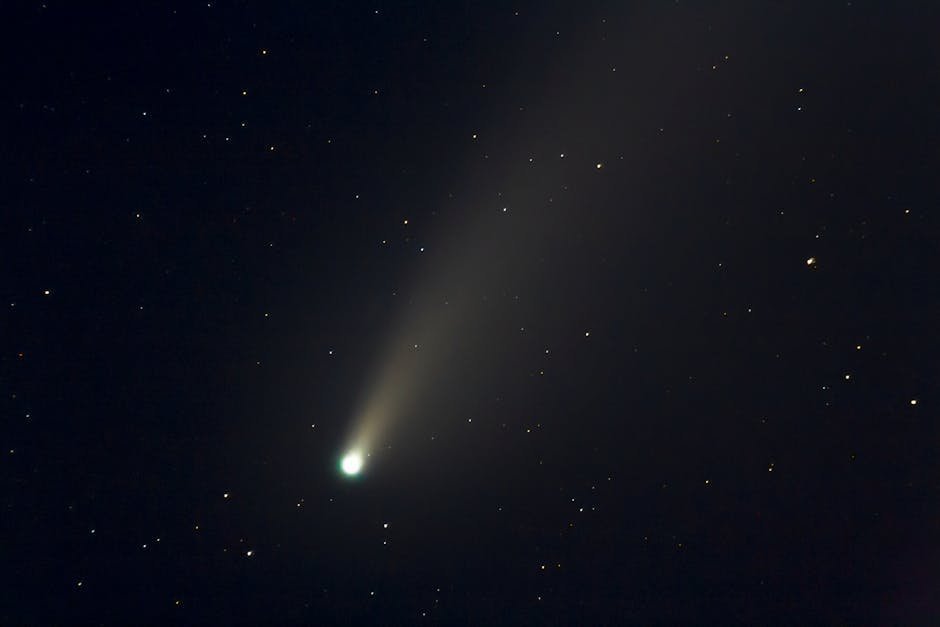
Writer Mark Twain entered the world on November 30, 1835, as Halley’s Comet blazed across the sky, a rare visitor every 76 years.[2] He famously quipped he’d depart with it too – and sure enough, the comet swung by again in 1910, and Twain died the next day on April 21. Literature counts as art, and this cosmic bookend feels scripted by stars.
Twain even predicted it in 1909, calling it his “celestial bodyguard.” Skeptics blame odds, but the poetry? Undeniable. I think it reminds us artists sync with larger rhythms, willingly or not.[2]
Edgar Allan Poe’s Cannibal Namesake
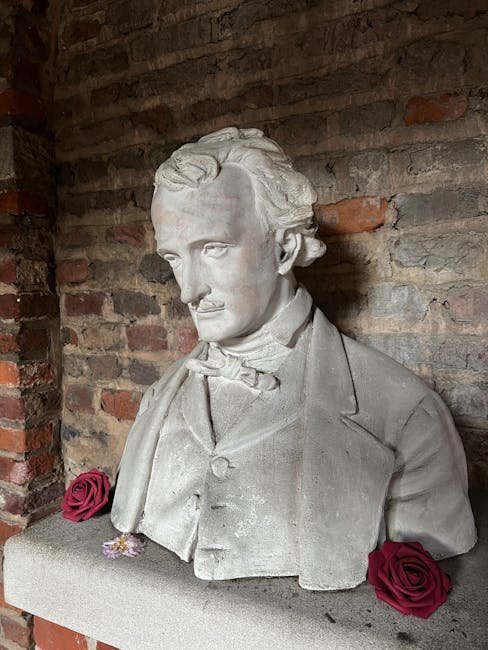
In his 1838 novel “The Narrative of Arthur Gordon Pym of Nantucket,” Poe described shipwreck survivors drawing lots and eating a cabin boy named Richard Parker.[2] Forty-six years later, in 1884, the yacht Mignonette sank, and the real crew did the same to their cabin boy – also named Richard Parker. No connections between the cases existed.
Poe’s dark imagination mirrored reality with chilling accuracy. Coincidence or collective unconscious at play? It fuels endless debates on whether fiction pulls from unseen threads.[2]
Morgan Robertson Sinks the Titan
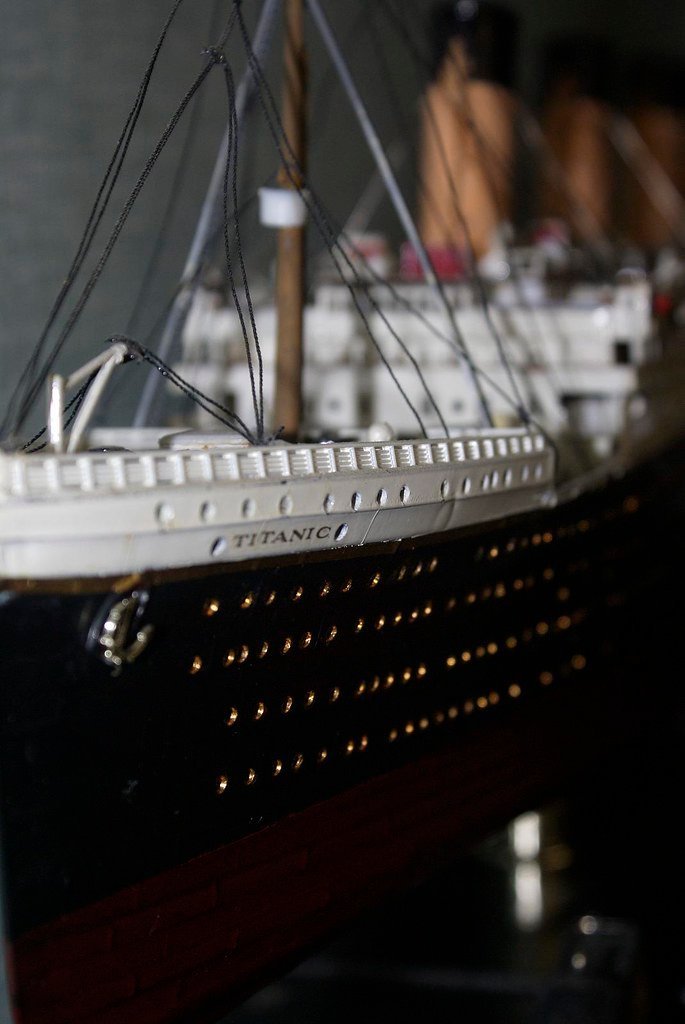
Author Morgan Robertson penned “Futility, or the Wreck of the Titan” in 1898, detailing an “unsinkable” luxury liner called Titan hitting an iceberg in April, too few lifeboats dooming passengers.[2] Fourteen years later, the real Titanic met almost that exact fate. Details like speed, damage location, even passenger counts aligned freakishly.
Robertson drew from maritime knowledge, yet the precision stuns. Was it prophetic vision or eerie luck? This one’s a staple in “art predicts life” lore, leaving sailors whispering.[5]
Jean-Marc Côté’s 2000 Visions
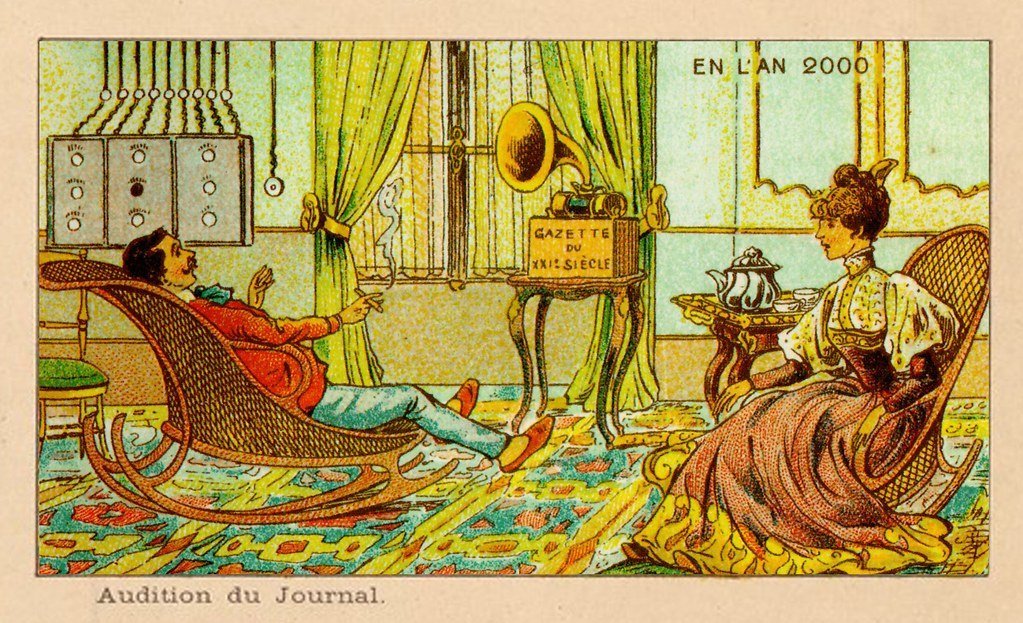
French artist Jean-Marc Côté illustrated postcards around 1900 envisioning life in the year 2000: mechanical vacuums scrubbing floors, electric suits drying clothes, even ostrich taxis.[1] Many nailed modern tech – Roombas, hair dryers, urban transport vibes. His “Electric Scrubbing” shows a proto-Roomba whirring away.
Produced for the 1900 Exposition, they blend whimsy and foresight. Not all hit (whale buses?), but enough to wonder at his crystal ball. It sparks joy seeing yesterday’s dreams become our everyday.[6]
Manabu Ikeda’s Tsunami Wave
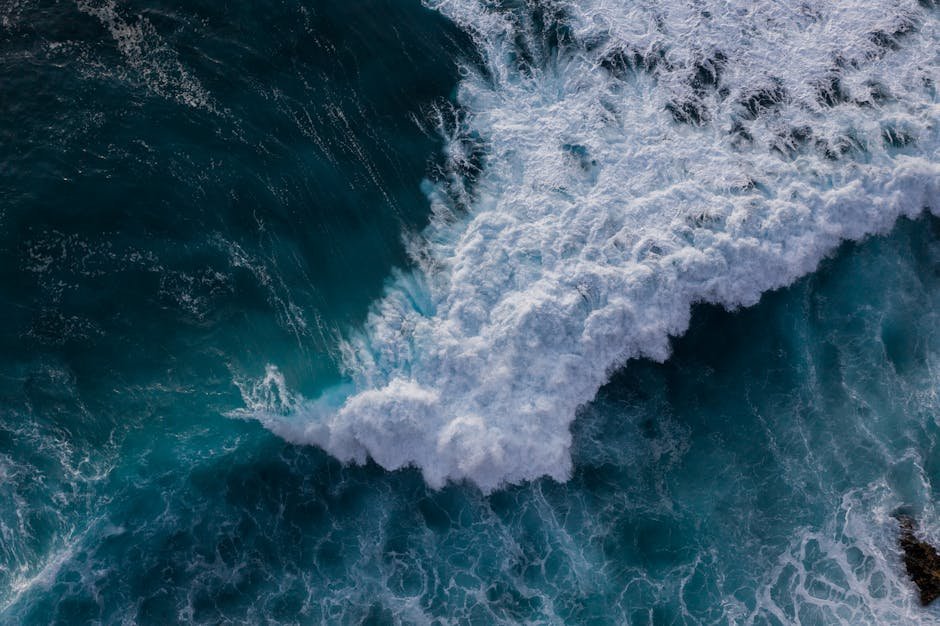
Japanese artist Manabu Ikeda spent three years on “Foretoken” (2008), a massive ink drawing of a colossal wave crashing skyscrapers and chaos.[1] Three years later, the 2011 Tōhoku tsunami ravaged Japan with similar urban devastation. The scale and fury echo uncannily.
Ikeda drew from personal loss, channeling nature’s wrath. Premonition or parallel nightmare? It now hangs as a somber oracle in collections.[1]
Umberto Romano’s iPhone Glimpse
In 1937, Umberto Romano painted “Mr. Pynchon and the Settling of Springfield,” showing a 17th-century figure in a boat clutching what looks like a modern smartphone, glowing screen and all.[7] Amid colonial violence, he’s oblivious, thumb hovering. Created decades before iPhones, it baffles viewers today.
Historians say it’s a lantern or book, but the pose screams texting. Optical illusion or time slip? I know it sounds crazy, but stare long enough and doubt creeps in.[7]
Jackson Pollock Echoes Ancient Sands
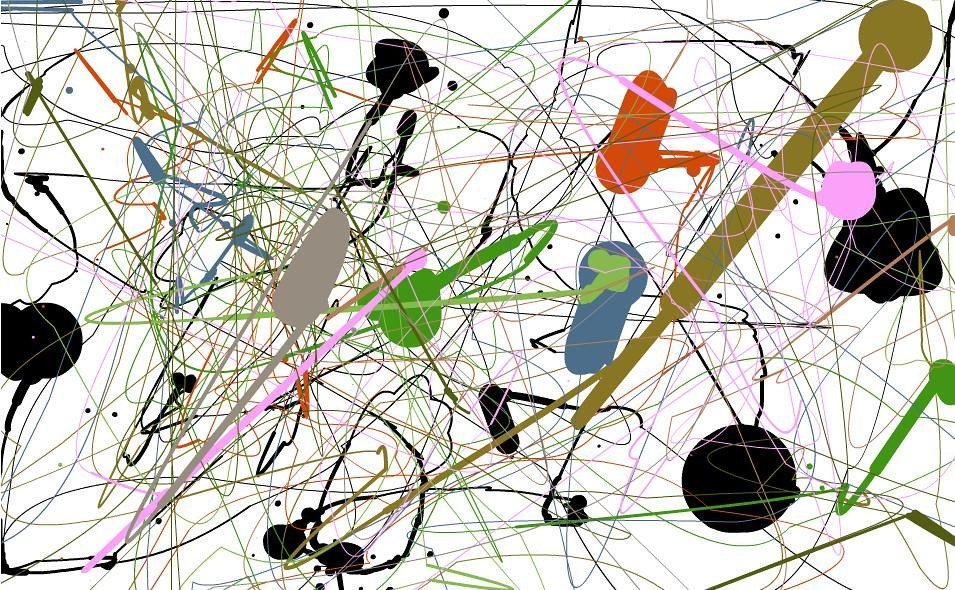
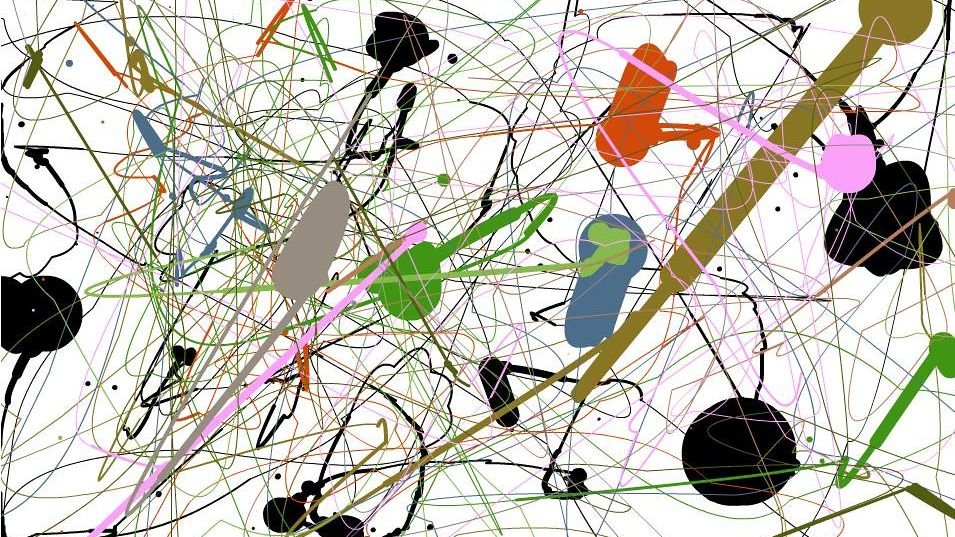
Jackson Pollock’s 1940s drip paintings exploded with chaotic lines mirroring Navajo sand paintings, sacred healing rituals using colored sands poured in patterns.[8] Pollock visited museums, felt drawn inexplicably, yet denied direct copying. The visual sync – rhythmic flows, all-over coverage – stuns.
Art experts debate subconscious pull or shared human impulse. Growing up near Native lands, echoes lingered. It’s like modern abstraction channeled ancient rites without a map.[9]
Unexpected Threads Weaving Art’s Tapestry
These coincidences reveal art as more than pigment or words – it’s a web linking minds across time, hinting at patterns we barely perceive. They shape development by inspiring awe, pushing creators to probe deeper mysteries. Though science calls them chance, the heart senses design.
What if every brushstroke rides invisible currents? Spot your own synchronicity next time you face a canvas. What wild link have you noticed in art history?[1][2]

Christian Wiedeck, all the way from Germany, loves music festivals, especially in the USA. His articles bring the excitement of these events to readers worldwide.
For any feedback please reach out to info@festivalinside.com
