


- 14 Books So Controversial, They’re Still Debated by Scholars Today. - August 8, 2026
- 12 Things Tourists Should Never Do In Germany Ever - August 8, 2026
- 10 Most Heartbreaking Stories Behind Famous Songs - August 8, 2026
There is something almost magical about the way a song can arrive quietly through your speakers and break you completely open. We hear a melody, hum along without thinking, and rarely stop to ask: where did this come from? What did the person who wrote this actually lose?
The truth is that many of the most beloved songs in music history were forged in the darkest moments of a human life. Grief, trauma, injustice, death. The kind of pain that most people can barely speak aloud. Yet somehow, these artists found a way to turn it into three minutes of something transcendent. Let’s dive in.
1. “Tears in Heaven” by Eric Clapton – A Father’s Unbearable Loss
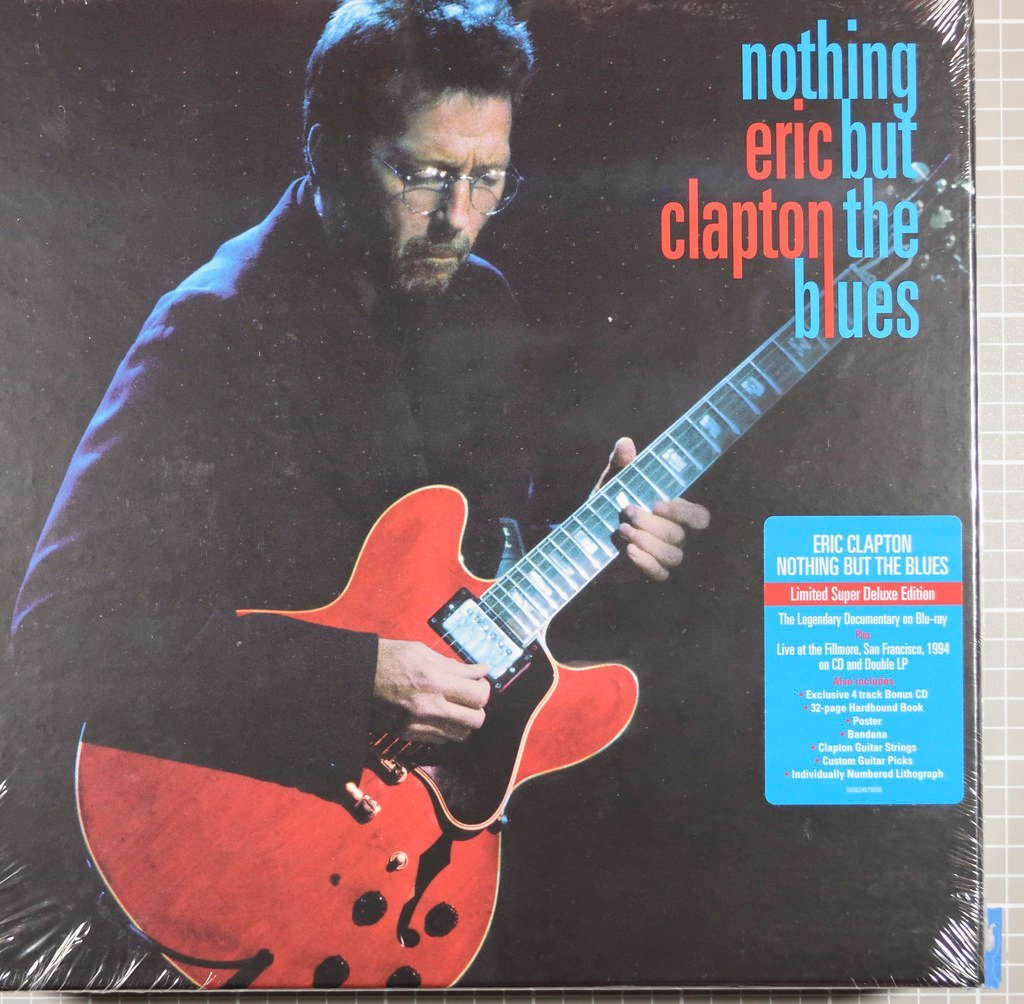
There are few songs in rock history that carry as much raw, personal anguish as this one. Eric Clapton’s “Tears in Heaven” is based on his experience losing his son, Conor, in 1991. Conor was four and a half years old when he fell 53 stories from a window in his room in New York City. Think about that for a moment. A child. Four years old. It is the kind of tragedy that defies comprehension.
After the death of his four-year-old son, Clapton wrote “Tears in Heaven” while grieving privately, describing it as his way to survive the pain. Released on the Rush soundtrack, it won three Grammys but was later dropped from his live shows because, as Clapton said, “It’s too sad.” Honestly, it is hard to imagine the weight of performing that song night after night. Eventually, even the man who wrote it could not bear to do it anymore.
2. “Let It Be” by The Beatles – Paul McCartney’s Dream of His Mother
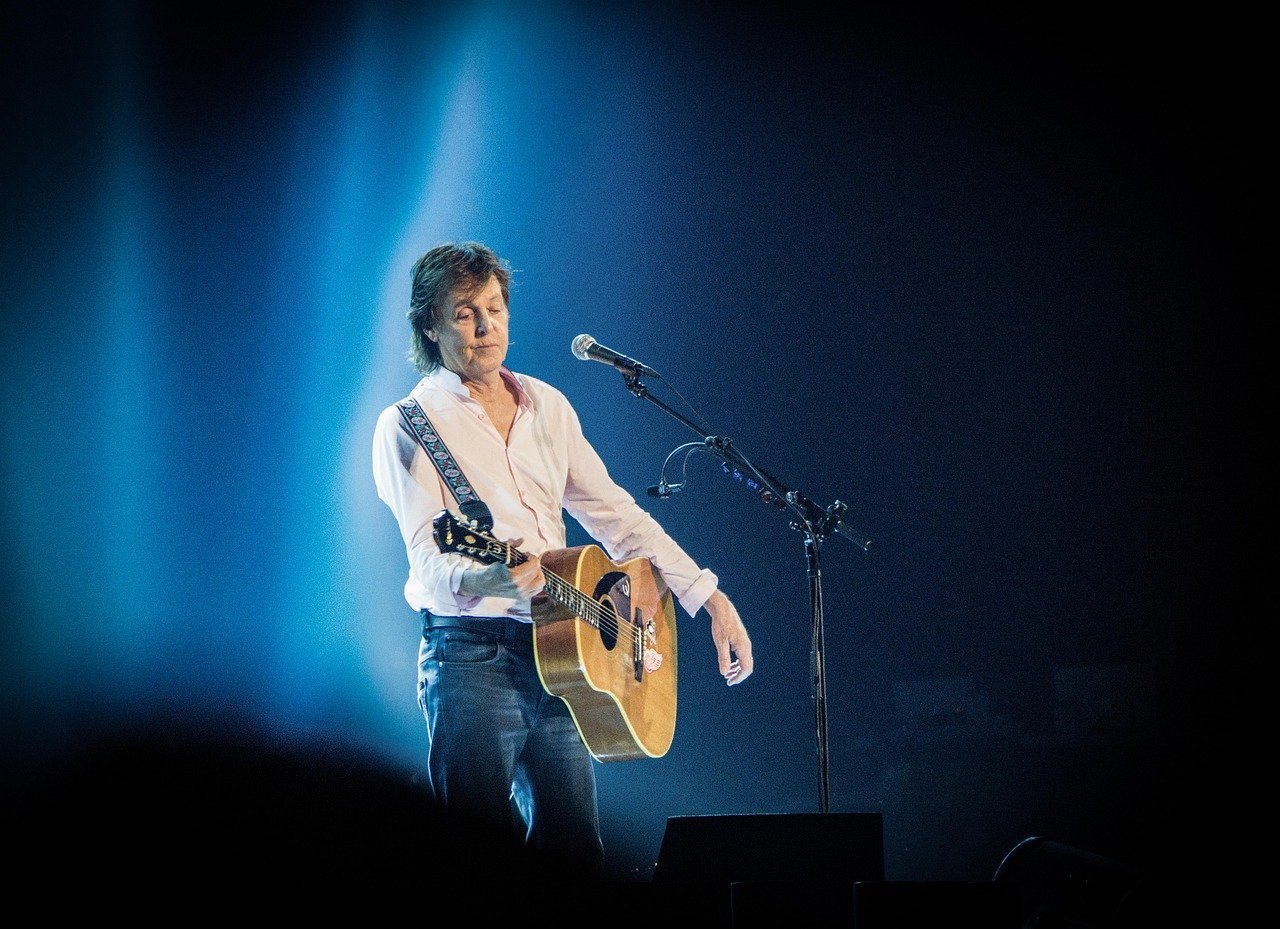
“Let It Be” found Paul McCartney channeling his mother Mary, who died of cancer when he was a teenager. The songwriter saw his mother in a dream where she gave him the immortal title words for the track and provided a soothing message of peace long after her passing. It is one of those stories that sounds almost too poetic to be real. A boy loses his mother far too soon, and she visits him decades later in his sleep to give him the words to one of the greatest songs ever written.
Released in 1970, “Let It Be” became both a spiritual and deeply personal song about finding calm in loss. McCartney has said in various interviews that writing the song brought him genuine comfort. He transformed those prophetic words into a once-in-a-generation ballad, perfectly assembling an effective piano part to underscore his memorable lyrics. Through a career filled with true-to-life songs, this personal piece demonstrated the artist’s emotional peak.
3. “American Pie” by Don McLean – The Day the Music Died

Here is a song most people have sung along to without ever knowing the full weight of its origin. Referenced in the lyrics as “the day the music died,” McLean’s 1971 song was paying homage to February 3, 1959, the day pop music idols Buddy Holly, Ritchie Valens, and J.P. Richardson were killed in a plane crash near Clear Lake, Iowa. McLean was just a thirteen-year-old paperboy when he found out. He drew his inspiration from his childhood experience delivering newspapers during the time of the plane crash that killed those early rock and roll musicians.
On that February morning, a single-engine plane crashed in a corn field near Clear Lake, Iowa, killing music stars Buddy Holly, Ritchie Valens, and J.P. Richardson. News of the fatal crash hit McLean especially hard, so much so that years later it inspired him to write and record the 1971 hit. The singer-songwriter carried on with his professional music aspirations, eventually channeling his pain and grief from both events into “American Pie,” but the song goes far beyond those two moments, using “the day the music died” as a metaphor for “the loss of American innocence.” Few songs in history have carried an entire generation’s grief so gracefully.
4. “Nothing Compares 2 U” by Sinéad O’Connor – A Mother Lost in Tragedy

Most people know the iconic image from the music video: a shaved head, a stark black background, and two tears falling down a face. What many do not know is that those tears were completely real. O’Connor later said that the tears were real. She didn’t expect to cry, but then thought, “I should let this happen.” She explained that the tears came after thinking about her mother, who died in a car accident in 1985.
In her memoir Rememberings, O’Connor explained that the lyric that triggered the tear was the line about all the flowers that her mother had planted in the back yard dying when she went away. Her mother, who was abusive toward her, had died in a car accident in 1985 when Sinéad was 18. The complexity of grieving an abusive parent is something most people never talk about, yet O’Connor poured every drop of that confusion into a performance that silenced the world. O’Connor’s version channelled her very real grief from the death of her mother five years previously, and a superb vocal performance combined with an iconic, tear-streaked music video added up to one of the most successful sad songs in musical history.
5. “Fire and Rain” by James Taylor – Loss, Grief, and Addiction All at Once

James Taylor’s “Fire and Rain” might sound like a straightforward ballad, but it actually contains several layers of devastating real-life tragedy packed into a single song. The line about “Suzanne the plans they made put an end to you” is about James Taylor’s longtime friend, Suzanne Schnerr, who committed suicide while Taylor was recording his debut album in London. The reference to “Sweet dreams and Flying Machines in pieces on the ground” refers to The Flying Machine, Taylor’s band that never quite took off. The song was also written while Taylor was struggling with drug abuse.
Imagine trying to write through all of that simultaneously. A dead friend, a failed band, and your own addiction dragging you under. Most people would collapse. The song has a multifaceted story, with its mention of Suzanne referring to Taylor’s longtime friend who ended her life while he was recording his debut album in London, while other references point to The Flying Machine, Taylor’s band that never quite took off. There is something almost unbearably human about packing three separate catastrophes into one song and then performing it on stage for decades.
6. “Jeremy” by Pearl Jam – A Classroom Horror Frozen in Song

This is one of those songs that punches you differently once you learn what it is actually about. Pearl Jam’s “Jeremy” revolved around a heartbreaking tale that was unfortunately very real. Singer Eddie Vedder read a newspaper article about a high school student that ended his life in front of his class. Imagining the complex emotions of the child, the frontman used his earthy voice to bring out the fury surrounding the painful event.
Eddie Vedder began writing the lyrics to “Jeremy” in 1991 after reading a newspaper article in The Dallas Morning News about the suicide of a 16-year-old boy. The song became a rallying cry for anyone who had ever felt invisible, unheard, or pushed past their breaking point. His detailed words speculate on both the origins of the act and its lasting effects on the community. Accompanying the lyrics is an indignant and effective instrumentation. Ultimately, Vedder did not pull any punches in depicting this American tragedy. The fact that this story was ripped straight from a newspaper makes it all the more devastating.
7. “Wake Me Up When September Ends” by Green Day – A Child’s Grief Held for Decades
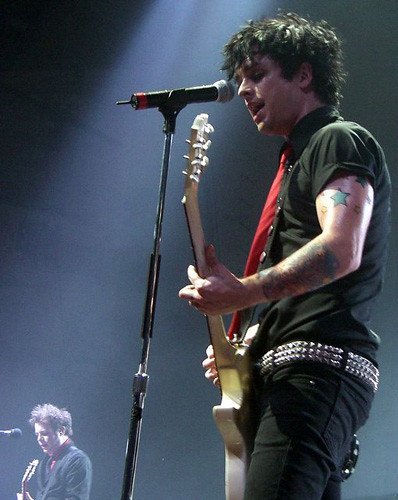
For years, many listeners assumed this was a political anthem or a war protest song. It is not. It is something far more personal and far more quietly heartbreaking. Wake Me Up When September Ends” was written by Billie Joe Armstrong about his father’s death. Armstrong’s father passed from cancer in September 1982. Ten-year-old Armstrong allegedly shut himself in his room and told his mother: “Wake me up when September ends,” and the song was originally supposed to be featured on an earlier album, but Armstrong wasn’t ready to record such an emotional and personal song at the time.
There is something quietly devastating about that image: a ten-year-old boy, locked in his room, refusing to face the world. The frontman of Green Day wrote this rock release about the death of his father from cancer when the singer was a child, and the song later became symbolic of the loss that people experienced with the September 11 attack and with Hurricane Katrina. It is hard to say for sure whether Armstrong expected the song to carry so many people’s grief, but it has. A deeply private wound became universal.
8. “I Wish It Would Rain” by The Temptations – Written by a Man Who Could Not Survive His Own Pain

This is perhaps one of the most tragic songwriting stories in all of music history, and it is one that most people have never heard. This unusually melancholy Motown song has an unusually sad story behind it. Legendary Motown lyricist Rodger Penzabene wrote the song after he found out that his wife was cheating on him. “I Wish It Would Rain” expressed the immense pain he felt at being betrayed by the woman he loved. He wrote that he wished the rain could hide his tears and his sorrow.
The story does not end with the recording. Even after writing down his feelings, Penzabene was still distraught. Tragically, the 23-year-old songwriter ended his own life a week after the song was released, on New Year’s Eve 1967. He never got to see how many people that song would go on to comfort. The song features David Ruffin performing, in a pained voice, the story of a heartbroken man who is desperate to hide his sorrow, with his lover having just left him, wishing that it would start raining so that he could hide the tears falling down his face. Some stories behind songs are deeply sad. This one is something else entirely.
9. “Supermarket Flowers” by Ed Sheeran – A Grandson’s Private Goodbye
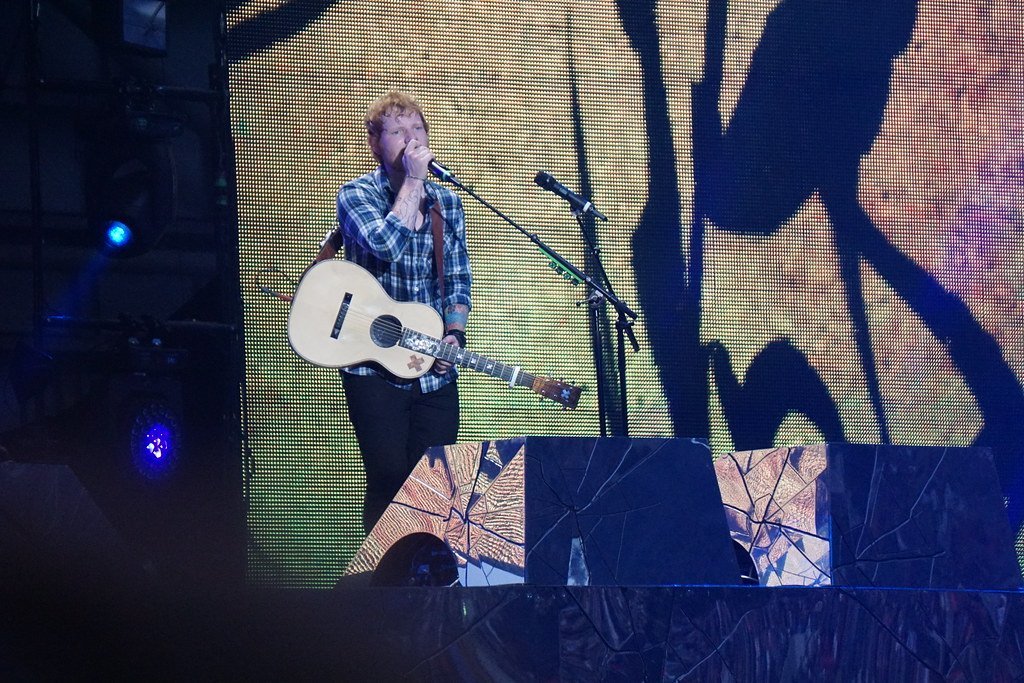
Not all heartbreaking songs are born from rock and roll tragedy or public catastrophe. Some come from something achingly ordinary: a hospital room, a family gathered close, and a love so quiet it barely makes noise. When Sheeran was working on his album “Divide,” his grandmother was hospitalized. He visited her often and was quite close with her. Sadly, she passed away when he was wrapping up the album, and he poured his sorrow into this song. Sheeran wrote the lyrics from his mother’s point of view in an attempt to work through his emotions.
The song was never meant to be released to the public, but after he performed it at his grandmother’s funeral, his grandfather insisted that it be included on “Divide.” That detail alone is enough to destroy you a little bit. A song written as a private act of grief, performed at a funeral, and then insisted upon by the very family member left most alone by the loss. It became one of the most emotionally raw moments on the album, and one Sheeran has said was among the hardest to record.
10. “These Are the Days of Our Lives” by Queen – Freddie Mercury’s Goodbye
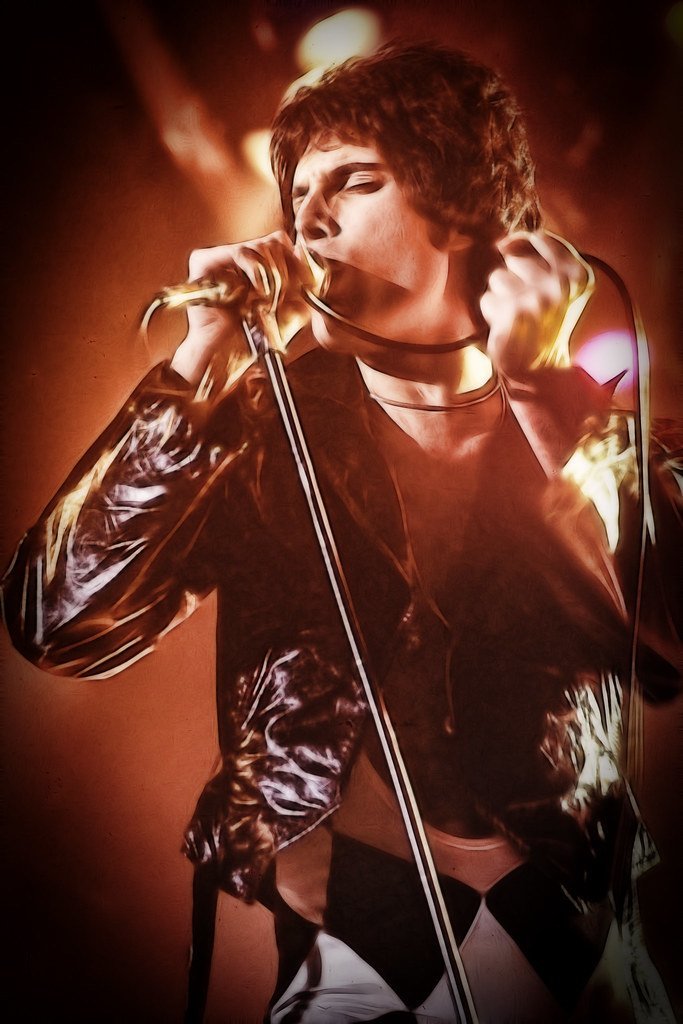
Let’s be real: the story behind this Queen song is one of the most quietly devastating in music history. This Queen song was originally written by Roger Taylor about his children and how parenthood made him look back on his own life. Inevitably, the song took on a totally new meaning when it was announced that Freddie Mercury had AIDS and knew he was going to die soon when he recorded it. A song about the passage of time suddenly became something else entirely: a man saying goodbye.
The video was Mercury’s last filmed performance, and Brian May later speculated that Freddie was “saying his goodbye” in the video. The most heartbreaking moment in the video comes when a smiling Freddie tells the camera: “I still love you.” No staging, no metaphor, no lyrical distance. Just a man at the end of his life, looking directly into a camera, saying three words. After Freddie Mercury revealed he was dying of AIDS, those words suddenly made horrible sense. He recorded it after his diagnosis, and reportedly he could barely stand in the studio when they recorded it, but he just said “I’ll sing it darling” and belted it out in one take. That image, honestly, never gets easier to sit with.
Conclusion: Why Pain Produces the Purest Art

There is a strange and beautiful truth at the center of all these stories. The songs that last the longest, the ones that find us in our own darkest hours and make us feel less alone, are nearly always the ones that came from someone else’s darkest hour. Grief, it turns out, is the most universal language we have.
These artists did not choose to suffer. No one does. Yet when the suffering arrived, they picked up a pen or sat down at a piano or walked into a studio barely able to stand, and they made something that outlasted the pain itself. That is extraordinary.
Perhaps the most comforting thought is this: every time one of these songs reaches a stranger at exactly the right moment, the original loss becomes something more than just a tragedy. It becomes a bridge. Which of these stories surprised you most? Drop your thoughts in the comments.
CEO-Co-Founder
