


- 20 Forgotten Writers Who Invented Modern Genres - September 21, 2026
- 10 Opening Lines That Were the Author’s Second Choice - September 21, 2026
- The 20 Quietest Songs That Leave the Loudest Impression - September 21, 2026
Ever wonder why a simple trip to the grocery store feels like stepping into another universe? National habits in the United States have roots tangled deep in history, vast geography, and bold policy choices that set them apart from global norms. From colonial legacies to frontier individualism, these quirks shape everything from daily routines to social interactions.
Picture this: what seems ordinary to one person shocks a visitor halfway across the world. Let’s dive into 15 standout differences that highlight America’s unique path.[1][2]
Imperial Measurements Over Metric

America clings to miles, pounds, and Fahrenheit while nearly everywhere else embraced the metric system decades ago. This stems from British colonial roots and resistance to international standards, making road trips or recipes a puzzle for foreigners.[1]
Daily life gets tricky; bakers eyeball cups instead of grams, and athletes train in yards. Visitors often fumble conversions, sparking hilarious mix-ups like mistaking 100 degrees for a cool day. Honestly, it feels stubborn, yet it underscores U.S. exceptionalism in a metric world.[3]
Date Format Confusion

Writing dates as month-day-year trips up anyone used to day-month-year, a holdover from British influence that diverged globally. Imagine booking a flight for what you think is July 5th, only for it to register as May 7th. Chaos ensues for international travelers.
This quirk affects everything from visas to birthdays, forcing double-checks in emails. It shapes perceptions of Americans as a bit isolated, prioritizing their system over harmony. Still, apps now adapt, easing the pain a tad.[1]
All Dollar Bills Look Alike
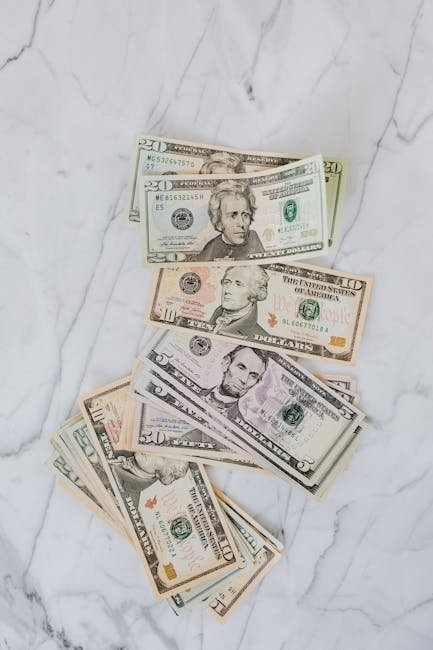
U.S. paper money stays uniformly green regardless of denomination, unlike colorful, sized-differing bills abroad that aid the visually impaired and prevent counterfeiting mix-ups. Cashiers here rely on feel and quick glances, a design unchanged since the 1920s.
For visitors, it’s disorienting at markets or ATMs, leading to overpaying blunders. This sameness reflects trust in tech like scanners but baffles outsiders. I think it adds an unintended layer of adventure to transactions.[1]
Sales Tax Surprise at Checkout

Displayed prices exclude sales tax, tacked on at the register, unlike inclusive pricing worldwide. This varies by state, from zero in some to nearly 10 percent elsewhere, catching shoppers off guard.
Europeans gasp as their $10 item jumps to $10.80, reshaping budgeting habits. It fuels debates on transparency, yet locals plan for it instinctively. Here’s the thing: it keeps states funded without federal sales tax.[2]
Tipping as a Social Contract

Tipping 15-20 percent is baked into service culture, supplementing low wages for waitstaff and drivers. Elsewhere, it’s rare or insulting, with bills covering fair pay.
Travelers forget and face glares, or overtip from guilt, altering vacation budgets. This expectation highlights America’s service ethos but pressures visitors. It sparks global chats on labor fairness.[1]
Giant Portion Sizes Everywhere
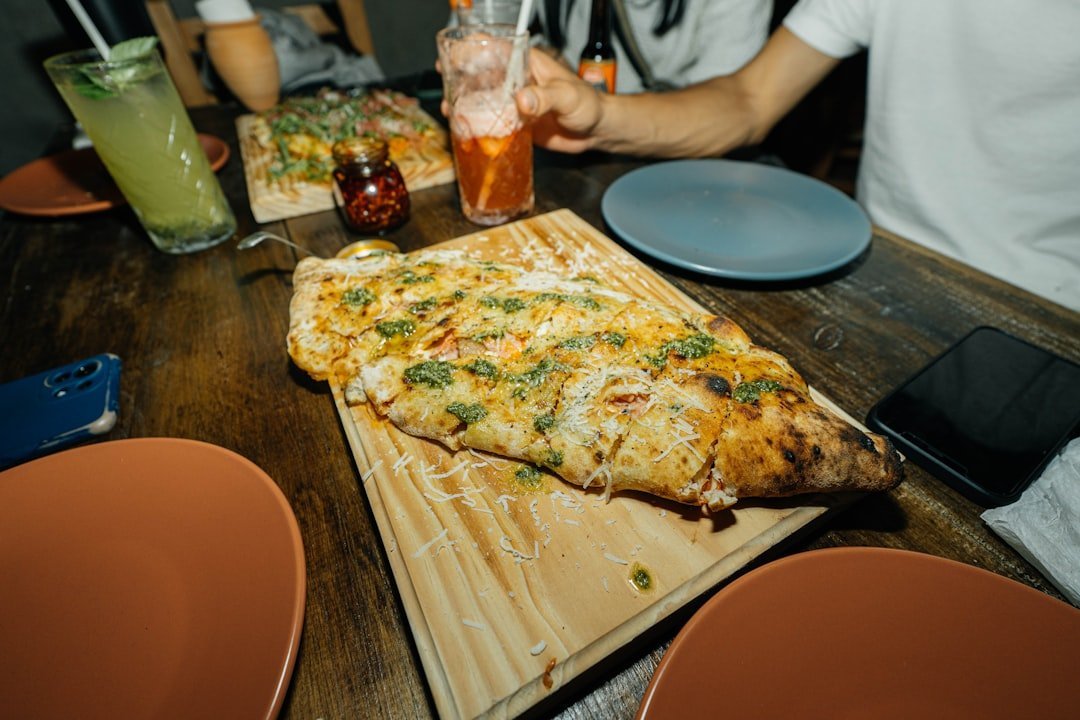
Restaurants serve meals fit for giants, with burgers dwarfing those abroad and nuggets in 40-piece packs. Supersizing became a fast-food hallmark, tied to abundance mindset.
Diners take doggie bags home, a norm puzzling foreigners who finish smaller plates. It affects waistlines and waste, yet embodies hospitality. Visitors indulge, then regret the fullness.[1]
Ice Overload in Every Drink

Beverages arrive brimming with ice cubes, even soda or wine, unless specified otherwise. Hot climates and freezers shaped this chill obsession.
Europeans sip warm drinks, finding half-empty glasses rude. It dilutes flavors but keeps things refreshing in summer heat. Bartenders auto-ice, assuming preference.[2]
Free Refills as Standard
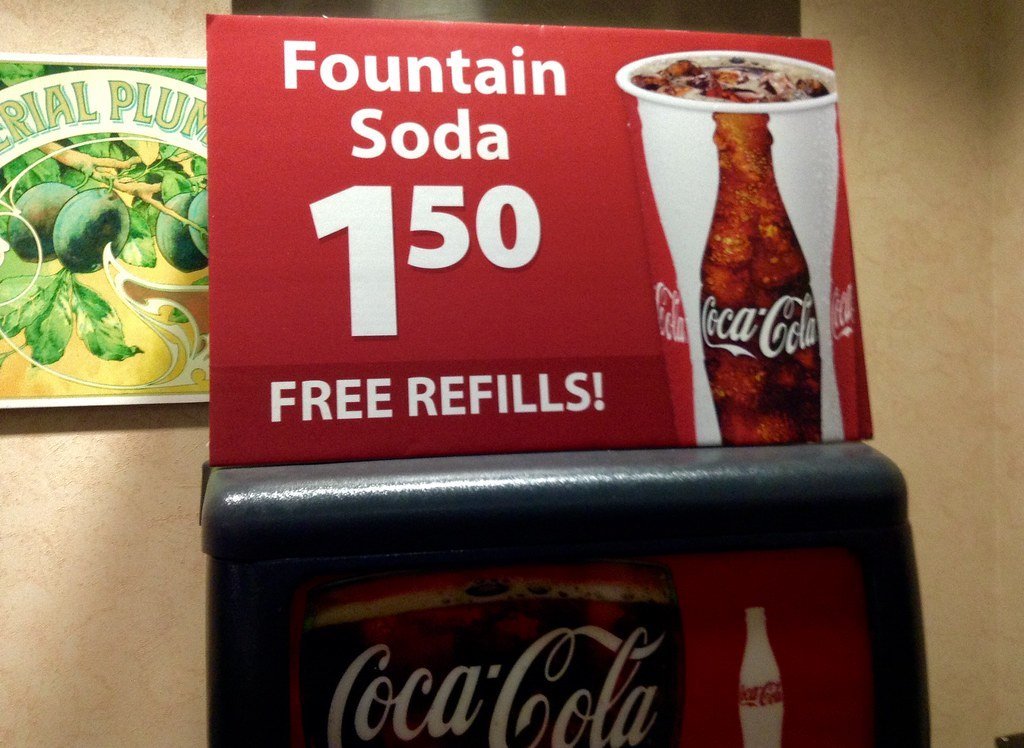
Soda fountains let you refill endlessly at no extra cost, a perk from diner eras. Water and coffee follow suit in most spots.
Abroad, each pour costs more, so Americans guzzle freely. It promotes hydration but shocks thrifty guests. Policy roots in competition, boosting loyalty.[1]
Flags Waving on Every Corner
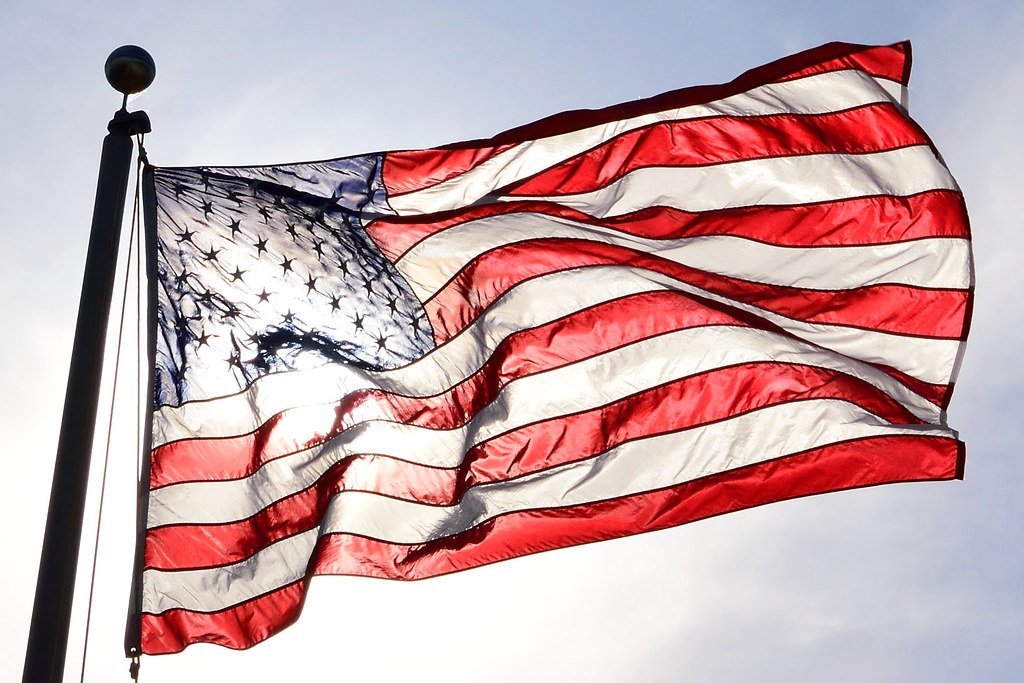
Stars and Stripes flutter from porches, cars, and stores daily, not just holidays. A 2005 ruling eased residential displays, fueling patriotism.
Europeans see it as excessive nationalism, rare outside events. It binds communities but can intimidate outsiders. Locals view it as pride, pure and simple.[1]
Driving for Every Errand

Cars rule for grocery runs or school drops, with sprawling suburbs demanding it. Public transit lags outside cities.
Walkable Europeans balk at firing up engines for blocks. It defines independence but clogs roads. Geography amplifies this auto-love.[2]
Wearing Shoes Indoors

Kicking off shoes at home entrances? Not here, even on plush carpets. Hygiene norms differ sharply.
Asian visitors cringe at tracked dirt, preferring slippers. It simplifies life for busy families. Yet, it raises allergy debates.[4]
Chatting Up Strangers Casually

Grocery lines spark weather talks or compliments, a friendliness hallmark. Smiles greet passersby too.
Reserved cultures find it intrusive, mistaking politeness for advances. It builds quick rapport, easing social life. Policy? Pure cultural optimism.[4]
Blasting Air Conditioning Year-Round
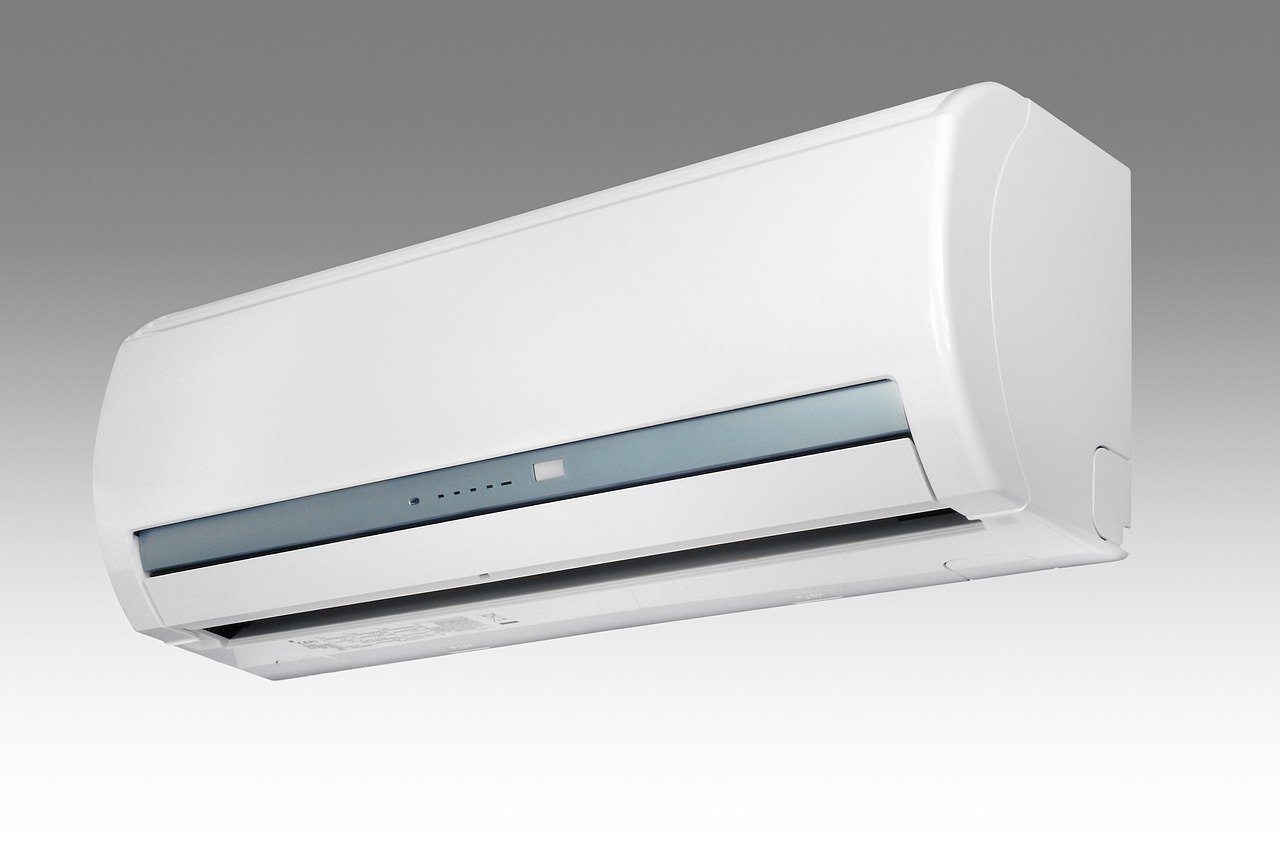
Offices and cars stay arctic, even in spring, combating humidity. Energy hogs, but comfort kings.
Visitors layer up indoors, shivering through meals. It stems from hot spells and tech abundance. Europeans layer less, adapting naturally.[2]
Early Bird Dinners
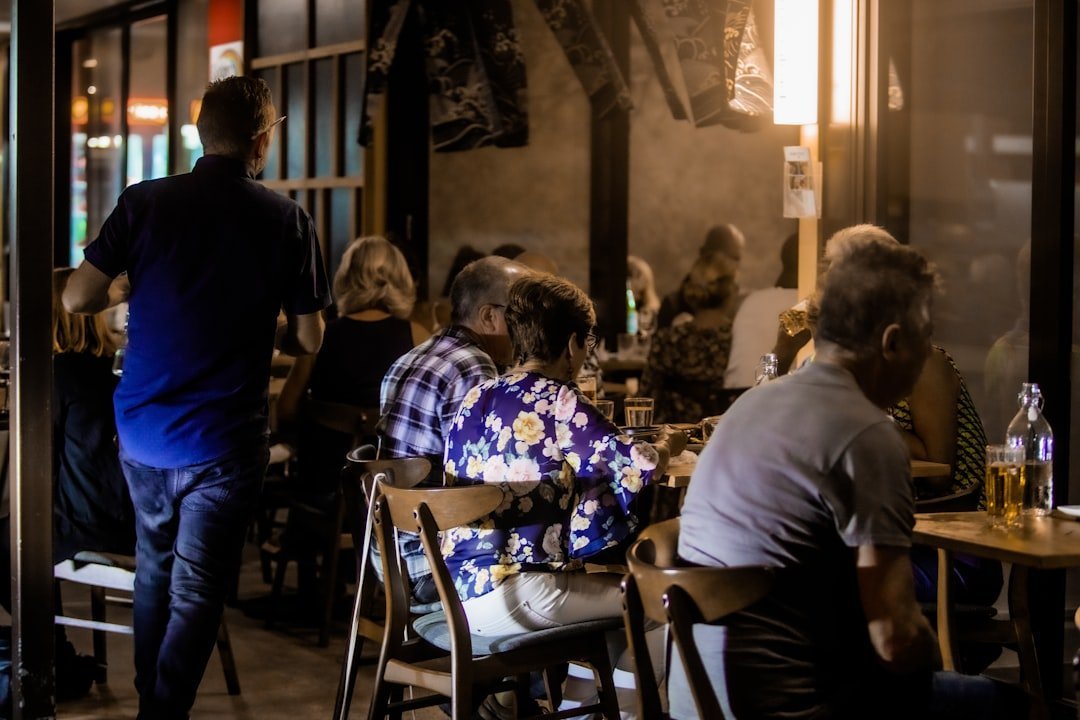
Restaurants buzz at 5 PM, wrapping by 7, unlike late European feasts. Work schedules dictate pace.
Jet-lagged tourists eat alone amid families, feeling rushed. Servers flip tables fast for tips. It suits nuclear families perfectly.[2]
Heavy Student Loan Burdens
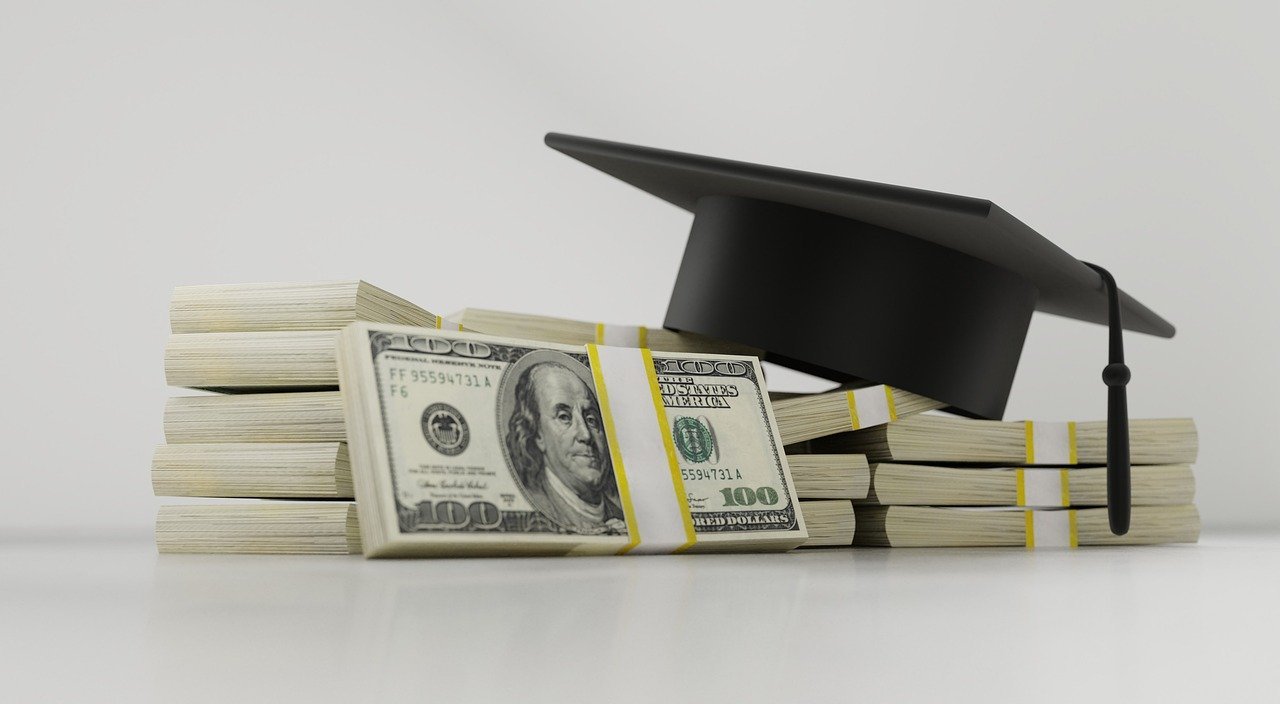
College costs soar, saddling grads with decades of debt, unlike free tuition abroad. Loans fuel access but haunt finances.
Europeans enter jobs debt-free, eyeing U.S. system warily. It drives innovation yet delays life milestones. Policy prioritizes opportunity over equity.[1]
Why These Differences Spark Global Fascination
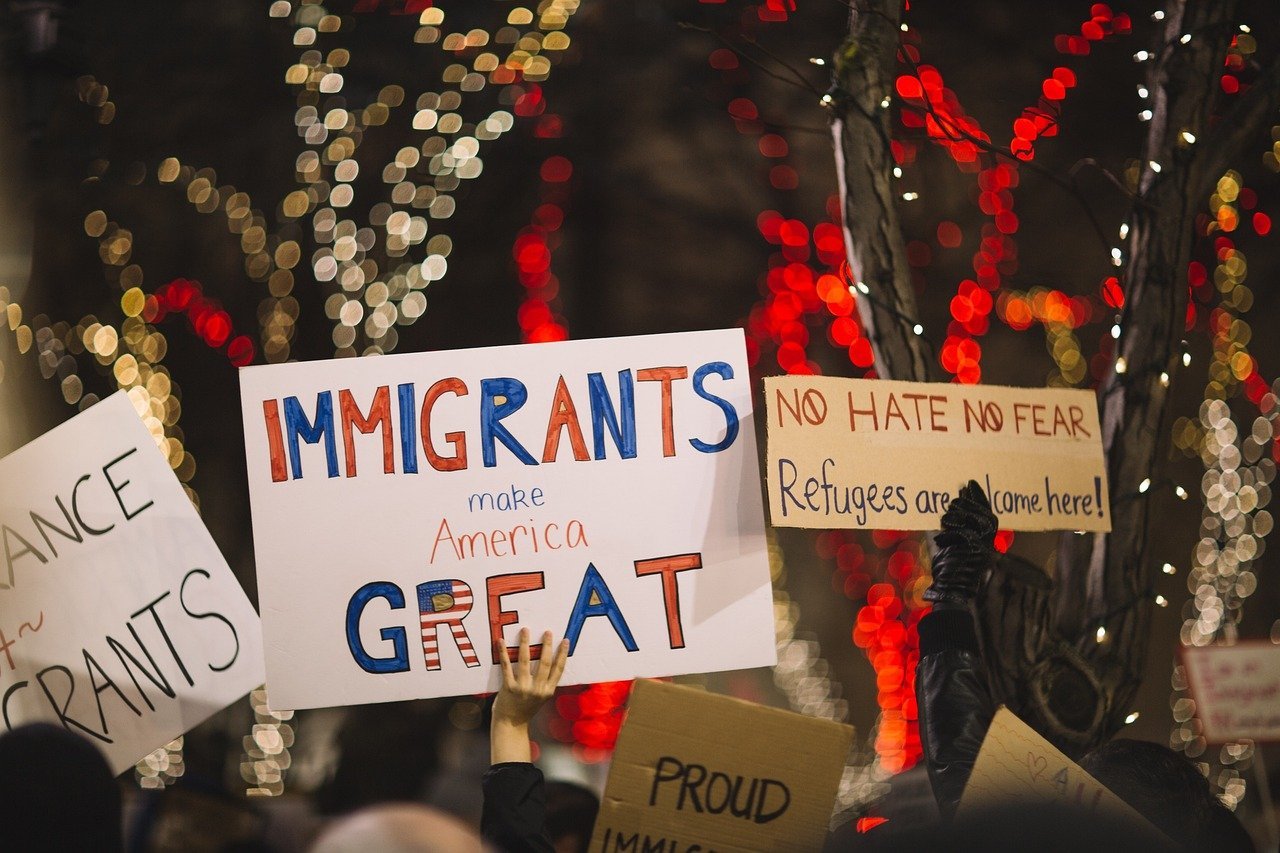
These quirks, born from America’s vast landscapes, immigrant melting pot, and hands-off policies, paint a vivid portrait of exceptionalism. They challenge visitors, foster empathy, and ignite conversations that bridge divides.
Spotting them firsthand transforms stereotypes into stories. What U.S. oddity surprises you most? Share below and keep the cultural exchange going.[2][1]

Besides founding Festivaltopia, Luca is the co founder of trib, an art and fashion collectiv you find on several regional events and online. Also he is part of the management board at HORiZONTE, a group travel provider in Germany.
