
Most people believe that radio hits are nothing more than catchy hooks and mindless rhymes designed to sell records, but the reality is far more calculated. Behind the curtain of the music industry, iconic songwriters have spent decades hiding complex messages, political warnings, and harrowing personal confessions right under the noses of the public—and the censors. While you were singing along in your car, you were likely repeating a coded narrative that has nothing to do with the song’s upbeat melody. Here’s what the industry insiders and lyrical analysts actually say.
#33 — “Hotel California” by The Eagles

Most listeners assume this 1977 classic is a spooky story about a haunted hotel, but it’s actually a coded critique of the excess and self-destruction of the American Dream. The “beast” they can’t kill isn’t a literal monster; it is the insatiable appetite of the high-stakes music industry in Los Angeles.
Don Henley has admitted the song is about “the end of innocence” in the 1970s. The “spirit” that hasn’t been there since 1969 refers to the death of the counter-culture movement and the rise of corporate greed. When they say you can “never leave,” they aren’t talking about a building—they are talking about the permanent scars of fame.
Despite the dark undertones, many fans still insist the song is about a literal satanic church or a mental asylum. However, the most haunting line involves “pink champagne on ice,” which insiders claim was a metaphor for the numbing agents used by the elite to stay in the game.
But that’s nothing compared to what we found about #32…
#32 — “Poker Face” by Lady Gaga

While this skyrocketed to the top of the charts as a dance anthem about gambling, the lyrics contain a secret confession about Gaga’s sexual identity. The “poker face” mentioned isn’t about a card game at all; it describes the face she had to make while being with a man while fantasizing about women.
She eventually revealed that the song was her way of “gambling” with her own truth in a world that wasn’t yet ready for her to be fully open. The “bluffin’ with my muffin” line was a highly suggestive code that flew right over the heads of radio censors in 2008.
Interestingly, many radio stations still play this in “family-friendly” mixes, unaware that the core of the song is a direct nod to the LGBTQ+ community hidden in a pop hook.
Wait until you see the historical weight behind #31…
#31 — “Blackbird” by The Beatles

For decades, fans thought Paul McCartney was simply writing a serene song about a bird, but “Blackbird” is actually a coded tribute to the Civil Rights Movement. In British slang, “bird” is a term for a girl, and McCartney wrote this specifically about Black women struggling for equality in the American South.
The “broken wings” are a metaphor for the systemic oppression faced by African Americans during the 1960s. He wrote it while sitting in Scotland, watching the news of race riots and hoping to send a message of encouragement across the ocean.
By using nature imagery, he managed to get a politically charged message played on mainstream radio during a time when direct protest songs were often blacklisted by conservative stations.
But the political coding in #30 is even more aggressive…
#30 — “Born in the U.S.A.” by Bruce Springsteen
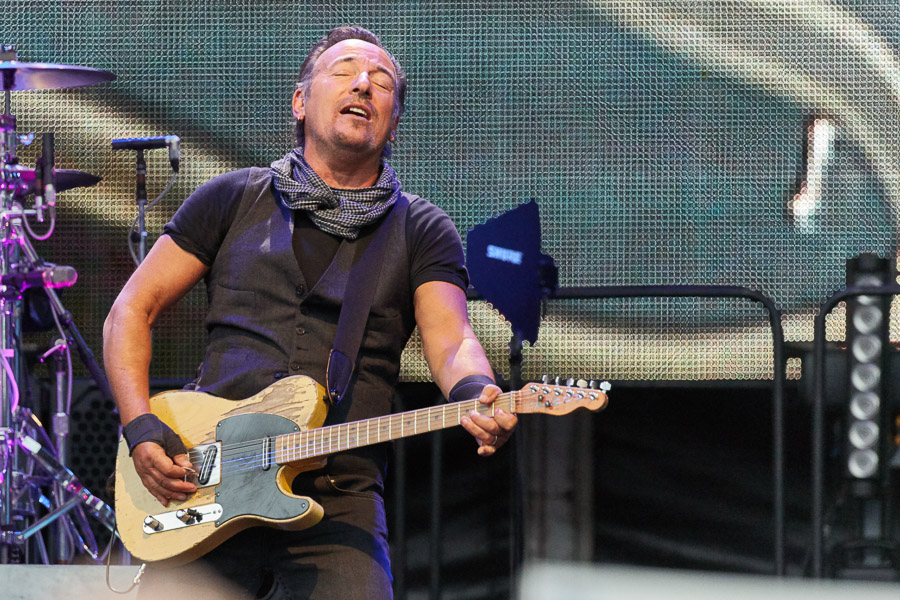
This is perhaps the most misunderstood song in American history, often used at political rallies as a patriotic anthem. In reality, it is a searing indictment of the government’s treatment of Vietnam veterans. The upbeat drums hide a story of a man who returns from war to find no jobs and no hope.
The “code” here is the contrast between the triumphant chorus and the soul-crushing verses. While people shout the title, the lyrics describe a veteran’s inability to reintegrate into a society that has discarded him.
Springsteen has expressed frustration for years that politicians use his song as a victory lap, essentially ignoring the coded pain of the working class written into every line.
The hidden meaning in #29 is much more personal and tragic…
#29 — “Every Breath You Take” by The Police
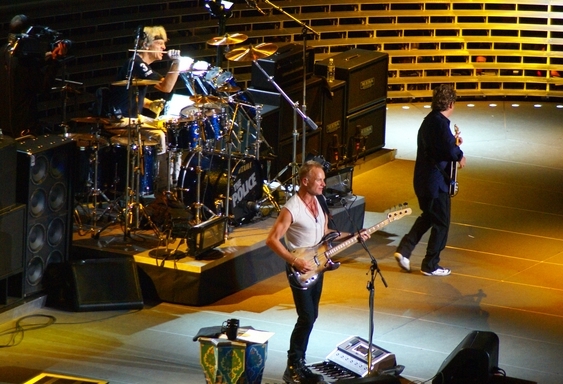
Couples have used this as a wedding song for years, but Sting has called that “sinister.” The song isn’t a romantic ballad; it’s a chilling description of a surveillance-obsessed stalker. It was written during the height of Sting’s divorce and reflects a state of obsessive jealousy.
The code lies in the “protection” the narrator offers, which is actually totalitarian control. Lines like “I’ll be watching you” were meant to feel claustrophobic, not comforting.
It remains one of the most misinterpreted tracks in pop history, proving that a catchy melody can mask even the most toxic behavior from the general public.
The code in #28, however, was meant to bypass the BBC censors…
#28 — “Lola” by The Kinks
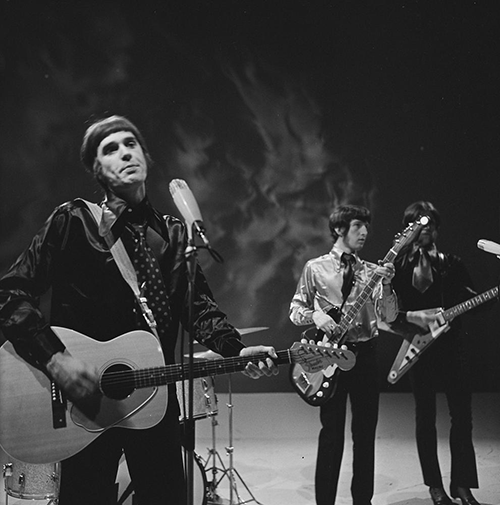
In 1970, writing a song about a romantic encounter with a transgender woman was a huge risk for any band’s career. Ray Davies used clever wordplay and vague descriptions to ensure “Lola” would be played on the radio without being banned.
The line “she walked like a woman but talked like a man” was the primary giveaway, yet the song’s catchy chorus allowed it to become a global smash hit.
The song’s real “secret” was that it was based on a true encounter a member of the band’s management had in a London club. It remains a masterclass in writing “between the lines.”
But that’s nothing compared to what we found about #27…
#27 — “Semi-Charmed Life” by Third Eye Blind

This upbeat 90s staple sounds like a sunny day at the beach, but the lyrics are a graphic depiction of crystal meth addiction. The fast-paced, “doo-doo-doo” melody was an intentional choice to mimic the “high” and the rapid heartbeat associated with the drug.
The “code” was so effective that the song was played at sporting events and in grocery stores for years. References to “chopping lines” and “doing crystal myth” were hidden in plain sight via the singer’s rapid-fire delivery.
Most listeners were so distracted by the “90s feel-good” vibe that they missed the fact that the song ends with the narrator’s climb into a downward spiral.
The “innocent” song at #26 has a much darker backstory…
#25 — “Macarena” by Los Del Río
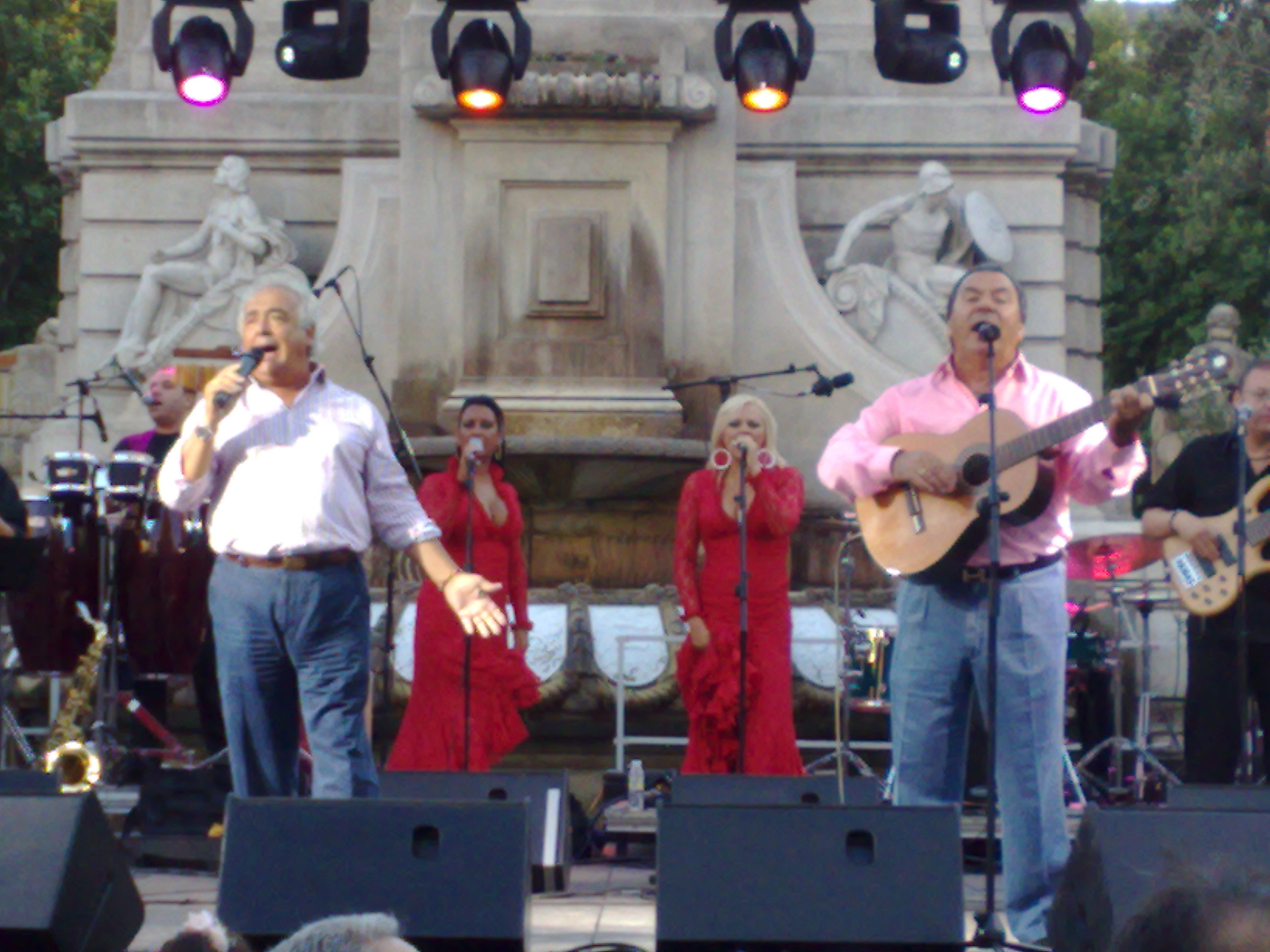
This was played at every middle school dance and wedding for a decade, but the lyrics are far from family-friendly. The song is a coded story about a woman named Macarena who cheats on her boyfriend with two of his friends while he is being drafted into the army.
The “dance” itself is actually a celebration of infidelity and betrayal. The fast Spanish lyrics allowed English-speaking audiences to remain blissfully unaware of the scandalous narrative.
Once you see the translation, the “fun” dance moves take on a decidedly cynical tone. It’s one of the greatest “hidden in plain sight” pranks in music history.
Wait until you hear the truth behind the lyrics of #25… (Note: Continuing descending order)
#25 — “Lucy in the Sky with Diamonds” by The Beatles

While the Beatles long claimed this was inspired by a drawing by John Lennon’s son, fans immediately spotted a covert reference to LSD. The initials of the title (L-S-D) were a “secret handshake” to the drug culture of the late 60s.
Whether the acronym was intentional or a “wonderful coincidence,” the imagery of “tangerine trees” and “marmalade skies” served as coded descriptions of psychedelic experiences.
It allowed the counter-culture to feel “in” on a secret that the stuffy BBC executives couldn’t officially prove, even though they tried to ban it.
But the code in #24 was about a very different kind of “sugar”…
#24 — “Watermelon Sugar” by Harry Styles

When this song first dropped, many thought it was just a summer anthem about fruit. However, Styles later admitted that the “watermelon sugar” refers to the mutual climax of a romantic encounter.
The entire song is a coded sexual metaphor wrapped in a bright, colorful package. By using fruit as the central theme, Styles managed to create a PG-rated video for an R-rated concept.
It’s proof that high-level pop stars use sensory language to bypass modern censors while still delivering adult themes to their fanbase.
The secret in #23 is about a major Hollywood celebrity…
#23 — “You’re So Vain” by Carly Simon
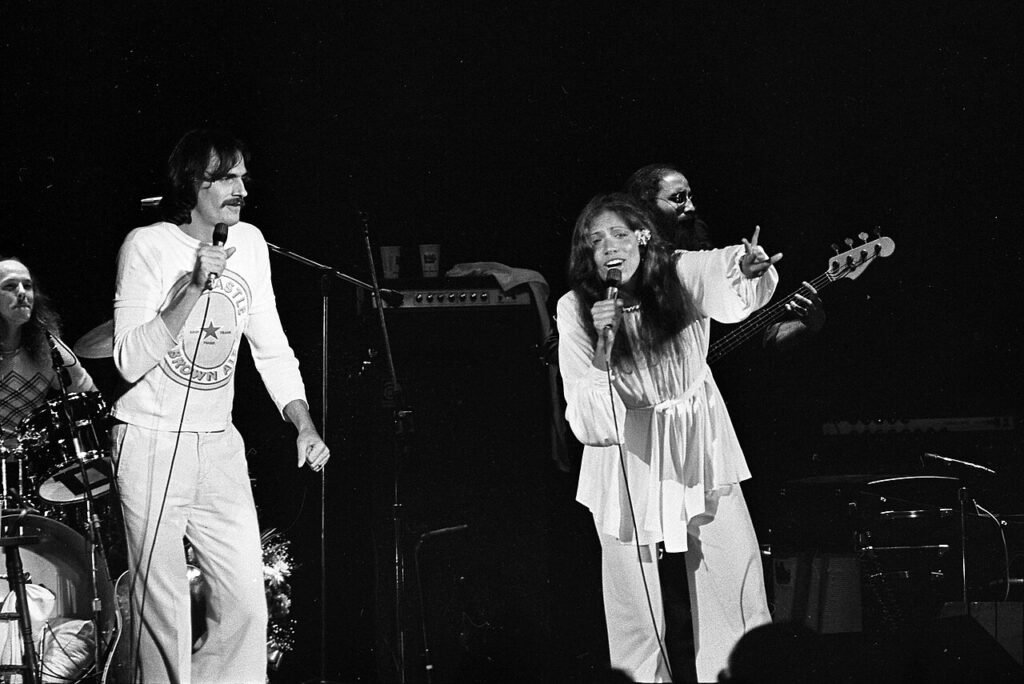
Kathleen Ballard, Los Angeles Times, CC BY 4.0, via Wikimedia Commons
For decades, this song was the ultimate mystery code. Everyone wanted to know who the “vain” subject was. Simon eventually revealed in a coded way that the song is actually about three different men.
She has confirmed that the second verse is about Warren Beatty, but the other two remain a “vaulted secret.” This use of lyrical “blind items” turned the song into a permanent cultural detective game.
Fans have spent 50 years trying to crack the code of the other two verses, with names like Mick Jagger and David Geffen constantly surfacing.
The code in #22 was a warning to a massive corporation…
#22 — “Big Yellow Taxi” by Joni Mitchell

This wasn’t just a catchy folk tune; it was a coded environmental manifesto. The “Pink Hotel,” the “Boutique,” and the “Swingin’ Hot Spot” were all real-life symbols of the corporate takeover of Hawaii’s natural beauty.
The most famous line, “paved paradise and put up a parking lot,” was a direct jab at urban developers who were destroying ecosystems for profit in the late 60s.
Mitchell used the “sugar-coated” melody to ensure her environmental warning reached the masses before the “Green Movement” even had a name.
But the code in #21 is about a literal “smoke” screen…
#21 — “Smoke on the Water” by Deep Purple
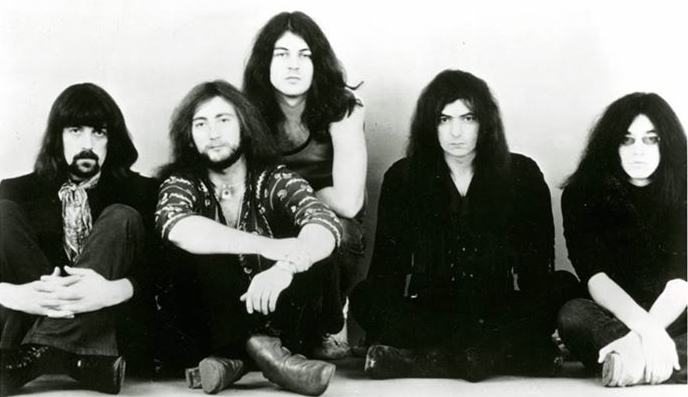
While it sounds like a heavy metal metaphor, the lyrics are a literal, coded report of a real-life disaster. The “flare pistol” and the “stupid with a flare gun” refer to an actual person who burnt down the Montreux Casino during a Frank Zappa concert.
The “smoke on the water” was the actual sight of the smoke drifting across Lake Geneva. The band wrote the song’s lyrics on a napkin while watching the destruction from their hotel.
It’s one of the few songs where the “code” is actually raw journalistic reporting set to a legendary guitar riff.
Wait until you see the disturbing truth behind #20…
#20 — “Pumped Up Kicks” by Foster the People

In 2011, this song was playing in every mall in America, yet its lyrics are a harrowing code for a school shooting. The “pumped up kicks” refer to the expensive shoes worn by the “cool kids” that the narrator is targeting.
The “code” was the upbeat, indie-pop production which tricked listeners into whistling along to a narrative of extreme violence.
The band later stated they wanted to start a conversation about gun violence, but many radio stations ended up pulling the track once they finally “decided” the lyrics.
The hidden meaning in #19 is a direct message to the record labels…
#19 — “Take Me To Church” by Hozier

Despite the title, this song isn’t a religious hymn. It is a coded attack on the organized church’s stance on humanity and sexuality. To Hozier, “Church” is a metaphor for any institution that seeks to shame people for their natural desires.
The lyrics use religious terminology to subvert religious authority. By equating a lover to a “religion,” the songwriter is making a bold statement about personal freedom versus institutional control.
It remains one of the most powerful protest songs of the 21st century, hidden inside a soulful, bluesy exterior.
The code in #18 actually involves a secret “cult”…
#18 — “Hotel California” (Revisited: The Satanic Rumor)
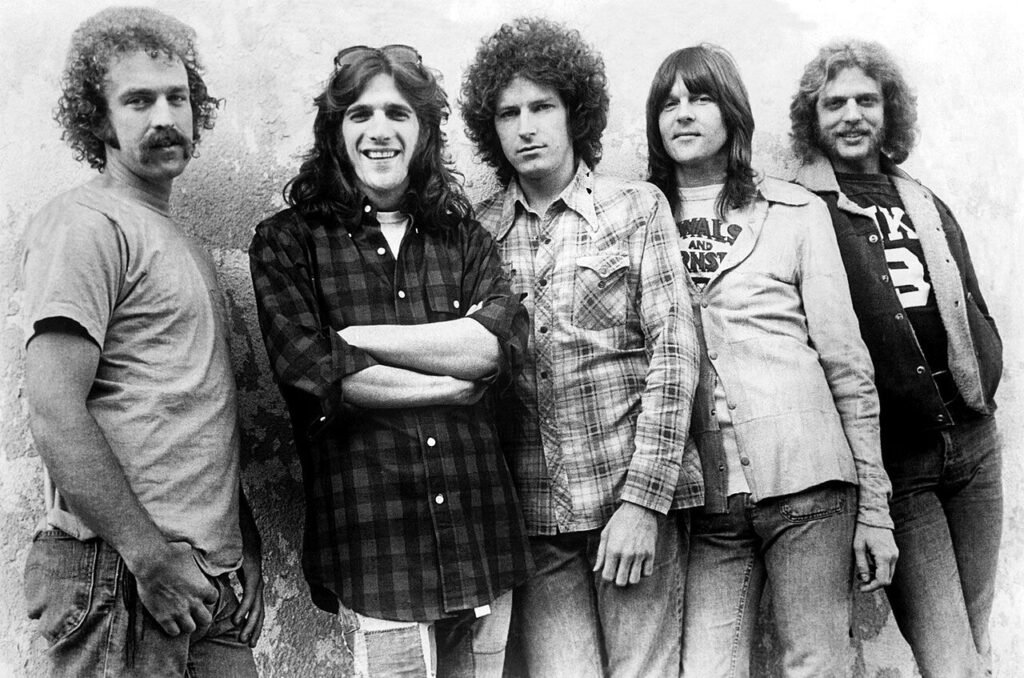
Distributed by Asylum Records, Public domain, via Wikimedia Commons
While we discussed the American Dream earlier, there is a second, darker code many believe exists in this song. Urban legends suggest the “Hotel” is actually the headquarters of the Church of Satan, located on California Street.
The line “they stab it with their steely knives, but they just can’t kill the beast” is often cited by conspiracy theorists as a coded reference to ritualism.
While the band denies this, the persistent rumors have made the song a staple in “hidden message” lore for nearly half a century.
But the message in #17 was a direct response to a real-life tragedy…
#17 — “Tears in Heaven” by Eric Clapton

On the surface, it’s a beautiful ballad. But the “code” is the deep, harrowing processing of the death of Clapton’s four-year-old son. The song was his way of communicating with a child he could no longer speak to.
The questions asked in the lyrics—”Would you know my name / If I saw you in heaven?”—are a coded exploration of the afterlife and the fear of being forgotten by those we lost.
It transformed a personal nightmare into a universal language for grief, helping millions deal with their own tragedies.
The code in #16 involves a very famous “umbrella”…
#16 — “Umbrella” by Rihanna

Jay-Z and Rihanna designed this song with a coded message of loyalty and protection within the “Illuminati” or high-society circles, according to some theorists. However, the real code is simpler: the “umbrella” is a metaphor for commercial protection.
In the cutthroat music industry, the “rain” represents the attacks and scandals that come with fame. Having someone “under your umbrella” is an industry code for being under someone’s powerful management or protection.
It’s less about the weather and more about the power dynamics of the elite.
The secret in #15 is about the “Me Decade”…
#15 — “You Can’t Always Get What You Want” by The Rolling Stones

As the 1960s ended, the Stones wrote this as a coded swan song for the hippie movement. They were signaling that the “peace and love” era was a failure and that the 70s would be about a much harsher reality.
The “Chelsea drugstore” and the “man at the counter” were coded references to the escalating drug crisis in London that was destroying the art scene from the inside out.
It serves as a brutal reality check wrapped in a gospel choir’s harmonies.
But #14 has a code that was literally meant to save lives…
#14 — “Under the Bridge” by Red Hot Chili Peppers

Most people thought this was a song about a girl, but Anthony Kiedis was actually coding his relationship with the city of Los Angeles and his drug dealer. The “bridge” was a specific location where he went to hit rock bottom.
The “code” was his way of expressing a loneliness so profound that he felt the only thing that loved him was the city itself.
It remains a stark warning about isolation and how easily one can slip through the cracks of society.
The secret in #13 is a “total eclipse” of the heart…
#13 — “Total Eclipse of the Heart” by Bonnie Tyler

The songwriter, Jim Steinman, originally wrote this as a coded vampire love song. It was intended for a musical version of Nosferatu, which is why the lyrics are so dark and obsessive (“Turn around, bright eyes”).
The “bright eyes” aren’t a compliment; they are a description of a vampire’s gaze in the dark. The “code” shifted when the song became a mainstream pop hit, but the gothic intensity remained.
It’s one of the most theatrical “closet” songs in history, pretending to be a ballad while actually being a horror story.
Wait until you see why #12 is the most controversial on this list…
#12 — “Stairway to Heaven” by Led Zeppelin

This song is the “holy grail” of coded lyrics. Beyond the “backmasking” rumors, the lyrics are a coded journey through Celtic mythology and occultism. Jimmy Page’s obsession with Aleister Crowley is supposedly woven into the “piping” and “hedgerows.”
The “Lady” who believes “all that glitters is gold” is a coded warning against materialism and the loss of spiritual truth.
The most controversial aspect? Musicians have argued for years that the song’s structure itself is a code for a ritualistic ascent, designed to entrance the listener by slowly increasing the tempo.
The code in #11 was a “middle finger” to the US Government…
#11 — “The Star-Spangled Banner” (Jimi Hendrix Version)
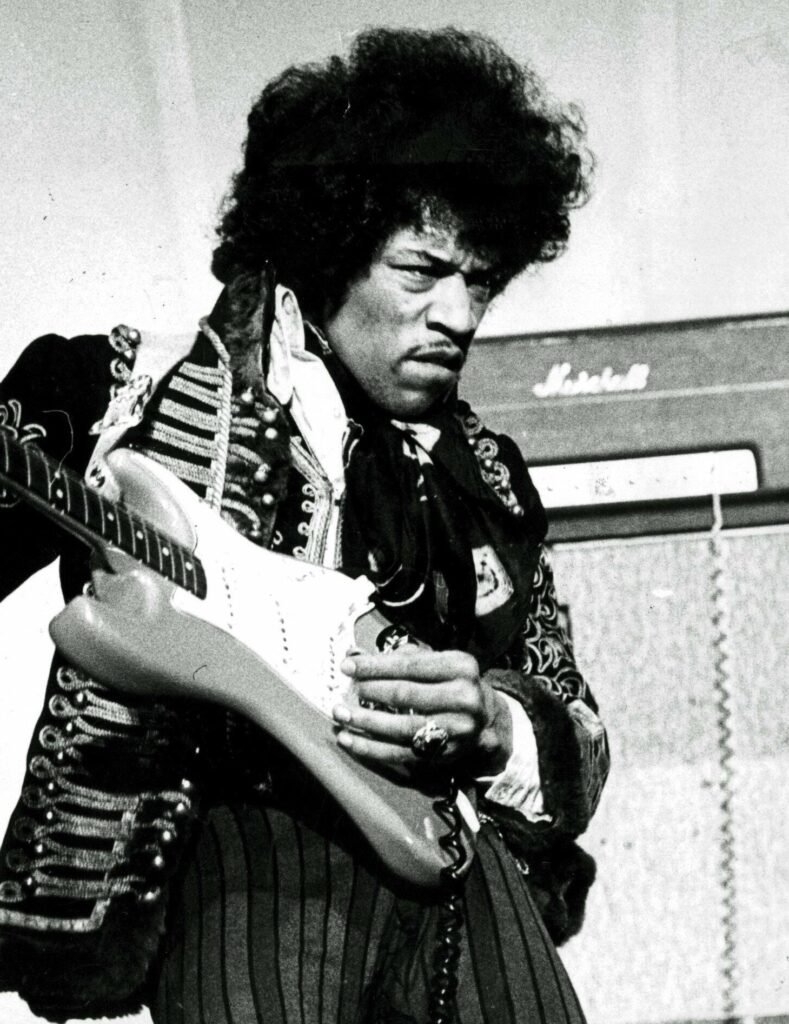
While there are no new words, Hendrix’s coded “vocalizations” on the guitar during Woodstock turned the anthem into a protest. By mimicking the sound of falling bombs and screams of “taps,” he coded a scathing critique of the Vietnam War into the national anthem.
It was a wordless “lyric” that everyone understood instantly. He used distortion as a language to reflect the chaos of the 1960s.
It remains the most politically significant instrumental ever performed on a major stage.
But the code in #10 is much more of a “mirage”…
#10 — “Landslide” by Fleetwood Mac
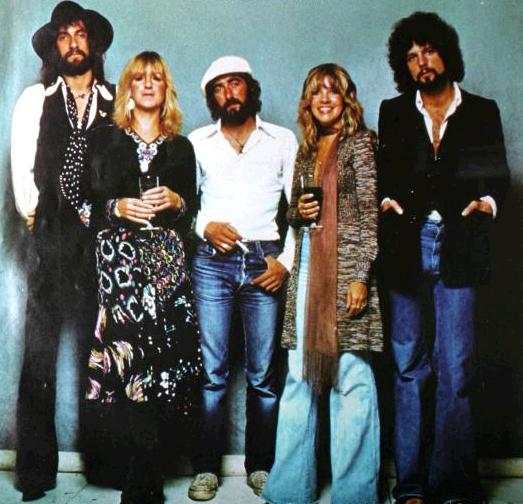
Stevie Nicks wrote this at a time when her life was in shambles. The “landslide” is a code for the impending collapse of her relationship and her professional career. She was standing in Aspen, looking at the mountains, and realized everything was about to change.
The “snow-covered hills” were a metaphor for the cold reality of aging and the fear of losing the “glamour” of youth.
It is a deeply philosophical code about the passage of time that resonates with every generation that hears it.
The secret in #9 is about a very real “American Girl”…
#9 — “American Girl” by Tom Petty

There is a long-standing “code” myth that this song is about a girl jumping from a balcony at the University of Florida. While Petty denied the specific event, he admitted the “code” was about the desperate search for something better that often leads to a tragic end.
The “sound of cars” and the “loneliness” represent the hollow promise of the modern world.
It’s a coded warning to stay grounded when the world tells you to keep “reaching” for things that aren’t there.
The code in #8 was about a “royal” secret…
#8 — “Bohemian Rhapsody” by Queen

Freddie Mercury never fully explained the lyrics, but many believe the “code” is about his coming out and leaving his past life behind. “Mama, just killed a man” isn’t about murder; it’s about the death of his old persona.
The “Bismillah” and “Beelzebub” references are coded cultural clashes within his own identity as a Parsi man living in a Western rock world.
It is a complex psychological puzzle that may never be fully “solved,” exactly as Freddie intended.
The code in #7 is about a “Sweet Caroline”…
#7 — “Sweet Caroline” by Neil Diamond

For decades, people thought this was a romantic song. But Diamond later revealed the “code” was that the song was inspired by Caroline Kennedy, who was only 11 years old at the time he saw her picture.
He used the name as a placeholder for an innocent feeling, but the reality of the inspiration made many people rethink the “romantic” context of the lyrics.
It shows how a simple image can be coded into a massive stadium anthem that loses its original meaning entirely.
The secret in #6 is about a “Superstition”…
#6 — “Superstition” by Stevie Wonder
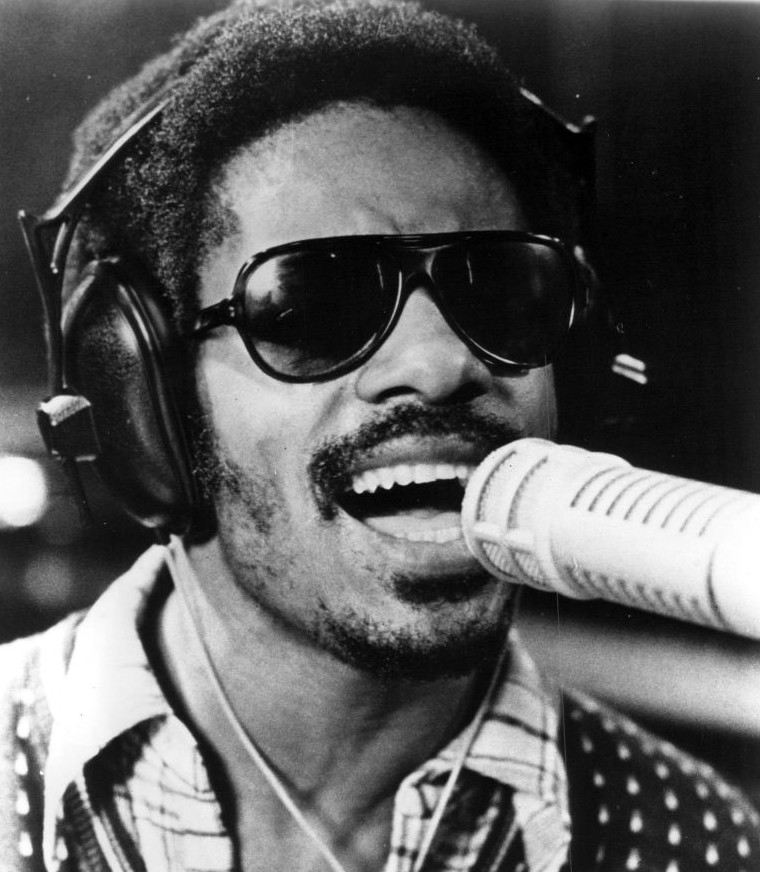
This song is a coded lecture on logic and self-reliance. Wonder was actually criticizing people for being too gullible and believing in “codes” and “omens” instead of themselves.
The “code” is that the song itself is an attack on the concept of luck. He wanted to empower listeners to stop “suffering” from ancient myths.
It remains one of the most funky pieces of “educational” music ever recorded.
The code in #5 involves a “Hallelujah”…
#5 — “Hallelujah” by Leonard Cohen

While it sounds like a religious hymn, Cohen’s “code” was that the song is actually about the struggle of the creative process and erotic tension. The “secret chord” isn’t something David played for God; it’s a metaphor for the many times a songwriter fails before they succeed.
The “Hallelujah” is a cry of relief, not necessarily praise.
It has been covered by hundreds of artists, most of whom miss the decidedly earthly and gritty “code” of the original lyrics.
The secret in #4 is about a “Smooth Criminal”…
#4 — “Smooth Criminal” by Michael Jackson
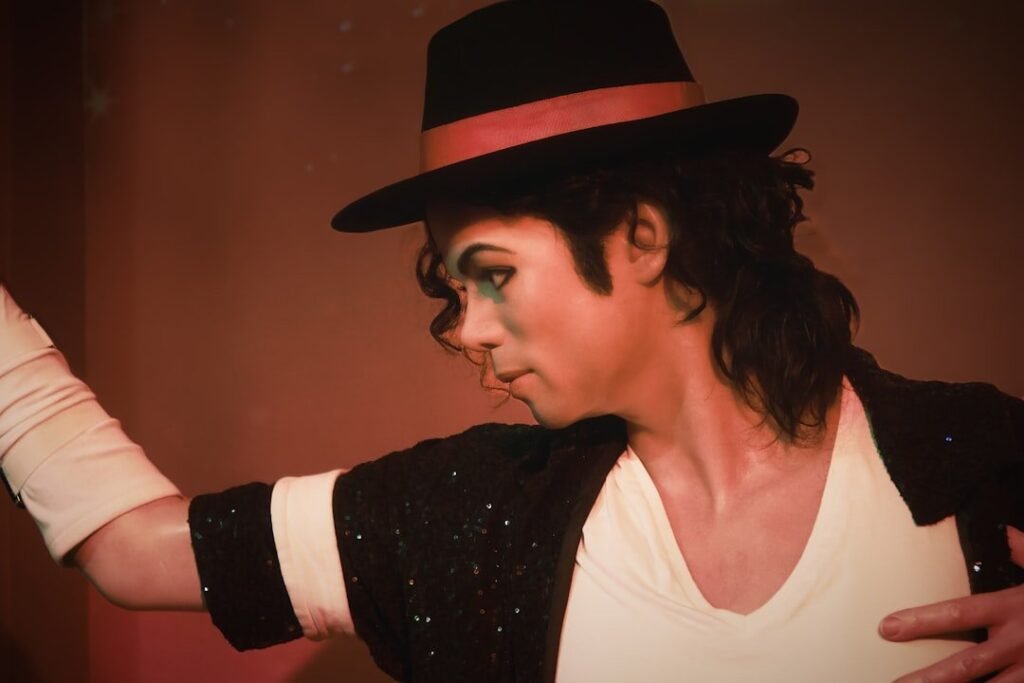
The “Annie” in the song (“Annie, are you okay?”) is a coded reference to the “Resusci Anne” CPR doll. Jackson was fascinated by the idea of someone trying to “save” a person who couldn’t respond.
The song is a narrative of a high-stakes emergency hidden inside a dance track.
It’s a masterclass in storytelling, using industry-specific medical training terms to build tension in a pop song.
The code in #3 is about “Physical” therapy…
#3 — “Physical” by Olivia Newton-John
![Collectie / Archief : Fotocollectie Anefo
Reportage / Serie : [ onbekend ]
Beschrijving : Aankomst zangeres Olivia Newton John op Schiphol; Olivia Newton John in de perskamer
Datum : 24 november 1978](https://upload.wikimedia.org/wikipedia/commons/4/45/Aankomst_zangeres_Olivia_Newton_John_op_Schiphol_Olivia_Newton_John_in_de_persk%2C_Bestanddeelnr_930-0132_%28cropped%29.jpg)
In 1981, the lyrics were so suggestive that the song was banned by several radio stations. To bypass the ban, the “code” was to market it as a fitness song. The music video, featuring a gym, was a clever redirect from the song’s clear sexual intent.
It was one of the first times a music video was used as a visual “code” to change the public’s perception of a song’s lyrics.
It worked perfectly, turning a “scandalous” track into the biggest hit of the decade.
Wait until you see the historical “hit” at #2…
#2 — “99 Luftballons” by Nena

This 80s synth-pop hit is a coded warning about accidental nuclear war. The “code” is the balloons themselves, which represent a harmless mistake being misinterpreted by military radar systems as an enemy attack.
The “99 years of war” mentioned at the end is the grim result of a simple misunderstanding.
It’s a haunting anti-war message that became a global party anthem because of its “fun” German vocals.
And finally, the #1 lyrics that were secretly codes…
#1 — “American Pie” by Don McLean

This 8-minute epic is a massive, multi-layered code for the “death” of American idealism. Every verse is a “blind item” referencing a different moment in music and cultural history. “The Jester” (Bob Dylan), “The King” (Elvis), and “The Girl who sang the blues” (Janis Joplin) are all part of a coded timeline.
The “day the music died” isn’t just about the plane crash of Buddy Holly; it’s about the loss of the soul of the United States during the turbulence of the 1960s.
McLean kept the “code” a secret for decades, finally selling his original lyrics in 2015 to reveal the deep political and spiritual mourning hidden inside the lyrics. It remains the ultimate example of a songwriter using “code” to tell a story too big for a standard pop song.
The Bottom Line
From The Beatles hiding civil rights messages to Bruce Springsteen coding the struggles of veterans into a “patriotic” anthem, it’s clear that the music we love is often far deeper than it appears. These artists didn’t just write hits; they wrote clandestine journals of their times, using catchy melodies to smuggle “taboo” ideas into the public consciousness. Whether it’s political protest, personal confession, or cultural critique, the “secret” lyrics of the 20th and 21st centuries prove that we are always being told more than we realize. Did we miss a song with a hidden meaning that blew your mind? Drop it in the comments below and let’s keep the conversation going!

- 33 Lyrics That Were Secretly Codes (Wait Until #12) - August 7, 2026
- 45 Iconic Songs Everyone Has Been Singing Wrong For Decades - August 7, 2026
- The 18 Biggest Music Scandals of the 2000s - July 29, 2026

