

For any feedback please reach out to info@festivalinside.com
- 20 Song Intros That Hook You Instantly - September 19, 2026
- 15 Historical Myths That Turned Out to Be False - September 19, 2026
- 10 Inventions That Changed the World in Unexpected Ways - September 19, 2026
There is something almost otherworldly about the idea of a book that only a handful of people on earth will ever touch. Not just read – touch. We take books for granted today. You can download thousands of them in seconds, or pick one up at a yard sale for a dollar. Yet scattered across museums, vaults, private estates, and university libraries are volumes so rare, so fragile, and so historically loaded that their very existence feels like a miracle.
What makes a book truly rare? Honestly, it is rarely just one thing. Supply, demand, and condition all play a role, and most collectors seek out these works because of their associations with famous authors and historical events. The world’s most valuable rare books share common threads: they shaped thought, influenced literature, science, religion, or politics; they are scarce, with few copies remaining – sometimes only one; and they survived time, including wars, fires, censorship, and neglect. The stories behind these books are just as extraordinary as the books themselves. Let’s dive in.
1. The Gutenberg Bible – The Book That Changed Everything
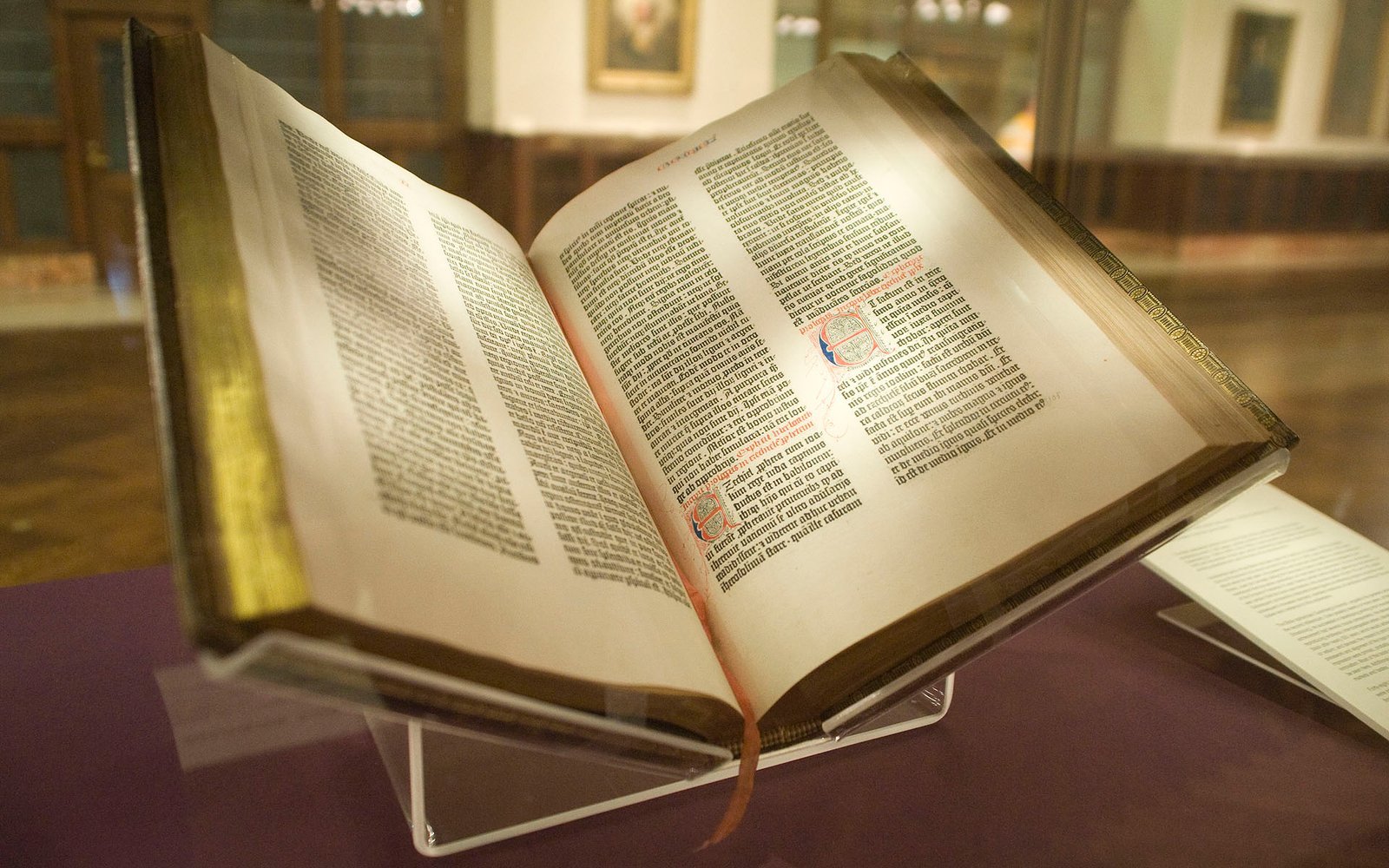
If you were going to pick one book that represents the single biggest turning point in human communication, this would be it. The Gutenberg Bible was the earliest major book printed in Europe using mass-produced metal movable type, and it marked the start of what historians call the “Gutenberg Revolution” – the age of the printed book in the West. When it first appeared in the mid-15th century, it was the first major book produced in Europe using moveable metal type, stronger and easier to use than the wooden blocks that had come before.
Out of either 158 or 180 copies that were originally printed, only 49 survive in at least substantial portion, with 21 of them surviving in their entirety. The Library of Congress copy is printed entirely on vellum, a fine parchment made from animal skin, and is one of only three perfect vellum copies known to exist – the others are at the Bibliothèque Nationale and the British Library. The Gutenberg Bible is the first great book printed in Western Europe from movable metal type, a monument that marks a turning point in the art of bookmaking and Gutenberg’s invention made it possible for the accumulated knowledge of the human race to become the common property of every person who knew how to read.
2. Shakespeare’s First Folio – The Survival of Genius
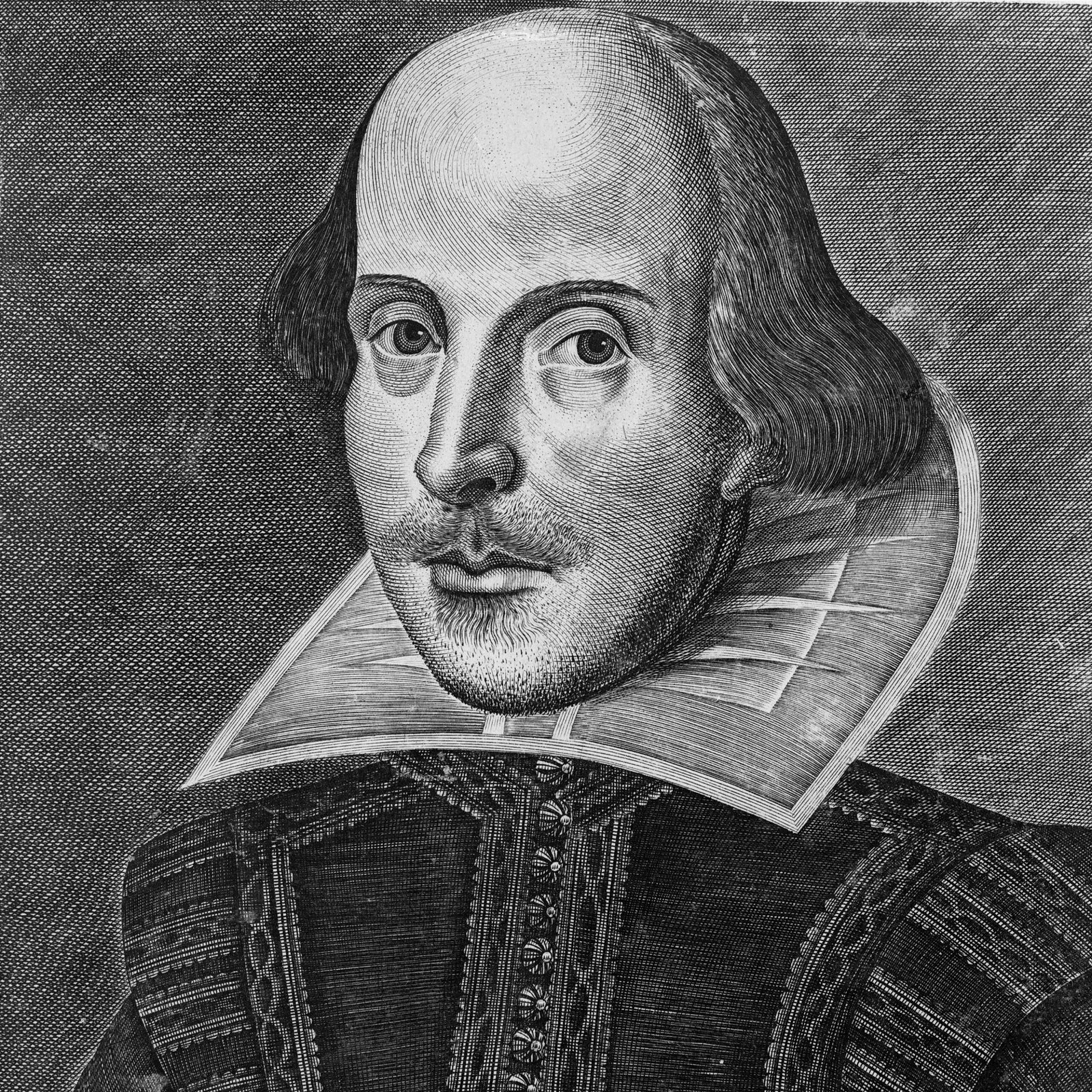
Here is a terrifying thought: if this book had not been compiled and published, nearly half of Shakespeare’s plays would simply not exist today. The First Folio contains 36 plays, each selected by Shakespeare’s friends and business partners, and of the original 750 copies printed, there are said to be fewer than 240 in existence. The staggering near-loss of these works makes every surviving copy feel like a rescued treasure.
In 2020, private collector and founder of the 19th Century Rare Book and Photograph Shop in New York, Stephan Loewentheil, purchased a copy of the First Folio for $9.98 million. That copy also came with an autographed letter dated 1809 from Shakespeare scholar Edmond Malone, attesting to its authenticity. The rarity of original editions combined with Shakespeare’s reputation makes this one of the most valuable rare .
3. Codex Leicester – Leonardo da Vinci’s Scientific Notebook
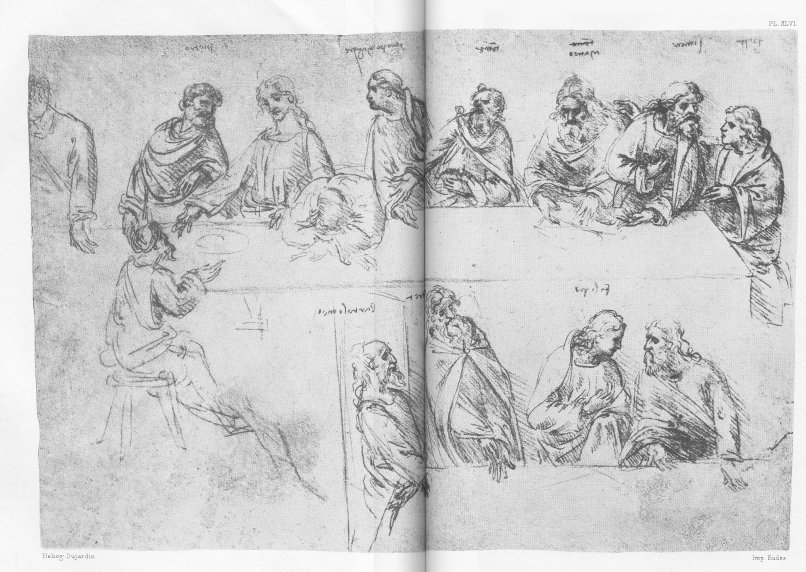
Imagine paying tens of millions of dollars for a notebook. That is exactly what Bill Gates did, and I think it is one of the most fascinating purchases in book history. The Codex Leicester is a set of notes, written and illustrated by Leonardo da Vinci between 1506 and 1510, reflecting his observations and experiments on the nature and movement of water, as well as a variety of other scientific and technological subjects, including astronomy, geology, and hydraulic engineering.
When the manuscript was sold to Bill Gates at Christie’s auction house on November 11, 1994, in New York, for $30,802,500 – equivalent to roughly $67 million today – it was the most expensive manuscript ever sold. It is the only major da Vinci notebook that is still in private hands and not in a museum. The manuscript is written in Leonardo’s characteristic “mirror writing,” meaning it was written with letters that are written backwards from right to left. A genius writing backwards – somehow that feels completely on brand.
4. The Bay Psalm Book – America’s Printed Firstborn
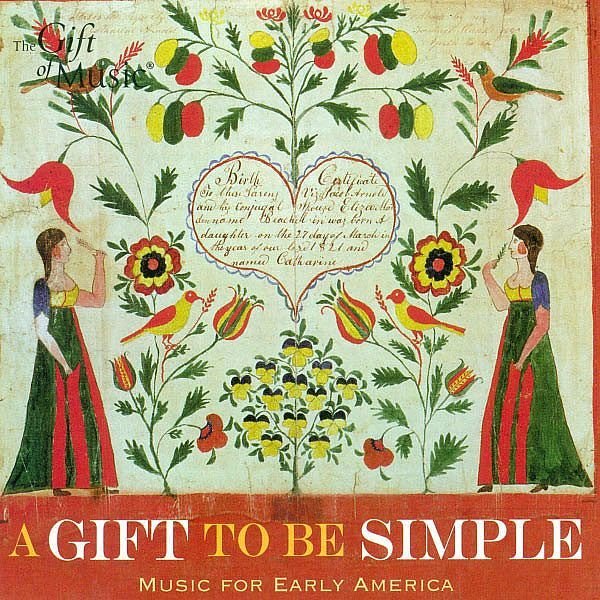
Every country has a “first.” America’s first printed book is not a novel, not a political treatise – it is a psalm book. Known as the Bay Psalm Book, it was the first book printed in English in the New World, printed in 1640 by Stephen Daye, a locksmith in Cambridge, Massachusetts. It is a book of many firsts – the first English-language book in North America, the first book of American poetry, and the first instance in a long and vital history of printing in America.
There are only 11 surviving copies of the Bay Psalm Book, and just six of them still have their title pages. Seventeen hundred copies of the book were printed in 1640 on a press imported from London. The Bay Psalm Book, the first book printed in what would become the United States, sold at a Sotheby’s auction for $14,165,000 – a world record at the time for any printed book. That is jaw-dropping for something that was originally just a congregational hymnal.
5. The Birds of America by John James Audubon – Nature’s Most Expensive Portrait
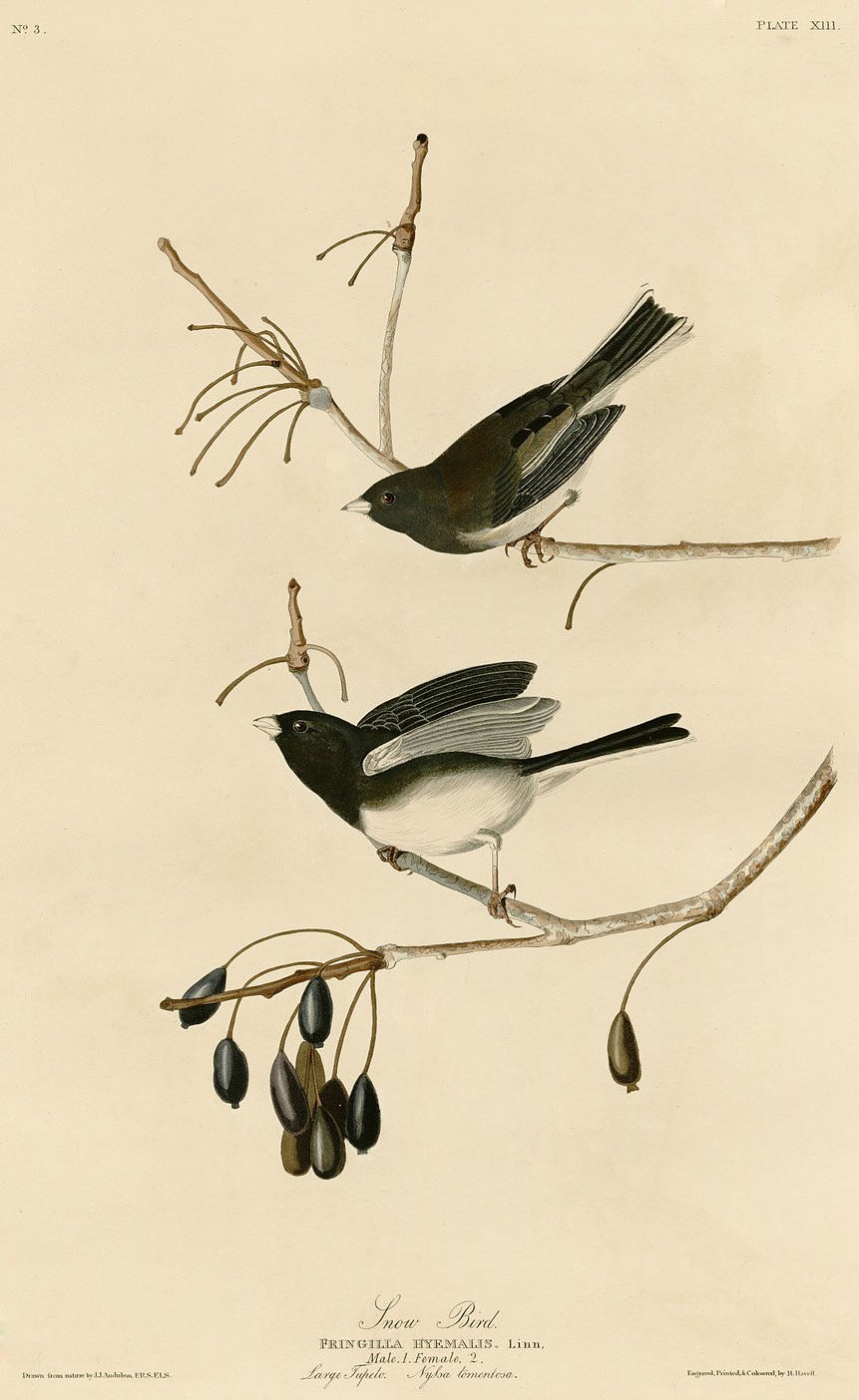
This is not a typical book in any sense of the word. In 1820, James Audubon set out to document all the birds in America, resulting in a massive collection of life-size hand-colored illustrations of 435 North American birds, often called the “Double-Elephant Folio” because of its enormous size. Think of it as the world’s most elaborate, most beautiful field guide – one that no one could casually carry around.
Experts believe around 200 complete books were originally made and that roughly 120 survive today, with copies known to sell for as much as $9.6 million. Audubon’s Birds of America has long been one of the most valuable , and until the sale of a copy of the Bay Psalm Book in 2013, various copies of Audubon’s Birds held the title of the most expensive book ever sold at auction. It is also the most copies of a single book to have sold for a price over $1 million, with eight different copies on the record books.
6. Copernicus’ On the Revolutions of the Heavenly Spheres – The Book That Moved the Earth
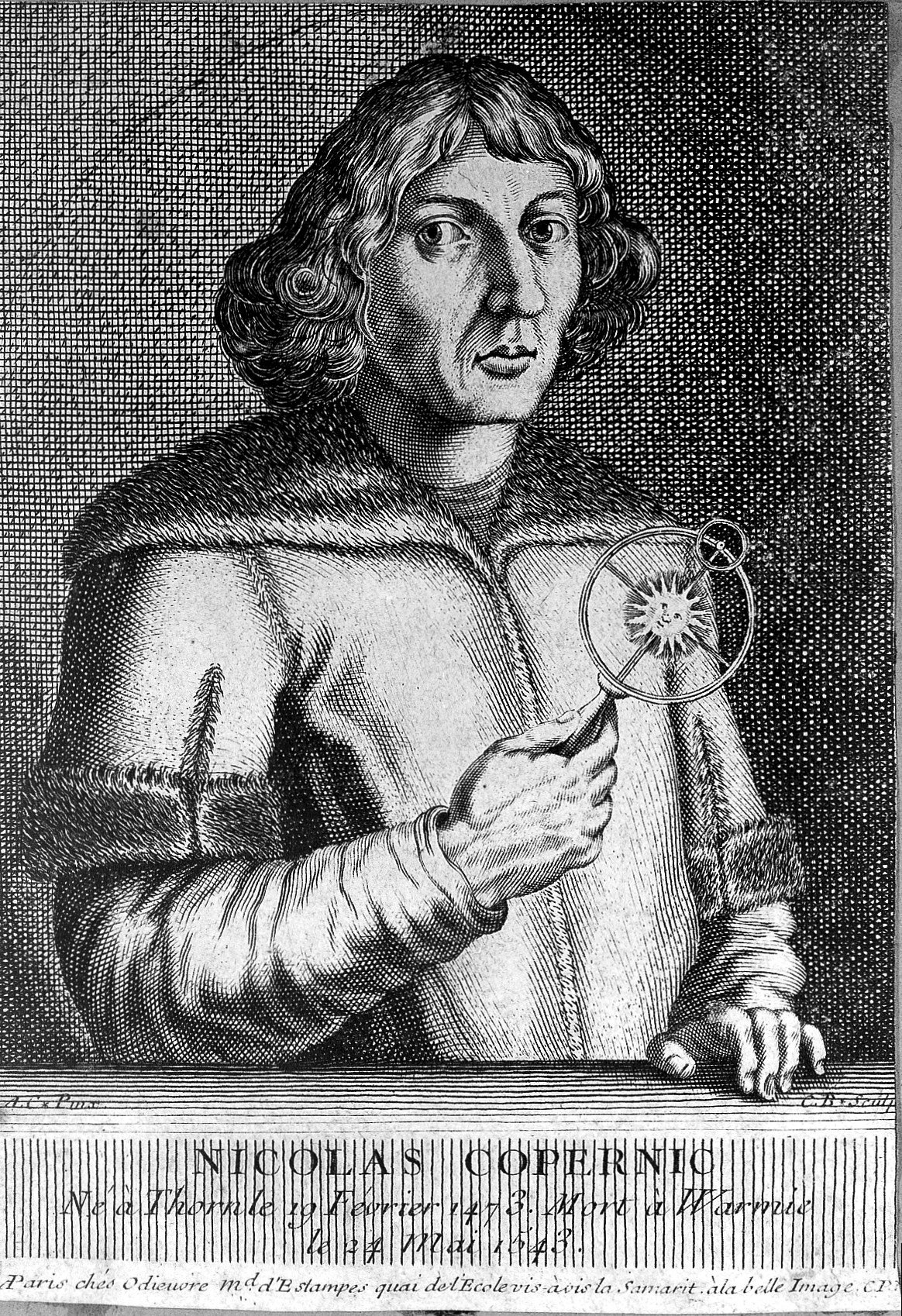
Few books in history have had the audacity to tell the entire world that everything it believed was wrong. Nicolaus Copernicus’ “On the Revolutions of the Heavenly Spheres” is one of the most important books in scientific history, published in 1543, revolutionizing astronomy by proposing the heliocentric model – where the Sun, not the Earth, is at the center of the universe. To avoid the fallout of being accused of heresy in his lifetime, Copernicus reportedly waited until he was on his deathbed before publishing his findings.
Today there are only 260 copies left of “On the Revolutions of the Heavenly Spheres,” each roughly worth between one and two million dollars. At the time, this idea challenged centuries of belief and led to major conflicts with the Church, and original copies of this groundbreaking book are today considered extremely rare and priceless treasures in the scientific world. For a book that relocated the entire center of the cosmos, it seems only fitting that its value is similarly astronomical.
7. Alice’s Adventures in Wonderland (1865 First Edition) – A Recall That Created a Rarity
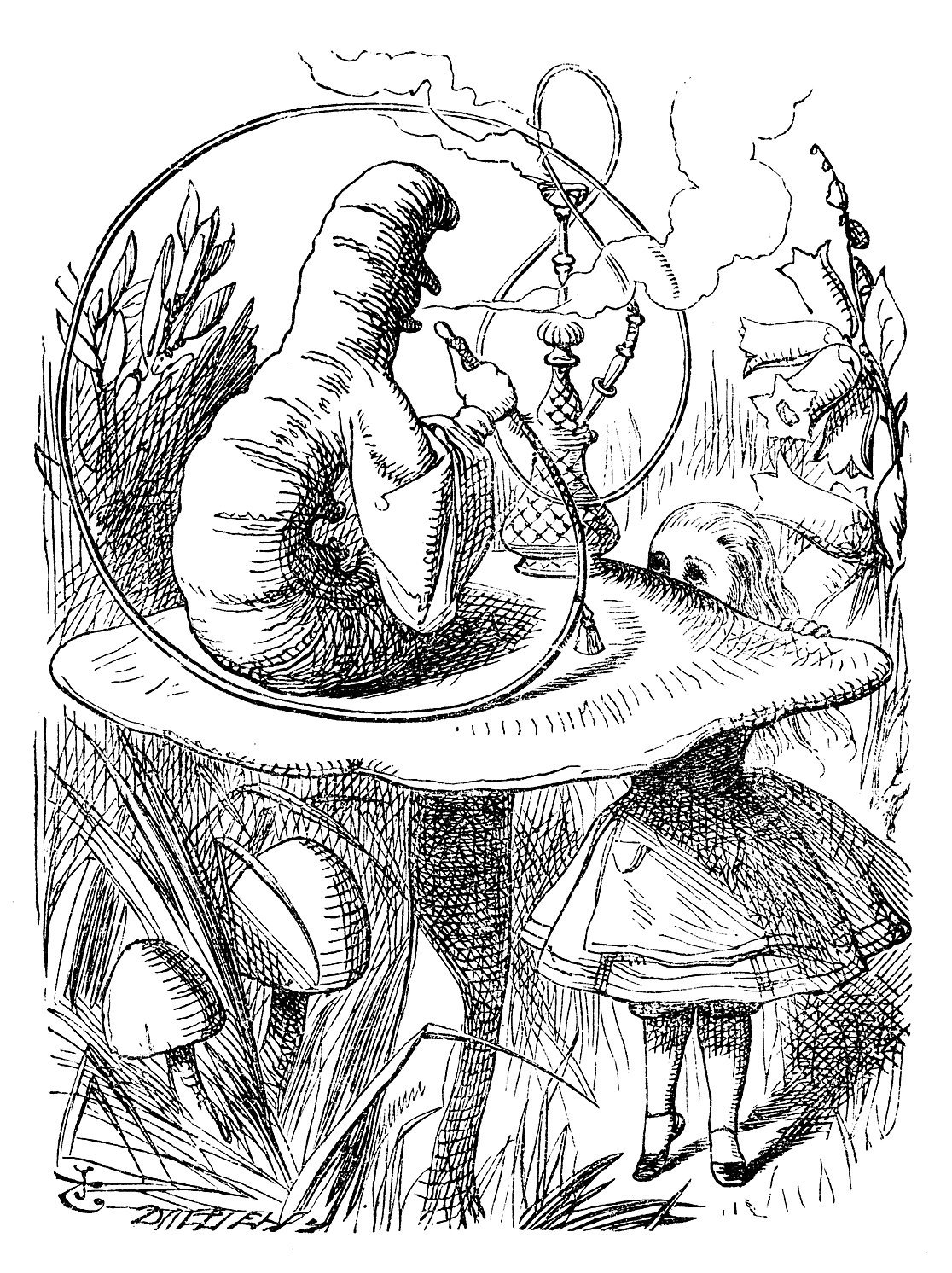
Here is a remarkable twist: the rarity of this beloved children’s book is almost entirely the result of a creative disagreement. Only 2,000 copies were initially printed, but they were quickly recalled due to the illustrator’s unhappiness with the original drawings. After the initial 1865 edition was recalled due to complaints from the book’s illustrator, John Tenniel, a new set dated 1866 was released in their place.
There are only 22 known first-edition copies of Alice’s Adventures in Wonderland, with one copy being auctioned in 2016 for an estimated price of between two and three million dollars. One of the most well-known children’s books in history, Alice’s Adventures in Wonderland has been translated into over 170 languages, and since first being published in 1865, more than 100 million copies have been sold. The incredible irony is that the very book rejected by its own illustrator became one of the most sought-after objects in literary history.
8. Tamerlane and Other Poems by Edgar Allan Poe – The Anonymous Masterpiece
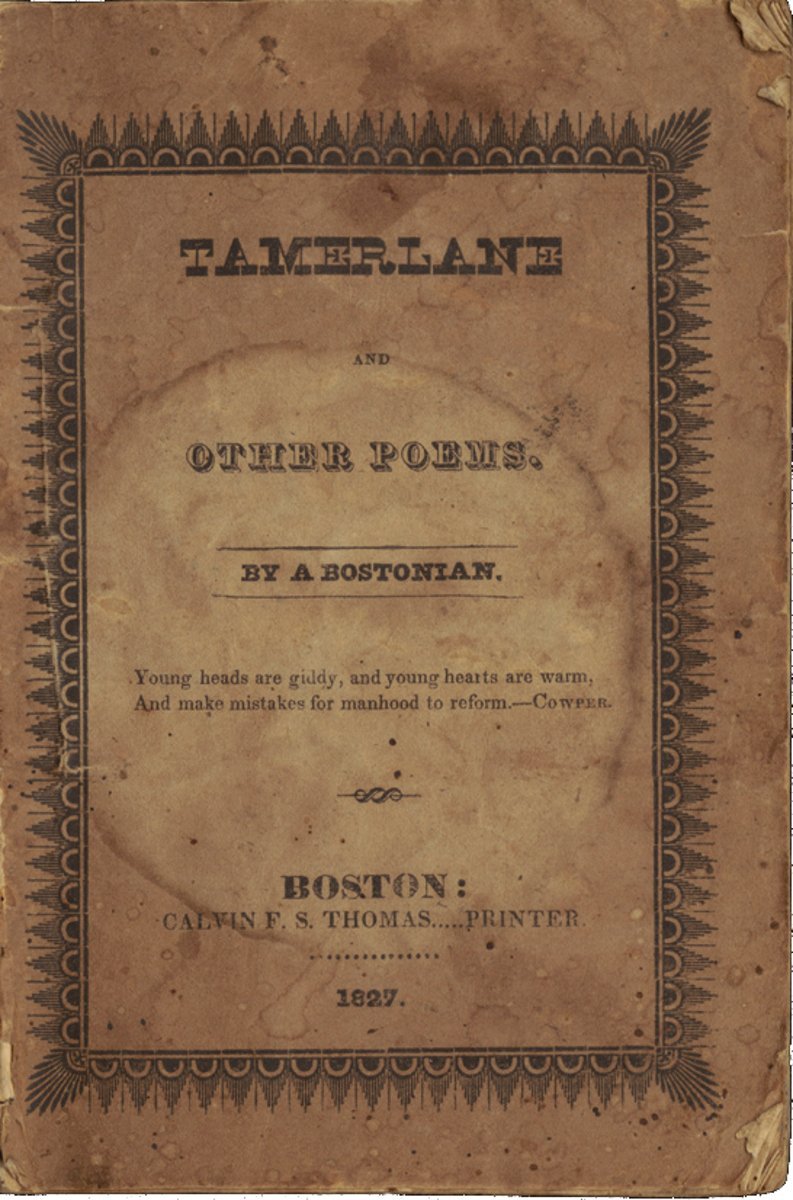
Most people know Edgar Allan Poe as the dark genius behind “The Raven” and tales of gothic horror. What they do not know is that his first book was published anonymously, quietly, and to virtually no attention at all. Poe was one of the first widely renowned American authors and is considered one of the earliest writers of stories with macabre, supernatural themes. His first published book was called “Tamerlane and Other Poems,” with the title piece being about a Turkish warlord who forsakes his true love to build an empire but later regrets the decision.
Only 50 copies were printed, the collection received no critical attention at the time, and collectors today are interested in the value of Poe’s anonymity, plus the fact that the work has since been recognized as one of the rarest first editions in American literature. The publisher was listed as simply “a Bostonian.” It is hard to say for sure, but it is almost poetic that the man who became synonymous with mystery and obscurity launched his career in exactly that fashion.
9. The Sarajevo Haggadah – A Survivor Against All Odds
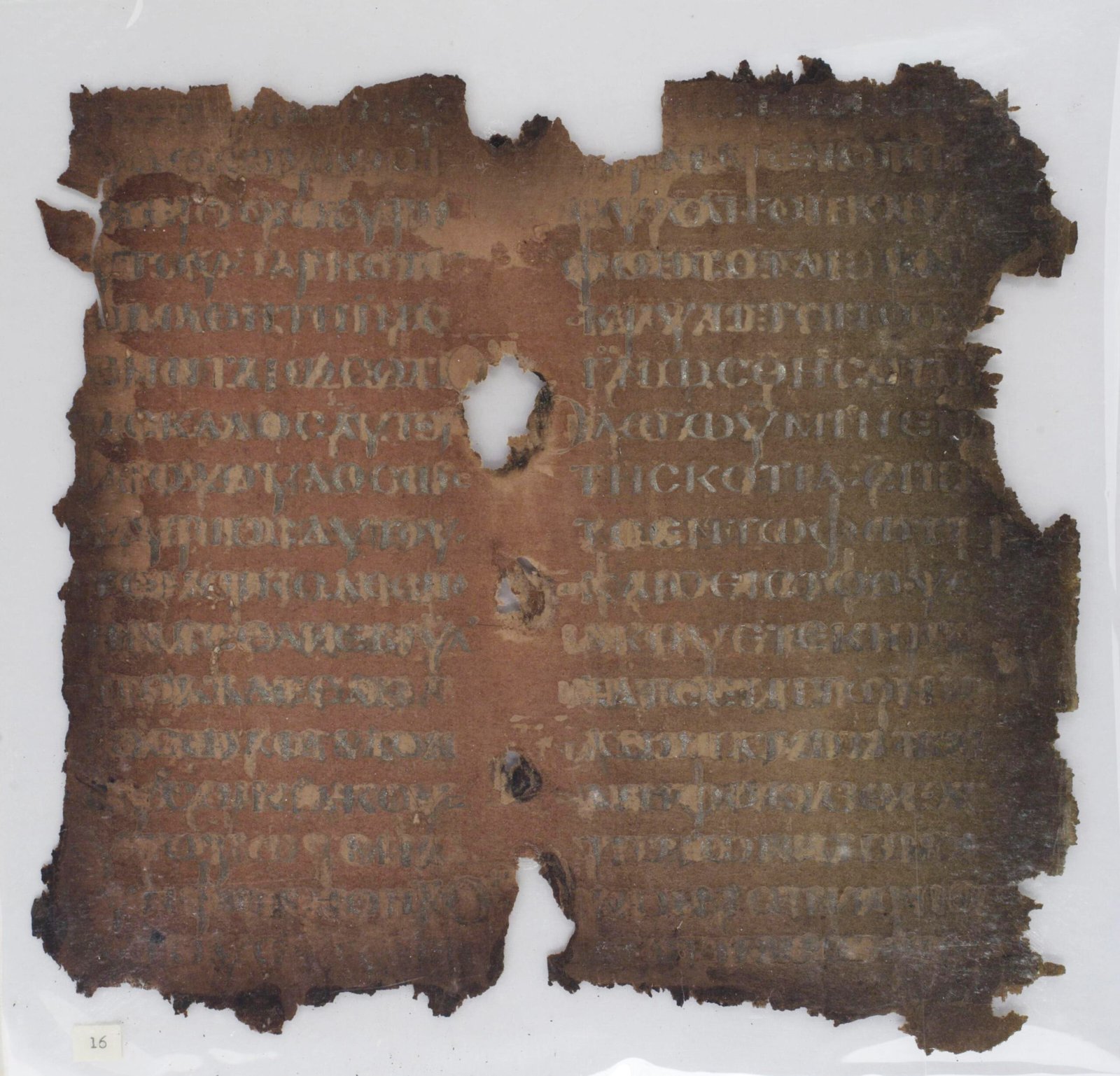
Some books are rare not only because of their age or limited printing, but because of the extraordinary, almost unbelievable journey they have survived. The Sarajevo Haggadah is remarkable for its craftsmanship, beauty, and rarity – its illustrations depict Bible scenes in rich color. Much of its history is murky, but it resurfaced in the 1890s when a Spanish shepherd tried to sell it to provide for his family. The Sarajevo Museum purchased it, but the Nazis invaded Croatia in 1941, and museum officials managed to safely hide the Haggadah before it could be confiscated.
The Haggadah was returned to the museum but managed another narrow escape in 1992 when thieves broke into the museum during the Bosnian War. They threw it on the floor, thinking it worthless. Police then sent it to the Croatian National Bank to be stored in an underground facility, where it remained until the end of the war. Today it resides in the National Museum of Bosnia and Herzegovina in Sarajevo. It has been chased, stolen, abandoned, and rescued across centuries – and it is essentially priceless.
10. Harry Potter and the Philosopher’s Stone (1997 First Edition) – Modern Rarity in the Making
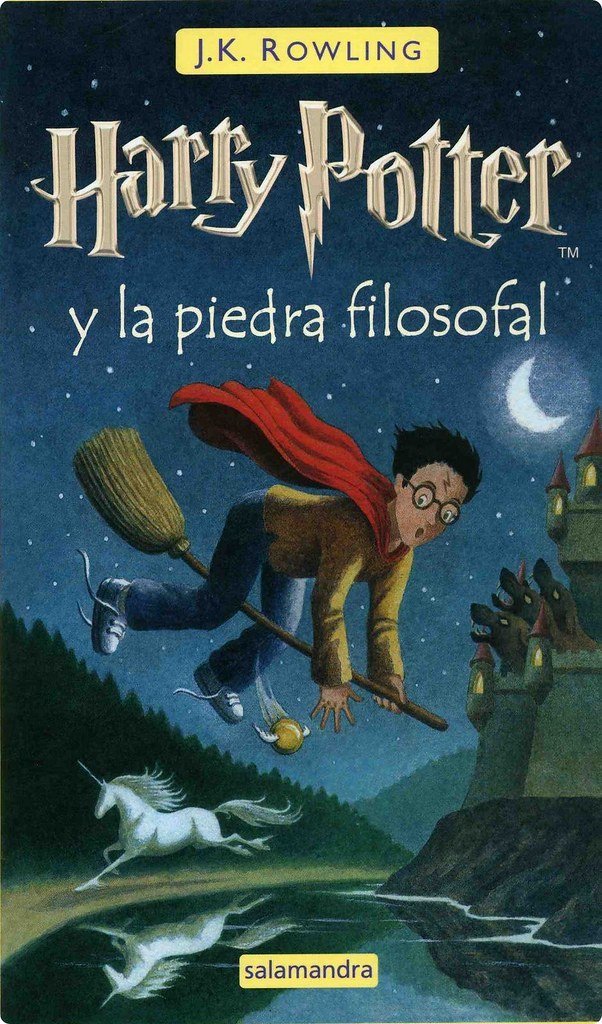
You might raise an eyebrow at the idea of a book published in 1997 sitting alongside manuscripts from the 1400s. Let’s be real though – rarity does not always require centuries. The very first edition of Harry Potter and the Philosopher’s Stone was printed by Bloomsbury Press in 1997, and there were only 500 hardbound copies made, with experts estimating that only around 200 sellable copies exist today. That is a print run so small it would make most debut authors wince.
An error on Harry’s school supply list that was corrected in later editions makes this particular version extremely valuable, with some copies selling for up to $81,250. Think about that – a typo made one of the most beloved children’s books of all time into a collector’s item worth nearly as much as a house. The rarest titles tend to become some of the most expensive books ever sold, commanding staggering prices because of their scarcity, craftsmanship, and cultural impact. The first Harry Potter edition proves that literary history does not only belong to the distant past.
Conclusion: The Irreplaceable Weight of Literary Heritage
What strikes me most when looking at this list is not the eye-watering price tags or the nail-biting survival stories, though both are genuinely incredible. It is the realization of how close we have come to losing so much. A flooding cellar, a Nazi officer, a careless fire, a forgotten chest in a monastery – any one of these could have erased something irreplaceable from human memory forever.
Manuscripts and rare books are not just books. They are primary historical documents, witnesses to the world as it once was. For many, it is about owning a piece of history or preserving a first edition for future generations, while others may see purchasing classic books as an investment they hope will increase in value over time. Preserving literary heritage is not just about protecting paper and ink. It is about keeping the thread of human thought intact across centuries.
Every one of these books represents a moment when an idea, a discovery, or a story was set down for the first time – and somehow, against all odds, made it to us. Which of these incredible volumes surprised you the most? Tell us in the comments.

Christian Wiedeck, all the way from Germany, loves music festivals, especially in the USA. His articles bring the excitement of these events to readers worldwide.
For any feedback please reach out to info@festivalinside.com
