

- The Beauty of Giving – How Generosity Transforms Your Mind, Your Relationships, and Your Life - September 12, 2026
- 10 Forgotten American Towns That Time and Tourism Revived - September 12, 2026
- The Real Lives Behind Classic Rock Ballads – 12 Songs You Never Knew Were Based on True Stories - September 12, 2026
Every four years, the world holds its breath as athletes reach the absolute pinnacle of human achievement. Winning an Olympic medal is the kind of moment that defines careers, inspires generations, and etches names into history forever. Or so it should be.
The reality? Not every gold glitters as brightly as it first appears. From November 1905 to November 2025, a total of 163 medals have been stripped, with nine medals declared vacant rather than being reallocated after being rescinded. That’s not a small footnote. That’s a pattern. The vast majority of these have occurred since 2000 due to improved drug testing methods, with only 20 stripped medals coming from pre-2000 editions of the Olympic Games. The stories behind these strippings involve doping scandals, rule violations, and sometimes a heartbreaking gray area where truth and fairness are hard to untangle. Let’s dive in.
Jim Thorpe – The Man Who Lost His Gold for Playing Baseball
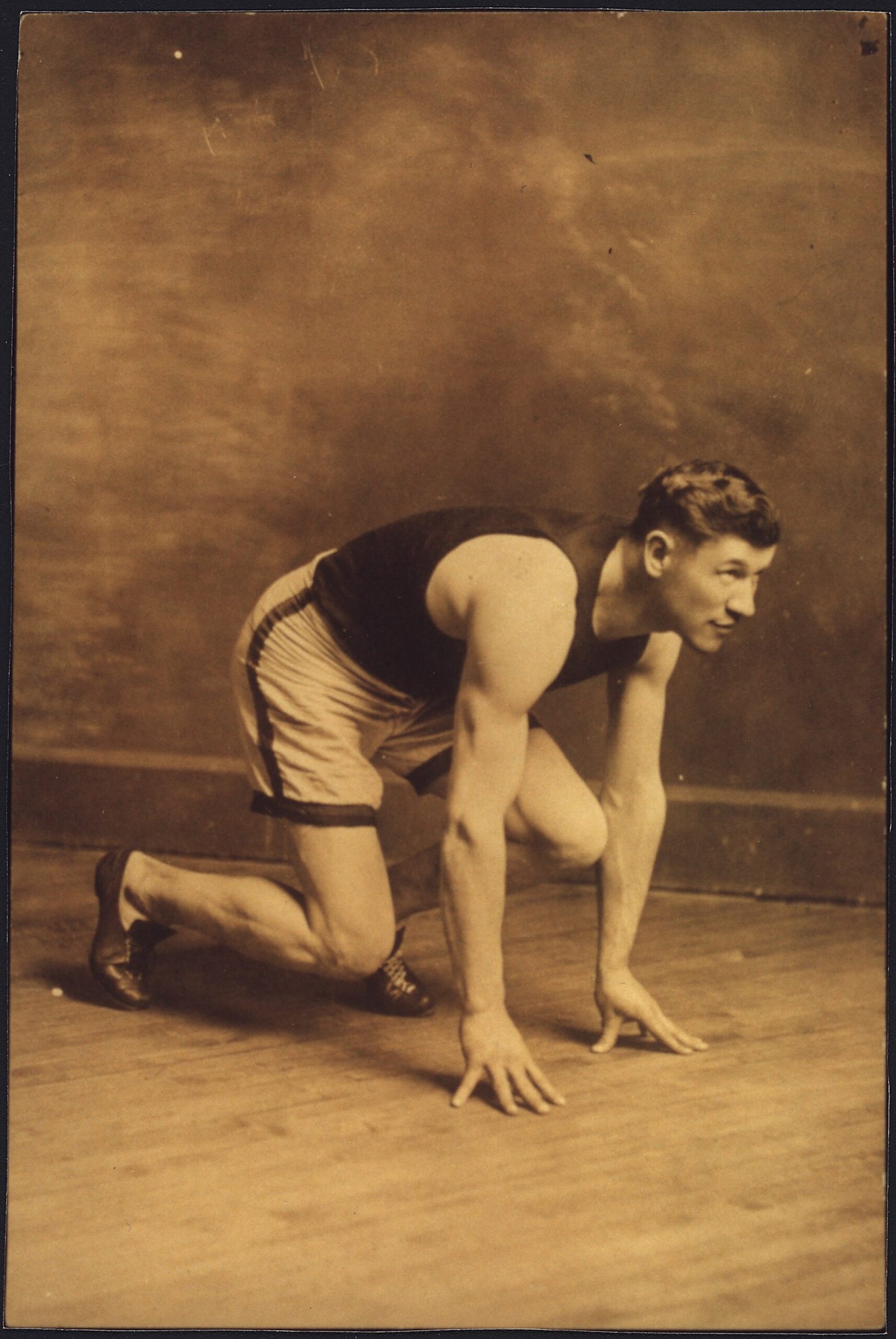
The first Olympian to ever be stripped of a medal was Jim Thorpe, who was a Native American athlete from the U.S. and is seen by many as one of the greatest sportsmen of all time. Thorpe took gold in both the pentathlon and decathlon in 1912, but was stripped of these medals when it came to light that he had taken a semi-professional baseball contract in the past. We’re not talking about a highly paid professional here. Thorpe earned just a few dollars per game. It was barely pocket change.
Thorpe’s violations were not discovered until six months after the Olympics, well past the 60-day deadline for filing a letter of opposition according to the rules at the time. In other words, the IOC arguably broke its own procedural rules to punish him. The fact that the IOC went out of their way to make an example of Thorpe has led many to speculate that this was racially motivated, as his ethnicity was a consistent issue throughout his career. It was not until 1983, thirty years after Thorpe’s death, that his Olympic medals were restored and presented to his family. Honestly, the whole thing still leaves a bitter taste.
Ben Johnson – The 9.79 That Shook the World
![Ben Johnson - The 9.79 That Shook the World ([1] [2], Public domain)](https://festivaltopia.com/wp-content/uploads/2026/03/1774215253827_1774215244889_100m_sprint_1896_olympics.jpeg)
If you want to talk about the most dramatic medal stripping in Olympic history, Ben Johnson is pretty much the standard-bearer. On the day of the 100-metre final, Johnson won a race for the ages before a crowd of 70,000 in Olympic Stadium and another two billion in the global TV audience. With an explosive, almost supernatural dash, Johnson had broken his own year-old world record of 9.83 seconds with a time of 9.79 and destroyed his rival Carl Lewis, who finished second.
Just three days after the race, the Olympic Doping Control Center found that Johnson’s urine sample contained the anabolic steroid stanozolol, a drug that gives users increased strength and allows them to recover faster from exercise. Johnson was disqualified, had his gold medal stripped away, and his record time erased from history. Revelations made later showed that 20 athletes at the 1988 Seoul Olympics tested positive for drugs but were cleared by the IOC, and an IOC official told the CBC that endocrine profiles from those games indicated that roughly four out of five track and field athletes tested showed evidence of long-term steroid use. Johnson was clearly not alone, yet he bore the full weight of the scandal.
Marion Jones – Five Medals, One Courtroom Confession

Three-time Olympic gold medalist Marion Jones pleaded guilty in 2007 to charges in connection with steroid use as she prepared for the 2000 Summer Games in Sydney. Marion Jones had five Olympic medals revoked, the most of any athlete in the history of the Games. Five. That number is staggering when you think about it. She didn’t just win a race; she dominated an entire Games.
Jones admitted she lied to federal agents under oath about her steroid use prior to the 2000 Olympics. She pleaded guilty to making false statements in two separate cases, one being the investigation of the Bay Area Laboratory Co-operative, which was distributing steroids to athletes, and another being a check-counterfeiting scheme. Ultimately, Jones served six months in a federal prison and was required to surrender both her U.S. and Belizean passports. The BALCO scandal she was caught up in would go on to reshape how anti-doping authorities operated globally. It was a watershed moment disguised as a personal disgrace.
Lance Armstrong – The Bronze That Never Was

Let’s be real. Lance Armstrong’s story is one of the most complex and strangely compelling in all of sports. He wasn’t just a cheat. He was a cheat who also survived cancer and built a public image that was essentially bulletproof for over a decade. During the 2000 Sydney Olympics, Lance Armstrong snagged the bronze medal after he finished third in the men’s individual road cycling time trial.
Armstrong was stripped of his seven consecutive Tour de France titles, along with one Olympic medal, and the UCI announced it would not appeal USADA’s decision to the Court of Arbitration for Sport, meaning it had accepted the sanctions of a lifetime ban and stripping of all results since August 1, 1998. Armstrong not only had his Olympic medal taken away but also his Tour de France titles and other accolades earned since 1998. The scale of the deception was so massive that it almost felt unreal.
Tyler Hamilton – Blood Doping and a Frozen Sample

The Tyler Hamilton story contains a twist worthy of a legal thriller. At the 2004 Summer Olympics in Athens, Hamilton won the gold medal in the men’s individual time trial. That medal was placed in doubt on September 20, 2004, after he failed a test for blood doping, which involved receiving blood transfusions to boost performance.
Two days after the announcement of his positive test at Athens, the IOC announced Hamilton would keep his medal because results could not be obtained from the second sample. The Athens lab had frozen the backup, which made it impossible to repeat the test. It sounds almost like something from a crime procedural. He escaped the first time on a technicality. Then, years later, the truth came out. On May 20, 2011, he made a confession in an email to friends and family after a taping of the TV news show 60 Minutes, during which he also implicated Lance Armstrong in the doping scandal. Hamilton then voluntarily surrendered the gold medal to the United States Anti-Doping Agency, and on August 10, 2012, the IOC officially stripped Hamilton of his 2004 Olympic gold medal.
Rick DeMont – Punished for His Asthma Medication

Here is a case that still infuriates people, and honestly, it probably should. Rick DeMont, a former competitive swimmer with various world records to his name, won a gold medal at the 1972 Munich Olympics for his first-place finish in the men’s 400-meter freestyle. After his victory, the IOC revoked his gold medal after he tested positive for a banned substance in his post-race urinalysis. DeMont, an asthmatic, regularly took Marax, an ephedrine derivative, to control his wheezing. DeMont didn’t deny his usage nor hide the fact that he took Marax – however, the U.S. medical team failed to check if it contained any banned substances.
DeMont previously declared he was taking the medication on his medical forms, but the U.S. Olympic Committee had not cleared it with the IOC’s medical committee. He told the truth, disclosed the medication, and still lost the gold. The United States Olympic Committee recognized his gold medal performance in the 1972 Summer Olympics in 2001, but only the IOC has the power to restore his medal, and it has, as of 2024, refused to do so. It’s hard to find a more unjust outcome in Olympic history.
Dong Fangxiao – Too Young to Compete
Not all medal strippings are about drugs. Sometimes the issue is something far more fundamental. Dong Fangxiao competed in the 2000 Sydney Summer Olympics, where her gymnastics team won a bronze medal for China. However, it was later revealed that she was only 14 years old, which was considered underage to compete. Because of that, they were later disqualified from the Games.
The minimum age requirement for gymnasts at the Olympics was 16. The Chinese female gymnastics team was stripped of the bronze medal after one competitor was found to be underage, with Dong Fangxiao being just 13 years old according to some sources. The consequences of age falsification rippled through an entire team that had trained for years. Some of her teammates were completely innocent bystanders caught in the fallout of a decision made by officials, not by them. It remains a sobering reminder of how institutional failures can destroy the dreams of many.
Hans-Gunnar Liljenwall – Two Beers Changed Olympic History

This one is, almost unbelievably, about beer. The death of Danish cyclist Knud Enemark Jensen during the Team Time Trial in 1960 led to the formation of an Olympic medical committee in 1961, which then introduced drug testing at the Summer Olympics in 1968. The first athlete to have a medal rescinded as a result of these tests was Hans-Gunnar Liljenwall in 1968, a Swede who had two beers to calm his nerves before a shooting event but had inadvertently consumed an illegal amount of alcohol.
Hans Gunnar-Liljenwall’s team won a bronze in the pentathlon event, but he had drunk two beers prior to the event to calm himself down. Of course, it showed up on tests of his blood-alcohol level and he was disqualified. Think about that for a moment. Two beers. Not testosterone injections. Not blood transfusions. Two beers before a shooting event, and he became the first person in Olympic history to lose a medal to a drug test. He holds a uniquely bizarre place in the annals of Olympic controversy.
Nadezhda Ostapchuk – Spiked by Her Own Coach

Nadezhda Ostapchuk is a shotputter from Belarus who competed in the 2012 London Summer Olympics. Apparently, her coach admitted to spiking her food with a banned substance because he thought it wouldn’t be in her system by the time of her drug tests. She won a gold medal but failed her drug test, resulting in her being disqualified from the Games, receiving a one-year ban, and her medals being stripped from both the 2012 and 2008 Games.
The coach admitted to the spiking. That is an extraordinary detail. Whether or not Ostapchuk had any personal knowledge of what was happening, the IOC held firm. The rule is simple: you are responsible for what is in your body. It’s a cold but arguably necessary standard in a world where coaches and support staff can and do manipulate athletes. The case became a cautionary tale not just about doping, but about the complex and sometimes dangerous relationship between athletes and those who guide them.
Kim Jong-su – Beta Blockers in Beijing
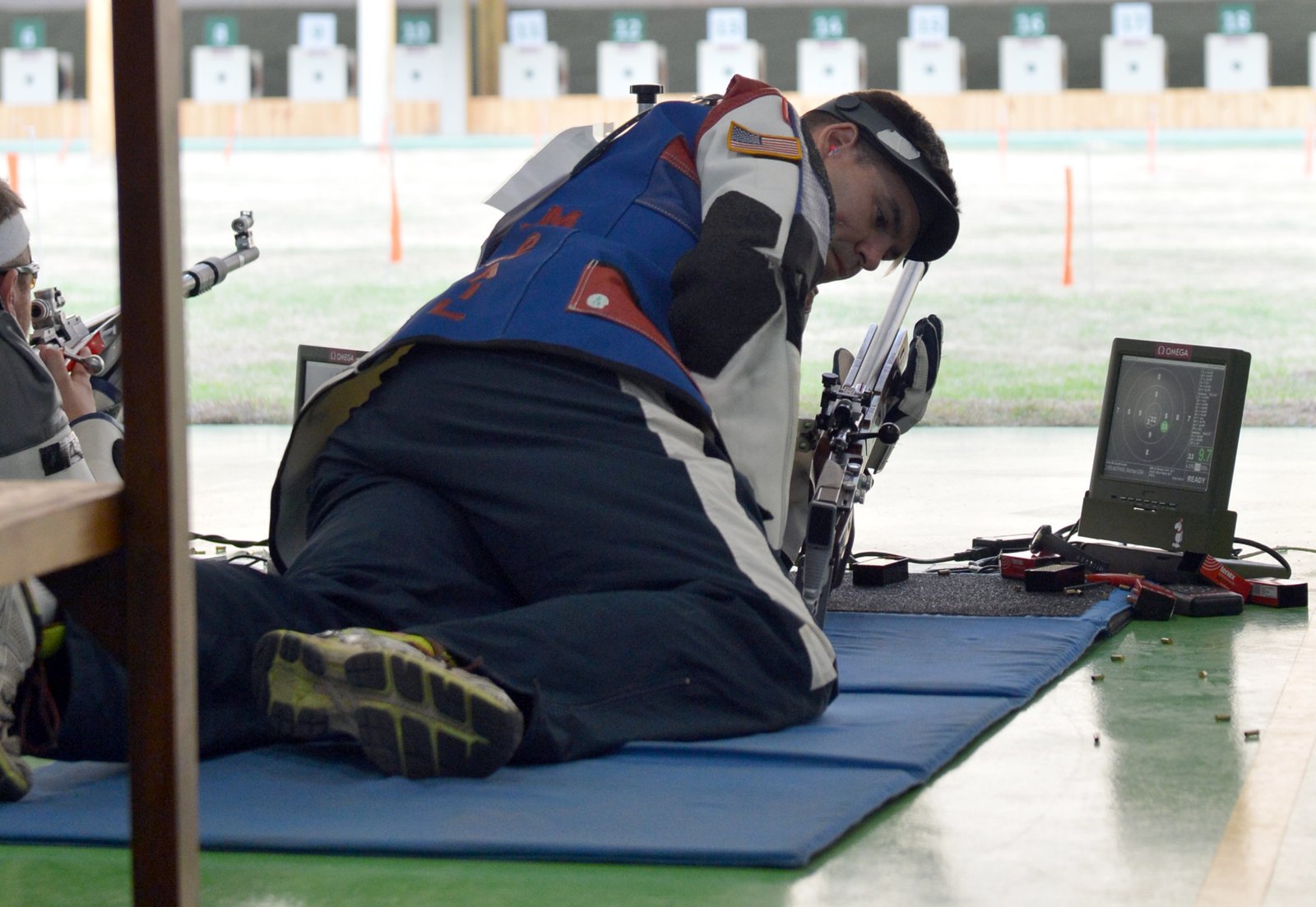
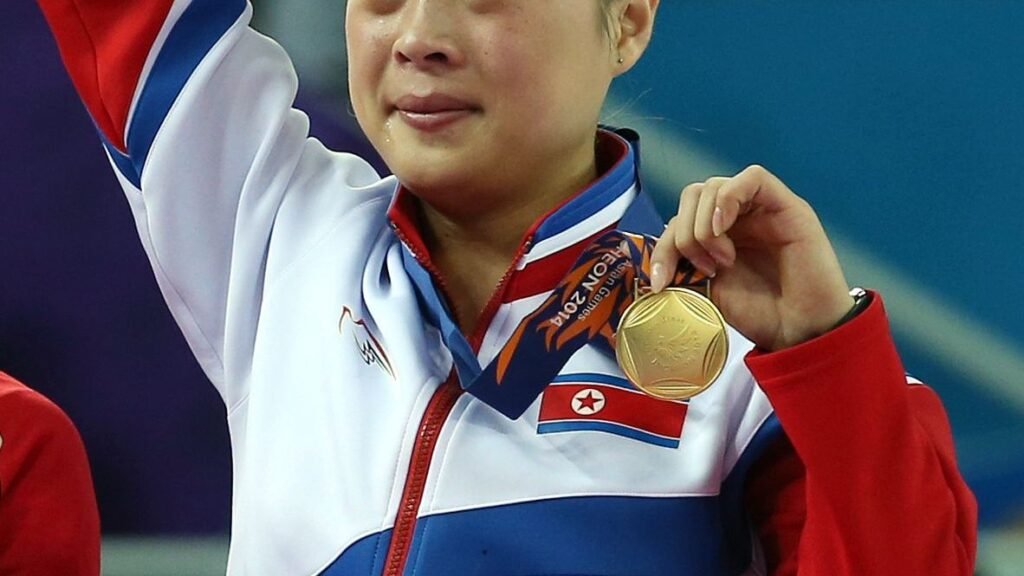
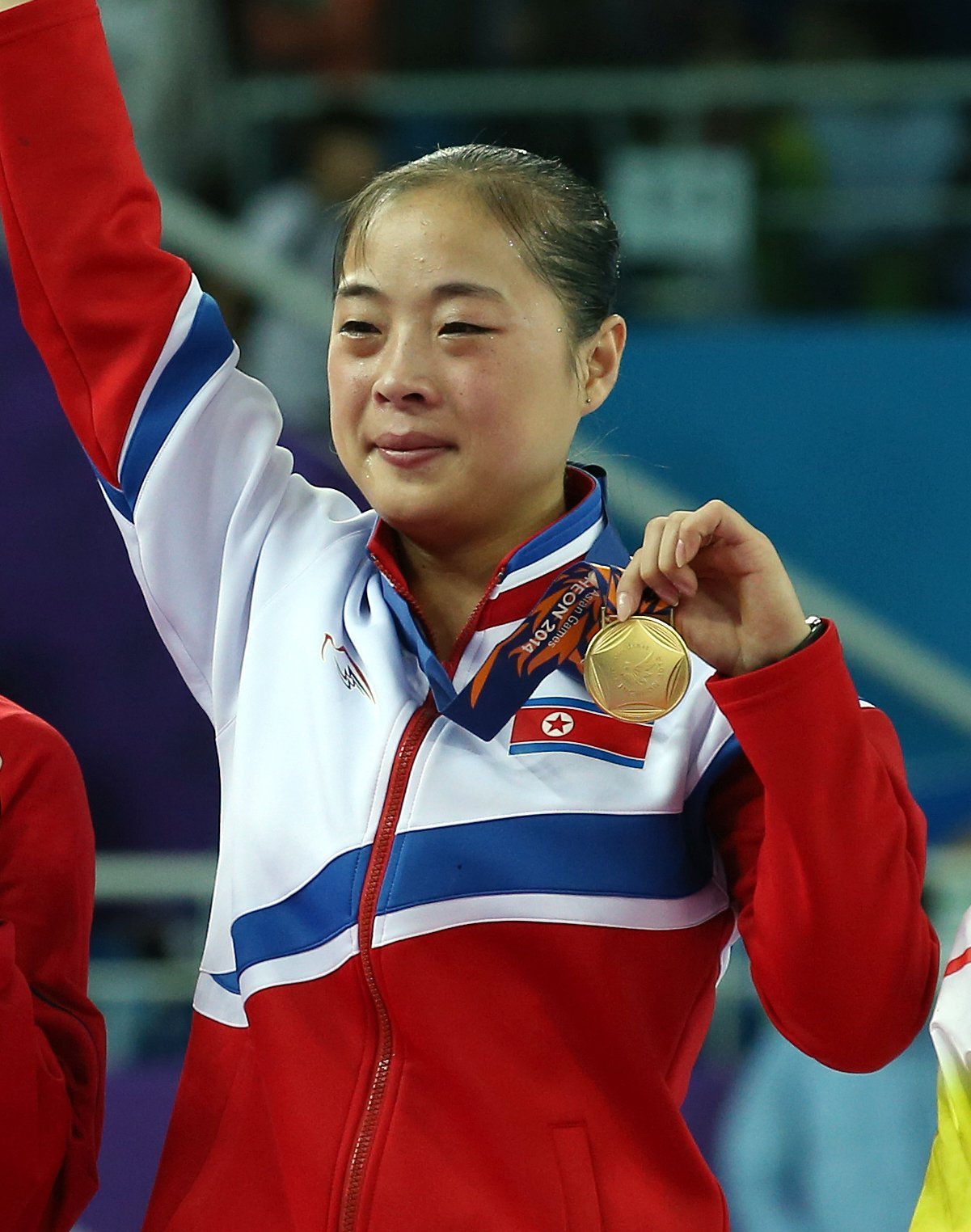
One of only 59 medalists from North Korea in the history of the Olympic Games, Kim Jong-su had both his bronze and silver medals stripped from him in the shooting events of the 2008 Beijing Olympics. It was found that Jong-su had propranolol in his system, which is a beta blocker designed to reduce trembling.
In a sport like shooting, where the slightest tremor in your hand can mean the difference between gold and nothing, a drug that steadies the body is a significant advantage. It is not like building raw muscle mass. It is about precision, and propranolol delivers exactly that. Jason Turner originally placed fourth in the 10-meter air pistol competition. North Korea’s Kim Jong-su, who initially won bronze, tested positive for a banned drug three days after the win, was expelled from the Olympic Village, and the medal went to Turner. A fourth-place finisher suddenly had a bronze. The peculiar ripple effects of doping violations never get old.
Tyson Gay – Silver Turned to Nothing

One of America’s most famous runners was Tyson Gay, winning a silver medal in 2012 Summer Olympics in the 4x100m relay. He had previously secured a 2007 World Championship win over Usain Bolt. Unfortunately for Gay, he tested positive for a performance-enhancing drug in 2013 and was stripped of his 2012 silver medal.
The entire relay team suffered consequences as a result. Gay’s positive test meant the squad he had run with was disqualified collectively. His teammates, who may have had no knowledge of his drug use, watched their medals evaporate. The most recent American athlete to be stripped at the time was track and field star Tyson Gay, whose 2012 Olympic silver medal was removed after failing a drug test in 2013. Gay had been one of the few sprinters in history capable of genuinely troubling Usain Bolt. The news of his doping felt particularly deflating, precisely because his natural talent seemed so obvious.
Jordan Chiles – A Four-Second Controversy

The Jordan Chiles case is different from nearly every other story on this list because it does not involve doping at all. It is a procedural dispute, and it is, by any measure, one of the most discussed and debated medal-stripping stories in recent memory. Chiles had an impressive run at the 2024 Summer Olympics in Paris, earning a team all-around gold with the rest of the U.S. gymnastics team on July 30 and a bronze in the individual floor exercise competition on Aug. 5. The American gymnast was stripped of her bronze medal five days later after a CAS judge ruled in favor of two Romanian gymnasts, Ana Barbosu and Sabrina Maneca-Voinea.
Days later, Team Romania filed an inquiry with the CAS about the validity of Team USA’s challenge. The CAS found that the U.S.’s inquiry was filed four seconds after the one-minute deadline. Following the decision, Chiles was ultimately stripped of her medal by the IOC. Four seconds. Not four years of doping. Four literal seconds. The story doesn’t even end there: on January 29, 2026, Chiles’ appeal was granted, with the Swiss Federal Supreme Court referring her case back to the CAS to examine new evidence that could prove the inquiry was filed within the appropriate timeframe. The Chiles case highlights something important: Olympic medal integrity is not only about clean sport, it is about bureaucratic precision too.
Conclusion: What These Stories Tell Us About the Olympics
There is an almost uncomfortable truth running through all twelve of these stories. The majority of medals have been stripped in athletics and weightlifting, with athletics accounting for 54 stripped medals including 21 gold medals, and weightlifting accounting for 52 including 15 gold medals. These are the high-stakes disciplines where performance advantages matter most and where the temptation to cheat is most severe.
Drug testing began in 1968, however it was rare for athletes to be stripped of medals due to doping before the establishment of the World Anti-Doping Agency in 1999. This was not due to the absence of doping, but rather because the doping and concealment techniques were usually more advanced than the testing methods. In other words, the history of Olympic medal strippings is also a history of a cat-and-mouse game between science and deception. What unites most of these cases, though, is something harder to quantify: the human cost. An athlete trains for years, stands on the podium, and then watches everything unravel. Some deserved it entirely. Others, like Rick DeMont, arguably never did. A few exist in a genuinely murky gray zone. The question that lingers longest isn’t whether the rules were followed. It’s whether the rules themselves were always fair.
What do you think – are the current Olympic regulations strict enough, or do cases like Jordan Chiles suggest the system still has serious flaws? Tell us in the comments.

Besides founding Festivaltopia, Luca is the co founder of trib, an art and fashion collectiv you find on several regional events and online. Also he is part of the management board at HORiZONTE, a group travel provider in Germany.
