

- The Beauty of Giving – How Generosity Transforms Your Mind, Your Relationships, and Your Life - September 12, 2026
- 10 Forgotten American Towns That Time and Tourism Revived - September 12, 2026
- The Real Lives Behind Classic Rock Ballads – 12 Songs You Never Knew Were Based on True Stories - September 12, 2026
Imagine a single voice cutting through tension, rallying a crowd to action or soothing a fractured nation. Throughout American history, certain speeches have done just that, shifting public opinion and etching themselves into the cultural fabric. These moments remind us how words wield immense power to inspire change and unity.
From revolutionary calls to civil rights anthems, the following ten stand out for their profound impact. They continue to echo in debates, classrooms, and hearts today. Let’s dive into why they endure.[1]
1. Patrick Henry’s “Give Me Liberty or Give Me Death” (1775)
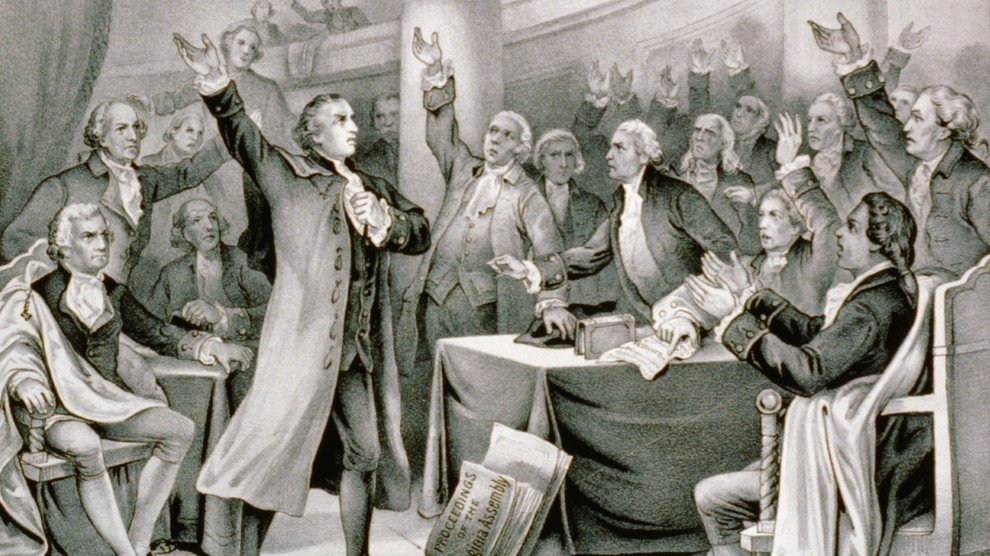
Delivered at the Second Virginia Convention amid rising tensions with Britain, Patrick Henry urged colonists to reject compromise. He painted a vivid picture of impending tyranny, arguing that chains of submission loomed unless they fought back. His words captured the raw urgency of a people on the brink of revolution.
This speech galvanized support for independence, tipping the scales toward war. Today, it resonates as a timeless cry against oppression, reminding us that freedom demands bold resolve. Honestly, in an era of political gridlock, its fire still sparks debates on courage.[2]
2. George Washington’s Farewell Address (1796)
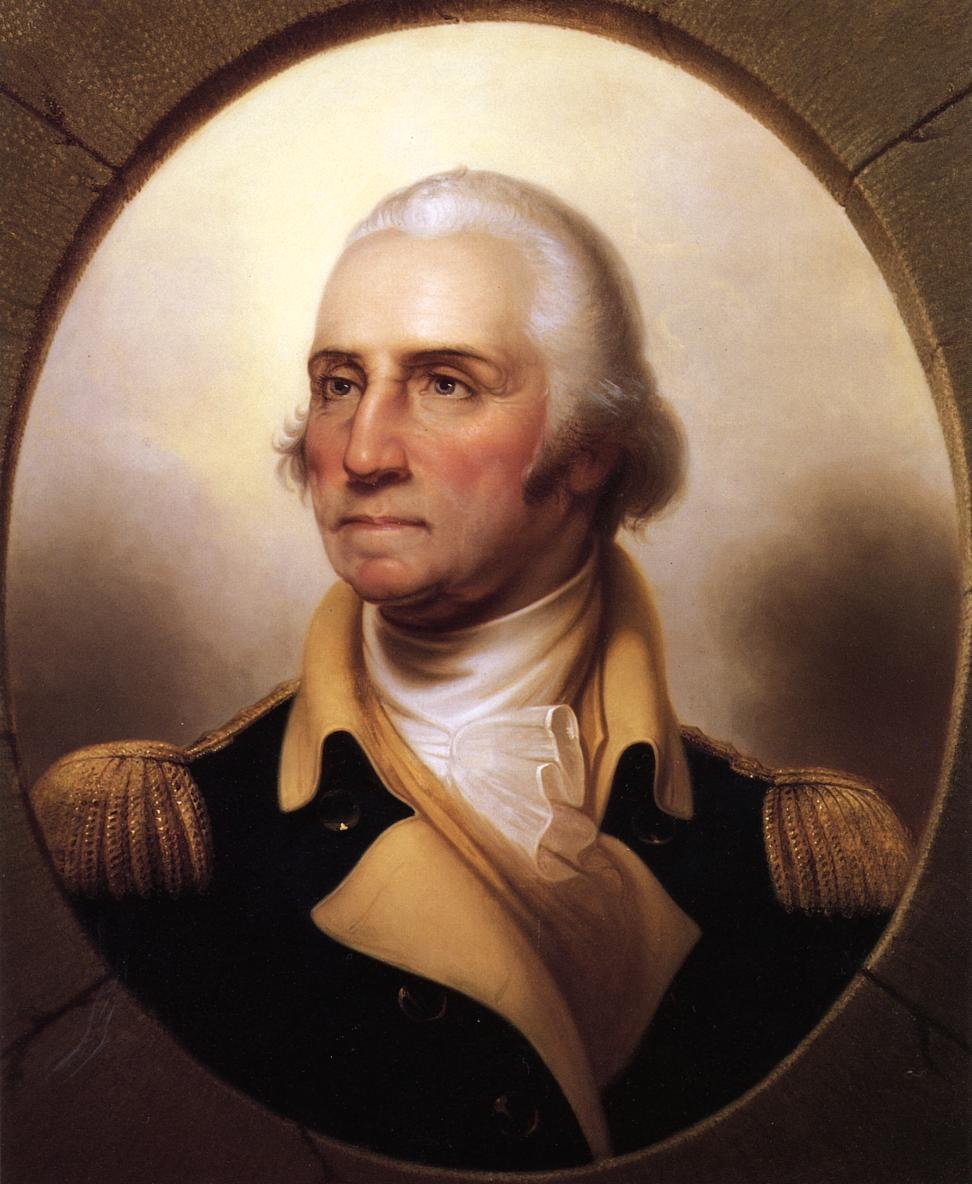
As his presidency ended, Washington warned against political parties and foreign entanglements in a letter read aloud to Congress. He stressed national unity above factionalism, drawing from hard-won lessons of the early republic. This reflective piece set a tone for voluntary leadership.
Its cautions against division and overreach influence policy discussions even now. Leaders reference it when navigating alliances or partisanship. I find it striking how prescient those warnings feel in our polarized times.[3]
3. Abraham Lincoln’s Gettysburg Address (1863)
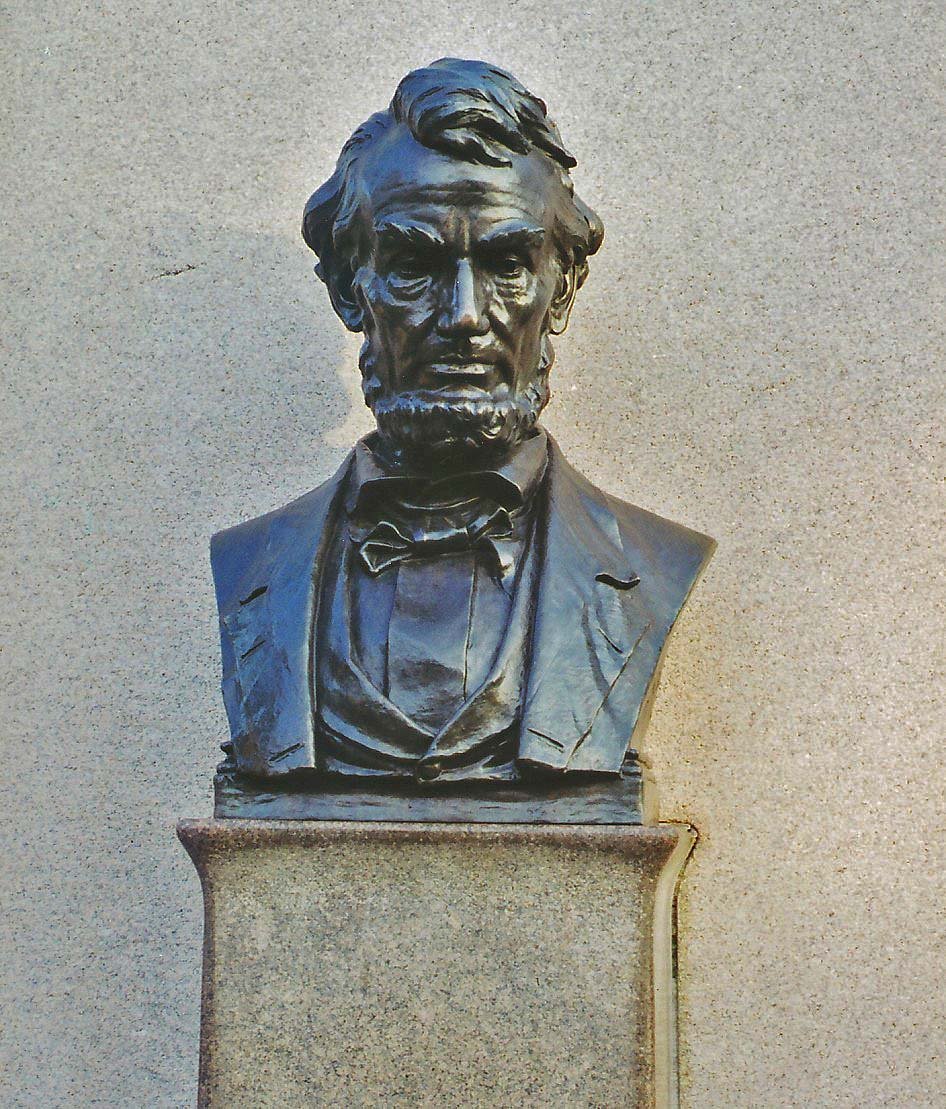
At the dedication of a Civil War cemetery, Lincoln redefined the conflict’s purpose in just minutes. He honored the fallen while pledging a “new birth of freedom,” linking democracy to equality. Spoken amid staggering losses, it reframed the war as a test of the nation’s soul.
The address reshaped views on government “of the people,” inspiring amendments and reforms. It endures in civic education, urging reflection on sacrifice. Like a quiet thunder, it challenges us to live up to those ideals today.[1]
4. Sojourner Truth’s “Ain’t I a Woman?” (1851)
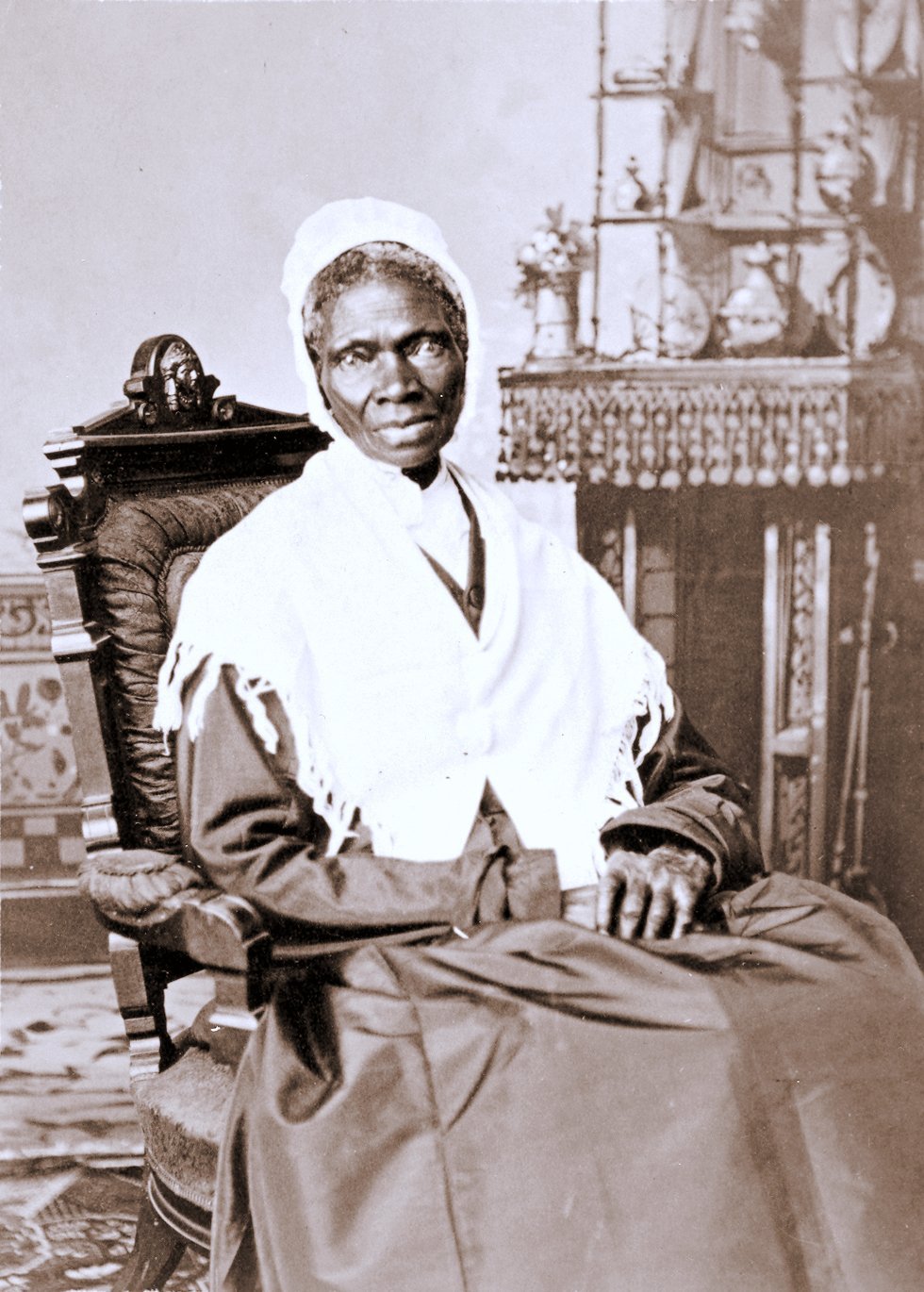
At a women’s rights convention in Ohio, former slave Sojourner Truth challenged racial and gender biases head-on. She highlighted her physical labors and intellectual equality, questioning why women’s pleas for justice ignored Black women. Her raw, personal testimony pierced the audience’s assumptions.
This moment amplified voices in the suffrage and abolition movements. It still fuels intersectional fights for equity, proving personal stories cut deepest. Let’s be real, her unfiltered strength humbles modern activists.[4]
5. Frederick Douglass’s “What to the Slave Is the Fourth of July?” (1852)
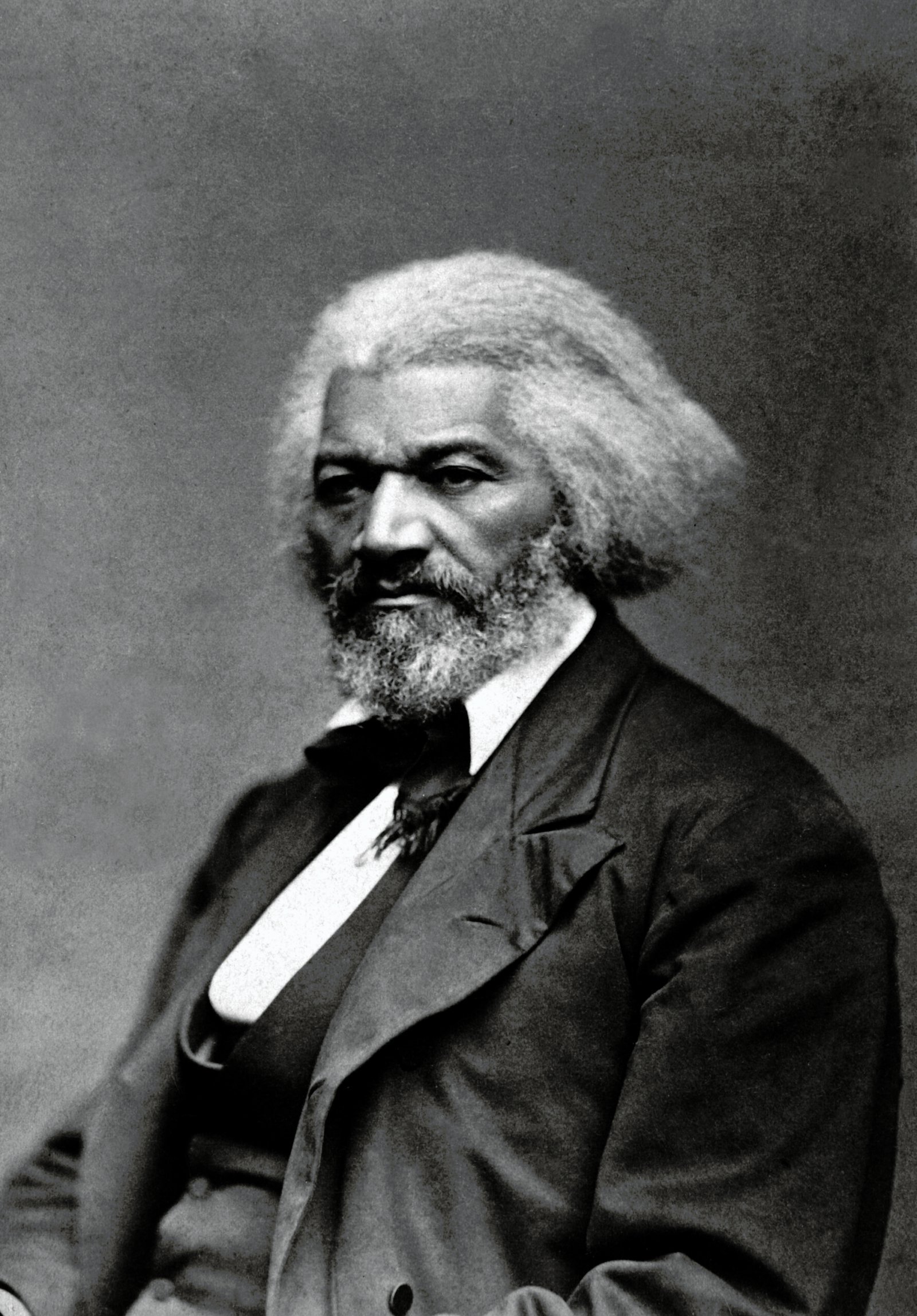
Invited to celebrate Independence Day in Rochester, Douglass instead indicted hypocrisy. He contrasted America’s freedoms with enslaved suffering, demanding true liberty for all. His sharp critique exposed the gap between ideals and reality.
The speech bolstered abolitionism and echoes in ongoing equality struggles. It prompts soul-searching on holidays that mask injustices. No wonder it feels urgent, even in 2026.[1]
6. Susan B. Anthony’s “On Women’s Right to Vote” (1873)
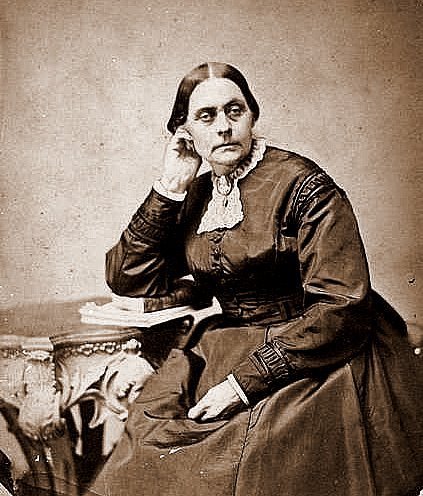
After her arrest for voting illegally, Anthony defended her actions in a courtroom speech. She asserted that the Constitution guaranteed voting rights to all citizens, regardless of sex. Her defiance turned a trial into a platform for suffrage.
It mobilized the women’s rights campaign, paving the way for the 19th Amendment. Today, it inspires voting rights battles worldwide. Here’s the thing: her logic remains a blueprint for challenging exclusions.[5]
7. Franklin D. Roosevelt’s Pearl Harbor Address (1941)
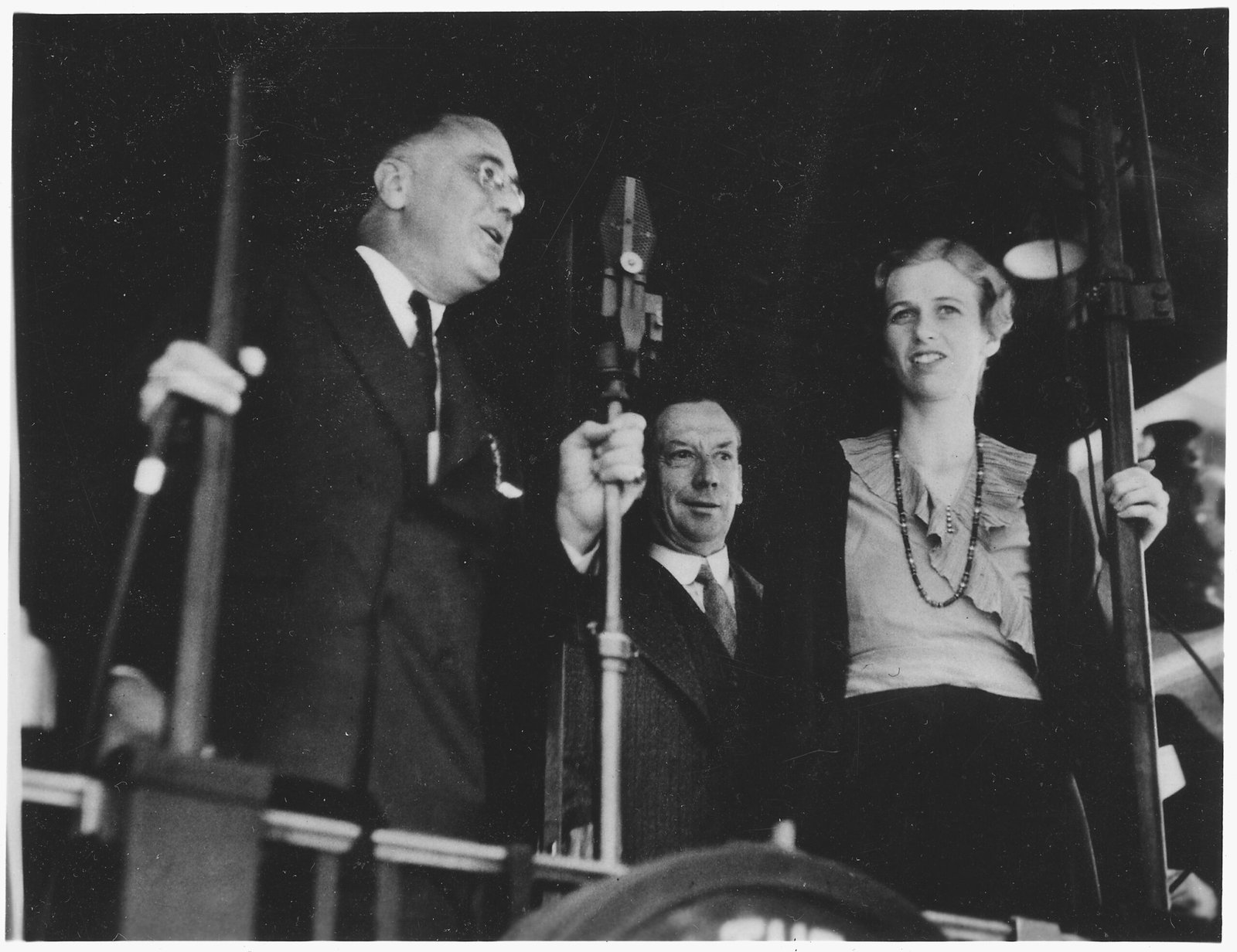
Following Japan’s attack, FDR addressed Congress to request war declaration. He labeled it a “date which will live in infamy,” uniting a isolationist nation against aggression. The speech bridged shock to resolve overnight.
It marked America’s global entry, shaping WWII and superpower status. Its rallying effect lingers in crisis responses. Think about it, that pivot still defines U.S. foreign policy reflexes.[6]
8. Franklin D. Roosevelt’s First Inaugural Address (1933)
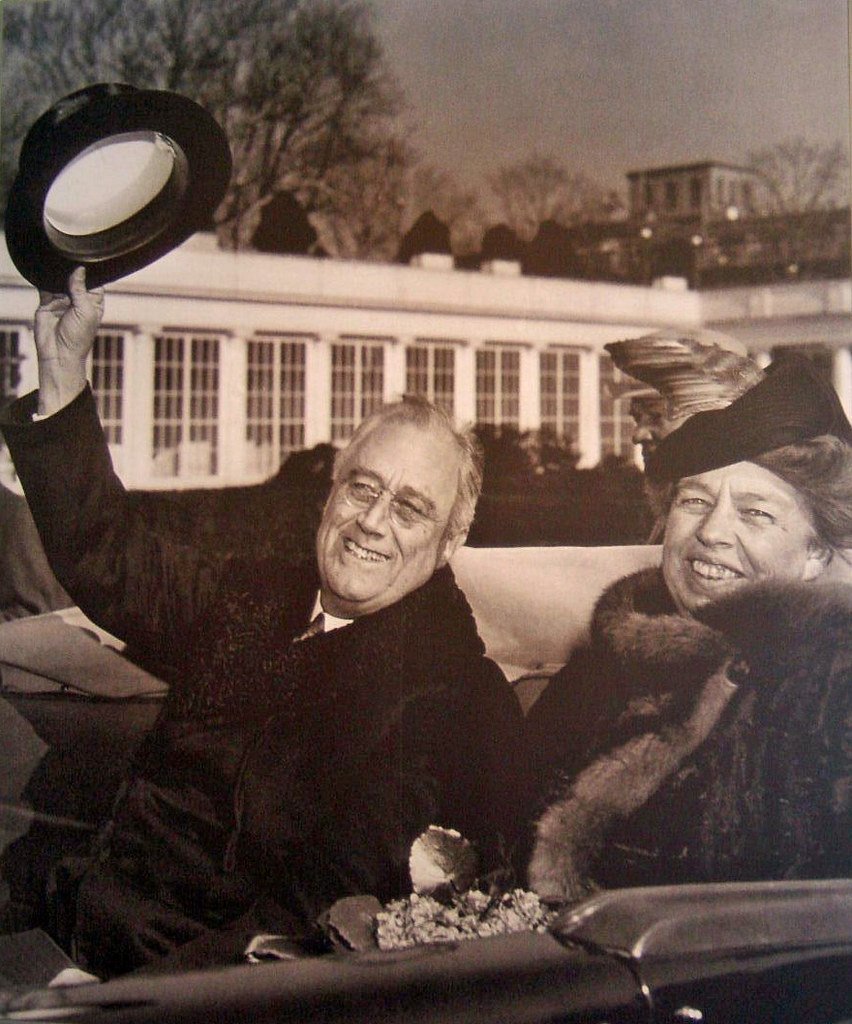
In the Great Depression’s depths, FDR promised bold action to a fearful public. He dismissed fear itself as the true enemy, outlining a New Deal vision. Delivered on a rainy day, it restored hope amid bank runs.
The address launched transformative policies, redefining government’s role. It teaches resilience in economic turmoil today. I know it sounds simple, yet those words steadied a sinking ship.[6]
9. John F. Kennedy’s Inaugural Address (1961)
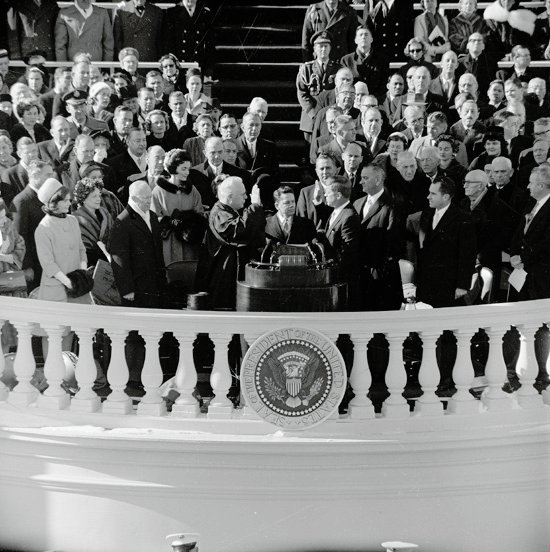
Cold War shadows loomed as JFK called citizens to service over entitlement. He envisioned a peaceful competition of ideas, pledging alliance with freedom-loving nations. Snow fell as Camelot began.
This speech ignited the Peace Corps and space race, embodying youthful vigor. It challenges selflessness amid individualism now. Surprisingly, its idealism cuts through cynicism still.[7]
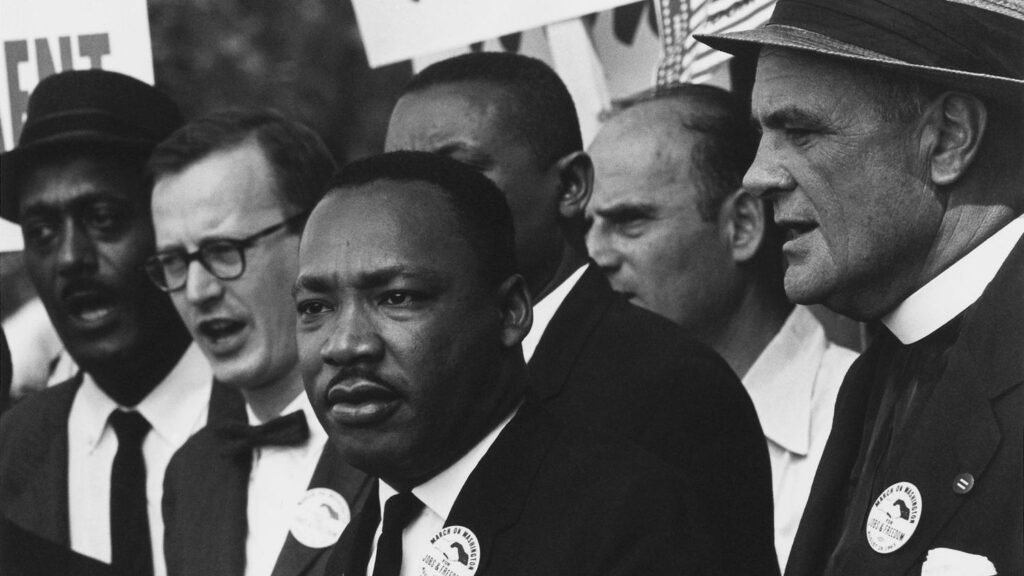
10. Martin Luther King Jr.’s “I Have a Dream” (1963)
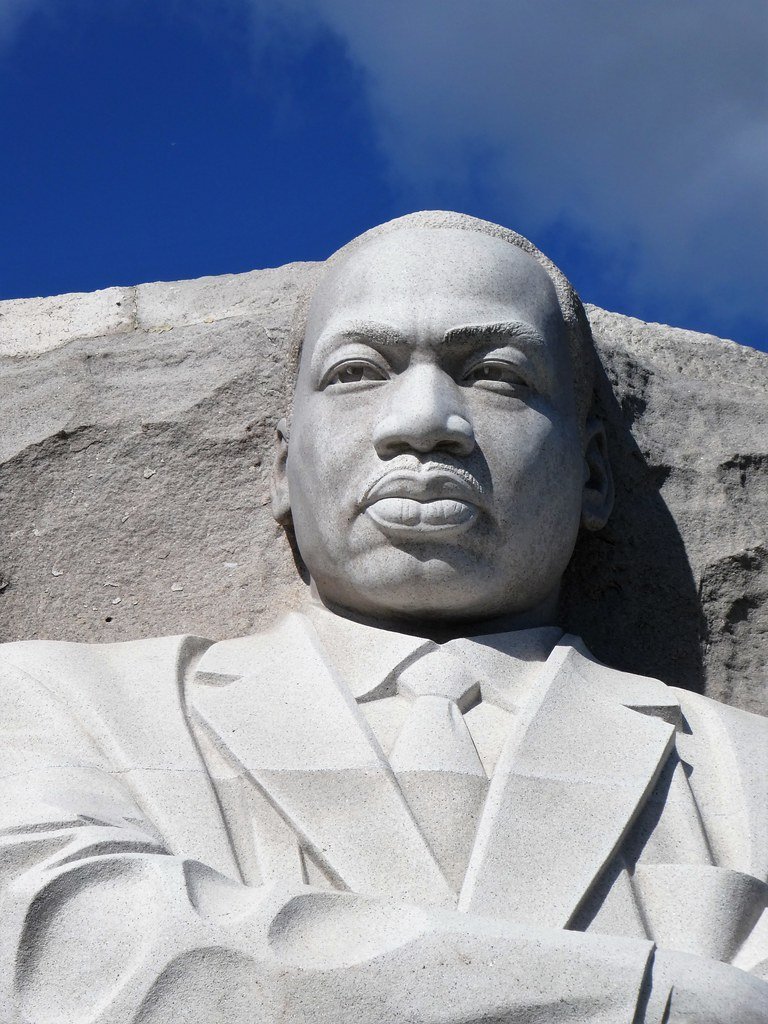
At the March on Washington, King envisioned racial harmony from the Lincoln Memorial steps. He urged judging character over color, weaving biblical hope with constitutional promise. Over 250,000 heard unity’s call.
It propelled the Civil Rights Act, transforming laws and attitudes. Decades later, it guides diversity efforts and protests. Truly, its vision feels both achieved and unfinished.[7]
Conclusion: The Timeless Power of Words
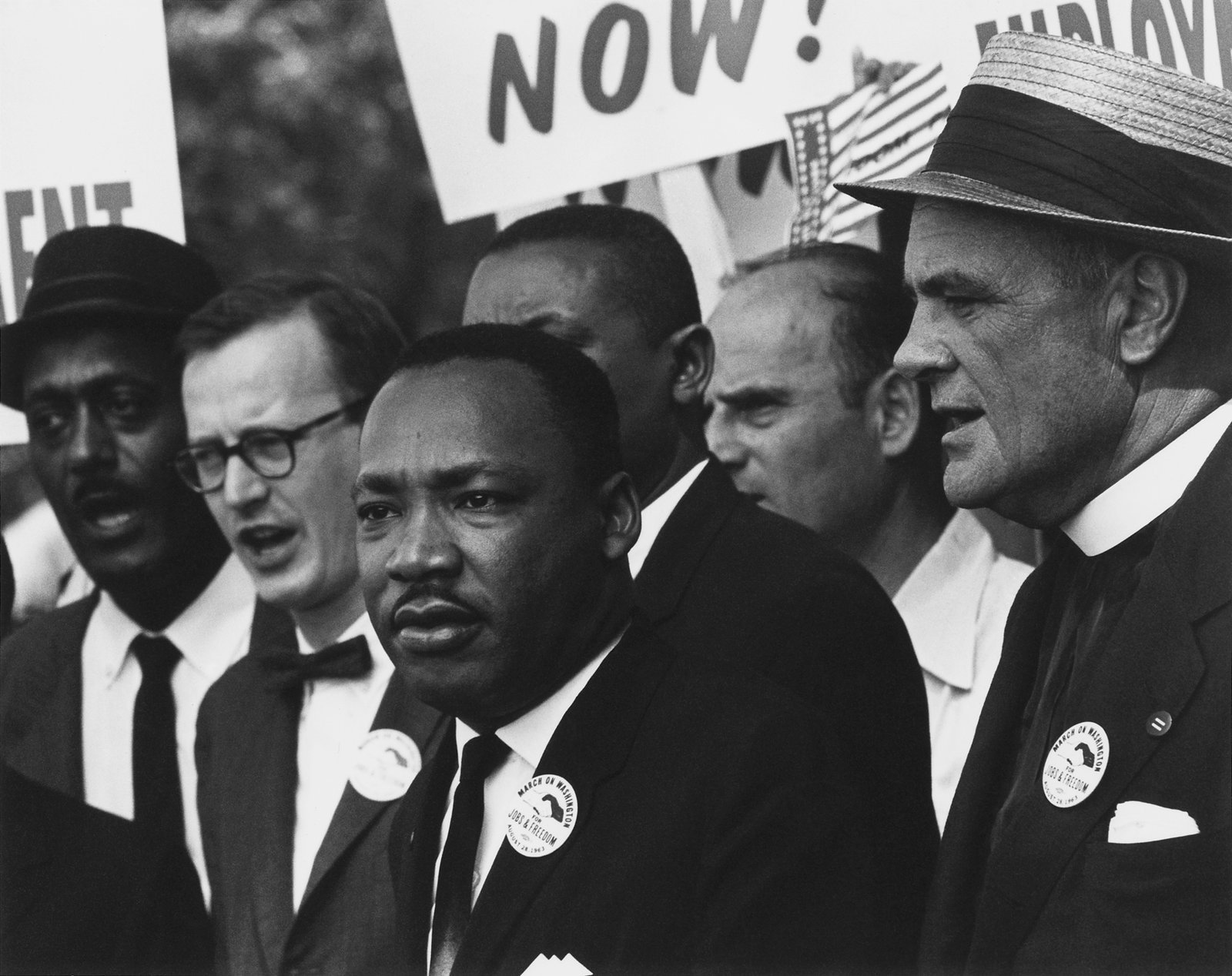
These speeches prove eloquence can bend history’s arc. From founding fires to equality quests, they remind us words forge destinies. In 2026, amid new divides, their lessons urge bolder voices.
What speech stirs you deepest? Share in the comments, and let’s keep the conversation alive.

Besides founding Festivaltopia, Luca is the co founder of trib, an art and fashion collectiv you find on several regional events and online. Also he is part of the management board at HORiZONTE, a group travel provider in Germany.
