


- The Beauty of Giving – How Generosity Transforms Your Mind, Your Relationships, and Your Life - September 12, 2026
- 10 Forgotten American Towns That Time and Tourism Revived - September 12, 2026
- The Real Lives Behind Classic Rock Ballads – 12 Songs You Never Knew Were Based on True Stories - September 12, 2026
There’s something deeply unsettling about a true coincidence. Not the small stuff, like bumping into a coworker at the grocery store. We’re talking about the jaw-dropping, goosebump-inducing kind that makes even the most rational person pause and stare at the ceiling for a while. These are the moments when reality starts to feel less like random noise and more like a story someone wrote – very deliberately.
From eerie similarities in historical figures’ lives to uncanny repetitions of major world events, coincidences have fascinated people for centuries. Sometimes, chance alone can explain such patterns – but other times, the alignment of details is so precise it defies logical explanation. Honestly, I’m not one to believe in fate or cosmic design. But some of the stories below genuinely rattled me. Let’s dive in.
1. Lincoln and Kennedy: History’s Most Haunting Presidential Echo
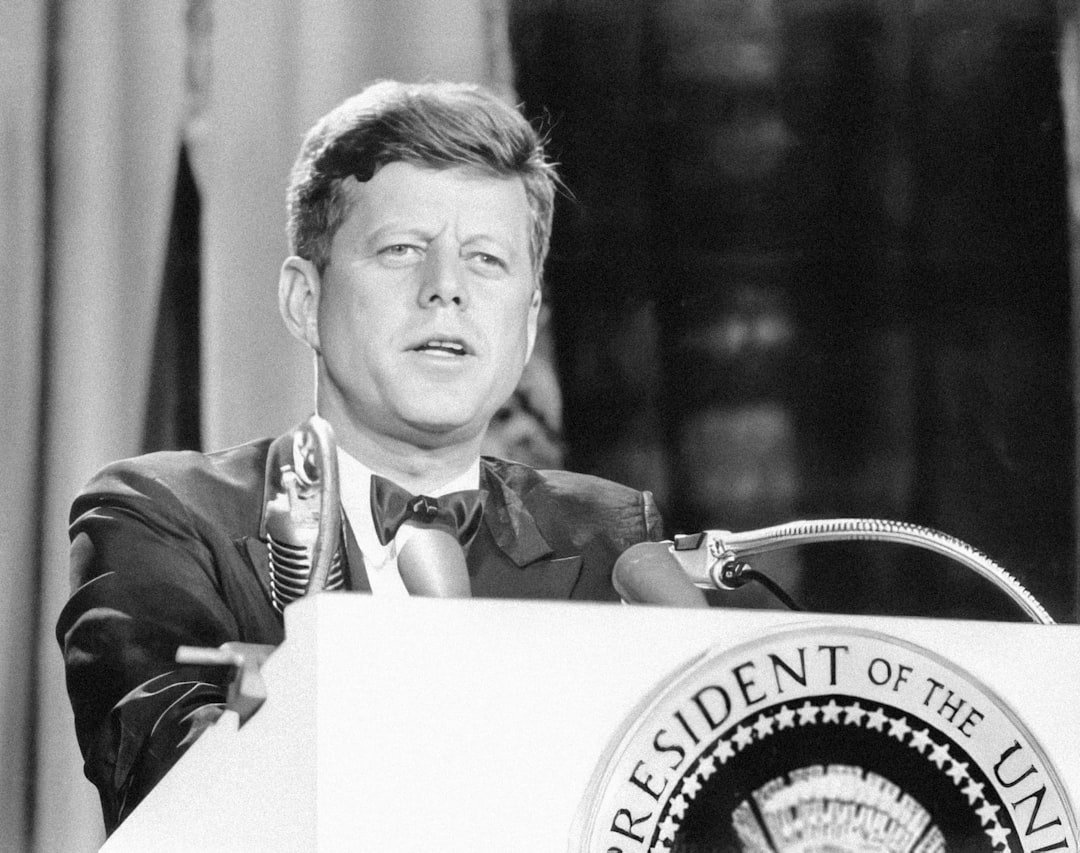
If you’ve never heard of the Lincoln-Kennedy coincidences, prepare yourself. Few historical coincidences are as chilling as the parallels between Abraham Lincoln and John F. Kennedy. Both were elected to Congress in ’46 – Lincoln in 1846, Kennedy in 1946 – and rose to the presidency in ’60, precisely one hundred years apart. That alone is striking enough. But it barely scratches the surface.
Both assassins, John Wilkes Booth and Lee Harvey Oswald, were born in ’39 and were known by their three names, composed of fifteen letters. Booth ran from a theater and was caught in a warehouse; Oswald ran from a warehouse and was caught in a theater. The symmetry is almost too tidy – like the universe wrote it as a rough draft and forgot to change the names. Both successors shared a surname: Andrew Johnson and Lyndon B. Johnson. The two successors were born a century apart from each other in 1808 and 1908.
2. Edgar Allan Poe’s Fictional Cannibalism – That Came True
![2. Edgar Allan Poe's Fictional Cannibalism - That Came True (From LoC "Famous People" collection, Library of Congress, Prints and Photographs Division [LC-USZ62-10610]., Public domain)](https://festivaltopia.com/wp-content/uploads/2026/03/1774017429655_1774017418857_edgar_allan_poe_1848.png)
The Narrative of Arthur Gordon Pym of Nantucket, written and published in 1838, is the only complete novel by Edgar Allan Poe. The novel relates the tale of the young Arthur Gordon Pym, who stows away aboard a whaler. Various adventures befall Pym, including shipwreck, mutiny, and cannibalism. In the grim heart of the story, survivors draw straws to decide who gets eaten. The unfortunate victim’s name? Richard Parker.
In 1884, the yacht Mignonette sank, with four men cast adrift. After weeks without food, they decided that one of them should be sacrificed as food for the other three, just as in Poe’s novel. The loser was a young cabin boy named Richard Parker, coincidentally the same name as Poe’s fictional character. Poe wrote his novel 46 years before that real shipwreck. The name. The scenario. The same. That’s either the most chilling coincidence in literary history, or something else entirely.
3. Mark Twain and Halley’s Comet: A Cosmic Appointment
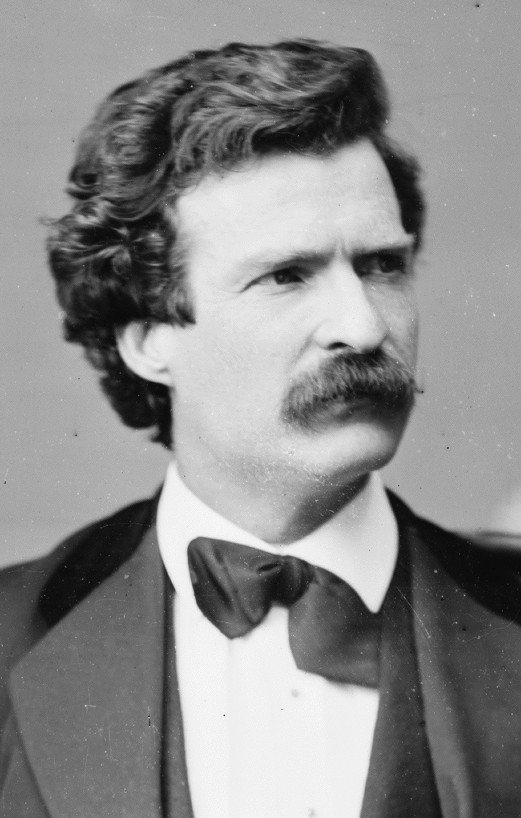
English astronomer Edmond Halley concluded that reports of a comet were actually the same comet returning in periodic intervals. Halley’s Comet was in the skies again when the celebrated author Samuel Langhorne Clemens, better known as Mark Twain, was born on November 30, 1835. The comet visits Earth only once roughly every 76 years. Twain entered the world on one of those rare visits.
By 1909, 74 years had passed, and Twain offered a prediction that his own death would – like his birth – coincide with the comet’s appearance. As it happened, Twain died of a heart attack on April 21, 1910 – the day after Halley’s Comet emerged from the far side of the Sun. He basically predicted his own death by a comet. And he was right. I think that makes Twain either prophetic or the luckiest guesser in history.
4. Jefferson and Adams: Dying on the Same Symbolic Day
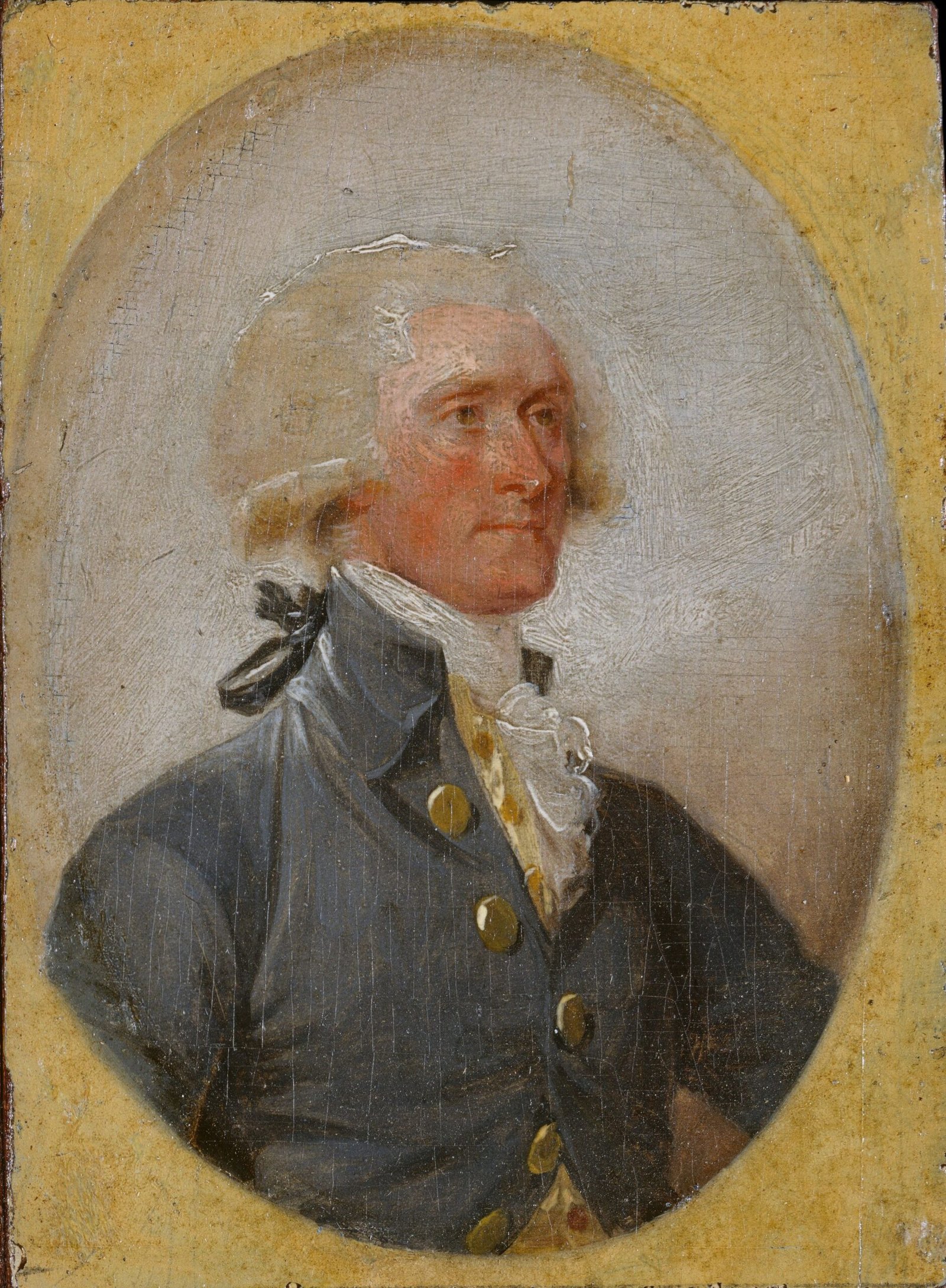
Founding fathers Thomas Jefferson and John Adams, alternately close friends and bitter rivals across their intertwined political careers, died on the same day – July 4, 1826 – the 50th anniversary of American independence, of which these two men were chief architects. Think about what that means. The two men who did more than almost anyone to create America both exited the world on the exact day their creation celebrated its golden anniversary.
Both John Adams and Thomas Jefferson died on the 50th anniversary of the approval of the Declaration of Independence: July 4, 1826. Jefferson went first. The founding fathers and longtime political enemies had rekindled their friendship later in life, but perhaps maintained some sense of rivalry: among Adams’s last words was this erroneous pronouncement: “Thomas Jefferson survives.” He was wrong. Jefferson had already passed hours earlier. Even in death, they couldn’t quite let go.
5. Violet Jessop: The Woman Who Survived Three Shipwrecks on Three Sister Ships

Violet Jessop served as a nurse and stewardess aboard three sister ships of the famed White Star Line: Olympic, Titanic, and Britannic. All three vessels suffered disasters at sea. This is the kind of story that sounds invented. It isn’t. She survived the sinking of both RMS Titanic in 1912 and sister ship HMHS Britannic in 1916, as well as having been aboard the eldest of the three ships of that class, RMS Olympic, when it collided with the British warship HMS Hawke in 1911.
When the vessel struck a mine near the Greek island of Kea in 1916, Jessop was in a lifeboat when it was drawn into the Britannic’s still-churning propellers. The water turned red with blood as people and boats were chopped to pieces by the massive screws. Jessop jumped into the sea and escaped death but suffered a severe skull fracture and deeply gashed leg. She didn’t even know about the skull fracture until years later when a doctor discovered it during a routine visit. Remembered as the “Queen of sinking ships” and “Miss Unsinkable,” Jessop relied on her deep faith and strong will to endure these calamities at sea.
6. King Umberto I and His Mysterious Double
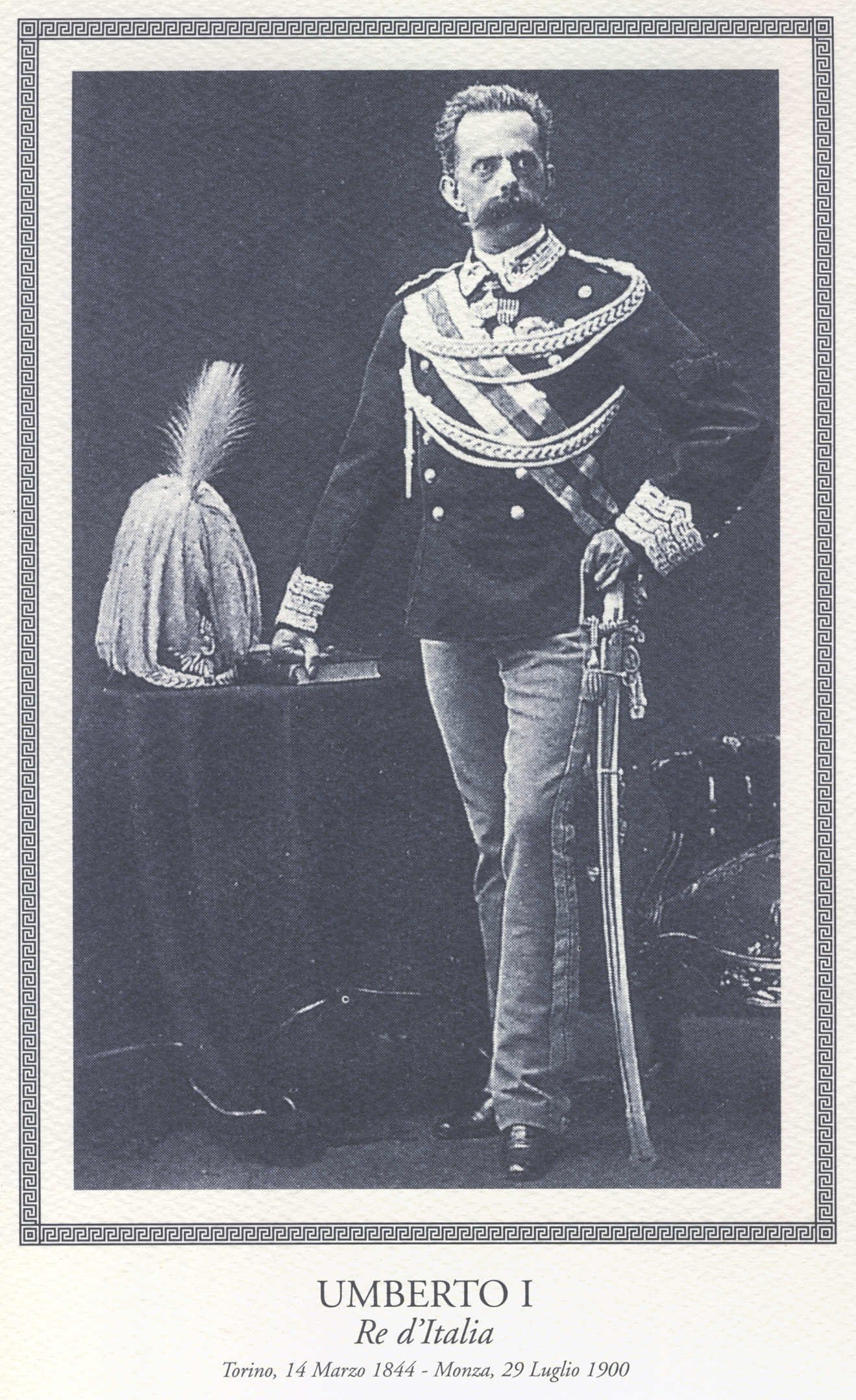
In 1900, King Umberto I of Italy encountered a restaurant owner who wasn’t just his physical double – they shared the same name, birthday, birthplace, and even had wives with the same name. Imagine sitting down for dinner and the person serving you is essentially you. Same face, same name, same origins. It sounds like a fairy tale or a Borges short story. It was neither.
The coincidences seemed endless, but the most astonishing was still to come: both men died on the very same day. The King was assassinated on July 29, 1900, the same day his exact double passed away under different circumstances. Two lives, mirrored in almost every conceivable detail, extinguished together. It’s hard to say for sure what to make of it, but it’s nearly impossible to shake.
7. The Hoover Dam’s Father and Son Tragedy
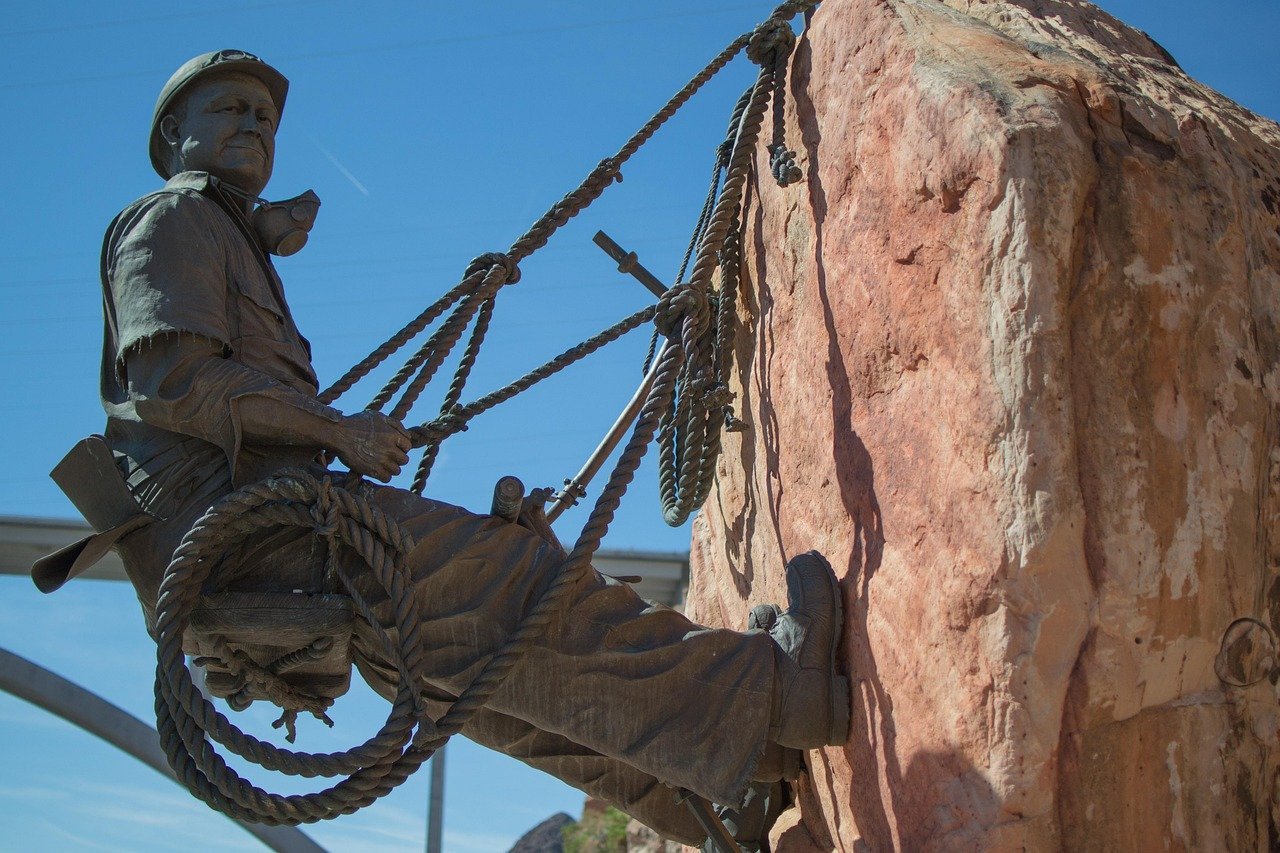
The first worker to die during the dam’s construction was J.G. Tierney on December 20, 1922. The last person to die there was J.G. Tierney’s son, who died on December 20, 1935. Father and son. Same date. Same project. Exactly thirteen years apart. The Hoover Dam, one of history’s greatest engineering achievements, bookended its death toll with the same family name, on the same calendar date.
George Tierney died during Hoover Dam’s early survey in 1922. Fourteen years later, on the same day, his son, Patrick, passed away while working on the project. Neither event was linked, but the dates and bloodline make it unforgettable. This is the kind of thing where even the most hardened skeptic goes quiet for a moment. Sometimes numbers just align in ways that feel deeply, uncomfortably personal.
8. The Two Ohio Cars That Found Each Other
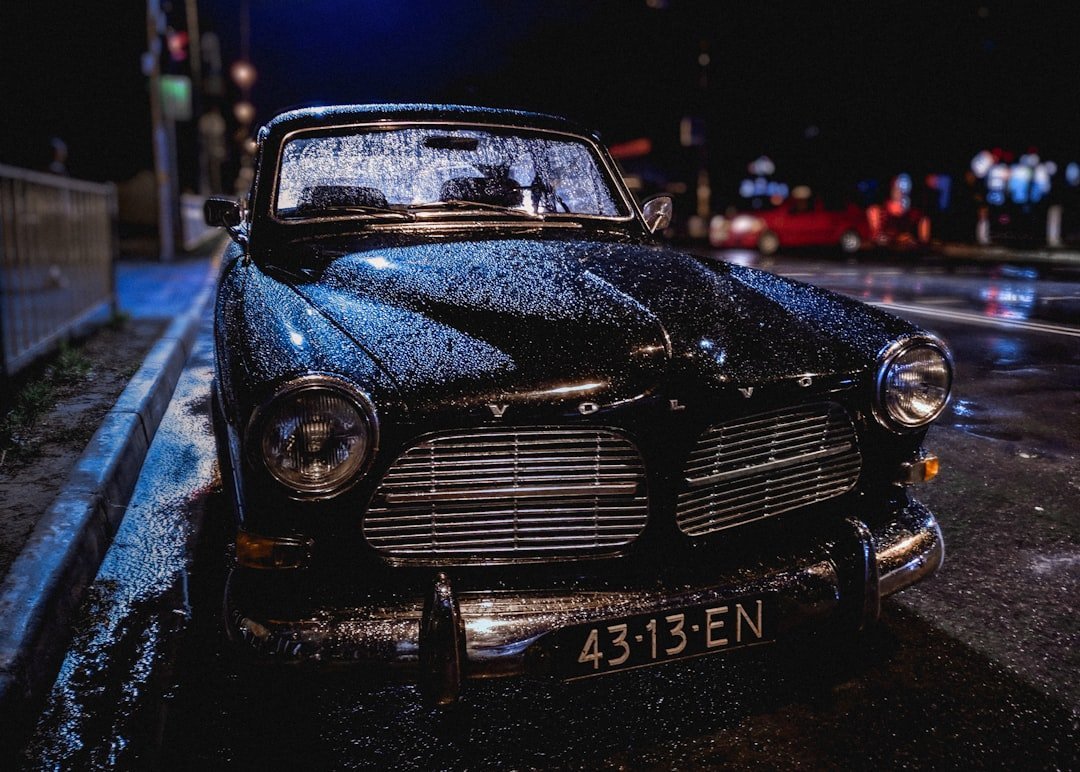
There were only two cars in the state of Ohio in 1895. They ran into each other. Then there were no cars. Let’s sit with that for a second. In a state of millions of people, across thousands of square miles, the only two motor vehicles in existence somehow managed to collide with each other. The statistical odds of this are so extreme they border on the absurd.
Think of it this way. If you put two marbles in a football stadium and shook it, the chances of them meeting are basically the whole premise here. It’s almost comedic in its precision, which is exactly what makes this coincidence so memorable. Sometimes the universe has an impeccable, if rather dry, sense of humor.
9. The Bermuda Brothers and the Unstoppable Taxi

In 1975, a man was struck by a taxi in Bermuda while riding his moped. A year later, his brother, riding the same moped, was struck by the same taxi with the same passenger on the same street. Not similar circumstances. Not a comparable accident. The exact same taxi. The exact same passenger. The exact same moped. The exact same street.
The brothers, Erskine Lawrence Ebbin and Neville Ebbin, were both 17 when their accidents occurred. Both were teenagers. Both were on that same moped. There’s a lesson buried somewhere in here about lending out your moped in Bermuda, but mostly this story just exists to remind you that coincidence sometimes has an almost cruel persistence to it.
10. Napoleon and Hitler: The 129-Year Pattern

Hitler was born 129 years after Napoleon. He also came to power 129 years after Napoleon, invaded Russia 129 years after Napoleon, and was defeated 129 years after Napoleon. Four major life events. The same 129-year gap across all of them. This is not a cherry-picked pair of dates – it’s a repeating pattern across birth, rise to power, military catastrophe, and ultimate defeat.
Russia’s winter didn’t discriminate. It swallowed Napoleon’s Grand Armée in 1812, then turned on Hitler’s forces in 1941. Separated by 129 years, both invasions began in summer and ended in frozen disaster. The parallels in strategy and failure remain among the most analyzed coincidences in modern military history. Whether history rhymes or repeats, these two men seem to have been playing out very much the same tragic script, right down to the timeline.
11. Anthony Hopkins and the Lost Book

When Anthony Hopkins was preparing for his role in The Girl from Petrovka, he wanted to find a version of the book so he could study it before filming began. But wherever he looked, he couldn’t find a copy until one day, while sitting on the subway, he found a copy on the carriage in which he was travelling. Lucky break, right? Sure. Except it gets stranger.
When Hopkins later met the author, Feifer told him that he also didn’t have a copy of the book. Why? Because he’d lent his last one to a friend, who had then accidentally lost it on the subway. The book that fell through the cracks of a city of millions landed directly into the hands of the man filming its movie adaptation. You genuinely could not write this and have it believed. Yet here we are.
12. The First and Last British Soldiers of WWI, Buried Side by Side

The first and last British soldiers killed in WWI are buried six feet apart in the same cemetery in Belgium. Private John Parr died in 1914, while George Ellison fell in 1918. They rest together, their graves a perfect bookend to a tragic chapter of history. A war that consumed millions of lives, fought across years and continents, somehow arranged for its first and last British casualties to rest within arm’s reach of each other.
Private Parr was just 17 when he died on August 21, 1914, likely killed while on a reconnaissance bike patrol. George Ellison survived four years of brutal warfare only to fall on November 11, 1918, just 90 minutes before the armistice was signed. They’re buried in Saint Symphorien Military Cemetery, their graves facing each other across a small plot of land. Facing each other. The whole sweep of a war’s human cost, silently facing each other across six feet of Belgian earth.
13. The Archduke’s License Plate and the End of WWI
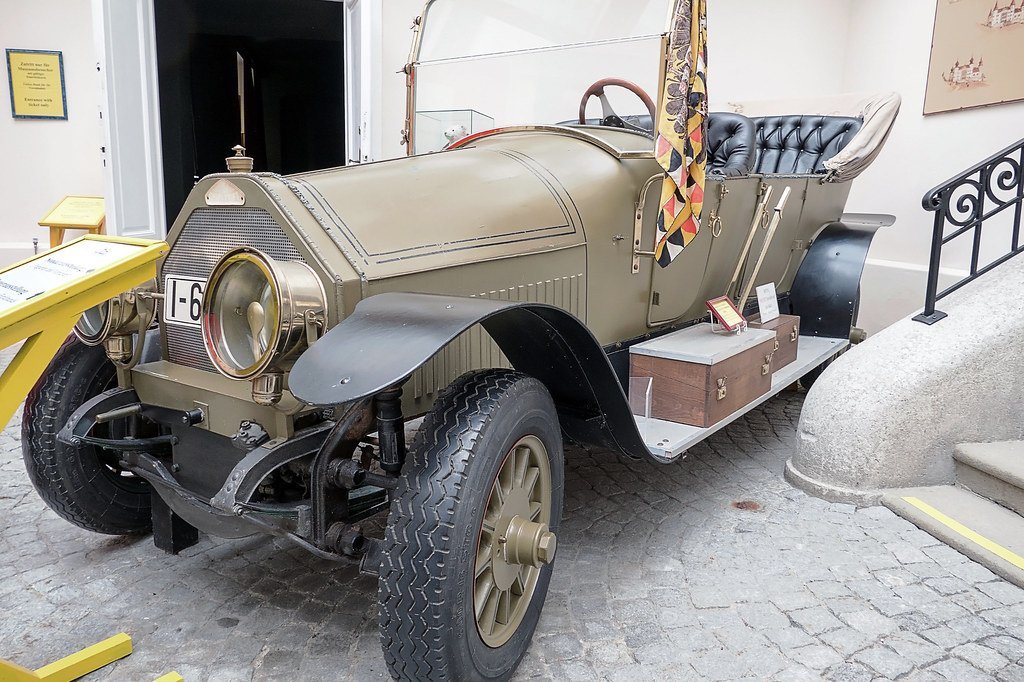
World War I began after Archduke Franz Ferdinand was assassinated in Sarajevo on June 28, 1914. The car in which he was traveling at the time of his murder bore a license plate with the number A III 118. That would be strange enough on its own, but consider what those numbers spell out when you look closely at them.
The license plate of the car seems like something worthy of a Pixar Easter egg – it’s AIII 118. If you tweak the I’s to be the Roman numeral 1 and remove the first A, that’s 111 118 – the numbers making up the exact date the armistice was signed ending World War I. November 11, 1918. The car that carried the man whose assassination triggered the war somehow bore a numerical code pointing to the very date the war would end, more than four years later. Honestly, that one still gets me every single time I think about it.
A Final Thought: What Are We Supposed to Do With All This?
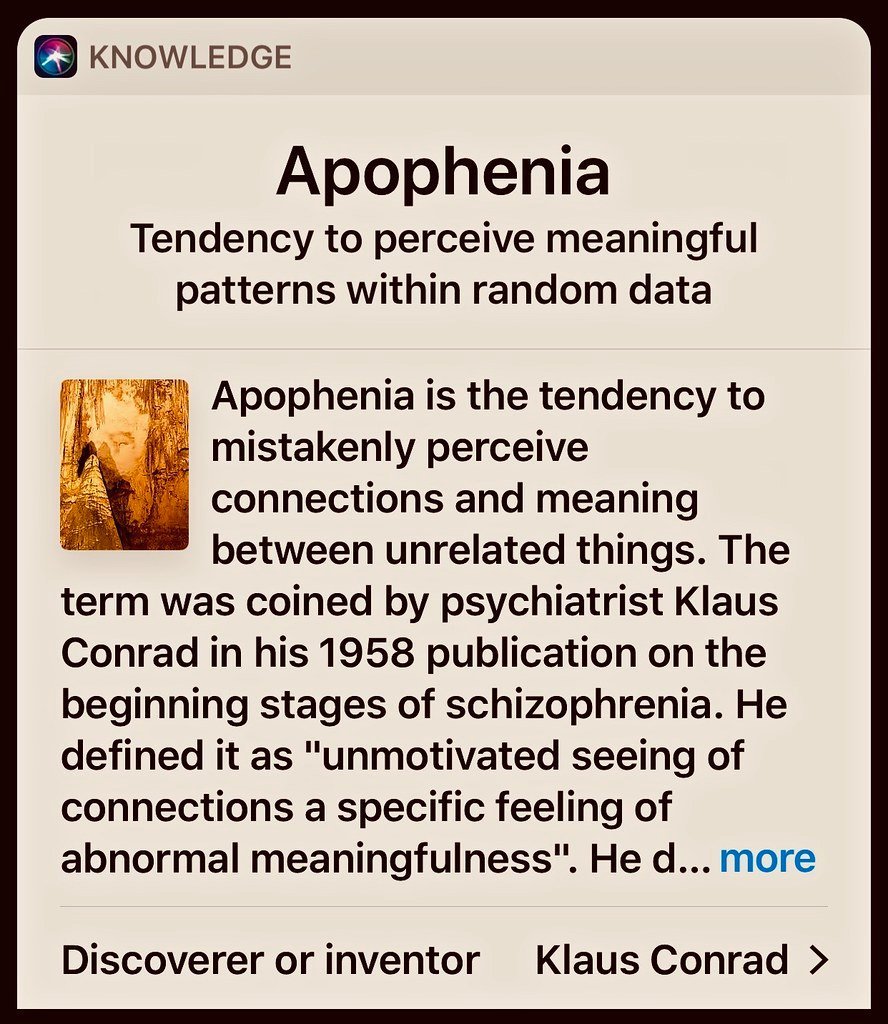
Let’s be real – our brains are pattern-seeking machines. We find faces in clouds and narratives in noise. The psychological phenomenon of apophenia – defined as “the tendency to perceive order in random configurations” – has been proposed as a possible reason for the enduring popularity of these coincidences. Scientists will tell you that with enough data points, extraordinary alignments are statistically inevitable.
Still. Knowing that doesn’t make these stories feel any less eerie. Coincidences that seem too strange to be true happen more than we think. The Law of Large Numbers dictates that random events like these are bound to happen – but that doesn’t make it any less amazing when they do. There’s a strange comfort in that, actually. The universe is vast and ancient and wildly indifferent – and yet, every so often, it arranges something so perfectly absurd that you can’t help but feel like someone, somewhere, is making a point.
Maybe the real lesson isn’t that fate is real. Maybe it’s simply that reality is weirder, stranger, and more poetic than any story we could invent. In an age where algorithms predict our shopping habits and AI anticipates our next move, genuine coincidences seem increasingly rare. Yet history is filled with moments so perfectly aligned, so impossibly convenient, that they’d be dismissed as too far-fetched for fiction. Which of these thirteen left you the most speechless – and which one would you have bet was made up?

Besides founding Festivaltopia, Luca is the co founder of trib, an art and fashion collectiv you find on several regional events and online. Also he is part of the management board at HORiZONTE, a group travel provider in Germany.
