

- 12 Bob Dylan Lyrics That Changed the Way We Hear the World - September 12, 2026
- History’s Biggest Lies—The Myths We Still Believe Today - September 12, 2026
- Famous Actors Who Almost Gave Up—And the One Role That Changed Everything - September 12, 2026
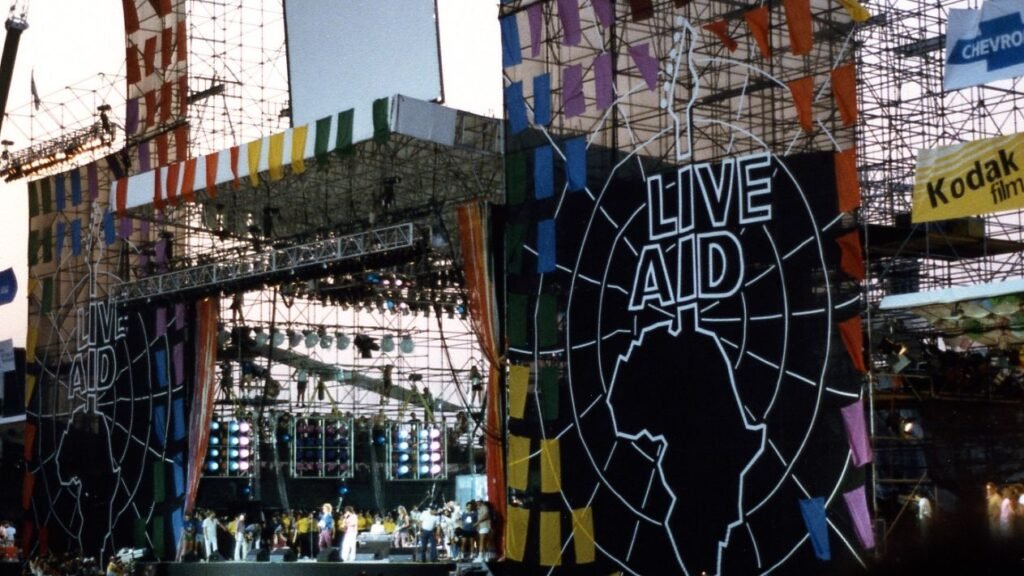
Picture this: a sweltering summer day in 1985 when rock legends turned massive stadiums into global rallying cries against famine. Live Aid wasn’t merely a lineup of hits; it fused the raw power of music with urgent humanitarian need, captivating hearts across continents. This event reshaped how we see celebrity activism and live performances forever.
Honestly, its scale still blows my mind even decades later. So, what made it tick? Let’s uncover 10 essential facts that paint the full picture.[1][2]
Fact 1: Nearly 2 Billion People Watched Worldwide
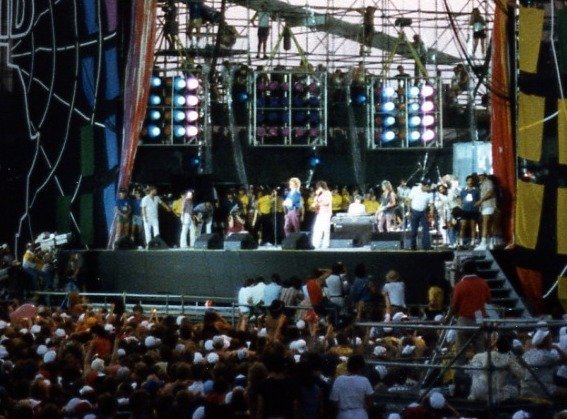
The broadcast reached an estimated 1.9 billion viewers in over 150 countries, about 40 percent of the global population back then.[1] That dwarfed anything before it, from Olympics to royal weddings. Families huddled around TVs from London to Tokyo, proving music’s borderless pull.
This viewership shattered records and amplified the famine relief message like never before. It felt like the whole planet paused to listen and give. No wonder donations poured in at a staggering rate.[2]
Fact 2: Organized in a Frenzied 10 Weeks
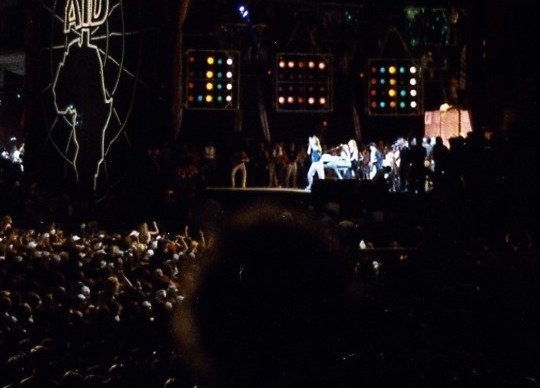
Bob Geldof and Midge Ure pulled off the impossible, planning the entire spectacle in just 10 weeks after Band Aid’s charity single success.[3] Coordinating dozens of egos, venues, and tech across oceans? Pure chaos turned triumph. Geldof even bluffed some artist bookings at press conferences.
The rush added electric tension, making every moment feel urgent. Yet, that haste birthed something legendary. It shows what passion can achieve under pressure.[4]
Fact 3: Dual Stadiums, One Epic Day
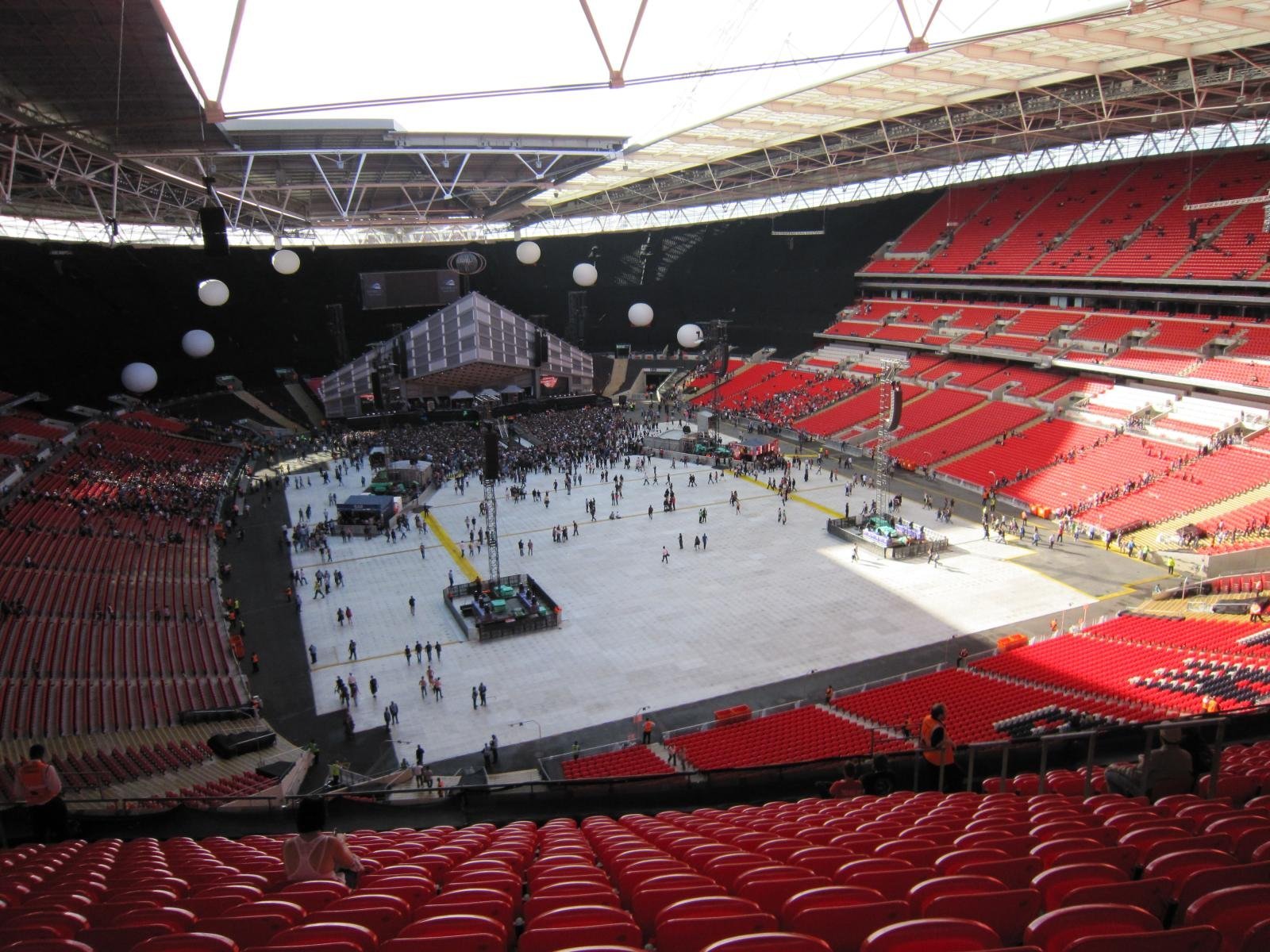
Concerts rocked simultaneously at London’s Wembley Stadium and Philadelphia’s JFK Stadium, spanning 16 hours of nonstop music.[1] Wembley hosted 72,000 fans; JFK packed in 89,484. This transatlantic sync was a logistical marvel, linking two continents in real time.
The split format doubled the energy, feeding off each other’s vibes via satellite. Fans chanted in unison across time zones. It symbolized global unity in the face of crisis.[2]
Fact 4: Raised a Jaw-Dropping $127 Million
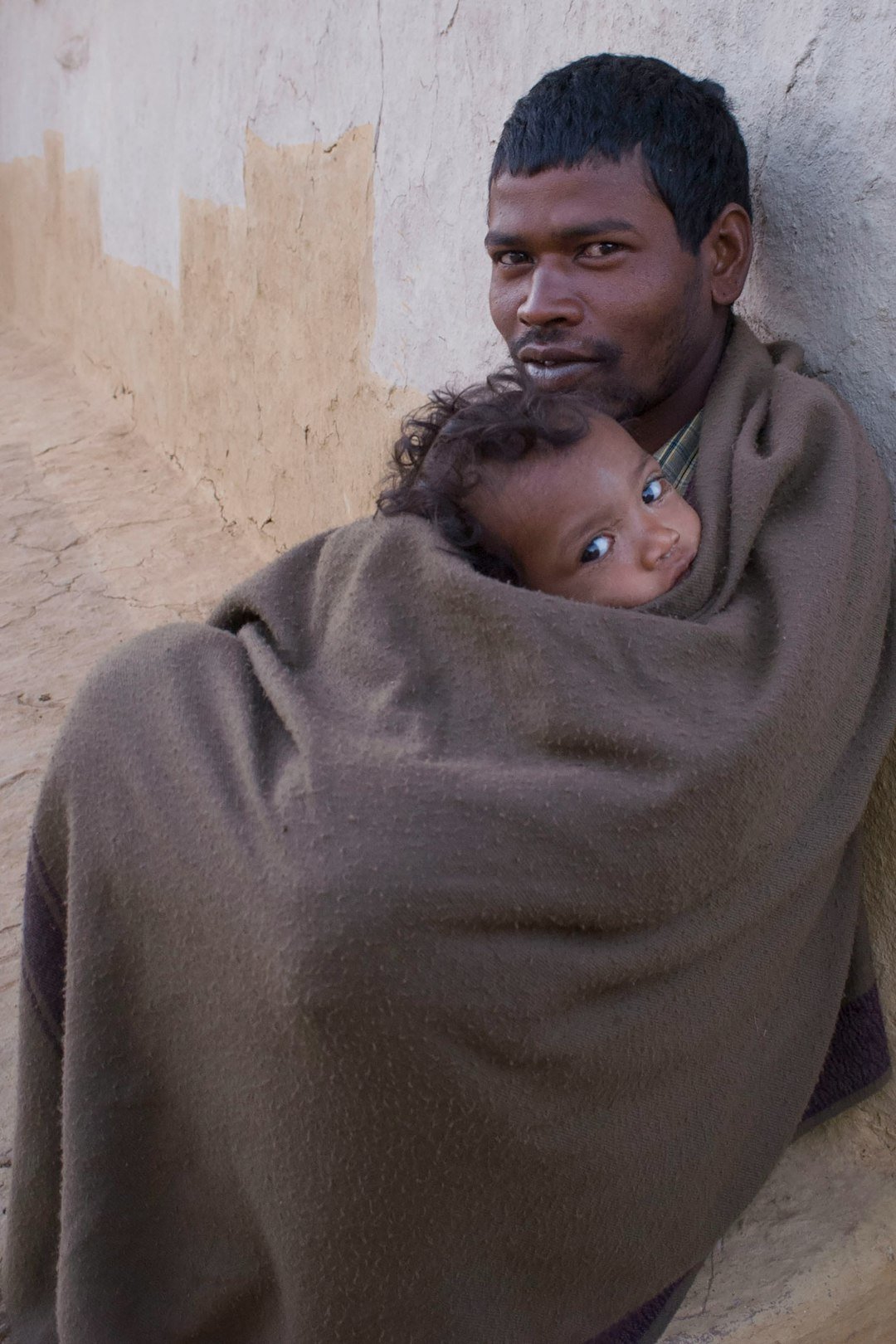
The event generated around $127 million for Ethiopian famine relief, equivalent to over $370 million today.[1] Tickets, merch, and phone pledges fueled the haul, with £40 million alone on the day. That cash bought food, medicine, and hope for millions starving amid drought and war.
Its fundraising prowess inspired copycats like Farm Aid. Let’s be real, turning entertainment into aid at that scale changed philanthropy. The numbers still inspire awe.[5]
Fact 5: Over 75 Acts Lit Up the Stages
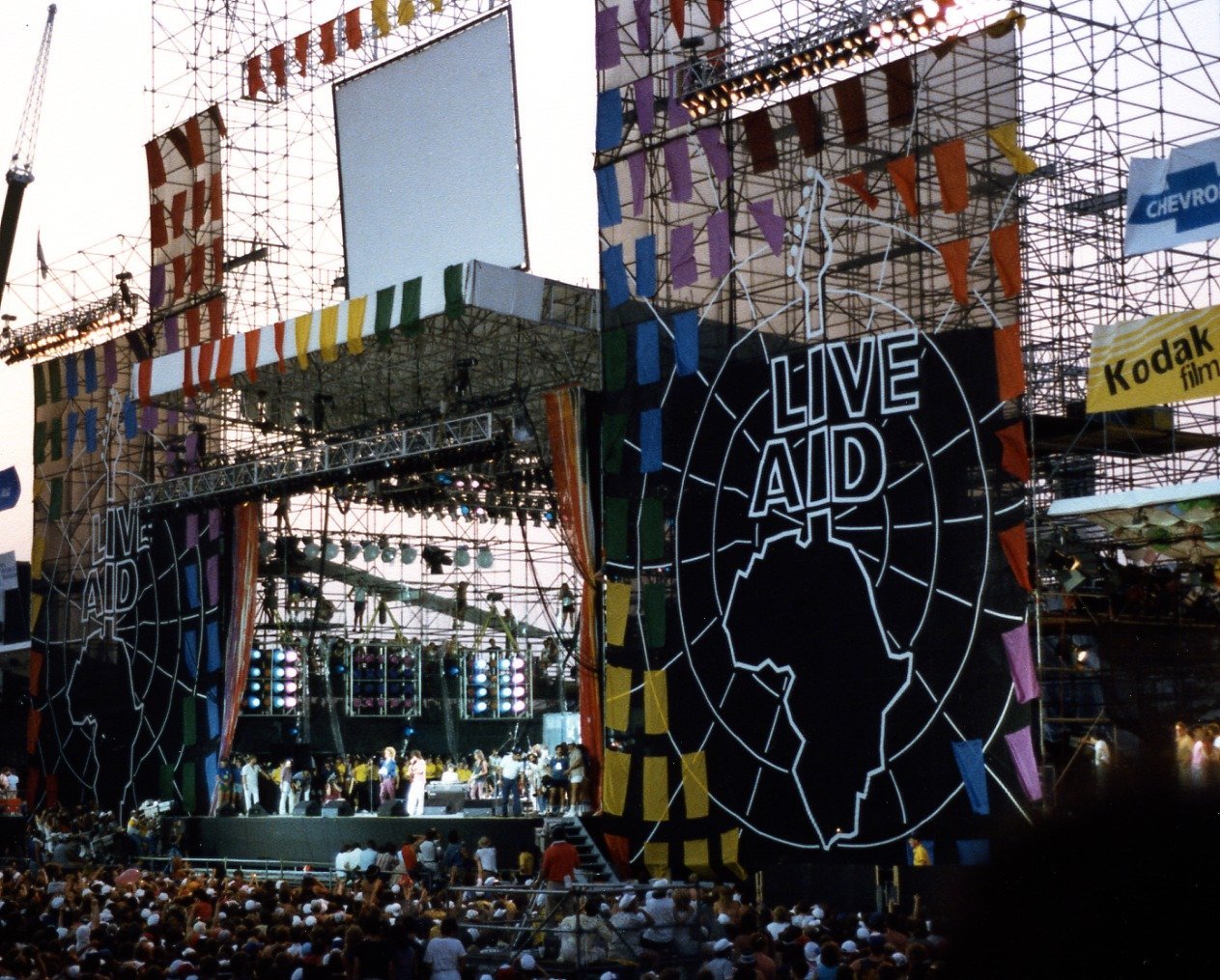
More than 75 artists, from Queen to U2, delivered unforgettable sets across both venues.[1] Reunions like Led Zeppelin and Black Sabbath added nostalgia. Early acts like Status Quo kicked off Wembley with raw energy, setting a high bar.
This dream bill boosted careers overnight, like U2’s crowd-pulling “Bad.” The variety spanned rock, pop, and soul, mirroring music’s diversity. It was a once-in-a-lifetime clash of titans.[4]
Fact 6: Phil Collins Conquered Two Continents
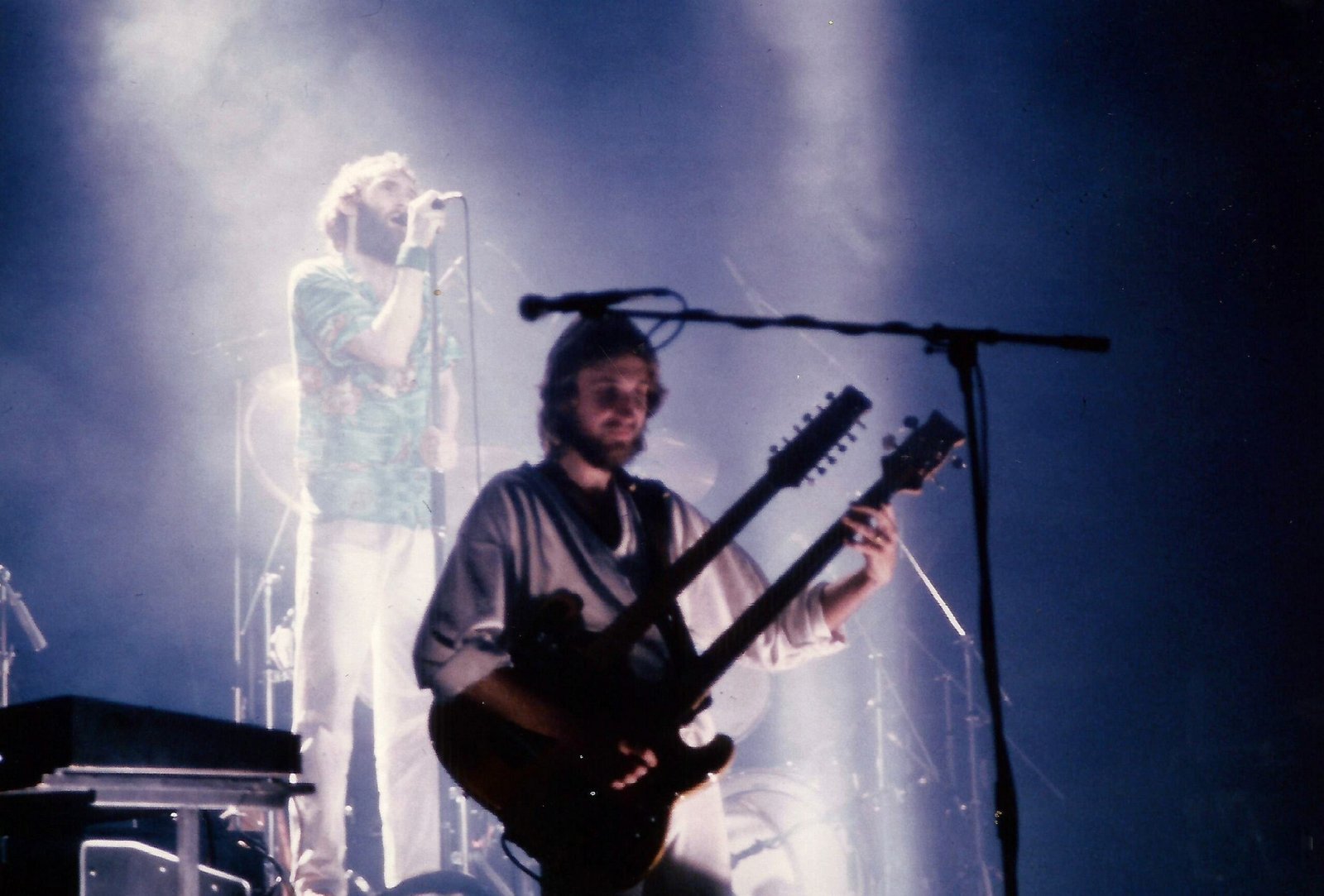
Phil Collins stands alone as the only performer to play live at both stadiums, jetting via Concorde supersonic plane.[1] He helicoptered from Wembley to Heathrow, flew to New York, then choppered to Philly, drumming for Zeppelin too. Talk about commitment; he barely caught his breath.
This stunt captured the event’s relentless spirit, bridging the venues physically. Fans cheered his solo “In the Air Tonight” in Philly like a victory lap. It’s the stuff of rock lore.[6]
Fact 7: Queen’s Set Reigns Supreme
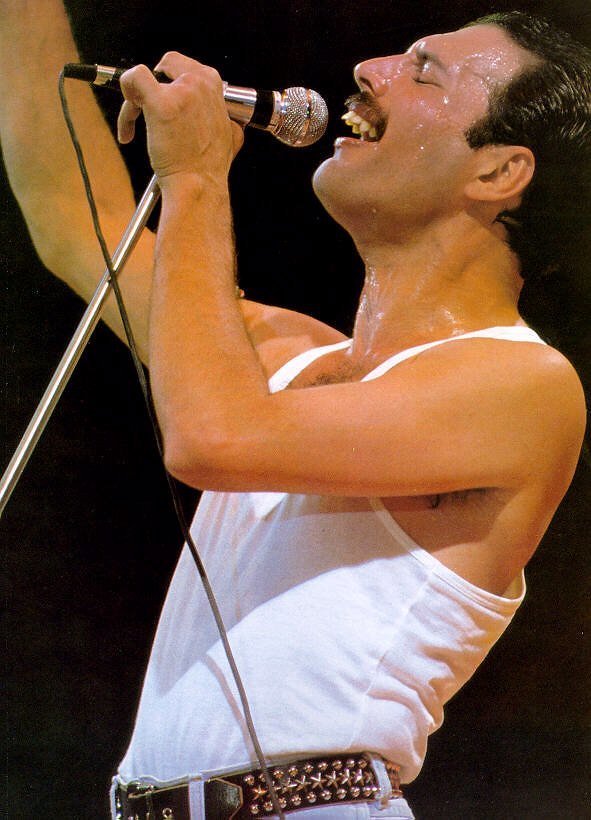
Queen’s 21-minute blitz, led by Freddie Mercury, topped a 2005 BBC poll as the greatest live rock performance ever.[1] “Bohemian Rhapsody” and crowd singalongs turned Wembley into a sea of voices. Mercury’s charisma owned the stage, mic stand as scepter.
That slot revived Queen’s popularity amid struggles. I think it remains a masterclass in showmanship. No wonder clips still give chills.[5]
Fact 8: Geldof’s Profane Plea Sparked a Surge
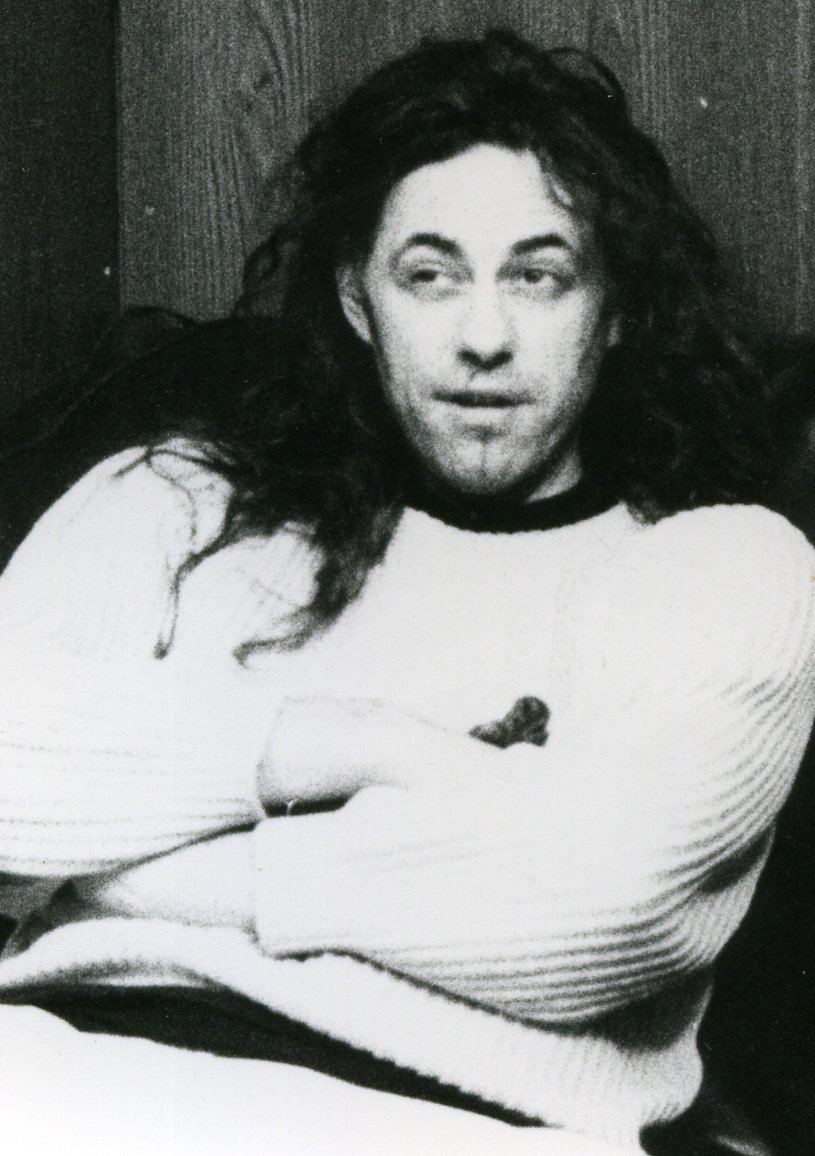
Bob Geldof hijacked a BBC broadcast, yelling “Fuck the address, let’s get the numbers!” to push phone pledges.[1] Early totals lagged at £1.2 million; post-rant, cash flowed at £300 per second. His raw fury cut through politeness, rallying the world.
This unfiltered moment humanized the cause, proving desperation drives action. It worked wonders, boosting the final tally massively. Bold moves like that define legends.[4]
Fact 9: Satellite Tech Made History
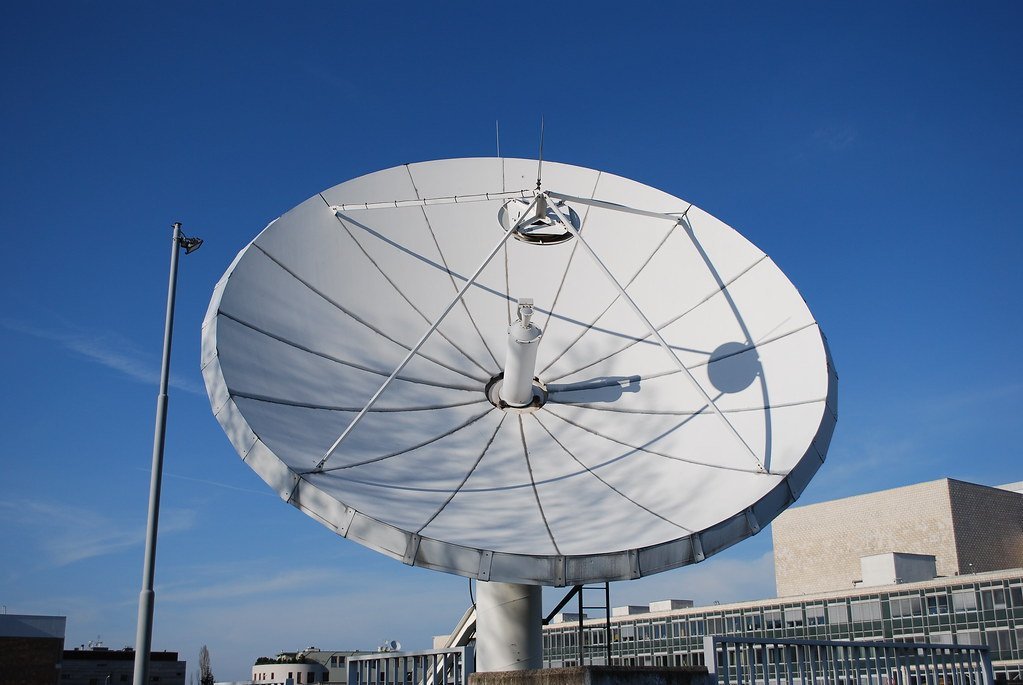
Thirteen military satellites beamed the show to billions, pioneering global simulcasts with multiple feeds.[4] BBC went mono audio, while MTV offered stereo, but the linkup was flawless despite risks. No backup plan existed if it glitched.
This innovation set the template for mega-events today. Imagine the nerves coordinating that feed across oceans. It glued humanity together via screens.[2]
Fact 10: A Revolving Stage Kept the Momentum
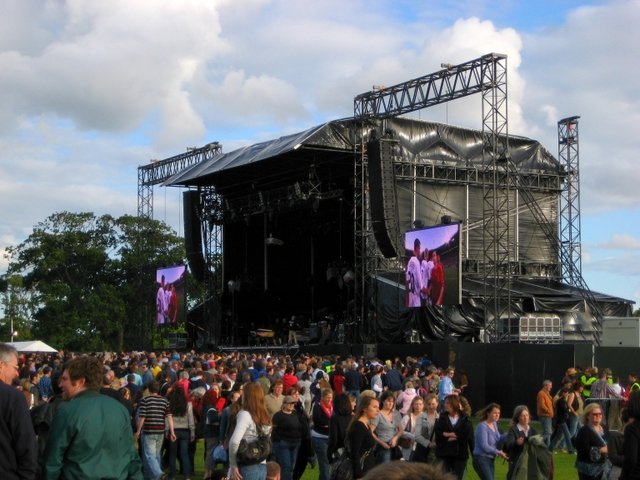
A custom revolving stage at Wembley let the next act prep while one performed, slashing downtime in the marathon schedule.[4] Seamless flips kept 16 hours flowing without awkward pauses. Ingenious engineering met rock ‘n’ roll hustle perfectly.
This unsung hero ensured peak energy throughout. Without it, fatigue might’ve dulled the magic. Details like these reveal the pro-level execution.[1]
The Enduring Echo of Live Aid
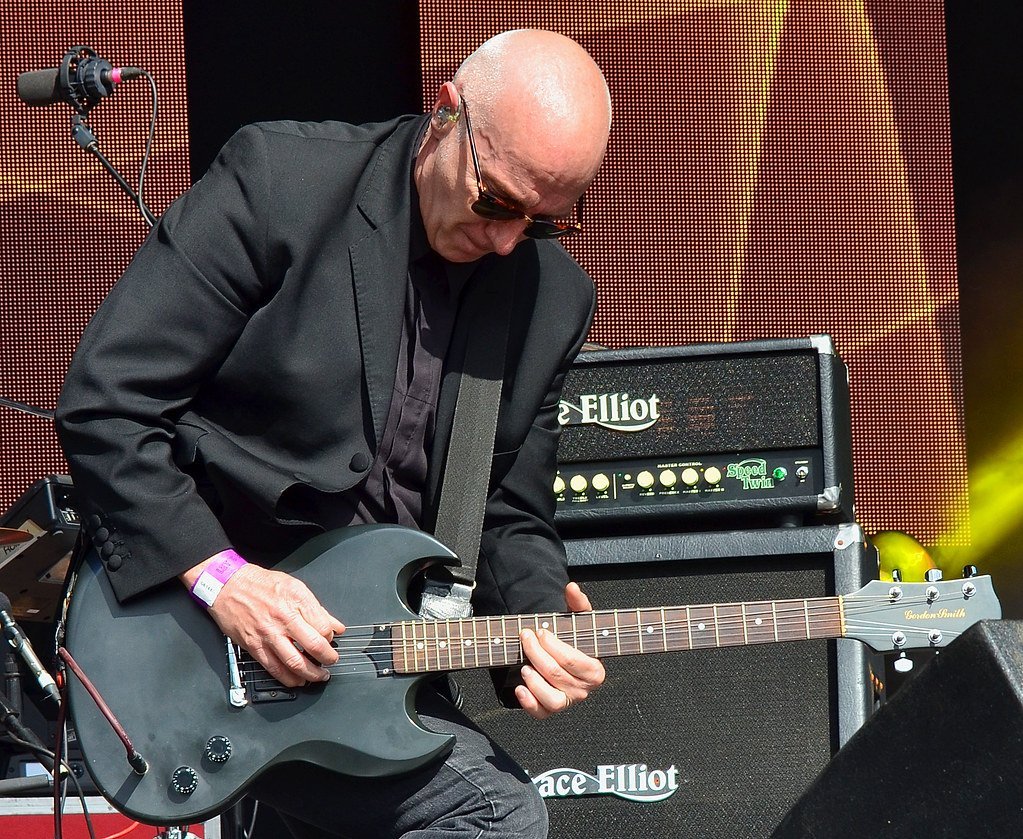
Forty years on, Live Aid’s blueprint lingers in every benefit gig and viral fundraiser.[1] It proved music heals, unites, and mobilizes like little else. Careers soared, policies shifted toward aid, and its spirit endures amid new crises.
Here’s the kicker: one day redefined generosity. What fact surprised you most? Share in the comments.[2]
CEO-Co-Founder
