

- The Beauty of Giving – How Generosity Transforms Your Mind, Your Relationships, and Your Life - September 12, 2026
- 10 Forgotten American Towns That Time and Tourism Revived - September 12, 2026
- The Real Lives Behind Classic Rock Ballads – 12 Songs You Never Knew Were Based on True Stories - September 12, 2026
Back in the 1980s, rock music ignited pure terror in some corners of society. Parents clutched their pearls over heavy riffs and dark imagery, convinced it lured kids straight to the underworld. The Satanic Panic swept through America, fueled by talk shows and hearings like the PMRC’s infamous Filthy Fifteen list, where bands faced accusations of devil worship just for edgy lyrics or stage makeup.
Churches warned of hidden messages and demonic pacts. Yet most of these groups were simply rebels pushing boundaries, not cult leaders. Let’s uncover eight rock bands that got slapped with the Satanic label – and why it never stuck.[1]
Black Sabbath
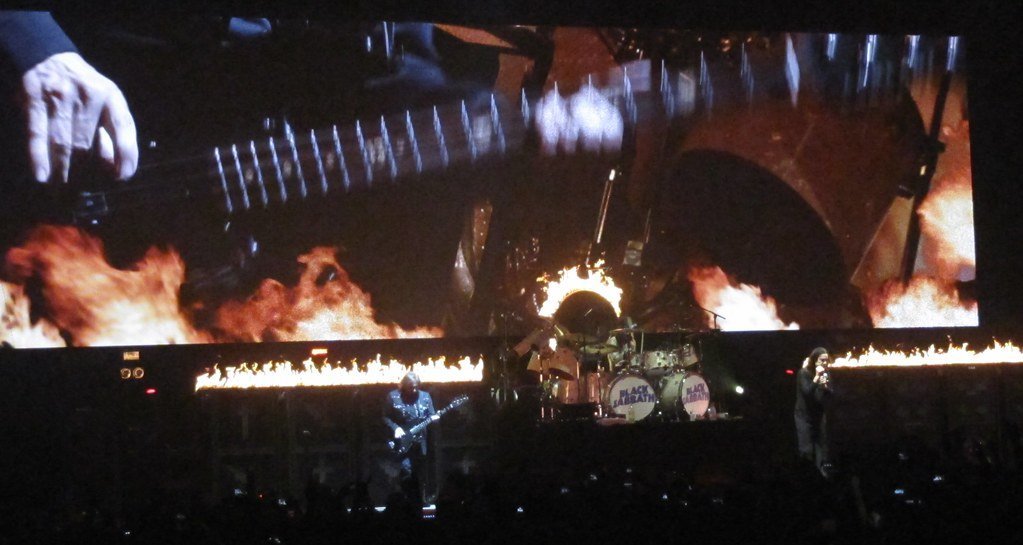
Black Sabbath kicked off the heavy metal era with ominous tones and titles like their self-titled debut track, evoking witches’ sabbaths. Critics zeroed in on Tony Iommi’s “Devil’s interval” tritone riff, claiming it summoned evil, while occult fans showed up chanting curses at gigs. The band’s name alone sparked sermons branding them devil’s disciples.
Reality check: every member was Christian, flashing crosses onstage for protection against real weirdos in the crowd. Tracks like “After Forever” preached faith outright. They warned about darkness, not worshipped it – pure storytelling from Birmingham’s gritty streets.[1]
Judas Priest
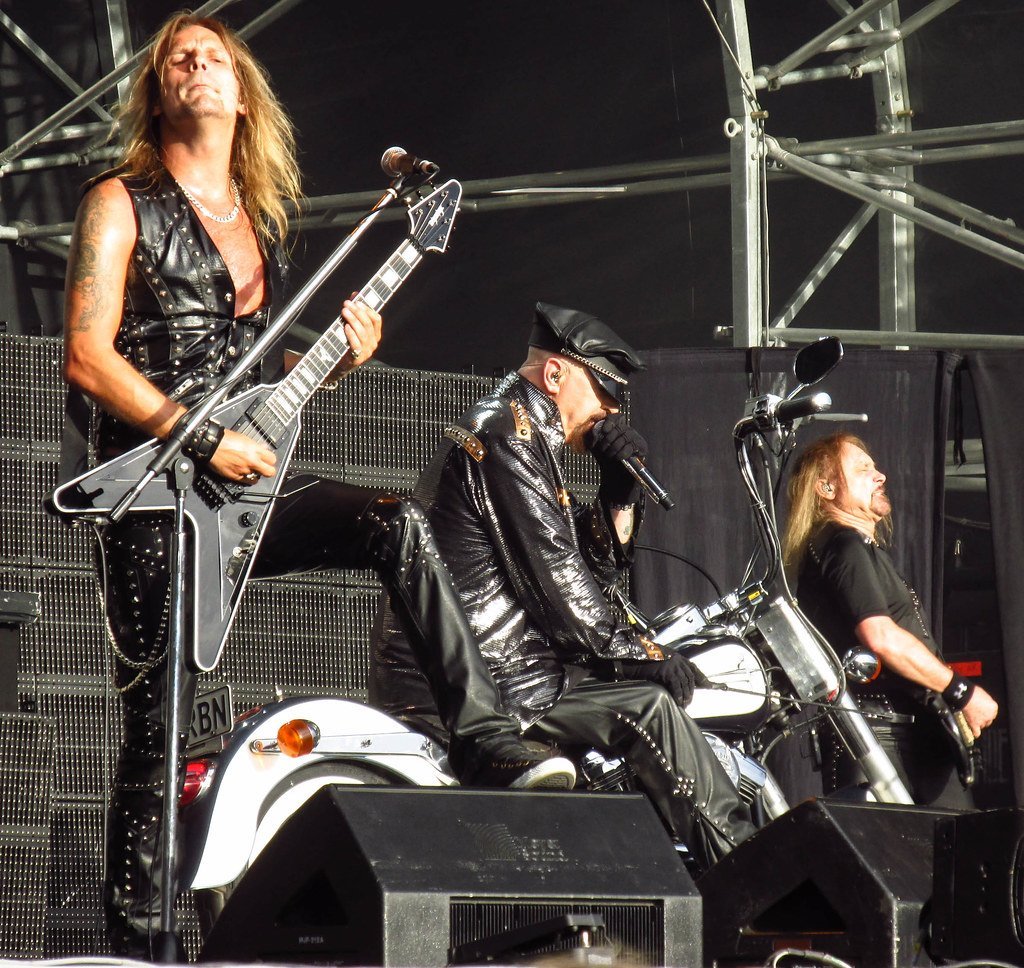
Judas Priest faced the ultimate courtroom drama in the 1990s when parents sued, alleging backward messages in “Better By You, Better Than Me” drove teens to suicide. Religious groups piled on, linking the band’s name to biblical betrayal and Rob Halford’s leather-clad image to sin. Their metallic thunder was deemed a gateway to hell.
The trial exposed the hysteria: experts debunked subliminals as audio tricks, and Priest won handily. Halford prays regularly, crediting a higher power for his sobriety. It’s all about rebellion and power anthems, not rituals – honestly, who listens backward anyway?[1]
Iron Maiden
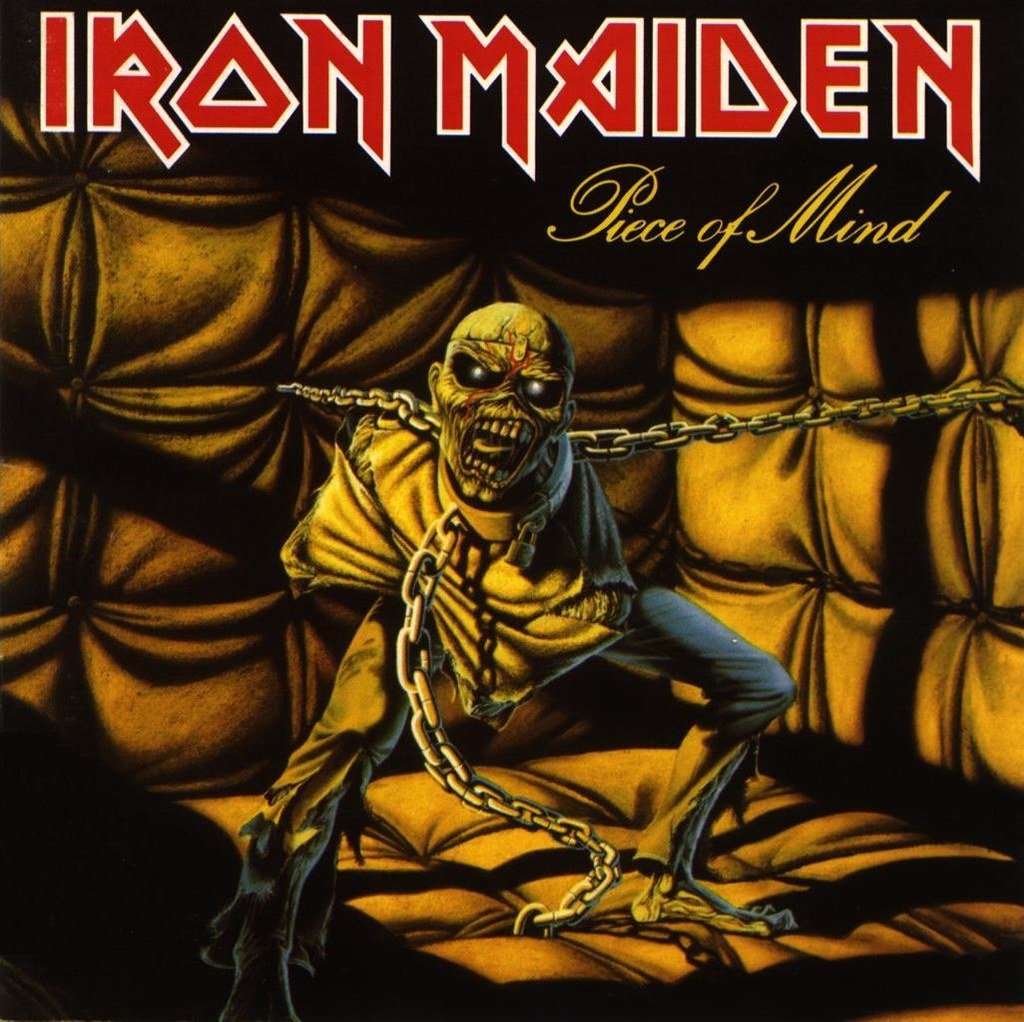
The Number of the Beast album dropped in 1982, and boom – Satanic Panic exploded over lyrics chanting “666, the one for you and me.” Eddie the mascot, a zombie-ish ghoul, got painted as Lucifer’s mascot, with churches boycotting shows. Maiden’s historical horror themes twisted into devil endorsements overnight.
Frontman Bruce Dickinson dove into ancient myths for inspiration, not spells. The band mocked the fuss, even parodying it in songs. No pentagrams in their Bibles; just epic tales to thrill fans. Fearmongers missed the point entirely.
AC/DC
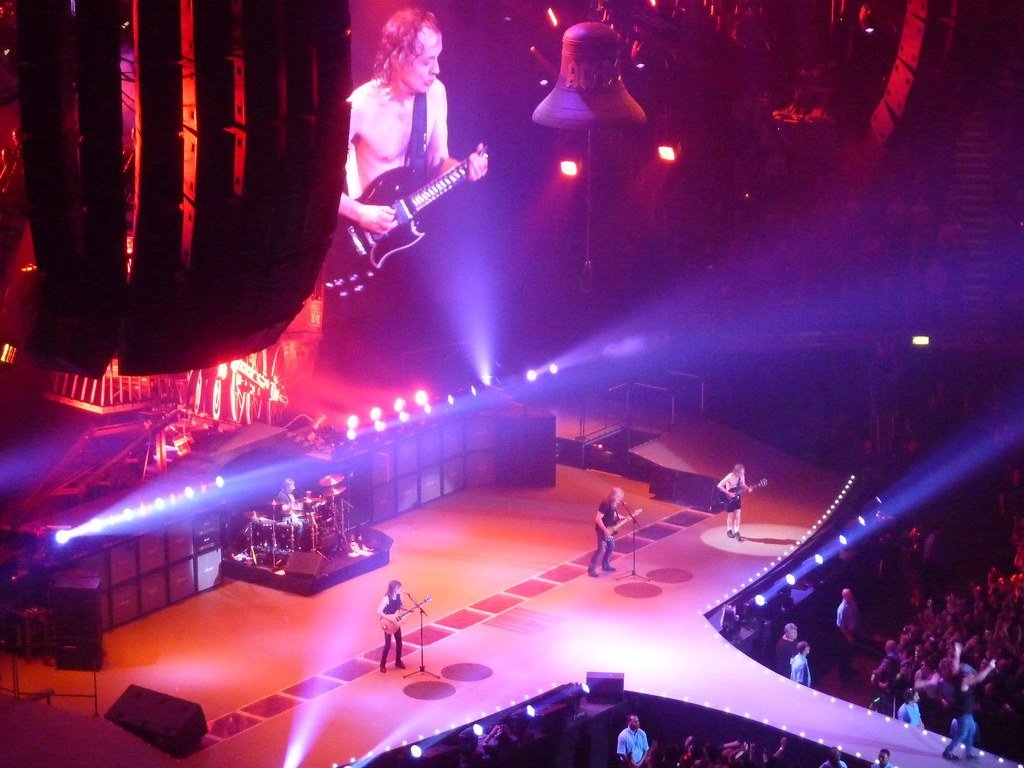
Highway to Hell screamed trouble for moral guardians, who decoded AC/DC as “Anti-Christ Devil’s Child.” Bon Scott’s wild tales of rock excess fueled claims of hellbound promotion, with album art showing devil horns. Conservative radio banned them, warning of eternal damnation.
Scott clarified it was about the touring grind, not theology – a metaphor for chaos. Brothers Angus and Malcolm Young grew up Catholic, far from occult circles. Their bluesy boogie? Just good-time party fuel, twisted by paranoid ears.
KISS
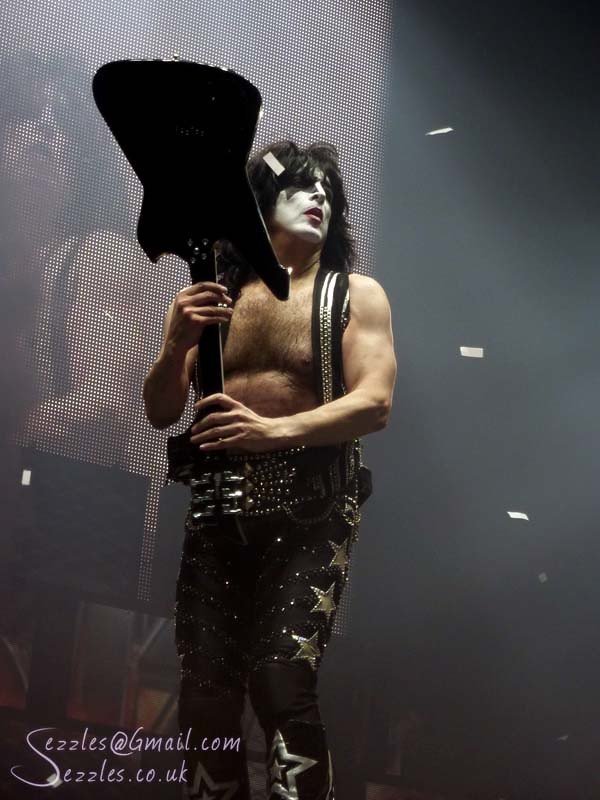
KISS makeup turned faces into demons, sparking rumors they were Knights In Satan’s Service. Blood-spitting pyros and platform heels had preachers thundering about end-times rock. Comic books depicting their “origin” as aliens from hell didn’t help.
Gene Simmons laughed it off as marketing genius – pure showbiz to sell tickets. No rituals, just kabuki-inspired theatrics from Jewish and Christian roots. They outgrew the panic, proving greasepaint beats brimstone any day.
Led Zeppelin
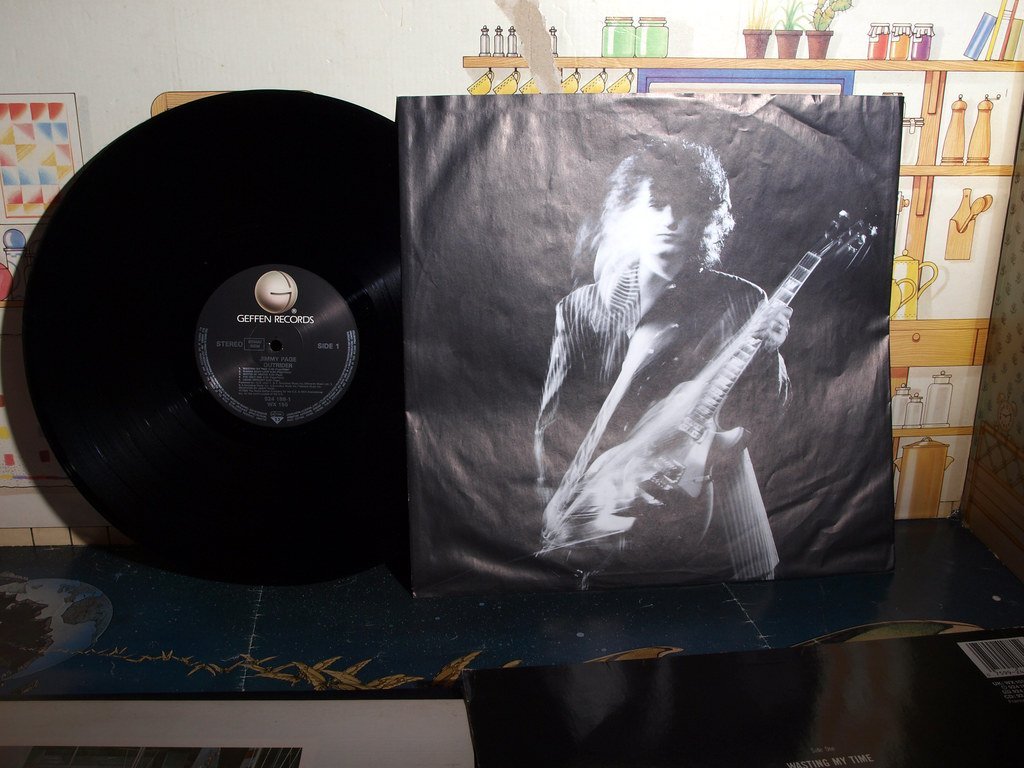
Jimmy Page’s fascination with Aleister Crowley raised eyebrows; he bought the occultist’s old mansion, and fans claimed Stairway to Heaven hid “Here’s to my sweet Satan” when reversed. Shark episode rumors and symbols sealed their dark rep. Zeppelin’s mystic vibes got demonized quick.
Page admired Crowley’s rebellion, not Satan worship – more philosophy than pacts. Robert Plant dismissed backmasking as nonsense; play it backward, it’s gibberish. Their magic was musical alchemy, challenging norms without the horns.
Mötley Crüe
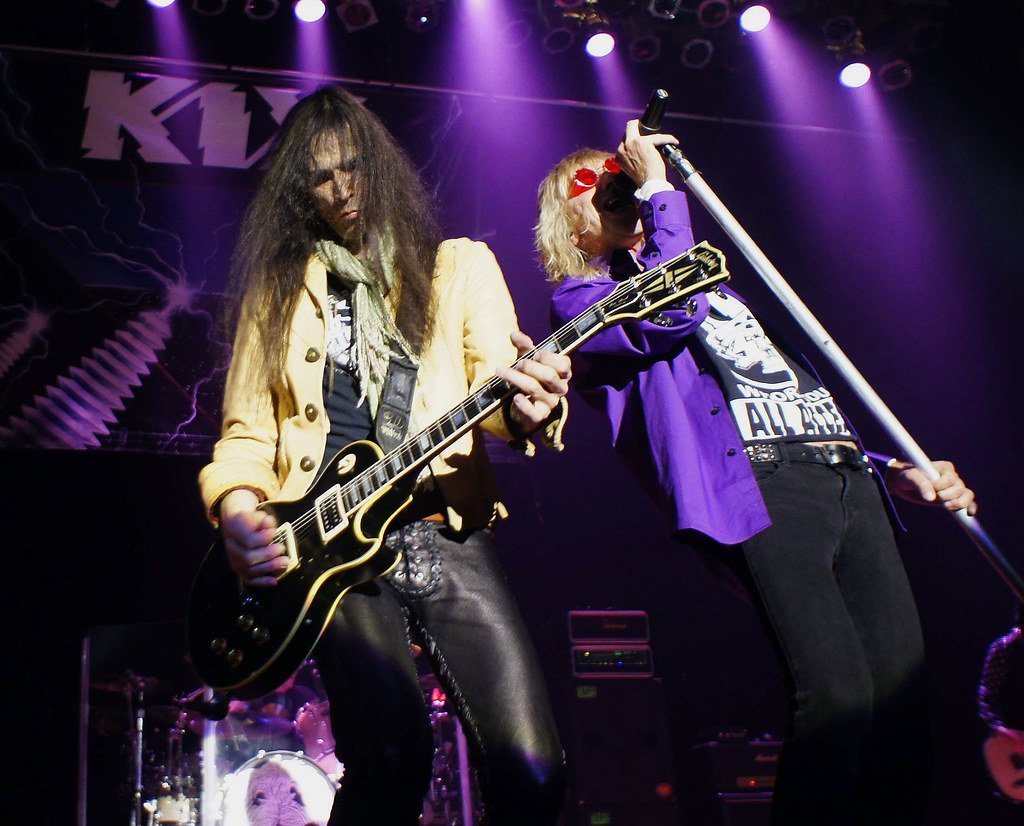
Shout at the Devil’s pentagram sleeve and snarling title track had Christians raging in 1983, seeing it as a Satanic manifesto. Nikki Sixx’s devil imagery screamed cult recruitment amid their party-hard excess. PMRC senators called them out by name.
Sixx meant it as inner demons and defiance against foes, not literal devil calls. The Crüe partied with danger but denied any faith in the dark side. Rebellion wrapped in excess – shocking, sure, but no altars involved.[1]
Twisted Sister
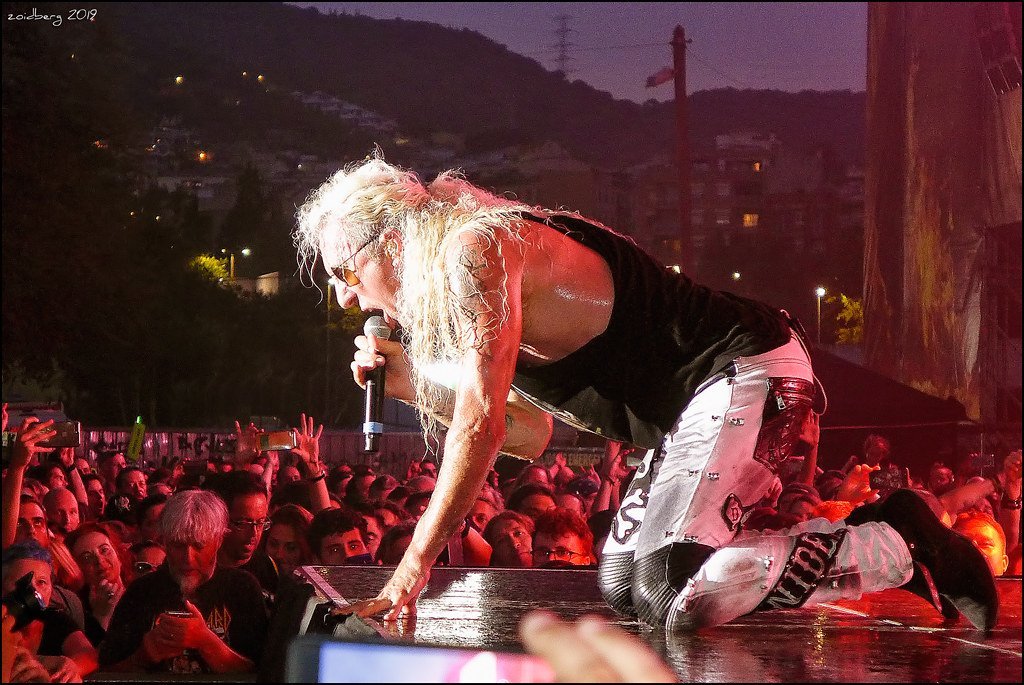
Dee Snider’s androgynous look and “Under the Blade” got PMRC-listed for occult nods, twisted into ritual sacrifice tales. Video bans followed, with parents fearing Satanic brainwashing via hairspray anthems. They embodied the era’s moral meltdown.
Snider testified before Congress, defending free speech with family-man charm. Lyrics drew from horror flicks, not covens – pure camp. He raised kids Catholic, proving the panic’s wild overreach.
Conclusion
These bands rattled cages because rock thrives on the forbidden, mirroring society’s shadows without embracing them. The Satanic label faded as facts outshone fear, leaving a legacy of bold expression. Music challenges norms, sparks debate, and survives the witch hunts.
Next time you crank up a riff, remember: it’s art, not apocalypse. Which band’s story surprises you most? Drop your thoughts below.

Besides founding Festivaltopia, Luca is the co founder of trib, an art and fashion collectiv you find on several regional events and online. Also he is part of the management board at HORiZONTE, a group travel provider in Germany.
