

- How 20 Memory Palaces Actually Work – And Why the Ancients Swore By Them - September 15, 2026
- Why Some of the 20 Most Read Books Were Once Declared Dangerous - September 15, 2026
- 7 Paintings That Were Once Considered Ugly – Now Priceless - September 15, 2026
There’s something almost magical about a perfectly crafted sitcom episode. You can watch it for the fifth time, on a rainy Tuesday, and still laugh so hard your coffee goes cold. Great comedy doesn’t age the way fashions do or politics do. It taps into something deeper – the universal clumsiness of being human, the chaos of relationships, and the absurd gap between who we think we are and who we actually are.
The best thing about comedy is that if it’s done right, it never ages. You can rewatch the classics over and over again and laugh just as hard as you did the first time. And in 2026, with every streaming platform imaginable at our fingertips, people are still going back to episodes from the 1950s, the 70s, and the 90s. That says everything. So buckle up, because this list is about to take you on a trip through some of television’s most brilliantly funny half-hours. Let’s dive in.
I Love Lucy – “Job Switching” (Season 2, Episode 1, 1952): The Chocolate Factory That Broke Television

Here’s the thing – if you’ve never seen this episode, you’ve almost certainly seen a reference to it. After Ricky becomes angry because Lucy is forever overdrawn at the bank, the couples make a deal to “change places,” with the boys handling housework while the girls go out to earn a living. Lucy and Ethel end up wreaking havoc at a local candy factory, attempting to wrap chocolates off a conveyor belt. The belt speeds up. They panic. They start stuffing chocolates into their hats, their blouses, and their mouths. It is, without question, one of the funniest three minutes in television history.
What made the chocolate factory scene so special was how it highlighted the hilarious dynamic between Lucy and Ethel. Their shared panic and determination to “succeed” despite the absurd circumstances perfectly showcased their friendship. The humor wasn’t just about the situation but about the characters and their relationship. What’s remarkable is that Lucille Ball was a comedy genius, and physical comedy is universal. Even a viewer who has never heard of the show will watch that conveyor belt sequence and lose it completely. The iconic 1952 scene led to many parodies and references in the decades since, both in the world of sitcoms and beyond.
Seinfeld – “The Contest” (Season 4, Episode 11, 1992): The Funniest Episode About Nothing
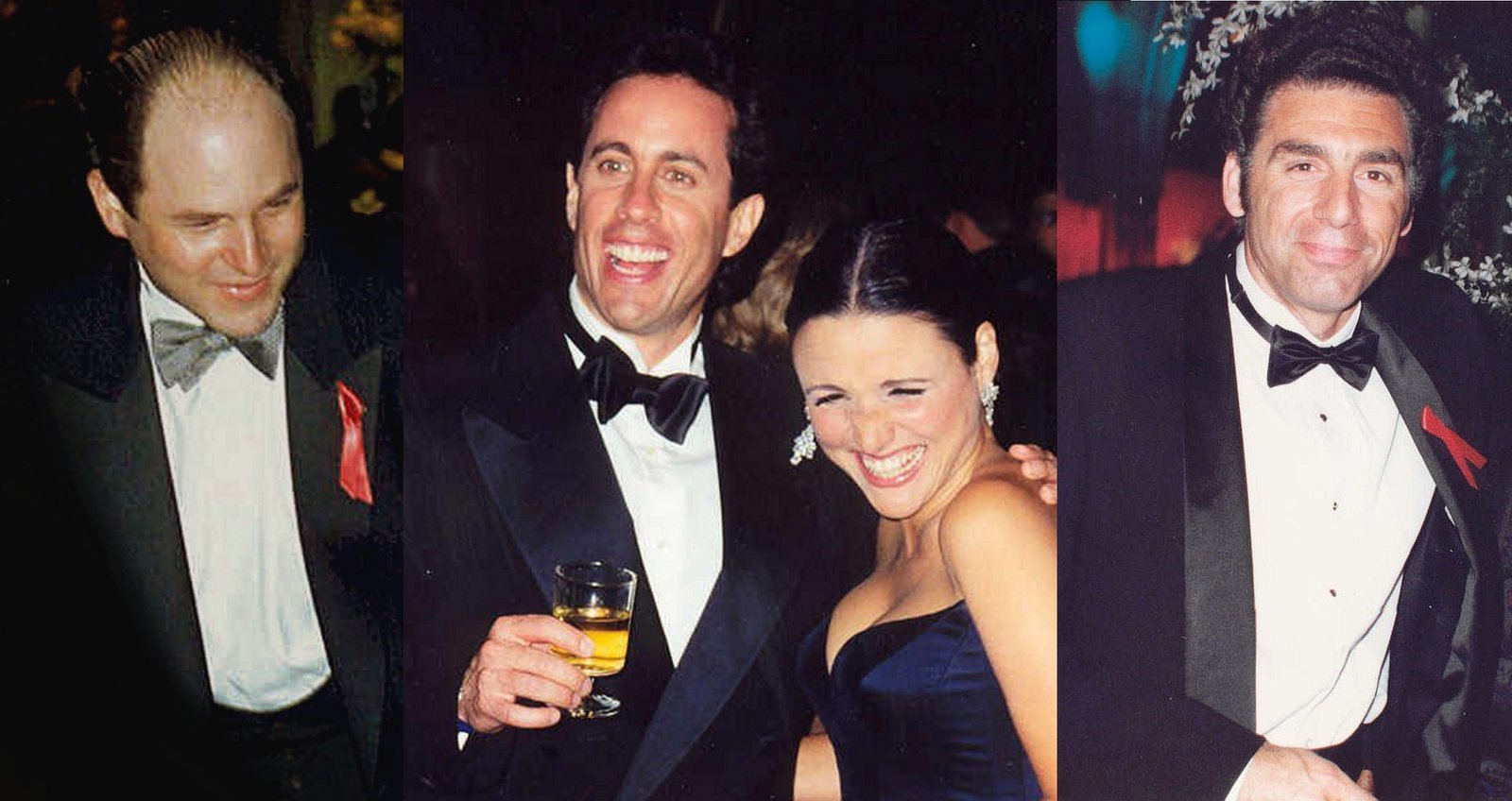
File:Jasonalexander jerryseinfeld.jpg by Alan Light
File:Jerry Seinfeld, Julia Louis-Dreyfus 1997.jpg by Alan Light
File:Michael Richards (1993).jpg by Alan Light, CC BY 2.0)
I honestly think “The Contest” might be the most cleverly written episode in sitcom history. It is the eleventh episode of the fourth season, written by Larry David and directed by Tom Cherones, originally airing on NBC on November 18, 1992. In the episode, Jerry, George, Elaine, and Kramer hold a contest to determine who can go the longest without masturbating. As NBC executives felt the topic was unsuitable for prime time, the word itself is never used in the episode.
The episode’s true genius lies in its masterful use of innuendo to avoid directly stating what the contest is about, which allowed it to air on network television despite its controversial subject matter. That effort landed it a Primetime Emmy for Outstanding Writing. The comedy comes not just from the concept but from each character’s unique weakness. There’s a beautiful nude woman in an apartment across the street from Jerry, which leads to Kramer being knocked out of the contest very quickly, in the episode’s biggest laugh moment. In 2009, “The Contest” was ranked number one on TV Guide’s list of the “100 Greatest Episodes.” Still the champ.
Frasier – “The Ski Lodge” (Season 5, Episode 14, 1998): A Farce So Perfect It Hurts

If you want to understand what farce looks like at its absolute peak, this is your episode. The cast ends up at a ski lodge for the weekend, and a comedy of errors unfolds where nearly every character is in love with the wrong person, chasing them into the wrong bedroom, and completely oblivious to the chaos they’re creating. It’s like a Feydeau play, only funnier and set in snowy Colorado.
Frasier offers classy, timeless comedy, built on wordplay, communication breakdowns, and the hilarious blunders of a lovably pompous blowhard. Each episode is like an impeccably crafted and perfectly paced one-act play. “The Ski Lodge” takes all of those ingredients and cranks them to eleven. What makes rewatching Frasier so satisfying is how it rewards intelligence without being exclusionary. You don’t need to understand every highbrow reference to laugh at Frasier desperately trying to impress someone and failing spectacularly. This episode is the proof of that pudding.
Friends – “The One Where Everybody Finds Out” (Season 5, Episode 14, 1999): The Art of Comic Revelation
Let’s be real – Friends had dozens of great episodes. But this one? It’s something special. Monica and Chandler have been secretly dating, and the episode revolves around who knows, who doesn’t know, and the hilarious chain reaction that follows when Phoebe discovers the truth and decides to use it as leverage. The scene where Phoebe and Chandler pretend to flirt with each other while both secretly knowing the other knows is a masterclass in comedic performance.
Everyone loves a good sitcom because the popular TV genre knows how to deliver laughs, tears, and everything in between. Sitcoms like Friends and Seinfeld pack a punch through their memorable characters, iconic one-liners, and revolving doors of mundane to absurd situations. They thrive on good writing, great performances, and a good dash of originality. This episode has all three in abundance. The reveal of Monica and Chandler’s relationship had been built up over an entire season, and this episode delivers the payoff with surgical comedic timing that still earns massive laughs today.
M*A*S*H – “Abyssinia, Henry” (Season 3, Episode 24, 1975): When a Sitcom Broke Your Heart Laughing
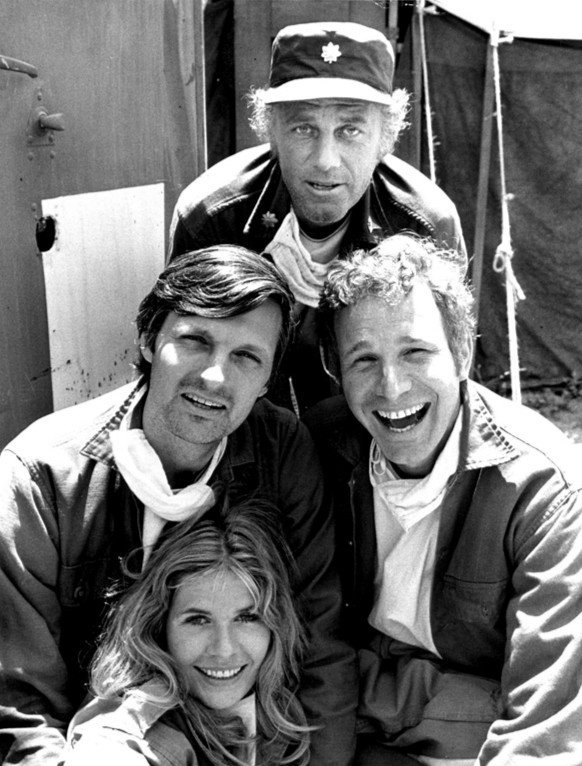
(Original text : eBay item
photo front
photo back), Public domain)
This entry is a little different. M*A*S*H was never just a funny show. The staff of an Army hospital in the Korean War find that laughter is the best way to deal with their situation. “Abyssinia, Henry” is the season three finale, and it ends with one of the most genuinely shocking moments in television history. Colonel Henry Blake is discharged and heads home – and then Radar delivers the news that his plane was shot down over the Sea of Japan. No survivors.
The episode works as comedy right up until that final moment, and then everything changes. That combination – genuine laughter followed by genuine grief – is something incredibly few shows have ever pulled off. It proves that comedy doesn’t exist in isolation from human feeling. The episode is still widely discussed nearly fifty years later, not as a historical curiosity, but as an example of storytelling that genuinely moved audiences in ways that were previously unimaginable for a network sitcom.
Cheers – “Thanksgiving Orphans” (Season 5, Episode 9, 1986): The Greatest Food Fight on Television
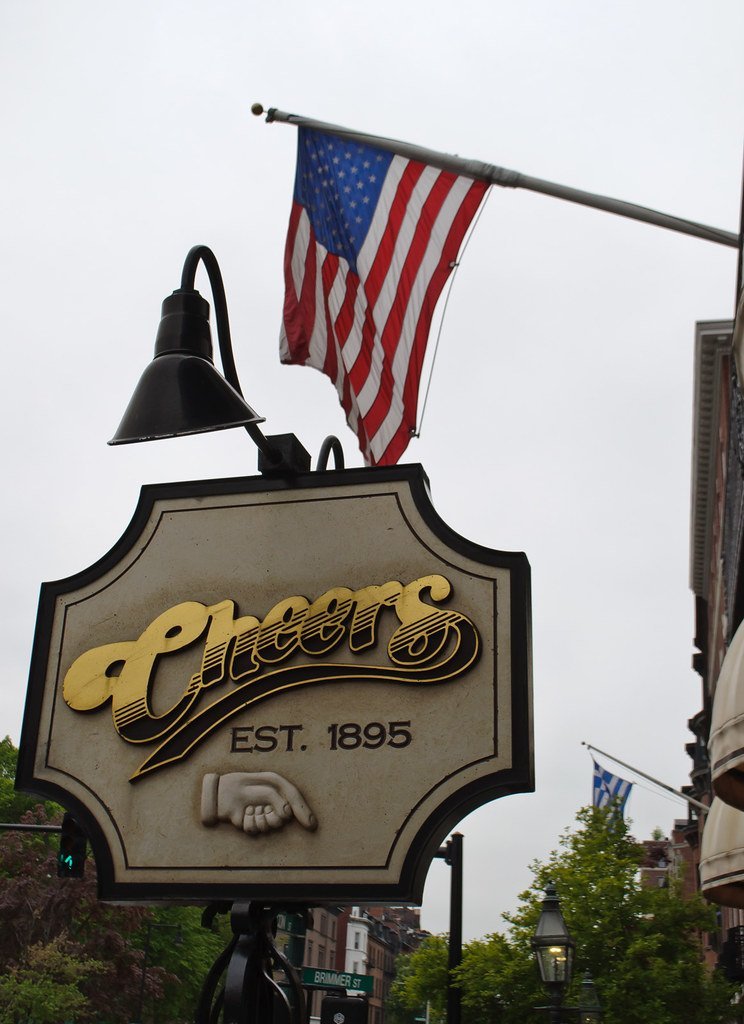
Cheers was consistently brilliant, but this episode reaches a special kind of lunacy. The gang at Cheers decides to host their own Thanksgiving dinner after various plans fall through. Carla’s turkey refuses to cook. The meal descends into chaos. What keeps audiences coming back to Cheers is its warmth. Despite all the zingers and putdowns, there’s genuine affection between these characters. It’s comfort food in sitcom form. And this episode is the ultimate expression of that – warmth wrapped in gravy-splattered disaster.
Cheers is widely acknowledged as one of the greatest sitcoms ever made, even though its first season tanked in the Nielsen ratings. Over the next eleven seasons, the show garnered an incredible 117 Primetime Emmy nominations, winning 28. The Thanksgiving episode crystallizes what made Cheers so special – it took a group of misfits and turned them into a family, then made that family do something ridiculous together. The food fight at the end remains one of the most gleefully absurd finales any sitcom episode has ever produced.
The Golden Girls – “The One That Got Away” (Season 6, Episode 1, 1990): Dorothy’s Deadpan at Its Finest
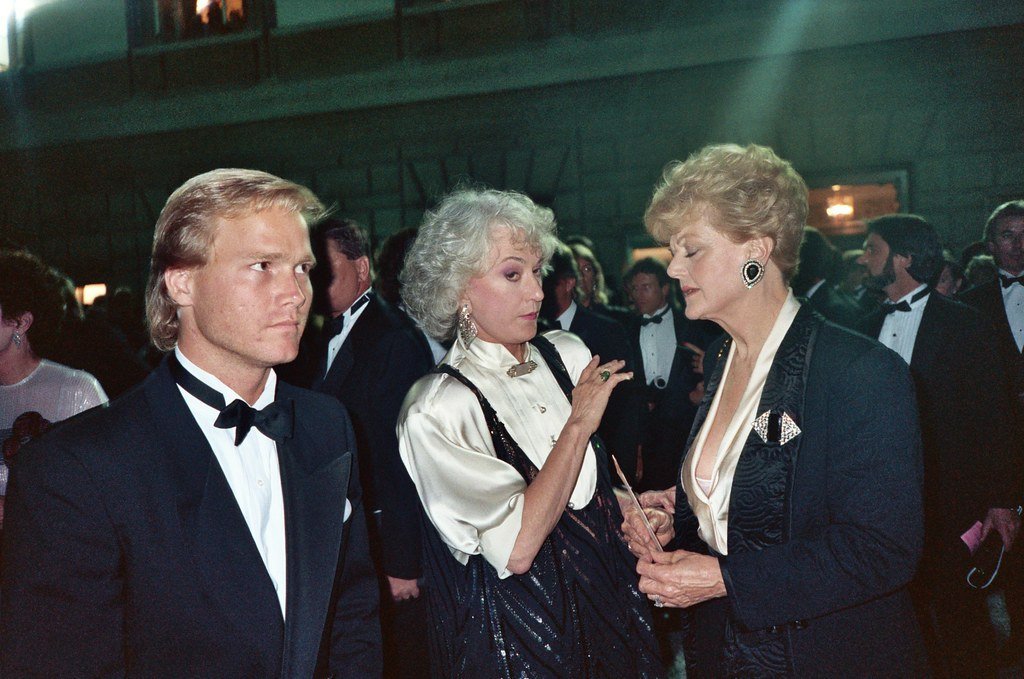
People often underestimate The Golden Girls. They see the premise and assume it’s gentle, cozy viewing for a niche audience. They are wrong. Four older women living together in Miami, discussing life over cheesecake – this premise broke every rule of what network executives thought would sell. And yet, decades later, The Golden Girls feels more relevant than ever. The show tackled topics that other sitcoms wouldn’t touch: aging, death, sexuality, social issues – all while being genuinely hilarious.
The premise of the show is simple: a recent widow, Blanche Devereaux, opens her Miami home to divorcée Dorothy Zbornak, widow Rose Nylund, and Dorothy’s mother Sophia. The series was revolutionary for the way it portrayed the careers and sexuality of older women, and sets the bar for incredible jokes throughout. Season 6’s premiere is a masterclass in the ensemble dynamic that made the show tick. The chemistry between these four women carries every scene effortlessly. Fresh wit paired with a range of social issues turned The Golden Girls into a sitcom benchmark, earning it dozens of awards over its seven-season run. Few actors can claim to have the sparkling chemistry shared between Betty White, Bea Arthur, Estelle Getty, and Rue McClanahan.
Everybody Loves Raymond – “Marie’s Sculpture” (Season 6, Episode 5, 2001): The Most Uncomfortable Laugh You’ll Ever Have

In this Season 6 episode, Ray and Debra are horrified when Marie presents them with an abstract sculpture she made in art class which bears an unmistakable resemblance to the female anatomy. The brilliance lies in nobody being able to say what they’re actually thinking. Marie is proud. She has no idea. The family is mortified. Ray’s face does more comedic work than most actors manage in an entire career.
The funniest episodes of Everybody Loves Raymond use a really mundane scenario to showcase the deep dysfunctions within the Barone family. Something that should be really simple becomes a near-impossible task just because it requires all these people to get on the same page. That’s the show in a nutshell, and this episode is its purest form. While the show ended twenty years ago, it remains as relatable and funny today as it was back then, if not more so. Honestly, watching this episode is a guaranteed full-body laugh.
The Dick Van Dyke Show – “That’s My Boy??” (Season 1, Episode 1, 1961): The Paranoid Father Classic
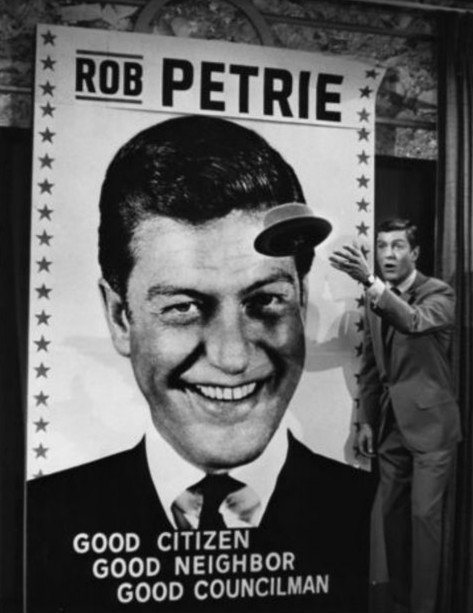
photo front
photo back, Public domain)
This is the very first episode of the series, and it immediately established the show as something extraordinary. Rob Petrie is convinced that he and his wife Laura accidentally took home the wrong baby from the hospital. He becomes increasingly obsessive about it, eventually ambushing the other family to compare babies. The twist at the end – when the “other family” turns out to be a Black couple – is a genuinely clever subversion that still works beautifully today.
Classic TV shows like I Love Lucy, which premiered in 1951, helped pioneer the format in which familiar characters find themselves in situations – whether realistic or ridiculous – that become fodder for laughs, usually within a tight 22-minute episode. The Dick Van Dyke Show took that format and elevated it with sharper writing and a more sophisticated comedic sensibility. The writing on this debut episode is so tight, so precisely structured, that it feels like a magic trick – setup after setup landing perfectly, building to a punchline that leaves you shaking your head in delighted disbelief.
Blackadder Goes Forth – “Corporal Punishment” (Season 4, Episode 2, 1989): Comedy in the Trenches
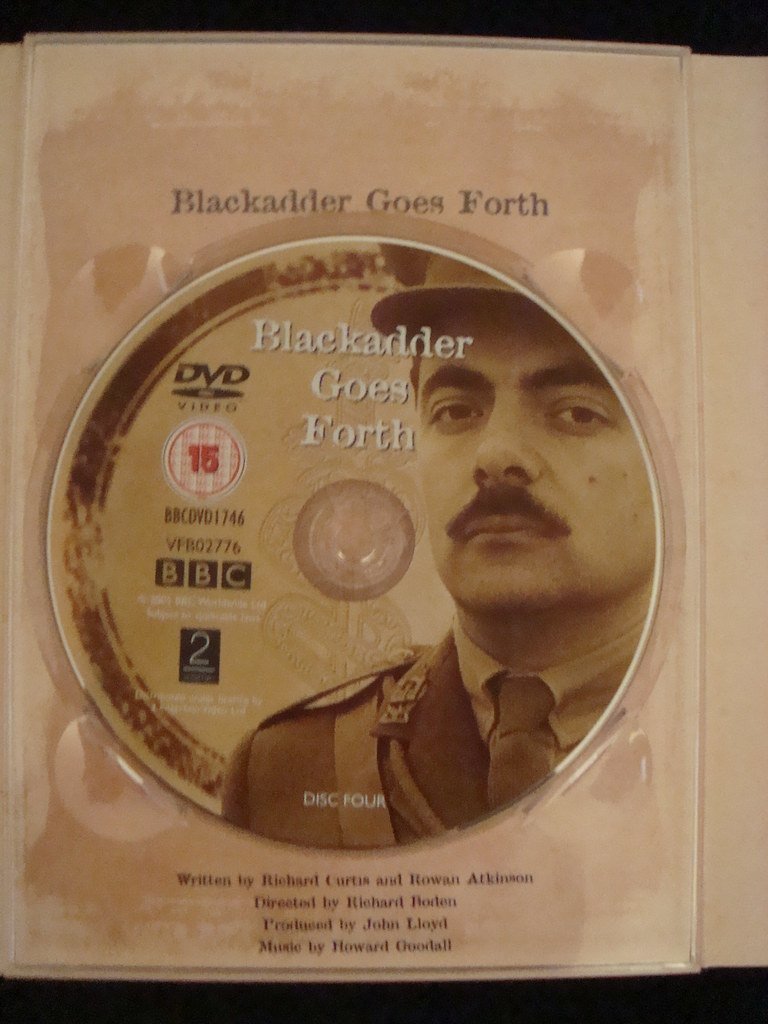
British sitcoms deserve a spot on this list, and Blackadder Goes Forth is impossible to overlook. Set in the trenches of World War One, the show mines pitch-black comedy from the most miserable circumstances imaginable, and it works magnificently. The episode “Corporal Punishment” sees Blackadder sentenced to death for shooting General Melchett’s beloved pigeon – a transgression he committed because it ate his last piece of food.
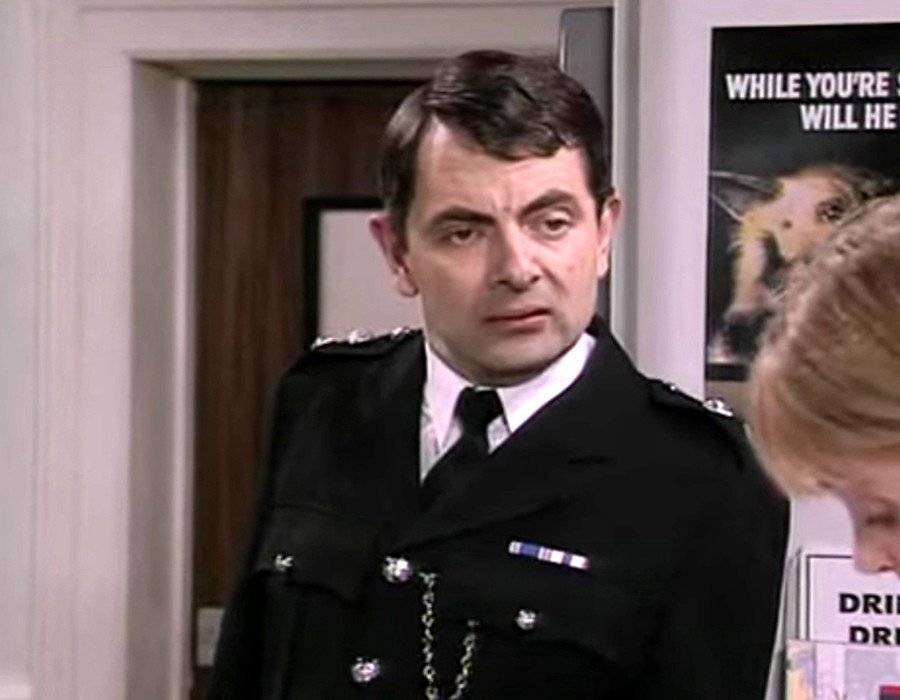
Blackadder combines the incomparable brilliance of Rowan Atkinson, Tony Robinson, Miranda Richardson, Hugh Laurie, and Stephen Fry into a surreal tear-down of the British class system. Observed through Edmund Blackadder, four characters separated by fate and time, Blackadder takes audiences through a roster of jokes that are too inimitable to turn into comedy tropes. Atkinson’s deadpan charm and Robinson’s inane banter are two reasons to rewatch Blackadder over and over again. The climax of this episode – Blackadder’s attempts to wriggle out of his own execution – is a relentlessly escalating comic nightmare that is, simply put, perfect.
Seinfeld – “The Soup Nazi” (Season 7, Episode 6, 1995): A Catchphrase Becomes a Monument
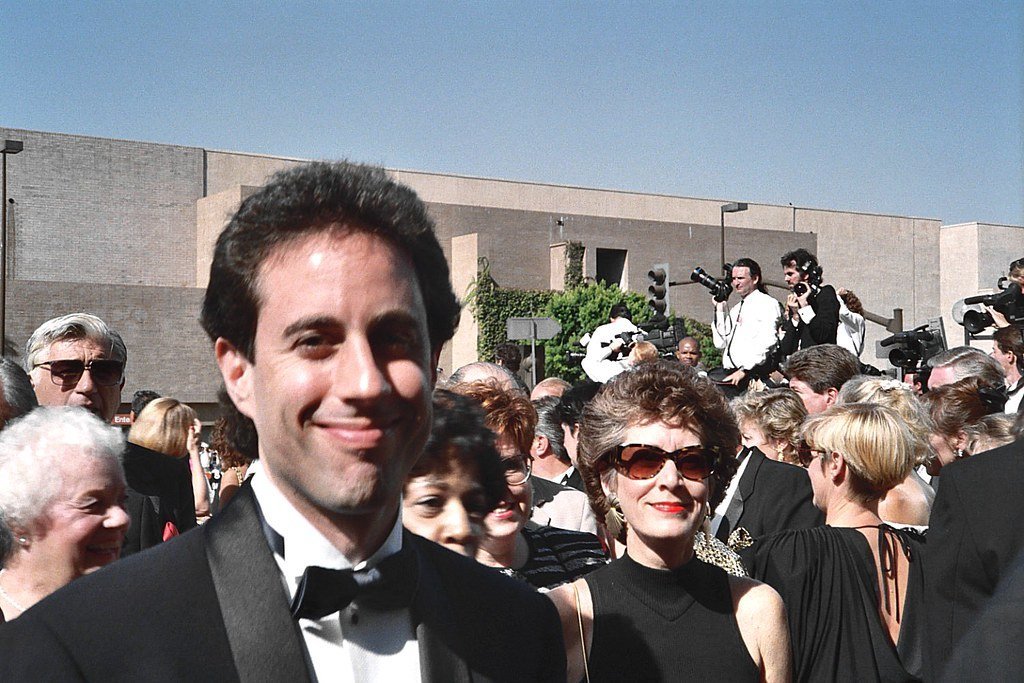
Jerry and the gang become obsessed with a local soup stand run by a temperamental chef known as the “Soup Nazi.” His strict ordering rules lead the gang to clash with him, resulting in their banishment from the restaurant. The Soup Nazi cemented the guest actor’s legacy as one of the most famous in the show’s history and set off a pop culture phenomenon. The character is based on a real New York soup vendor and is the perfect example of Seinfeld’s ability to elevate a small, everyday New York situation into an enduring comedic moment.
What makes this episode so rewatchable isn’t just the Soup Nazi himself – brilliant as he is – it’s the way every character responds to him differently. Elaine defies him. Kramer befriends him. George can’t handle him at all. The beauty of Seinfeld lies in its ability to find humor in the mundane. A soup line. A set of rules. A banishment. Somehow that becomes one of the funniest twenty-two minutes ever committed to tape. The phrase “No soup for you!” entered the cultural lexicon permanently – and it shows no signs of leaving.
Everybody Loves Raymond – “She’s the One” (Season 7, Episode 2, 2002): The Grossest, Funniest Moment in the Show’s Run

Robert’s new girlfriend seems absolutely perfect for him – until Ray discovers she eats flies. That single sentence should tell you everything. The comedy here builds on Robert’s desperate desire to finally find happiness, Ray’s complete inability to keep what he witnessed to himself, and the rest of the family’s gradually escalating horror and fascination as the truth comes out.
The facial expressions and Ray’s screams of disgust earned this episode an IMDb rating of 9.0. Per user reviews, it’s described as one of the funniest of any sitcom, something people can rewatch and see something new every time. It’s absurd, ridiculous, and completely committed to its premise. The show never loses its warmth even in its most outrageous moments – and that balance is what has kept audiences rewatching Everybody Loves Raymond for decades. There are few sitcoms that have managed to be funny with wacky premises while also hitting close to home in terms of family relationships. Regardless of whether you happen to be an Italian-American family from Long Island, most people can relate or draw similarities with this eccentric, somewhat dysfunctional cast of characters.
A Timeless Legacy Worth Celebrating
Here’s what all twelve of these episodes have in common. They don’t rely on topical references that date badly. They don’t coast on nostalgia. They work because they understand something fundamental about human beings – that we are awkward, scheming, embarrassing, lovable creatures who are perpetually in over our heads.
Great comedy isn’t about being current or trendy. It’s about truth, timing, and the universal absurdities of being human. These sitcoms endure because they captured something essential about human nature. They found humor in our flaws, our relationships, our dreams and failures. A conveyor belt full of chocolates. A contest no one should ever admit to having. A soup dictator with a ladle. These images transcend their eras because they tap into something that doesn’t change with time.
Sitcoms like Friends and Seinfeld pack a punch through their memorable characters, iconic one-liners, and revolving doors of mundane to absurd situations. They thrive on good writing, great performances, and a good dash of originality. The episodes on this list represent sitcom writing at its finest – moments when everything clicked, when the writing, the performance, the timing, and the premise all aligned perfectly.
So the question worth sitting with is this: in thirty years, which episodes airing right now will people still be watching with the same kind of joy? That’s a genuinely hard question to answer – but the classics on this list suggest the bar is impossibly high. What episode on this list hits closest to home for you? Tell us in the comments.

Besides founding Festivaltopia, Luca is the co founder of trib, an art and fashion collectiv you find on several regional events and online. Also he is part of the management board at HORiZONTE, a group travel provider in Germany.
