


- 20 Protagonists Based on Authors’ Enemies - September 16, 2026
- 20 Defining Live Performances of Iconic Songs - September 16, 2026
- 20 Discoveries Made by Accident in the Middle of a Crisis - September 16, 2026
There is something genuinely special about sitting down to watch a film you have already seen a dozen times, and somehow still feeling that same spark of excitement. The 1990s produced a staggering number of movies that do exactly that. After the tame corporate blockbusters of the 80s, the 90s gave us runaway creativity, a fertile indie scene, and blockbusters with soul. This was the decade when spectacle met sincerity, when movie technology leaped forward but storytelling stayed grounded in character and heart.
Many movies from the 90s resonated deeply with the cultural zeitgeist, addressing social issues, reflecting societal changes, and capturing the spirit of the time. These original, unconventional, and innovative films often became part of the collective consciousness and continue to hold a special place in popular culture. Whether you grew up in that decade or discovered these films later, some of them simply refuse to let you go. Let’s dive in.
The Shawshank Redemption (1994): Hope as a Superpower
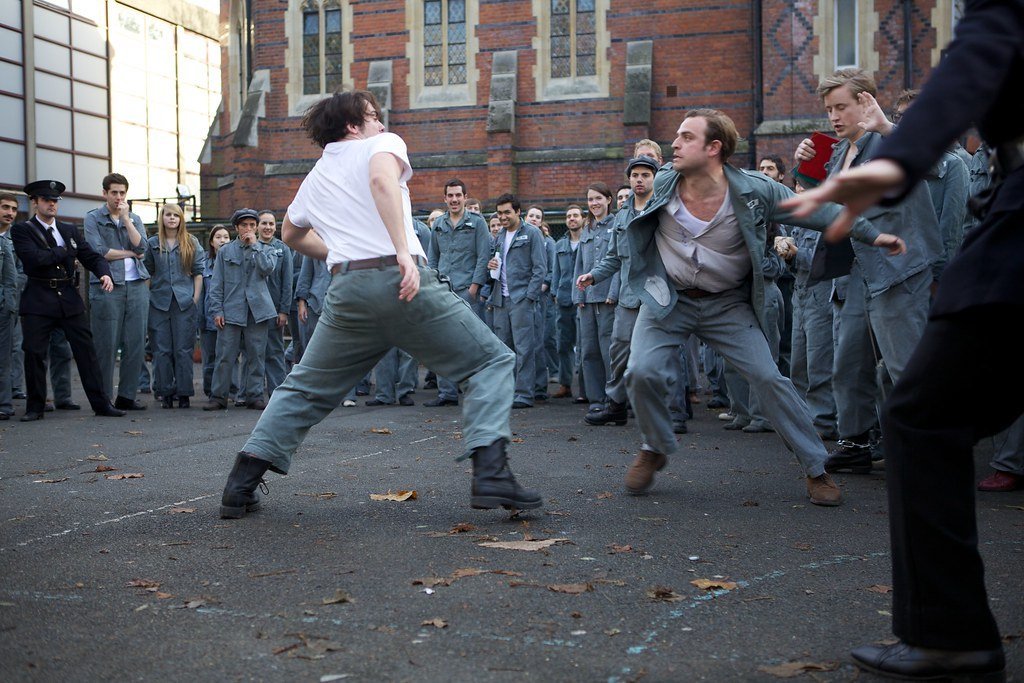
Here’s the thing about The Shawshank Redemption – it was not even a huge hit when it first came out. Though it initially flopped, The Shawshank Redemption has become highly acclaimed and constantly rewatched over the years. It’s full of legendary moments and lines so iconic that they’ve become immortalized in pop culture. It’s a compelling and touching story that only gets more emotional and incredible.
It’s one of the most powerful movies about the triumph of the human spirit. Tim Robbins and Morgan Freeman give warm, lived-in performances, making one of the most touching male friendships in all of cinema. Around them, prison walls, usually symbols of despair, become the backdrop for dignity, friendship, and patience blooming in impossible soil.
Although Pulp Fiction and Forrest Gump got more attention on release, The Shawshank Redemption’s reach arguably eclipsed both. It’s beloved by countless people, evident in it still being the all-time highest-rated movie on IMDb. Honestly, that says everything you need to know.
Pulp Fiction (1994): The Movie That Changed Everything
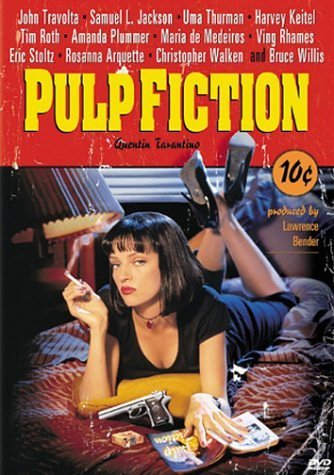
Director Quentin Tarantino changed the face of modern cinema with this stylish crime drama that weaves together multiple storylines featuring hitmen, gangsters, and an actress. Known for its razor-sharp dialogue and unforgettable characters, the film’s nonlinear narrative keeps you guessing until the very end. With the help of iconic performances from John Travolta, Samuel L. Jackson, and Uma Thurman, Pulp Fiction remains a groundbreaking favorite.
Pulp Fiction is truly Tarantino’s magnum opus and the most rewatchable film in his body of work. It was an original way to tell a story. The dialogue is memorable, and Samuel L. Jackson is iconic. Pulp Fiction left a mark on the world as a cultural phenomenon, influencing other media, fashion, and art.
Think of it like a puzzle box. The first time you watch it, you’re just trying to follow the timeline. Every time after that, you catch something new, a glance, a callback, a line that lands differently. That is what genuine rewatchability looks like.
Jurassic Park (1993): A Film That Still Inspires Childlike Awe

Whether it’s your first watch or your twentieth, Jurassic Park still ignites childlike awe. That first brachiosaurus moment almost feels religious; the T-rex attack remains one of the most thrilling sequences ever filmed, and the raptors are pure nightmare fuel in the best way.
The story is endlessly rewatchable, the characters are memorable, the lines are constantly referenced today, and the CGI effects used to bring the dinosaurs to life look so incredibly spectacular that they truly made this film timeless. That is a rare achievement for any effects-driven movie. Usually, dated visuals kill the magic. Here, they never do.
I think part of the reason Jurassic Park holds up so well is that Spielberg always put character reaction front and center. It’s not just the dinosaurs you’re watching. It’s the look on a child’s face seeing a living brachiosaurus for the very first time. That’s the real magic.
Goodfellas (1990): The Crime Movie You Can Never Quit
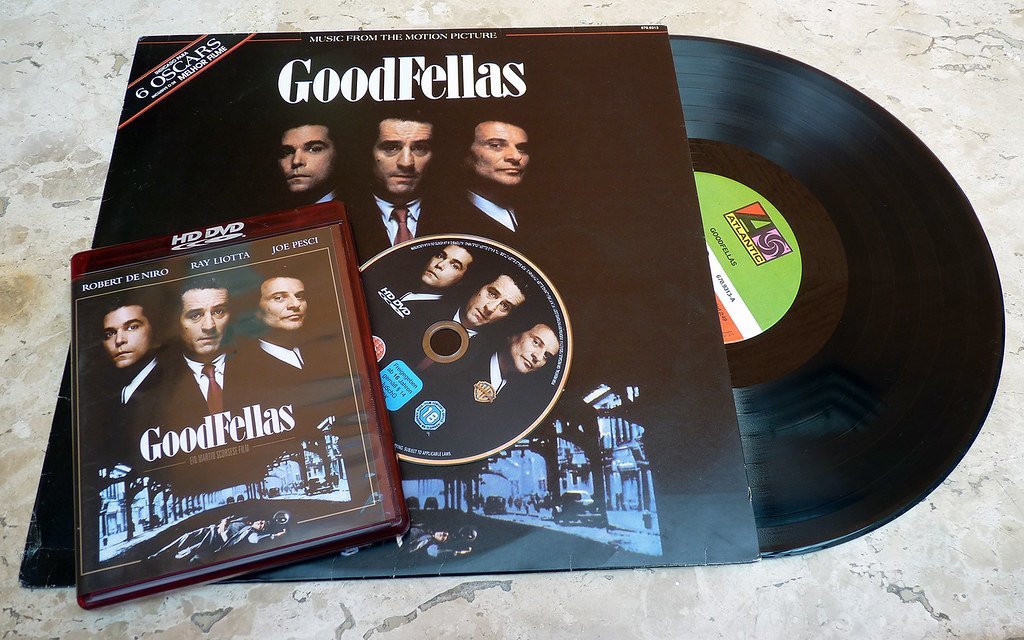
The crowning achievement of the decade’s many gangster classics is the legendary Martin Scorsese’s Goodfellas. Perfectly directed, acted, and endlessly quotable, Goodfellas ranks among some of the all-time finest crime films, and its legacy only grows.
Its cast is just incredible. Robert De Niro, Joe Pesci, Lorraine Bracco, Frank Vincent, and the late Ray Liotta deliver some of the best performances in movie history, playing memorable characters who say lines that fans constantly quote. It’s a highly rewatchable and essential film that will live on in history.
Scorsese directs this thing like a freight train that never quite lets you off. The camera moves, the music pulses, the narration pulls you right into Henry Hill’s world. You know exactly how it ends. You watch it again anyway. Every. Single. Time.
Titanic (1997): The Epic That Never Loses Its Grip
One of the cinematic viewing experiences of the decade, James Cameron’s Best Picture-winning romantic epic Titanic changed movie-making thanks to its success. It features award-winning visuals, sound, and costumes that take viewers on an unforgettable journey as they experience one of the most heartbreaking disasters in human history.
Titanic thrills with its jaw-dropping visuals and grips people with its touching romance tale of two star-crossed lovers finding each other aboard an ill-fated ship. It deserves its status as an epic, as not only does its three-hour-long runtime prove it, but everything about it screams amazement. No matter how many times you rewatch it, this can still blow anyone away.
The final sequence, between waking memory and dream reunion, remains one of cinema’s most glimmering farewells. A three-hour runtime and not a single minute feels wasted. That, in itself, is a filmmaking miracle.
The Matrix (1999): Reality Will Never Look the Same

The Matrix follows Neo, a computer hacker who feels trapped in a mundane life and society. When seeking an out, he finds a group of people who expose that the world is a computer simulation called the Matrix, made by intelligent machines that enslaved humanity. Humans have been reduced to batteries, so the renegade group frees Neo’s mind and recruits him to help in the efforts to free humanity. Neo must choose to embrace the new life, but also accept that he may be the key to overthrowing the machines.
The Matrix arrived at the exact right moment in history. On the surface it’s a dazzling action film. Underneath, it’s a philosophical minefield. The action is flawless, the pacing is perfect and never leaves dull moments, and of course, it’s best known for revolutionary CGI effects, which not only encouraged other films to use this advanced technology, but these effects still look incredible today.
Rewatching it now, with social media, deepfakes, and AI reshaping what we call “real,” the themes hit harder than ever. It feels less like science fiction and more like a warning.
Toy Story (1995): The Animation That Rewired Storytelling

Entertaining as it is innovative, Toy Story reinvigorated animation while heralding the arrival of Pixar as a family-friendly force to be reckoned with. That is not hyperbole. Before Toy Story, no fully computer-animated feature film had ever been made. It did not just work. It was extraordinary.
Toy Story brilliantly tackles children’s fantasies of the secret life of toys and how they can come alive when no one is looking. The film gracefully tackles themes of friendship, loyalty, rivalry, and feelings of abandonment. It’s filled with iconic characters that are all unique in their own way. Toy Story is even more rewatchable today because it appeals to decades of generations.
What is remarkable is that adults feel its emotional weight just as much as kids do. The story of being replaced, of outgrowing your purpose, of finding your worth again – that is not a children’s theme. That’s just life. Told brilliantly through the eyes of a cowboy doll.
Home Alone (1990): Chaos, Heart, and Unforgettable Slapstick
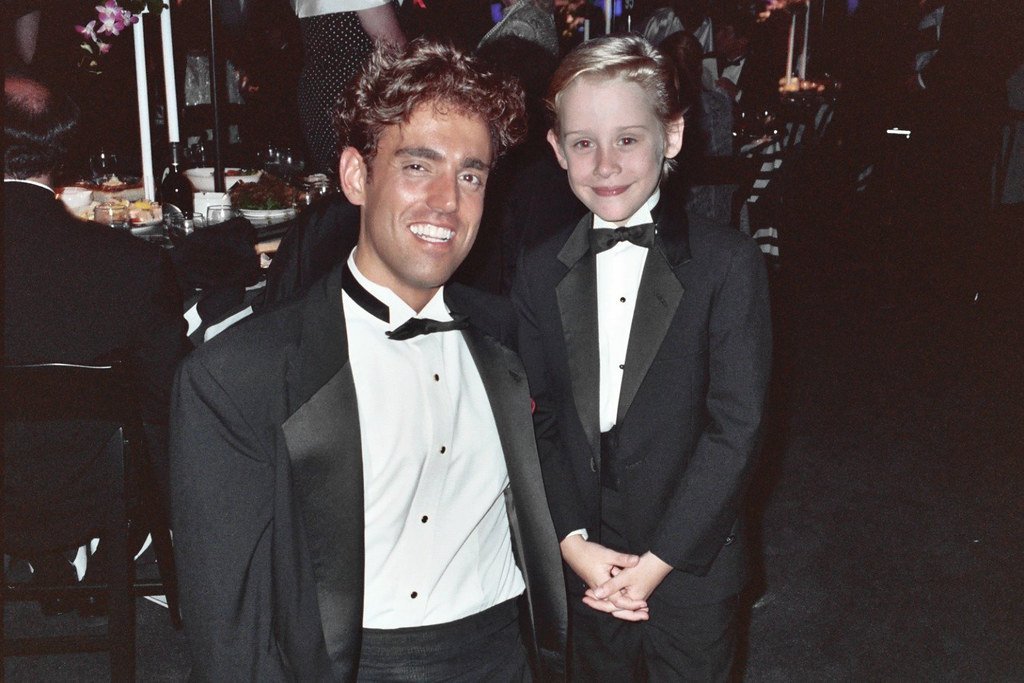
Home Alone took a simple premise and turned it into a world-conquering blockbuster that still holds up today. It’s not just the slapstick chaos or the ingenious traps, though watching the Wet Bandits get creatively annihilated never loses its thrill. Really, it’s the emotional undercurrent: a kid discovering independence, fear, triumph, and the quiet courage of being truly alone for the first time. Home Alone is a movie with a lot of heart.
Let’s be real, the trap sequences alone would be enough to guarantee rewatching. The paint cans, the blowtorch, the ice on the steps. You know every single one of them by heart. You laugh every single time anyway. That is the definition of timeless comedy.
There is also something genuinely touching about Kevin McCallister’s journey. Beneath all the laughs is a lonely kid who just wants his family back. That simple emotional truth is what elevates this from a silly comedy into something that actually stays with you.
Scream (1996): The Horror Film That Reinvented Horror

Wes Craven deserves major props for revolutionizing the slasher genre not once but twice. It seemed kind of dead by the mid-90s, but the director resurrected it with Scream, making it fresh again by dissecting it in plain sight. This movie is self-aware, razor-sharp, scary, and hilarious. Meta without being smug, inventive without sacrificing dread.
Neve Campbell’s Sidney Prescott becomes a new kind of final girl: vulnerable yet fierce, shaped by trauma but not defined by it. Opposite her, the killer Ghostface quickly joined the pantheon that includes Freddy Krueger and Michael Myers. The movie is pure fun from beginning to end, gleefully subverting genre expectations at every turn. Having characters who watch slasher movies and understand their tropes was a narrative masterstroke, adding a new dynamic and making all the classic elements enjoyable once again.
The Truman Show (1998): The Film That Saw the Future Coming

The Truman Show tried to warn us. Years before reality television swallowed culture, this movie smartly explored its allure and dangers, all while serving up an entertaining story to beat. In it, Jim Carrey gives his first great dramatic performance as a man trapped in a manufactured paradise. Little does he know that his life is fodder for a TV show, his very existence engineered to keep eyeballs fixed to screens.
This premise hits so much harder today in a world of surveillance and social media, and politics as reality TV. That is, honestly, a slightly terrifying realization when you sit down to rewatch it now. What felt like a quirky dystopian comedy in 1998 reads almost like a documentary in 2026.
Jim Carrey is extraordinary here. He plays warmth and creeping existential dread simultaneously, in a performance that still does not get nearly enough credit. The film rewards every rewatch with new layers of meaning you didn’t catch the first time around.
Forrest Gump (1994): A Journey Through History With Incomparable Heart
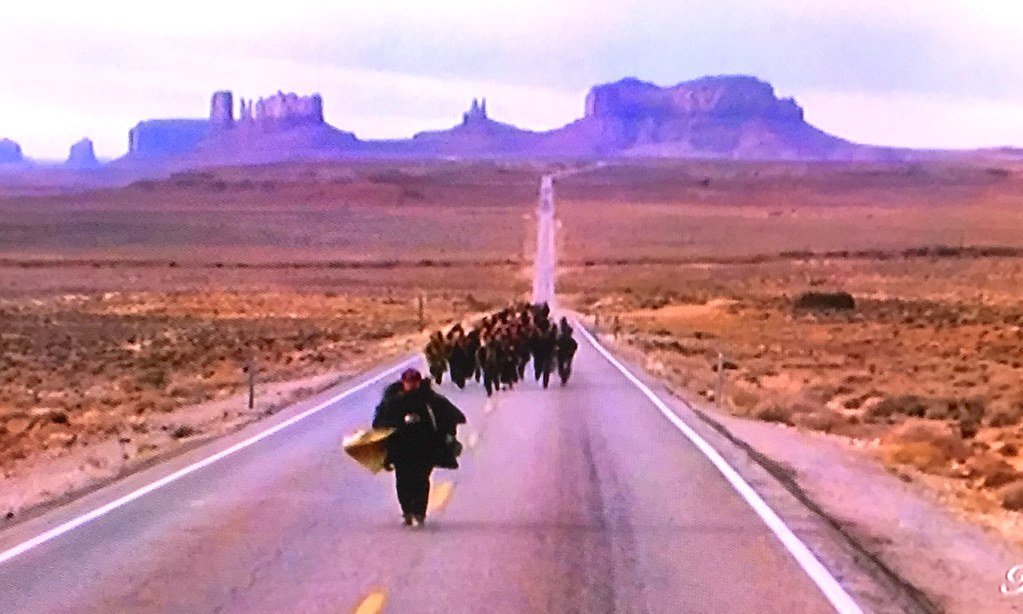
Tom Hanks gives one of the most memorable performances of the decade in this sweeping story about an Alabama man with an intellectual disability who stumbles through history while searching for love and meaning. From the Vietnam War to the age of tech giants, Forrest finds himself at the center of major cultural moments, taking away life lessons he shares with others. The mix of humor, drama, and romance makes Forrest Gump one of the best films of the 90s.
There is a reason this film has made people cry on every single rewatch for over three decades. It’s not manipulative sentiment – it’s earned emotion. Forrest never asks for your sympathy. He just shows up, runs as hard as he can, and somehow keeps bumping into the most extraordinary moments in American history. It is ridiculous and it is beautiful and somehow it works every time.
The Lion King (1994): Disney’s Crown Jewel That Hits Different Every Time

In terms of nostalgia, that honor goes to Disney’s The Lion King, perhaps one of the most compelling animated films of all time. Strong words, but hard to argue with. The film takes Shakespeare’s Hamlet, transplants it into the African savanna, and somehow makes it feel both timeless and utterly original.
The crown jewel of the Disney Renaissance, it’s a beautifully animated coming-of-age story in the vein of a Shakespearean tragicomedy and a biblical epic. It features one of the best troupes of actors assembled for a Disney film, including the late, great James Earl Jones as Mufasa and Jeremy Irons as the villainous uncle, Scar.
Watching The Lion King as a child and watching it as an adult are two completely different emotional experiences. As a kid, you cheer for Simba. As a grown-up, Mufasa’s death hits you somewhere much deeper, and suddenly you understand why the people next to you in the theater used to cry while you were distracted eating popcorn.
Terminator 2: Judgment Day (1991): The Sequel That Outclassed the Original
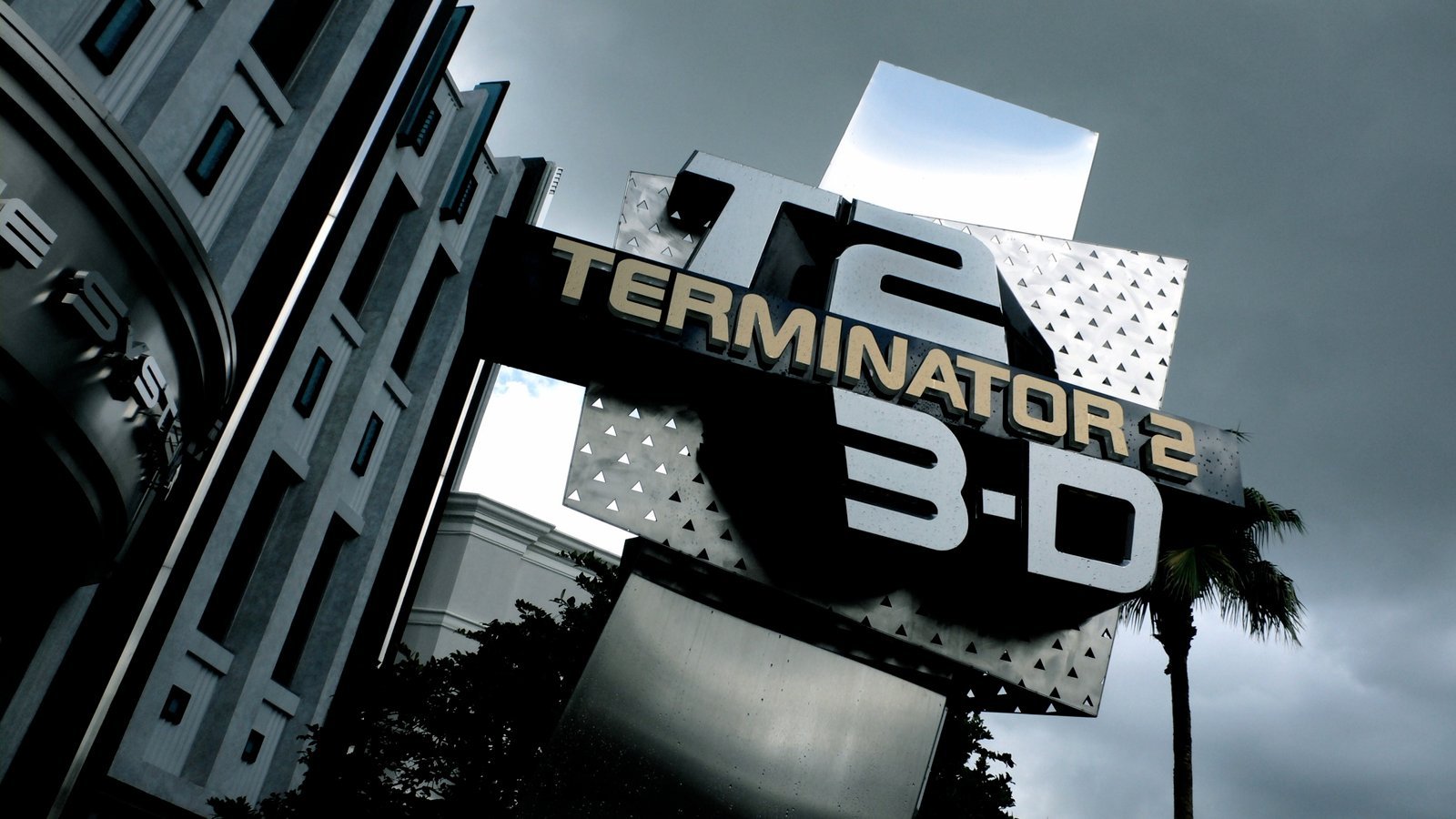
Taking a deserving title as an action masterpiece and one of the greatest sequels ever made, James Cameron was at the top of his game in the 1990s, thanks to Terminator 2: Judgment Day. A film that, in many ways, far outshines the original, this is what sequels need to be: bigger, bolder, and raising the stakes. From its groundbreaking visuals and hair-raising story to the legendary performances, Terminator 2 has left an unshakable, inspiring mark on cinema.
The action is flawless, the pacing is perfect and never leaves dull moments, and it’s best known for revolutionary CGI effects. Terminator 2 was a hit commercially and especially critically, with many fans still citing it as the best of the series. It’s still a pop culture icon and a staple of 90s blockbusters.
Fargo (1996): The Crime Masterpiece That Gets Stranger and Better
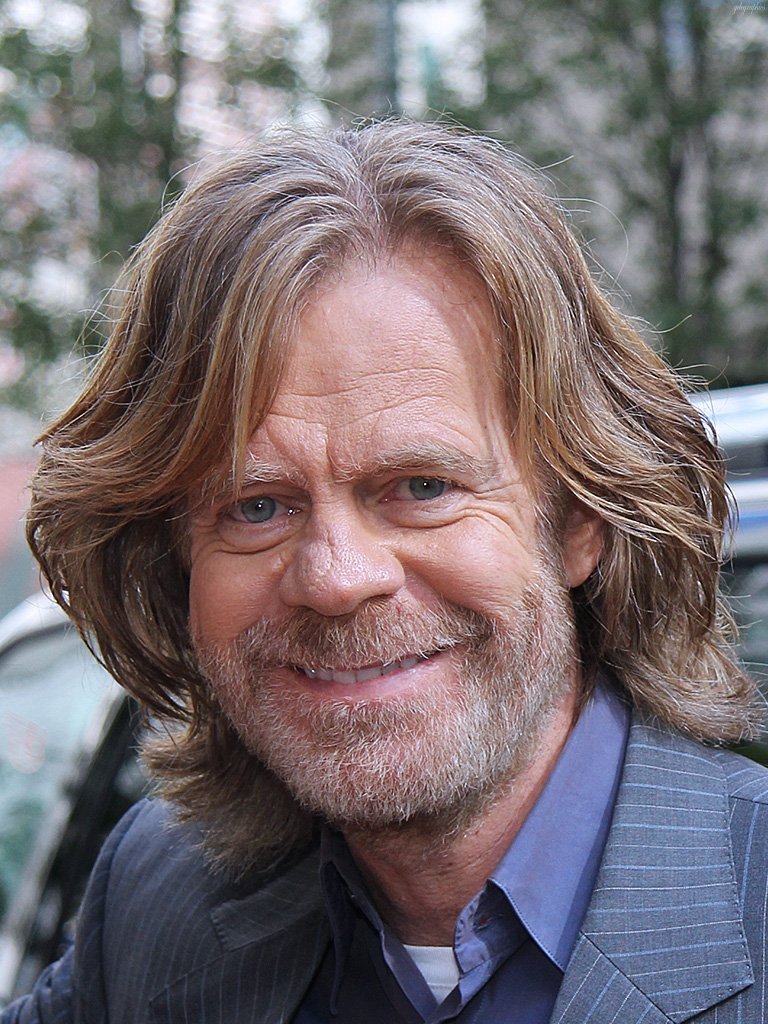
Crime dramas are inherently popular, but most of us expect movies within the genre to follow a specific set of steps and tropes. Fargo subverts our expectations at every turn, remaining fresh and offering something new to uncover with every successive viewing. It is set in the frozen tundra of Minnesota, it involves a wood chipper, and somehow it is also darkly hilarious. Only the Coen Brothers.
The fact that Fargo went on to inspire the highly successful anthology TV series of the same name speaks to its ability to capture our attention years later. Marge Gunderson, played by Frances McDormand, remains one of the most quietly brilliant characters in modern cinema – a pregnant small-town detective who is also, without question, the smartest person in every single scene she inhabits.
Office Space (1999): The Satire That Only Gets More Relatable

Office Space not only resonates with office workers, but it resonates with anyone working at a job that they’re unhappy with. The film captures the nuanced comedy of Mike Judge, has many familiar characters, and has many relatable scenarios for a satire film. While Office Space tackles some heavy themes, it has a lighthearted tone, making it always perfect for a rewatch.
Here’s the thing – Office Space was considered a modest box office disappointment when it was released. Then something interesting happened. Everyone started watching it on video, sharing it with coworkers, quoting it in emails. It became, over time, one of the most beloved comedies of its generation. A movie about soul-crushing corporate monotony that somehow became the perfect antidote to soul-crushing corporate monotony.
The Silence of the Lambs (1991): A Thriller Unlike Any Other

This movie swept the Oscars, and for good reason. If you like psychological thrillers, strong female protagonists, and performances that will stick in your head forever, then watch this movie. A serial killer is stumping the FBI, and a young recruit, Clarice Starling, is sent to get help from one of the leading experts in the field: famed and convicted murderer Hannibal Lecter.
Anthony Hopkins is on screen for less time than you might remember. That is what makes it so terrifying. Every single scene he appears in carries enough menace to fuel a dozen lesser films. Jodie Foster matches him beat for beat. It’s a masterclass in tension, and rewatching it with knowledge of how it ends somehow makes Lecter’s manipulations even more chilling than they were the first time.
The Enduring Magic of 90s Cinema
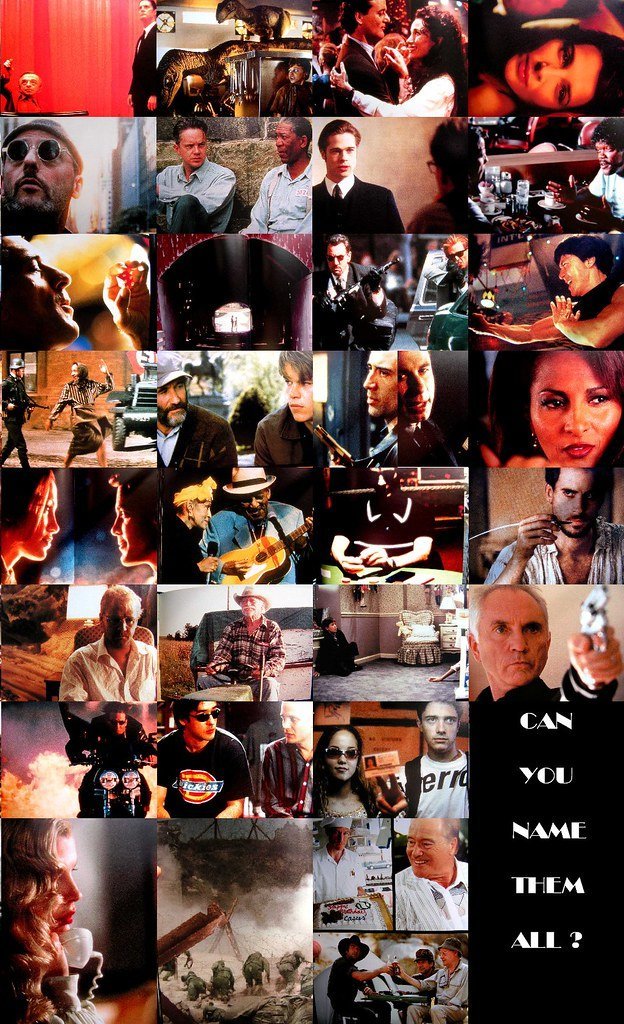
The 90s were an age of rising blockbuster franchises, new achievements in the field of special effects and CGI, and across all genres, there was a string of hits that continue to blow us away today. The 90s are the go-to for many cinema buffs looking to relive the glory days of cinema, before the time when sequels, remakes, and reboots flooded the current market.
Though the styling and dialogue featured in these films are clearly a product of the 90s, the themes and humor hold up well today, connecting with contemporary audiences. With well-known actors and filmmakers appearing across these projects, it’s easy to find something to love about each of them. That is a rare thing in any era of filmmaking.
It’s hard to say for sure why the 90s produced so many films that simply refuse to age, but I think it comes down to one thing: these movies trusted their audiences. They were willing to be funny, terrifying, heartbreaking, and thought-provoking, sometimes all in the same film. They were made with ambition and, more often than not, with genuine soul.
These films are not just beloved memories. They are still relevant, still emotionally resonant, and still worth every minute of your time. So the real question is: which one are you putting on tonight?
CEO-Co-Founder
