

- The 20 Hidden Stories in Old Tattoos From Sailors, Soldiers, and Survivors - September 16, 2026
- 20 Protagonists Based on Authors’ Enemies - September 16, 2026
- 20 Defining Live Performances of Iconic Songs - September 16, 2026
There is something quietly devastating about reading the reviews that once dismissed a masterpiece. Critics who called certain albums “unlistenable.” Audiences who turned away from performances that would later be studied in conservatories. Whole careers built on pure creative vision, left to gather dust in discount bins while safer, more commercially palatable artists collected the applause.
History has a brutal habit of correcting itself. The artists we explore here were not simply unlucky. They were, in most cases, building something that the world around them simply wasn’t ready to receive. Being ahead of their time, too offbeat for mass consumption, or through plain old bad luck, some music pioneers became wildly influential without becoming household names. What makes their stories so compelling is not just the talent, but the patience history required before granting them the recognition they deserved. Let’s dive in.
Thelonious Monk: The Man Whose “Wrong” Notes Were Always Right
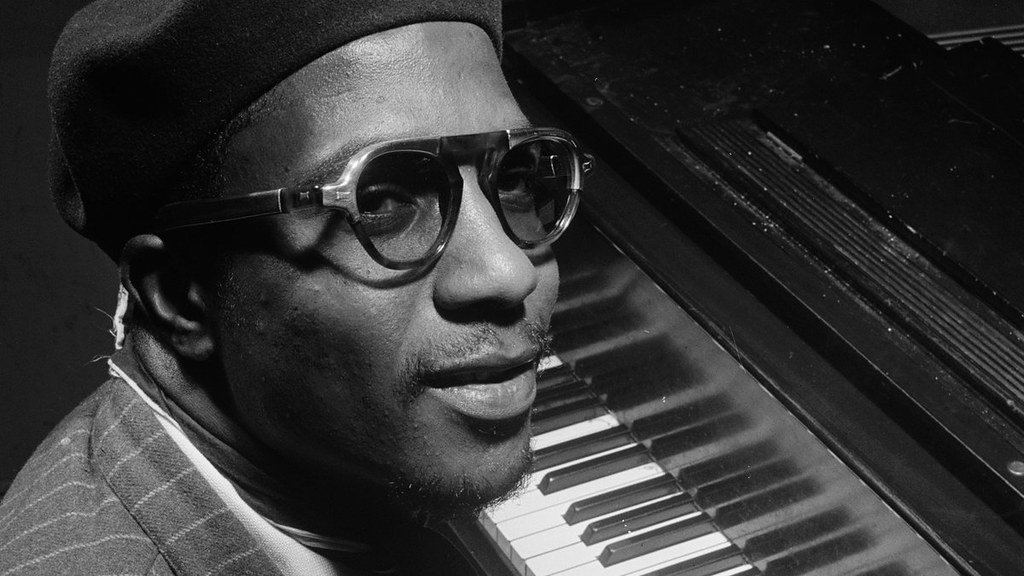
Here’s the thing about Thelonious Monk: for a long stretch of his career, the music industry basically told him he couldn’t play. That’s not an exaggeration. Record stores refused to stock his material early on in his career due to his supposed “lack of technical facility.” Think about that for a moment. A man who would go on to be regarded as one of the most original voices in jazz history was being turned away from record shelves because people mistook his genius for incompetence.
Much of the music he composed was underappreciated in his lifetime, due to its slow and prodding nature, with critical favor generally being directed towards the more upbeat and less abstract work of his contemporaries. His highly percussive and seemingly haphazard improvisational style, which approached the piano from a totally visionary perspective, was also extremely controversial. What audiences heard as randomness was actually a deeply considered musical architecture, one where every “wrong” note was deliberately and brilliantly placed.
In retrospect, he is generally regarded as one of the greatest names in the jazz canon, and to this day there have been no notable players to authentically replicate his playing style. That last part is worth sitting with. Decades of musicians have tried. Nobody has quite managed it. Monk wasn’t playing jazz the way it was supposed to be played. He was inventing an entirely new grammar, and the world needed time to learn to read it.
Nick Drake: Fragile, Brilliant, and Completely Overlooked
Nick Drake was a British folk singer-songwriter whose music radiated a deep sense of melancholy and introspection. Despite the sheer beauty of his work, Drake struggled with depression and obscurity throughout his life. It’s one of music’s most heartbreaking stories. Here was a young man crafting some of the most delicate, emotionally articulate songs of his generation, and virtually nobody was listening.
His albums, including “Five Leaves Left” and “Pink Moon,” received little attention during his lifetime. Tragically, Drake passed away at the young age of 26, never witnessing the profound impact his music would later have. He reportedly struggled even to perform for audiences. To break through as a singer-songwriter, you had to be willing to promote yourself, and he lacked the basic characteristics required to enjoy the challenge of making a name for himself. Shy, introverted, mentally unwell. The machinery of music promotion in the early 1970s had no patience for that.
Drake never received the recognition his music deserved while he was living. The more years pass, however, the greater his legend looms, at times becoming more a creation of his ever-growing fanbase’s imagination than any semblance to the actual person. Today, his albums are taught in music courses and celebrated by critics worldwide. Decades after his death, his songs found their way into the hearts of listeners worldwide, transforming him into a posthumous legend. Today, his music is celebrated for its haunting melodies and poignant lyrics, resonating with a new generation of fans.
Sixto Rodriguez: A Superstar Who Didn’t Know He Was Famous
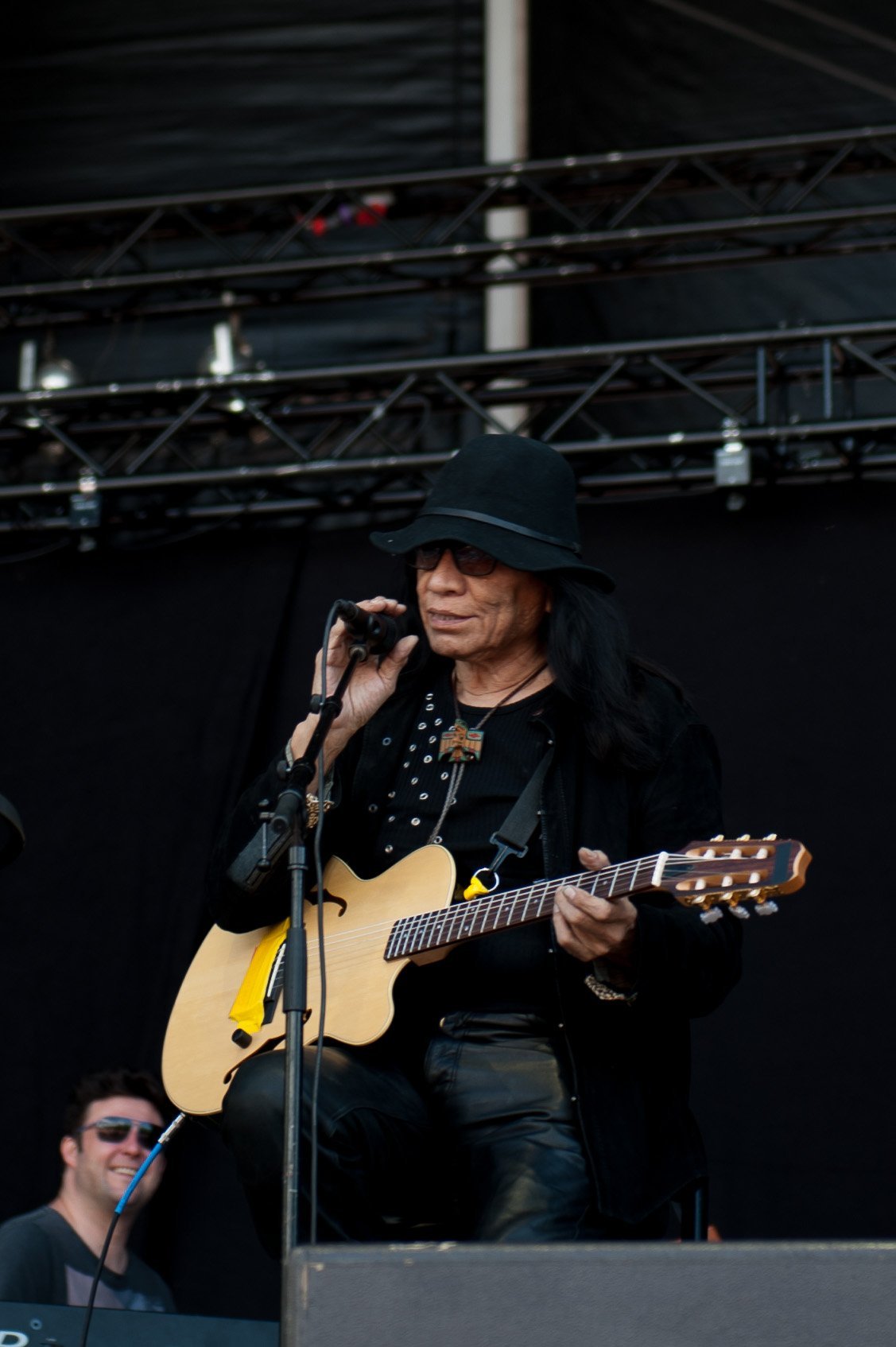
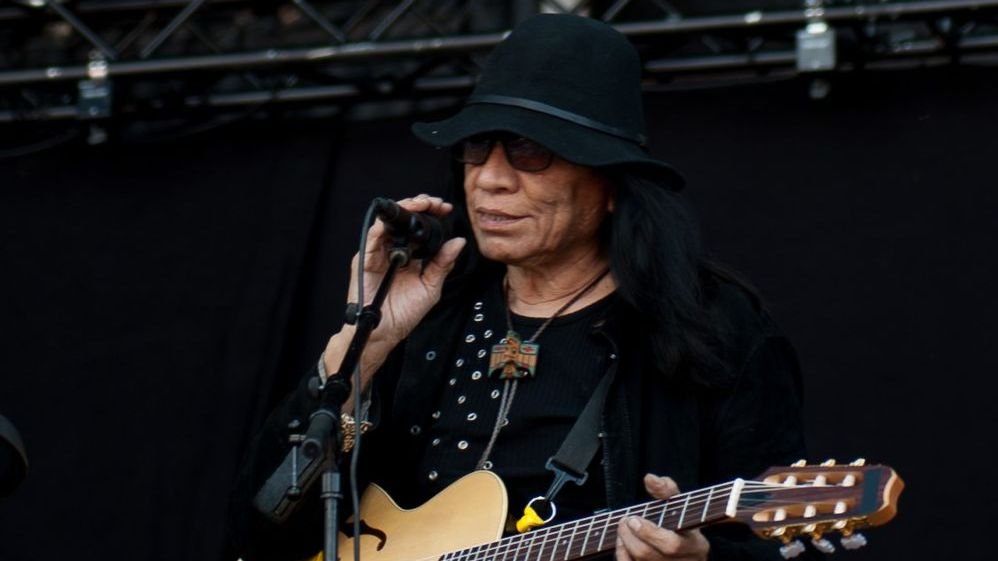
Honestly, if you wrote this story as fiction, nobody would believe you. In 1970, Rodriguez released his debut album “Cold Fact,” followed by “Coming from Reality” in 1971. Despite critical acclaim, both albums failed commercially in the United States. Discouraged by the lack of success, Rodriguez stepped away from the music industry. He went to work in demolition and construction. The music world moved on without him.
Except it hadn’t. Not everywhere. Rodriguez’s music, which had never achieved success in his home country of the United States, had become very popular in South Africa, although little was known about him there. His music became a rallying point for young South Africans frustrated by the injustices of apartheid, the conservatism of the regime and the demands of military service. He was, without knowing it, a countercultural icon for an entire generation of people on the other side of the planet.
Even more remarkable was the fact that Rodriguez, no longer working as a musician and struggling to eke out a blue-collar existence, had no idea that he had been famous for over 25 years in a remote pariah of the world. In the 1990s, determined South African fans managed to find and contact Rodriguez, which led to an unexpected revival of his musical career. This was told in the 2012 Academy Award-winning documentary film Searching for Sugar Man and helped give Rodriguez a measure of fame in his home country. The documentary transformed him, almost overnight, from a forgotten name into a global symbol of unrecognized brilliance.
The Velvet Underground: Nobody Listened, Then Everybody Did
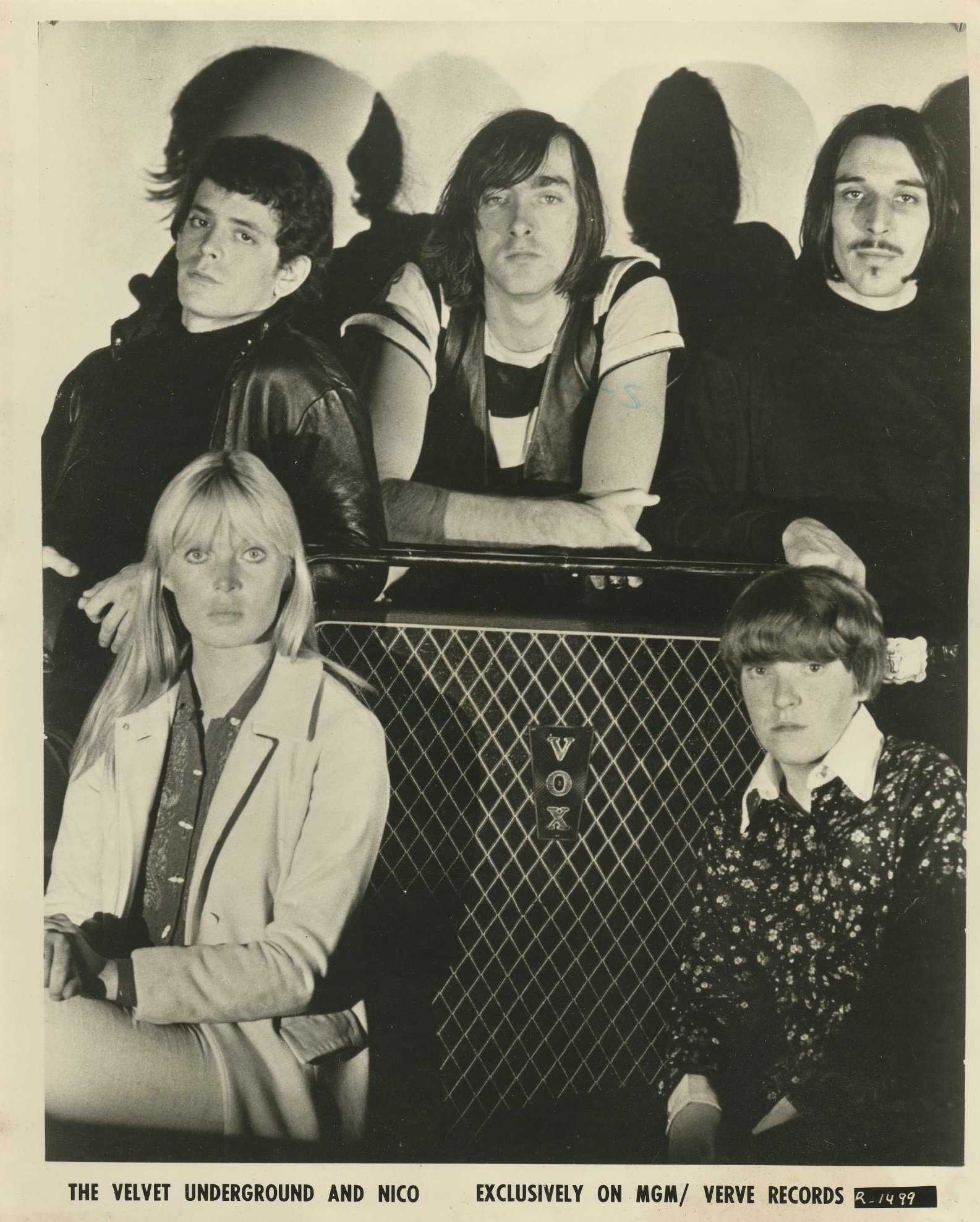
Original source: Publicity photo circulated to press by MGM Records/Verve, Public domain)
Few stories in rock history are quite as paradoxical as The Velvet Underground’s. Their debut album, released in 1967, reached almost no one. Their first album, “The Velvet Underground & Nico,” was produced by pop artist Andy Warhol, and released in 1967. By any commercial measure, it was a catastrophic flop. The band’s sound was too abrasive, too confrontational, too steeped in topics that mainstream radio simply would not touch.
The Velvet Underground tops the list of underappreciated artists, a band so fervently revered as a countercultural icon that they have become something else entirely. Artists like The Velvet Underground, The Smiths, and Pavement rejected mainstream conventions and commercialism, carving out devoted followings through underground zine coverage and indie-head record store recommendations. In other words, the very obscurity that defined them in their time became the foundation of their legendary status later.
What is fascinating is just how seismic their influence turned out to be. Rock critic Lester Bangs proclaimed that “Modern music begins with The Velvets,” but though they are today considered one of the most important acts in pop music history, this was a group with little contemporaneous commercial success. Every punk band, every art-rock act, every bedroom musician who ever decided that raw emotion mattered more than polish owes something to an album that almost nobody bought the first time around.
Sister Rosetta Tharpe: The Godmother Rock and Roll Forgot
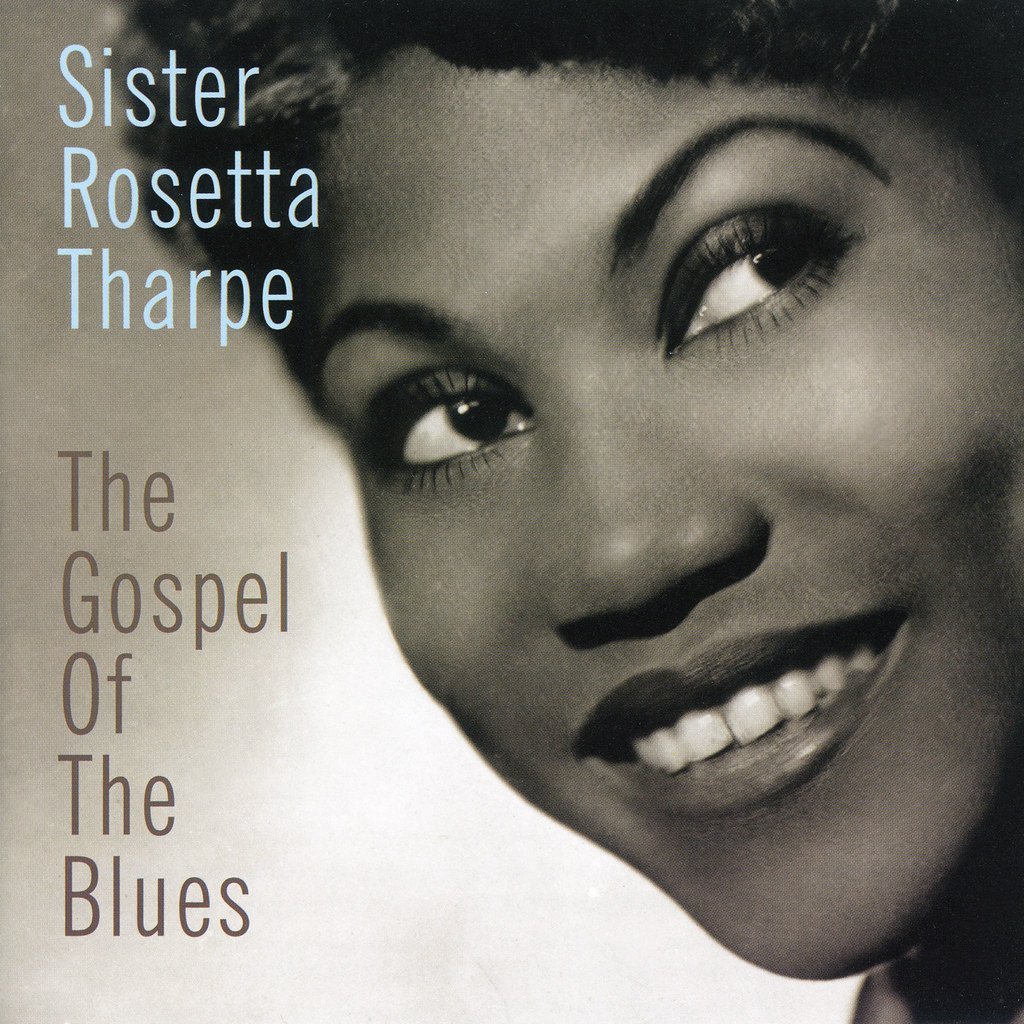
Let’s be real: if Sister Rosetta Tharpe had been a white male guitarist playing the same licks in the 1940s, her name would be as celebrated as Chuck Berry’s today. Sister Rosetta Tharpe was a gospel guitarist and singer who pioneered rock and roll but never received due credit in her time. Her music was a blend of gospel and rhythm and blues, characterized by its energetic and soulful sound. She was doing it all decades before anyone thought to give it a name.
The industry had a very clear way of limiting her reach. Sister Rosetta Tharpe was throughout her career designated as a “race” artist within the music industry, limiting her records’ reach. In addition, her influence on rock was neither cited nor celebrated until after her retirement and she was not credited for her innovations within her genre. Think of that. A woman who essentially invented the electric guitar vocabulary that would define rock and roll was not even credited for it during her own lifetime.
Despite her influence on the development of rock music, Tharpe remained largely unrecognized during her lifetime. Her recordings have since been rediscovered, earning her a place among the greats of music history. Today her legacy is cemented in her hometown of Philadelphia, with January 11th now celebrated as Sister Rosetta Tharpe Day and her home declared a historical landmark. Better late than never, though I think the appropriate feeling here is still something between gratitude and deep frustration.
Johann Sebastian Bach: The Composer the World Forgot, Then Worshipped
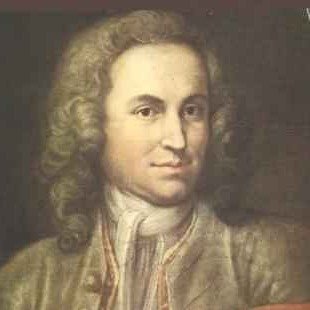
We tend to think of Bach as the untouchable giant of Western music. It is almost impossible to imagine a world in which his reputation was anything less than colossal. Yet that world existed. He was not particularly well known during his lifetime, certainly not an international celebrity. Johann Sebastian Bach, now considered one of the greatest composers, was not widely appreciated during his lifetime and was overshadowed by more fashionable composers of his era.
He spent most of his professional life as a working church musician, producing an almost incomprehensible volume of music as part of his literal job description. He was a working musician, with a stint as a court musician, and much longer stints as a church music director, latterly in Leipzig. It was not the glamorous existence that legends are supposedly built on. He composed because the job required it, and the world around him largely treated his output as functional rather than transcendent.
The distance between how he was perceived then and how we regard him now is staggering. He changed the face of Western music, not simply “classical” music but every musical style from concert to folk, jazz to bebop, early pop to hard rock. Nothing was the same after Bach. Over the last 300 years, there is hardly a single musician who has not been impacted by him in one way or another, even if they might not know it. His influence is the kind that flows invisibly through everything, like groundwater beneath a city.
Arthur Russell: A Visionary Lost Between Genres

Arthur Russell was a visionary composer and cellist whose work defied categorization. His music traversed disco, folk, and experimental sounds, creating a body of work that was both eclectic and cohesive. Despite his innovative approach, Russell remained on the fringes of the music industry during his lifetime. That last sentence almost undersells it. He was not merely on the fringes. He was essentially invisible to the mainstream.
The problem, if you can call it that, was that Russell refused to stay in one place long enough for anyone to comfortably market him. He would record something beautiful and ethereal, then pivot to something pulsating and dance-floor-driven. He collaborated with figures from the avant-garde and from the disco scene simultaneously. It was too much for the industry of his time to process. His ability to blend genres into something entirely new was not fully appreciated until years after his death in 1992.
In the years since his passing, Russell has been elevated to something approaching cult sainthood. Reissues of his work have been received with enormous critical enthusiasm. Musicians across wildly different genres cite him as an influence. It’s hard to say for sure, but there is a case to be made that Arthur Russell simply invented a kind of music that required the digital streaming era, with its genre-agnostic listeners, to fully appreciate.
Townes Van Zandt: The Songwriter’s Songwriter Nobody Told You About
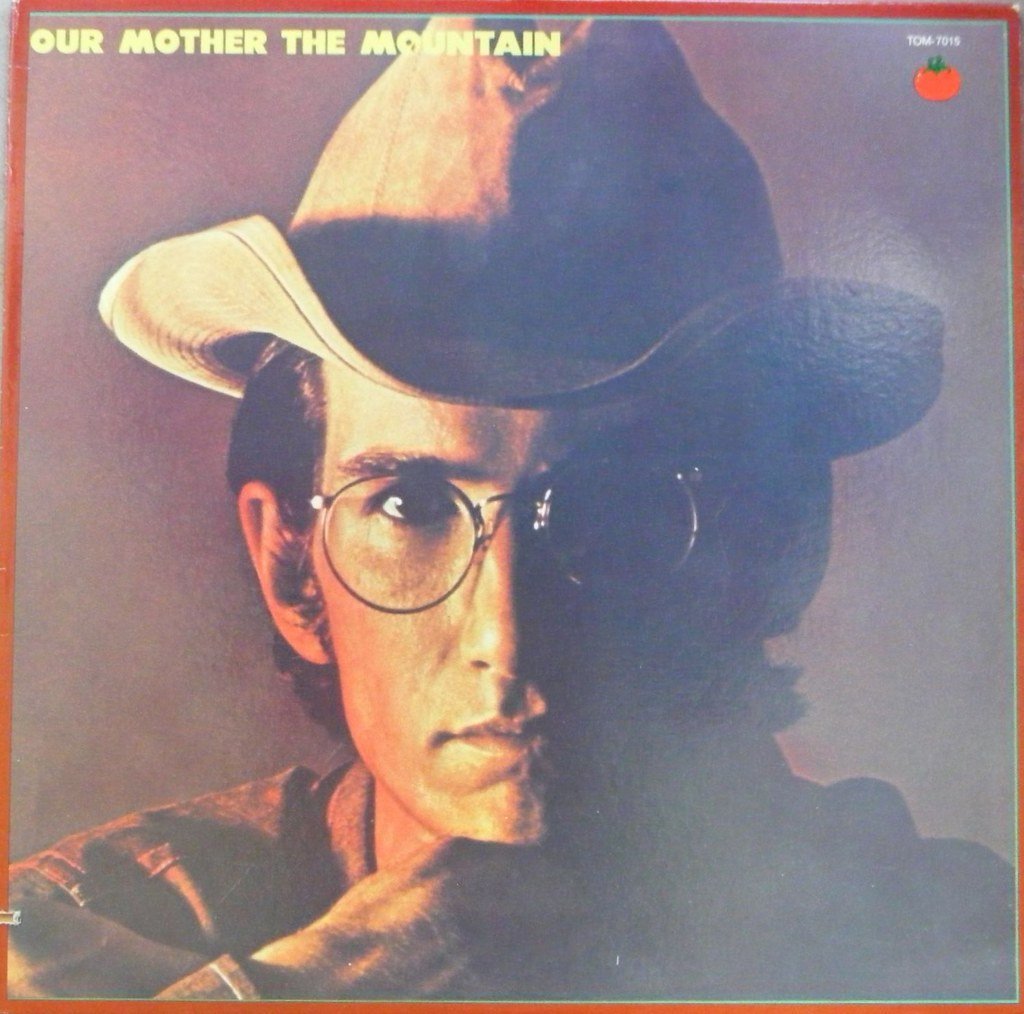
If you asked the average person in the 1970s or 1980s who Townes Van Zandt was, you would likely have been met with a blank stare. Ask a professional songwriter from that same era, though, and the response would be entirely different. Townes Van Zandt was a poet of country music whose songs were covered by many but who never saw commercial success himself. His music was characterized by its lyrical depth and emotional honesty, earning him a devoted following among fellow musicians.
There is something almost fitting, and also a little sad, about that dynamic. His songs were good enough to launch the careers of other people, but the commercial machinery never figured out how to launch his own. Despite his lack of mainstream recognition, Van Zandt’s work has had a lasting impact on the world of country music, with many considering him one of the greatest songwriters of his generation. He was the invisible foundation beneath other people’s visible success.
Today, Van Zandt occupies a revered position in Americana and country music circles. His recordings are treated as sacred texts by a generation of musicians who grew up discovering him through the artists who covered his work. Sometimes the world just had to catch up with certain artists. In Van Zandt’s case, the catching up took decades, but the verdict, once it arrived, was decisive.
Big Star: The Greatest Band Nobody Heard

Big Star is, depending on your music taste, either a band you feel slightly guilty for not knowing about, or an artist you discovered and could not believe had ever been overlooked. Big Star is perhaps the quintessential example of a band underappreciated in its time, their contemporary success discordant with their long-term legacy. In a just world, their perfect power-pop records would have made them household names in the early 1970s. The world, as usual, had other plans.
Distribution failures, bad timing, and a music industry apparatus that simply did not understand what to do with them conspired to keep Big Star from the wider audience they deserved. Much like Big Star, numerous musicians endure relative obscurity while in their prime, only to be rediscovered and celebrated decades after their music was first released. The cruelty of their particular case is that the music itself was not difficult or challenging. It was melodic, beautiful, and emotionally immediate. There was no reason for the world to miss it, except that it did.
Decades after their dissolution, Big Star’s music began to find a wider audience, with influential artists championing their work, including R.E.M., Wilco, Beck, and The Bangles. Today, Big Star is revered as one of the most influential cult acts in music history, so much so that all three of their records have been featured in Rolling Stone’s “500 Greatest Albums of All Time” list. Recognition on that scale, however delayed, speaks for itself.
The Lingering Question: Why Does Recognition Always Come So Late?
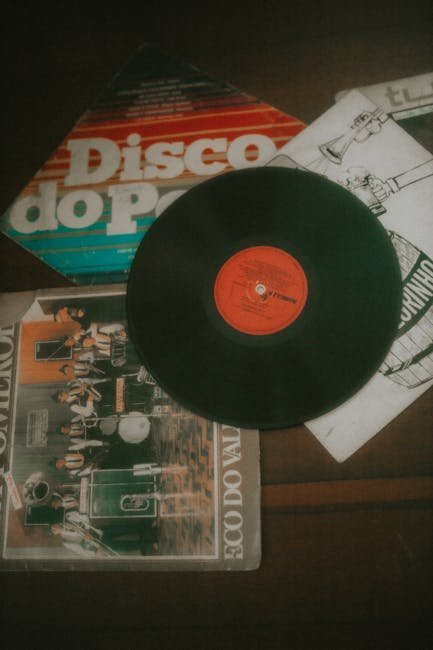
In real life, many misunderstood geniuses have made significant contributions to science, art, and culture but were not recognised during their lifetimes. Geniuses are often thought of as outsiders, eccentric loners who don’t fit in, but they are often highly intelligent and creative people who possess a unique perspective on life. The complexities of their minds often lead them to be misunderstood by those with a different capacity for understanding reality.
Many geniuses are ahead of their time, which can result in their ideas being ignored or misunderstood. Unlike celebrities or influential public figures, a genius does not necessarily attract mass appeal because their work often requires a level of understanding that only a few can appreciate during their lifetime. That is not a comfortable thought. It suggests that the gap between creation and recognition is not merely about marketing or luck, but about something more fundamental: the time it takes for the world to grow into an idea.
Some artists have a knack for making transformative music that doesn’t follow the trends of the time. As a result, the music takes longer to be appreciated. Critics and fans sometimes reject a body of work that doesn’t sync with them immediately. But with the benefit of changing musical palettes, the public eventually realizes that the music they condemned at first listens turned out to be the most fulfilling and influential.
What all of these artists share is not merely talent. It is the kind of stubborn, almost defiant originality that refuses to shrink itself for easy consumption. The market could not contain them. The critics could not categorize them. The audiences of their era could not always follow them. Yet the music endured, patient and quietly certain of its own worth. That, perhaps, is the most radical act any artist can perform: simply to keep making something true, and trust that the world will eventually arrive. Whether it does so in time, or far too late, is the part none of us can control.
What do you think? Is there an overlooked musical genius you believe still isn’t getting the credit they deserve? Drop your thoughts in the comments.
CEO-Co-Founder
