

For any feedback please reach out to info@festivalinside.com
- Who Is the Best German Rapper? Inside the Scene Taking Over Europe’s Music Culture - September 16, 2026
- The Best R&B Artists of Today: Voices Defining the Sound of a New Generation - September 16, 2026
- 12 Ending Lines in Literature That Hit Harder Than the Plot - September 16, 2026
There is something almost humbling about standing before a landscape so vast, so raw, so completely indifferent to human existence that your entire sense of scale simply collapses. No photograph captures it. No travel blog really gets it right. The feeling you get when you witness the planet doing what it has been doing for millions of years, completely without your permission and without apology, is unlike anything else.
Natural wonders have always drawn people across oceans, across deserts, across frozen tundra. They are reminders that the Earth is not a backdrop to human life. It is the main act. So, whether you are a seasoned globetrotter or someone just starting to dream about your first great adventure, here are the natural wonders that deserve a place on every serious bucket list. Let’s dive in.
The Grand Canyon, USA: Where Time Is Written in Stone
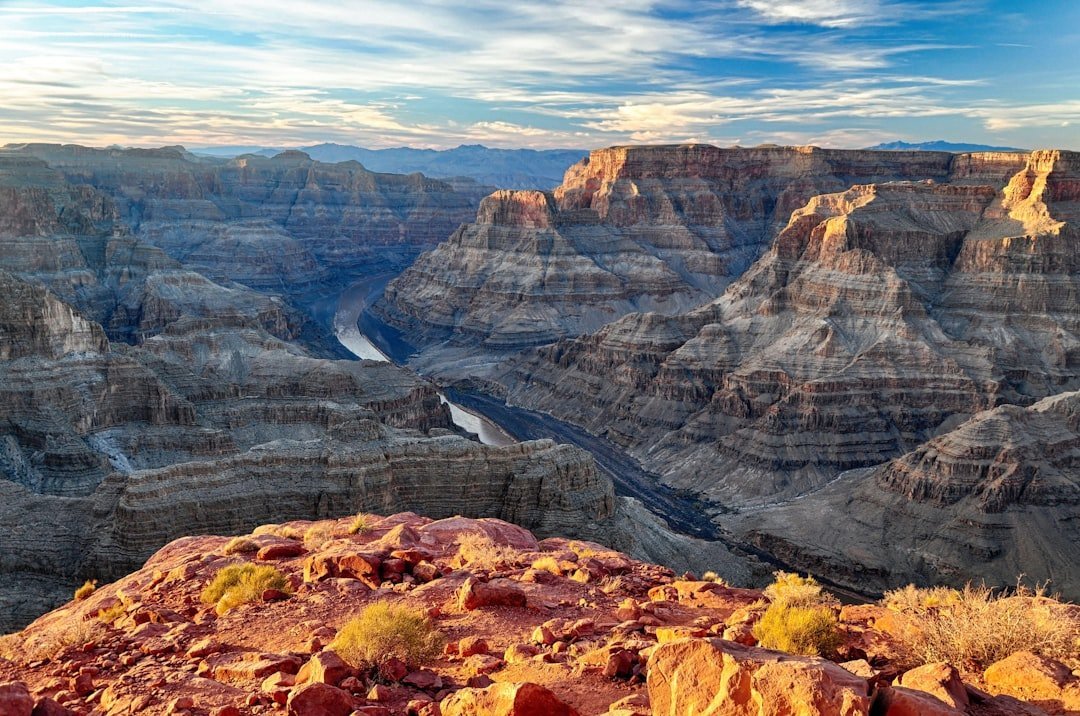
Honestly, no amount of preparation readies you for the first moment you peer over the rim of the Grand Canyon. It does something strange to your brain. At 277 miles long, up to 18 miles wide, and attaining a depth of over a mile, it is not the longest nor the steepest canyon in the world, but its overall scale combined with the beautifully colored landscape makes it one of the most amazing natural wonders. The colors alone, burnt oranges, deep purples, and layered reds, shift constantly as the sun moves across the sky.
The Colorado River has been carving this canyon over the course of, according to several studies, five to six million years. Think about that for a moment. That’s geological patience on a scale that makes human history look like a blink. Around six million people visit Grand Canyon National Park annually, and the national park covers more than four thousand nine hundred square kilometers, making it larger than the US state of Rhode Island. Visitors enjoy its grandeur through sightseeing, hiking, and rafting.
The Aurora Borealis: The Sky’s Greatest Light Show
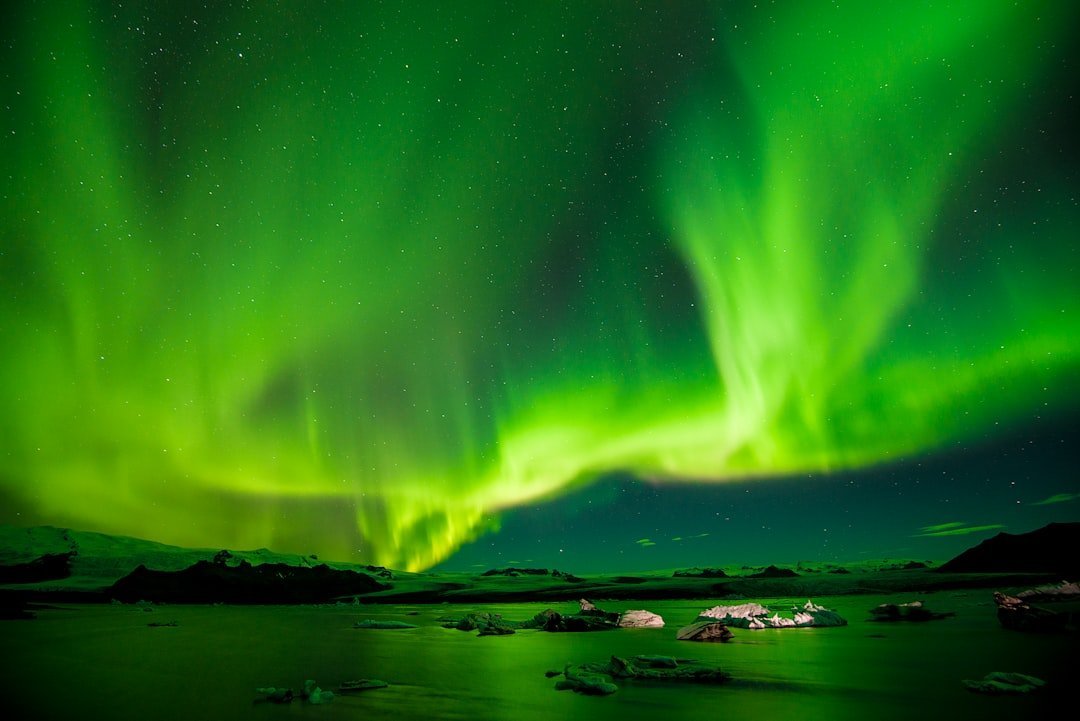
Few things on this planet feel as otherworldly as watching the northern lights ripple across a pitch-black sky. It is the kind of experience that makes even cynical people go quiet. The Northern Lights, or Aurora Borealis, are a stunning natural phenomenon seen mostly in polar regions, including the Arctic Circle. This light display showcases dynamic colors – greens, blues, and purples – created when particles from the sun collide with the Earth’s atmospheric gases.
Prime viewing locations are away from city lights, with the best sights in places like Norway, Sweden, Finland, Iceland, Greenland, Canada, and the U.S. state of Alaska. Here’s something genuinely exciting: northern lights activity started peaking in 2024, and from then until 2026, aurora borealis activity is expected to reach its highest levels in eleven years, meaning right now is arguably the best time to see them. The northern lights aren’t just a natural phenomenon but a symbol of spiritual presence and ancestral connection in Indigenous cultures across the globe, who see the lights as a reminder that we are all part of creation.
The Great Barrier Reef, Australia: An Entire World Beneath the Waves
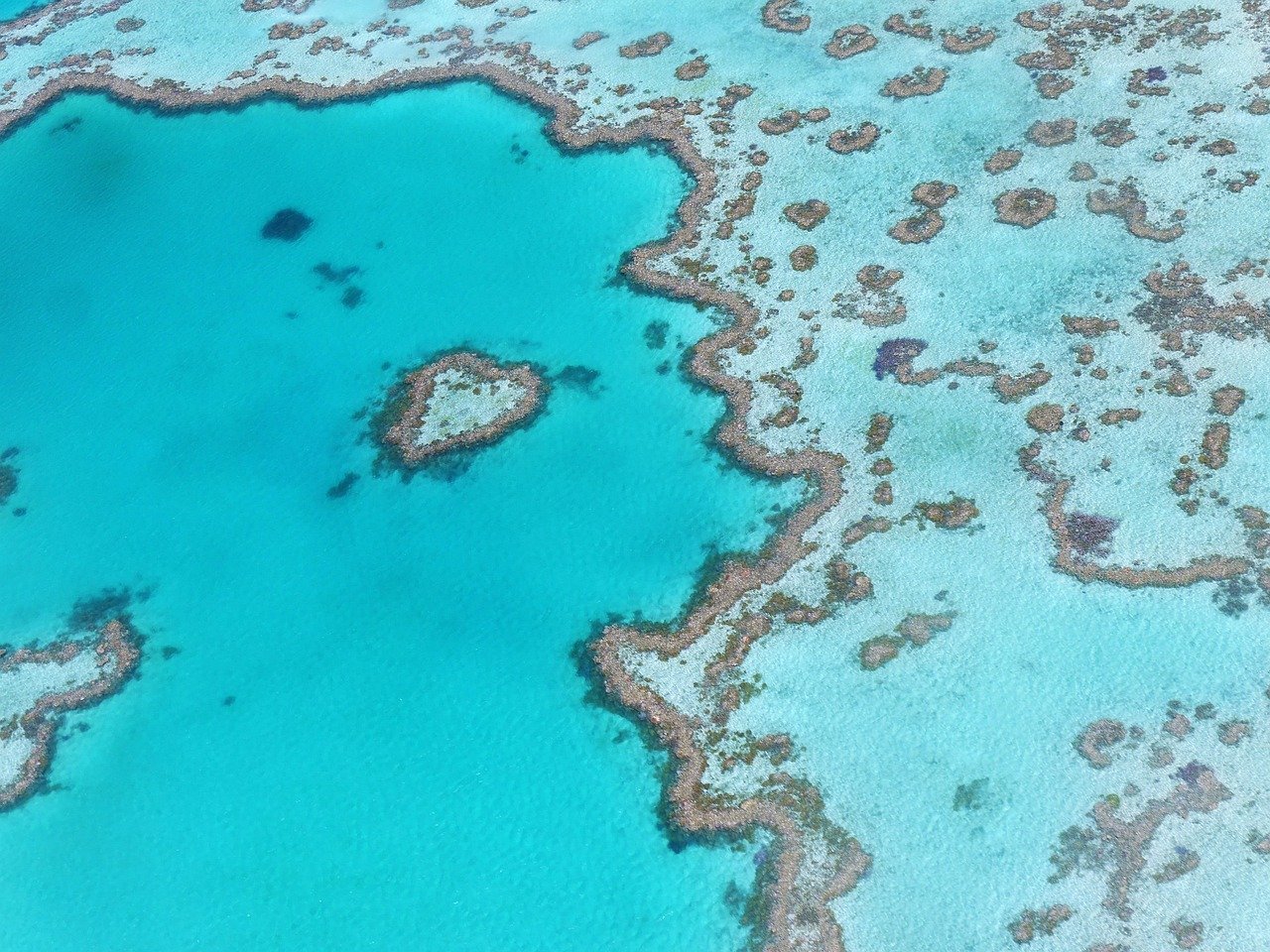
The Great Barrier Reef can be seen from outer space and is the world’s biggest single structure made by living organisms. Let that sink in. A living thing so enormous it registers from the heavens. It is the world’s largest coral reef system, composed of over two thousand nine hundred individual reefs and nine hundred islands stretching for over two thousand three hundred kilometers. Snorkeling over it is like being dropped into a living painting.
More than one thousand six hundred species of fish live in its waters, as well as over one hundred thirty three species of shark and rays, thirty species of whale and dolphin, and six of the seven sea turtle species. Yet the reef is also a story of urgency. This is the fifth mass bleaching event the Great Barrier Reef has experienced in just eight years, and the 2024 event is feared to be the most widespread and damaging to date. Visiting it now is not just a privilege. It is a reason to care.
Iguazu Falls, Argentina and Brazil: The Waterfall That Makes Niagara Blush
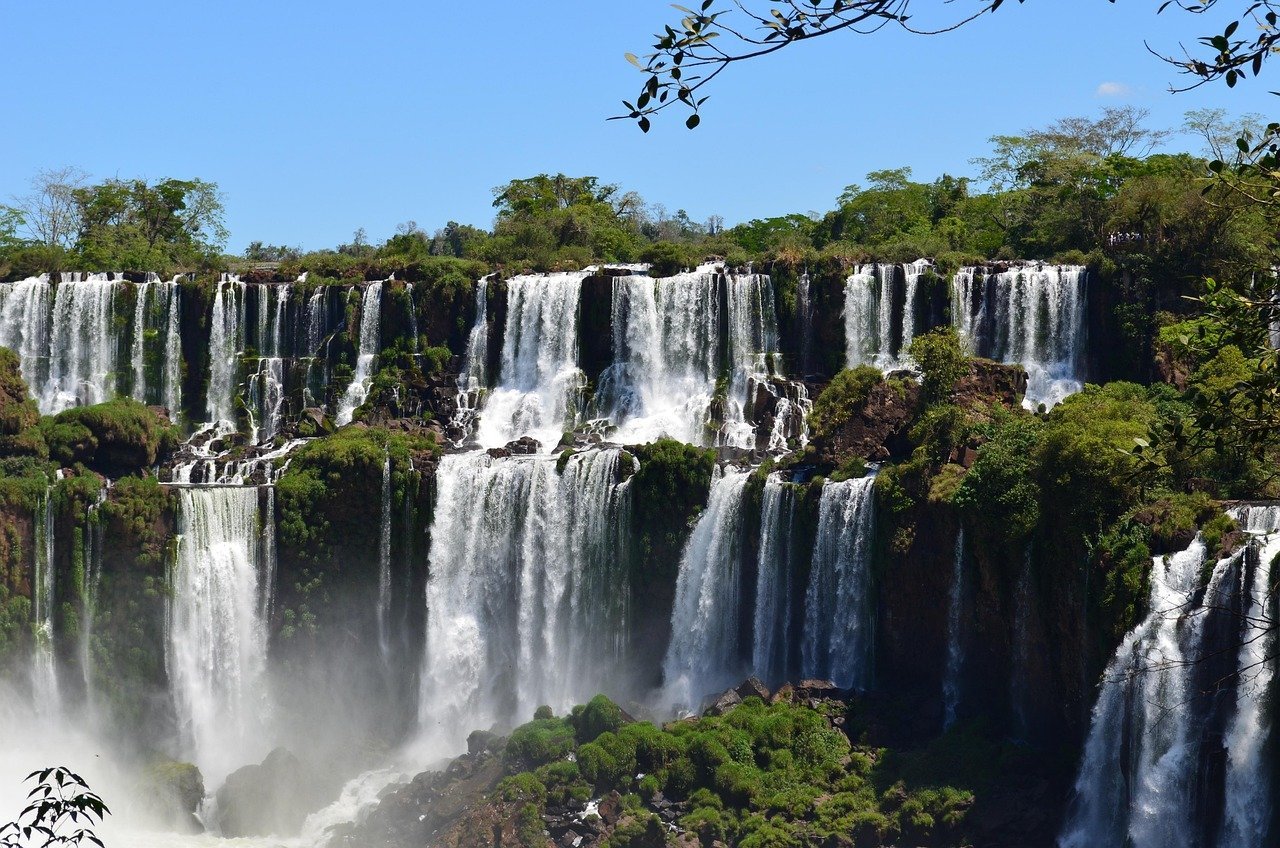
I know it sounds like travel-writer hyperbole, but Iguazu Falls is genuinely in a different category from almost every other waterfall on Earth. Declared a World Heritage site by UNESCO in 1984, Iguazu Falls is often revered as the world’s most spectacular waterfall. Situated on the border of Brazil and Argentina, it spans nearly two miles in width and features two hundred and seventy-five individual waterfalls, with heights ranging from roughly sixty to eighty meters.
This system of falls spans nearly three kilometers, creating a wall of water to dwarf all others. The falls straddle the border between Argentina and Brazil, with each side offering different perspectives and experiences. The Argentine side provides up-close encounters via walkways that lead directly to the falls, while the Brazilian side offers panoramic views that capture the full scope of this aquatic masterpiece. The centerpiece, the Devil’s Throat, is a U-shaped cliff where roughly half of the entire river plunges in simultaneously. Standing before it, completely drenched in mist, is one of those moments you never quite recover from.
Victoria Falls, Zambia and Zimbabwe: The Smoke That Thunders
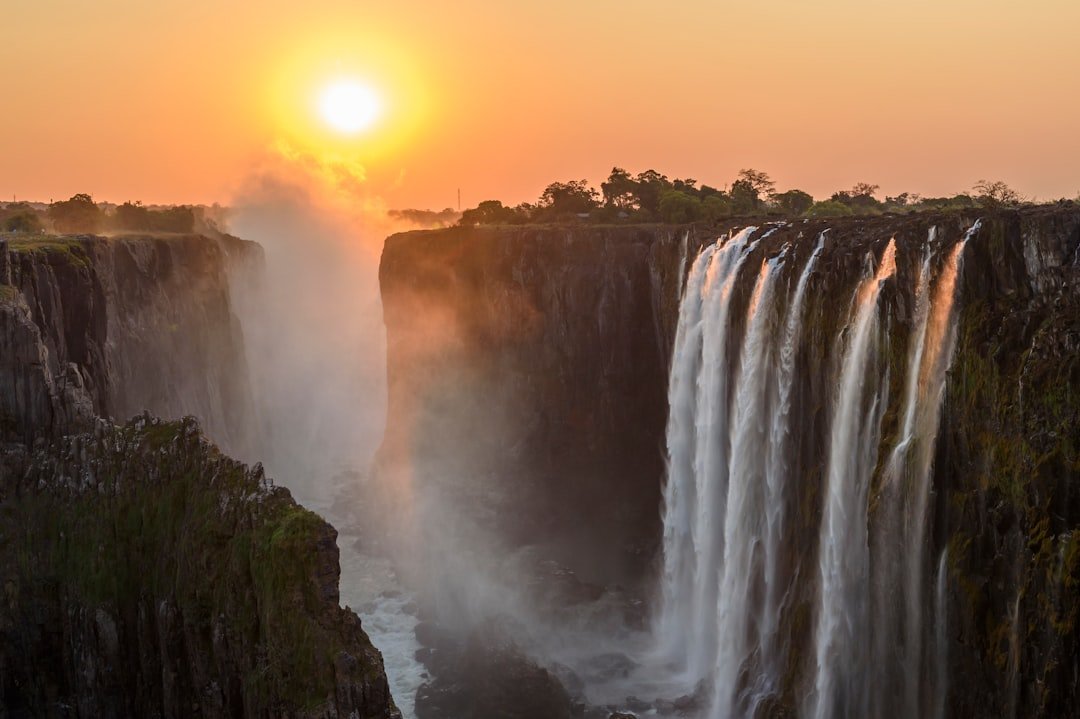
The local name says everything. Victoria Falls, straddling Zambia and Zimbabwe, is the world’s largest waterfall, stretching over one thousand seven hundred meters wide and plunging over one hundred meters. During the wet season, about five hundred million liters of water flow over the edge each minute, creating the largest continuous sheet of falling water on Earth. From a distance, you see the mist rising like smoke from the gorge long before you ever hear the sound.
Formed by the Zambezi River and basalt erosion, the falls are known as Mosi-oa-Tunya, or “The Smoke That Thunders,” and average over one thousand cubic meters per second in water flow. Because of its sheer power, the falls can sometimes even be heard up to forty kilometers away. The experience of walking the knife-edge trail along the gorge, with the spray soaking you and the roar making conversation impossible, is elemental and completely unforgettable.
Angel Falls, Venezuela: The World’s Highest Plunge
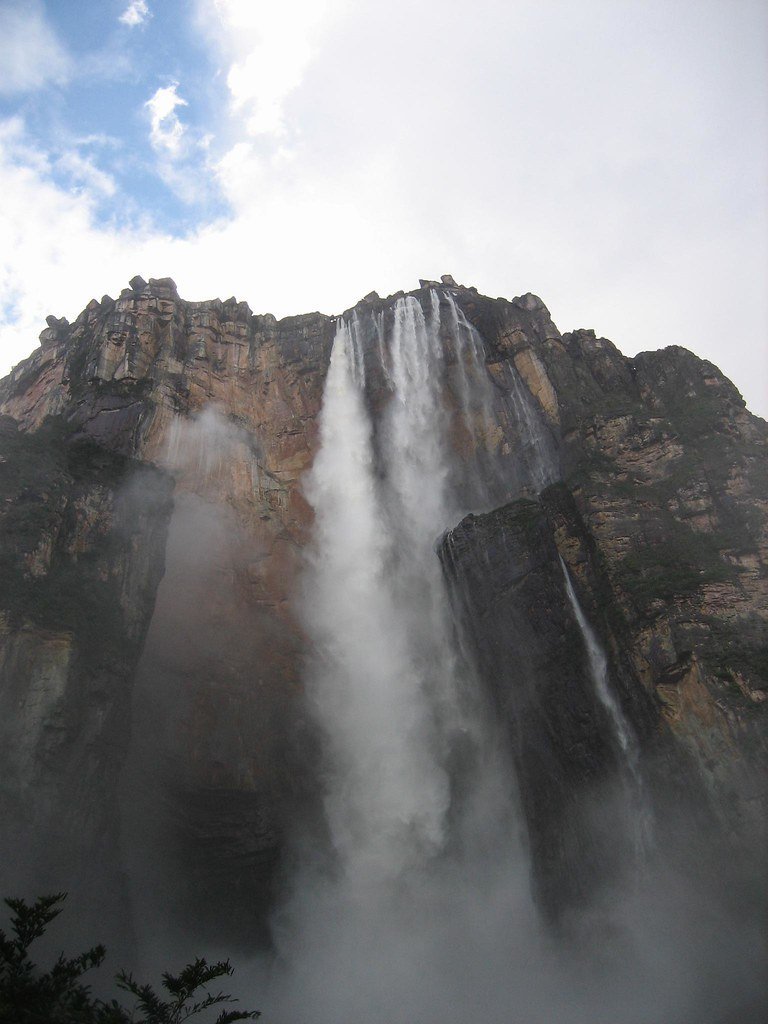
This one requires serious commitment to reach, and honestly, that is part of what makes it so special. Water drops a mind-blowing nine hundred seventy-nine meters from the top of Auyán-tepui, a flat-topped mountain that looms over everything. Long before you see the falls, you’ll hear the roar and feel the spray. Thick jungle surrounds you in Canaima National Park. It’s so remote, most people need a plane and a boat just to get close.
The highest waterfall in the world, the water at Angel Falls travels nine hundred seventy-nine meters, which includes a free fall drop of eight hundred and seven meters. Most of the water evaporates as mist before ever reaching the bottom. That detail is almost poetic. The fall is so immense that it dissolves into the atmosphere rather than crashing into a pool. It was not known to the outside world until American aviator Jimmie Angel flew over it on November 16, 1933, and the falls are named after him.
Salar de Uyuni, Bolivia: The Mirror at the Top of the World
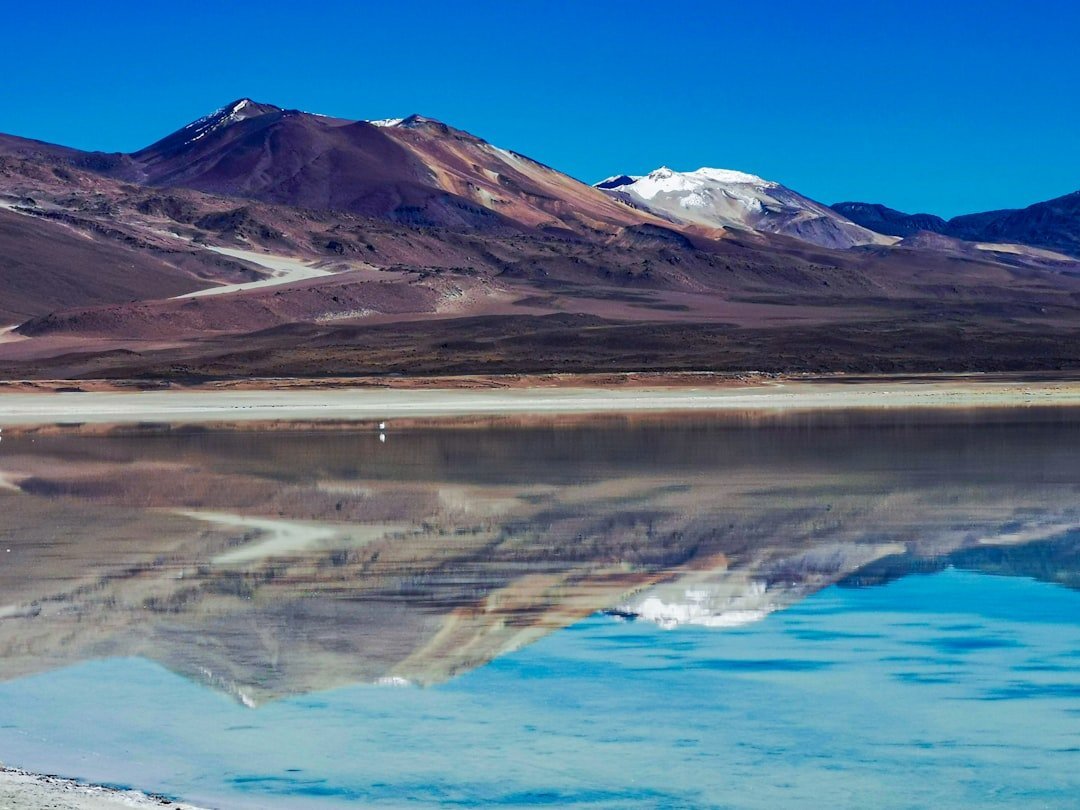
Few places on Earth create the visual illusion that Salar de Uyuni does, particularly after rainfall. Salar de Uyuni is the largest salt flat in the world, with an area of approximately ten thousand five hundred and eighty-two square kilometers. It is situated in southwestern Bolivia, near the crest of the Andes Mountains, at an elevation of over three thousand six hundred meters above sea level. Standing on it feels like standing inside a cloud.
The Salar was formed as a result of transformations of ancient Late Pleistocene lakes whose progressive desiccation led to the accumulation of extensive evaporitic salt deposits. It is now covered by an eight-meter thick layer of salt, which is extremely flat, and the average elevation varies by less than one meter over the entire area. During the rainy season, a thin layer of water spreads over the salt surface, and since the salt flat is already extremely smooth, this water film becomes a near-perfect reflective layer, turning the horizon into a seamless mirror between earth and sky. It looks, without exaggeration, like a glitch in reality.
Ha Long Bay, Vietnam: Limestone Giants Rising from the Sea
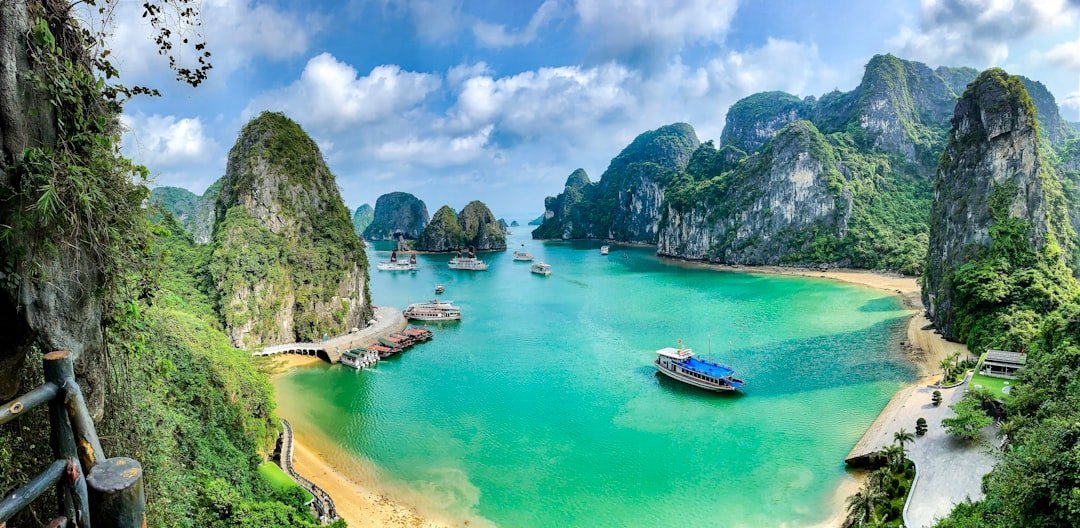
A breathtaking seascape of limestone karsts rising from emerald waters, Ha Long Bay is one of Southeast Asia’s most iconic natural wonders. Scattered across the Gulf of Tonkin, its sixteen hundred jungle-cloaked islands and islets form a cinematic, almost surreal tableau that shifts subtly with the light. Caves, hidden lagoons, floating fishing villages, and secluded beaches are tucked among the towering rock formations, many accessible only by boat.
A UNESCO-listed natural wonder, Ha Long Bay is renowned for its emerald waters, towering limestone karsts, and hidden caves. This breathtaking seascape, dotted with thousands of islands, offers a serene and otherworldly experience. The best way to see it is slowly, drifting aboard a traditional junk boat as morning mist curls around the limestone towers. It has a quality of stillness to it that feels almost meditative, as though the landscape itself is asking you to slow down.
Lake Baikal, Russia: The Ancient Heart of the World’s Freshwater
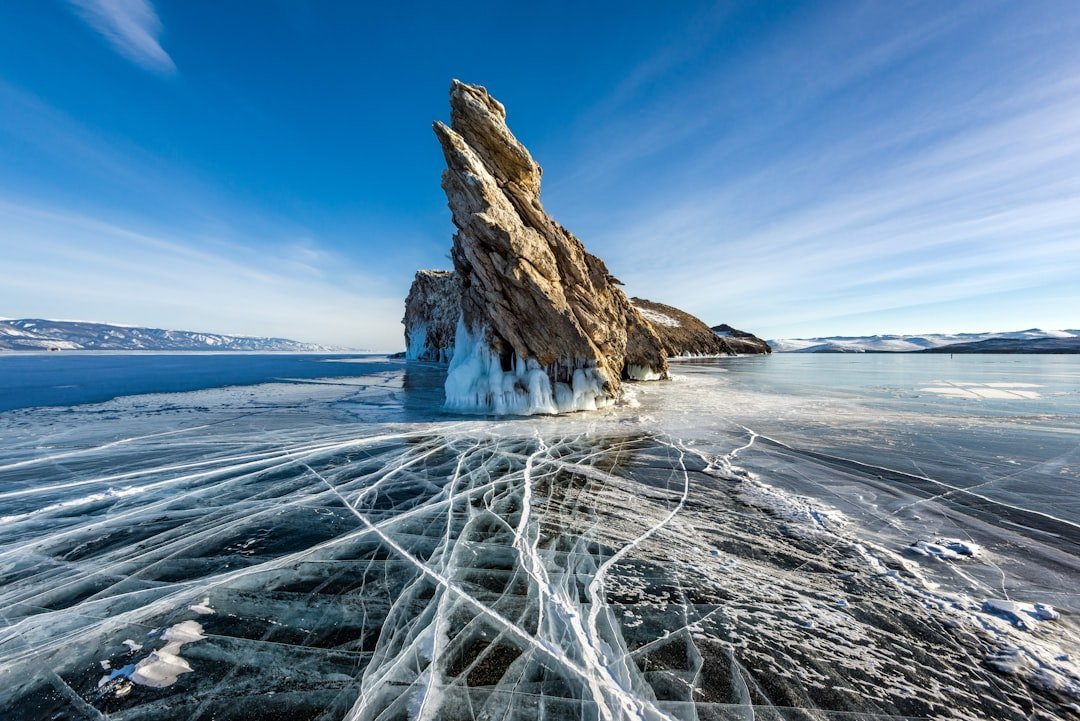
Here is a fact that genuinely stops most people mid-sentence: Lake Baikal in southern Siberia is not only the deepest and oldest lake in the world, more than sixteen hundred meters deep and more than twenty-five million years old, it holds almost twenty percent of the world’s freshwater supply. That is roughly one-fifth of all the unfrozen fresh water on the surface of the planet, stored in a single Siberian lake.
The UNESCO World Heritage Site is a unique ecosystem that supports more than two thousand six hundred species of plants and animals. There have even been reports of a “Baikal Monster,” likely to be a giant sturgeon. In winter, the lake freezes over to form a glassy surface so clear that you can sometimes see meters down into the ice. It’s hard to say for sure which season is more spectacular, the ice-blue winters or the crystal summers, but either way, Baikal is unlike anywhere else on Earth.
The Serengeti, Tanzania: Life, Death, and the Great Migration
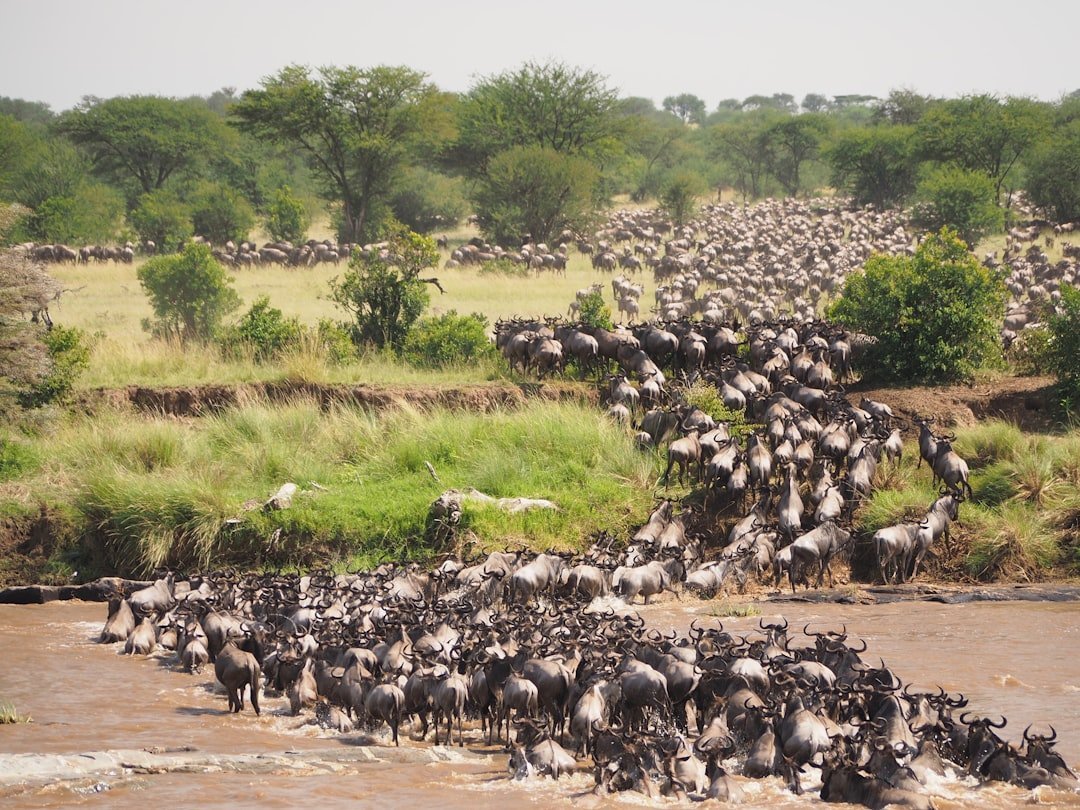
If there is a single place on Earth where nature operates in full, unedited, unapologetic motion, it is the Serengeti. The Great Migration, in which vast herds of wildebeest and zebra thunder across the plains, is one of the most staggering wildlife spectacles the planet produces. The migration moves continuously, making timing crucial for witnessing specific events like the famous Mara River crossings or calving season in the southern Serengeti. This isn’t just about seeing animals. It’s about witnessing an ecosystem in motion, where survival, instinct, and natural selection play out on a scale that makes human dramas seem trivial by comparison.
The landscape itself deserves attention too. Endless golden grasslands, acacia trees silhouetted at dusk, and skies so enormous they seem borrowed from another planet. The Serengeti teaches something that no documentary quite manages: that the wild world has its own logic, its own rhythm, and its own indifferent beauty. Standing in the middle of it, especially at sunrise, is one of those experiences that recalibrates your sense of what matters.
Conclusion: The World Is Waiting
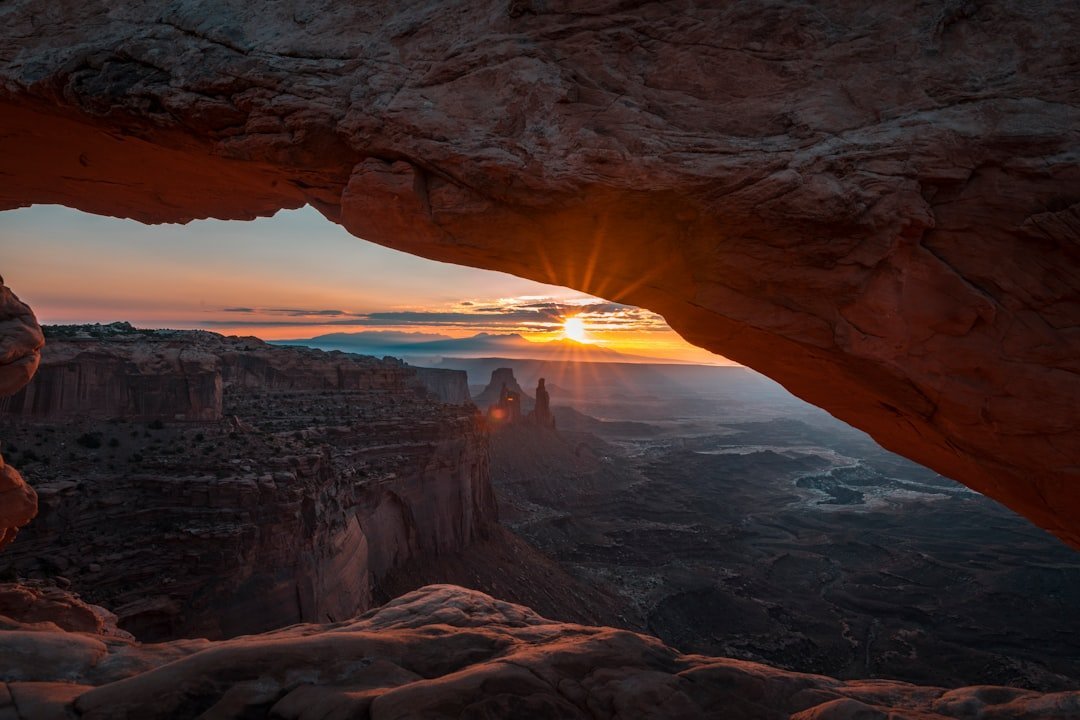
These places share something beyond their visual majesty. They are reminders. They remind us that the Earth has been building, carving, flooding, freezing, and erupting for billions of years before we arrived, and will continue doing so long after. These natural masterpieces offer experiences that will leave you a changed traveler forever.
Visiting them is not merely tourism. It is a kind of education that no classroom can replicate. Each one leaves a mark on you, a recalibration of scale, a renewed sense of awe, and an uncomfortable, wonderful feeling of smallness.
So pack the bag, plan the trip, wake up at the ungodly hour to catch the perfect light. These wonders are not going to come to you. Which one are you going to see first?

Christian Wiedeck, all the way from Germany, loves music festivals, especially in the USA. His articles bring the excitement of these events to readers worldwide.
For any feedback please reach out to info@festivalinside.com
