

For any feedback please reach out to info@festivalinside.com
- Who Is the Best German Rapper? Inside the Scene Taking Over Europe’s Music Culture - September 16, 2026
- The Best R&B Artists of Today: Voices Defining the Sound of a New Generation - September 16, 2026
- 12 Ending Lines in Literature That Hit Harder Than the Plot - September 16, 2026
Picture this: you drop the needle on a vinyl from over half a century ago, and it explodes with ideas that could dominate Spotify playlists right now. These albums didn’t just ride the waves of their era; they carved new channels through rock, jazz, electronic, and beyond, forcing everyone to rethink what music could be. Decades later, their bold experiments echo in today’s hits, proving true innovation never fades.
From orchestral pop symphonies to modal jazz breakthroughs, these records redefined genres and keep inspiring artists in 2026. Honestly, spinning them feels like time travel to a future that already happened. Let’s dive into the ten that still pack a punch.
1. The Beach Boys – Pet Sounds (1966)
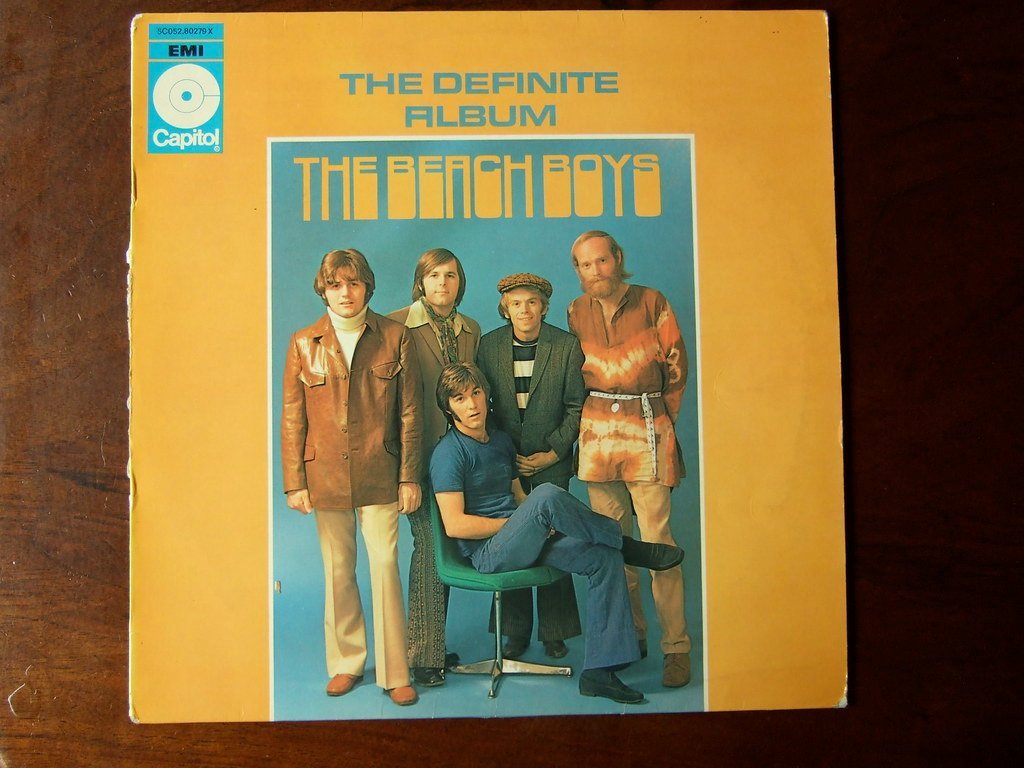
Pet Sounds bursts with lush orchestration, layering harpsichords, flutes, and bicycle bells into pop songs that feel like miniature symphonies. Brian Wilson crafted a wall of sound denser than Phil Spector’s, yet intimate and emotional. The harmonies soar with a childlike wonder mixed with adult heartache, making every track a sonic adventure.
This album pioneered the concept album in pop, influencing everyone from the Beatles to modern producers like Finneas. Its studio wizardry set new standards for recording techniques still used today. No wonder it sounds as fresh as a beach breeze, shaping indie pop and beyond.[1][2]
2. The Beatles – Sgt. Pepper’s Lonely Hearts Club Band (1967)
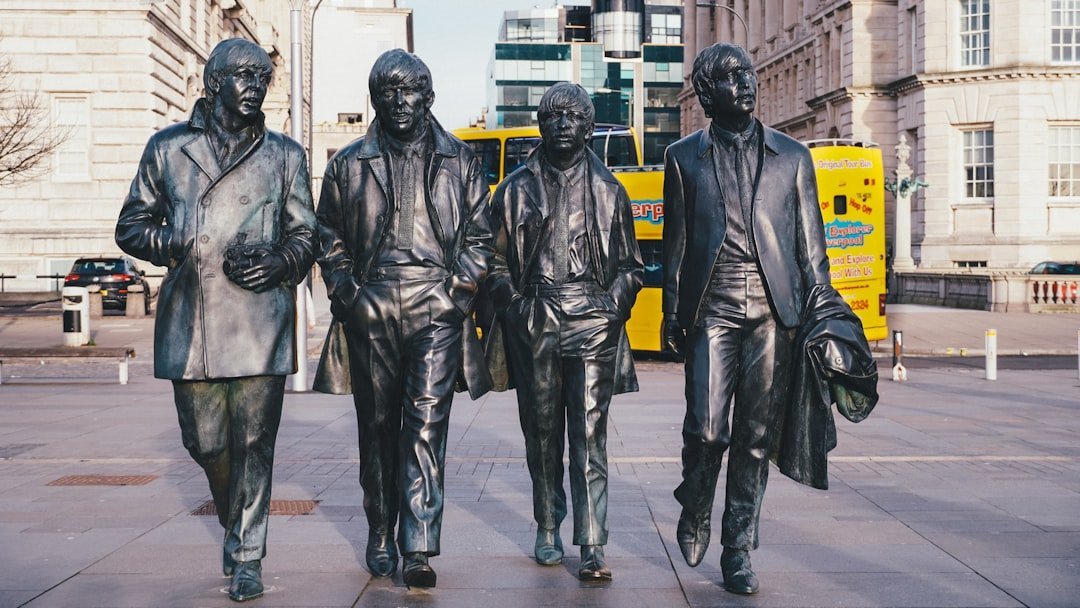
Sgt. Pepper unleashes a carnival of sounds: tape loops, sitars, and brass bands collide in psychedelic rock that defies pop norms. George Martin’s production turns songs into vignettes, with “A Day in the Life” bridging quiet introspection to orchestral chaos. It’s a kaleidoscope of influences, from music hall to Indian ragas.
The innovation lay in treating the album as art, not just songs, birthing the album era. Today’s artists sample its tricks, from backward guitars to multitrack vocals. It remains a blueprint for ambitious records, proving pop could be profound.[3][4]
3. The Velvet Underground & Nico (1967)
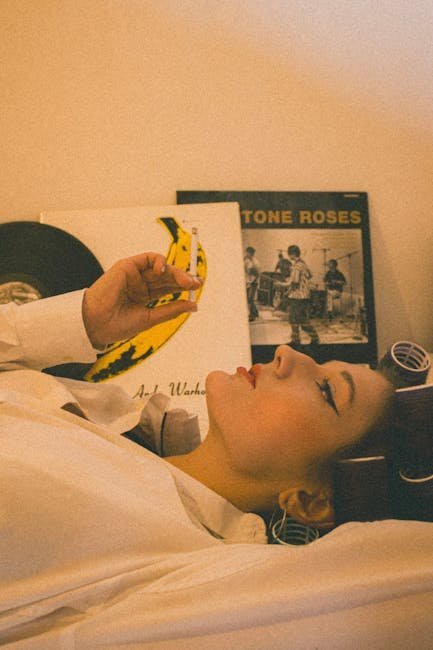
Rough and raw, this album grinds viola drones against Lou Reed’s deadpan tales of urban grit, heroin, and S&M. Nico’s icy vocals add a ghostly allure, while John Cale’s avant-garde noise shreds rock conventions. Tracks like “Heroin” mimic the drug’s rush through swelling feedback.
It birthed alternative rock by embracing the ugly and experimental, influencing punk and indie for generations. Though sales flopped initially, its cult status grew, with everyone from Bowie to St. Vincent drawing from its fearless edge. Still sounds like a middle finger to polish.
4. Miles Davis – Kind of Blue (1959)
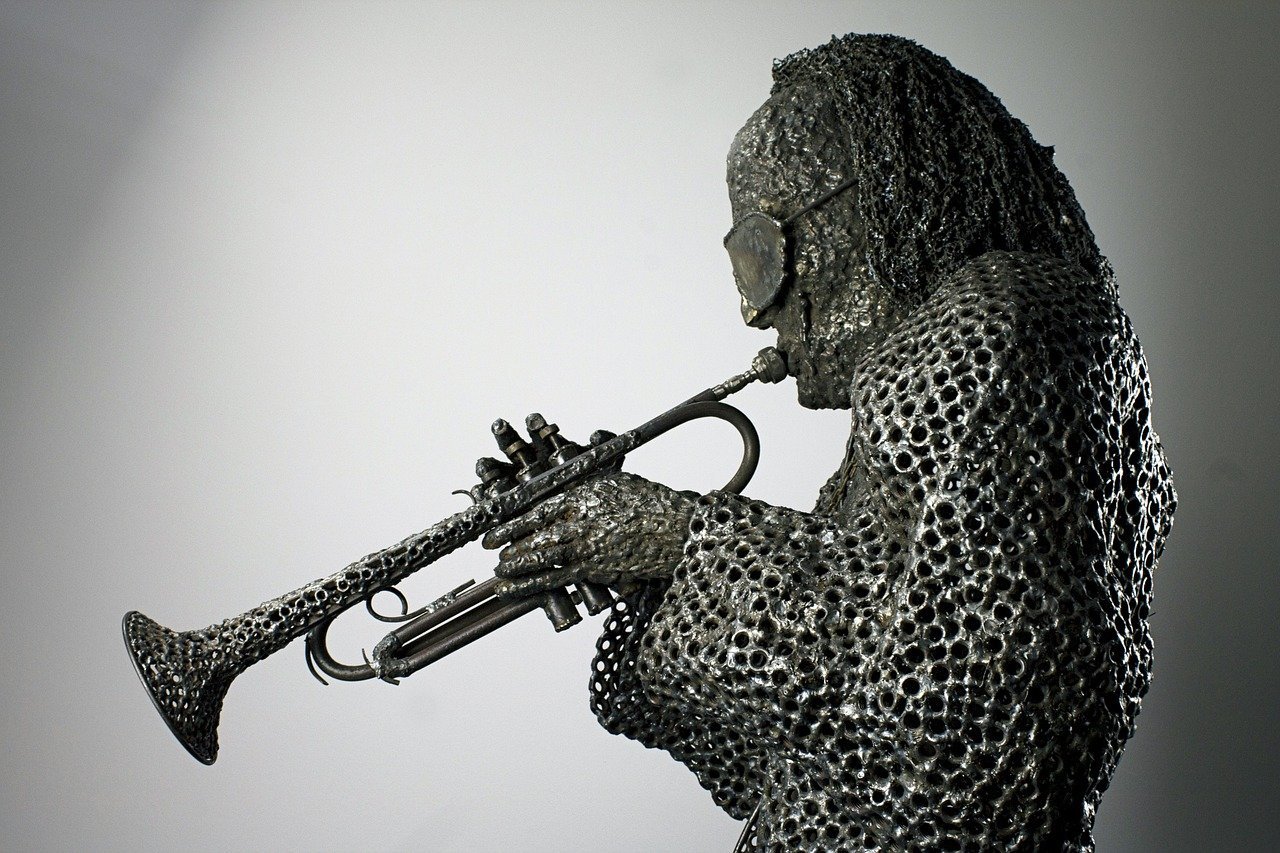
Cool modal jazz flows effortlessly here, ditching chord changes for scales that let improvisers roam free. Coltrane’s tenor dances with Davis’s muted trumpet over Bill Evans’ piano ripples. The spaciousness feels meditative, almost ambient before the term existed.
This shifted jazz from bebop frenzy to introspective landscapes, impacting fusion, electronica, and even hip-hop beats. Its subtlety endures, with producers remixing its essence in 2026 tracks. A masterclass in less-is-more.[5]
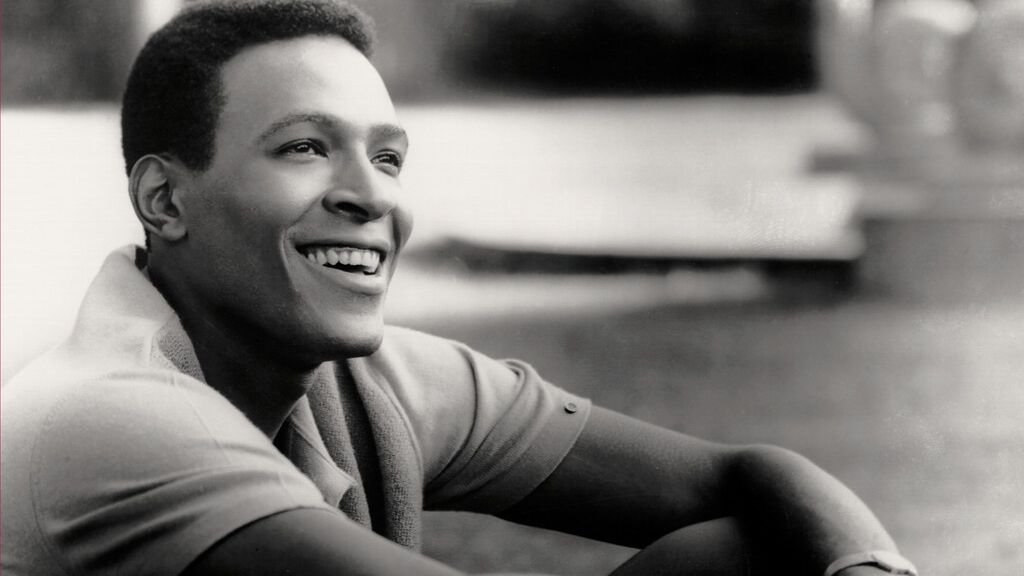
5. Marvin Gaye – What’s Going On (1971)
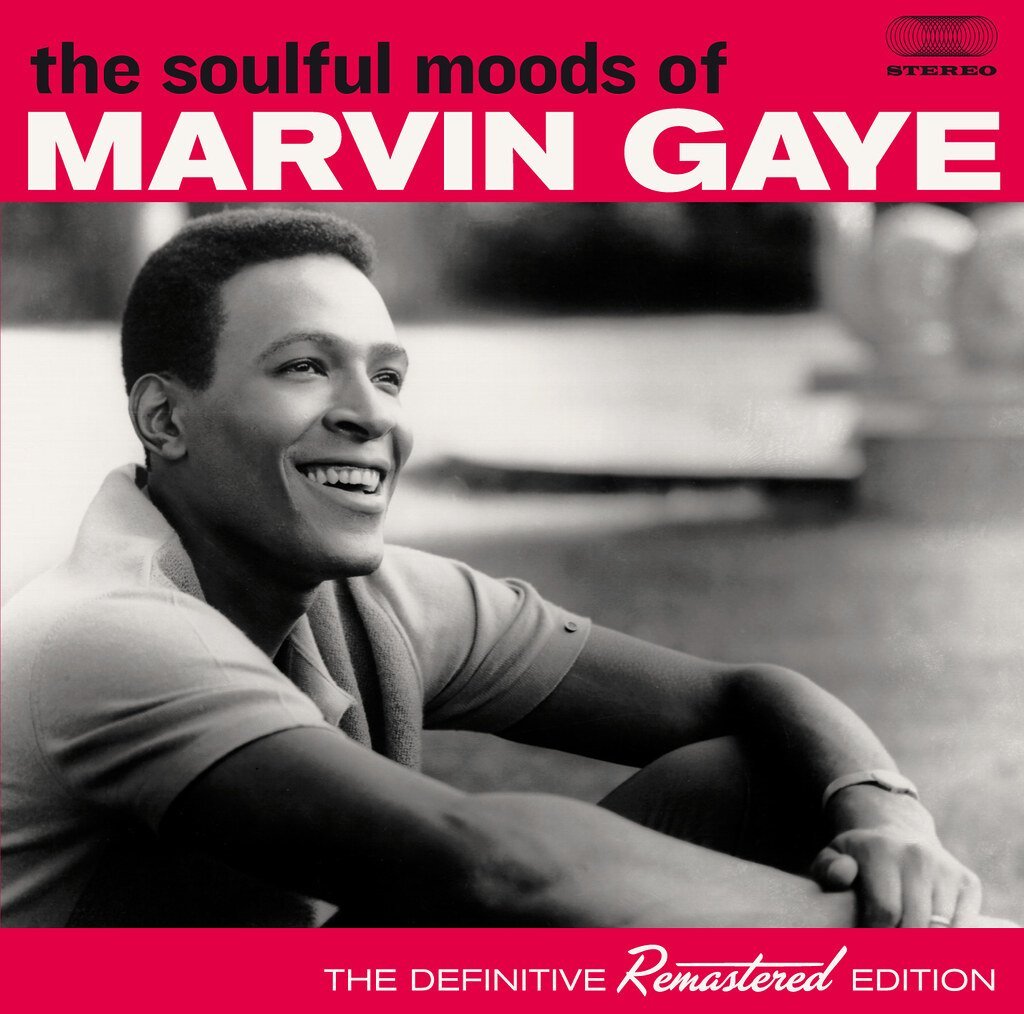
Soul evolves into a multi-tracked vocal symphony addressing war, poverty, and ecology with jazz-funk grooves. Gaye’s falsetto layers create a communal chant, backed by congas and reeds. Tracks bleed into each other like a protest march.
Motown’s first concept album fused activism with sophistication, paving for conscious rap and R&B. Its environmental pleas ring truer now, influencing neo-soul acts. Timeless urgency in every note.
6. Pink Floyd – The Dark Side of the Moon (1973)
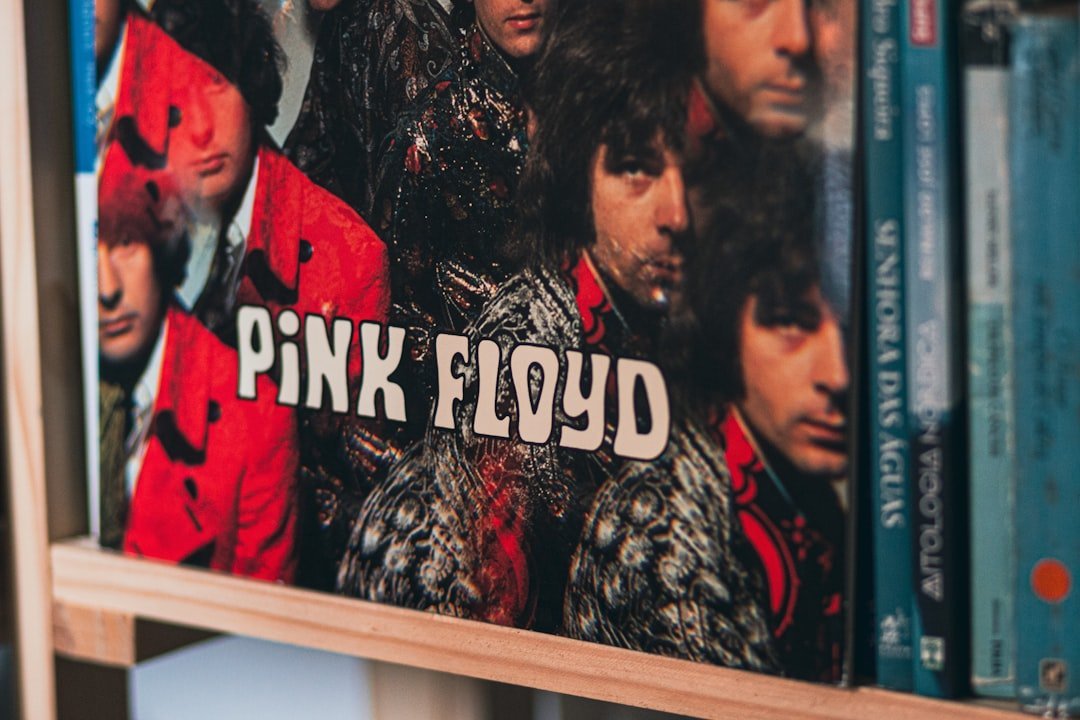
Conceptual rock peaks with time, madness, and death explored via cash registers, heartbeats, and soaring guitars. Quadrophonic sound design wraps you in immersive chaos, from “Money’s” funky riff to “Eclipse’s” crescendo. Seamless flow makes it one album-long trip.
Revolutionized prog with accessible themes and effects, inspiring ambient and EDM. Still charts in streams, its production a benchmark for spatial audio today. Eerily prescient.
7. Kraftwerk – Autobahn (1974)
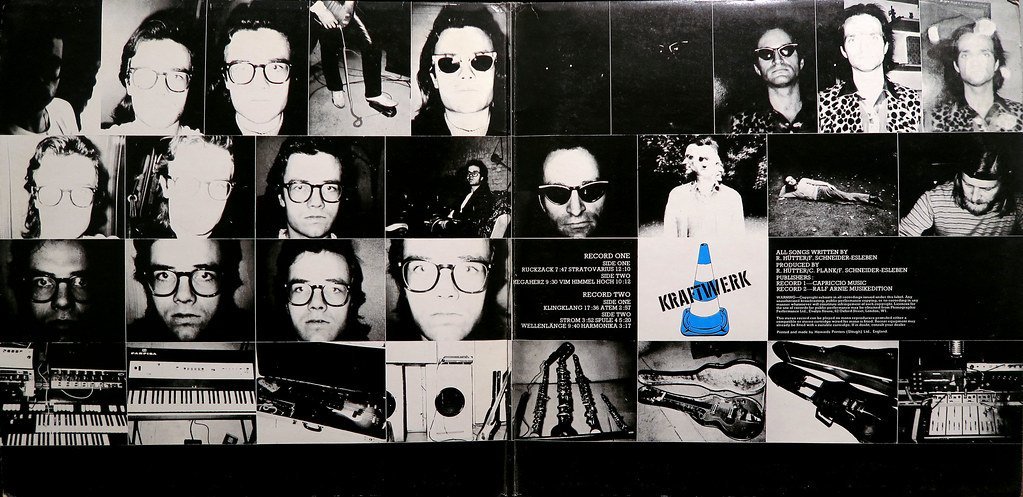
Synths hum like engines on a 22-minute title track, minimal vocoders chant highways ahead. Robotic beats pulse with hypnotic repetition, stripping rock to electronic bones. Pure motorik groove feels proto-techno.
Fathered electronic dance music, from house to synthwave, with humanless precision. Influenced hip-hop sampling and Daft Punk alike. Sounds like tomorrow’s commute.
[6]
8. Public Enemy – It Takes a Nation of Millions to Hold Us Back (1988)
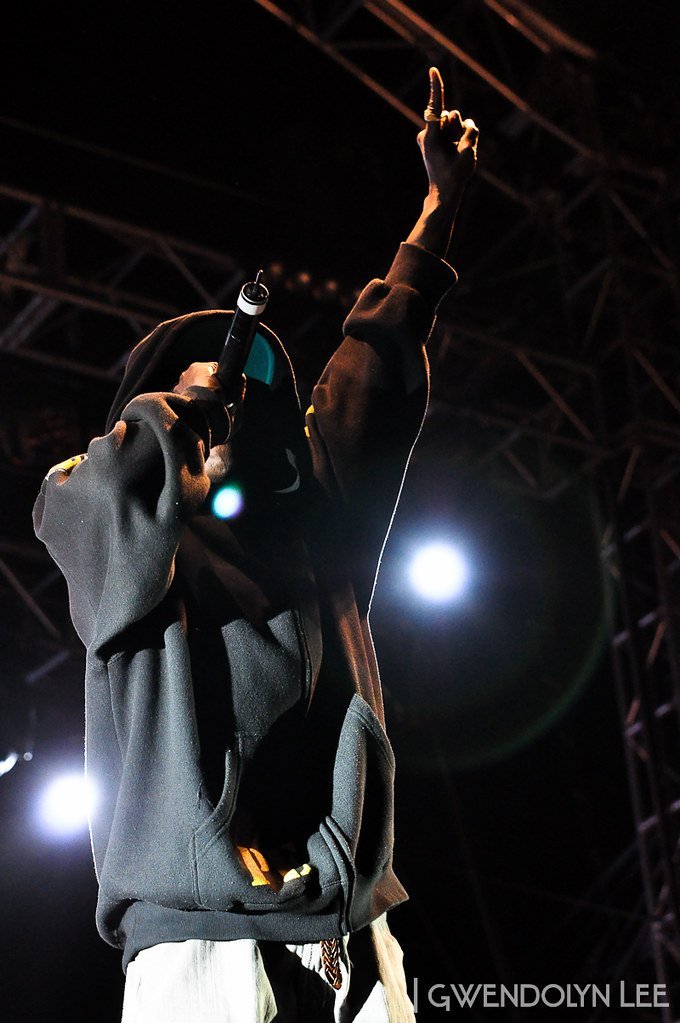
Bombastic hip-hop assaults with Chuck D’s fiery rhymes over Bomb Squad’s chaotic samples: sirens, scratches, metal clangs. Layered like a riot, dense and aggressive. “Bring the Noise” fuses rap and metal.
Redefined production as weapon, elevating hip-hop to rock levels and sparking political rap. Its sound fuels trap and experimental beats now. Revolutionary firepower.
9. Nirvana – Nevermind (1991)
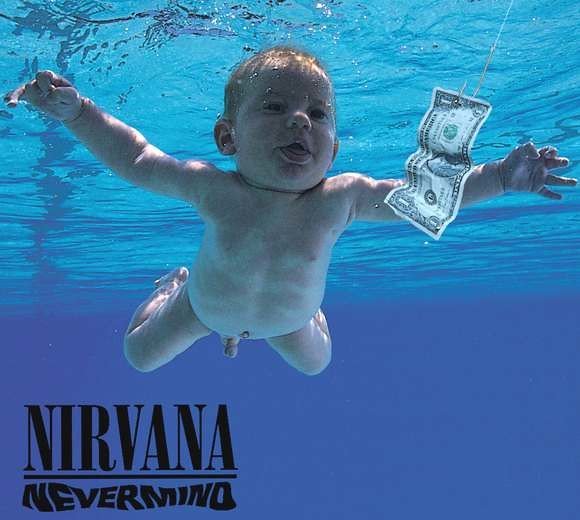
Grunge roars through quiet-loud dynamics, Kurt Cobain’s raw howl over Butch Vig’s polished sludge. “Smells Like Teen Spirit” flips punk into stadium anthems with glossy distortion. Pop hooks hide angst.
Killed hair metal, birthed alternative mainstream, influencing emo and nu-metal. Raw emotion still resonates in post-rock. Grunge’s big bang.
10. Radiohead – OK Computer (1997)
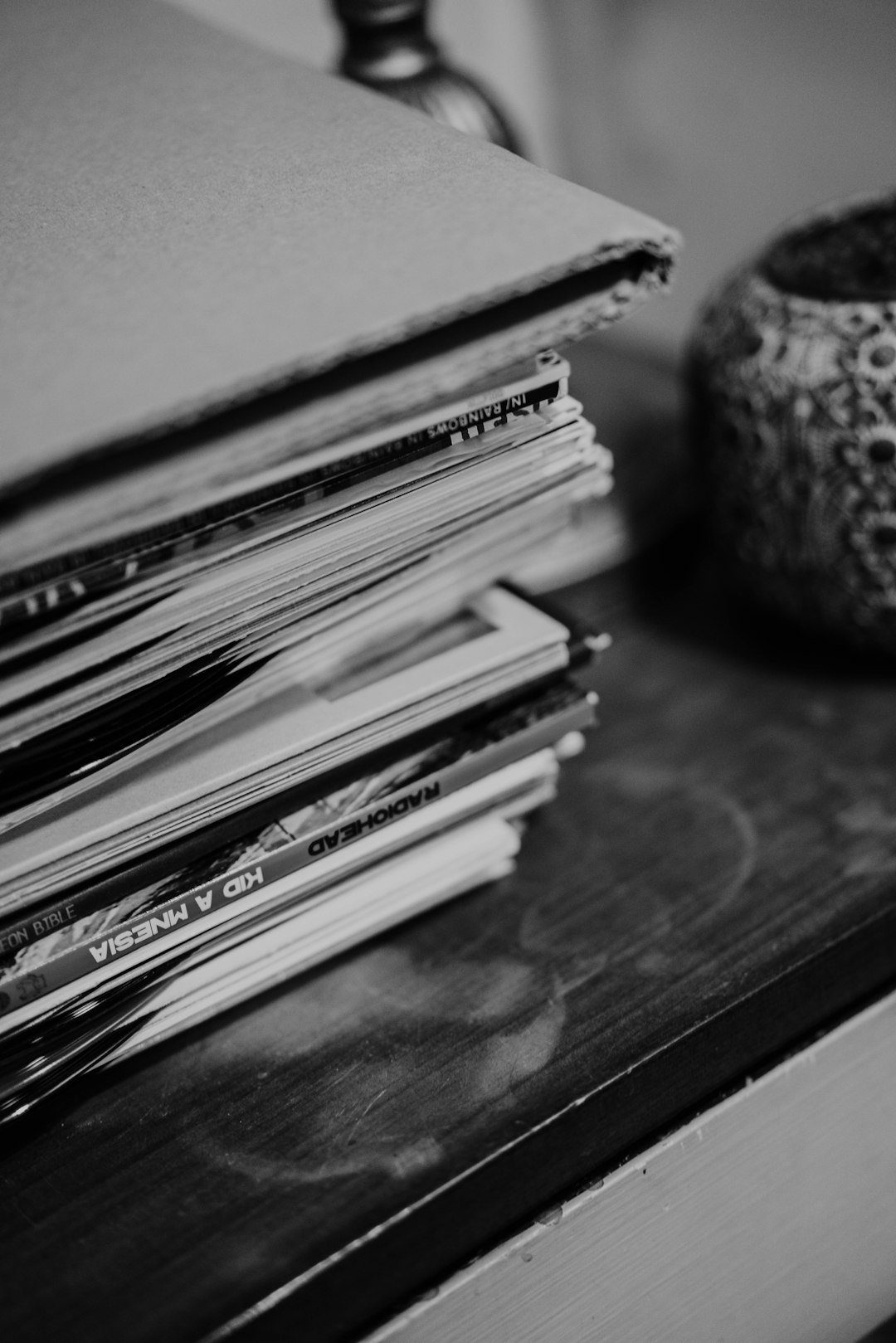
Guitars glitch with electronic paranoia, Thom Yorke’s falsetto wails dystopian fears over orchestral swells. “Paranoid Android” sprawls like prog-punk, “Karma Police” chills with warped fades. Futuristic unease.
Predicted digital alienation, blending IDM into rock, inspiring glitch-hop and ambient pop. Still the gold standard for concept albums in 2026. Prophetic masterpiece.
Timeless Revolutionaries: Why They Endure
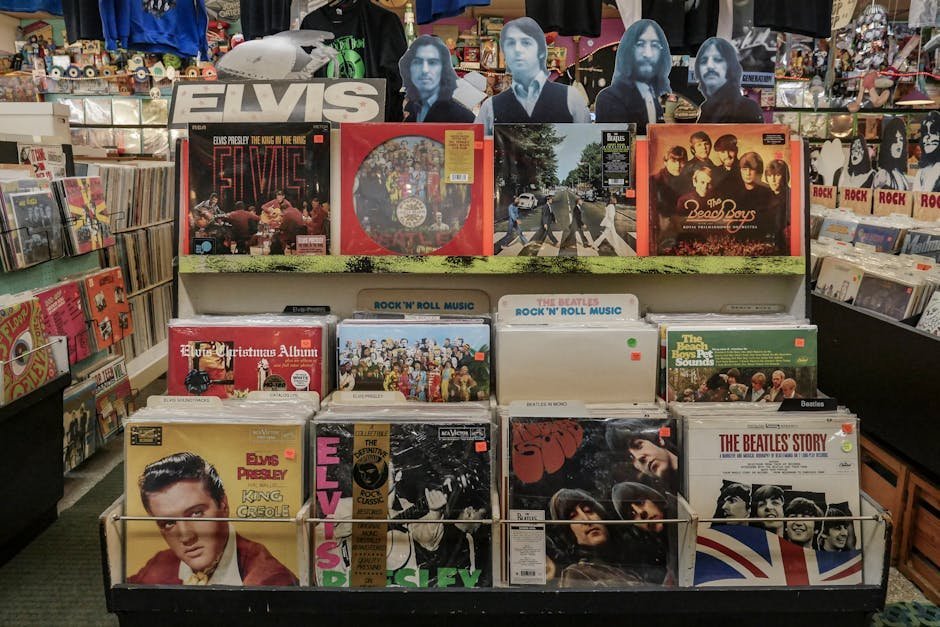
These albums prove greatness isn’t about trends; it’s bending reality until it snaps back changed. They challenged limits, fused worlds, and handed blueprints to future creators. In 2026, amid AI beats and viral hooks, their human spark – raw, bold, visionary – still ignites.
Great music stands the test of time because it speaks universal truths through fearless sound. Crank one up today; feel the revolution anew. Which of these blows your mind most? Drop your thoughts below.

Christian Wiedeck, all the way from Germany, loves music festivals, especially in the USA. His articles bring the excitement of these events to readers worldwide.
For any feedback please reach out to info@festivalinside.com
