

For any feedback please reach out to info@festivalinside.com
- Who Is the Best German Rapper? Inside the Scene Taking Over Europe’s Music Culture - September 16, 2026
- The Best R&B Artists of Today: Voices Defining the Sound of a New Generation - September 16, 2026
- 12 Ending Lines in Literature That Hit Harder Than the Plot - September 16, 2026
Picture this: the 1970s and 80s burst with raw energy, disco beats, and guitar riffs that could shake stadiums. Yet countless artists poured their souls into albums that lit up the charts briefly before vanishing into obscurity. These talents shaped genres we still love today, only to be overshadowed by bigger names.
Honestly, it’s a shame how trends bury such gems. Their stories mix heartbreak, innovation, and pure musical fire. Let’s uncover why they merit a fresh spotlight in 2026.[1][2]
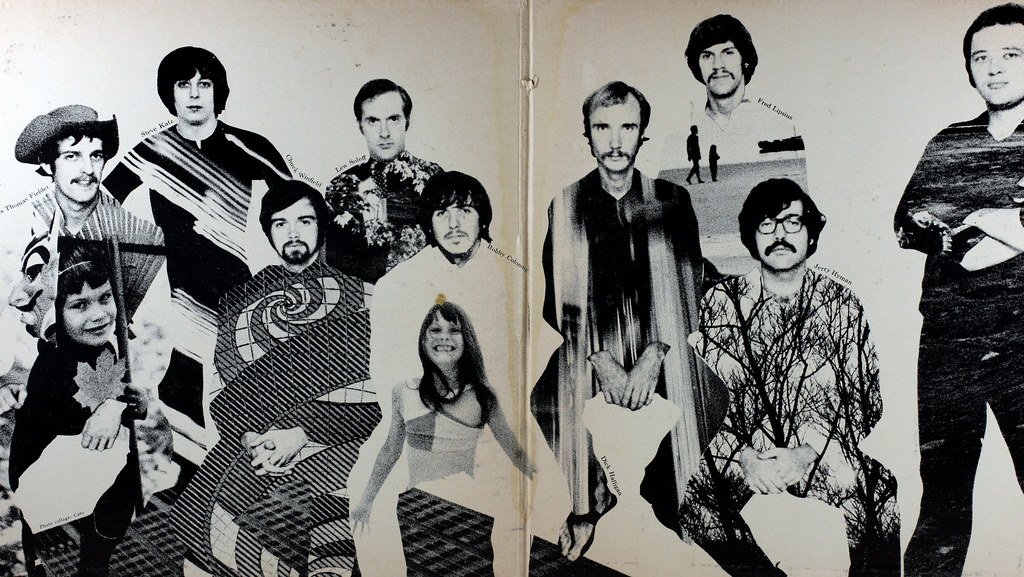
Badfinger
Badfinger mastered power-pop with Beatles-esque melodies and tight harmonies in the early 70s. Tracks like “Come and Get It,” penned by Paul McCartney, and “No Matter What” captured that perfect pop punch.[1][3] Their albums *Day After Day* and *Straight Up* brimmed with hooks that rivaled any era’s best.
Tragedy struck with management woes and member suicides, derailing their momentum. Still, they influenced countless bands yet linger in the shadows. A comeback could revive power-pop’s golden age. I reckon their crisp sound fits today’s indie scene perfectly.[1]
Big Star
Big Star crafted 1960s-tinged alternative rock in the 70s, blending jangly guitars with emotional depth. Albums like *#1 Record*, *Radio City*, and *Third/Sister Lovers* delivered gems such as “In the Street” and “Thirteen.”[3] Alex Chilton’s vulnerable vocals cut straight to the heart.
Poor sales at the time left them overlooked, but they inspired R.E.M. and The Replacements. Here’s the thing: their cult status screams revival potential. In our nostalgic world, Big Star’s melancholy pop deserves arena cheers.[3]
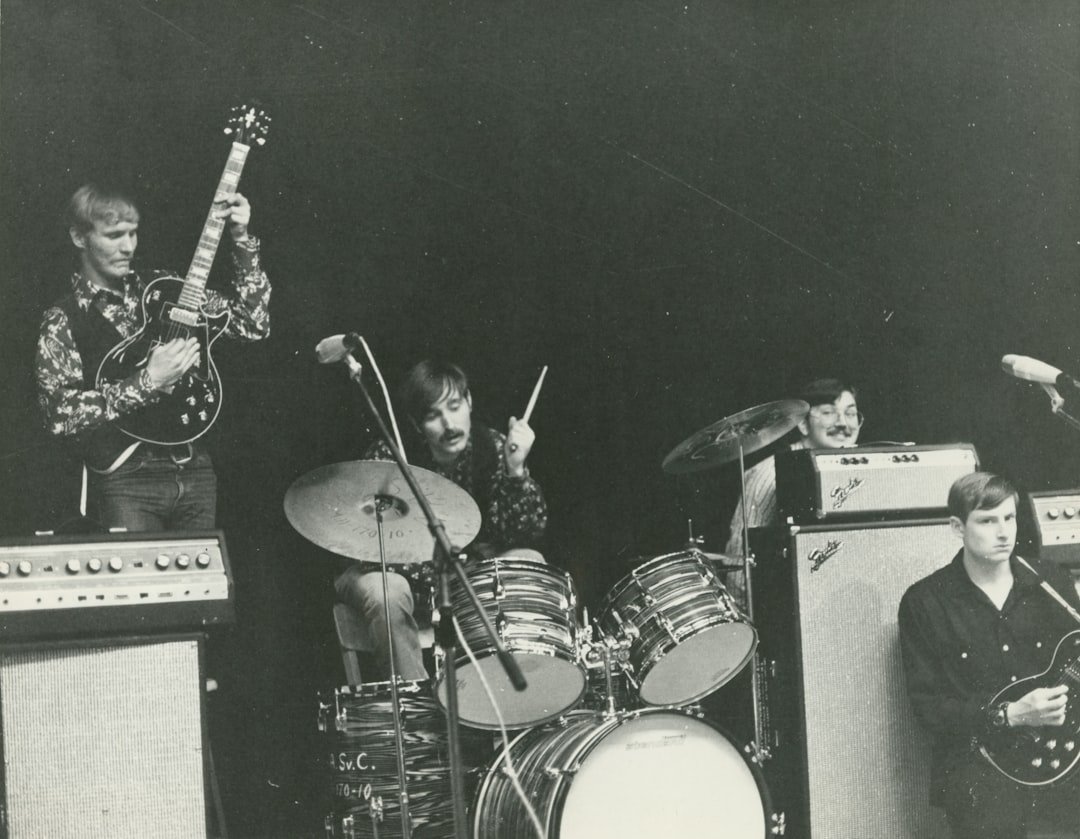
Little Feat
Little Feat fused rock, country, blues, and jazz into a swampy groove during the 70s. Lowell George’s slide guitar shone on *Dixie Chicken* and *Waiting for Columbus*, tracks full of wit and rhythm.[1] They released eight albums packed with live energy that Jimmy Page admired.
Never cracking mainstream, they influenced The Chicks and beyond. Their eclectic mix feels fresh amid fusion revivals. Time to dust off those records and let Little Feat boogie back.[1]
April Wine

Canadian rockers April Wine delivered arena-ready anthems in the 70s with soaring vocals and riffs. Hits like “Just Between You and Me” from *First Glance* and *Harder… Faster* defined their hard-edged style.[1] Myles Goodwyn’s presence made them royalty up north.
They faded south of the border despite solid output. Yet their polished rock cries for rediscovery. Imagine them opening for modern acts; pure fire.[1]
Hawkwind
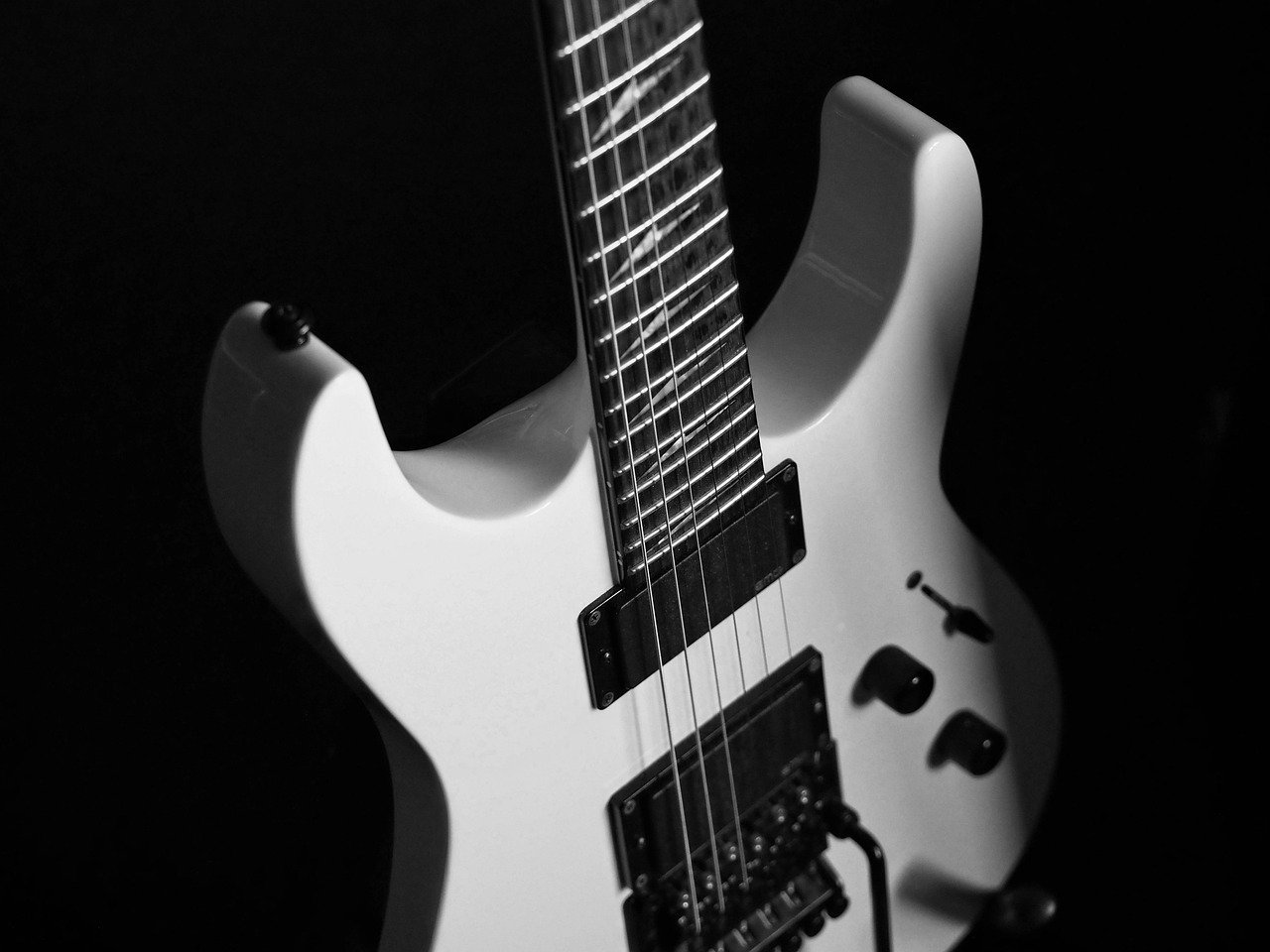
Hawkwind pioneered space rock, blending psychedelic, prog, and proto-punk in the 70s. “Silver Machine” and “Urban Guerrilla” from their debut and follow-ups pulsed with cosmic energy.[1] Eight albums captured their wild innovation.
Europe loved them, but U.S. success eluded, influencing Ministry and Black Flag. Their trippy vibes align with today’s psych revival. Hawkwind deserves to launch again.[1]
Wishbone Ash
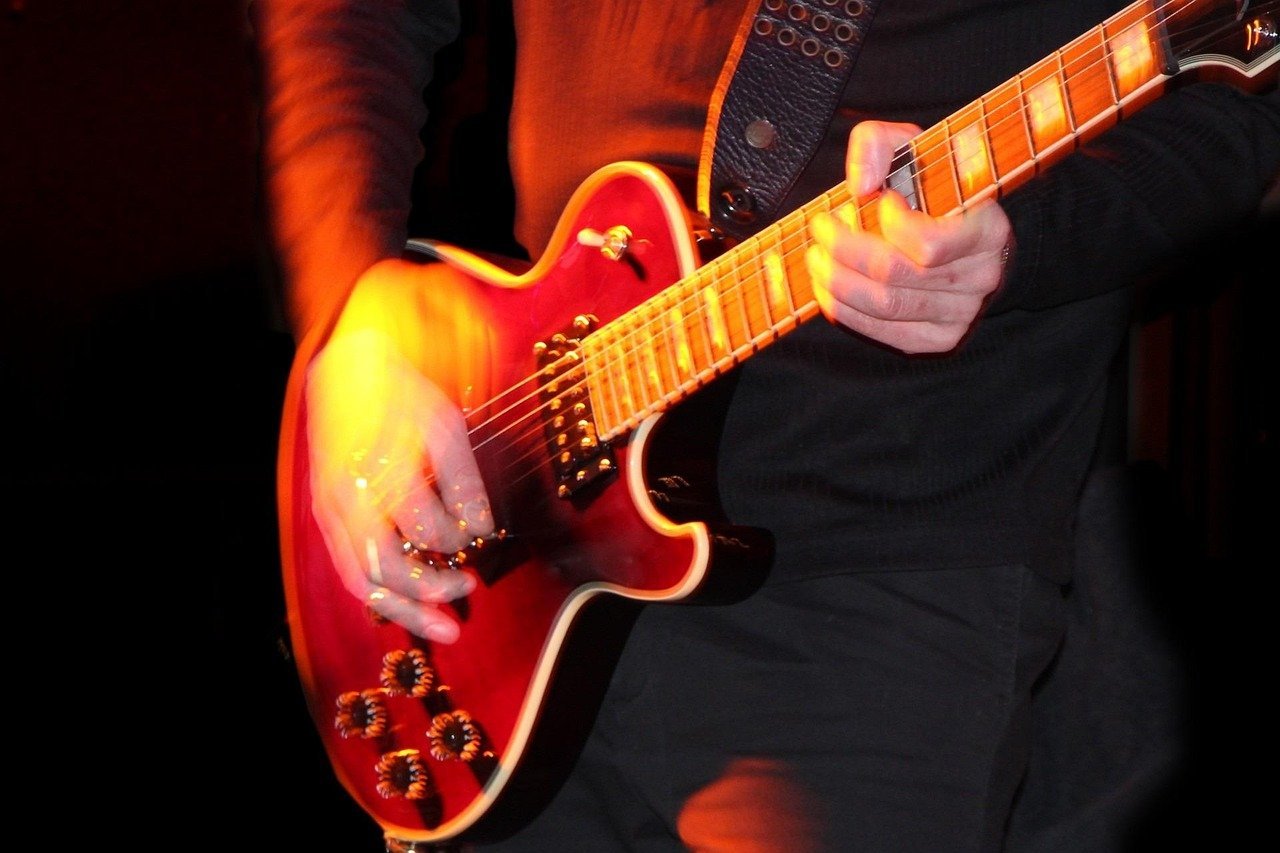
Wishbone Ash wielded dual lead guitars in prog-tinged hard rock through the 70s. *Argus* and *Pilgrimage* featured “Blowin’ Free,” mesmerizing with melody and myth.[3][4] They mixed blues, folk, and fusion masterfully.
Better known in the UK, they shaped Iron Maiden and Van Halen. Underrated longevity begs a comeback tour. Their harmony screams timeless.[3]
Nazareth
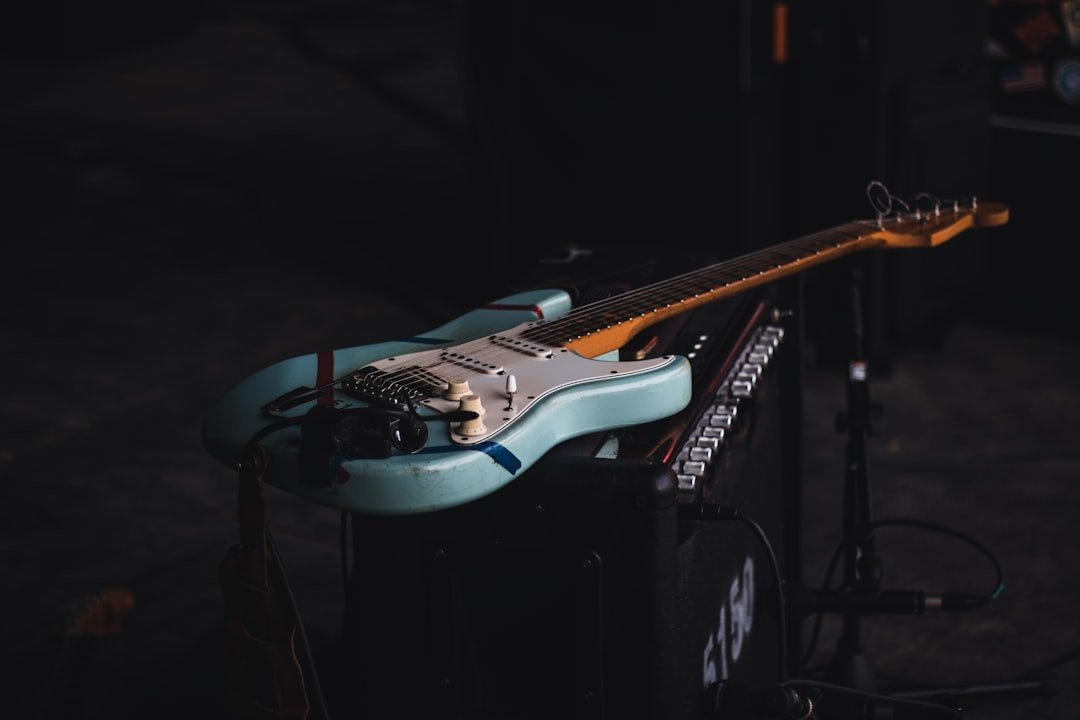
Nazareth hammered hard rock with gritty covers and originals in the 70s. “Hair of the Dog” and their take on “Love Hurts” from the 1975 album roared worldwide.[1] Over 20 albums showed staying power.
Lineup shifts dimmed their shine, but loyal fans persist. Their raw edge fits nu-metal nostalgia. Nazareth could rock festivals anew.[1]
Budgie

Budgie’s power trio drove early heavy metal in the 70s with pounding riffs. “Breadfan,” later covered by Metallica, and *Crash Course in Brain Surgery* defined their fury.[1] Seven albums built European buzz.
U.S. attention lagged until influences surfaced. They deserve credit as metal pioneers. Picture Budgie headlining underground bills.[1]
The Guess Who
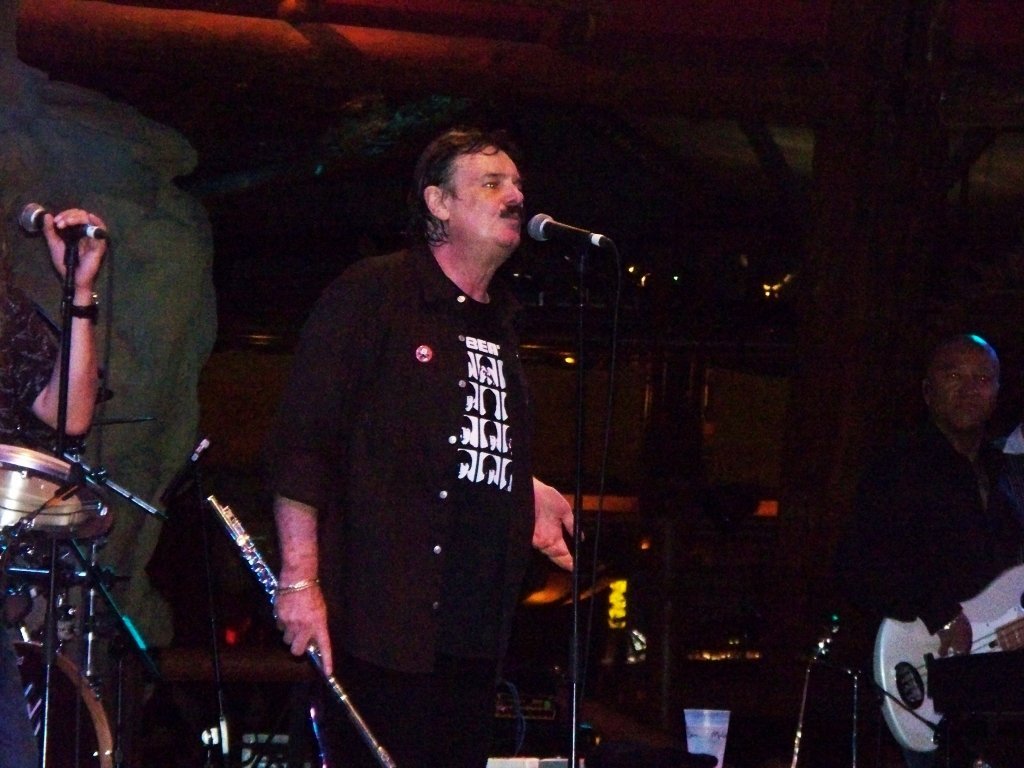
The Guess Who rocked with hits like “American Woman” in the 70s, blending psych and straight-up riffage. Ten albums cemented their Canadian legend status.[1] Burton Cummings’ voice soared high.
Hall of Fame snub keeps them sidelined. Their anthems demand revival playlists. Let’s give these guys their due.[1]
Mountain
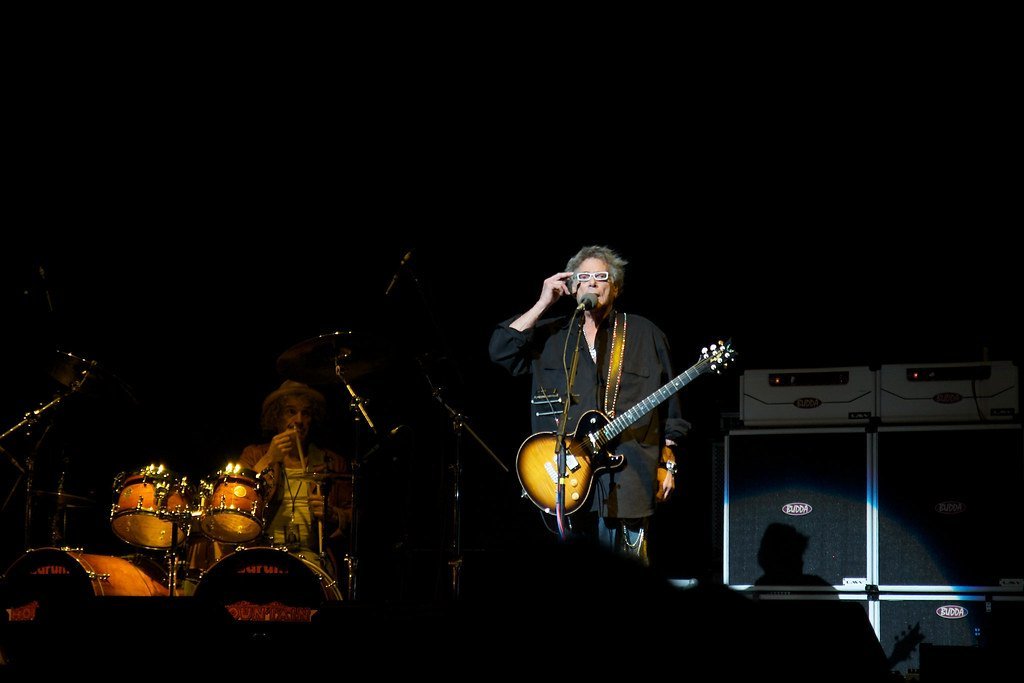
Mountain’s hard rock thundered with “Mississippi Queen” in the early 70s, cowbell and all. Their gritty blues power trio style packed punch.[2] Leslie West’s riffs defined an era.
Seen as one-hit wonders post-peak, they shaped heavier sounds. A full catalog revisit could spark flames. Mountain’s legacy rumbles on.[2]
Ten Years After
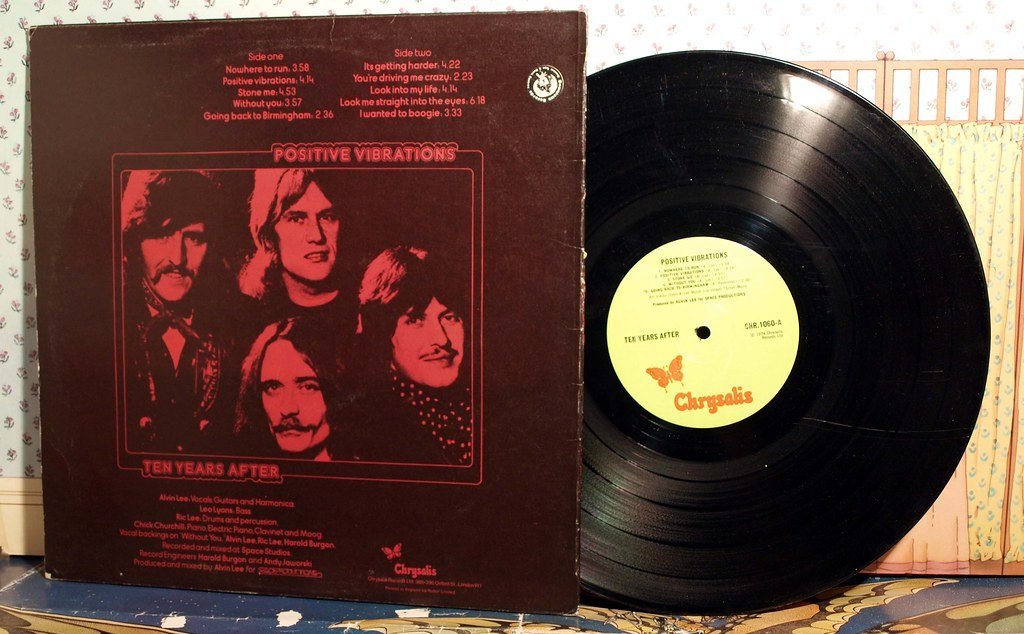
Ten Years After blazed blues-rock with Alvin Lee’s speed-picking on “I’d Love to Change the World.” Woodstock fame fueled their 70s run.[2] Virtuosic jams lit up festivals.
Punk dismissed their flash, fading them fast. Yet their energy endures. Time for Ten Years After to rage again.[2]
Blood, Sweat & Tears
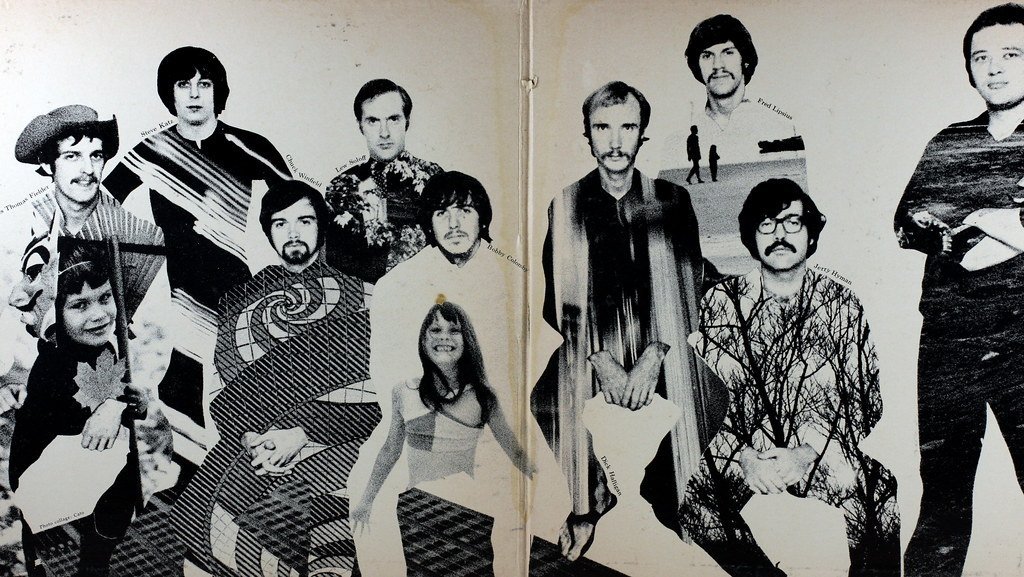
Blood, Sweat & Tears fused jazz-rock with brass on “Spinning Wheel” and “You’ve Made Me So Very Happy.” Massive sales marked their late 60s-70s peak.[2] Horns added soulful pop flair.
Rock’s gritty shift buried their polish. Their innovation warrants a comeback. Brass revival, anyone?[2]
The Bolshoi

The Bolshoi evoked proto-goth like Bauhaus in the mid-80s with dark, atmospheric waves. *Friends* birthed “Modern Man” and “Sunday Morning.”[5] Short-lived but intense.
No major hits led to quick disband. Cult appeal grows; reunion hints excite. Goth needs The Bolshoi back.[5]
The Chameleons
The Chameleons built post-punk walls of sound in the 80s on *Script of the Bridge* and “View from a Hill.” Echoey guitars mesmerized.[5] Influenced Smashing Pumpkins and Oasis.
Split early without sales glory. Recent releases tease more. Their depth deserves streams galore.[5]
Big Country

Big Country layered bagpipe-like guitars into anthemic 80s rock with “In a Big Country.” Toured with Queen; hits flowed.[5] Stuart Adamson’s vision shone.
One-hit label stuck post-tragedy. Their epic hooks beg revival. Big Country could stadium-fill tomorrow.[5]
Time to Rediscover These Hidden Treasures
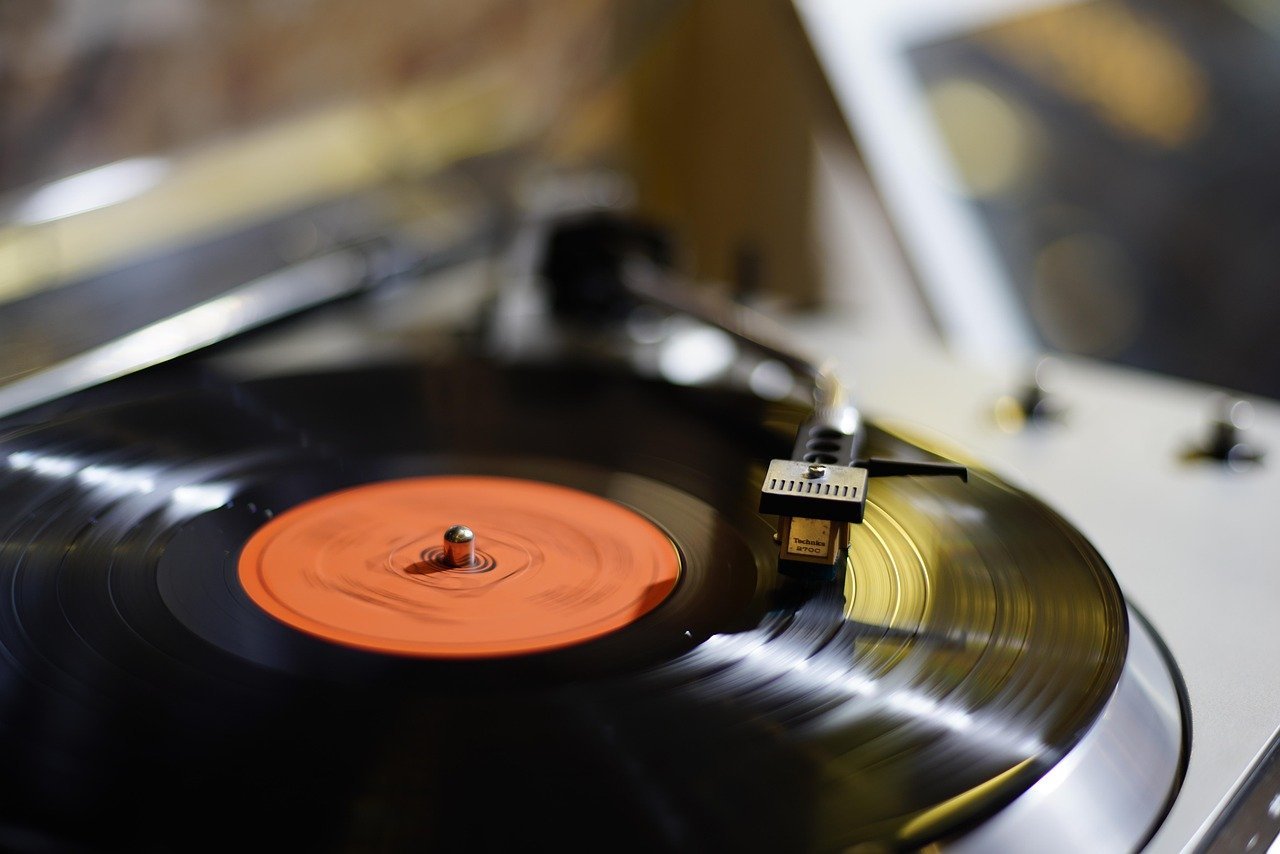
These 15 artists remind us music’s past holds untapped magic from the 70s and 80s. Their styles paved roads for today’s stars, yet they fade too quietly. Dive into their catalogs; you might find your new favorites.
What forgotten gem will you spin first? Share in the comments and let’s spark that comeback together.

Christian Wiedeck, all the way from Germany, loves music festivals, especially in the USA. His articles bring the excitement of these events to readers worldwide.
For any feedback please reach out to info@festivalinside.com
