

For any feedback please reach out to info@festivalinside.com
- 10 Everyday Things That Were Actually Invented for War - September 17, 2026
- The 20 Most Successful College Dropouts—Who Proved Degrees Aren’t Everything - September 17, 2026
- The 10 Most Creative Ways to Organize Your Workspace - September 17, 2026
There is something quietly heartbreaking about a great book that simply… disappears. Not because it was bad. Not because readers rejected it. Sometimes a novel arrives at the wrong moment, gets buried under publishing trends, or simply never gets the word-of-mouth fire it deserves. When it comes to books, some bestsellers dwindle from the public’s memory in remarkably short order. Sometimes it takes years or even decades for a book to achieve the success we associate with it, while other times a novel’s stardom may be nothing more than a flash in the pan.
The American literary landscape is genuinely enormous, and the spotlight has always been narrow. It’s impossible not to wonder how many extraordinary novels are sitting in the shadows, waiting for someone to pick them up and say, “Wait. This is brilliant.” There are quite a number of books that have been generously lathered with Pulitzers, National Book Awards, and National Book Critics’ Circle Awards that no one ever reads or talks about anymore. That is a staggering thought, honestly. So let’s pull some of those forgotten voices back into the light, shall we?
1. Stoner by John Williams (1965)
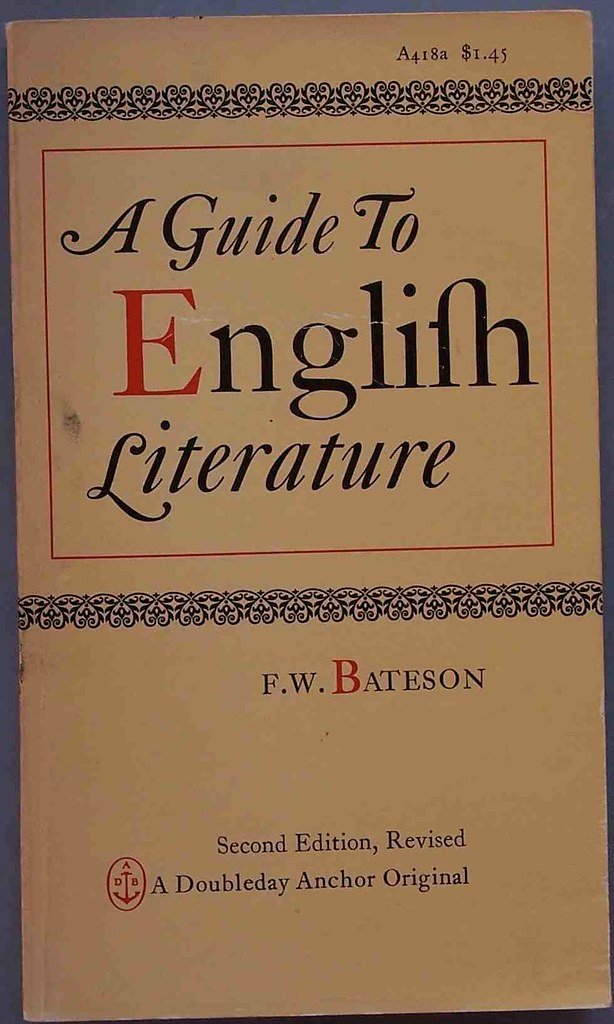
Few literary resurrection stories are as quietly astonishing as that of John Williams’s Stoner. Published in 1965, the book chronicles the emotionally tumultuous life of a literature professor named William Stoner. It sold 2,000 copies and brought little public recognition to its author. Think about that for a second. A masterpiece, circling in near-total obscurity for decades.
William Stoner is born at the end of the nineteenth century into a dirt-poor Missouri farming family. Sent to the state university to study agronomy, he instead falls in love with English literature and embraces a scholar’s life, so different from the hardscrabble existence he has known. Yet as the years pass, Stoner encounters a succession of disappointments: marriage into a “proper” family estranges him from his parents; his career is stymied; his wife and daughter turn coldly away from him; a transforming experience of new love ends under threat of scandal. Driven ever deeper within himself, Stoner rediscovers the stoic silence of his forebears and confronts an essential solitude.
Stoner only sold 2,000 copies on its initial release and was more or less forgotten, though a literary critic would write an occasional essay full of praise, especially after its return to print in 2003. Its recent popularity stems from a French novelist’s 2011 translation, which led to other European editions and sudden appearances on bestseller lists. A subsequent New Yorker article titled “The Greatest American Novel You’ve Never Heard Of” showed that Americans were finally ready to take notice of a homegrown classic. I think that title says it all.
2. Butcher’s Crossing by John Williams (1960)
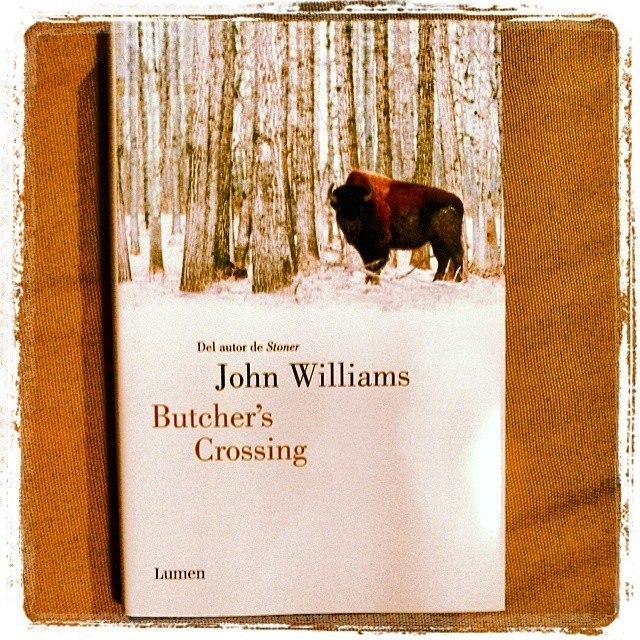
Here is the thing about John Williams: he wrote two completely different kinds of forgotten masterpieces. While Stoner has enjoyed a celebrated revival, Butcher’s Crossing remains less widely read. A shame, really, as this is a very intelligent novel, full of insights into the darker side of humanity and the consequences that can occur if this remains unchecked.
The story follows William Andrews, a young Harvard student who leaves his life behind to explore the American West. The book begins and ends in the fictional frontier town of Butcher’s Crossing, Kansas, in the early 1870s, where Andrews joins a buffalo-hunting expedition. He and the people he meets along the way must confront and survive the brutal realities of nature in their attempts to get buffalo hides to sell. It reads like Melville reborn on the frontier.
The novel explores themes that include the deconstruction of the American Frontier Myth, human arrogance versus nature’s indifference, and disillusionment and the loss of idealism. With Butcher’s Crossing, Williams dismantles the myths of modern America. For anyone tired of romanticized westerns, this novel is a deeply sobering and beautiful alternative.
3. So Big by Edna Ferber (1924)
https://www.yesterdaysgallery.com/pages/books/21856/edna-ferber/so-big
Photocopy scans with no alterations to public domain content are ineligible for copyright., Public domain)
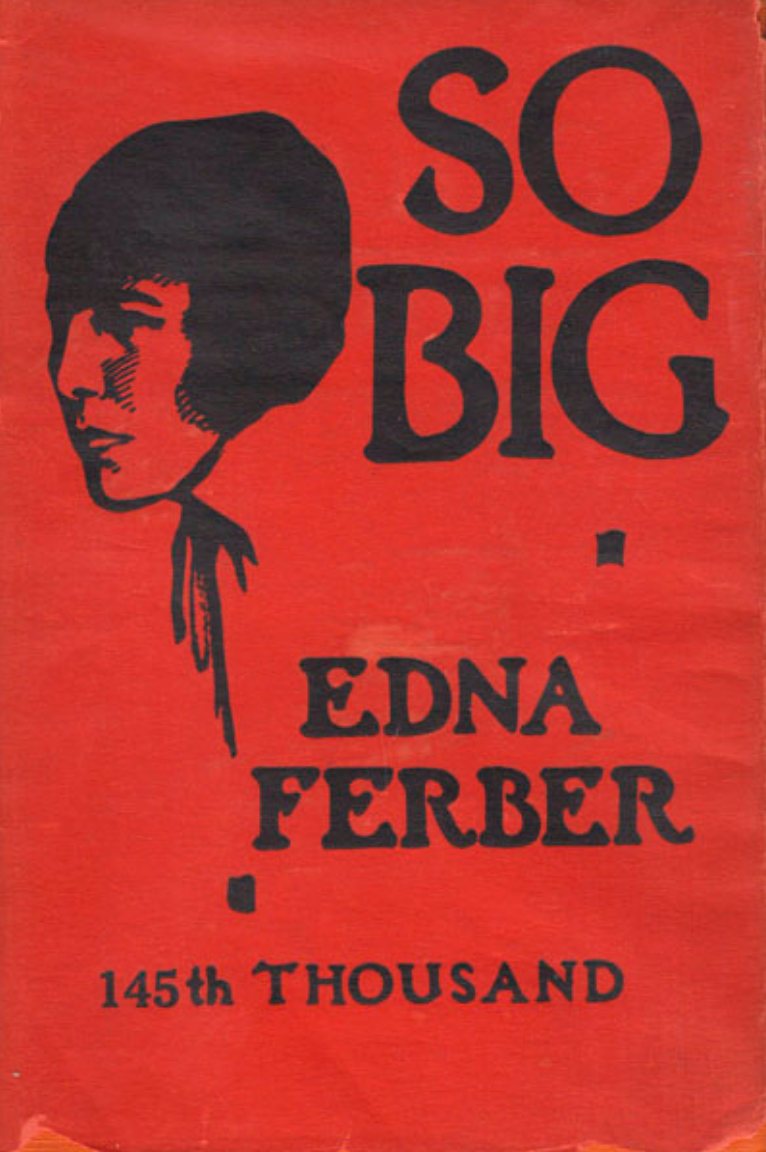
Winner of the Pulitzer Prize in 1925, this novel is widely considered to be Edna Ferber’s magnum opus, which is no small accomplishment, given that the author also penned some better-remembered works including Giant and Cimarron. Yet somehow, So Big has slid almost completely off the cultural radar.
Winner of the 1925 Pulitzer Prize, Edna Ferber’s So Big tackles important topics, like immigration, the role of art and culture in society, and how one lives her best life. So Big is a bit Gatsby-like without the New York City backdrop and the upper reaches of moneyed society. Instead, the novel follows the life of Selina Peake, a young woman with many skills, whose life is turned upside down.
Ferber’s reputation was cemented with So Big (1924), a surprise bestselling novel that was awarded the Pulitzer Prize for fiction. Popular writers rarely enjoy critical acclaim, but in her case, the critics were generally kind, even as her subsequent work became less literary and more mainstream. That combination of popular warmth and serious literary ambition makes So Big uniquely worth revisiting today.
4. The Autobiography of an Ex-Colored Man by James Weldon Johnson (1912)
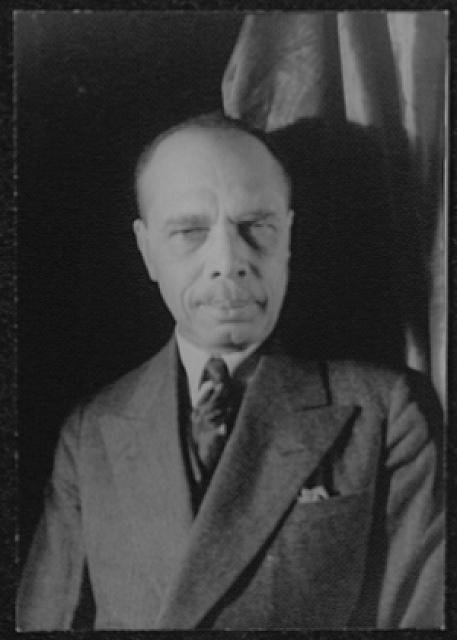
Catalog: http://lccn.loc.gov/2004663098
Image download: http://cdn.loc.gov/service/pnp/van/5a52000/5a52100/5a52189r.jpg
Original url: https://www.loc.gov/pictures/item/2004663098/, Public domain)
This one genuinely stops me cold every time I think about how little it gets discussed. An unflinching account of Black experience in America, James Weldon Johnson’s The Autobiography of an Ex-Colored Man is a trail-blazing novel that will stay with you after the last page. It was first published anonymously in 1912 and deserves to be read alongside Du Bois and Hurston as a cornerstone of African American literary history.
The novel’s narrator has a life marked with tragedy, from the loss of his mother at a young age to the horrific witnessing of a lynching. Out of fear, he chooses to “pass” as white in the hopes of securing safety and a better life. As a consequence of this choice, he is forced to give up his one passion: the ragtime music he had discovered in the Black community.
The tension between identity, survival, and cultural belonging is as relevant in 2026 as it was at the time of publication. Johnson was not just writing a personal story. He was writing the story of a nation divided against its own soul. Honestly, if this book were published today, it would dominate every awards conversation.
5. Morte d’Urban by J. F. Powers (1962)

Here is a novel that should be far more famous than it is. J. F. Powers won the National Book Award for his debut novel, Morte d’Urban, a comic novel about the exploits of a priest banished to Minnesota. A National Book Award winner, nearly forgotten. There are quite a number of books that have been lathered with major American literary awards that no one ever reads or talks about anymore. Morte d’Urban is a perfect example of that puzzling phenomenon.
The novel follows Father Urban, a charming and ambitious Catholic priest whose gift for glad-handing and fundraising makes him a star in his order. When his superiors banish him to a run-down retreat house in rural Minnesota, his ego clashes brilliantly with his new, very un-glamorous surroundings. Powers writes with a dry, precise wit that feels ahead of its time. The comedy cuts deep because the targets are so recognizably human: vanity, ambition, and the gap between spiritual ideals and earthly desires.
6. The Group by Mary McCarthy (1963)
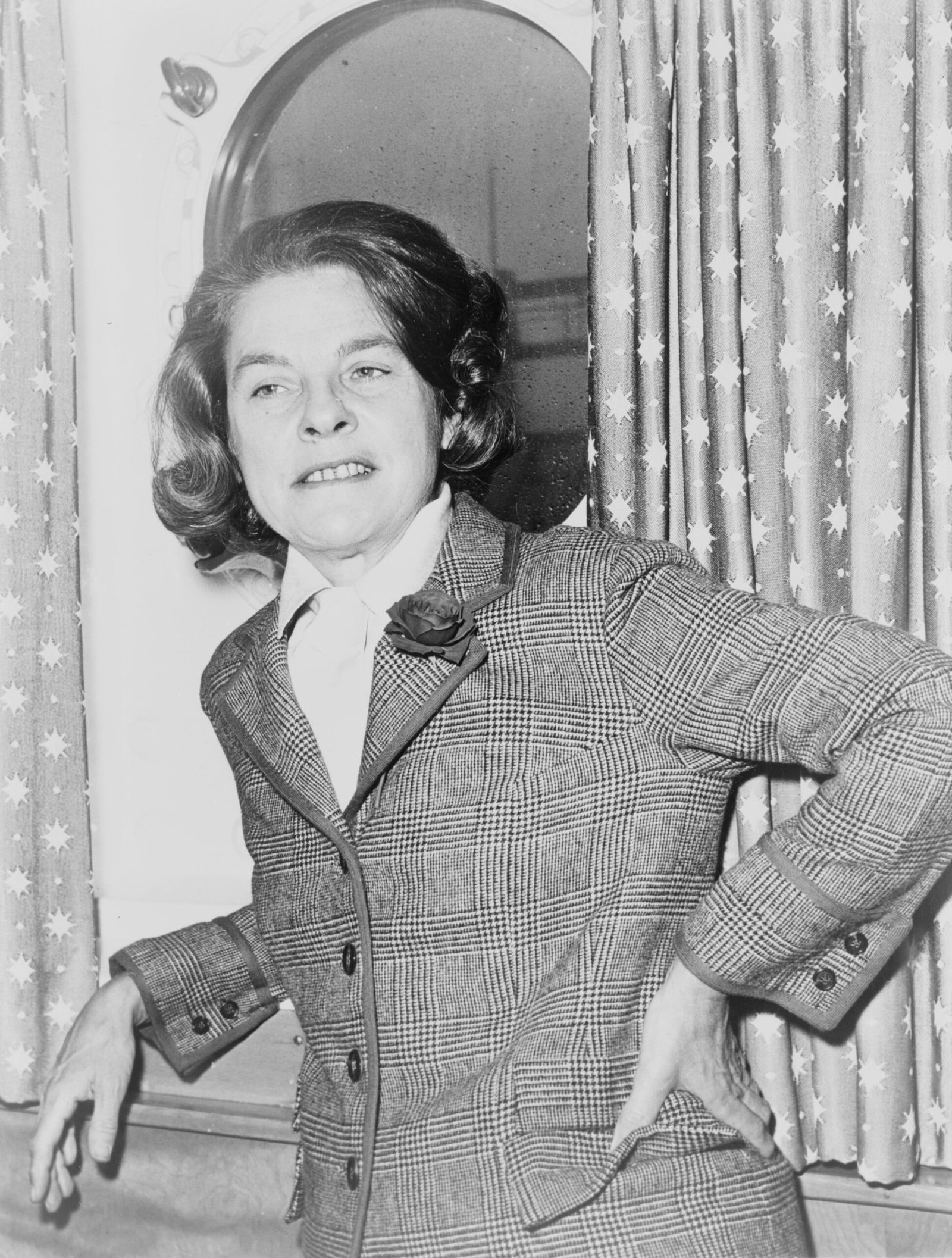
A massive success when it was first published in 1963, Mary McCarthy’s scathing and sometimes satirical look at the lives of eight young women who graduated from Vassar together and then went their various ways in the world spent a massive two years at the top of the bestseller lists. Considered a “brilliant” evocation of a specific moment in history and a milestone in writing about the perspectives, interests, lives, and sexualities of a generation of women, The Group was genuinely revolutionary for its time.
McCarthy anatomizes her eight protagonists with a surgeon’s precision. She explores careers, love affairs, marriages, politics, and the slow crushing disappointment of deferred ambition. There is a devastating honesty to this book that makes it feel less like a period piece and more like a mirror. The women of The Group are chasing the same things women are still chasing today: independence, purpose, love that doesn’t diminish them. McCarthy’s cool, unsentimental voice is absolutely unsparing, and that is exactly what makes it so powerful.
7. Giants in the Earth by Ole Edvart Rølvaag (1927)
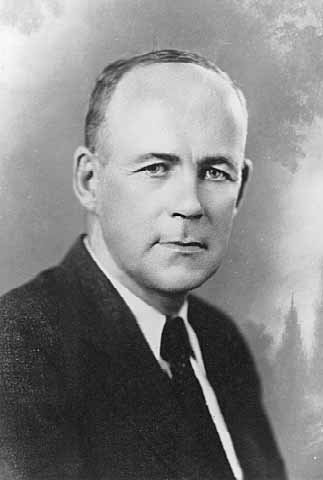
This is one of those books that deserves a permanent seat on every American literature syllabus and yet remains almost invisible in mainstream reading culture. Traveling into the American heartland, Rølvaag’s Giants in the Earth focuses on a Norwegian family’s struggles as they attempt to set up a homestead in the Dakota Territory. Rølvaag’s hero, Per Hansa, is based on some of his own experiences as a Norwegian immigrant. Hansa retains an optimistic outlook despite the severity of his life. His wife Beret is a sterner personality, highly religious and less optimistic. Dealing with the challenges of assimilation, arriving in a strange land, language issues, and the loneliness of immigrant life, Giants in the Earth is a haunting portrayal of prairie life.
The novel is also a profound meditation on what the frontier costs, not just what it offers. Per Hansa charges forward with irrepressible energy and vision. Beret, meanwhile, crumbles inward under the weight of isolation and displacement. Their marriage becomes a kind of tragic allegory for the immigrant dream itself. It’s hard not to read it as a story about what America asks of those who arrive hoping for everything.
8. Babbitt by Sinclair Lewis (1922)
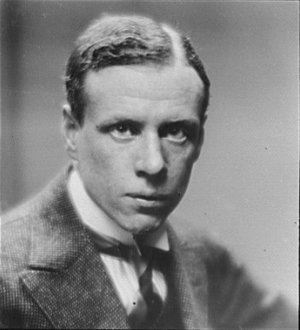
Most people know Sinclair Lewis’s name, but far fewer have actually sat down with Babbitt. Sinclair Lewis proves that a Nobel Prize winner can be forgotten. He may be the most famous and bestselling writer of his age that is largely unread today. Even worse, scholars have relegated Lewis to the trash heap. Yet, when you read Babbitt, you’re left scratching your head over how far Lewis’s reputation has fallen.
The gaping hole at the center of the novel is the futility of the American Dream, not only in the elusive chase, but in ever believing that achieving it will ultimately deliver happiness or satisfaction. We all know George Babbitt, his hometown boosterism and civic pride the stuff of countless mid-sized cities and small towns. The book is wickedly funny, uncomfortably prophetic, and feels more relevant in 2026 than many novels written last year. That is not a small thing to say.
9. The Edge of Sadness by Edwin O’Connor (1962)

This Pulitzer Prize-winning novel is one of those titles that sits in a kind of literary limbo. It won every honor in its day and then, somehow, faded almost completely from public consciousness. There are quite a number of books that have been generously lathered with Pulitzers, National Book Awards, and National Book Critics’ Circle Awards that no one ever reads or talks about anymore. The Edge of Sadness is perhaps the most unjust victim of that tendency.
The novel follows Father Hugh Kennedy, a Catholic priest recovering from alcoholism who returns to the working-class Boston neighborhood of his youth to take over a struggling parish. O’Connor writes about faith, failure, memory, and the complicated geography of Irish-American family life with enormous warmth and psychological depth. The book is funny and melancholy in equal measure, managing to feel intimate while also capturing an entire vanishing world. It is, in many ways, a more emotionally layered book than the works that have eclipsed it.
10. The Keeper of the Bees by Gene Stratton-Porter (1925)

Like most of her books, The Keeper of the Bees deals with the power and beauty of nature and was a bestseller, adapted to the screen several times. While A Girl of the Limberlost is better remembered, several of Stratton-Porter’s other novels have been relatively neglected in recent years, including this one. That neglect is a genuine shame.
The novel is representative of the author’s themes: wide-ranging optimism and pro-conservation, which she strongly advocated in the early 1920s as an antidote to the roughness of the age. The Keeper of the Bees is the story of ailing war hero James Lewis Macfarlane, dismissed after the war even though he still suffers from poisoning and other wartime consequences. Eventually making his way to a California bee farm, Macfarlane is on a road toward recovery. The salty air of the Pacific Ocean eventually leads him to a kind of robustness and renewed sense of vigor. There is a gentleness and a deep ecological sincerity here that feels almost radical by today’s standards.
11. Invisible Man by Ralph Ellison (1952)
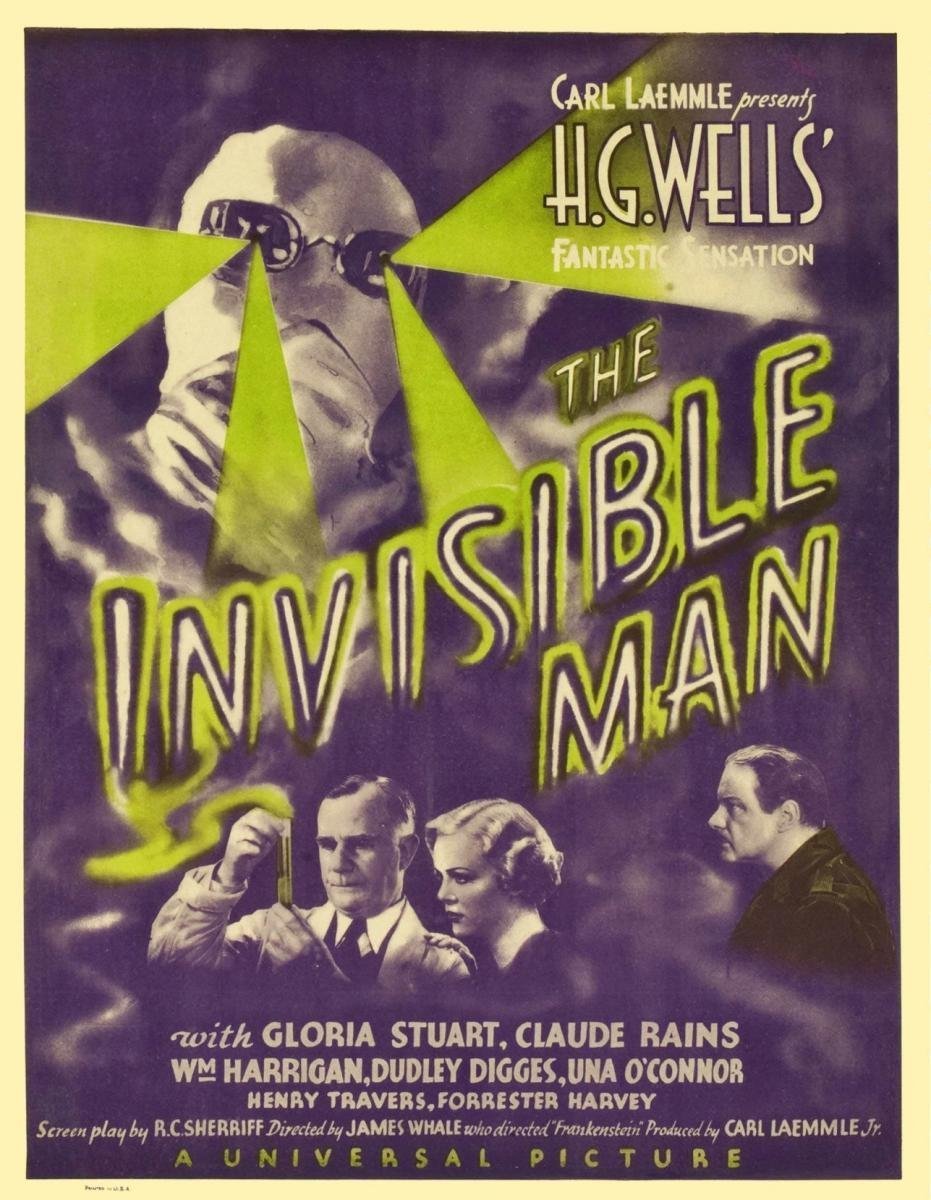
Let’s be real. This one is not exactly forgotten by scholars, but it has been steadily pushed off mainstream reading lists in a way that is hard to justify. As Toni Morrison so aptly noted, the question around this novel is not merely whether it is overlooked but rather by whom. That nuance matters enormously.
Ellison’s nameless narrator moves through American society, invisible not because he cannot be seen, but because those around him refuse to see him. The novel tracks his journey from the South to the chaotic streets of New York, from naive idealism through disillusionment and into a hard-earned, subterranean wisdom. Ellison writes with a jazz musician’s sense of rhythm and dissonance. The prose is at once scintillating and bruising. This novel belongs not just on your bookshelf but on the nightstand, actively underlined and argued with. It is that kind of book.
12. The Year of the French by Thomas Flanagan (1979)
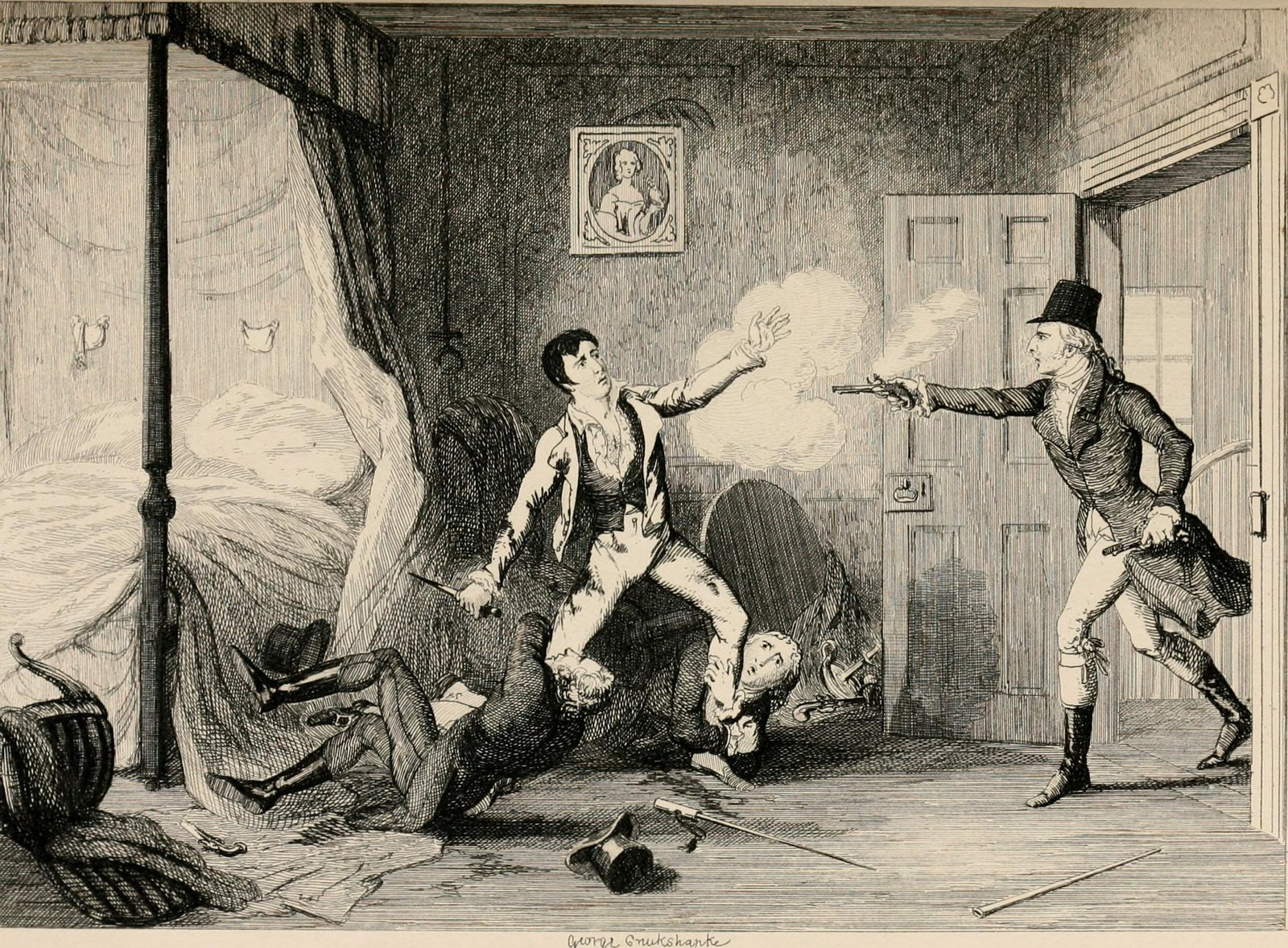
Thomas Flanagan’s classic historical novel, about a group of Irishmen and Frenchmen who were fighting to free Ireland from English rule in 1798, won the National Book Critics’ Circle Award in fiction in 1979, and was made into a TV show overseas, but it doesn’t even have its own Wikipedia page, despite the fact that it was reissued by NYRB Classics in 2004. That last detail is almost incomprehensible.
Flanagan writes with the scope and assurance of a Tolstoy, weaving together multiple narrators across a violent and ultimately doomed rebellion. The novel is about the brutal gap between revolutionary idealism and actual history. It is also, quietly, about storytelling itself. The voices that emerge from the chaos are so vivid and distinct that you feel the mud of Connaught under your boots. For American readers, this is a gripping window into a history that directly shaped the Irish-American experience, making it arguably more “American” than its setting suggests.
13. The Confidence-Man by Herman Melville (1857)
![13. The Confidence-Man by Herman Melville (1857) ([1], Public domain)](https://festivaltopia.com/wp-content/uploads/2026/03/1773686403747_1773686362938_herman_melville.jpeg)
Everyone knows Moby-Dick. Far fewer have tangled with The Confidence-Man, which is arguably Melville’s most unsettling and modern work. Published the same year he essentially gave up fiction, the novel takes place entirely on a Mississippi steamboat on April Fools’ Day. A series of strangers board the vessel, each seemingly a different manifestation of the same confidence trickster, testing the gullibility and moral flexibility of their fellow passengers.
It reads like nothing else in 19th-century American literature. The satire is savage. Melville essentially dismantles the idea of trust as a social foundation, suggesting that American optimism is itself a kind of con. The prose is dense and deliberately disorienting. It’s not an easy read, I’ll admit. But it rewards patience with a reading experience that feels more like a fever dream than a novel, which is precisely why it matters.
14. A Curtain of Green by Eudora Welty (1941)
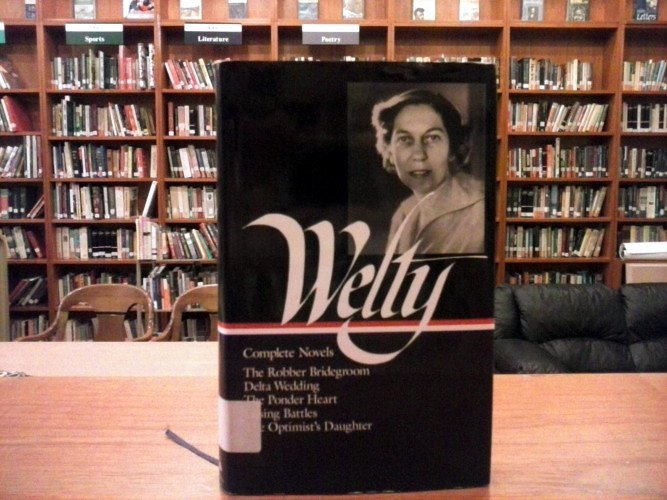
Eudora Welty is occasionally name-dropped in literary conversations, but her actual books are read far less often than they deserve to be. A Curtain of Green, her debut short story collection, is one of the most accomplished and emotionally complex debut collections in American fiction. Welty writes about the American South not as a gothic punchline or a backdrop for tragedy, but as a living, breathing world full of peculiar grace.
The stories here range from darkly comic to heartbreakingly tender. Welty has an almost supernatural ability to find the interior universe of an ordinary moment. A widow gardening with furious obsession. A traveling salesman on a lonely road. A young Black boy on a bus. Each story builds its world in miniature with such precision that the compression feels like a miracle. If you have never read Welty and you love short fiction, this collection is the place to begin, without question.
15. Winesburg, Ohio by Sherwood Anderson (1919)
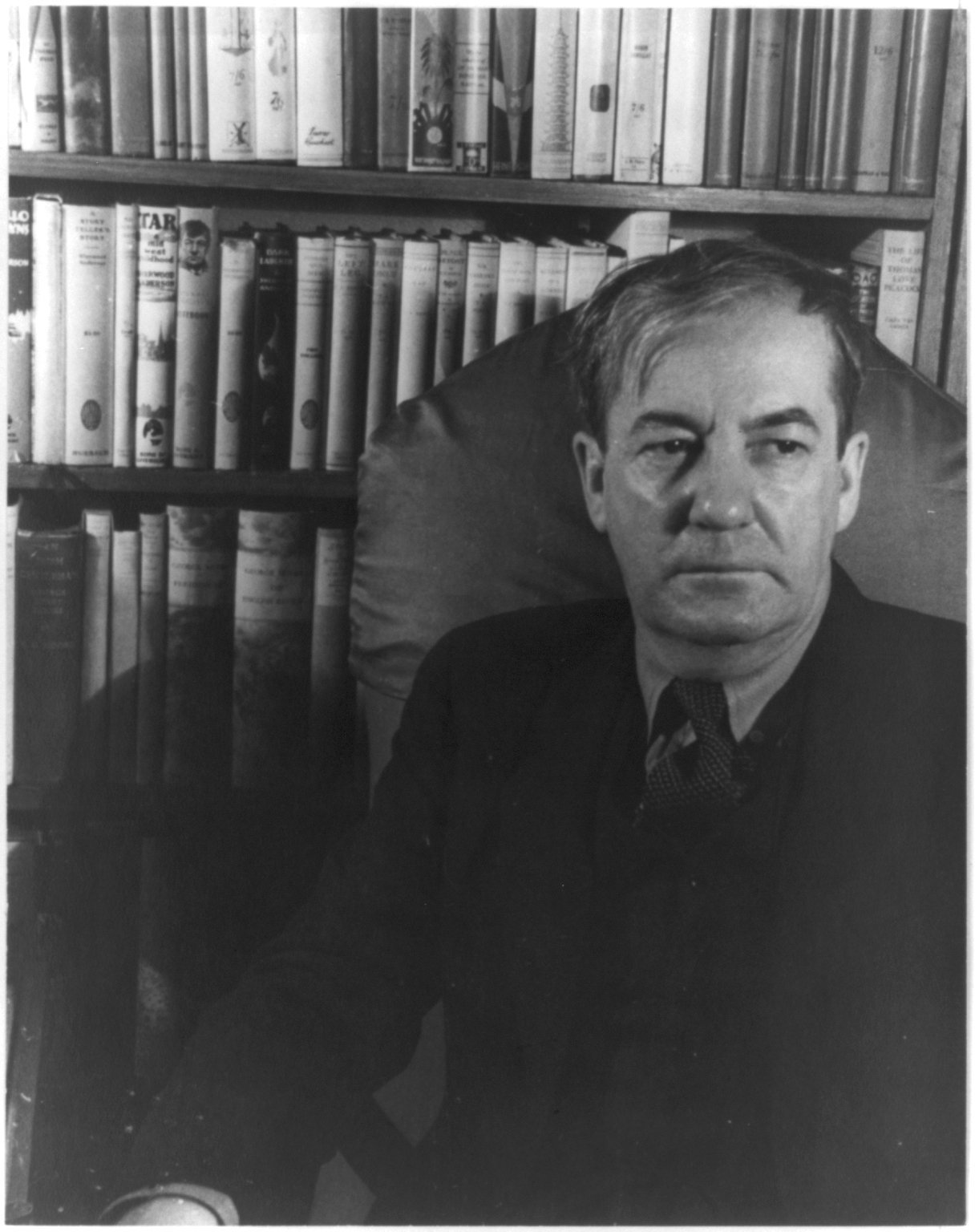
This is one of those books that changed American literature so profoundly that everything it influenced eventually became more famous than the original. Hemingway, Faulkner, Steinbeck. All of them absorbed something of Anderson’s radical approach to small-town interiority. So much wonderful literature was published in the early 20th century but has since been basically consigned to the dustbin. The literary landscape is littered with lost bestsellers and forgotten monographs. Winesburg, Ohio is somehow both celebrated and unread.
The book is a sequence of interconnected stories about the citizens of the fictional town of Winesburg, Ohio. Anderson calls his characters “grotesques,” people who have seized upon a single truth so fiercely that it has deformed them. The stories are quiet, achingly tender, and frequently devastating. There is no real plot, just life accumulating in small, luminous moments. Anderson was writing about loneliness before loneliness was a cultural diagnosis. He was writing about people whose inner worlds nobody around them could see. That feels as urgent in 2026 as it did over a century ago.
The Case for Going Back
Here is what all of these novels share: they were each, at some point, exactly the right book for exactly the right moment. They just needed more moments. In the years since many of these authors’ deaths, their work has been all but forgotten. Cozzens, for instance, seemed to have come to rest in that limbo to which writers are consigned when their work has somehow ceased to speak significantly, and await the moment when, with luck, the shifts of history may cause them to be rediscovered.
That phrase, “the shifts of history,” is key. Classics can fall under the radar, become suppressed and not recovered, or used to be all the rage but become obscured by the sands of time. This is perhaps particularly applicable to the lesser works of well-known authors, out-of-print books, or those not adapted for TV or film. The adaptation factor alone has buried enormous numbers of extraordinary novels.
There is also something to be said for the sheer joy of discovery. Finding a forgotten masterpiece feels different from reading a celebrated one. There is no pressure, no pre-loaded expectations. Just you and a voice that somehow survived. The novels on this list are not relics. They are living documents, and they are waiting for the right reader to bring them back.
Which of these forgotten American novels will you pick up first? Sometimes the best books are the ones that nobody told you to read.

Christian Wiedeck, all the way from Germany, loves music festivals, especially in the USA. His articles bring the excitement of these events to readers worldwide.
For any feedback please reach out to info@festivalinside.com
