


- The Weirdest Laws in Different Countries That Will Shock You - September 17, 2026
- Why Your Zodiac Sign Might Affect Your Career Path - September 17, 2026
- The Best Outdoor Adventures You Can Have in Your Own Backyard - September 17, 2026
There is something deeply unsettling about picking up an old novel and recognizing the world you live in today staring back from its pages. Fiction is supposed to be an escape, a place where imagination roams freely beyond the constraints of reality. Yet some authors, whether by intuition, deep observation, or sheer coincidence, produced works that seemed to blur the border between story and prophecy.
These are not vague, Nostradamus-style murmurings. We are talking about specific names, ships, technologies, political systems, and events that materialized in the real world years or even decades after they first appeared in print. It makes you wonder: do writers sometimes tap into something deeper than conscious thought? The stories that follow will make you think twice before calling any of them mere coincidence. Let’s dive in.
1. Morgan Robertson’s “Futility” and the Sinking of the Titanic

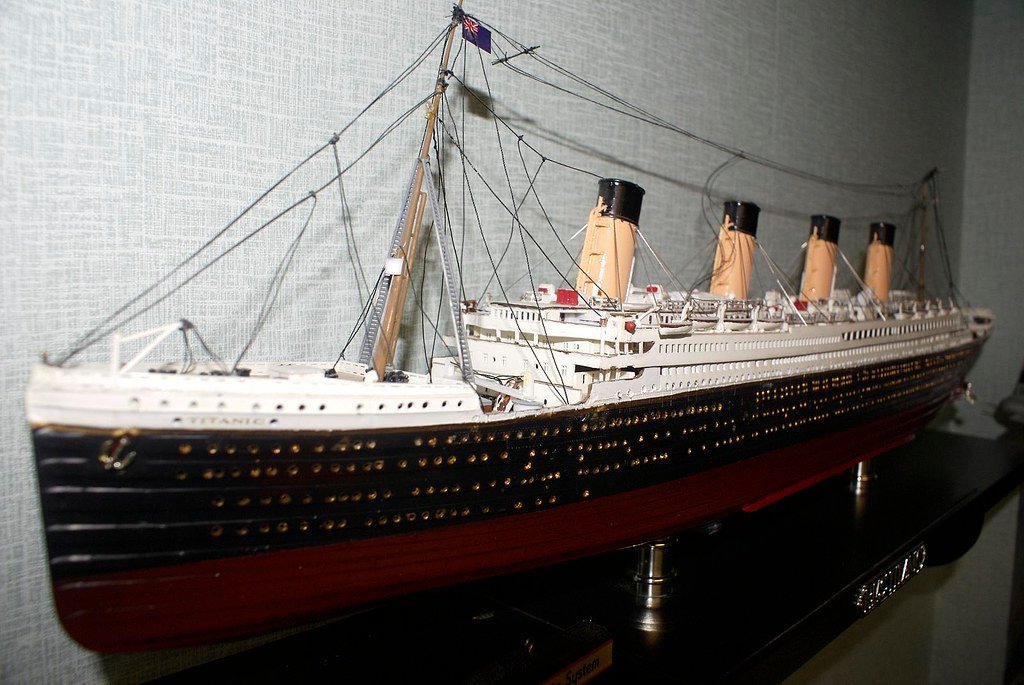
This is probably the most jaw-dropping literary coincidence ever recorded, and honestly, it is hard to know where to begin. Morgan Robertson wrote a novella called “Futility,” first published in 1898, featuring a fictional American ocean liner named Titan that sinks in the North Atlantic Ocean after striking an iceberg. The ship in the story was described in near-identical terms to a vessel that would not even exist for another fourteen years.
The length of the Titan was 800 feet while the Titanic measured 882 feet. The Titan struck its iceberg at 25 knots, the Titanic at 22.5 knots. The Titan held 2,500 passengers and the Titanic 2,200, yet both had a capacity of 3,000. Both ships were hit on their starboard bow, both around midnight, and both sank in the North Atlantic precisely 400 nautical miles from Newfoundland. Robertson was a seasoned sailor, and after the Titanic’s sinking, some people credited him with precognition, which he denied, with scholars attributing the similarities to his extensive knowledge of shipbuilding and maritime trends. True or not, the line between fiction and reality was sometimes as thin as the ice floe that wrecked two different ships, one real, one fictional, and both eerily unforgettable.
2. Edgar Allan Poe and the Real Richard Parker
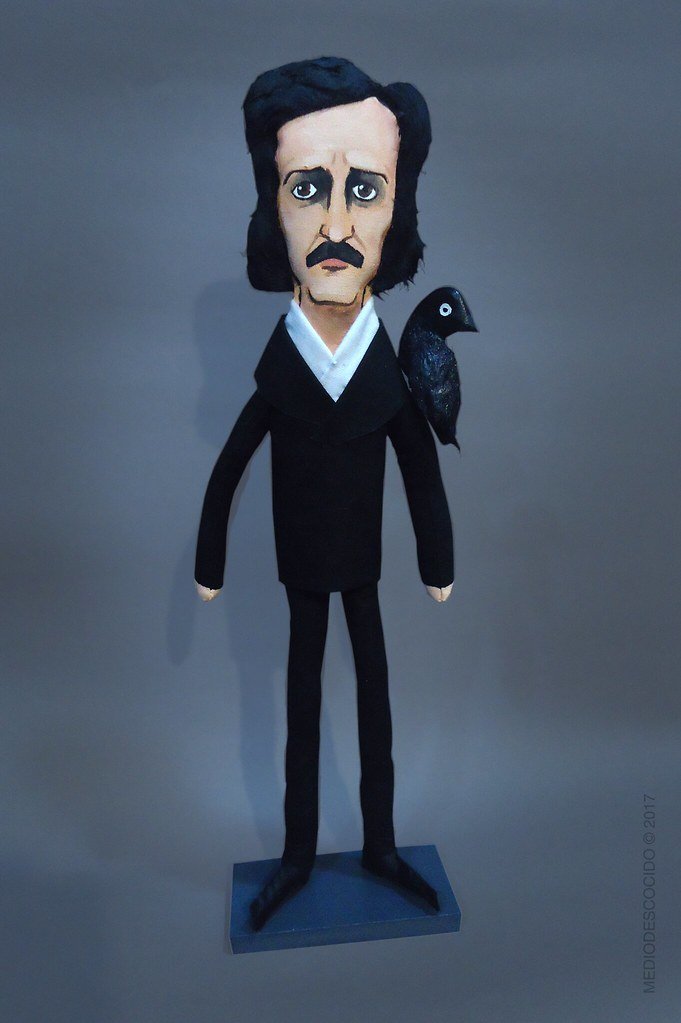
Poe had a talent for horror, but even he might have been disturbed by this one. One of the strangest examples comes from his only full-length novel, “The Narrative of Arthur Gordon Pym of Nantucket,” written in 1838, where one of the book’s most infamous episodes involves a shipwreck. Four starving survivors, adrift in the open sea with no food or water, draw straws, and the unlucky victim is a young cabin boy named Richard Parker. His crewmates eat him.
In 1884, the luxury yacht Mignonette set sail from England, bound for Australia. On board were four men, including a 17-year-old cabin boy named Richard Parker. Somewhere in the South Atlantic, a storm struck and the yacht went down. The men escaped in a dinghy but with no supplies and no fresh water. The three remaining men decided among themselves to murder Parker, and less than a week after doing so, a passing ship rescued the three survivors. The odds that someone with that exact name would be the victim of shipwreck cannibalism almost half a century after Poe invented the scenario were slim enough to make statisticians twitch.
3. H.G. Wells and the Atomic Bomb
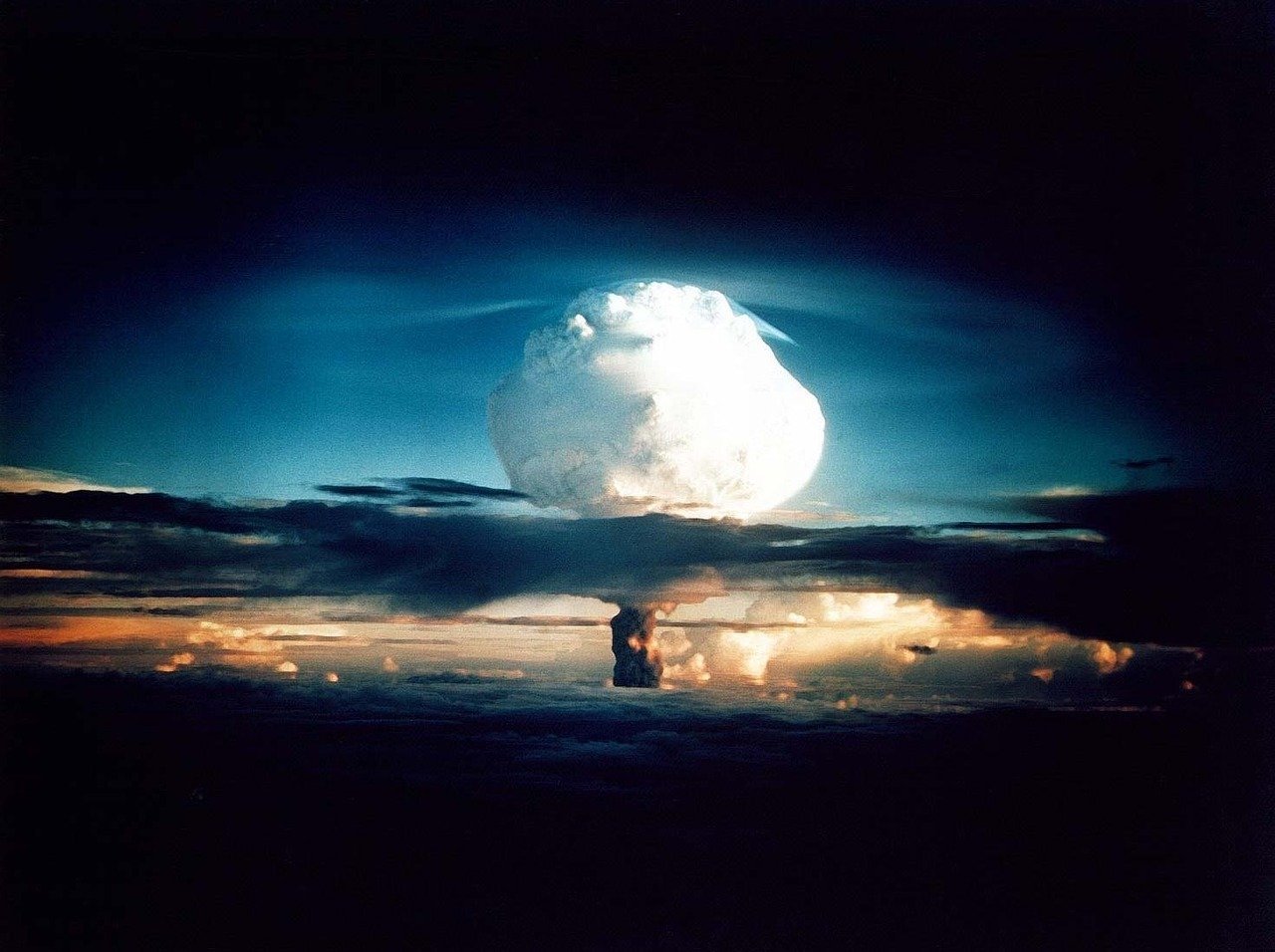
H.G. Wells wrote “The World Set Free” in 1914, predicting atomic bombs thirty years before they became a horrifying reality. Wells described weapons that could devastate entire cities using the power locked within atoms, at a time when most people barely understood electricity. That level of conceptual accuracy, pulled from pure imagination, is staggering when you consider the state of science at the time.
His fictional atomic bombs matched the real ones with startling accuracy: massive destruction, lingering radioactive effects, and the potential to end civilization itself. The book even predicted that these weapons would be developed during a major world war and would fundamentally change international relations forever. Wells understood that once humanity unlocked atomic power, everything would change. Leo Szilard would go on to conceive of the nuclear chain reaction, leading directly to the Manhattan Project and the first real atomic bombs in 1945. Wells’s prediction did not just foreshadow history; it helped inspire the very scientists who made it come true. That is a loop that is genuinely hard to comprehend.
4. George Orwell’s “1984” and the Surveillance State
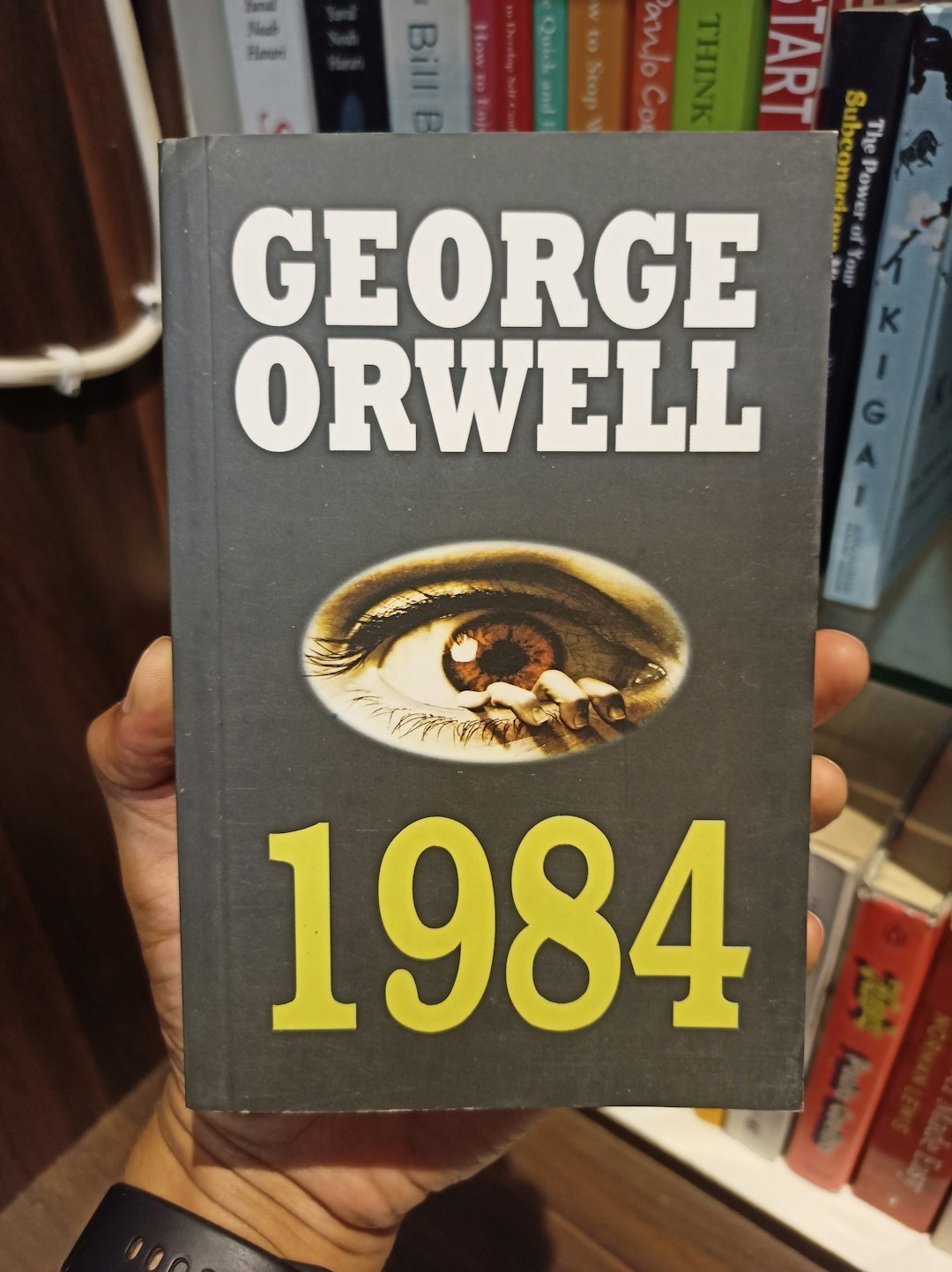
Few books have aged into relevance quite as unsettlingly as this one. Nineteen Eighty-Four is a dystopian speculative fiction novel by George Orwell, published on 8 June 1949, thematically centring on totalitarianism, mass surveillance, and repressive regimentation of people and behaviours. Orwell wrote it as a warning. Decades later, it reads more like a field guide.
Orwell’s 1984 was not just a dystopian nightmare, it was a crystal ball. When Orwell wrote about telescreens monitoring citizens and Big Brother watching everything, most readers thought it was pure fiction. Yet we are now carrying devices that track our every move while surveillance infrastructure expands globally. Even more striking, today a different feature of the novel, which as recently as 2019 some critics dismissed as “obsolete,” is getting more attention: its vision of a world divided into three spheres, controlled by autocratic governments that constantly form and then break alliances. A Bloomberg report headlined a Trump-Putin summit piece with: “It Looks Like a Trump-Putin-Xi World, But It’s Really Orwell’s.”
5. Morgan Robertson Again: The Surprise Attack on America
Robertson clearly had a habit of accidentally writing prophecy. Beyond Titan vs. Titanic, in another short story called “Beyond the Spectrum,” Robertson published a story in 1914 that makes you squint uncomfortably at the timeline. The novella imagines a future war between the United States and Japan, in which Japan launches a surprise attack on American ships in the Pacific, catching the U.S. completely off guard.
To readers looking back from the vantage point of 1941, the idea of a surprise strike on U.S. forces in the Pacific echoed the events of Pearl Harbor, making Robertson once again look like the Nostradamus of nautical and military fiction. It is worth saying that the details do not line up exactly, and Robertson’s story involves futuristic weapons rather than conventional aircraft and battleships. Still, the broad strokes are undeniable. One remarkable prediction from a writer might be a coincidence. Two? That starts to feel like something else entirely.
6. Philip Roth’s “The Plot Against America” and the Rise of Populism
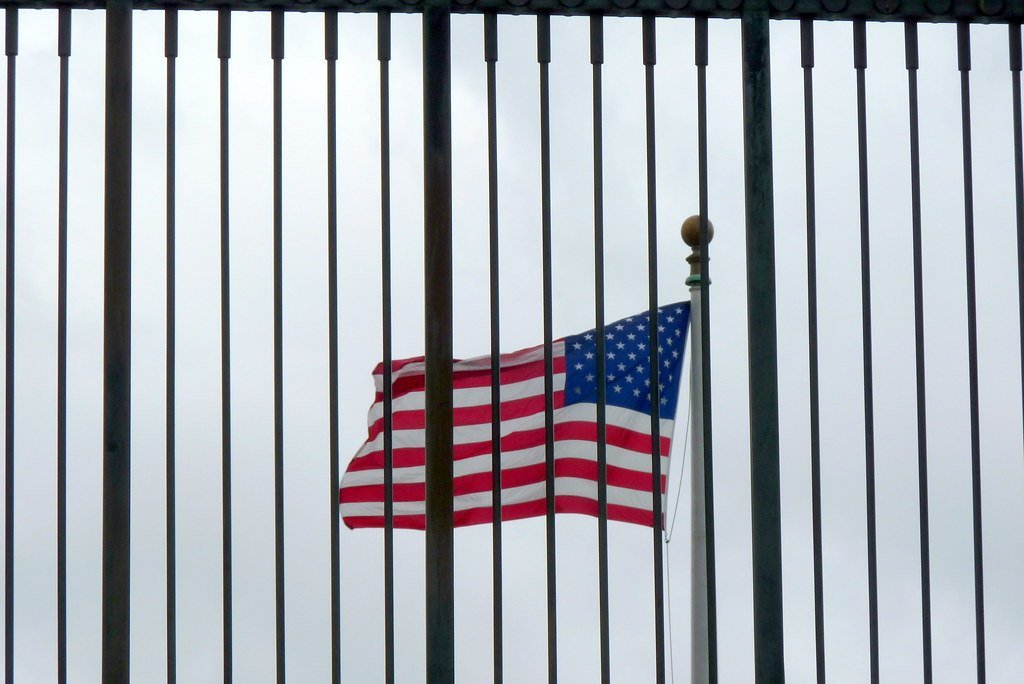
Published in 2004, this novel did not attract headlines as a prophecy at first. It seemed like a thought experiment about history’s dark possibilities. Philip Roth’s novel imagines a United States where a populist celebrity wins the presidency and unleashes a wave of anti-Semitism and authoritarianism. Roth’s alternate history was meant as a warning, but after the 2016 election and the rise of populist movements, many readers saw it as eerily prescient.
Both the fictional and real-life presidents share twisted moral frameworks, and there are definite echoes of Roth’s fictional character in fearmongering speeches about foreign threats. Roth’s story questions how fragile democracy can be and how quickly fear can change a nation. The book’s unsettling realism continues to spark debate about America’s political future. What is particularly chilling is that Roth set his story in an alternate 1940s America, yet the themes he explored landed with full force in a very different, very real 21st century.
7. Jack London’s “The Iron Heel” and Fascism
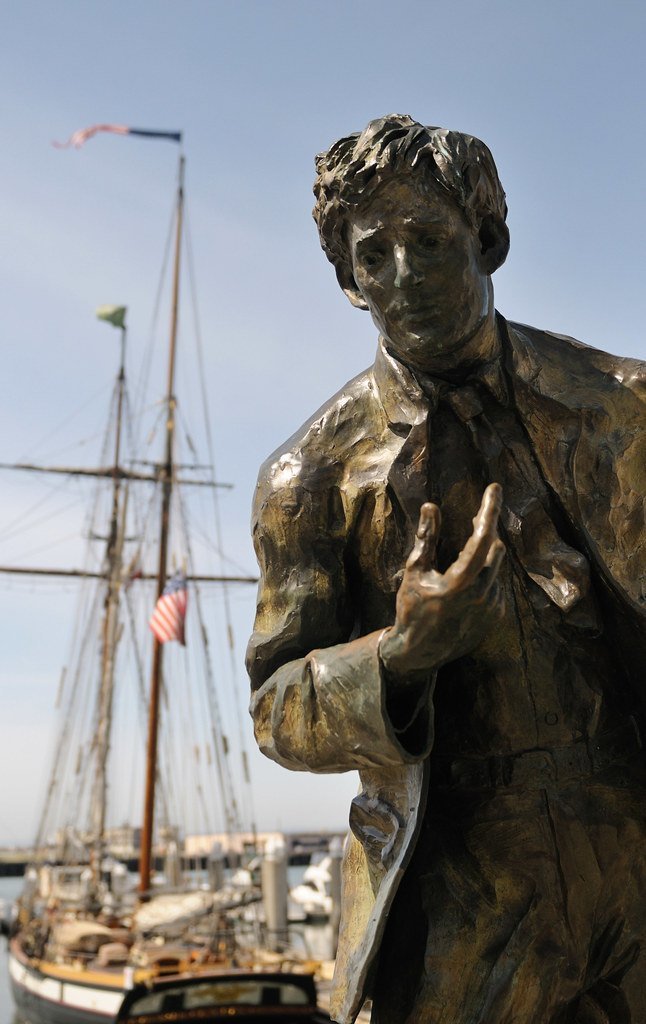
Written in 1908, Jack London’s dystopian novel imagined an American oligarchy brutally suppressing the working class under a tyrannical system he called the Iron Heel. It was radical fiction for its time, dismissed by many as extreme socialist fantasy. Then came the 1930s. London focused on an America transformed by a domestic tyrannical movement, something that seemed like paranoid imagination in the Edwardian era and then, decades later, felt like a warning that had arrived too late for parts of Europe.
Analysts have claimed that elements of Orwell’s portrayal of politics inside Oceania paralleled various parts of dystopian novels written before “Nineteen Eighty-Four,” citing in particular the potential influence of Jack London’s “The Iron Heel” (1908), a work Orwell discussed in a 1940 essay. London’s novel was eerily specific about how economic elites could manufacture consent, crush opposition, and maintain power through fear. It is not a comfortable read. It was not meant to be.
8. William Gibson’s “Neuromancer” and the Internet Age
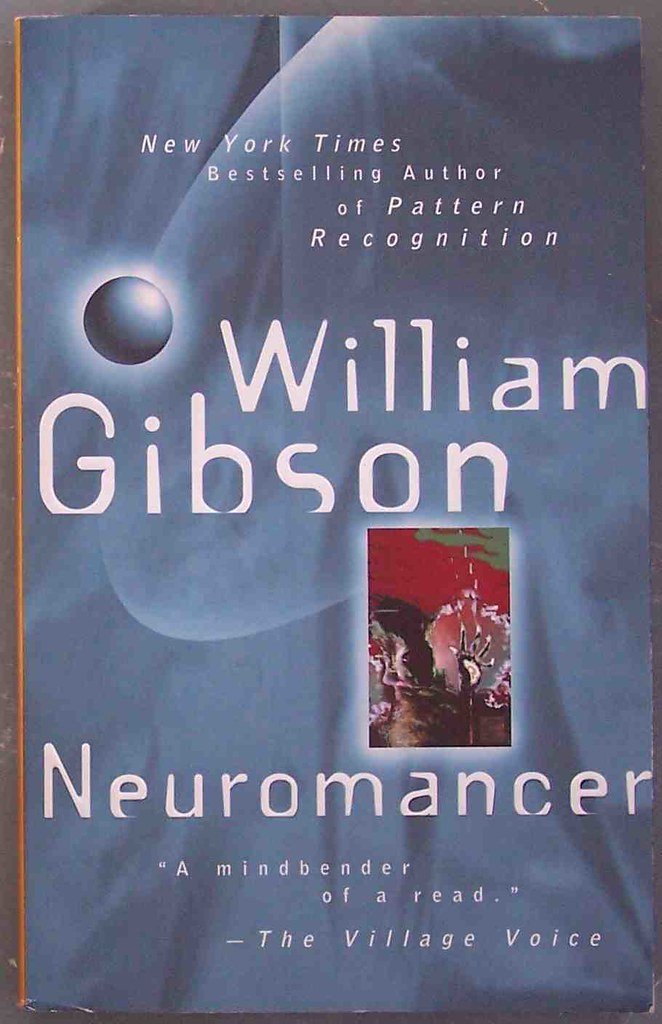
Here is one that tends to surprise people who have never heard of this book. William Gibson did not just write about the future of technology, he invented the words we use to describe it. In 1984, five years before Tim Berners-Lee introduced the Internet to the world, Gibson coined the term “cyberspace.” His description of hackers, virtual reality, and corporate-controlled digital realms in “Neuromancer” reads like a prophecy of today’s internet landscape.
Gibson envisioned a world where people would jack into virtual reality systems, where corporations would dominate cyberspace, and where hackers would become the new outlaws. It predicted the rise of the internet, artificial intelligence, and the blurring of lines between the physical and digital worlds with a chilling accuracy that still blows minds. I think what makes this one so remarkable is that Gibson was not extrapolating from existing technology, he was inventing conceptual frameworks that engineers and developers would later build the real world on top of. That is more than foreshadowing. That is something closer to blueprinting.
9. Orwell’s “1984” and the Three-Superpower World Order
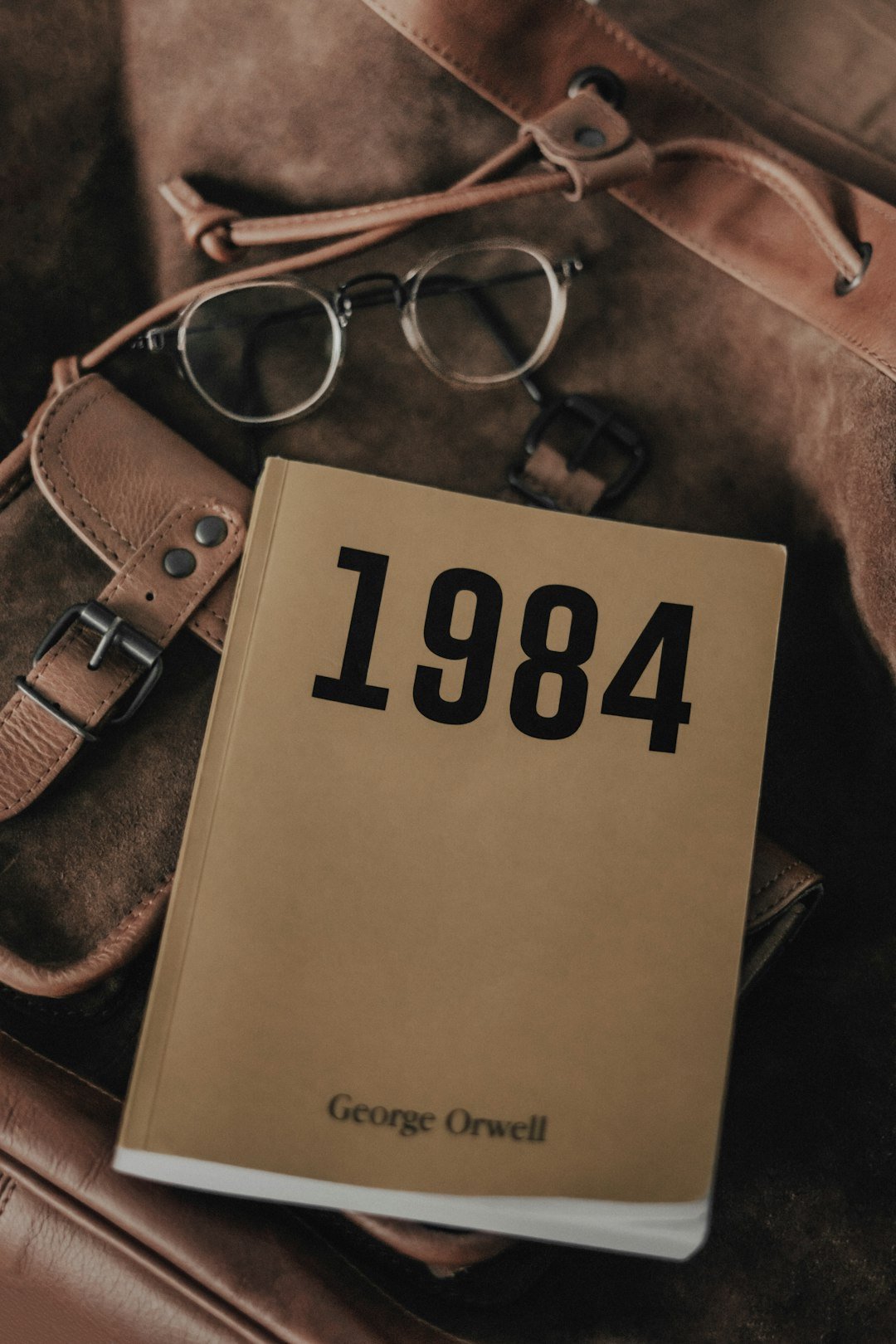
Most people focus on telescreens and Big Brother when they talk about Orwell’s accuracy. But there is a geopolitical dimension to 1984 that is only now being fully appreciated. The dystopian novel features three fictional geopolitical blocs, Oceania (North America and Britain), Eurasia (USSR and Europe), and Eastasia (China and its neighbours), forming a series of ever-shifting alliances to control “Disputed territories.”
The novel was prescient, written before NATO and the Warsaw Pact, and before terms such as the “First,” “Second,” and “Third World” had even taken root. Today, this vision of a world divided into three spheres controlled by autocratic governments that constantly form and then break alliances is getting more attention. Russia initiated its full-on invasion of Ukraine in 2022. The US has mounted operations in Latin America, while Xi Jinping regularly repeats China’s intention to “reunify” with Taiwan, by force if necessary. Orwell wrote a fictional blueprint. The world appears to be following it.
10. Nostradamus’s Quatrains and the Rise of Hitler
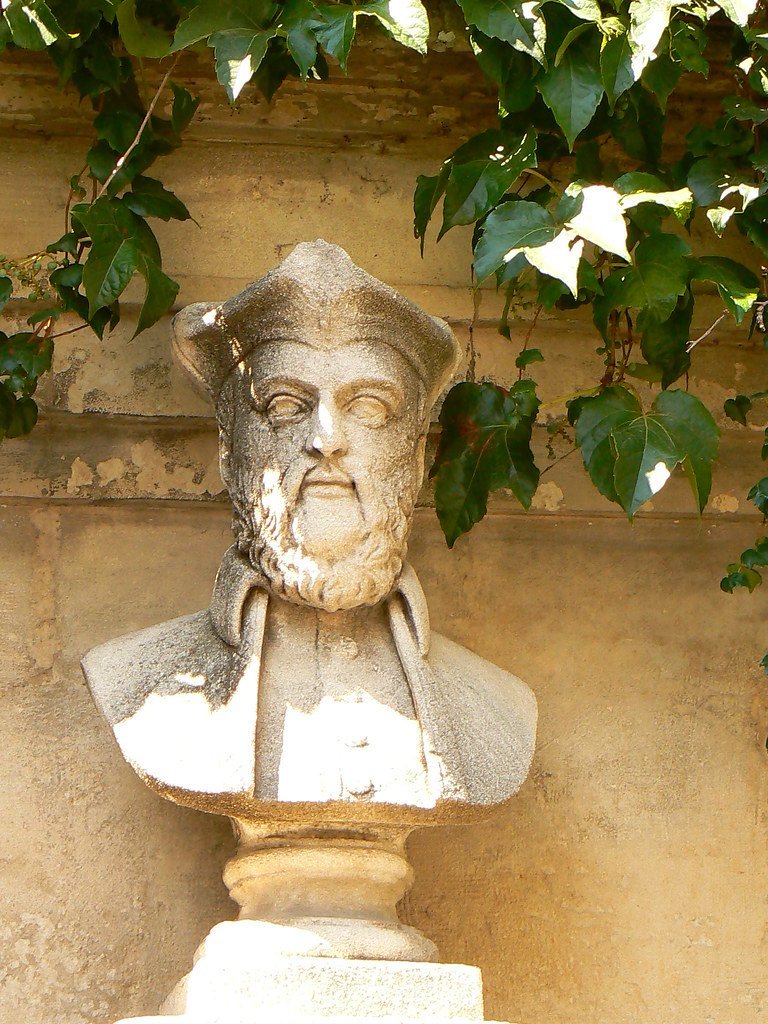
No list of literary prophecy would be complete without the most debated seer in history. Nostradamus, the enigmatic French seer from the 1500s, wrote hundreds of cryptic quatrains that people have poured over for centuries. One of his most famous prophecies mentions a figure called “Hister,” which some believe was a coded reference to Adolf Hitler. The quatrain also talks about a “beast” who will speak to the masses and spark a great war in Europe.
Skeptics argue that “Hister” refers to the lower Danube River, historically known by that name. Still, the uncanny resemblance to Hitler’s rise and the devastation of World War II has fueled endless speculation. Whether by coincidence or design, Nostradamus’s writings continue to stir debate about destiny, prophecy, and the human drive to find patterns in chaos. It is hard to say for sure whether any of this is genuine foresight or just the very human tendency to find meaning in the fog of ambiguous language. Yet the persistence of the debate tells us something about how deeply these coincidences unsettle us.
What These Coincidences Tell Us About Literature and Truth

There is a temptation to explain all of this away as coincidence, wishful pattern-matching, or the law of large numbers. Write enough stories about enough disasters, and eventually reality will catch up with fiction in some way. That is almost certainly true for some of these cases. The stories and predictions of authors like Robertson, Verne, and Wells have done more than entertain, they have actually helped shape the world. Their ideas have seeped into the minds of scientists, engineers, and ordinary people. Fictional tales of adventure and disaster can inspire real inventions or warnings that change the course of history.
Let’s be real, though. Not every writer who predicted the future was working from conscious calculation. Sometimes a deeply observant mind, saturated in the anxieties and trends of its era, produces something that feels prophetic precisely because it was rooted in genuine social insight. Orwell did not guess his way to 1984. He observed power. He understood human nature. He had lived through war and repression firsthand. Literature sometimes acts as a mirror, reflecting what is possible, and occasionally, it is a crystal ball.
The stories that disturb us most are not the ones that predict earthquakes or lottery numbers. They are the ones that predict what we become, how we are governed, what we are capable of when survival or fear strips away civilization’s thin veneer. The books on this list did not predict the future. They revealed truths about human nature that the future had no choice but to confirm. So the real question is not whether writers can see what is coming. It is whether we are willing to read the warning before it arrives. What do you think? Have you encountered a book that seemed to know too much? Share your thoughts in the comments below.
CEO-Co-Founder
