

For any feedback please reach out to info@festivalinside.com
- Who Is the Best German Rapper? Inside the Scene Taking Over Europe’s Music Culture - September 16, 2026
- The Best R&B Artists of Today: Voices Defining the Sound of a New Generation - September 16, 2026
- 12 Ending Lines in Literature That Hit Harder Than the Plot - September 16, 2026
History is full of dates, battles, treaties, and turning points. We learn it as a sequence of cause and effect, one rational domino knocking into the next. But every once in a while, something happens that stops even the most seasoned historian dead in their tracks. A moment so uncanny, so staggeringly improbable, that it shakes your grip on the idea that the universe operates on logic alone.
These are the moments that don’t fit neatly into textbooks. The overlaps, the echoes, the jaw-dropping parallels that make you wonder whether history is truly random, or whether something stranger is quietly threading the needle behind the scenes. You don’t need to believe in fate to feel the hair on your arms stand up when you read some of these stories. Let’s dive in.
Lincoln and Kennedy: The Coincidence That Never Gets Old
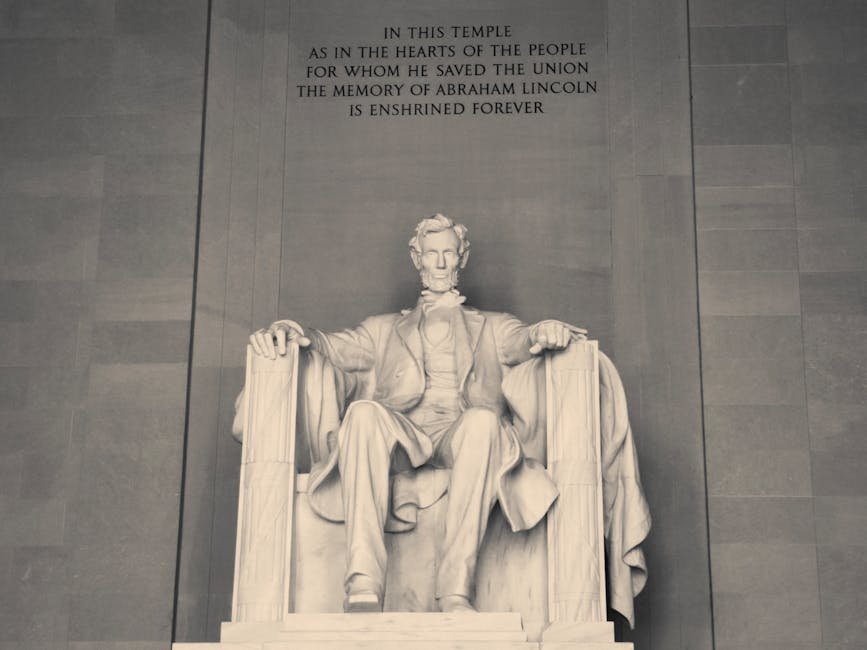
Few historical coincidences are as chilling as the parallels between Abraham Lincoln and John F. Kennedy. Both were elected to Congress in ’46 and rose to the presidency in ’60, precisely one hundred years apart. That alone might feel like a fun trivia footnote. But the rabbit hole goes so much deeper than that.
Both presidents were shot in the back of the head, on the Friday before a major holiday, while seated beside their wives, neither of whom were injured. Both were in the presence of another couple, and in each case that man was also wounded by the assassin. Then consider the assassins themselves: both John Wilkes Booth and Lee Harvey Oswald were born in ’39 and were known by their three names, composed of fifteen letters. Booth ran from a theater and was caught in a warehouse; Oswald ran from a warehouse and was caught in a theater. Honestly, if you read that in a novel, you’d call the author lazy for making it too obvious.
Mark Twain and Halley’s Comet: A Man Who Predicted His Own Death
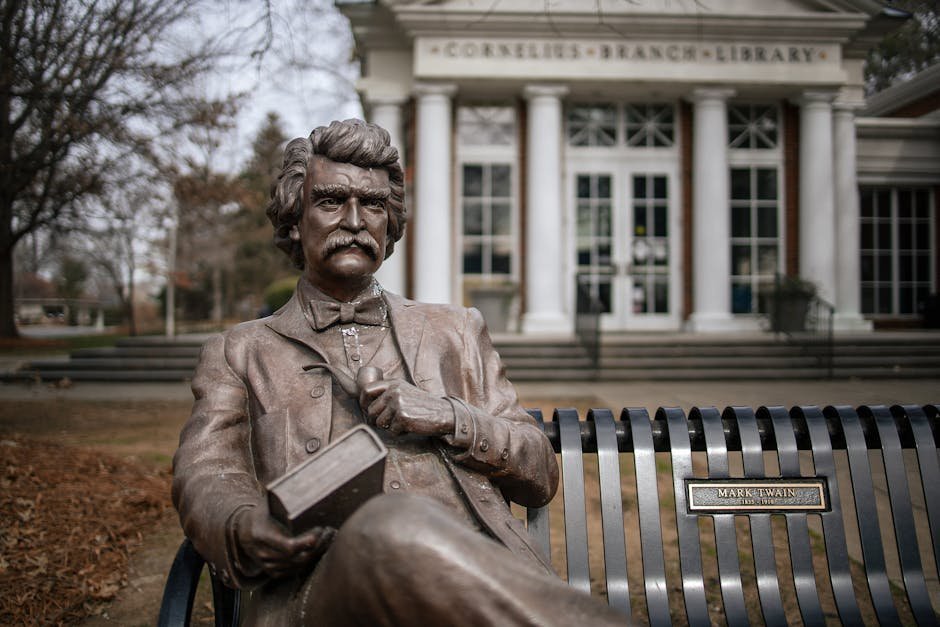
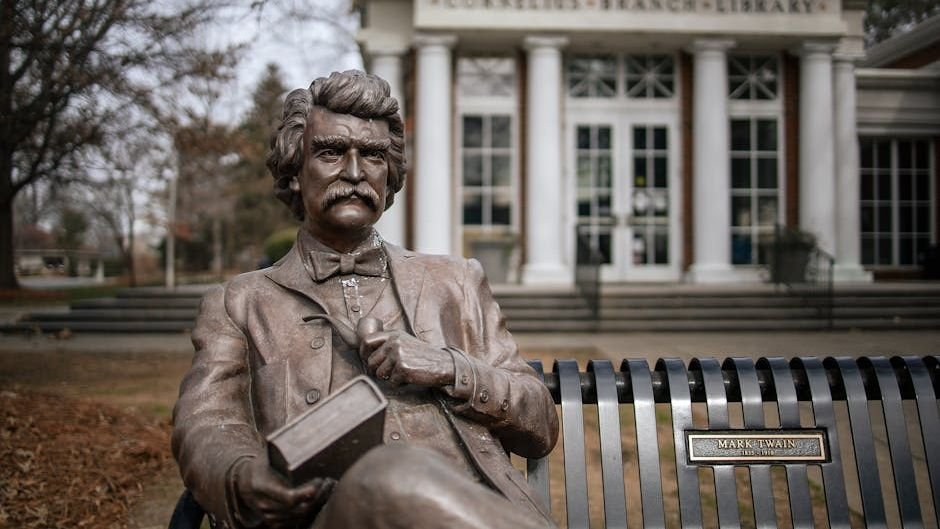
Halley’s Comet was in the skies when the celebrated author Samuel Langhorne Clemens, better known as Mark Twain, was born on November 30, 1835. By 1909, seventy-four years had passed, and Twain offered a prediction that his own death would, like his birth, coincide with the comet’s appearance. Most people would laugh that off as the quirky musings of an old man with a flair for drama.
As it happened, Twain died of a heart attack on April 21, 1910, the day after Halley’s Comet emerged from the far side of the sun. Think about that for a second. Every 76 years, Halley’s comet soars past Earth, where it’s visible to the naked eye. That Twain was born and died within exactly one such cycle is the kind of thing that makes you pause mid-sentence. He didn’t just get lucky with his prediction. He seemed to will it into existence.
The Civil War Began and Ended in Wilmer McLean’s Home

Here’s a story about one incredibly unlucky, or perhaps uniquely fated, Virginia grocer. His house, near Manassas, Virginia, was involved in the First Battle of Bull Run in 1861. After the battle, he moved to Appomattox, Virginia, to escape the war, thinking that it would be safe. Instead, in 1865, General Robert E. Lee surrendered to Ulysses S. Grant in McLean’s house in Appomattox.
The home was so close to the action that a cannonball soared through the kitchen and landed in the fireplace. So McLean packed up, moved over a hundred miles south, and tried to start over. Fat chance. Later, McLean is supposed to have said, “The war began in my front yard and ended in my front parlor.” I think that line deserves to be carved in stone somewhere. It perfectly captures the sheer, absurd, relentless nature of historical coincidence.
Edgar Allan Poe Wrote a Real Murder 46 Years Before It Happened
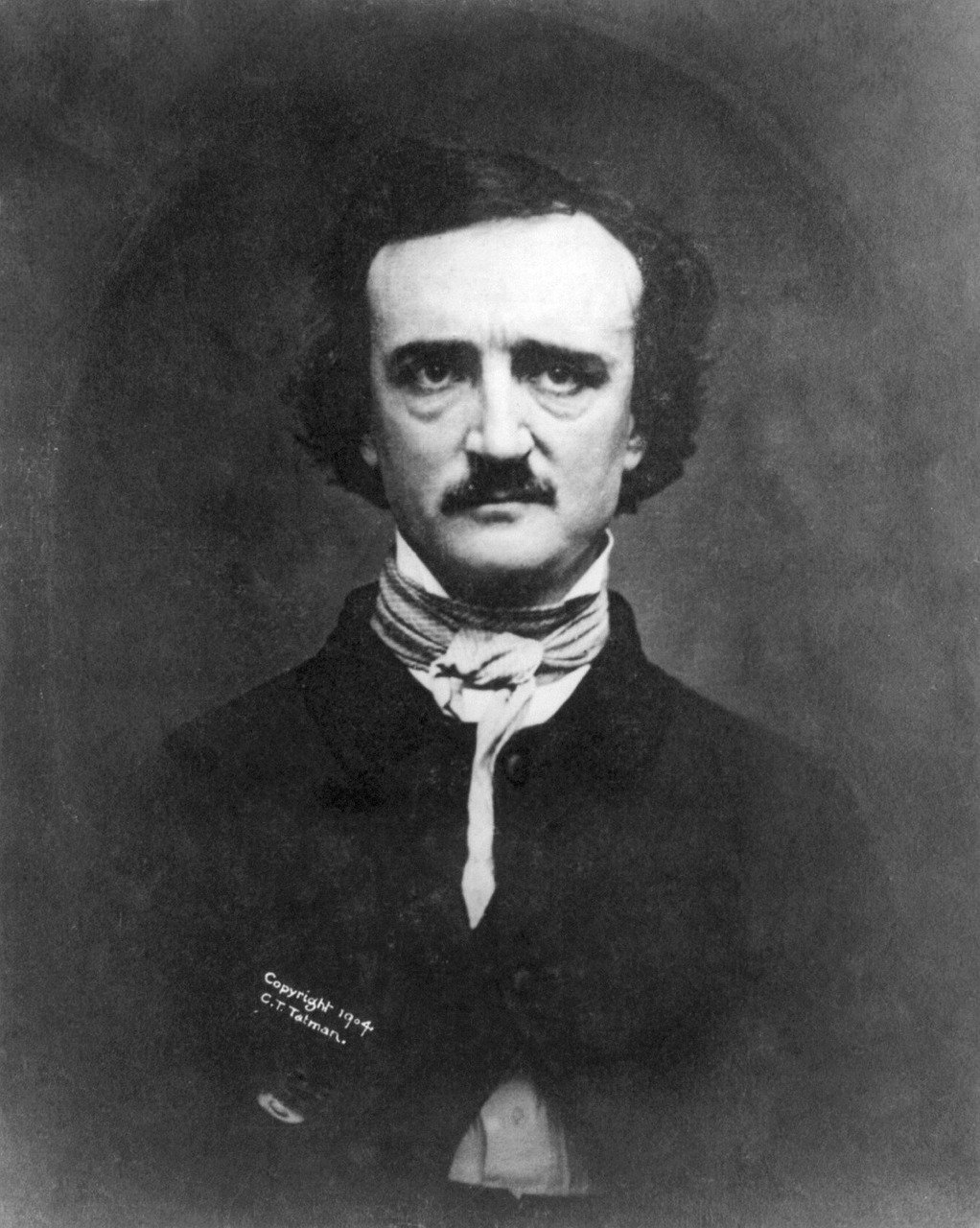
Edgar Allan Poe was known for writing dark, disturbing fiction. What he wasn’t supposed to be known for was accidentally predicting a real-life tragedy with eerie accuracy. Poe’s tale, “The Narrative of Arthur Gordon Pym,” describes a shipwreck where desperate survivors resort to cannibalism, choosing a victim named Richard Parker. Astonishingly, years after Poe’s story was published, a real shipwreck echoed this grim scenario, right down to the victim’s name.
Forty-six years later, a boat really did sink, and the members of the crew who were rescued were forced to eat a cabin boy in order to survive. The cabin boy’s name? You guessed it, Richard Parker. The story is not just bizarre, it’s genuinely unsettling. Did Poe stumble onto something? Was it pure chance? It’s hard to say for sure, but no amount of rational explanation quite wipes the chill away.
The “Unsinkable” Ship That Was Predicted 14 Years Early
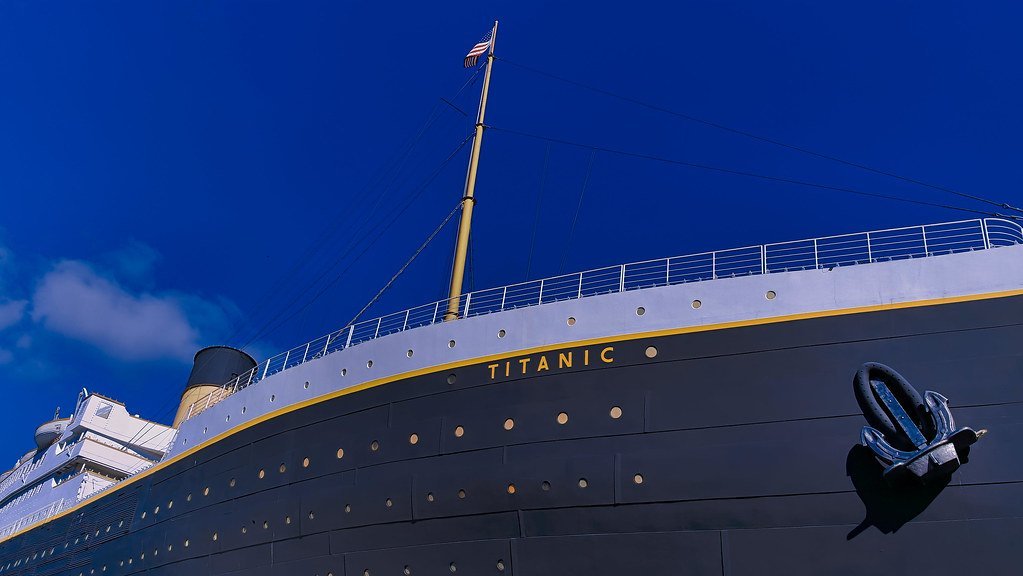
In 1898, author Morgan Robertson penned a novella titled “Futility,” telling the story of an “unsinkable” ship called the Titan that met its end after hitting an iceberg. Strikingly, just fourteen years later, the Titanic suffered a nearly identical fate. The overlap isn’t just thematic. The fictional Titan and the real Titanic shared similar dimensions, similar passenger capacity, and both sank in the North Atlantic on an April night after striking an iceberg.
Robertson wrote his novella as pure fiction, with no insider knowledge of British shipbuilding plans. The Titanic didn’t even exist yet when he put pen to paper. The eerie similarities between the fictional Titan and the real Titanic disaster have fueled debate about prediction, chance, and the power of coincidence. Some things are impossible to explain away with a shrug.
The Man Who Survived Two Atomic Bombs
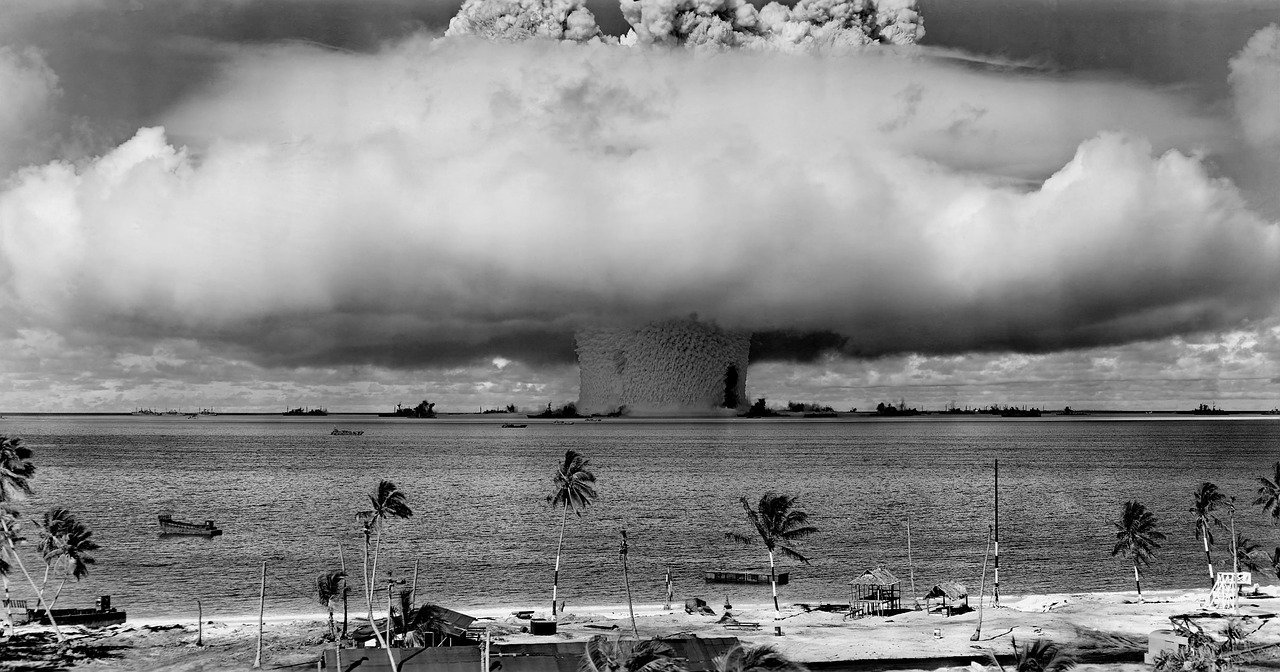
Let’s be real: surviving one atomic bomb detonation would already place you among the most extraordinary people in human history. In 2009, the Japanese government confirmed that there was at least one man who was in each city on the days of the bombings, and lived to tell the tale. On August 6, Tsutomu Yamaguchi was in Hiroshima on a business trip.
Tsutomu Yamaguchi survived not only one but two atomic bombs. He was just about to leave Hiroshima when the first hit, wounding him. The second hit his hometown of Nagasaki, and Yamaguchi was just three kilometers away from the blast site but, this time, was unhurt. The odds of this are almost impossible to calculate. He went on to live until the age of 93, a living testament to an event so statistically improbable it almost defies language.
Tamerlane’s Tomb and the Nazi Invasion: A Curse That Came True?

On June 20, 1940, Soviet archaeologists uncovered the tomb of Tamerlane, a descendant of Genghis Khan. A warning inscription read “Whoever opens my tomb will unleash an invader more terrible than I.” They opened it anyway. Germany invaded the Soviet Union two days later.
It sounds like the plot of a Hollywood thriller. The sequence of events was so uncanny that many attributed the ensuing disaster to a curse. Whether coincidence or consequence, the story endures as a legendary warning from history. Historians, of course, have solid geopolitical explanations for Operation Barbarossa. Yet the timing of the tomb’s opening sits there, stubbornly, refusing to be fully dismissed. Sometimes coincidences don’t need to be supernatural to feel that way.
Napoleon and Hitler: The 129-Year Shadow
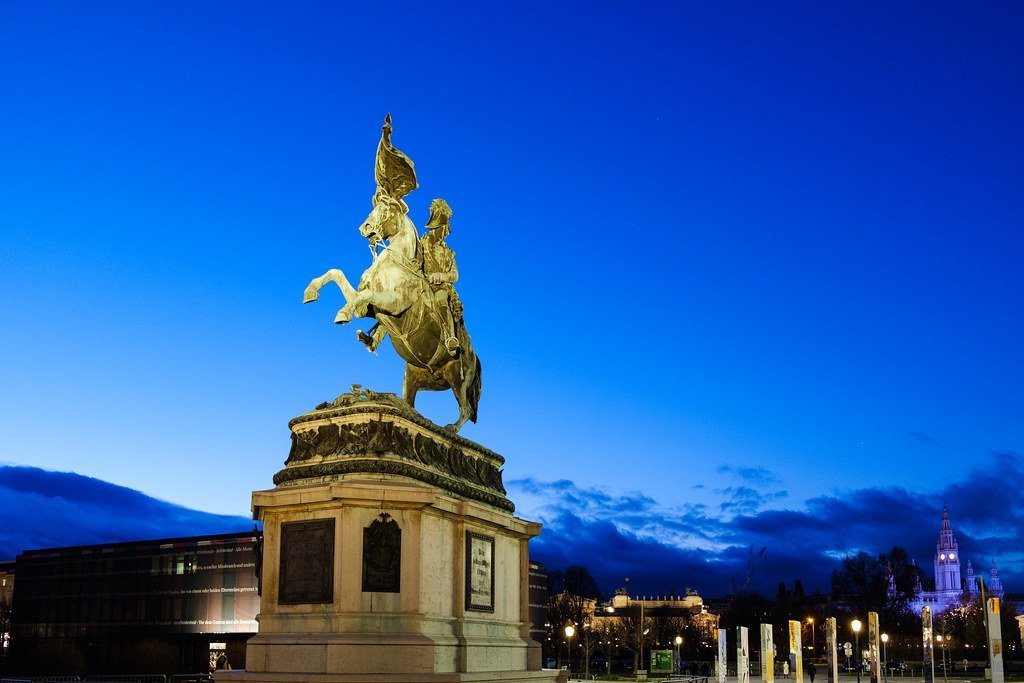
This one operates more like an eerie mathematical echo than a simple coincidence. Russia’s winter didn’t discriminate. It swallowed Napoleon’s Grand Armée in 1812, then turned on Hitler’s forces in 1941. Separated by 129 years, both invasions began in summer and ended in frozen disaster. The parallels in strategy and failure remain among the most analyzed coincidences in modern military history.
Adolf Hitler was born 129 years after Napoleon Bonaparte. Hitler’s rise to power took place 129 years after Napoleon’s. Hitler invaded Russia 129 years after Napoleon, and he was ultimately defeated 129 years after the defeat of Napoleon. Historians rightly note that the exact numbers don’t always align perfectly depending on which dates you choose. Still, the broad pattern is remarkable enough that even serious military historians pause over it. Two men, separated by more than a century, seemingly running the same catastrophic script.
Jefferson and Adams: Both Died on July 4th, the Nation’s 50th Birthday
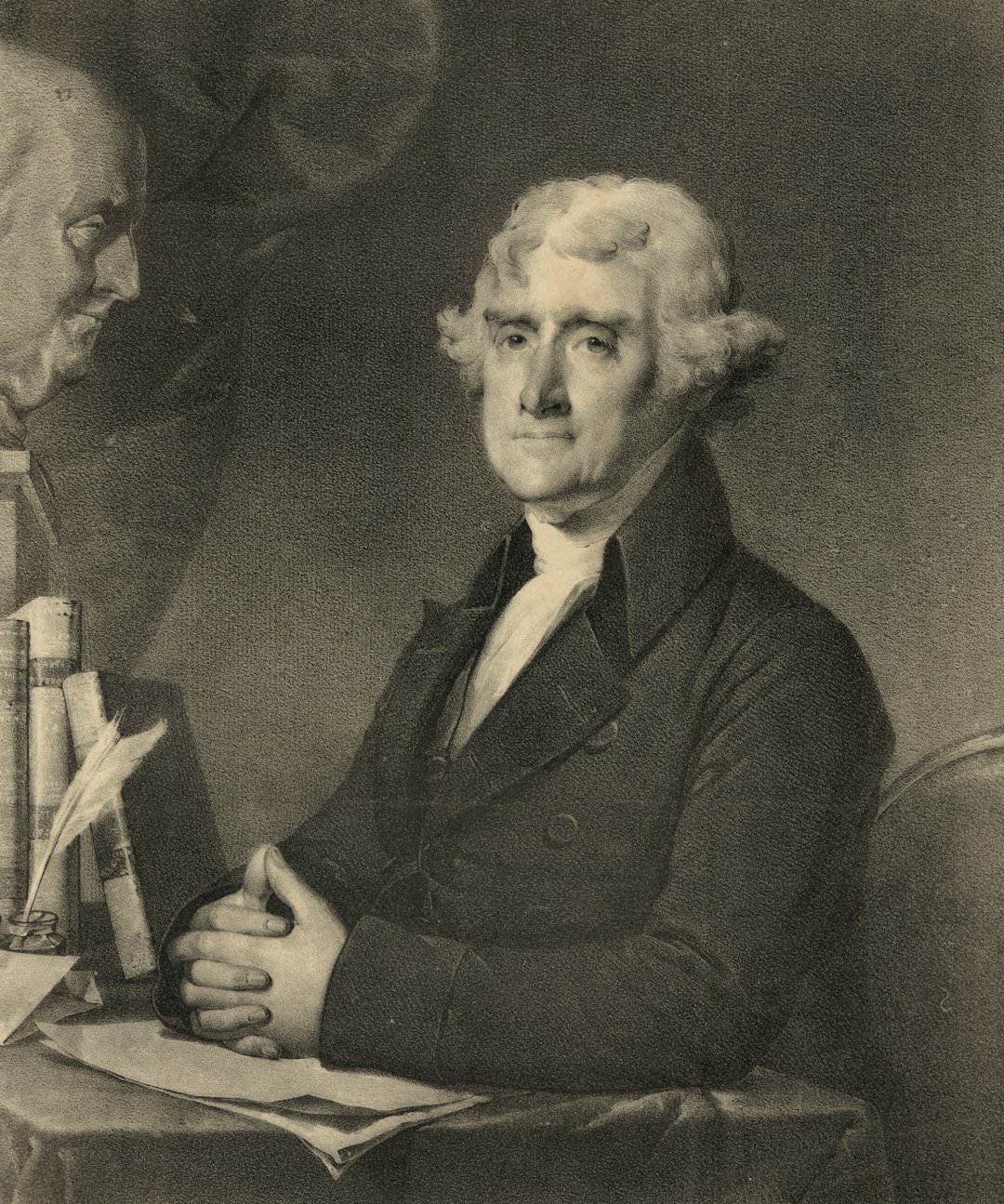
Founding fathers Thomas Jefferson and John Adams, alternately close friends and bitter rivals across their intertwined political careers, died on the same day, July 4, 1826, the 50th anniversary of American independence, of which these two men were chief architects. Of all the days in all the years, history chose the golden jubilee of their greatest shared achievement to call them both home.
At around 6 p.m. on that fateful day, Adams, unaware that Jefferson had died just after noon, uttered his final words: “Thomas Jefferson survives.” He was wrong by just a few hours. Think about that image for a moment. Two men who had shaped a nation, who had been friends, rivals, and everything in between, leaving the world within hours of each other on the single most symbolic date in American history. You simply could not write it better.
The Ohio Twins Who Lived Parallel Lives Without Knowing Each Other

In 1979, a set of twins was reunited at age 39. They had been separated at four weeks old, and for 37 years, hardly knew of each other’s existence. Both boys had been named Jim by their adoptive parents, both loved math and carpentry, and both pursued careers in security. Even eerier, they each married women named Linda, divorced, and remarried women named Betty.
Each had a son, one named James Allan and the other named James Alan, and each also had a dog named Toy. This is the kind of story that makes you question what free will actually means. These two men made what they thought were completely independent choices across decades, in different homes, different cities, different lives, and somehow ended up living nearly identical stories. Genetics alone doesn’t quite cover it.
Violet Jessop: The Woman Who Survived Three Doomed Ships
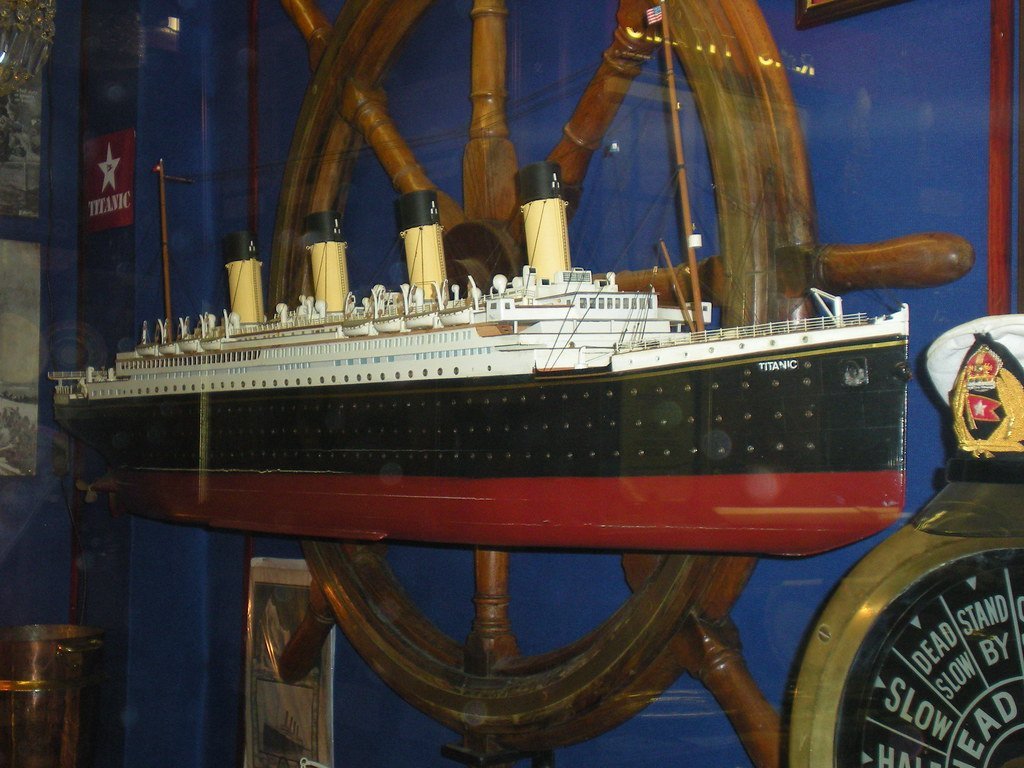
She was on the HMS Olympic when it struck the HMS Hawke, she was on the HMHS Britannic when it hit a mine, and of course she was on the RMS Titanic, too. Jessop was actually a stewardess and nurse, so being on ships was her job. She’d be later known as “Miss Unsinkable.” All three doomed ships were also “sister” ships.
Here’s the thing: Violet Jessop didn’t just survive the Titanic. She survived the most catastrophic maritime disasters of the entire early twentieth century, one after another, like some kind of indestructible figure from myth. Each time, she walked away. Each time, the ship did not. Depending on your perspective, Violet Jessop is either the luckiest or unluckiest woman to ever live. I’d argue she was both, somehow, at the exact same time.
Conclusion: History Has a Strange Sense of Humor
What do we make of all this? Rationally, we know that coincidences happen. The human brain is wired to find patterns, to connect dots, to feel meaning even in the chaos of random events. But some of these stories push well past what feels comfortable to explain away.
The Civil War following one man home. Poe naming a real murder victim decades before the murder. Two brothers living the same life without ever meeting. These aren’t just quirky footnotes. They’re reminders that history is bigger, stranger, and far less predictable than any timeline or textbook can capture. Maybe the universe really does have a tendency to rhyme, even if it never quite repeats.
What do you think? Is it all just statistical noise, or does history sometimes seem to be winking at us? Drop your thoughts in the comments.

Christian Wiedeck, all the way from Germany, loves music festivals, especially in the USA. His articles bring the excitement of these events to readers worldwide.
For any feedback please reach out to info@festivalinside.com
