

For any feedback please reach out to info@festivalinside.com
- 10 Everyday Things That Were Actually Invented for War - September 17, 2026
- The 20 Most Successful College Dropouts—Who Proved Degrees Aren’t Everything - September 17, 2026
- The 10 Most Creative Ways to Organize Your Workspace - September 17, 2026
There is something almost magical about driving into a small American town and feeling the modern world slowly fade away. No skyscrapers. No endless shopping strips. Just quiet streets, old brick buildings, and the undeniable sense that life here has been moving at a gentler pace for a very long time. Honestly, it’s one of my favorite feelings as a traveler.
From former Wild West gold mining towns to the first settlements in colonial America, there are numerous small towns scattered across the US that haven’t changed all that much over the years. According to the National Park Service, there are more than 2,300 historic districts in the nation today, with homes, buildings, and other landmarks that have been carefully preserved despite the passage of time. These places are living time capsules. They exist not just as tourist attractions, but as genuine communities where the past and present quietly coexist. Get ready to discover twelve of them. Let’s dive in.
Galena, Illinois: The Town That Time Forgot
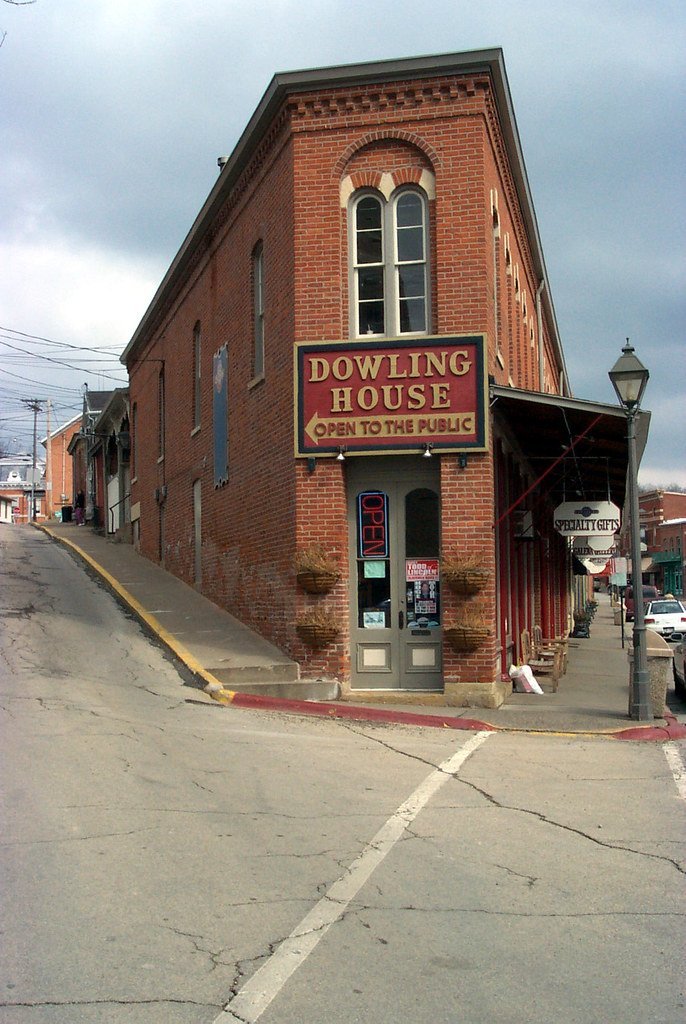
Few places in America wear their history as unapologetically as Galena, Illinois. Galena boasts one of the best-preserved collections of 19th-century architecture in the United States, with the entire downtown area listed on the National Register of Historic Places. Walking through the streets feels like stepping back in time, with beautifully restored buildings showcasing Federal, Greek Revival, and Italianate styles. Think of it like a living diorama, except the coffee shops are real and the cobblestones are slightly slippery when it rains.
Because of its unique period architecture, Galena has earned various nicknames, including “the outdoor museum of the Victorian Midwest” and variations on “the town that time forgot.” Its most famous landmark is undeniably the Ulysses S. Grant Home. The home was presented to Grant in 1865 by local citizens after his victorious leadership during the Civil War. Grant lived here with his family until he was elected the 18th President of the United States, and the residence quickly became a symbol of gratitude from the Galena community.
Galena is the only location in the United States that is home to not one but nine Civil War generals, including Grant himself. The DeSoto House Hotel on Main Street opened in April 1855 and is reported as the oldest operating hotel in Illinois. Individuals such as Theodore Roosevelt, William Jennings Bryan, and Ralph Waldo Emerson all passed through its doors. Abraham Lincoln once spoke from the hotel balcony as well. That’s an extraordinary concentration of American history for one small town.
Beaufort, South Carolina: Where Spanish Moss Tells Stories

If you had to name the oldest cities in South Carolina, Beaufort ranks as the second oldest, just behind Charleston and just ahead of Georgetown. Chartered in 1711, Beaufort has earned the epithet “Queen of the Sea Islands.” Let’s be real, very few places anywhere in the South can match this town’s ability to make you feel suspended somewhere between the antebellum era and the present day.
A summer retreat for wealthy plantation owners, Beaufort was one of the only Southern towns Union troops chose to occupy rather than burn down during the Civil War. Its rich history is beautifully preserved in the buildings and stately antebellum homes that line the city’s oak-shaded streets. Taking a walk through Beaufort’s historic district can be like taking a walk back in time, with 304 acres of the city designated a National Historic Landmark. That is the largest such designation in all of South Carolina.
The town’s well-preserved architecture spans over three centuries, showcasing a harmonious blend of Federal, Neoclassical, and Greek Revival styles. Beaufort’s commitment to preserving its heritage has earned it a place on the National Register of Historic Places. Several plantation-era mansions are now bed-and-breakfasts and inns, welcoming visitors with big wraparound porches and intimate courtyard gardens. The vibrant little town also features sidewalk cafés, trendy bistros, museums, art galleries, and an iconic waterfront park overlooking the Beaufort River.
Mackinac Island, Michigan: No Cars Allowed
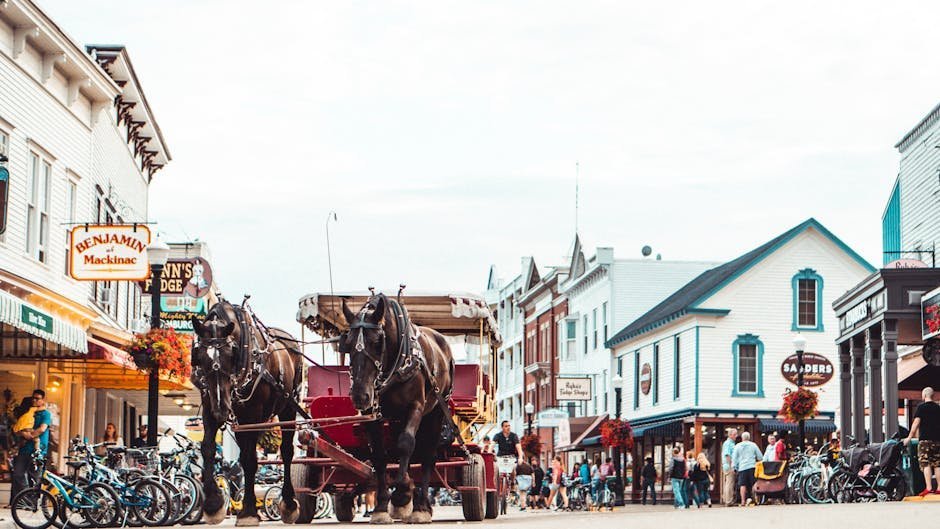
Imagine a place where the internal combustion engine simply never arrived. That is Mackinac Island in a nutshell. Anyone who visits Mackinac can experience its 1800s appeal as the island, which has banned cars, remains firmly planted in the Victorian era. Getting around means horse-drawn carriage, bicycle, or your own two feet. Refreshingly, wonderfully different.
Mackinac Island offers a unique step back in time, as cars are banned and horse-drawn carriages are the main form of transportation. The island is known for its Victorian architecture, historic forts, and preserved 19th-century homes. Visitors can tour Fort Mackinac, enjoy old-fashioned candy shops, and experience life at a slower pace. There’s something almost cinematic about the whole thing. It’s hard to say for sure, but I think this is one of the few places in America where the absence of something modern actually makes history feel tangible rather than staged.
As you explore the island, you’ll notice beautifully preserved Victorian cottages, historic forts on the banks of Lake Huron, and landmarks like the Benjamin Blacksmith Shop. Island guests can also stay in Victorian-era hotels to get a feel for life on the charming Midwestern island near the turn of the 20th century. The famous fudge shops don’t hurt either.
Jonesborough, Tennessee: America’s Oldest Town in the State
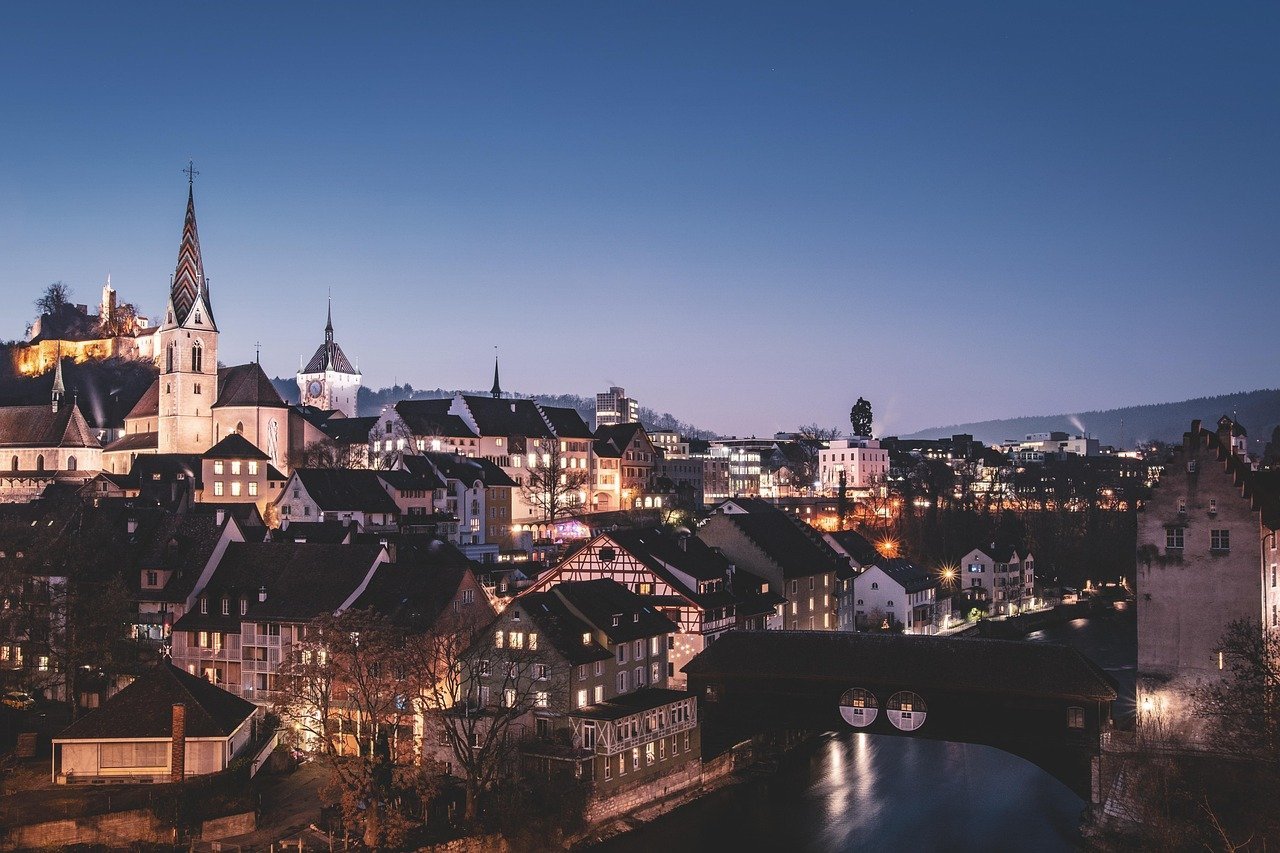
Tennessee’s oldest town doesn’t just preserve history. It practically lives inside it. Strolling the brick-paved streets of Jonesborough feels like stepping into a time capsule, where colorful buildings dating back to the 18th century line Main Street. However, it’s much more than picturesque charm. This small community played an outsized role in American social history.
In 1820, this historic town became home to The Emancipator, the first newspaper in America that fought exclusively for the abolition of slavery. This fight for abolition is one of Jonesborough’s most notable contributions to history. Think about that for a moment. A tiny town in the Appalachian foothills giving birth to one of the most consequential journalistic missions in the nation’s history. It’s genuinely breathtaking.
When visiting Jonesborough, make sure to head to the Chester Inn Museum, which was known as a hub for local political discussions. The Old Jonesborough Courthouse further illustrates the town’s role as a center of community life and regional governance. The annual National Storytelling Festival held here each October draws thousands of visitors who gather on the historic streets to listen, laugh, and simply breathe in the atmosphere of an older America.
Deadwood, South Dakota: Wild West Legends Still Walk the Streets
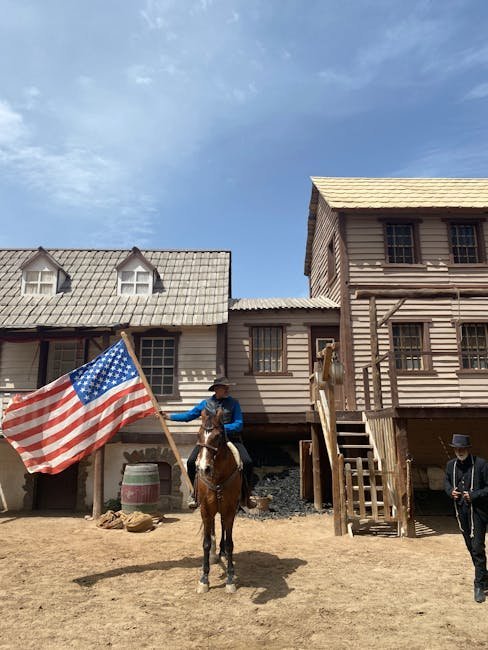
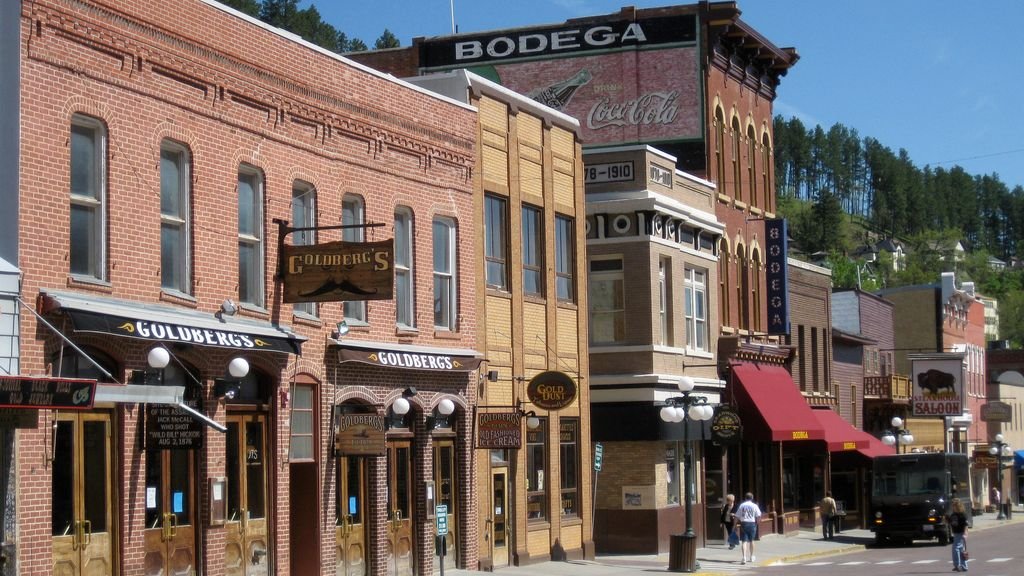
Walking the streets of Deadwood feels like stepping back in time to the days of gold prospectors and legendary figures like Wild Bill Hickok and Calamity Jane. If you’ve ever watched a Western film and wondered whether places like that actually existed, Deadwood is your answer. The town isn’t a reconstruction. It’s the real deal.
Deadwood was the site of the infamous shooting of Wild Bill Hickok in 1876. Mount Moriah Cemetery is the final resting place of Wild Bill Hickok, Calamity Jane, and other notable figures of the Wild West. You can stand at those graves today. It puts history into perspective in a way that no museum exhibit quite manages to replicate.
The town’s commitment to preserving its Wild West roots is a key attraction, but Deadwood also offers music festivals and other unique experiences for visitors. Deadwood offers a glimpse into the Wild West with its historic saloons, casinos, and gold rush history. The combination of genuine frontier architecture and lively local culture makes Deadwood something genuinely special among American small towns.
New Castle, Delaware: Colonial America in Miniature
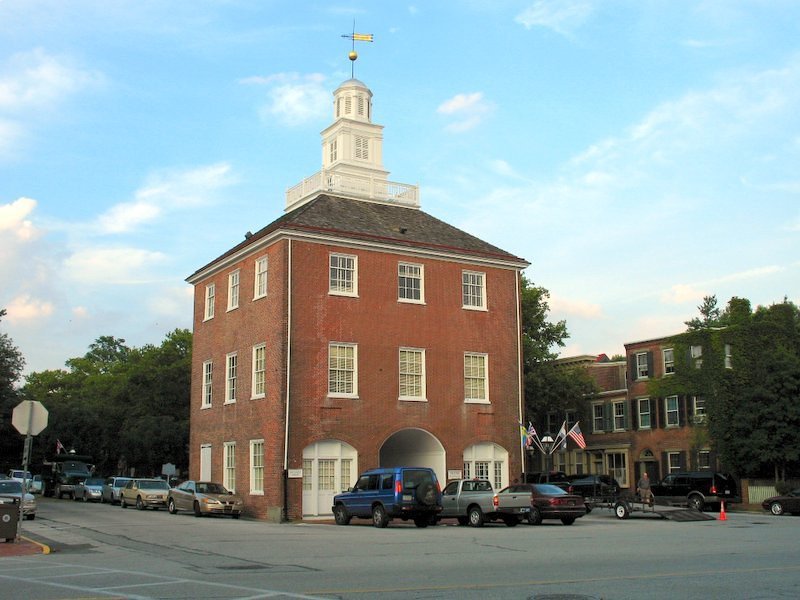
There is a good chance you have never heard of New Castle, Delaware. That honestly makes it one of the most rewarding surprises on this list. New Castle is one of the best-preserved colonial towns in the US, with cobblestone streets, historic churches, and homes dating back to the 1600s. Its small size and authentic colonial atmosphere make it an ideal place to experience early American life.
Stepping into New Castle feels like turning back the pages of a history book. This quaint town is adorned with cobblestone streets and well-preserved colonial-era buildings that whisper tales of the 17th and 18th centuries. Visitors can explore landmarks like the Amstel House and the Old Court House, immersing themselves in the architectural beauty of the period.
New Castle is one of the oldest towns in the US, with cobblestone streets and colonial-era homes. The town’s historic district is filled with well-preserved 17th- and 18th-century buildings. Visitors can explore old churches, courthouses, and homes that have stood for centuries. It’s the kind of place where you fully expect someone in breeches and a tricorn hat to round the corner at any moment.
Frankenmuth, Michigan: Little Bavaria on American Soil
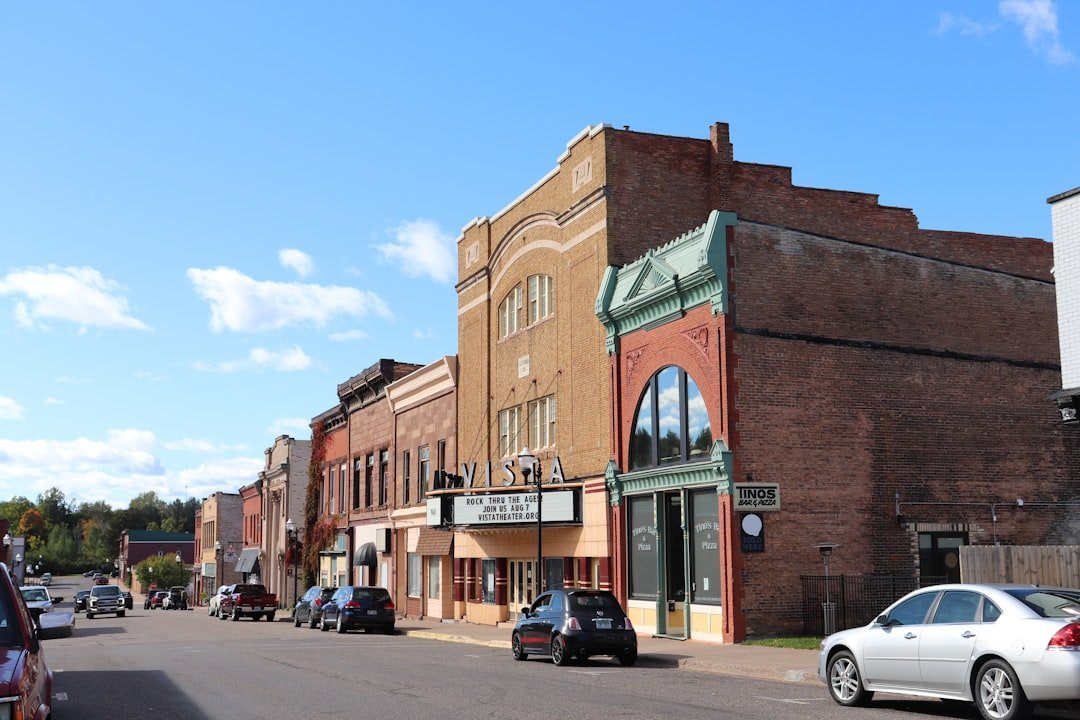
Here’s the thing about Frankenmuth. It doesn’t just look like a Bavarian village. It feels like one. Also known as “Little Bavaria,” Frankenmuth, Michigan is an utterly charming Midwest destination rooted in the area’s deep German heritage. Drenched in German language, cuisine, and design, you’ll feel transported across the pond to the Bavarian mountains.
Founded in 1845 by a group of German immigrants, Frankenmuth adapted the heritage of its founders. Even over 175 years later, the town still embodies much of what its founders infused into it. Its dedication to past Bavarian culture resonates with travelers, making Frankenmuth a top vacation spot in Michigan. That’s no small feat for a community of this size. It speaks to how fiercely the town has protected its identity across generations.
While the town has changed through the years, it has remained steadfast to elements of its past. Residents built a dam and mill in 1847, and one of the town’s wool mills is the oldest one in continuous operation in the state, dating back to 1894. Add in traditional chicken dinners, glockenspiel performances, and Christmas decorations that run all year round, and Frankenmuth becomes almost impossible to resist.
Nantucket, Massachusetts: Cobblestones and Maritime Memory
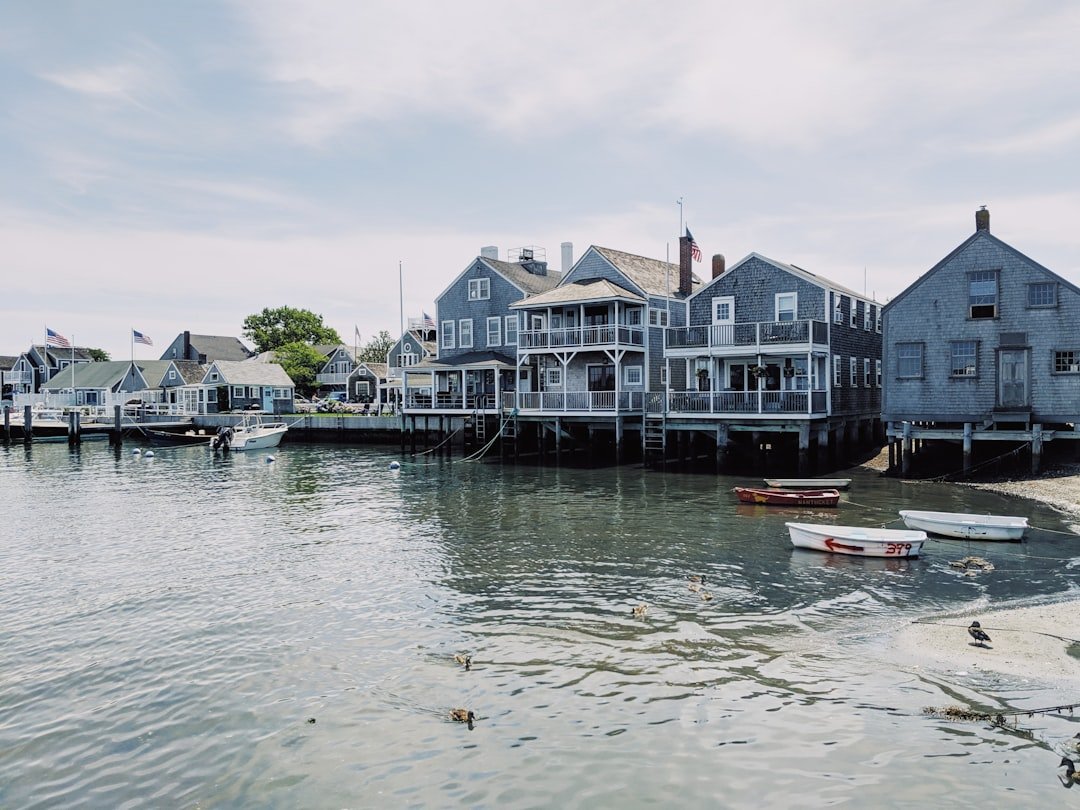
This picturesque island, once a whaling hub, is famous for its pristine 19th-century buildings and cobblestone streets. Nantucket’s maritime history is ever-present, with its charming harbors and museums offering insight into its past as a key player in America’s whaling industry. If the sea could hold memories, Nantucket would be overflowing with them.
Located 30 miles off the shores of Cape Cod, Nantucket Island, Massachusetts is as pretty as a postcard, with several lighthouses dating back to the 1700s and 1800s. The historic district has buildings dating back as early as 1746. Quaint shops, inns, and restaurants line the street. Honestly, it’s one of those places where even a rainy morning stroll feels cinematic.
The island’s isolation has, somewhat ironically, been its greatest preservation tool. Without easy access to the mainland’s rapid development cycles, Nantucket remained architecturally frozen in ways that more connected communities never could. The result is an atmosphere that feels genuinely, deeply old. Not curated. Not recreated. Just old, in the very best way.
Woodstock, Vermont: The Perfect New England Village
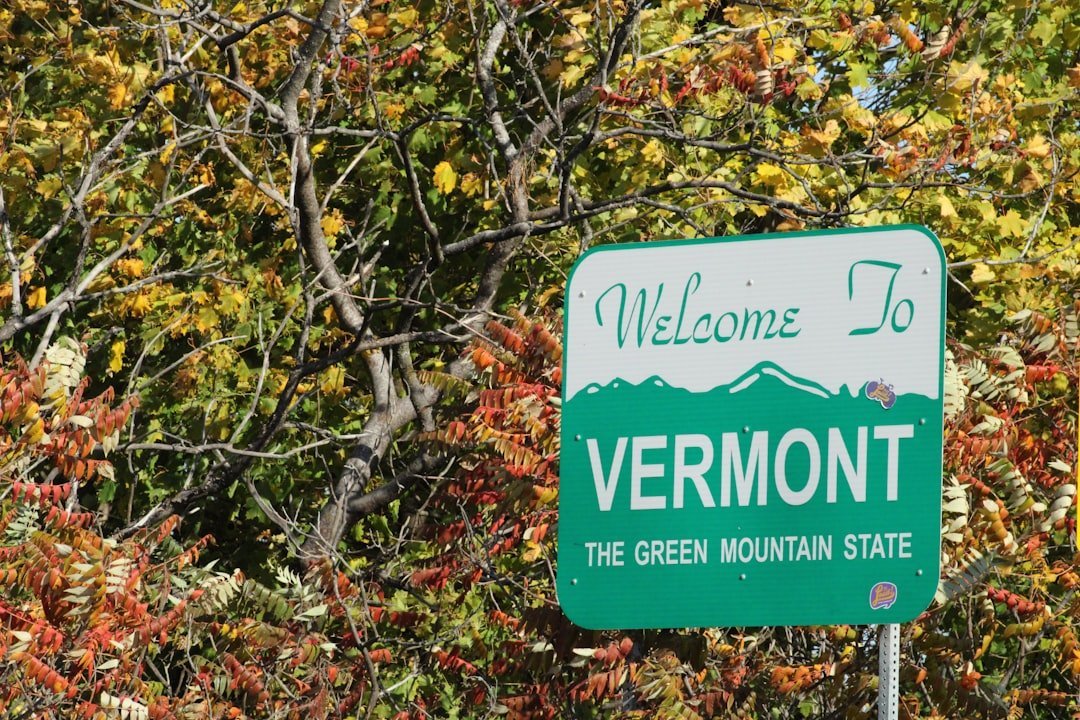
If you closed your eyes and imagined the ideal American small town, the image might look remarkably like Woodstock, Vermont. Woodstock is a quintessential New England town with a timeless feel. The town’s covered bridges, Federal-style homes, and historic downtown make it feel like a step back to the 19th century. Visitors can enjoy the peaceful countryside, explore antique shops, and visit the town’s historic sites.
Woodstock has classic New England village qualities with four covered bridges and spectacular fall foliage. Historic architecture meets farm-to-table dining in Vermont’s most charming town. The four covered bridges alone are worth the drive. Each one is a small wooden miracle, somehow still standing while the modern world whirls around them.
There’s a pastoral calm here that very few places in the Northeast can still claim. The village green, the white-steepled church, the surrounding farmland stretching toward the hills. It all feels genuinely unspoiled. Whether you visit in leaf-peeping season or under a January snowfall, Woodstock has a way of slowing your heartbeat to something resembling peace.
Bisbee, Arizona: A Desert Gem Preserved in Copper and Grit
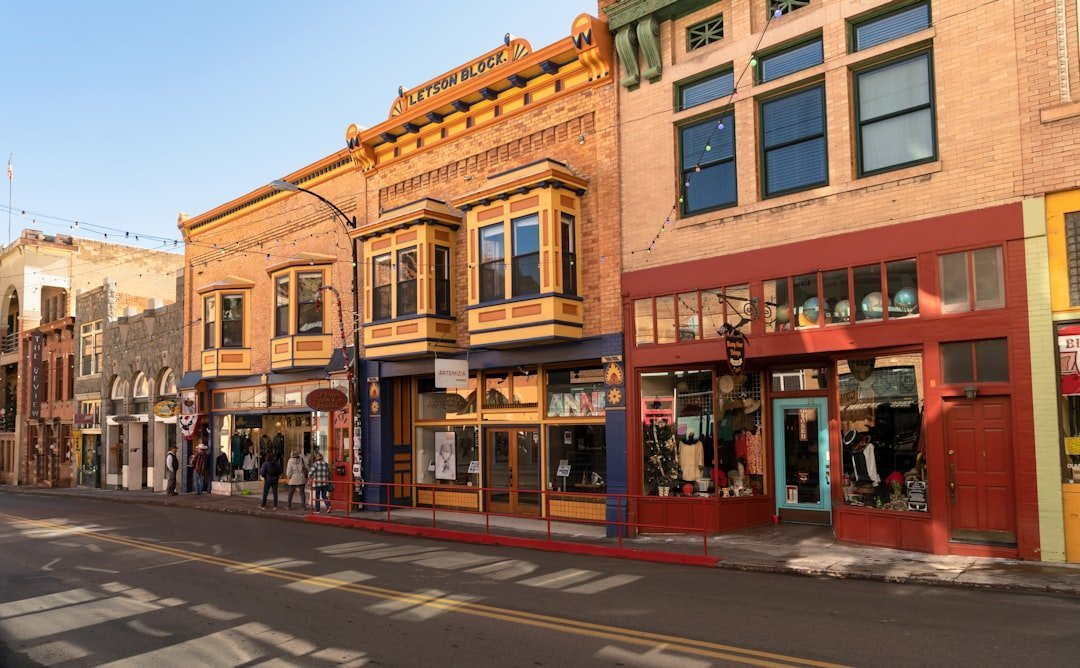
The quirky canyon town of Bisbee in southeastern Arizona sits at an elevation of 5,538 feet, making it America’s southernmost “mile-high” city. After copper was discovered in a nearby mine in 1877, Bisbee was incorporated in 1880 and became one of the largest cities in what was then the Arizona territory. That boom-era energy is still embedded in every brick and alleyway.
Today, the former saloons and inns remain relics of the town’s mining past, and locals are careful to preserve them, as well as their tight-knit community of artists and others who prefer the quiet desert scenery of the Mule Mountains. With a lively downtown of dive bars, galleries, gift shops selling copper-themed trinkets, museums, and Wild West-themed restaurants, Bisbee also offers plenty of appeal as a weekend getaway for history buffs.
Set amidst the arid Mule Mountains in Southeastern Arizona, this historic mining town is awash with Wild West tales about the Cochise County Cowboys and other infamous outlaws. Now a buzzing arts community, this desert oasis has plenty to offer including adventures inside Copper Queen Mine and an Old Bisbee Ghost Tour that promises spine-tingling tales. Few towns blend history, art, and outright weirdness quite as well as Bisbee does.
Jim Thorpe, Pennsylvania: The Switzerland of America
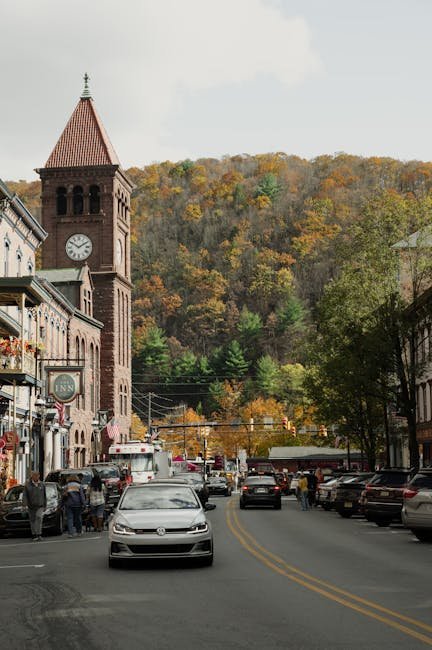
Nestled in Lehigh Gorge in rural Pennsylvania, the small community of Jim Thorpe is a popular stomping ground come autumn, when tourists flock to see the fall foliage of the Poconos. Many choose to admire the scenery aboard one of the historic open-air or glass observation dome trains that chug through Lehigh Gorge State Park along the Lehigh Gorge Scenic Railway.
Founded in 1818 by the Lehigh Coal and Navigation Company, a pivotal player in the American Industrial Revolution, the town was originally called Mauch Chunk and still contains the elegant Victorian mansions once owned by some of the nation’s first millionaires. In 1954, the town was renamed after legendary American track-and-field Olympian Jim Thorpe, whose memorial is located here along Route 903.
Affectionately known as “The Switzerland of America,” Jim Thorpe attracts visitors every year with its Pocono Beverage Trail (breweries, distilleries, wineries), distinctive museums, and Lehigh Gorge State Park, which comes alive in fall with its rich gold, orange, and vermillion color palette. Elsewhere, visitors will find quaint bed-and-breakfasts, art galleries, and mom-and-pop shops that go all out for the holidays. It’s a town that rewards slow exploration.
Granbury, Texas: Where Texas History Lives
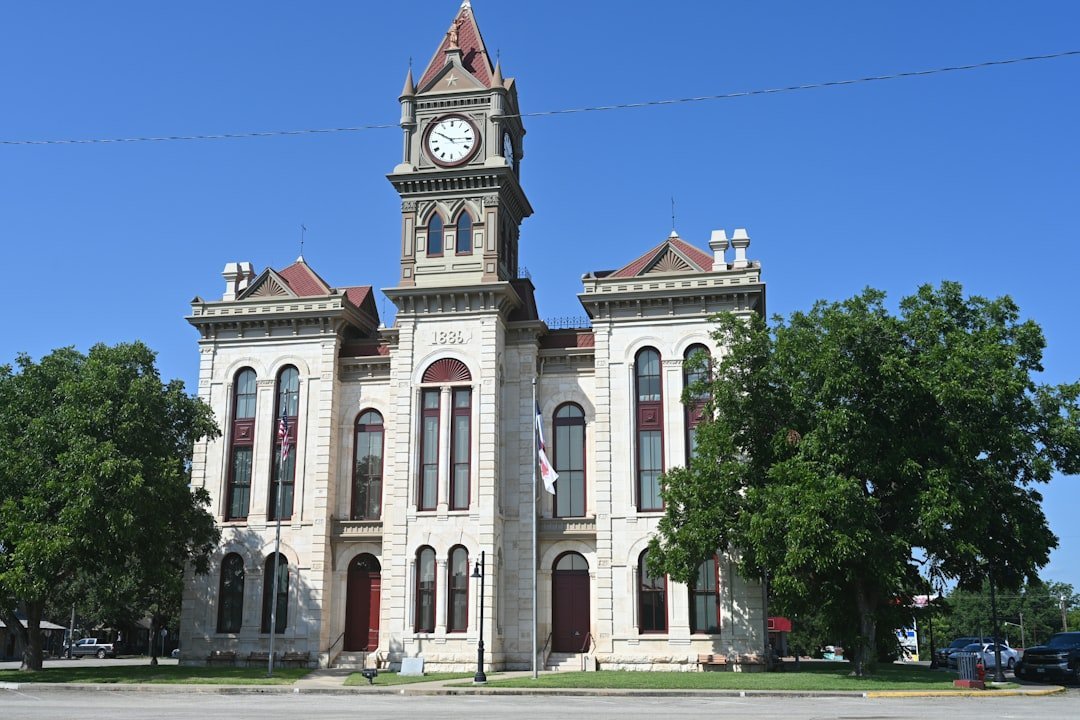
Granbury has been named “Best Historic Small Town in America” by USA TODAY 10Best for the fourth time, with wins in 2019, 2020, 2021, and most recently 2025. That’s not a fluke. That is a community that genuinely understands what it has and refuses to let it go. With over 40 Historic Texas Landmarks and a town square that’s on the National Register of Historic Places, Granbury doesn’t just preserve history. It celebrates it with open arms every single day.
The Texas town that feels like a living time capsule is still wowing guests and residents alike with its historic charm. The town square is genuinely one of the most photogenic in the entire country, ringed by 19th-century storefronts, an opera house that dates to 1886, and streets that feel borrowed from an older, unhurried century. I think it’s the kind of place that makes even the most reluctant history skeptic stop and stare.
Local legends swirl through Granbury like warm Texas wind. Stories about John Wilkes Booth faking his death and hiding out here, whispers about Jesse James being buried just down the road. Whether those tales are true or tall, they add a deliciously mysterious layer to a town that is already rich with documented, genuine American history. The spirit of Granbury is spoken in every brick, every creak of the Opera House floorboards, and every storyteller who keeps its legends alive.
Conclusion: The Past Is Still Out There, Waiting
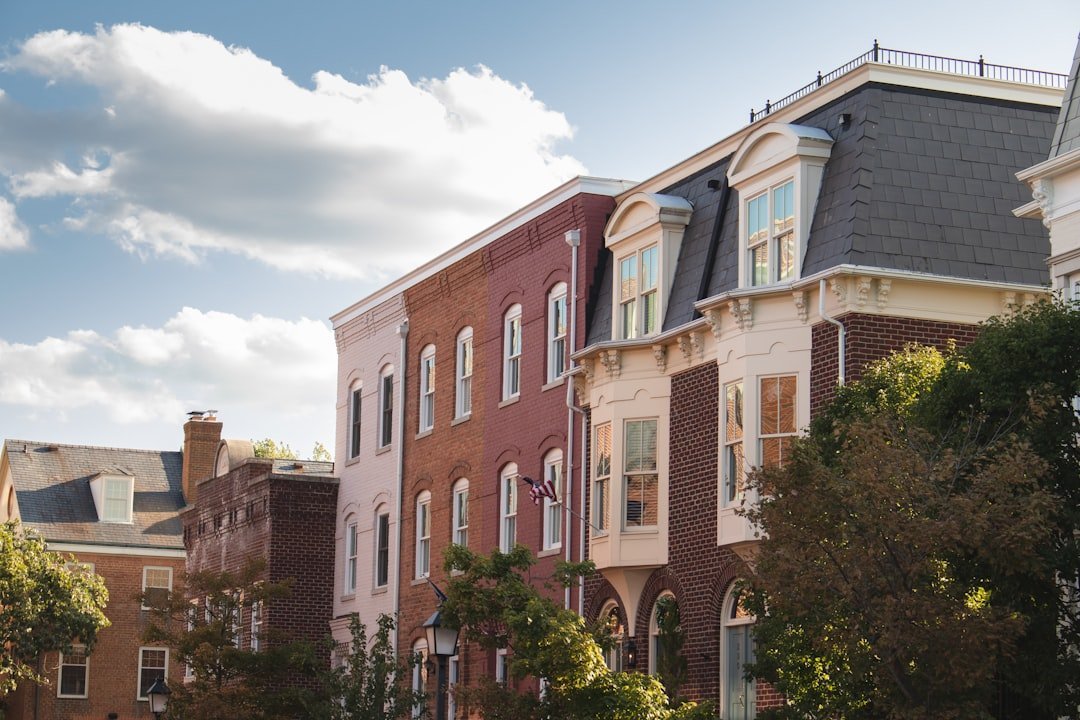
These twelve towns prove something that can feel easy to forget in the age of endless development and digital distraction. America’s past isn’t just locked inside museums. It’s still alive, right out there on the streets, in the architecture, in the people who choose to live in places like these and fight for their preservation.
Across the United States, there are small towns that have preserved their history and charm, making visitors feel as if they’ve traveled back in time. Whether it’s cobblestone streets, Victorian architecture, or classic Main Streets, these towns offer a genuine glimpse into the past. Each one on this list has its own personality, its own stories, its own reasons to stay just a little longer than you planned.
So pack lightly, drive slowly, and let yourself get a little lost. The best moments in these towns rarely happen on any official tour. They happen when you wander down a side street, peer into a window, or strike up a conversation with a local who has been watching this place stay beautifully, stubbornly the same for their entire life. Which of these towns would you visit first? Share your thoughts in the comments.

Christian Wiedeck, all the way from Germany, loves music festivals, especially in the USA. His articles bring the excitement of these events to readers worldwide.
For any feedback please reach out to info@festivalinside.com
