

- 15 Things You Didn’t Know About Your Favorite Classic Novels - September 17, 2026
- The Most Unusual Jobs You Didn’t Know You Could Do - September 17, 2026
- Inventions That Were Invented Before Their Time - September 17, 2026
Few songs in history carry the emotional weight of a genuine humanitarian crisis behind every single note. “We Are the World” was not just a pop song. It was a sprint against time, a logistical nightmare, and a moment of collective grace that the music world had never attempted before and arguably has never replicated since. Dozens of the biggest names in music, people who competed with each other on the charts every single week, set aside their egos and walked into a recording studio together for one purpose only: to save lives.
The story of how this song came to exist is messy, chaotic, funny, tense, and deeply moving all at once. There were near-disasters, absent superstars, a runaway python, and a moment so tender it brought artists to tears. So let’s dive in.
Fact 1: The Crisis That Sparked It All

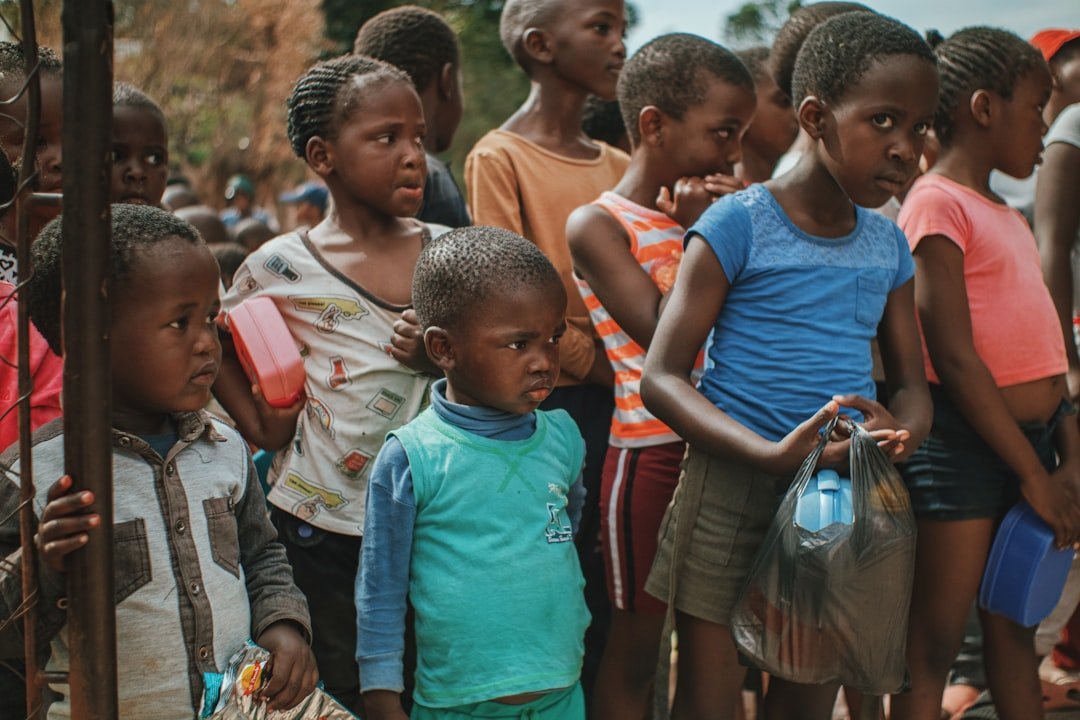
By 1984, famine in Ethiopia had reached catastrophic levels. Media reports, particularly a BBC broadcast that showed the devastation, sparked international outrage and compassion. People were watching actual starvation unfold on their television screens, and the world’s wealthiest nations were struggling to respond quickly enough. The scale of human suffering was staggering.
Harry Belafonte planned to have the proceeds donated to a new organization called United Support of Artists for Africa, or USA for Africa. The organization would provide food and relief aid for the 1983 to 1985 famine in Ethiopia, which killed about one million people. Belafonte also planned to set aside money to help eliminate hunger in the United States. It was not just an overseas charity effort. It was a full statement about human solidarity, reaching across borders and genres.
Fact 2: Harry Belafonte Was the Driving Force
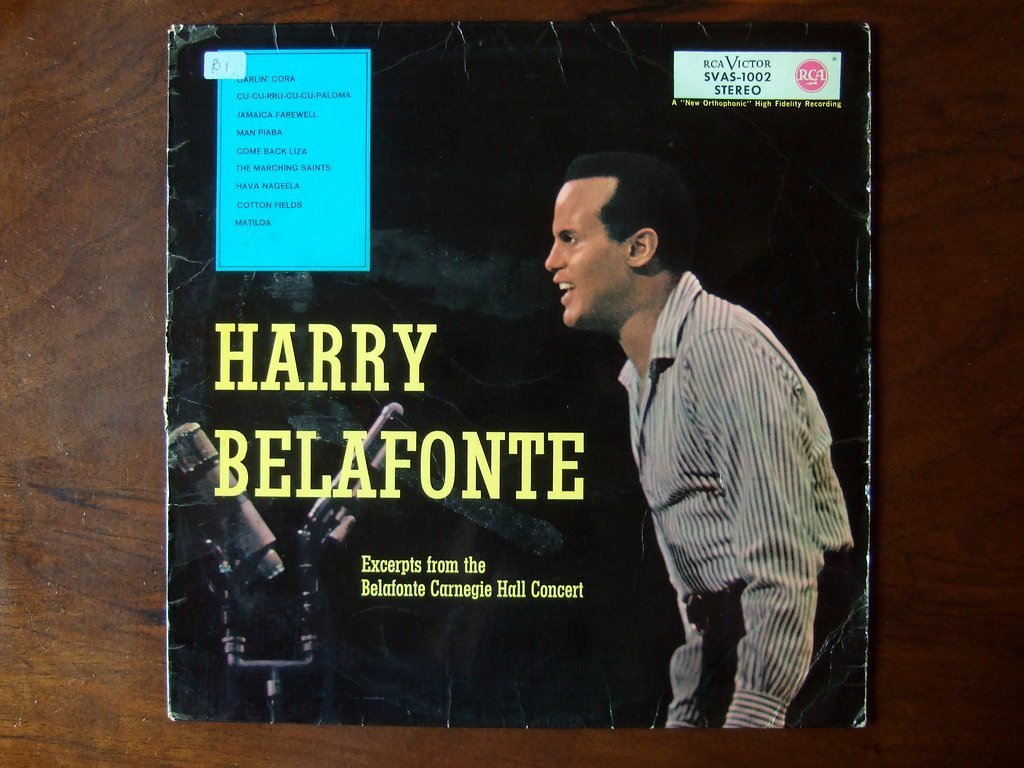
In late 1984, famed actor, singer, and activist Harry Belafonte saw a BBC report about the devastating famine in Ethiopia. Feeling compelled to help, he contacted music manager Ken Kragen and suggested a fundraising concert. Kragen proposed they instead record an all-star charity song, just as Bob Geldof had done in the UK with Band Aid’s “Do They Know It’s Christmas?” That shift from concert to song turned out to be one of the smartest decisions in music history.
The UK single “Do They Know It’s Christmas?” was a 1984 charity recording by some of the most popular British and Irish musicians to raise money to end famine in Ethiopia. The performers were predominantly white, and legendary artist and civil rights activist Harry Belafonte thought that top Black stars needed to be included in a charity single. His conviction gave the project not just a humanitarian mission, but a cultural one as well.
Fact 3: The Song Was Written in a Chaotic Frenzy
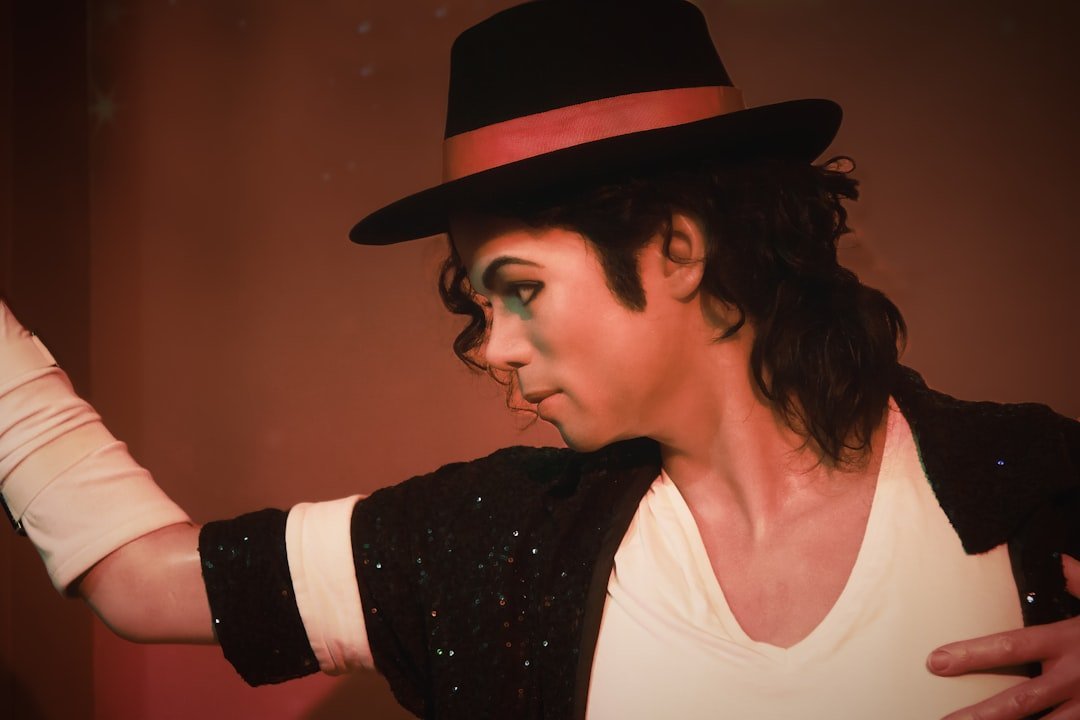
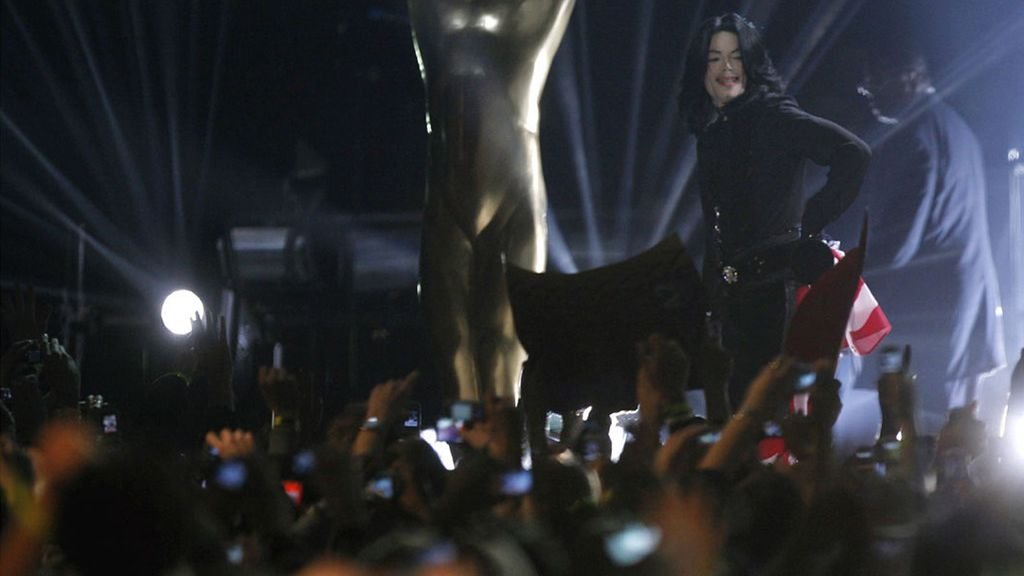
Richie was originally supposed to pair up with Stevie Wonder to write the song, but Wonder was deeply involved in the production of an album. Instead, Richie connected with singer Michael Jackson, and the two began to write the song, which they hoped would become an anthem. Honestly, that lucky twist may have been one of the best accidents in pop music history. The Richie and Jackson combination turned out to be pure gold.
With both stars in high demand, the writing session turned out to be a bit chaotic. Richie recalls Jackson encouraging him to get friendly with Bubbles, his pet chimpanzee, while in another room, a myna bird and dog squawked and barked incessantly. At one session, the songwriters were interrupted by another member of Jackson’s menagerie. The culprit? Jackson’s pet python. Try writing a song of global compassion with a boa constrictor creeping behind the album racks. Only at Michael Jackson’s house.
Fact 4: Jackson Completed a Full Demo Overnight Without Telling Richie
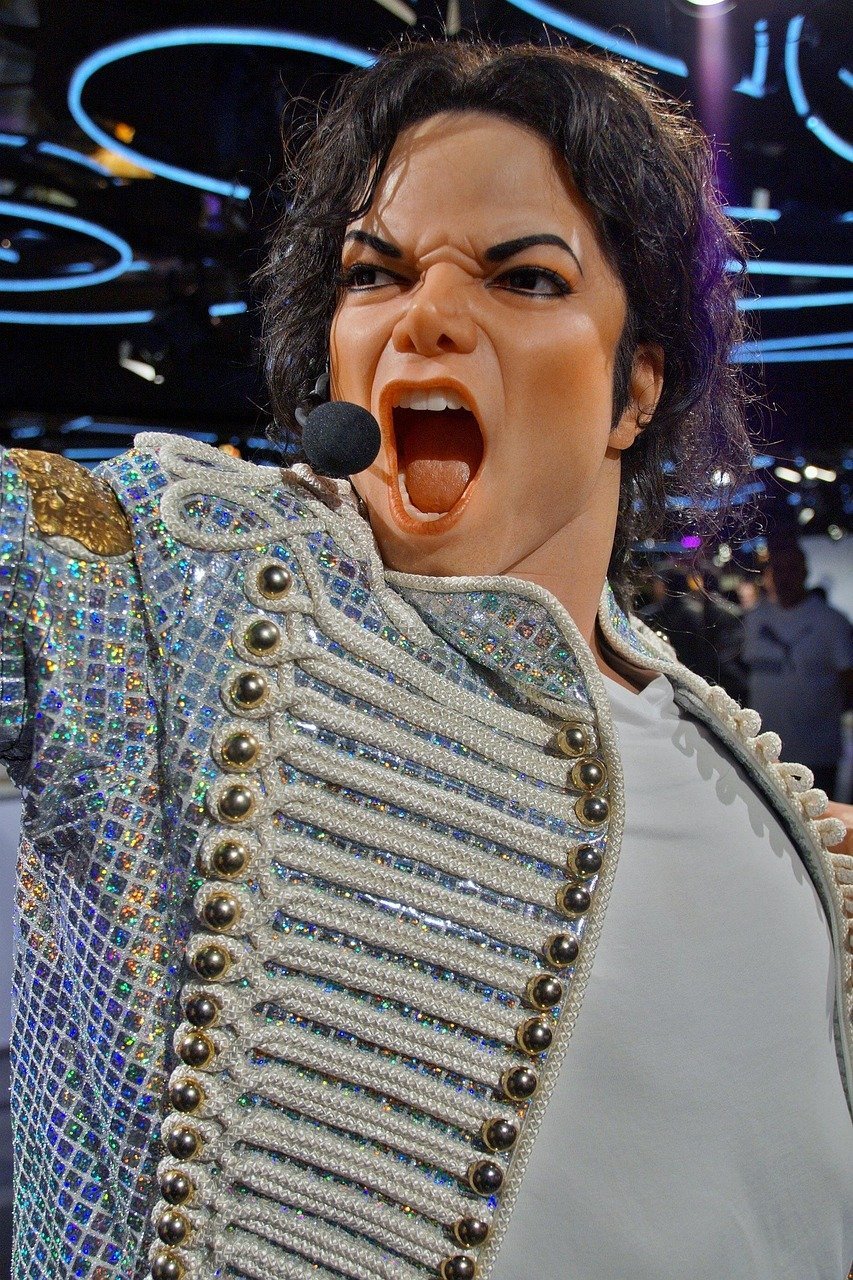
Richie recorded two melodies, to which Jackson added music on the same day. Jackson presented his demo to Richie and Jones, who were both surprised that he had completed the structure so quickly. The speed with which Jackson moved was astonishing even to professionals who worked with the best in the business. He simply could not wait.
It was not until the night of January 21, 1985, that Richie and Jackson completed the lyrics and melody within two and a half hours, one night before the song’s first recording session. Think about that. The completed lyrics and melody of one of the most famous songs ever recorded were finished in a single, pressure-filled evening. They wanted the piece to be simple enough for a large ensemble of singers yet powerful in its message of unity and compassion. The resulting lyrics struck the right balance of hope, inclusivity, and urgency. The melody was straightforward and uplifting, designed to be instantly memorable and easy to sing along to.
Fact 5: The Recording Night Was Cleverly Timed to the American Music Awards

How do you get dozens of America’s biggest musical stars in one recording studio at the same time? You hold the session on the night of a major awards show. The historic session took place at A&M Recording Studios in Los Angeles on January 28, 1985, right after the American Music Awards, which were held the same evening at the nearby Shrine Auditorium. The apparently tireless Richie hosted the AMAs and then played “floor man,” or chief problem solver, for producer Quincy Jones as the A-listers arrived to record their vocals. The man hosted an awards ceremony, won six awards at it, and then went straight to the most complicated recording session of his career. That is remarkable by any standard.
Richie was at the peak of his solo career in 1985, co-wrote “We Are the World,” and used his influence to bring in some of the big names. On the night of the recording, he not only hosted the American Music Awards but dominated the proceedings, taking home six wins. He was also scrambling backstage, aware of the mountain to climb later, and had to put out fires like when Lauper said her boyfriend told her she shouldn’t do the song because it wouldn’t be a hit. Richie convinced her otherwise. The man was firefighting all night on multiple fronts. Let’s be real, without Richie’s stamina, the whole thing might have collapsed before a single note was sung.
Fact 6: Quincy Jones Kept 45 Egos Under Control
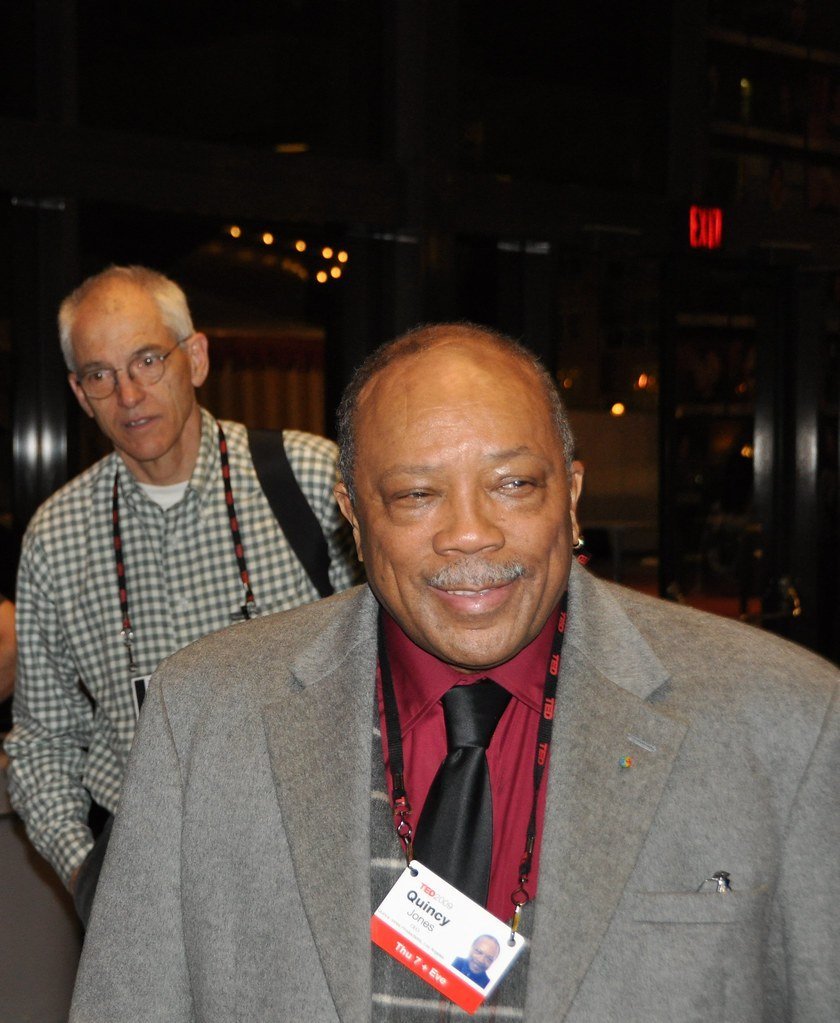
The special instruction Quincy Jones sent out to the several dozen pop stars invited to participate in the recording was this: “Check your egos at the door.” Jones was the producer of a record that would eventually go on to sell more than 7 million copies and raise more than $60 million for African famine relief. That sign, reportedly hung physically at the studio entrance, became iconic in itself. It was equal parts polite request and very firm warning.
Quincy Jones was drafted to co-produce, taking time out from his work on the film The Color Purple. The man was juggling two of the most significant creative projects of the decade simultaneously. Jones was concerned about assigning performers to sing solos, saying that so much talent on hand made the task like “putting a watermelon in a Coke bottle.” That metaphor should tell you everything about the challenge of organizing roughly 45 world-class artists in one room and making it sound like a unified song rather than a chaotic talent show.
Fact 7: Michael Jackson Arrived Early to Record Alone
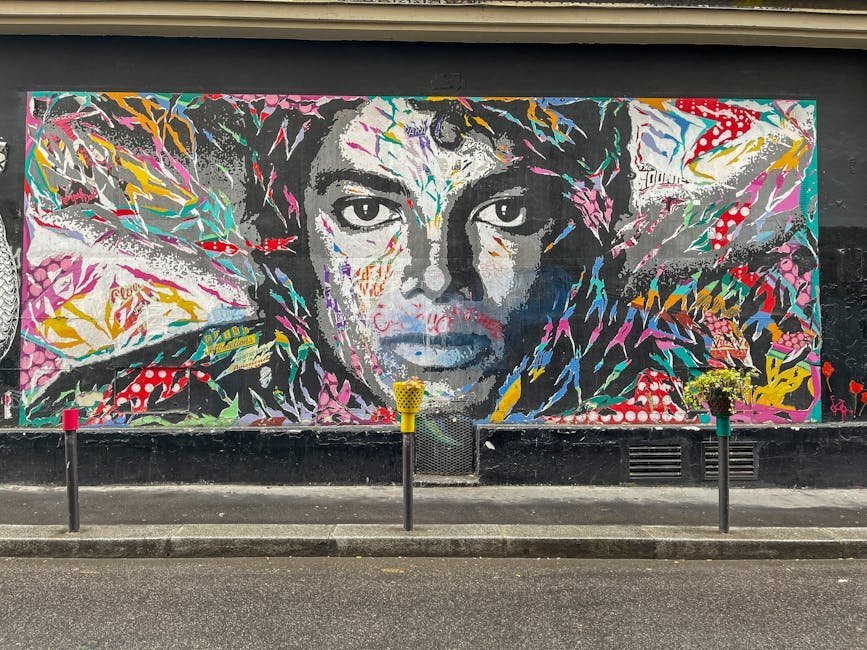
Jackson arrived at 8 p.m., earlier than the others, to record his solo section and record a vocal chorus alone. He was joined by the remaining artists, who included Ray Charles, Billy Joel, Diana Ross, Cyndi Lauper, Bruce Springsteen and Tina Turner, and Jackson’s siblings Jackie, La Toya, Marlon, Randy and Tito. Jackson’s early arrival was not about showing off. It was more of a self-preservation move. He was famously shy and the idea of singing solo in front of a studio packed with 44 other music legends was genuinely daunting.
The singer’s supporters reasoned that Jackson was a perfectionist. Recording in front of other big-name artists would leave him awestruck and unable to perform at his best. He was also known for his shy nature, and the idea of singing solo in front of 44 other famous artists probably sounded terrifying to him. I think that detail makes him so much more human. Even the most famous pop star on the planet felt stage fright. There is something oddly comforting about that.
Fact 8: Bob Dylan Had a Breakdown and Stevie Wonder Saved Him
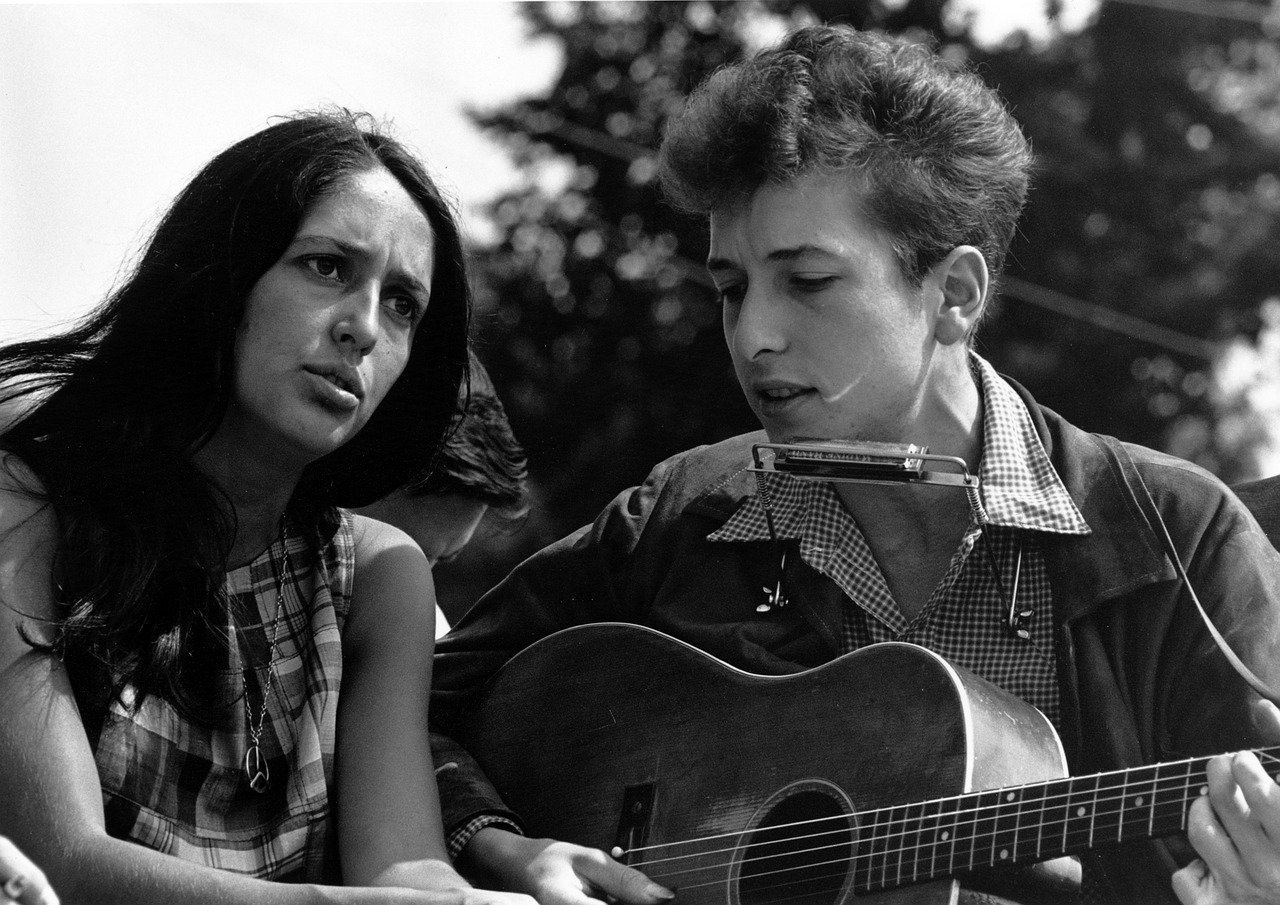
There is an intensity to Dylan’s performance in the music video, and behind-the-scenes rehearsal footage shows just how stressed Dylan was while figuring out his part. According to Richie, Dylan was having a “nervous breakdown” over how to handle his solo portion of the song. Dylan, one of the most celebrated songwriters of the twentieth century, was completely undone by the pressure. It is hard to say for sure whether it was the crowd or the material, but he visibly struggled.
Dylan was struggling with his line, uncomfortable with how packed the room was. He called over Stevie Wonder to help him, and Wonder sat at the piano and sang it the way he thought Dylan should sing it, mimicking the indie artist’s folksy voice. Then Dylan went on to nail his section. That image, Stevie Wonder doing a pitch-perfect Bob Dylan impression at a piano in the early hours of the morning to help a friend find his voice, might be one of the most beautiful moments in music lore. By 7 o’clock in the morning, the group had truly become a family.
Fact 9: There Was Real Drama in the Studio, Including a Near-Walkout
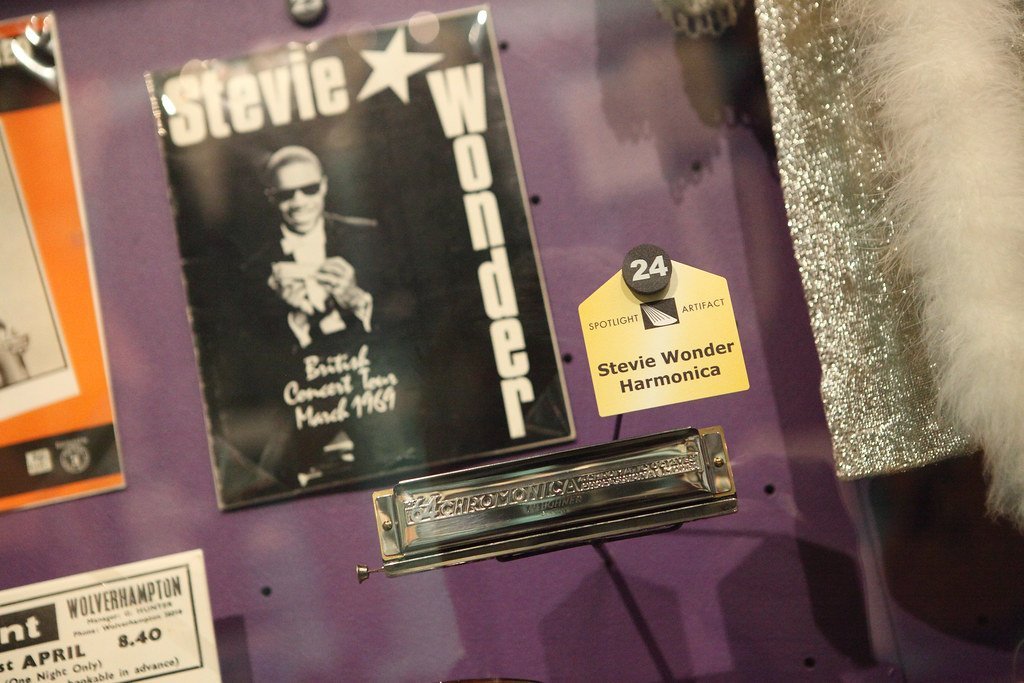
There was a key moment when Stevie Wonder suggested that some lyrics be sung in Swahili, an idea that prompted Waylon Jennings to balk. The idea was scrapped when it was learned that Swahili wasn’t spoken in Ethiopia. The tension that erupted over that suggestion was real and significant. The session came dangerously close to fracturing at around 3 in the morning.
Meanwhile, not all drama was about language. R&B singer Al Jarreau was given a solo spot. Yet each time his verse came up, he flubbed it. Maybe it was the wine he was drinking during the session, by the bottle. The team had to work very hard to get his part on tape before things got too far along. There is something almost endearingly human about the fact that one of the great jazz vocalists of his era turned up to a historic charity recording session and decided to celebrate a little early. In the early hours of the morning, two Ethiopian women, guests of Stevie Wonder, were brought in. They thanked the singers on behalf of their country, bringing several artists to tears.
Fact 10: The Song Became a Historic Commercial and Humanitarian Triumph
The song, released on March 7, 1985, was an immediate media sensation. It sold an astonishing 800,000 copies in three days and ultimately raised more than $60 million for African famine relief and inspired other musician-driven charitable efforts. Those numbers were unprecedented for a charity single at the time. Nothing quite like it had ever moved that fast through the American music market.
At the 1986 Grammy Awards, the song and its music video won four awards: Record of the Year, Song of the Year, Best Pop Performance by a Duo or Group with Vocal, and Best Music Video, Short Form. The song became the first single to be certified multi-platinum. Estimated global sales are said to be 20 million copies. Both “We Are the World” and the UK’s “Do They Know It’s Christmas?” inspired 1985’s Live Aid, the first benefit concert of its size and caliber, as well as Willie Nelson’s long-running Farm Aid shows. One song opened a door that the music world has been walking through ever since.
Conclusion: A Song That Still Means Something
It is genuinely rare that a single piece of music manages to be commercially massive, artistically sincere, logistically absurd, and historically meaningful all at the same time. “We Are the World” pulled it off. Forty years later, the story behind it still has the power to surprise, to move, and to inspire.
The song was more than just a fundraising tool. It was a statement of unity during a period when popular music was often dominated by competition and commercialism. It brought together artists from different genres, including rock, pop, soul, and country, demonstrating the diversity of American music. The project also underscored the potential of celebrity activism at a time before social media made such efforts commonplace.
The song was inducted into the Grammy Hall of Fame in 2021. That recognition came decades after the recording, but honestly, it was never about awards. It was about using something as simple and universal as a song to reach across the world to people in desperate need. In a time when music can feel disposable, “We Are the World” is a powerful reminder of what happens when artists stop competing and start caring. What would it take for something like this to happen again today?

Besides founding Festivaltopia, Luca is the co founder of trib, an art and fashion collectiv you find on several regional events and online. Also he is part of the management board at HORiZONTE, a group travel provider in Germany.
