

- 12 Iconic TV Commercials That Defined a Generation and Became Pop Culture Cornerstones - August 23, 2026
- Classic literature often reveals more about our society’s lost values than any history book. - August 23, 2026
- 15 Musical Instruments So Strange, You Won’t Believe They Exist (or How They Play). - August 23, 2026
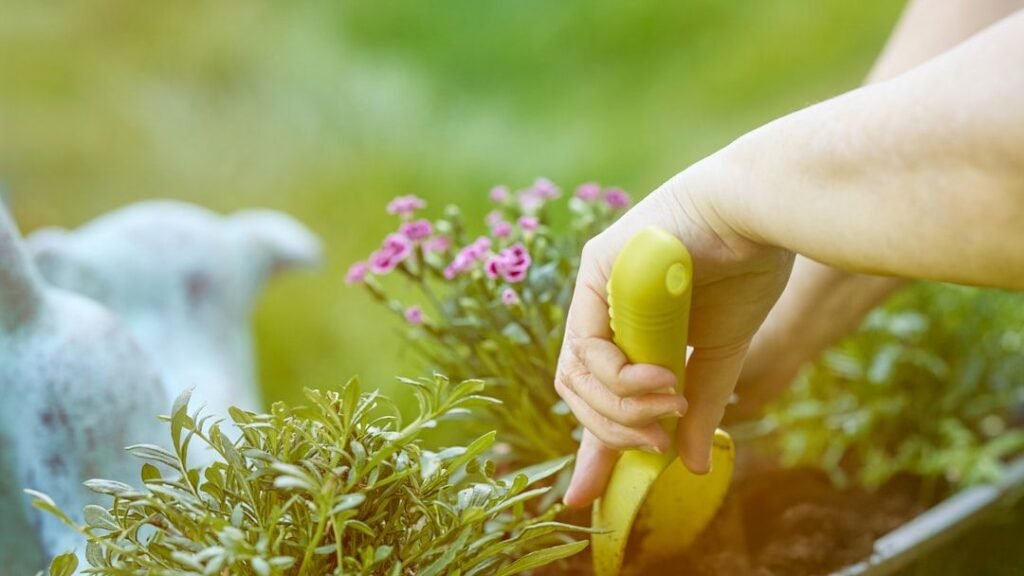
Gardening advice travels fast. It spreads from neighbor to neighbor, from social media posts to well-meaning grandparents, and before long, a piece of utterly false information becomes accepted gospel. Traditional beliefs about gardening can sometimes do more harm than good. Honestly, that’s a bit unsettling when you think about all the time, money, and effort most of us pour into our outdoor spaces.
Gardening is full of tradition, folklore, and advice passed down through generations – and while some of it is timeless, some of it doesn’t hold up to science. The troubling part is that the myths that spread the fastest are often the ones that sound the most convincing. So before you grab that bag of Epsom salt or lay down another layer of gravel, let’s dive in.
Myth #1: Gravel at the Bottom of a Pot Improves Drainage
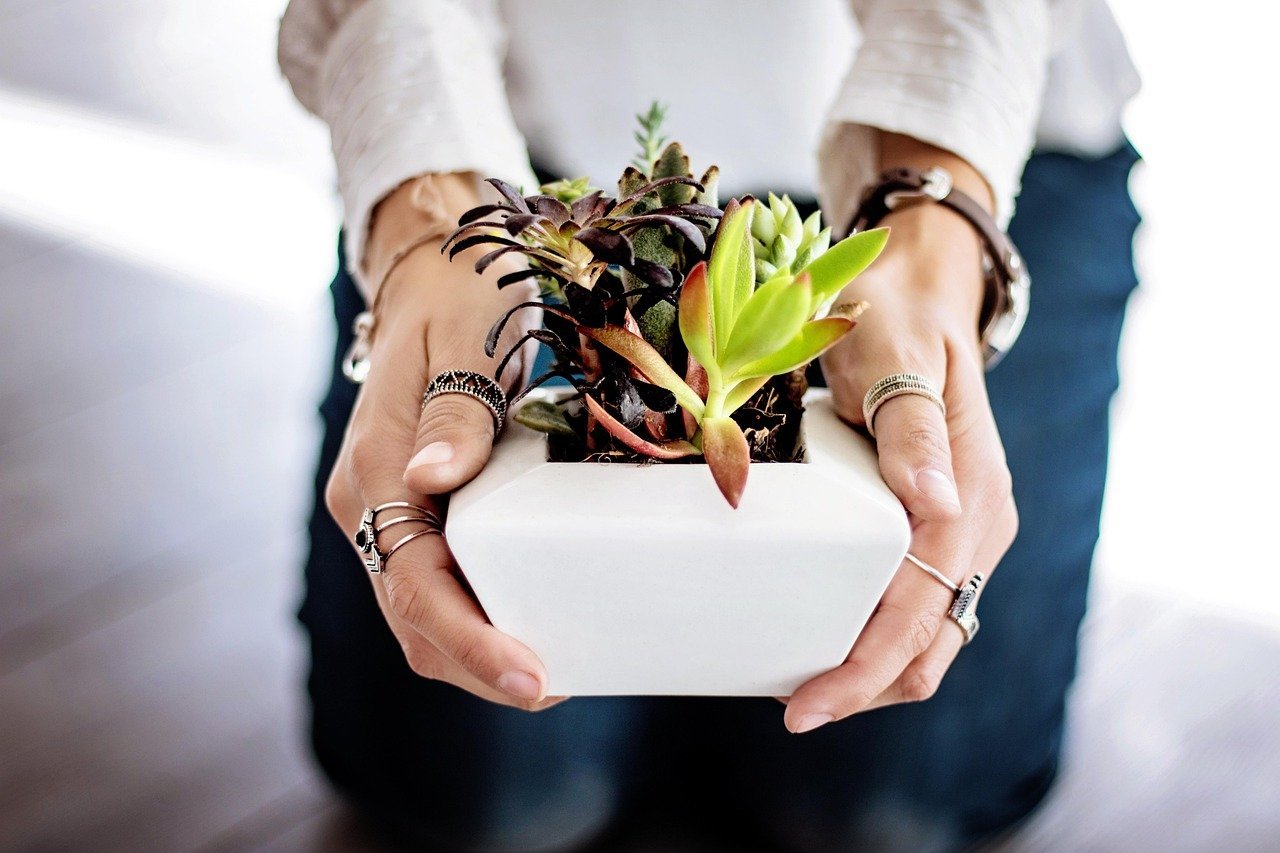
This one is everywhere. Walk into any garden center, chat with seasoned plant parents, and the advice comes flying: “Put some rocks at the bottom of your pot for better drainage.” It sounds perfectly logical. It is also completely wrong.
Placing gravel or pot shards in the bottom of a container does the opposite of what most gardeners expect. Rocks in the bottom of pots can actually block or restrict water drainage by reducing the size of the drainage hole. It is hard for water to move from fine-grained soil to coarser material like gravel. The water must saturate the fine-grained material first. So by putting pebbles at the bottom of a pot, you are actually encouraging the very problem you are trying to prevent.
Think of it like a wet sponge sitting on top of a pile of stones. The sponge doesn’t drain into the stones until it’s completely saturated. When water encounters the gravel layer, it creates a perched water table, meaning the soil above the gravel becomes waterlogged, leading to poor root growth and an increased risk of root rot. The key to proper drainage in container gardening lies in the soil composition itself. Simply use a high-quality potting mix, ensure your pot has drainage holes, and skip the gravel entirely.
Myth #2: Watering Plants in the Sun Will Scorch Their Leaves
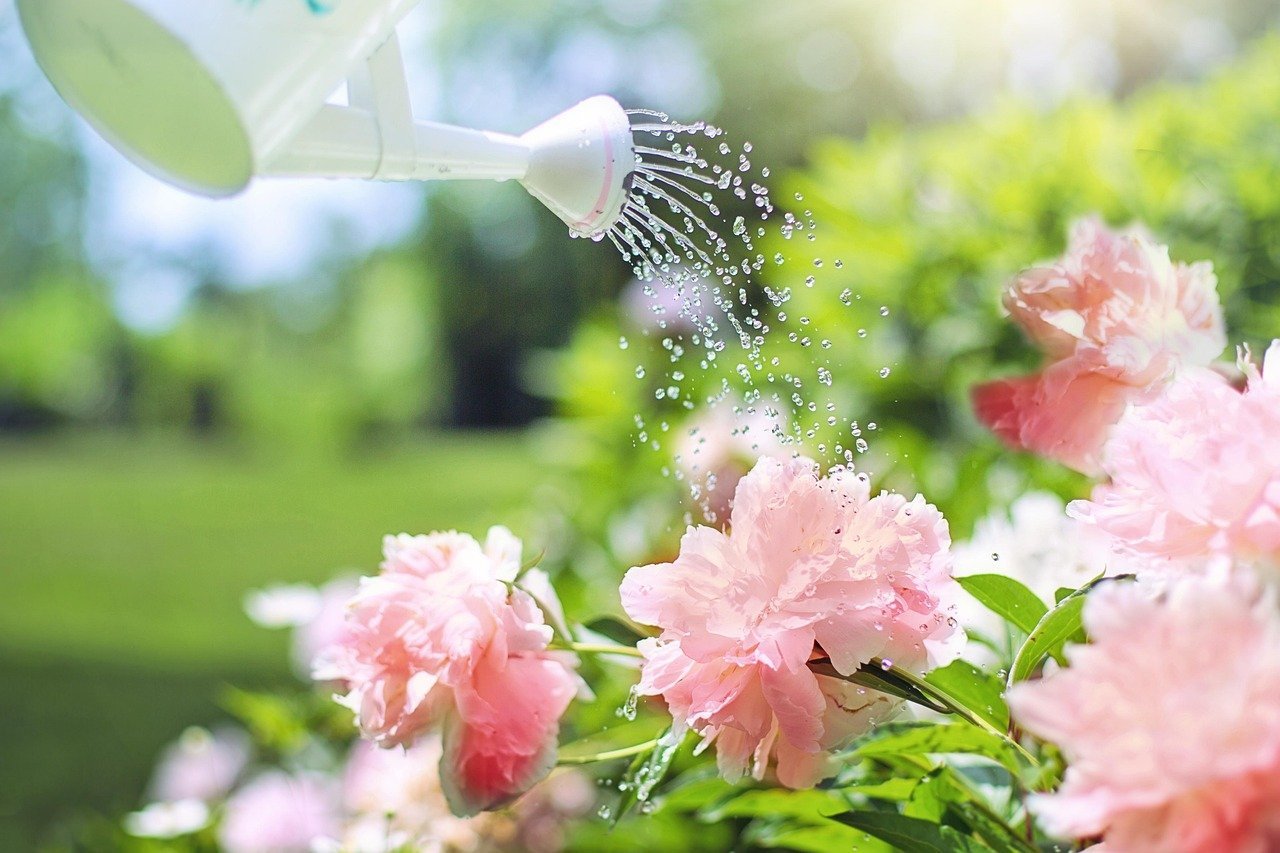
How many people do you know who refuse to water their garden during daylight hours because they’re terrified of burning the leaves? This myth has caused a shocking amount of unnecessary worry and, probably, more than a few plants dying of thirst in the midday heat.
Water droplets won’t scorch leaves, even on the sunniest day. There are good reasons to avoid watering your garden on a sunny afternoon, but causing scorched leaves isn’t one of them. The myth that water droplets act like tiny magnifying glasses and burn plant leaves has no basis in fact. It sounds scientific. It feels intuitive. It’s just not true.
The scientific reason why this doesn’t happen is all to do with angles. While the droplet forms a lens of sorts, it sits directly on the leaf’s surface, so the point of focus for the sun’s rays is actually beyond the leaf itself. Therefore, no damage is caused. The real reason to avoid midday watering is simply efficiency. In some cases, the water evaporates so quickly in hot temperatures that it is hard to tell how much moisture the soil has taken in, which can tempt gardeners into seriously over-watering. Water in the morning when you can, but don’t panic if you miss the window.
Myth #3: More Fertilizer Means Better, Faster Growth
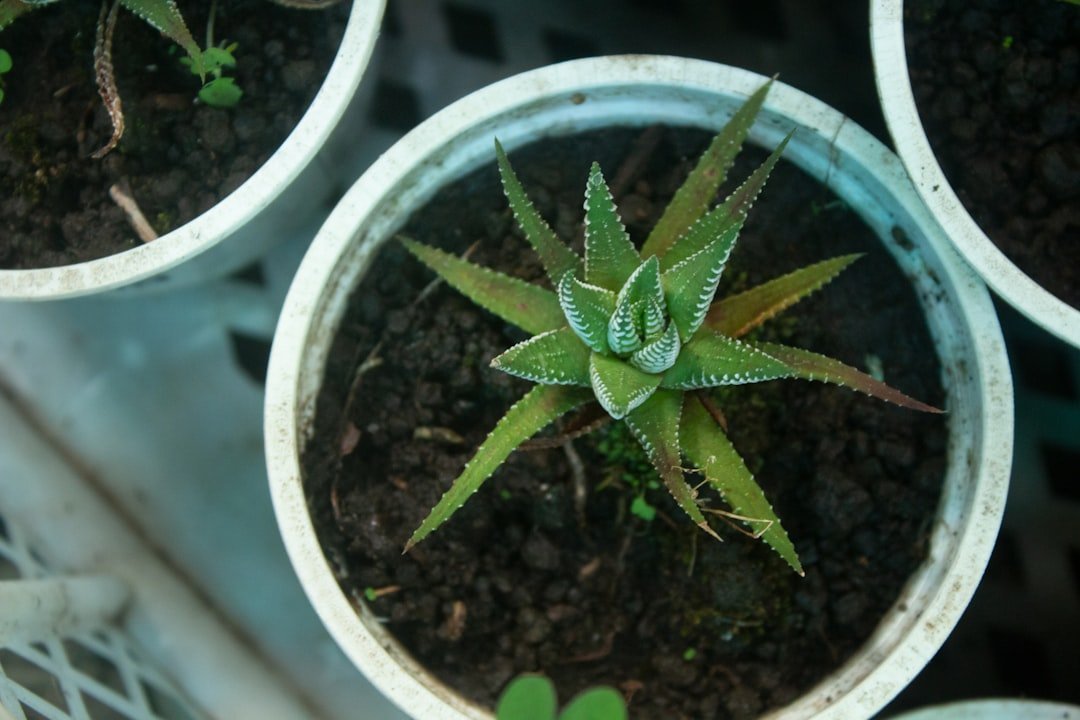
Here’s the thing – we all love the idea of a shortcut. If a little fertilizer is good, surely a lot must be fantastic, right? This particular myth is one of the most damaging in the gardening world, and it can quietly destroy plants that were otherwise perfectly healthy.
The truth is that too much fertilizer can create high soluble-salt levels that burn the roots and lead to plant decline. And tossing fertilizer into a struggling garden indiscriminately will often have little effect, and the excess will be swept away in the next rainstorm, ending up polluting waterways. That’s a double loss: a damaged garden and an environmental problem too.
A sickly plant doesn’t need to be fertilized. Acting in accordance with this gardening myth could backfire, leading to additional stress and problems for the plant. When a plant looks sick, it’s usually not from a lack of food. Instead of fertilizing, it’s worth finding out the actual cause, which could be pest infestation, poor gardening practices, or compacted soil. Most plants can actually get everything they need from soil that has been amended with compost and topped with mulch.
Myth #4: Coffee Grounds Are a Powerful Soil Acidifier
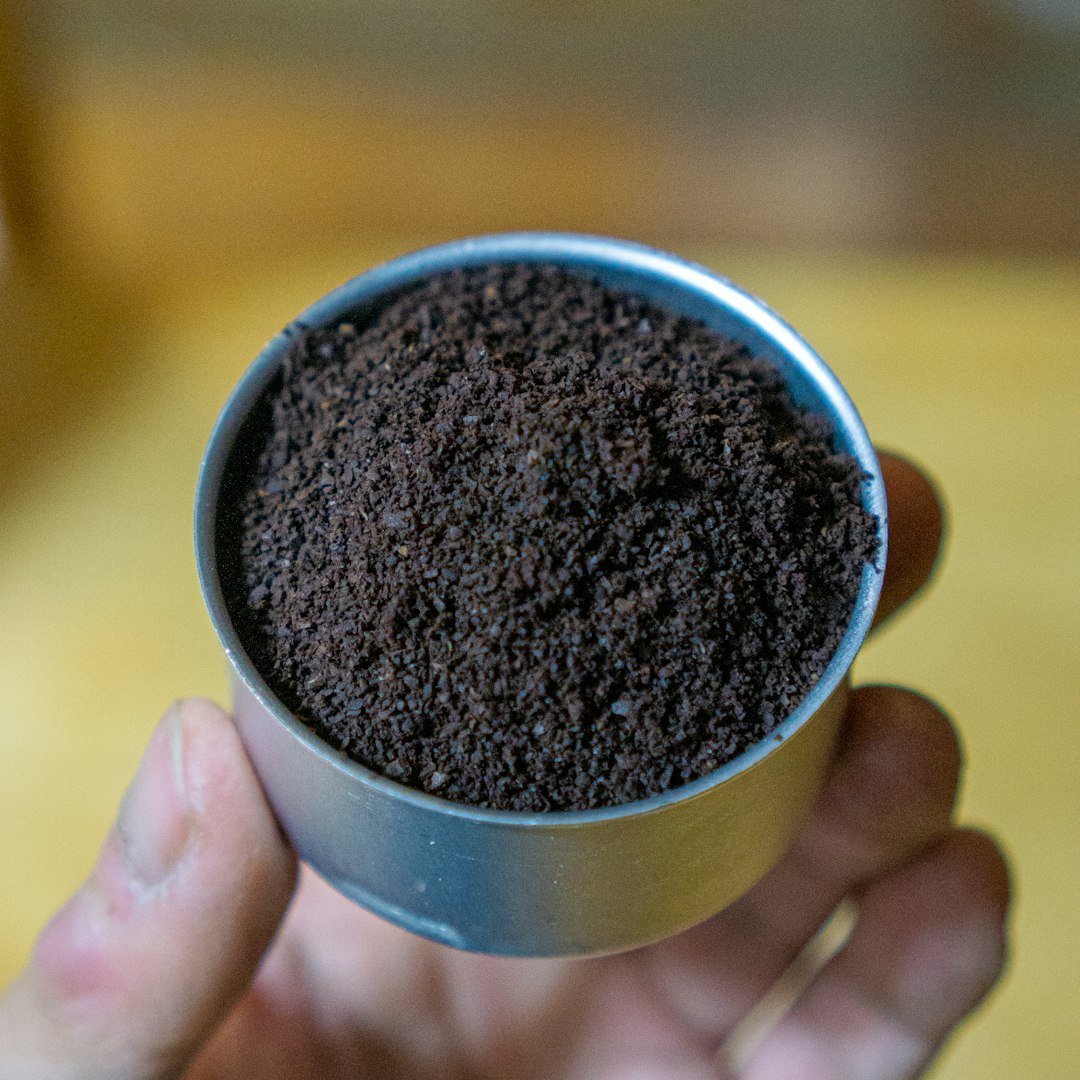
Coffee grounds in the garden are practically a religion at this point. Passionate gardeners swear by them for acidifying soil and boosting plants like blueberries, azaleas, and roses. I get it – it sounds clever and sustainable. Used coffee grounds are a waste product you’d otherwise throw away. Why not recycle them into your garden?
The problem is that the science simply doesn’t back up the most popular claim. Fresh coffee grounds are indeed acidic, but used coffee grounds are not. They’re neutral. Adding used coffee grounds therefore won’t change your soil pH. The confusion likely comes from people assuming that because fresh grounds are acidic, used ones must be too. But the brewing process changes things dramatically.
There is no denying that coffee grounds contain organic materials and compounds that can potentially influence soil acidity. However, the extent of their impact on soil pH is often exaggerated. The truth is that coffee grounds alone do not significantly acidify the soil. The myth surrounding coffee grounds as a powerful soil acidifier may stem from their initial pH, which ranges from around 6.5 to 6.8. If you want to acidify your soil for acid-loving plants, get a proper soil test first and use targeted amendments. A better idea? Add used grounds to the compost pile instead.
Myth #5: Clay Soil Is Useless and Should Be Fixed With Sand
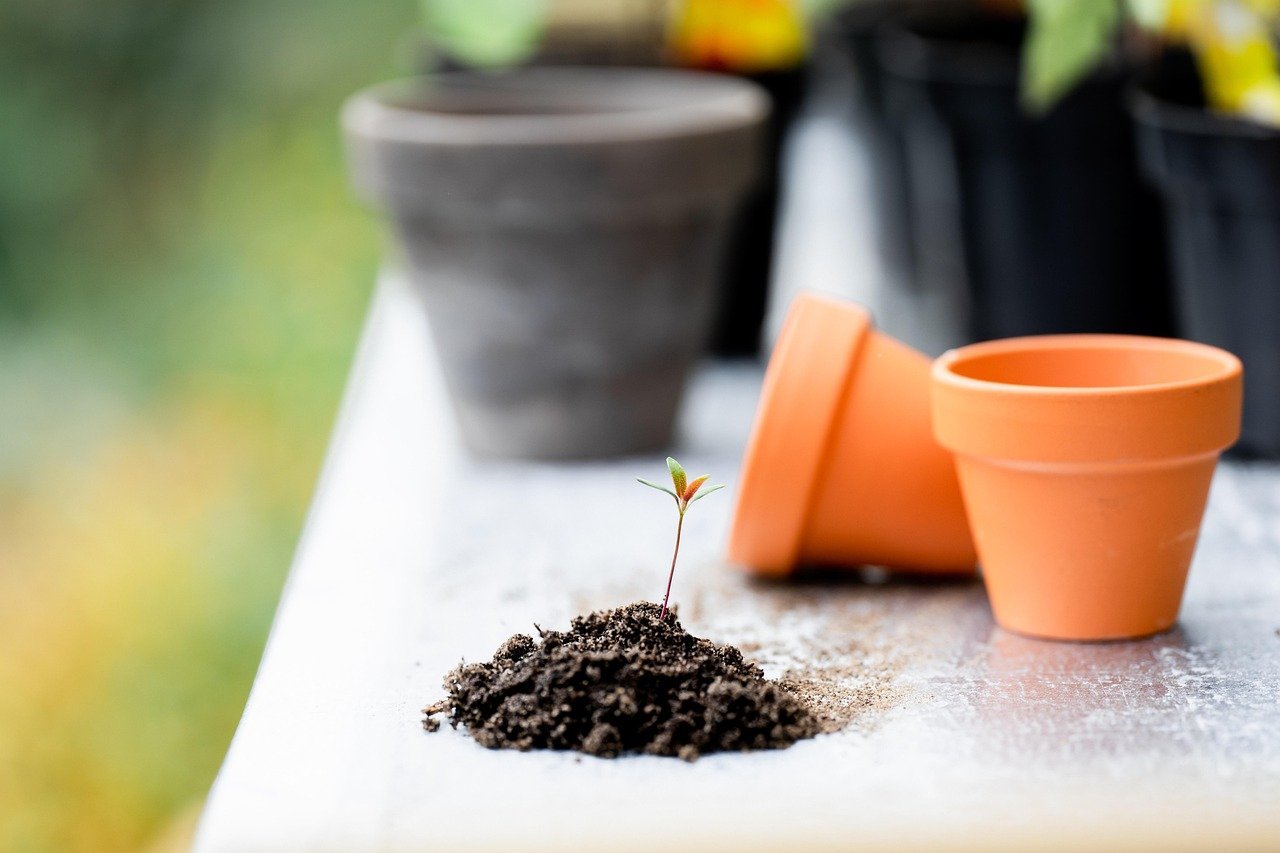
Clay soil has one of the worst reputations in all of gardening. It sticks to your boots, it bakes rock-hard in summer, and it drains like a swimming pool. It’s easy to despise. Many gardeners immediately reach for bags of sand to “fix” it, and this is where things go from bad to catastrophically worse.
Adding sand to clay does not loosen the clay soil; in fact, it will make it cement-like. Let that sink in for a second. The very solution that generations of gardeners have turned to actually makes the problem dramatically worse. It’s the gardening equivalent of pouring oil on a fire.
Clay soil can be difficult to dig and can cause drainage and aeration problems. But clay also happens to be a nutrient magnet for plants. Clay’s surface structure and chemical properties naturally attract many of the essential elements of plant nutrition, including calcium, magnesium, potassium, hydrogen, and iron. The solution to problem clay isn’t sand. It’s organic matter. Work compost into the soil consistently over time, and the structure will improve season by season.
Myth #6: You Should Water Plants a Little Bit Every Day
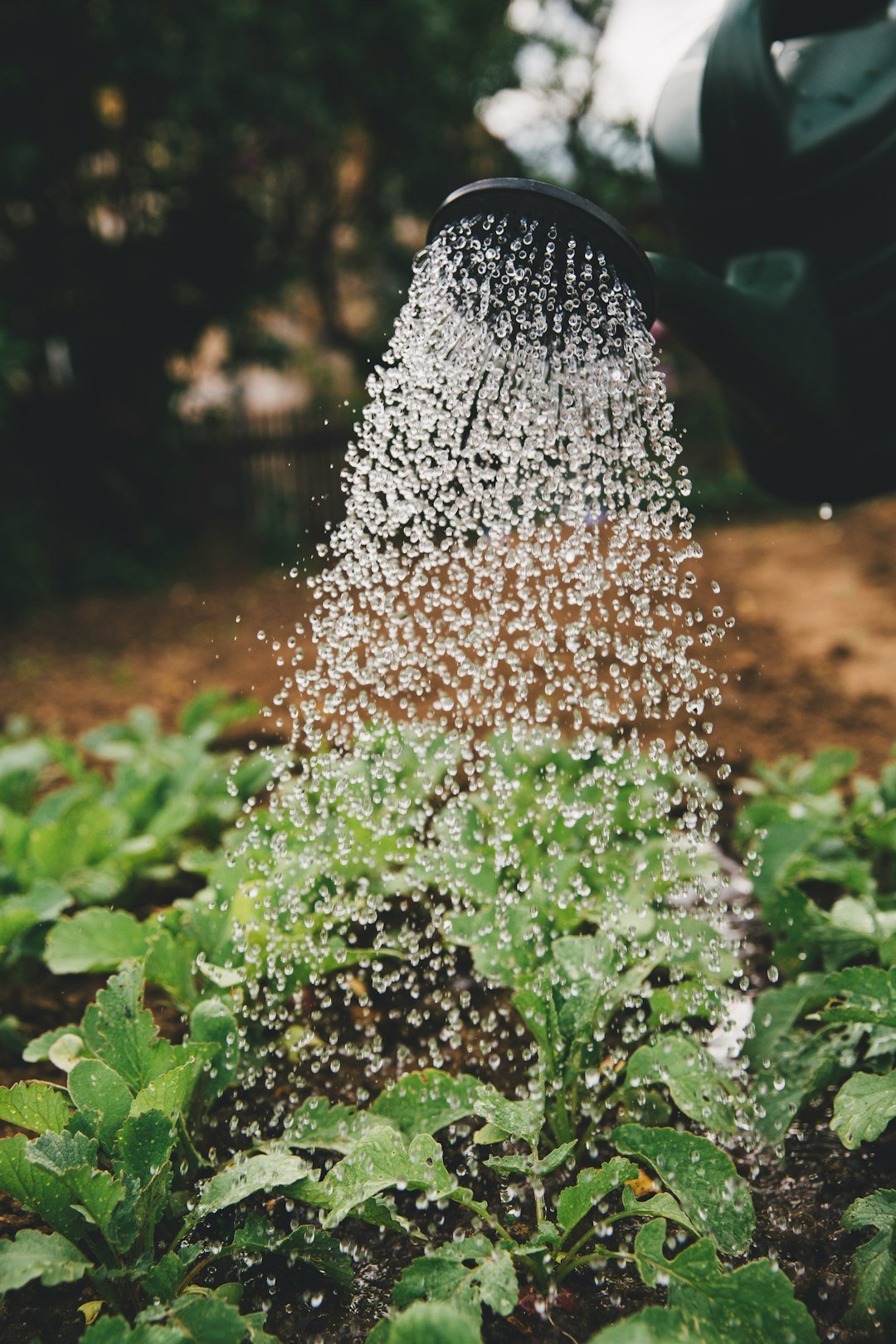
Daily watering feels caring and attentive, like you’re nurturing your plants with consistent love. In reality, it’s one of the most common ways gardeners accidentally hurt the plants they’re trying to help. Let’s be real: more isn’t always better, and water is no exception.
Frequent light watering can cause the development of a shallow root system close to the surface, leading to increased vulnerability during times of drought. Think of it like this: if water is always sitting right at the surface, roots have no reason to grow deeper. They become lazy and fragile. Then when a hot dry week comes along, those shallow roots have nowhere left to go.
Daily watering can also lead to root rot, fungal growth, and nutrient leaching. Most plants thrive with deep, infrequent watering, which allows roots to grow stronger and access moisture more efficiently. The best way to water most plants is by applying enough to moisten the plant’s entire root system, then letting the soil dry out slightly before watering again. Applying water slowly so it’s absorbed rather than running off is ideal – a soaker hose works well. Daily light sprinklings, which encourage roots to grow near the soil surface, should be avoided.
Myth #7: Pruning Paint Protects Trees After Cutting
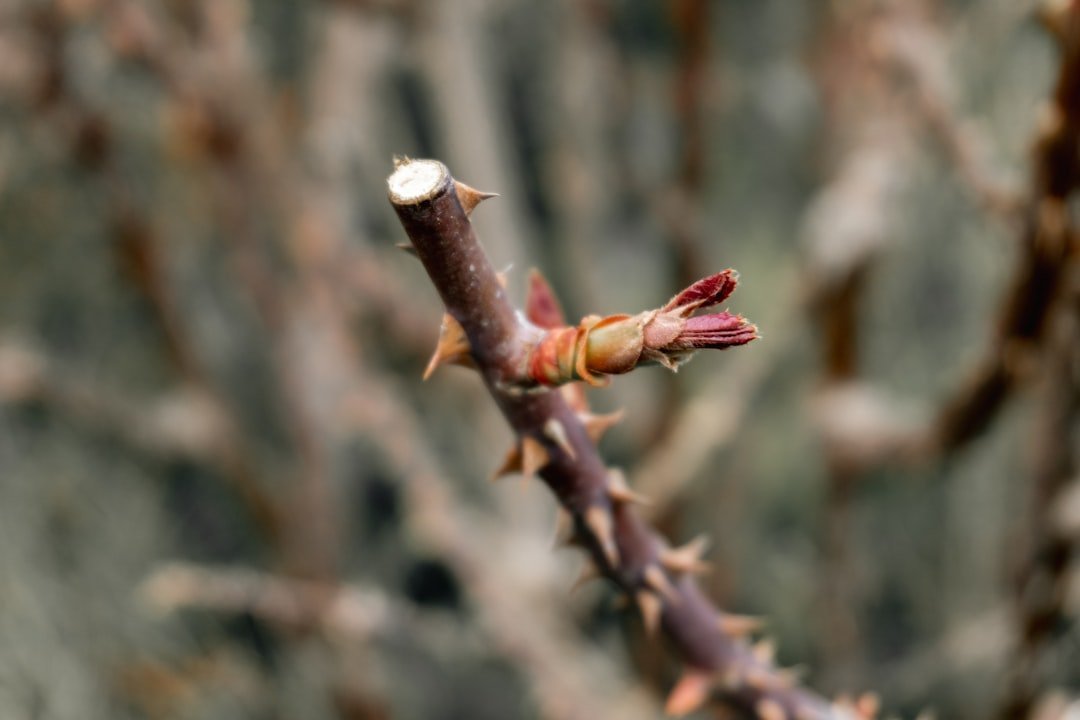
Walk down the gardening aisle of almost any hardware store and you’ll still find pruning paint or wound sealant on the shelves. For decades, gardeners were told to apply this stuff to any cut or pruning wound to protect the tree from disease and insects. It sounds responsible. It is, unfortunately, the opposite of helpful.
While products are still sold to paint over pruning cuts, this is a practice that should not be used. It can do more harm than good by creating an environment prone to rot. Trees have their own built-in repair system that allows the wound to seal, or compartmentalize, on its own over time. Applying sealant essentially traps moisture and potentially decay-causing organisms right against the wound.
Applying pruning paint to the cut surfaces of trimmed branches is said to protect trees and shrubs from insects and disease. In fact, research suggests that following this gardening myth may slow the natural healing process after pruning. The best approach is to use a sharp gardening tool, make clean cuts, and then leave the branches alone – the tree or plant can heal on its own. Nature, it turns out, does not need our help with this one.
Stop Letting Myths Run Your Garden
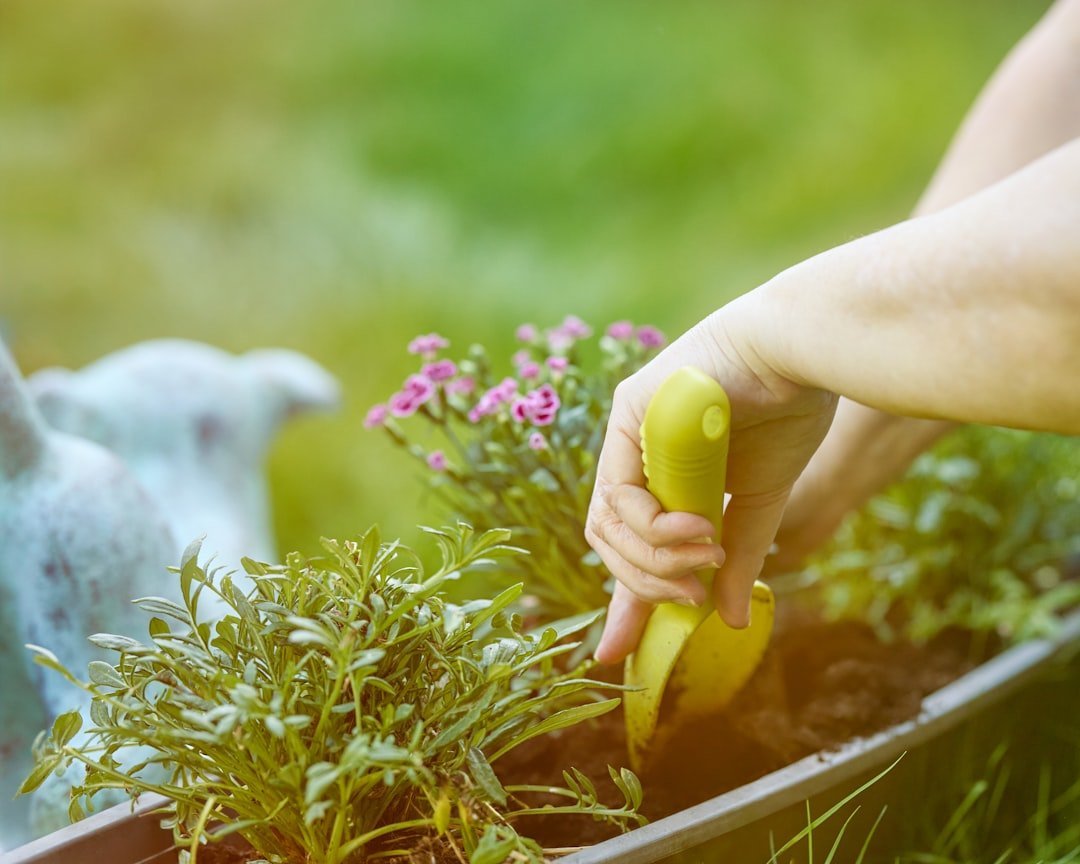
It’s a little humbling to realize how much gardening folklore we carry around without ever questioning it. We are awash in suggestions for how to successfully care for plants, but it is imperative to sift through information provided on websites and garden articles, seeking facts, not fiction. Despite being repeated for decades, many horticultural practices can do more harm than good.
The good news is that course-correcting is entirely possible, and your garden will thank you for it. Swap the gravel for good potting mix. Trade the daily sprinkle for a deep, infrequent soak. Skip the pruning paint and trust the tree. Small changes grounded in real science make a bigger difference than any amount of well-intentioned folklore.
Gardening is a combination of patience, observation, and knowledge. While traditions and myths have cultural value, science-based practices yield better results. The best gardeners aren’t the ones who’ve heard the most tips – they’re the ones willing to question them. So, which of these myths were you still believing? Tell us in the comments.
CEO-Co-Founder
