

- 12 Iconic TV Commercials That Defined a Generation and Became Pop Culture Cornerstones - August 23, 2026
- Classic literature often reveals more about our society’s lost values than any history book. - August 23, 2026
- 15 Musical Instruments So Strange, You Won’t Believe They Exist (or How They Play). - August 23, 2026
There is something almost magical about the way a nation tells its story through sound. Long before political speeches or history books tried to make sense of the American experience, music was already doing the work. It captured joy, protest, heartbreak, and defiance. It crossed racial lines, geographical boundaries, and social divides in ways that little else could.
The evolution of American music is a rich tapestry woven from diverse cultural influences, historical events, and social movements, with its roots traceable back to the early inhabitants of the continent, shaped by indigenous traditions and the arrival of European settlers. Every sound that followed built on something that came before. Every genre was born from struggle or celebration or both. Let’s dive in.
The First Songs: Indigenous Traditions and the Roots of American Sound
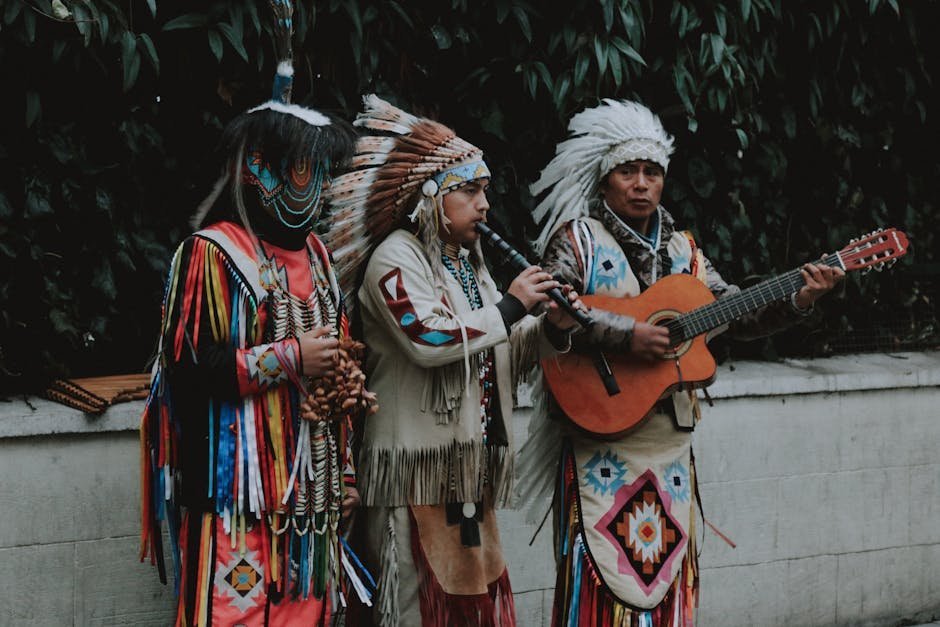
Before European boots ever touched American soil, this land already had music. Rich, complex, deeply spiritual music. Before the arrival of European settlers, the native peoples of North America had already established a vibrant musical culture, with music deeply intertwined with daily life, rituals, and storytelling. Instruments such as drums, flutes, and rattles were commonly used in ceremonies, and vocal traditions included chants and songs that conveyed spiritual beliefs and communal values.
This is where the American musical story truly begins. Not in a recording studio or a concert hall, but in open fields, under open skies, sung by people who understood that music was not entertainment. It was survival, memory, and identity all at once. Traditional Native American music relied heavily on drums, flutes, and voice, and often incorporated dances and rituals. The Native American flute, for example, holds a distinctive place in indigenous cultures, with its serene and haunting tones being used for both ceremonial and personal expression. Contemporary indigenous musicians continue to honor their traditions while blending them with modern genres.
Early Folk Traditions: The Immigrant Sound of a New World
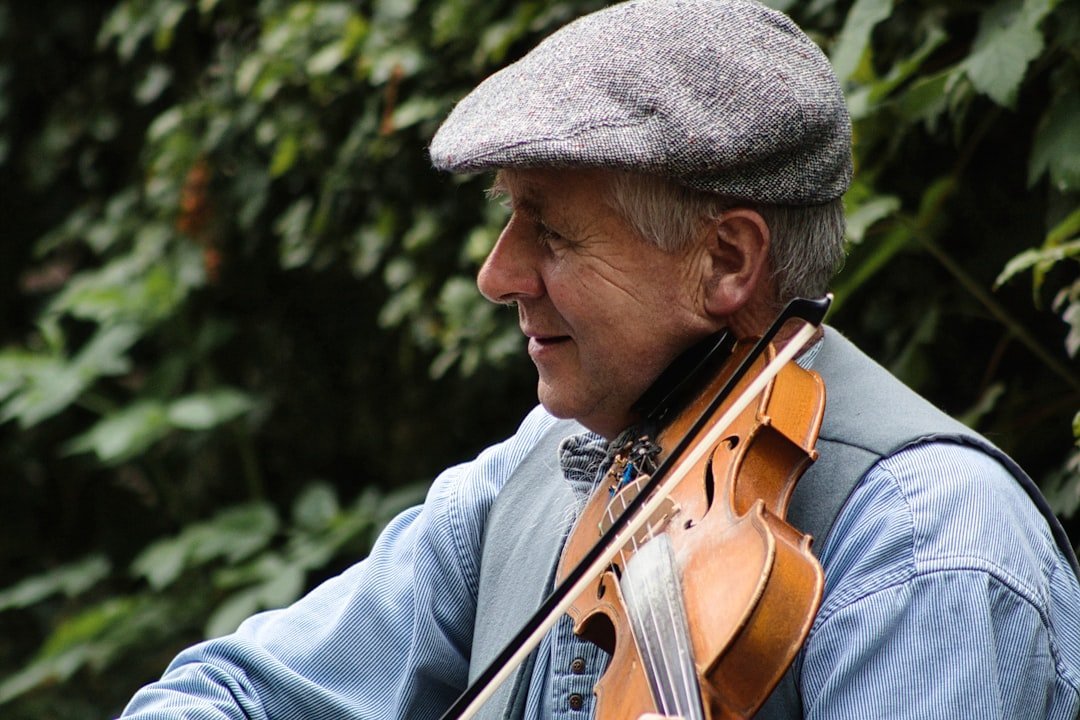
When European settlers arrived and African people were brought to this land in chains, something extraordinary happened, though born out of terrible circumstances. Different musical worlds collided. Early immigrants from Western Europe and enslaved people stolen from Africa brought with them rich traditions of oral folk music that mixed and mingled throughout the 18th and 19th centuries to develop uniquely American ballads, instrumental dance music, and spirituals.
Honestly, it’s hard to fully grasp how much pain was channeled into those early folk songs. The songs, many of which addressed social issues or conveyed messages about the singers’ lives, were passed down through the generations. This music of everyday life rang out in the fields, in church, and at parties and other social gatherings. Folk music was the original social media. It spread stories, shared grief, and kept communities together across impossible distances.
Pete Seeger, Alan Lomax, and Lee Hays, among others, created organizations that published bulletins of labor songs and stories. Pete Seeger is especially notable for his performances around the country at benefits and progressive organizations, reinforcing the belief that folk music could be a powerful tool for social change. These weren’t just musicians. They were archivists of the American conscience.
The Blues: A Genre Born From Pain and Extraordinary Resilience
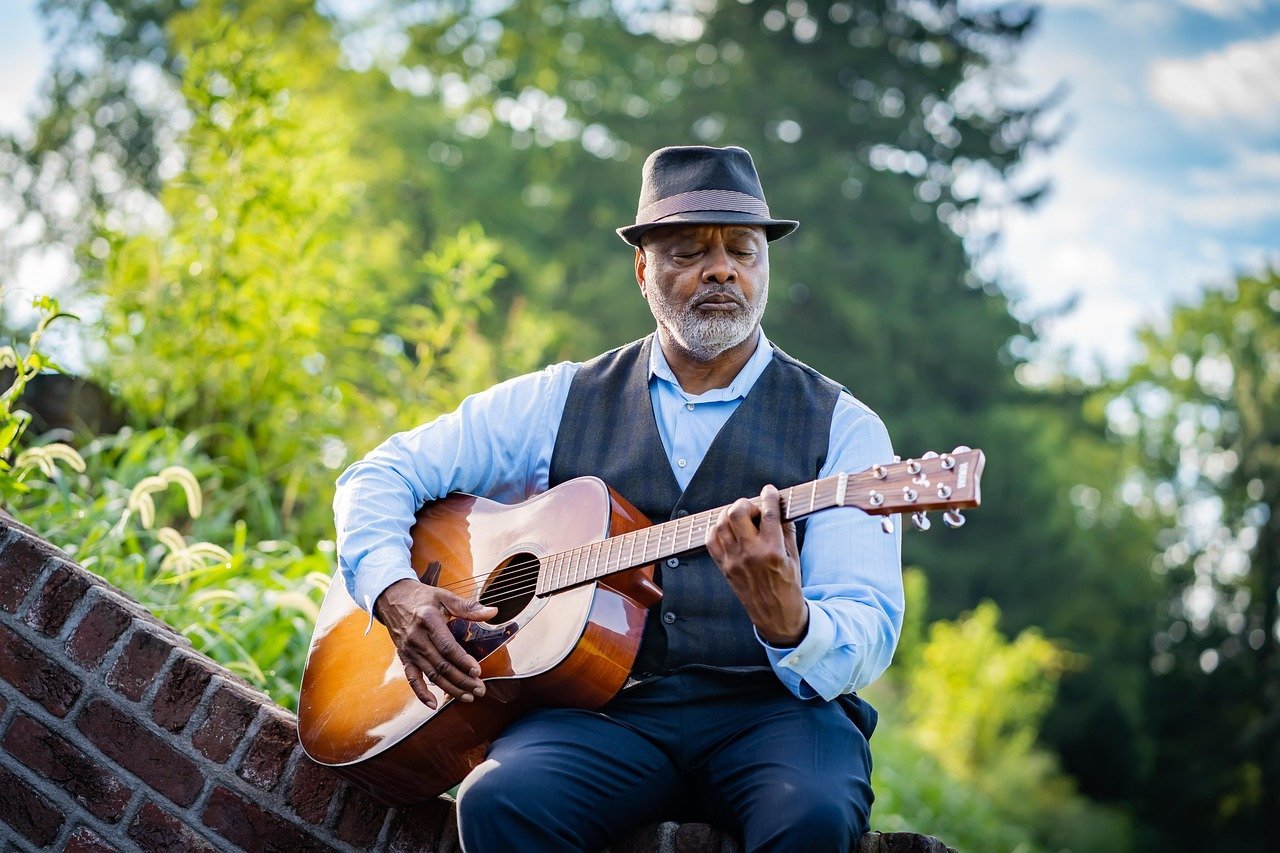
Here’s the thing about the blues. It wasn’t just music. It was testimony. Blues is a music genre and musical form that originated among African Americans in the Deep South of the United States around the 1860s, incorporating spirituals, work songs, field hollers, shouts, chants, and rhymed simple narrative ballads from African-American culture.
American music as we know it today owes much to the blues, a genre born from the African-American experience in the Southern United States during the late 19th century. With roots in African rhythms, spirituals, work songs, and field hollers, the blues expressed the pain, joy, and resilience of those living through oppression. That is a striking thing to sit with. An entire musical language built out of suffering, and yet somehow it gave the world some of the most joyful, electrifying sound it has ever heard.
The blues has become the basis for nearly every form of American popular music over the past 100 years: jazz, R&B, rock, hip-hop. Think about that for a moment. Almost every genre you love traces a bloodline back to the Mississippi Delta. Blues music evolved from slave songs and folk blues into rock and roll and soul to become the most influential musical style of much of the 20th century and beyond. Having an impact on many of the most famous artists to ever live, blues was used and adapted in many more ways than ever imagined by the very first blues musicians of the early 1900s. Surviving amidst jazz, rock and pop, blues music withstood the test of time to become an influential part of popular music even a century after it was first created.
Jazz: America’s Classical Music and the Sound of Freedom
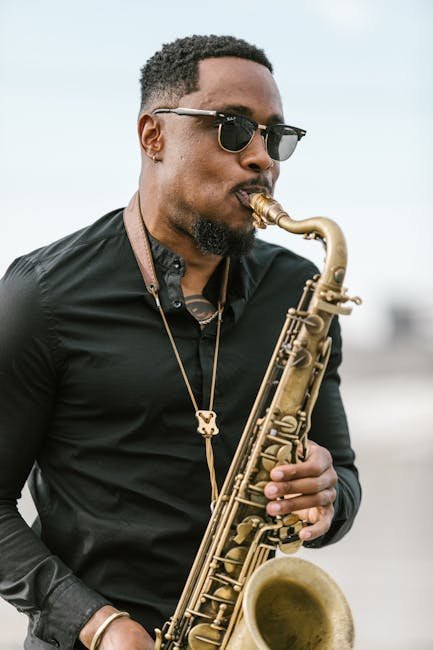
If the blues was a letter written in private, jazz was that letter read aloud to a crowd. Jazz emerged in New Orleans in the early 20th century, blending elements of blues, ragtime, and African rhythms. It was a genre marked by improvisation, syncopation, and a vibrant interplay of instruments. Pioneering musicians like Louis Armstrong and Duke Ellington pushed the boundaries of jazz, infusing it with their unique styles and creating a new musical language that resonated with audiences across racial and cultural divides.
I think jazz is genuinely one of the most radical things America ever produced. It defied structure. It demanded improvisation. It said: rules are a suggestion. The Harlem Renaissance of the 1920s further propelled the popularity of jazz, as African American artists gained recognition and influence in mainstream culture. Jazz clubs, such as the Cotton Club and the Apollo Theater, became vital spaces for artistic expression and cultural exchange. The genre’s impact extended beyond music, influencing literature, visual arts, and social movements, ultimately shaping the identity of modern America.
Jazz quickly replaced the blues as American popular music in the form of big band swing, a kind of dance music from the early 1930s. Swing used large ensembles and was not generally improvised, in contrast with the free-flowing form of other kinds of jazz. From the intimate corner club to the grand ballroom, jazz shaped how Americans moved, thought, and dreamed.
Rock and Roll: The Sound That Shook a Generation

When rock and roll arrived, parents panicked. Schools held meetings. And teenagers couldn’t have been happier. Rock and roll is a genre of popular music that evolved in the United States during the late 1940s and early 1950s, with origins rooted in a blending of black musical genres, mainly rhythm and blues, with stylistic influences from gospel, jazz, boogie-woogie, electric blues, jump blues, swing, and folk music.
Elvis Presley’s fusion of rock, pop, and country music broke down racial barriers, bringing African American musical traditions to mainstream audiences. His charismatic performances and unique style captured the hearts of millions, making him a symbol of the era. Similarly, Chuck Berry’s innovative guitar work and storytelling lyrics laid the groundwork for future rock musicians, influencing generations to come.
Rock and roll was never just about the music. Rock and roll and its subgenres, including rock, punk, grunge, and new wave, frequently gave voice to rebellion and from the start was an outlet for youth. From the United States the genre spread to Europe and around the world. It became a kind of cultural export. America’s most complicated, most honest product, shipped around the globe.
Folk Revival and the 1960s: Music as Protest and Conscience
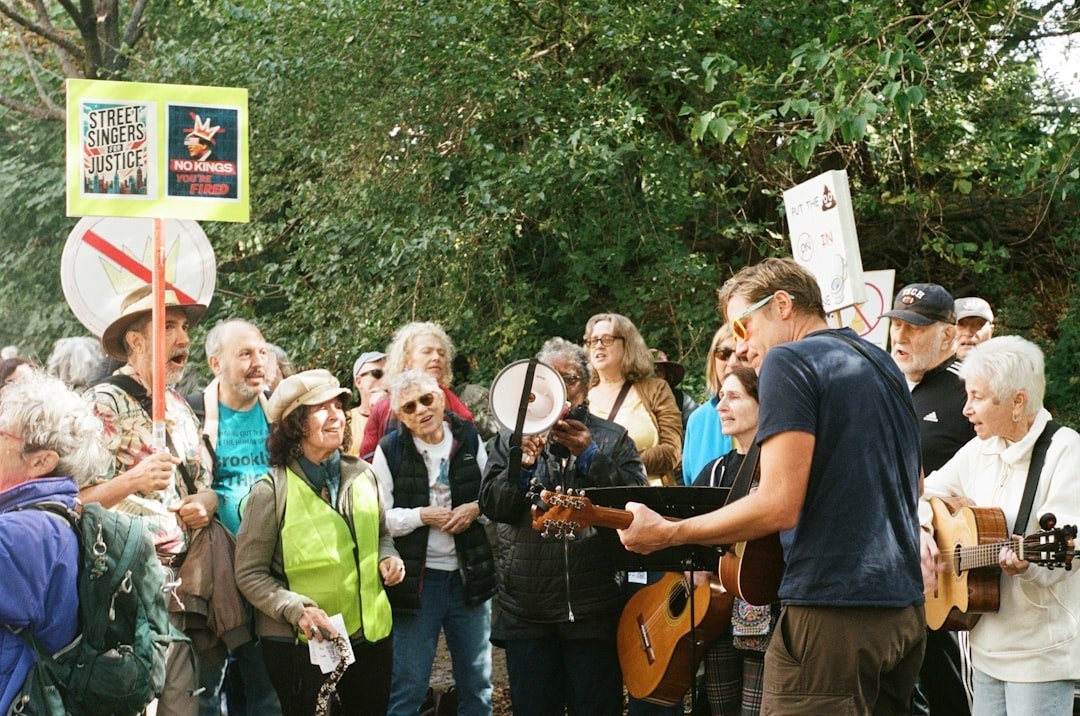
The 1960s turned music into something almost sacred. In the latter years of this decade, popular music reflected the emerging fault lines in American culture, such as civil rights, women’s rights, Vietnam War protests, and environmentalism. Folk music, which prioritized meaningful lyrics over elaborate musical style, became the genre of choice for much social activism. Early in his career, Bob Dylan was a musical leader in this genre.
The civil rights movement is perhaps the best example of integrating music and activism, drawing heavily on slave songs and spirituals to raise hope and morale during times of intense struggle. “We Shall Overcome,” originally a church hymn, became the movement’s anthem as the Student Nonviolent Coordinating Committee embarked on sit-ins and freedom rides. A hymn, turned into armor. That is what American music can do.
An American roots revival occurred simultaneously as a period of sexual liberation and racial conflict, leading to growth in the lyrical maturity and complexity of popular music as songwriters wrote about the changes the country was going through. Festivals like Woodstock in 1969 epitomized the spirit of the era, celebrating peace, love, and music as a unifying force. For one extraordinary weekend in the mud, it felt like music really could change the world.
Country Music: The Heartland Finds Its Voice
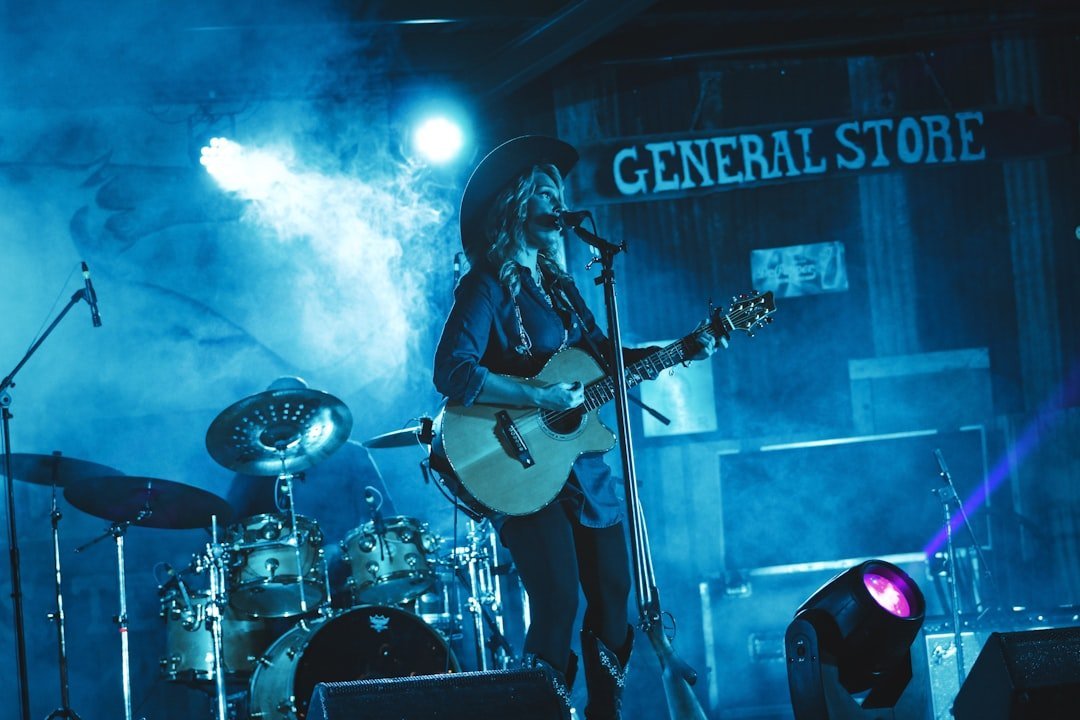
Country music gets underestimated. Let’s be real about that. People outside of it often reduce it to trucks, beer, and broken hearts. However, the truth is far more layered. Country music is often recognized as one of the quintessential American music genres, with deep roots in the rural Southern and Appalachian regions. Emerging in the early 20th century, the genre combines elements of folk music, blues, and gospel, creating a distinct sound characterized by its storytelling and emotional depth.
While hip-hop and rock dominated urban landscapes, country music was flourishing in rural America. Johnny Cash, Dolly Parton, and Willie Nelson are just a few of the iconic figures who brought the heartache and humor of country to the masses. This genre, which traces its roots to the folk traditions of Appalachia, has continued to evolve while retaining its core themes of love, loss, and the American experience.
Country music speaks to the part of America that exists between the coasts. The part that doesn’t always make the evening news. In the mid-2020s, country music made the greatest inroads in terms of American consumer preferences, following an overall trend where Americans were drawn to the influences of foreign music. American country music showed the particular influence of music from Mexico, attributed in part to changing demographics where Hispanic populations formed higher percentages of the population in states such as California and Texas. Even country, the most seemingly “traditional” of genres, keeps reinventing itself.
Hip-Hop: The Most Powerful American Art Form of the Modern Era
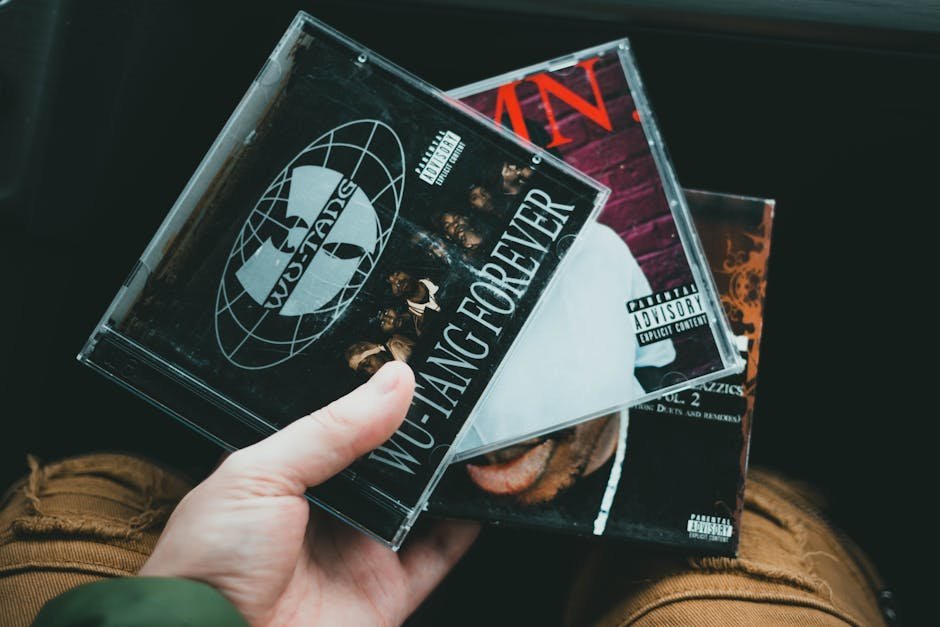
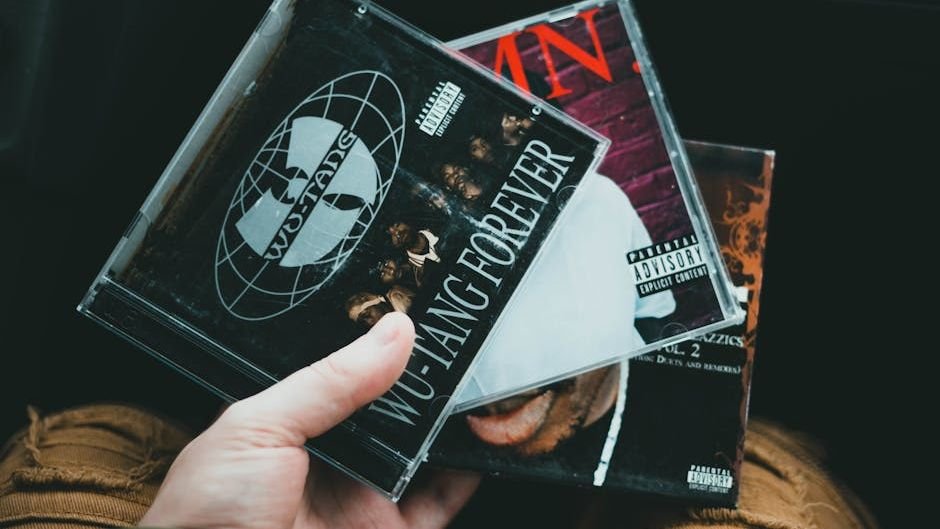
I’ll say it plainly: hip-hop is arguably the most important American cultural movement of the last half century. It came from nothing and changed everything. It was in the context of album-oriented soul and funk, influenced by Black Power and the civil rights movement, that African Americans in Harlem invented hip-hop.
Hip-hop culture brought with it not only music but also dance and visual art. Run-DMC, Tupac Shakur, and The Notorious B.I.G. became defining voices in the genre, while artists like Jay-Z and Kendrick Lamar continue to carry hip-hop’s legacy, blending complex lyricism with social commentary. It was never just music. It was documentation. It was news coverage for communities the mainstream press ignored.
Branching out from R&B, hip-hop music boomed in the 1990s and included such notable performers as 2Pac, Biggie and Jay-Z. What followed was a global takeover that nobody in the early days could have predicted. Today hip-hop influences fashion, politics, language, and the way young people around the world understand themselves. Not bad for something born in the South Bronx.
Modern Genres and the Era of Boundless Blending

Something genuinely exciting is happening with American music right now. The walls between genres have essentially collapsed. Today, American music is more diverse than ever, with genres often blending in ways that would have been unimaginable a century ago. Beyoncé’s mix of R&B, hip-hop, and pop in albums like Lemonade shows how artists can straddle multiple genres while also addressing themes of identity and culture. Lil Nas X, with his viral hit “Old Town Road,” combined hip-hop with country elements, challenging genre boundaries and becoming a global sensation.
Technology has accelerated all of this beyond recognition. The evolution of American music is inextricably linked to technological advancements that have transformed how music is created, distributed, and consumed. From the early days of radio to the current age of streaming services and social media, technology has continually reshaped the music landscape, influencing not only the production of music but also the very nature of the music industry itself.
In recent years, a resurgence of Americana, a blend of folk, country, blues, and rock, has emerged. Artists like Brandi Carlile, Jason Isbell, and The Avett Brothers embody the spirit of Americana, offering thoughtful lyrics and acoustic-driven sounds that echo the roots of American music. It’s as if the genre wheel has come full circle, and people are reaching back toward authenticity even as the digital world spins faster than ever.
Music as a Mirror: How Sound Reflects the Soul of a Society
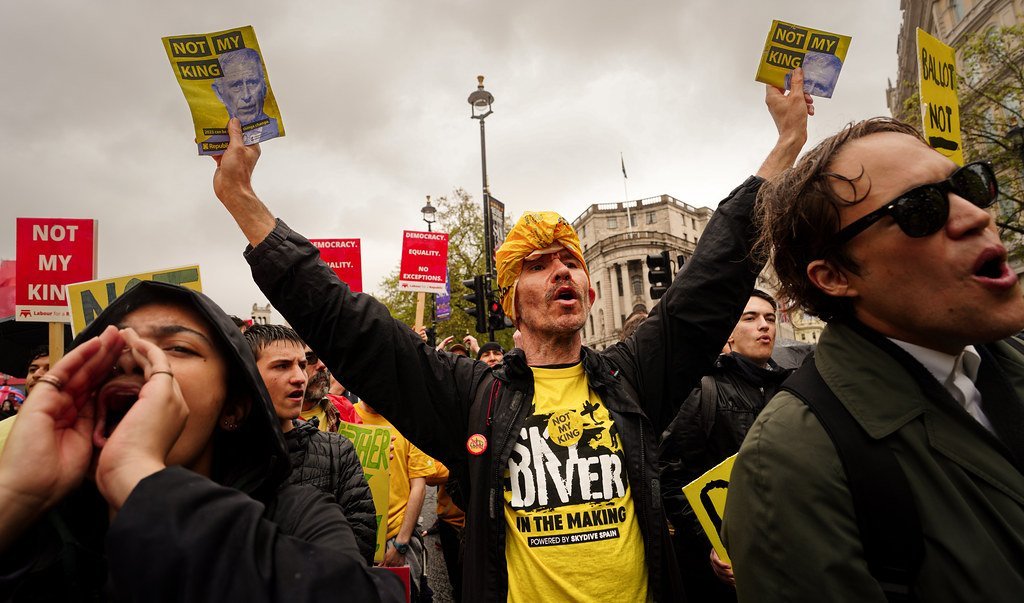
There is a reason revolutions have always had soundtracks. From spirituals sung by enslaved workers to protest anthems shouted at union rallies, music has provided the soundtrack to social justice causes throughout American history. It’s not a coincidence. Music articulates what politics struggles to say. It reaches the chest before it reaches the mind.
These genres not only shaped the sound of a nation but also served as powerful vehicles for social change and artistic expression, leaving an indelible mark on the global music landscape. Music became a major factor regarding American cultural development, shaping fashion, politics, behavior, and culture. It is hard to think of another art form that has done quite so much heavy lifting for a society, across so many centuries, across so many struggles.
Rapidly shifting demographics brought previously independent cultures into contact and also created new cultures and subcultures, and music evolved to reflect these changes. Among the most important cultural influences on music are migration, the evolution of youth culture, and racial integration. American music is, in a very real sense, the story of America itself, told in rhythm and melody rather than words on a page.
Conclusion: An Unfinished Symphony Still Being Written
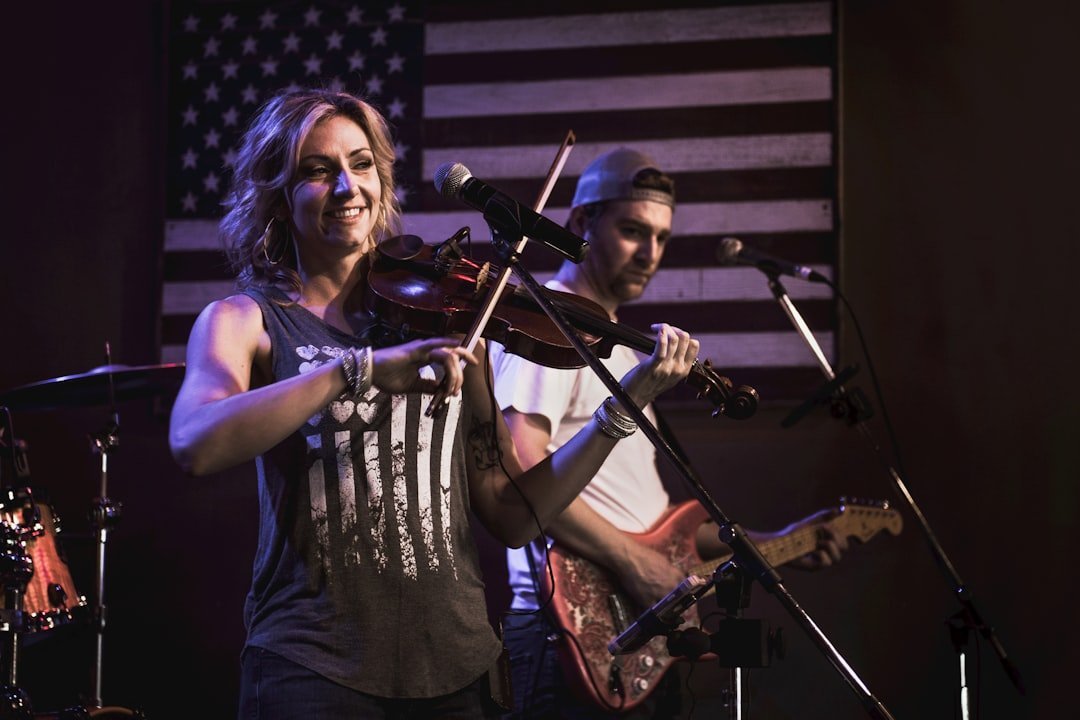
American music has never stopped evolving. It never will. Every generation picks up the thread from the one before, unravels it a little, and spins something new. Throughout the decades, genres such as blues, jazz, rock and roll, country, and hip-hop have emerged, each leaving an indelible mark on both the nation and the world. These styles not only reflect the cultural shifts within society but also drive them forward, influencing trends and sparking movements that resonate far beyond the borders of the United States.
What makes American music so extraordinary is not any single genre or artist. It’s the willingness to absorb, collide, and transform. The development of American music reflects the nation’s history and diverse population. From the blues born in the Mississippi Delta to hip-hop emerging in New York City, geography and cultural experiences have shaped distinct regional sounds and styles. American music blends diverse cultural influences from European, African, Native American, Latin American, and Asian traditions, emphasizing individual expression and innovation leading to new genres and sub-genres.
The music was never just entertainment. It was a record. A living, breathing document of who Americans were, what they feared, what they loved, and what they were willing to fight for. The next chapter is being written right now, in bedrooms, studios, and street corners across the country. What do you think it will sound like?
CEO-Co-Founder
