

- 12 Iconic TV Commercials That Defined a Generation and Became Pop Culture Cornerstones - August 23, 2026
- Classic literature often reveals more about our society’s lost values than any history book. - August 23, 2026
- 15 Musical Instruments So Strange, You Won’t Believe They Exist (or How They Play). - August 23, 2026
There is something almost magnetic about the music that came out of the 1990s indie underground. It was raw, defiant, and honest in a way that mainstream radio simply could not manufacture. Indie rock in the 90s was a philosophy. Bands associated with the indie scene valued creative freedom over commercial polish, and they were often signed with small, independent labels like Sub Pop, Matador, Merge, or Touch and Go.
During the 1990s, indie music became more expansive and established, as a growing number of musicians and fans began seeking alternatives to the mainstream music establishment. The mainstream success of grunge and Britpop, two movements influenced by indie rock, brought increased attention to the genre and saw record labels use their independent status as a marketing tactic. This led to a split within indie rock: one side conforming to mainstream radio, the other becoming increasingly experimental.
Somewhere in that tension between underground and mainstream, a handful of artists created work that still holds up remarkably well today. Some you’ve heard of. Others might genuinely surprise you. Let’s dive in.
Pavement: The Slacker Gods You Never Outgrow
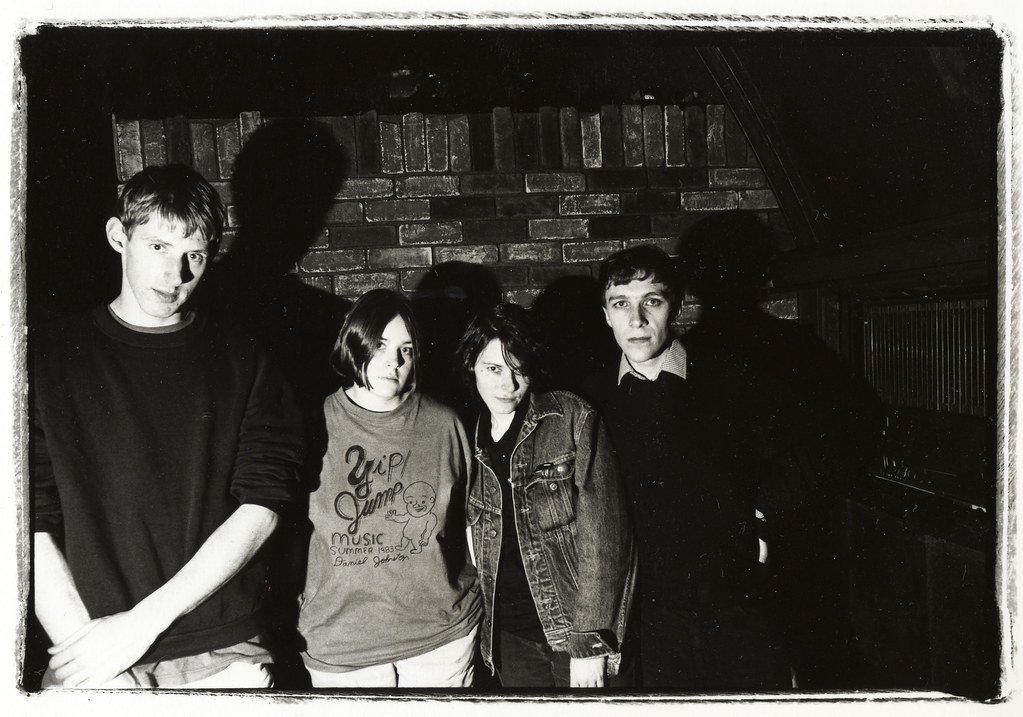
Here’s the thing about Pavement: they are one of those rare bands that sounds just as exciting today as they did three decades ago. Since its release, “Slanted and Enchanted” has appeared on many critics’ best-of lists and is frequently cited as being among the most influential indie rock albums of the 1990s. The California band, led by the brilliantly deadpan Stephen Malkmus, practically invented a subgenre with their debut. In 2017, Billboard called it a “slacker masterpiece” and “the definitive indie rock album.”
Pavement was a Californian indie rock band that gained a loyal fan base in the 90s with their lo-fi, indie sound. Their album “Slanted and Enchanted,” released in 1992, is considered a classic of the era, and their song “Cut Your Hair” became a cult hit. The band’s quirky lyrics and unconventional style made them stand out from the crowd and cemented their place in indie rock history.
While Nirvana broke down the door for alternative rock in 1991 with the cultural phenomenon that was “Nevermind,” it is hard to imagine the subsequent evolution of American indie as the 1990s progressed without the impact that Pavement had. Without them, it is hard to imagine the lo-fi movement, the widespread turn to post-modernism and irony within the underground scene in America happening in the same way. Honestly, if you haven’t gone back to “Crooked Rain, Crooked Rain” recently, you’re doing yourself a disservice.
Liz Phair: The Voice That Rewrote the Rules

Exile in Guyville is the debut studio album by American singer-songwriter Liz Phair, released on June 22, 1993, by Matador Records. I know it sounds crazy, but a young woman recording songs on a four-track in her Chicago bedroom would end up creating one of the most important rock records of the entire decade. It is now regarded as an iconic work and a feminist landmark, recently cracking the top ten of Pitchfork’s “Best 150 Albums of the 1990s” at number 4, and the top 100 of Rolling Stone’s “Best 500 Albums of All Time” at number 56.
Phair was a self-invented rock star, a fan who crossed the line just by picking up a guitar and writing her own songs, flaunting her raw emotion, wiseass humor, fearless honesty, and merciless eye for detail. Millennial and Gen Z fans get Phair on a deeper level than anyone else ever has. For young songwriters, Exile represents the standard of emotional realness they want to reach. That’s not nostalgia talking. That’s relevance.
Pavement’s Spiritual Twin: Guided by Voices

If Pavement were the cool, laconic face of 90s indie, Guided by Voices were the wildly prolific, beer-soaked heart of it. Led by Ohio schoolteacher turned rock visionary Robert Pollard, the band released an almost incomprehensible volume of music throughout the decade. Apart from Pavement, perhaps only Robert Pollard’s frighteningly prolific Guided by Voices can claim to have defined the sound of 1990s American indie more clearly.
Their 1994 album “Bee Thousand” is the kind of lo-fi masterwork that sounds like it was assembled from bedroom tape fragments, half-finished ideas, and sheer musical instinct. Lo-fi auteurs like Beck and Guided by Voices proved you could make masterpieces at home on a four-track. The roughness is exactly the point. Think of it like a torn, handwritten letter that somehow carries more emotion than anything typed and polished. If you want to understand where modern bedroom pop and lo-fi indie came from, start here.
Dinosaur Jr.: Loud, Melancholic, and Absolutely Essential
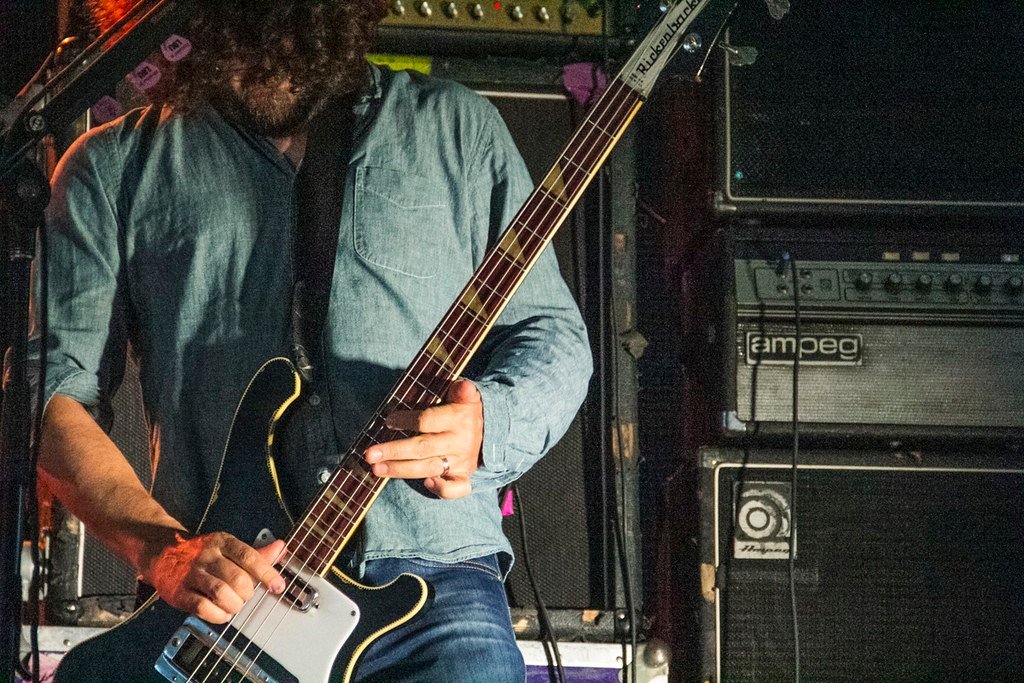
Few bands in the 90s managed to balance sheer volume with genuine emotional depth quite like Dinosaur Jr. Dinosaur Jr. is a band that redefined alternative rock with their signature blend of searing guitar solos, melancholic melodies, and slacker charm. Led by J Mascis, whose laid-back drawl contrasts with his explosive, feedback-drenched riffs, the band carved out a unique space in the late 80s and 90s indie scene. Their sound, somewhere between punk’s raw energy and classic rock’s anthemic grandeur, has influenced countless artists, proving that distortion-drenched nostalgia and heartfelt songwriting never go out of style.
Nirvana’s game-changing success in the early 90s brought untold media exposure to the entire American indie-rock ecosystem, transforming 80s trailblazers like Dinosaur Jr. and Sonic Youth into Letterman-approved 90s icons in the process. Still, their pre-fame catalog remains criminally underlistened today. Albums like “Where You Been” and “Without a Sound” carry this strange, almost aching quality. J Mascis plays guitar like he’s trying to drown something out, and yet every melody cuts straight through the noise.
Sonic Youth: The Art-Rock Architects of a Generation
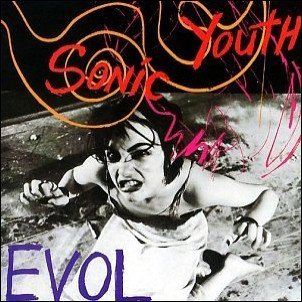
Sonic Youth was a New York-based band that played a significant role in shaping alternative rock in the 90s. They blended elements of punk, noise, and experimental rock to create a unique sound that pushed the boundaries of what was possible in rock music. Imagine someone taking a traditional rock band, running it through a fine-art degree, and then handing it back half-deconstructed. That’s basically Sonic Youth. Their album “Daydream Nation,” released in 1988, is widely regarded as one of the best albums of the decade and a must-listen for any alternative rock fan.
During the 90s, their work on records like “Goo” and “Dirty” showed a band constantly pushing forward without ever losing their edge. The pressure was on for Sonic Youth, having recently released their universally loved masterpiece “Daydream Nation” and then signing to major label Geffen’s DGC Records imprint, a big deal in the indie world at a time when “sellout” still stung. They navigated that transition better than almost anyone. Revisiting their 90s output in 2026 feels like discovering a blueprint that half the music you love was built from.
PJ Harvey: Fierce, Uncompromising, and Still Ahead of the Curve

Let’s be real: PJ Harvey belongs in a different league entirely. PJ Harvey, Tori Amos, Bjork, and Courtney Love of Hole broke down the walls with an unapologetic sound that was raw on stage and off. Harvey’s early 90s albums, particularly “Dry” and “Rid of Me,” are among the most viscerally powerful records the decade produced. She didn’t follow trends. She obliterated them.
It shouldn’t be surprising that PJ Harvey was nearly as great a songwriter back in 1992 as she continues to be. “Dry” sounds at home with the Speedy Ortiz and Waxahatchee scene of today, as Harvey shows her influence from Nick Cave with emotional, fierce, and uncompromising compositions that neither sidestep her femininity, nor bank on it. That enduring quality is rare. Most artists from that era sound dated in some corner of their catalog. Harvey simply doesn’t.
Sleater-Kinney: The Riot Grrrl Revolution That Still Burns
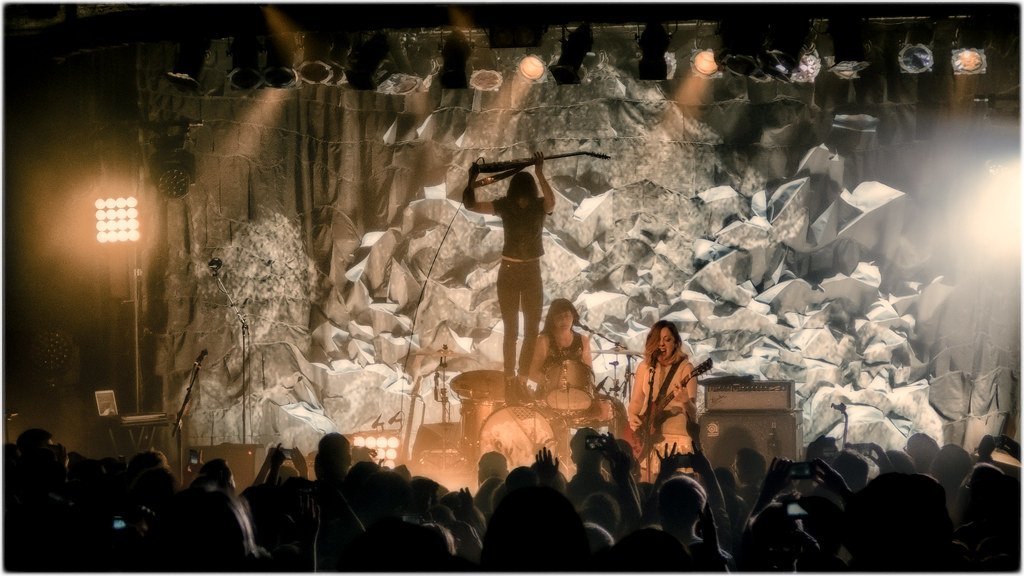
Sleater-Kinney emerged from the Pacific Northwest in the mid-90s carrying the energy of the riot grrrl movement in their guitar tones. The 90s also saw a wave of iconic women, including Bikini Kill, Liz Phair, Sleater-Kinney, and PJ Harvey, bringing unfiltered feminist perspectives to largely male scenes. Their albums “Dig Me Out” and “The Hot Rock” are lessons in how to make music that is simultaneously political and irresistibly listenable. The dual guitar attack between Corin Tucker and Carrie Brownstein is a thing of rare musical chemistry.
The rise of feminist punk bands in the 1990s not only challenged gender norms but also inspired a new wave of female artists in the indie scene. Sleater-Kinney is perhaps the clearest embodiment of that legacy. You can draw a straight line from their 90s catalog to everything from Waxahatchee to Mannequin Pussy to Chappell Roan’s refusal to be categorized. Their music still sounds like an invitation to take up more space than the world offers you.
Beck: The Genre-Bending Wildcard of the Decade
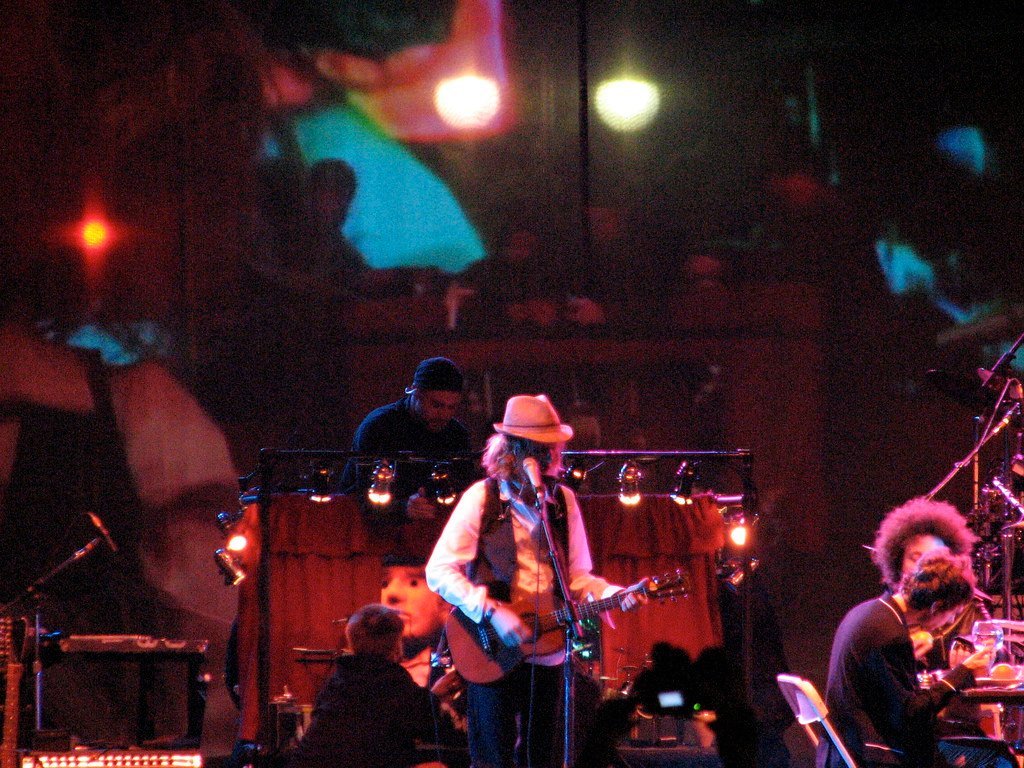
Beck deserves a spot on this list simply because no one in the 90s indie world sounded remotely like him, and no one has managed to replicate what he did since. Beck, known for his odd hit “Loser,” evolved into a genre-bending innovator. He released “Odelay” in 1996, an album that fused folk, funk, hip-hop, and noise that earned him critical acclaim and commercial success. That record still sounds thrillingly strange today.
As grunge began to become oversaturated in 1992, “Slanted and Enchanted” offered a lackadaisical alternative, helping to initiate the lo-fi trend of the early 90s, which would be continued in subsequent years by the likes of Sebadoh, Beck, Guided By Voices, and Liz Phair. Beck was the logical endpoint of that tradition, a scrappy outsider who built collages out of every genre he’d ever loved. Revisiting his 90s work now, from the lo-fi “Mellow Gold” to the kaleidoscopic “Odelay,” is like flipping through a decade’s worth of musical possibility compressed into two records. It’s genuinely exhilarating.
The Legacy That Never Really Faded
The rise of alternative music in the 90s was a cultural revolution that left an indelible mark on music, fashion, and individual expression. It provided a voice for a generation seeking authenticity and rebellion against mainstream ideals. Today, alternative culture lives on, inspiring individuals to embrace their unique identity. The eight artists in this list each carried a piece of that spirit in deeply personal and entirely different ways.
What’s remarkable is how much of today’s indie music still echoes these voices. The emotional rawness of Liz Phair lives on in Phoebe Bridgers. The noisy, DIY bravado of Pavement shows up in Wet Leg and Horsegirl. Speedy Ortiz, Snail Mail, and Soccer Mommy all mine the moodier, introspective aspects of Phair’s and Sleater-Kinney’s songbooks in ways that feel genuinely vital. These aren’t museum pieces. They are living blueprints.
The 90s indie scene was imperfect, messy, and sometimes difficult to access. But that difficulty was the point. Creative freedom and the DIY attitude, inherited from punk rock, make up the culture that will always stand in contrast to popular trends. In a musical world that can now feel algorithmically smoothed into palatability, there is something genuinely radical about putting on a Guided by Voices record or dropping the needle on “Rid of Me.” It wakes something up. So the real question is: which of these eight artists had you already revisited, and which one are you putting on tonight?
CEO-Co-Founder
