

- 12 Iconic TV Commercials That Defined a Generation and Became Pop Culture Cornerstones - August 23, 2026
- Classic literature often reveals more about our society’s lost values than any history book. - August 23, 2026
- 15 Musical Instruments So Strange, You Won’t Believe They Exist (or How They Play). - August 23, 2026
America’s historic buildings stand as timeless sentinels, whispering stories of innovation, power, and human ambition through their stones and spires. These architectural gems, scattered across the nation, blend European influences with bold American spirit, offering glimpses into lives that shaped our world. From Gilded Age opulence to colonial elegance, they invite us to step back in time.
Yet what makes them truly captivating is their accessibility today. You can wander their halls, touch history’s echoes, and feel the weight of eras past. Let’s dive into eleven stunners that demand a spot on your travel list.[1]
Biltmore Estate, Asheville, North Carolina
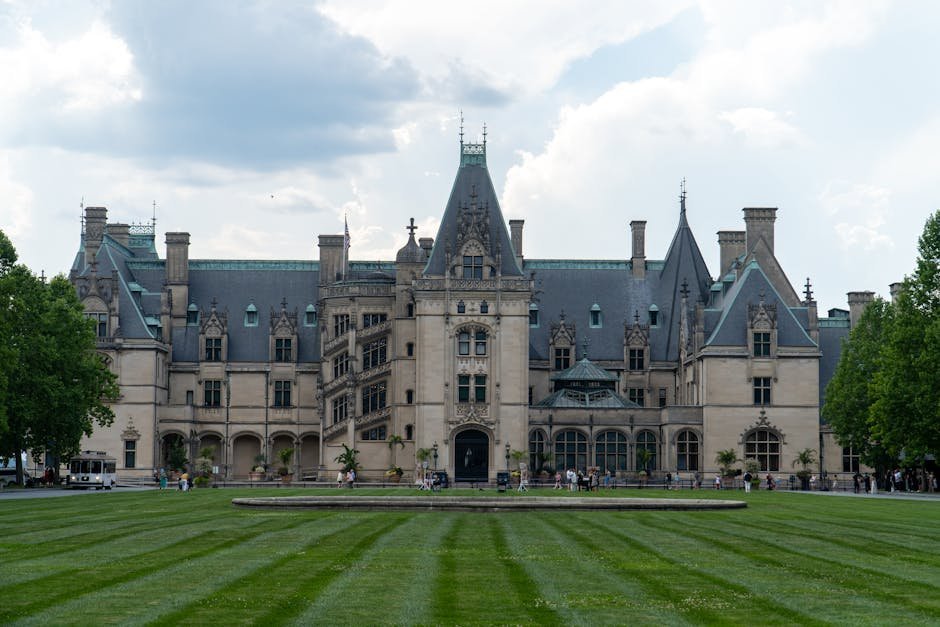
Imagine a chateau sprawling across four football fields, crafted in the 1890s by Richard Morris Hunt for George Vanderbilt. This 250-room behemoth blends French Renaissance grandeur with meticulous gardens by Frederick Law Olmsted, every detail screaming Gilded Age excess.[1]
Its cultural punch lies in showcasing Vanderbilt’s vision of American aristocracy amid the Blue Ridge Mountains. Today, tours unlock its secrets, from opulent rooms to a bustling winery, making it a must for anyone craving architectural splendor alive with modern vibrancy.[1]
The Breakers, Newport, Rhode Island
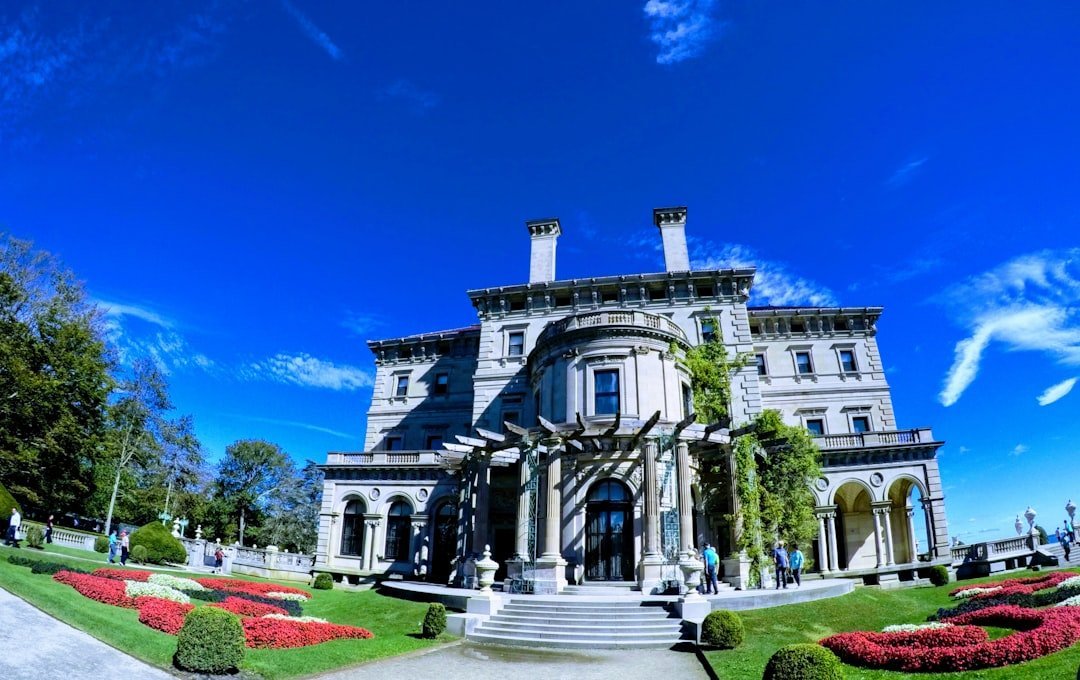
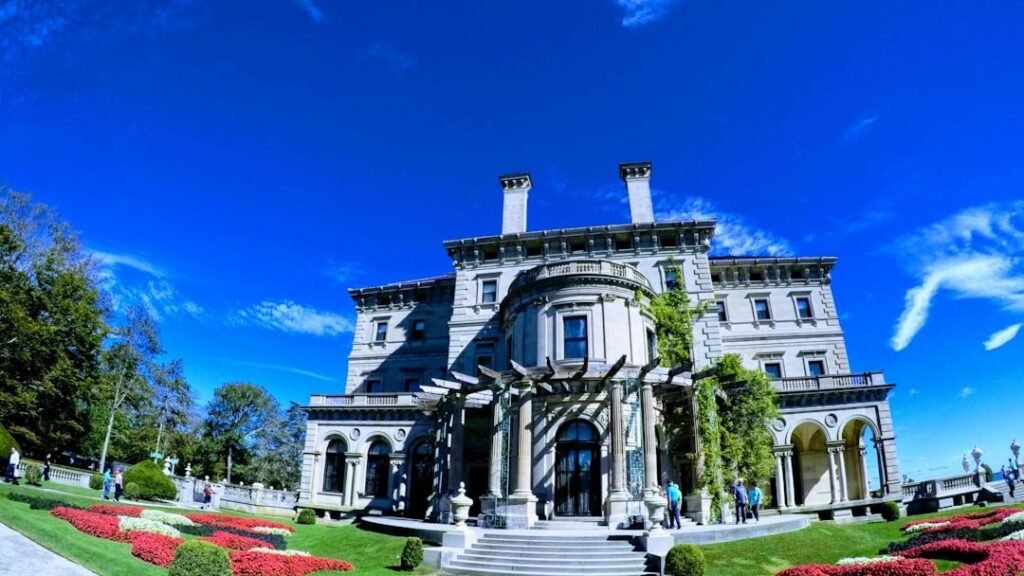
Cornelius Vanderbilt II’s 1895 summer escape screams Italian Renaissance revival, a 70-room, four-story palace by Richard Morris Hunt. Towering arches, lavish interiors, and oceanfront perch capture Newport’s Gilded Age playground vibe perfectly.
As the pinnacle of Vanderbilt family excess, it symbolizes industrial America’s lavish side. Visitors still roam its preserved halls via Preservation Society tours, feeling the era’s unapologetic luxury that draws history buffs and dreamers alike.[1]
Hearst Castle, San Simeon, California
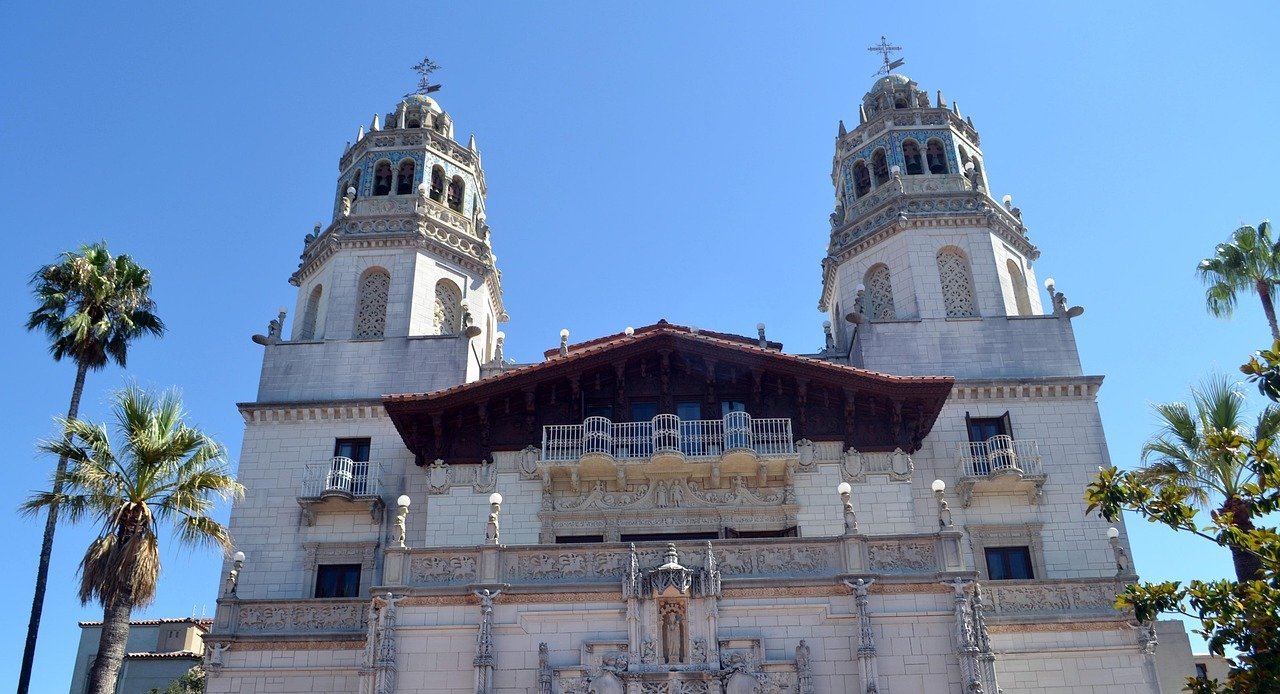
Julia Morgan’s early 20th-century masterpiece for William Randolph Hearst boasts 165 rooms, Neptune Pool, and terraces dripping with European antiquities. This Mediterranean revival hilltop fortress feels like a movie set, blending art and excess seamlessly.[1]
It embodies Hearst’s media empire dreams, a retreat packed with cultural treasures. Now a state park, guided tours reveal its pools and gardens, offering Pacific Coast drama that’s honestly worth the trek for any architecture lover.[1]
Monticello, Charlottesville, Virginia
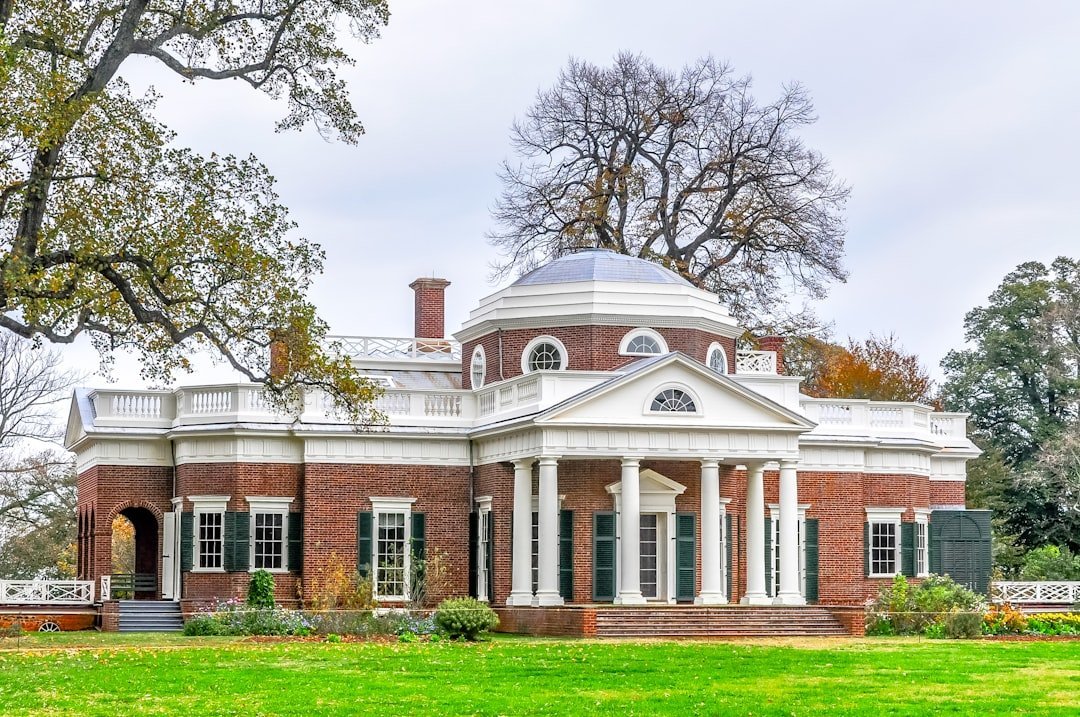
Thomas Jefferson’s lifelong project, started in 1769 and refined into a 43-room Palladian masterpiece inspired by Andrea Palladio. Neoclassical domes and innovative gadgets reflect Enlightenment ideals amid rolling hills.[1]
UNESCO-listed for its role in presidential history and enslaved lives, it challenges romanticized views. Museum tours today peel back layers, making it essential for grasping America’s founding contradictions up close.
Vizcaya Museum and Gardens, Miami, Florida
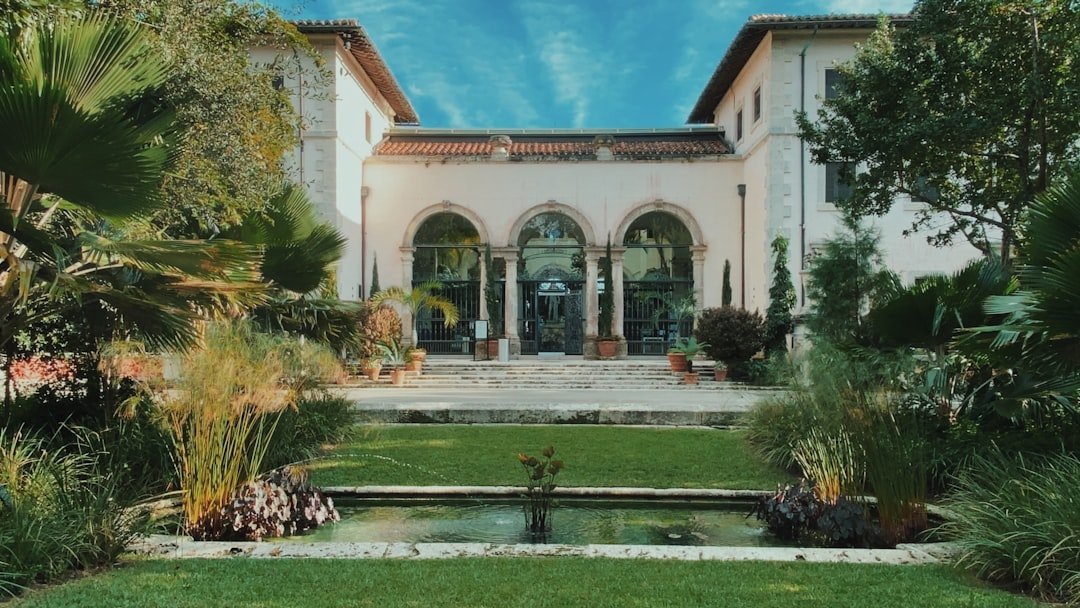
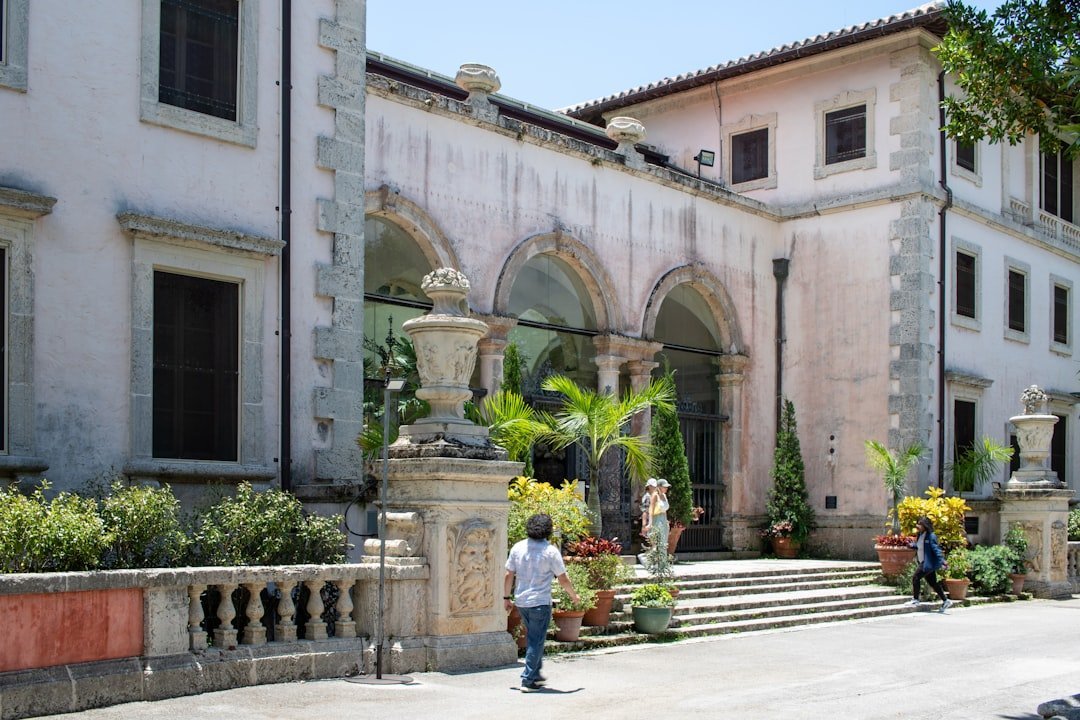
James Deering’s early 1900s waterfront villa by F. Burrall Hoffman Jr. channels Italian Renaissance with Paul Chalfin’s baroque interiors and 10 acres of lush gardens. Bayfront stonework and orchids create subtropical magic.[1]
A symbol of industrialist escape turned public trove of furnishings. Explore house and grounds freely, where Miami’s heat amplifies the timeless allure, perfect for a cultured sun-soaked day.
Drayton Hall, Charleston, South Carolina
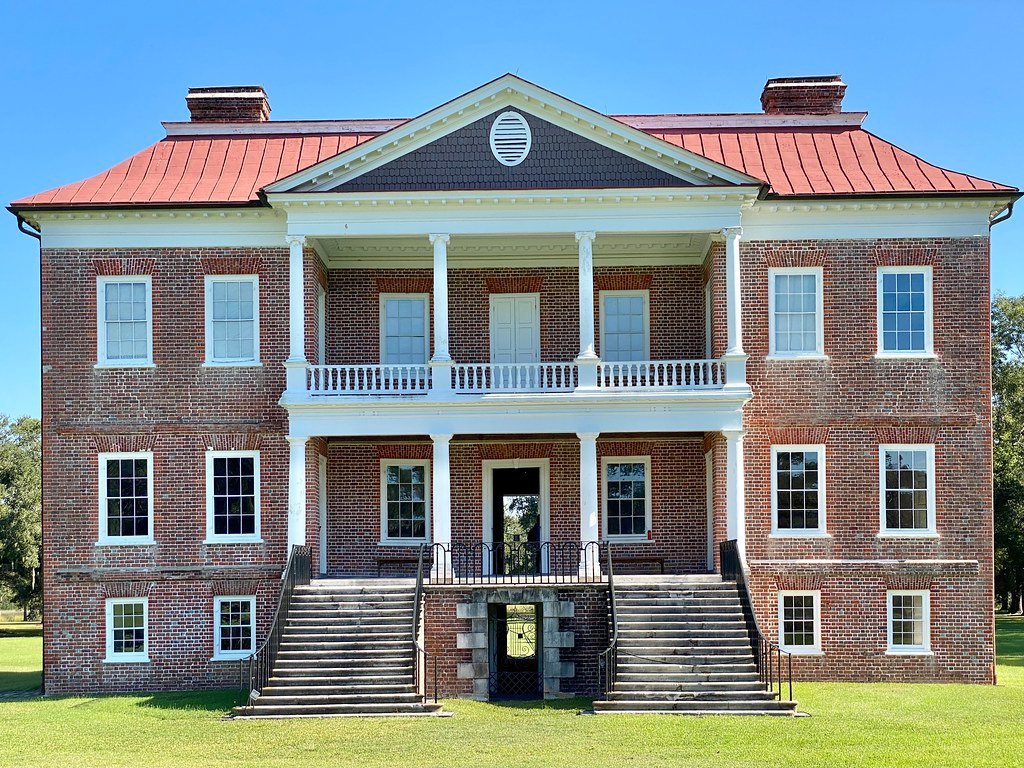
America’s first Palladian plantation house, built 1747-1752 on the Ashley River, left unfurnished to spotlight original plasterwork and symmetry. Its double portico and sturdy brick whisper colonial sophistication.[1][2]
National Trust gem with an ancient African American cemetery, it confronts plantation legacy head-on. Tours of house and grounds deliver raw history, ideal for those seeking depth beyond surface beauty.
Mount Vernon, Mount Vernon, Virginia
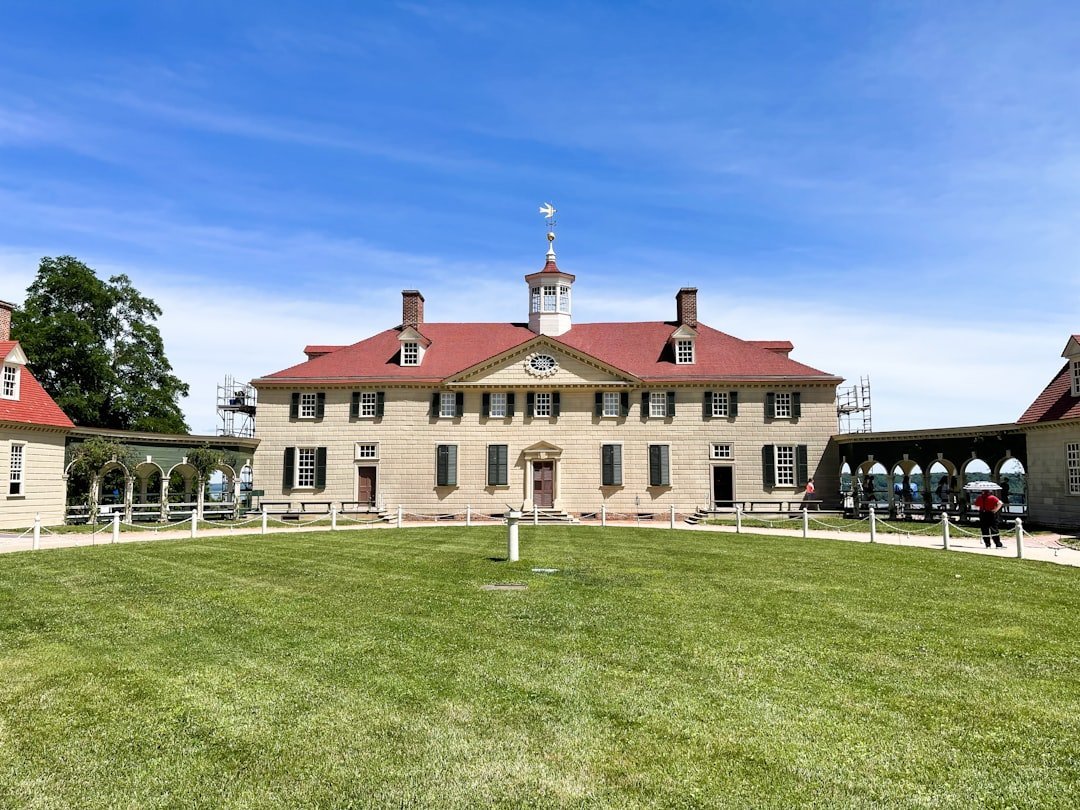
George Washington’s expanded 1734 family home grew into a 21-room colonial icon over 45 years, with restored outbuildings revealing daily life. Palladian influences mix with practical American tweaks.[1]
Central to founding father lore, it humanizes the man behind the myth. Open estate and museum let you stroll grounds, connecting dots to Revolution roots in a profoundly moving way.
Gamble House, Pasadena, California
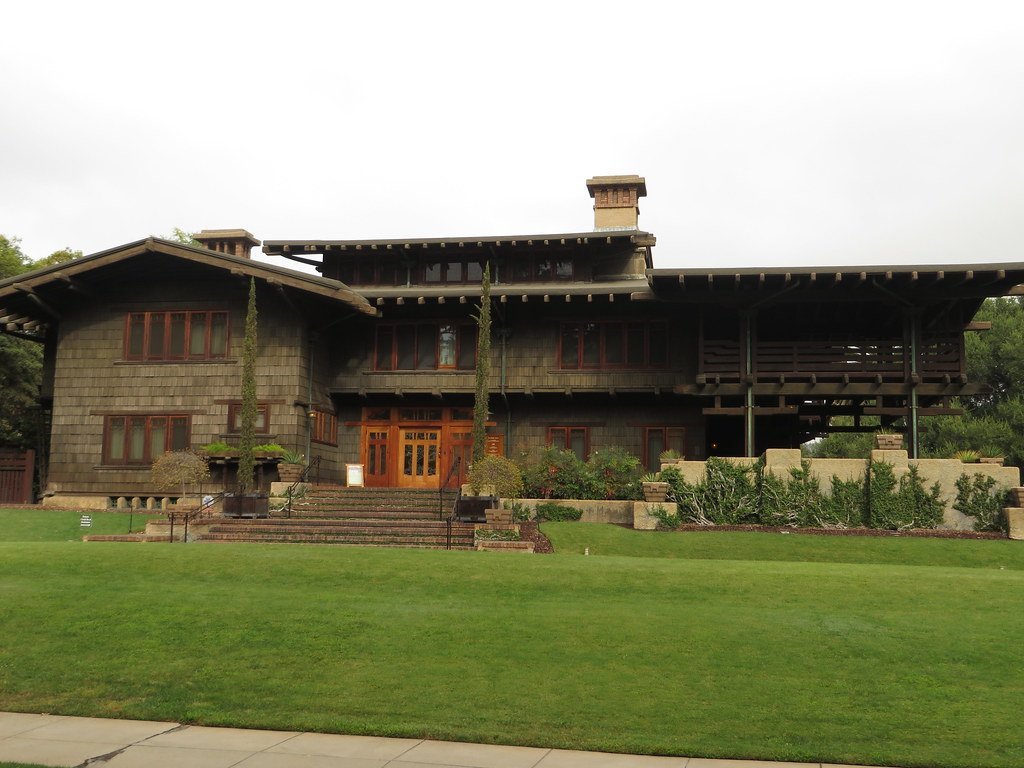
Greene brothers’ 1908 Arts and Crafts triumph for the Gambles, teak interiors and original furnishings glowing under California sun. Overhanging eaves and natural motifs scream ultimate craftsmanship.[1]
Museum since 1966, it celebrates bungalow era’s handcrafted rebellion against mass production. Public tours immerse you in preserved perfection, a quiet Pasadena highlight for design devotees.
Olana State Historic Site, Hudson, New York
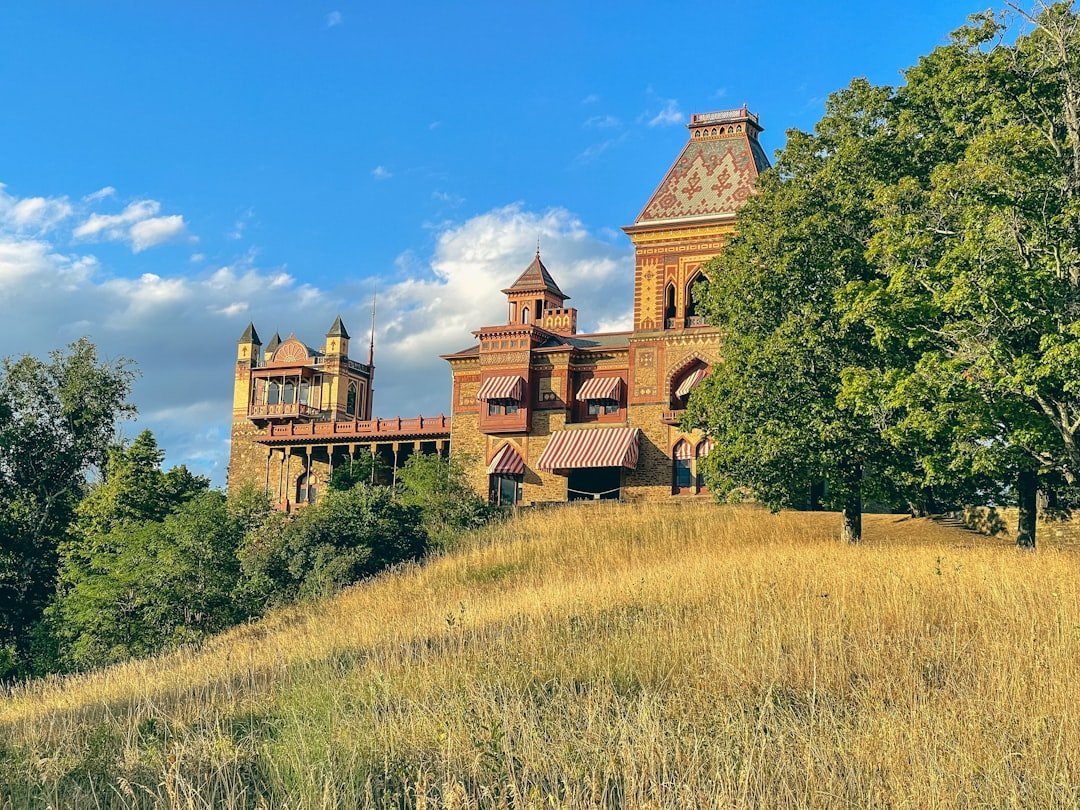
Frederic Church’s 1870s hilltop with Calvert Vaux, Victorian base fused with Persian motifs overlooking Hudson Valley. Interiors burst with his art and global decor.[1][2]
Hudson River School painter’s legacy, blending nature and exoticism. Estate tours showcase views and collections, rewarding with serene beauty that’s pure artistic escape.
The Mount, Lenox, Massachusetts
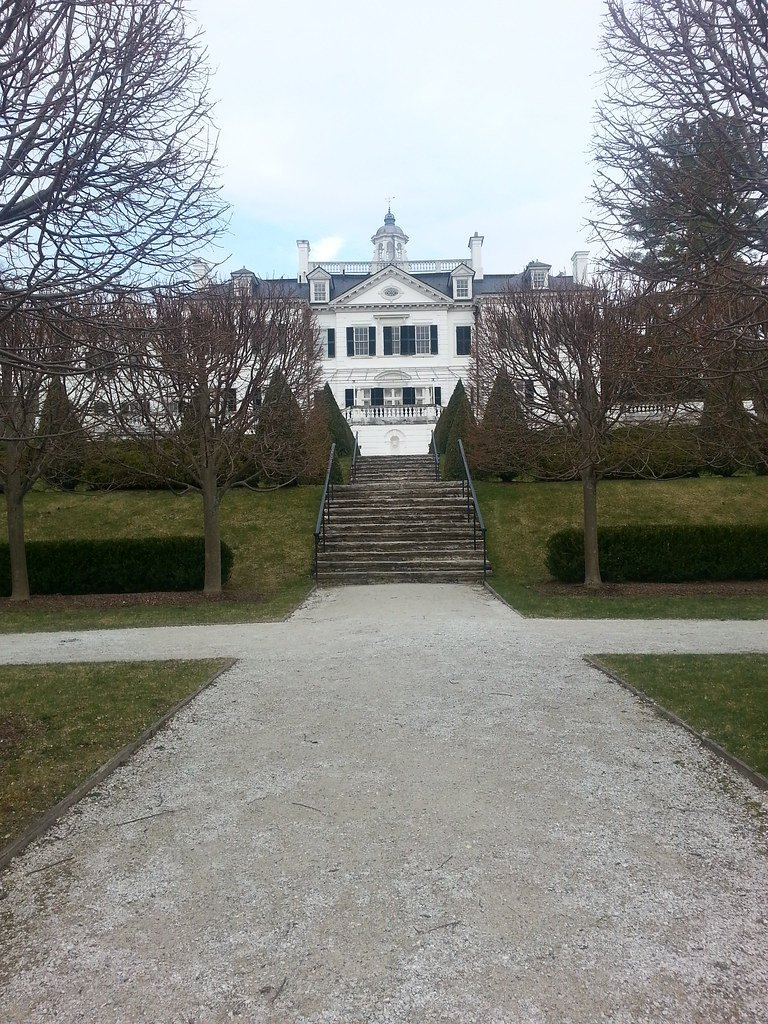
Edith Wharton’s early 1900s self-designed home with Ogden Codman Jr., mixing English, French, Italian styles in Berkshires harmony. Gardens and layout reflect her aesthetic theories.[1]
National Landmark where she penned classics, now cultural center. Tours dive into literary life, offering intimate literary architecture that’s surprisingly approachable.
Bayou Bend Collection and Gardens, Houston, Texas
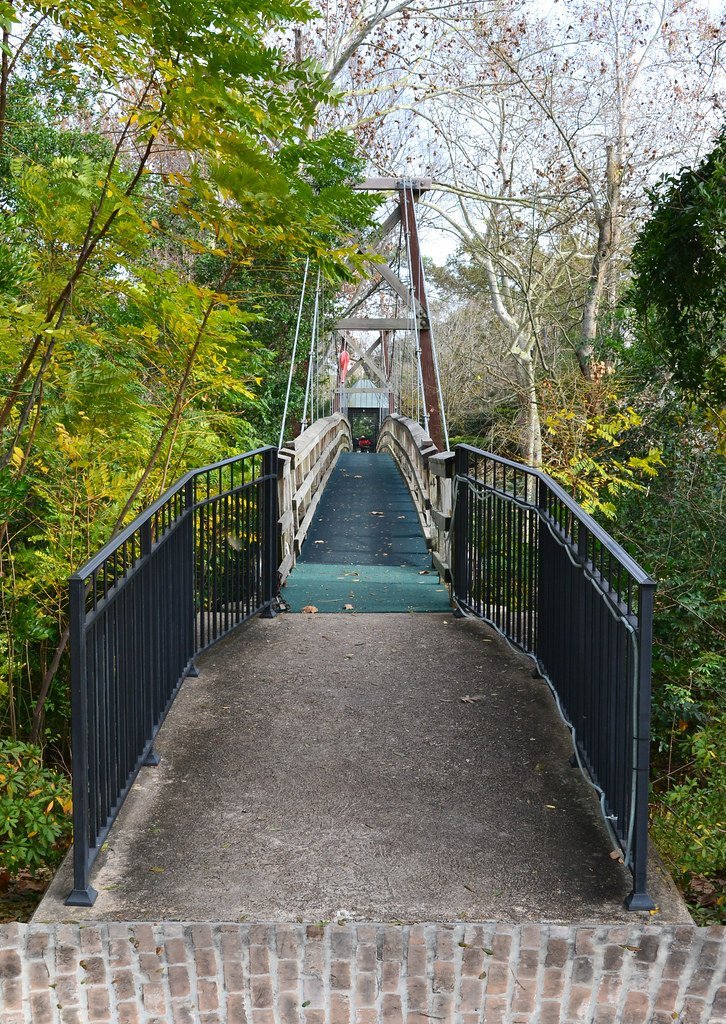
Ima Hogg’s 1927-28 Georgian-Spanish Creole by John F. Staub, amid 14 acres of formal-wild gardens. Antiques-filled rooms evoke Southern refinement.[1]
Museum of Fine Arts outpost highlighting American decorative arts. Public access to house and blooms provides unexpected Houston elegance, blending history with horticultural delight.
Why These Buildings Matter Today
Stepping into these structures bridges centuries, stirring awe at human ingenuity from Vanderbilt vaults to Jefferson visions. They remind us architecture isn’t just walls, it’s woven narratives of triumph and turmoil.[1]
Plan a visit, let their beauty pull you in, and connect personally with America’s soul. Which one calls to you first? Hit the road and find out.
CEO-Co-Founder
