

- 12 Iconic TV Commercials That Defined a Generation and Became Pop Culture Cornerstones - August 23, 2026
- Classic literature often reveals more about our society’s lost values than any history book. - August 23, 2026
- 15 Musical Instruments So Strange, You Won’t Believe They Exist (or How They Play). - August 23, 2026
Live music pulses with an unmatched intensity. It sweeps crowds into frenzies, sparks revolutions, and cements artists as icons in real time.
A handful of performances transcend the night, reshaping genres, challenging norms, and influencing everyone from musicians to fans worldwide. Picture the chaos, the cheers, the sheer audacity. Let’s dive into these game-changers.[1]
Queen at Live Aid (1985)
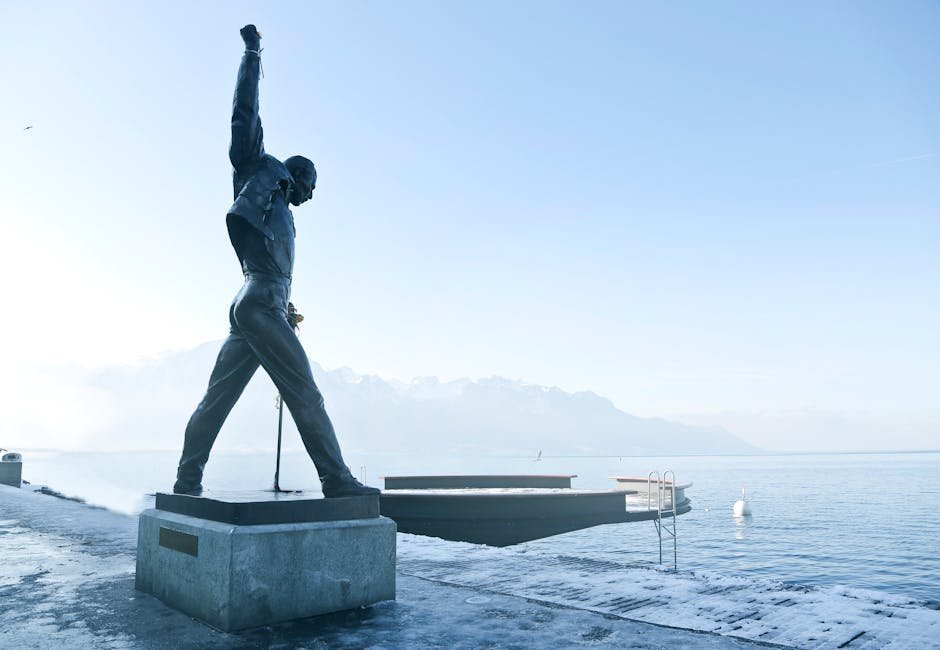
Queen stormed Wembley Stadium during the global famine relief concert, broadcast to nearly two billion viewers. Freddie Mercury owned the stage with his operatic vocals and infectious energy, leading the crowd in a unified clap during “Radio Ga Ga” and hitting operatic highs in “Bohemian Rhapsody.” The 20-minute set felt timeless, blending hits with sheer charisma.[2]
Audience members lost their minds, singing along as one massive voice. That raw connection revived Queen’s career and set the bar for stadium rock. It proved a frontman’s command could eclipse superstars like U2 or Bowie, inspiring future acts to prioritize spectacle and unity.[3]
Jimi Hendrix at Monterey Pop Festival (1967)
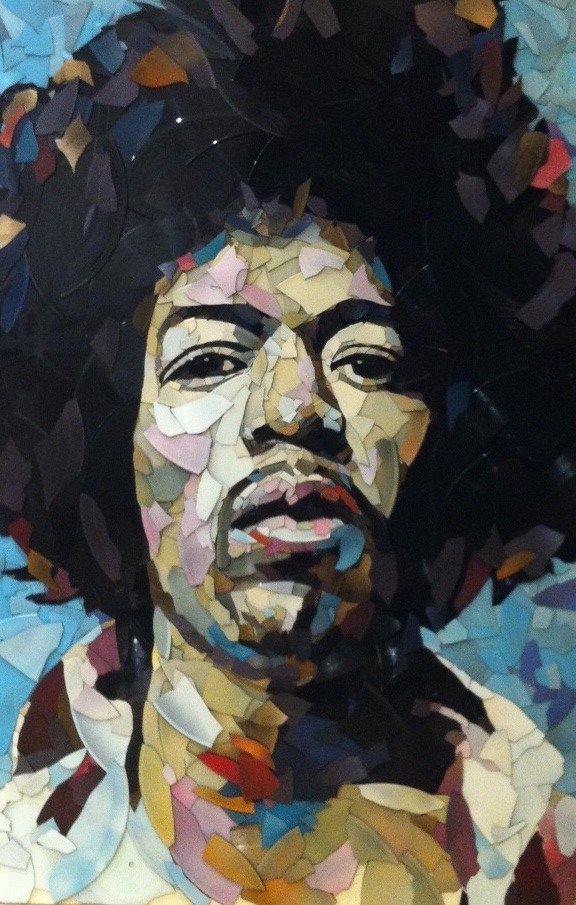
The Jimi Hendrix Experience closed their set at this groundbreaking festival by turning “Wild Thing” into psychedelic mayhem. Hendrix knelt, doused his Fender Stratocaster in lighter fluid, and set it ablaze, thrusting the flaming neck skyward like a defiant torch. His guitar wizardry – feedback, distortion, teeth-playing – shocked the Summer of Love crowd.[1]
Fire marshals panicked, but the audience erupted in awe, cementing Hendrix’s U.S. breakthrough. This act of destruction birthed rock’s pyrotechnic tradition, influencing everyone from The Who to Kiss. It liberated the guitar from mere instrument to explosive art form.[3]
The Beatles at Shea Stadium (1965)
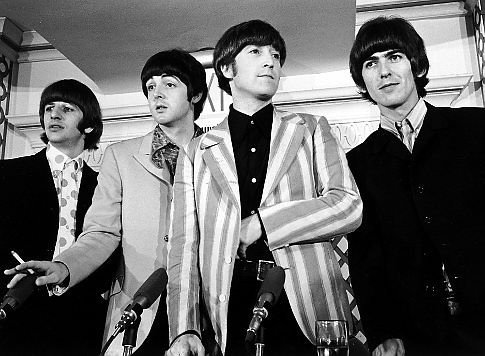
The Beatles played to 55,000 screaming fans at New York’s Shea Stadium, the first true stadium rock concert. John, Paul, George, and Ringo delivered “Twist and Shout” and “I’m Down” amid deafening hysteria that drowned out the amps. Security struggled as girls fainted and rushed barriers.[2]
The sheer scale redefined live shows, proving pop could fill sports arenas. It launched mega-concerts, paving the way for stadium tours by everyone from The Stones to Taylor Swift. Beatlemania went global, shifting music from theaters to coliseums.[1]
Bob Dylan Goes Electric at Newport Folk Festival (1965)
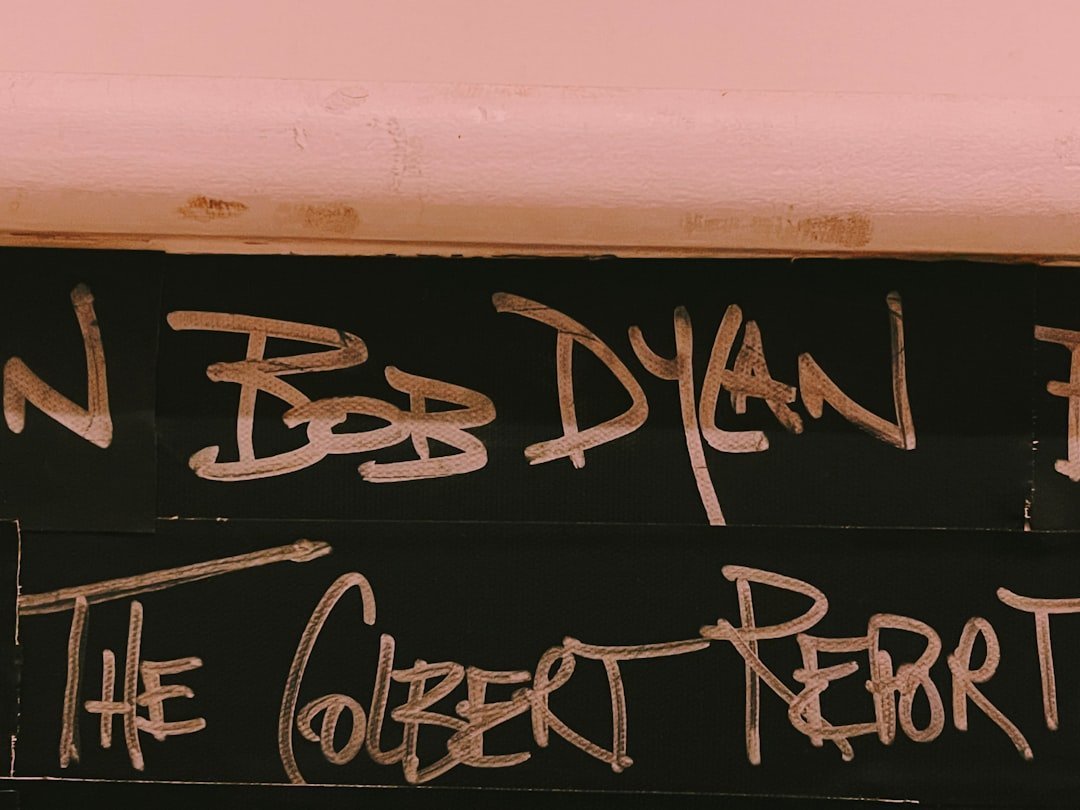
Folk purists gathered at Newport expecting acoustic anthems, but Dylan plugged in with the Butterfield Blues Band for “Maggie’s Farm” and “Like a Rolling Stone.” The amplified rock sound blasted through, raw and defiant against tradition. Boos rained down from Pete Seeger and others wielding axes symbolically.[4]
The backlash fueled headlines, but it shattered folk-rock barriers. Dylan bridged folk and rock, birthing a hybrid that inspired The Byrds and beyond. That controversy marked the end of pure folk revival, opening electric doors for singer-songwriters.[5]
James Brown at Boston Garden (1968)
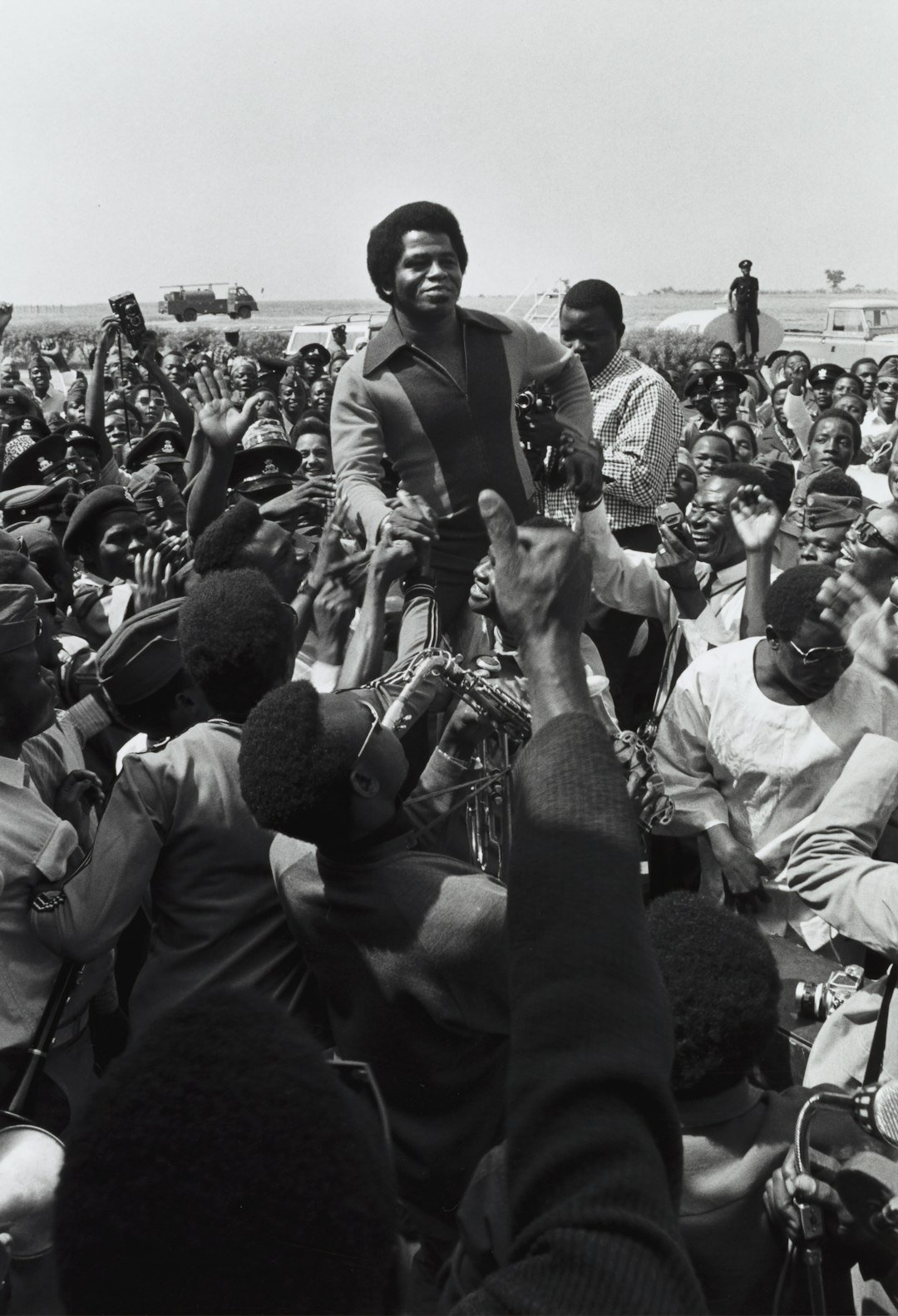
Hours after Martin Luther King Jr.’s assassination sparked riots, James Brown took Boston Garden’s stage. He unleashed “Cold Sweat” and “I Got You,” cape antics calming the frenzy with funky precision. The mayor even joined, urging peace amid the chaos.[1]
The crowd, initially volatile, transformed into a unified groove, preventing widespread violence. Broadcast locally, it showed soul music’s power as social glue. Brown’s command elevated live funk as activism, influencing protest concerts forever.[2]
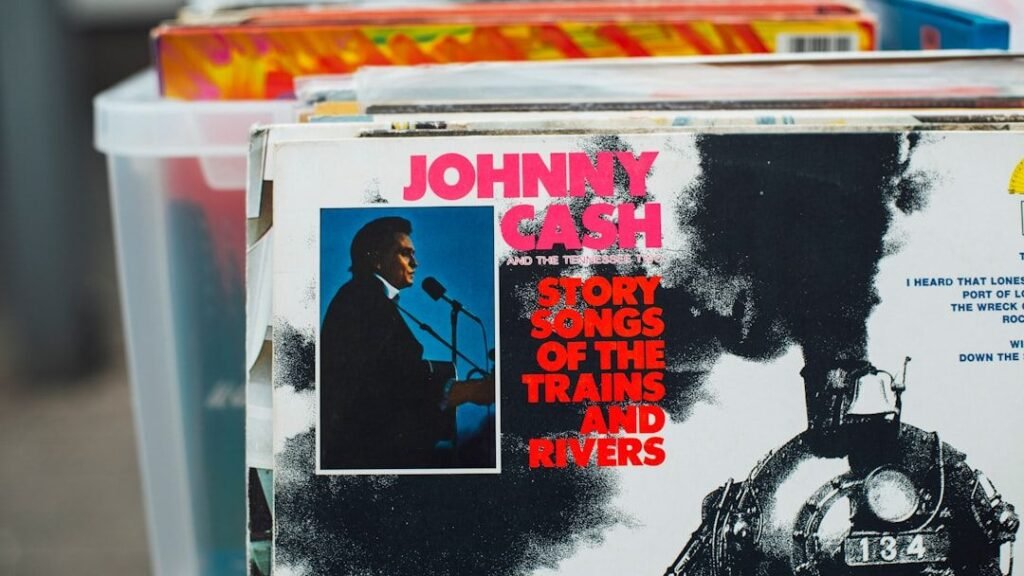
Johnny Cash at San Quentin Prison (1969)
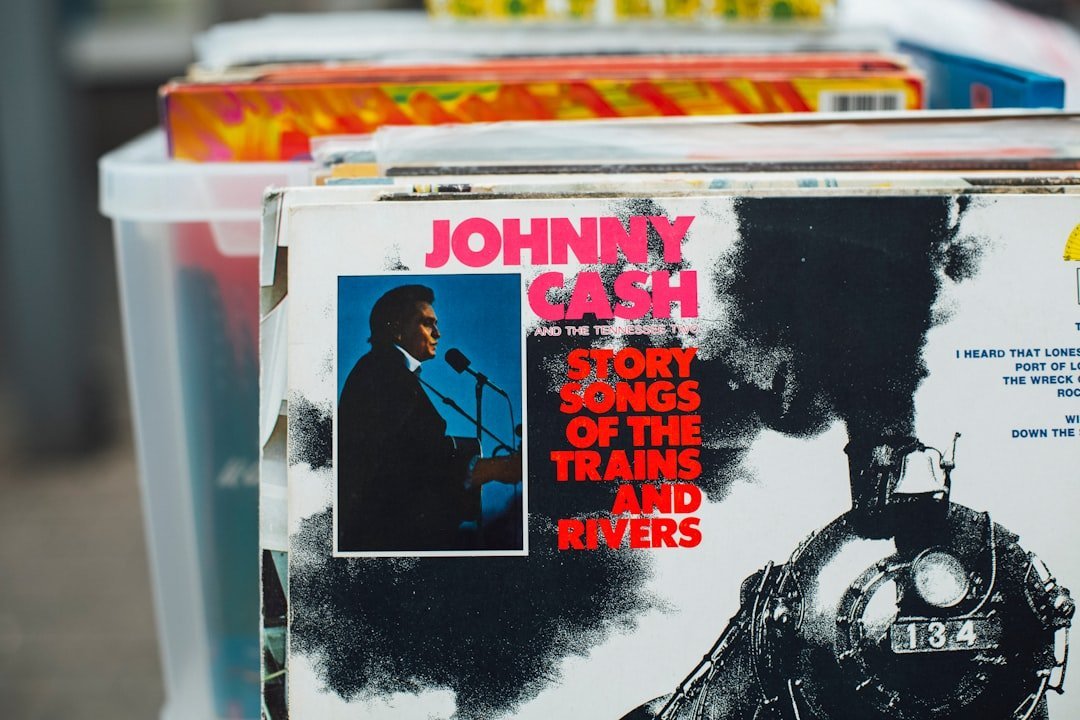
Cash and his band stormed San Quentin for inmates, belting “San Quentin” and debuting “A Boy Named Sue.” Raw aggression met prisoner cheers, with middle fingers flipped during the title track. The energy crackled through 2,000 hardened souls.[1]
Inmates roared approval, bridging outsider worlds. The live album topped charts, reviving Cash’s career and spawning prison concert trends. It humanized country for rebels, proving authenticity trumps polish.[2]
Led Zeppelin’s Debut U.S. Tour Opener (1969)
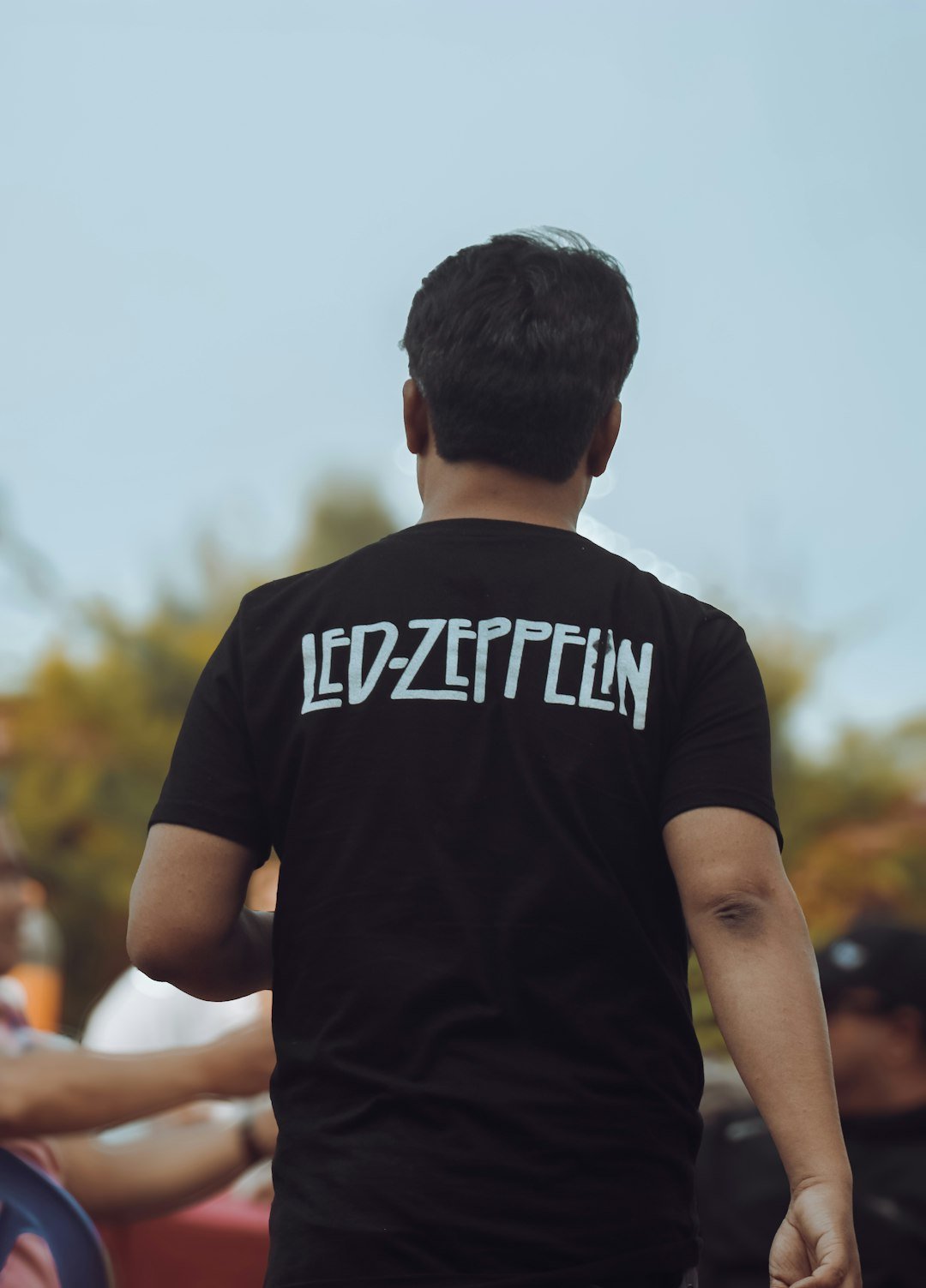
Zeppelin hit Boston Tea Party for their first American shows, unleashing four-hour marathons of “Whole Lotta Love” and blues bombs. Fans refused encores, demanding more fury. Page’s solos and Bonham’s thunder shook the venue.[1]
The crowd’s mania built legend before albums peaked. It forged hard rock’s blueprint – extended jams, sheer power – influencing arena beasts like Van Halen. Zep became touring titans overnight.[2]
David Bowie’s Ziggy Stardust Final Bow (1973)
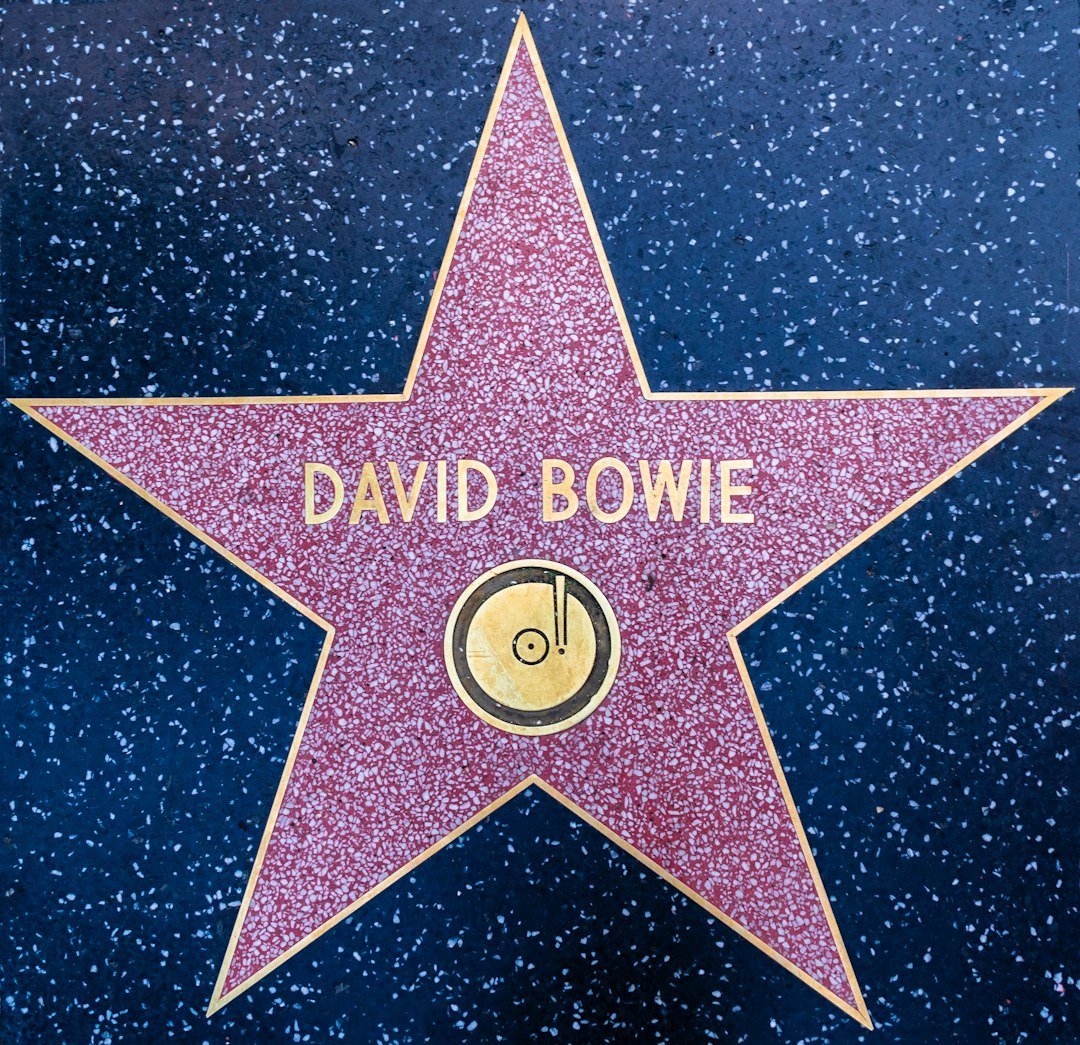
Bowie, as crimson-haired alien Ziggy, bid farewell at Hammersmith Odeon with glam anthems and Mick Ronson’s searing riffs. Theatrical poses and symbiotic intensity peaked in “Rock ‘n’ Roll Suicide.” Fans sensed the end of an era.[1]
The intimate shockwave ignited glam rock’s theatrical legacy. Bowie’s persona shifts inspired alter-ego acts like Kiss or Lady Gaga. It proved reinvention keeps rock alive.[2]
The Rolling Stones’ 1972 North American Tour
Post-Altamont, The Stones raged through Vancouver and MSG with “Exile” tracks like “Brown Sugar” at breakneck speed. Riots, arrests, and a massive entourage amplified the chaos. Mick’s prancing owned arenas.[1]
Crowds surged in wild ecstasy, reclaiming rock’s danger. The tour’s scale and film “Ladies and Gentlemen” set touring extravagance standards. It solidified Stones as eternal road warriors.[2]
Beyoncé at Coachella (2018)
Beyoncé headlined as the first Black woman, fusing HBCU bands, choreography, and “Lemonade” storytelling in “Formation.” Pyramid stage visuals and cultural nods stunned the desert fest. Precision met power.[2]
Fans chanted in reverence, dubbing it “Beychella.” Her authenticity elevated festival culture, inspiring diverse headliners like Diljit Dosanjh. It blended heritage with spectacle, redefining pop sovereignty.[1]
The Enduring Echoes of Stage Magic
These performances remind us live music isn’t just sound – it’s lightning in a bottle, forging bonds and bending history. From folk shocks to stadium symphonies, they ripple through generations.
Honestly, each one feels like a portal to pure human fire. Which would you time-travel to witness? Share below.[6]
CEO-Co-Founder
