

- 10 One-Hit Wonders That Secretly Made Millions. - August 18, 2026
- Great Literature Offers Profound Insights Into the Human Condition, Unchanged by Time. - August 18, 2026
- The Evolution of Pop Culture Reveals a Fascinating, Often Unpredictable, Human Journey - August 18, 2026
There is something almost magical about watching the American landscape unfold from the window of a moving train. No highway can compete with it. No flight comes close. You get to see the land the way the early settlers, miners, explorers, and dreamers actually saw it – slowly, in all its massive, complicated beauty.
Train travel is woven into the very DNA of this country. The transcontinental railroad didn’t just connect cities; it shaped them. It pushed empires westward, fed wars, carried dreams, and buried others. In 2026, with America marking 250 years since its founding, there is honestly no better moment to re-discover the nation by rail. Whether you’re a history buff, a landscape chaser, or someone who simply wants to slow down and actually look, these 11 journeys will leave a mark on you. Let’s dive in.
1. The California Zephyr: Chicago to San Francisco
Uploaded by We hope, CC BY 2.0)
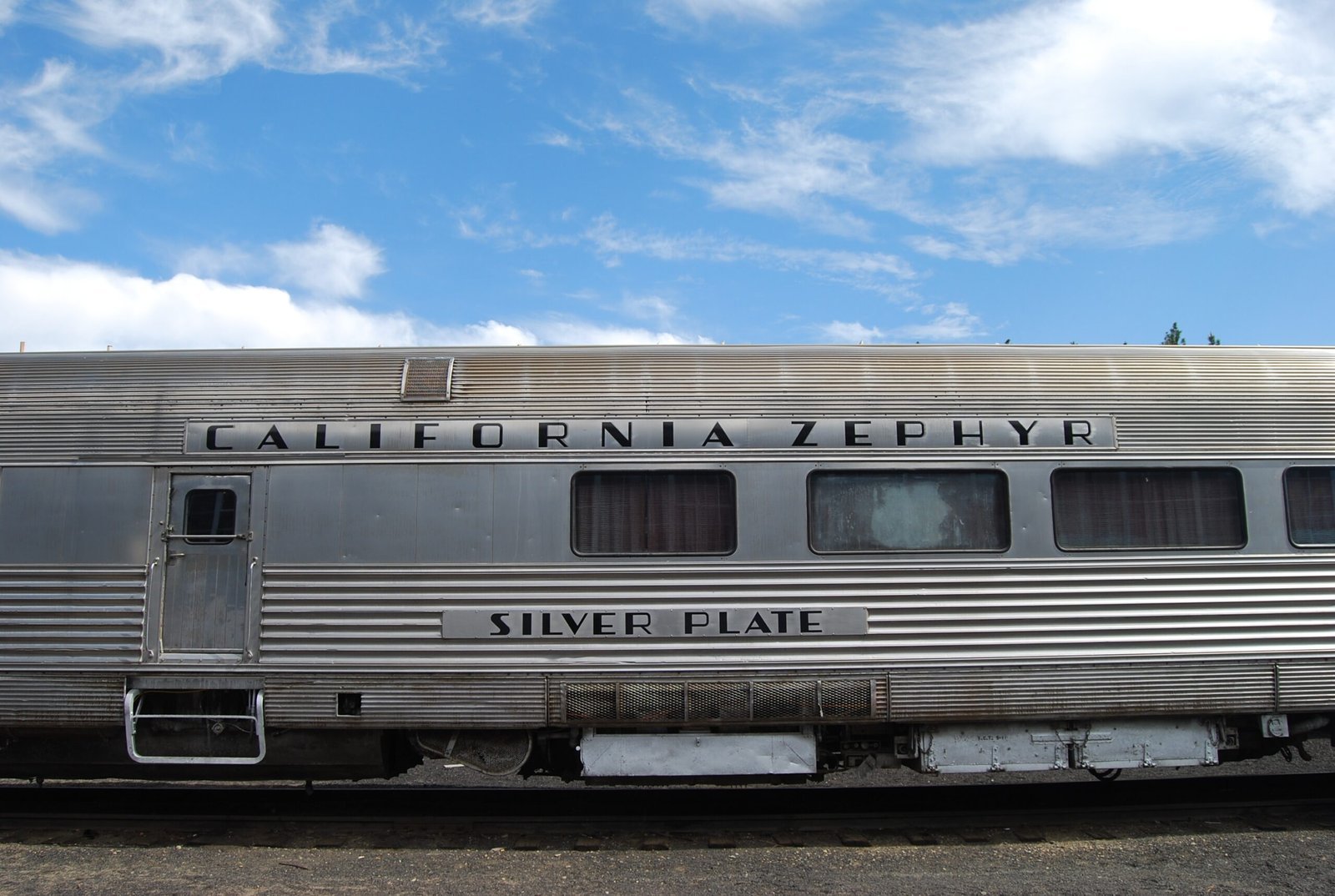
Here’s the thing – if you’re only going to ride one train in your entire life, make it this one. The California Zephyr is a long-distance passenger train operated by Amtrak between Chicago and the San Francisco Bay Area via Omaha, Denver, Salt Lake City, and Reno, covering 2,438 miles and taking approximately 52 and a half hours. It’s a slow, gorgeous surrender to the American landscape.
Passengers are treated to panoramic views of the mighty Mississippi River, the vast plains of Nebraska, the rugged Rocky Mountains, and the breathtaking canyons and deserts of Utah and Nevada. The train winds through the Sierra Nevada Mountains, offering glimpses of snow-capped peaks, dense forests, and pristine alpine lakes. Few experiences come close to that kind of visual feast.
The California Zephyr’s schedule ensures passengers move through the most scenic parts of the route in Colorado, Utah, and Nevada during daylight hours. That’s not by accident. As the train ventures through the Rocky Mountains, it traverses the renowned Moffat Tunnel, a feat of engineering that burrows through the Continental Divide. It also passes through Glenwood Canyon in Colorado, a breathtaking gorge carved by the Colorado River. Crossing the Sierra Nevada, the train follows the historic Donner Pass route, which played a significant role in the westward expansion of the United States.
The California Zephyr travels through the infamous Donner Pass, where a wagon train became stranded during the winter of 1846 to 1847. Approximately half of the people survived. That history, quiet and haunting, rolls right past your window.
2. The Empire Builder: Chicago to Seattle or Portland
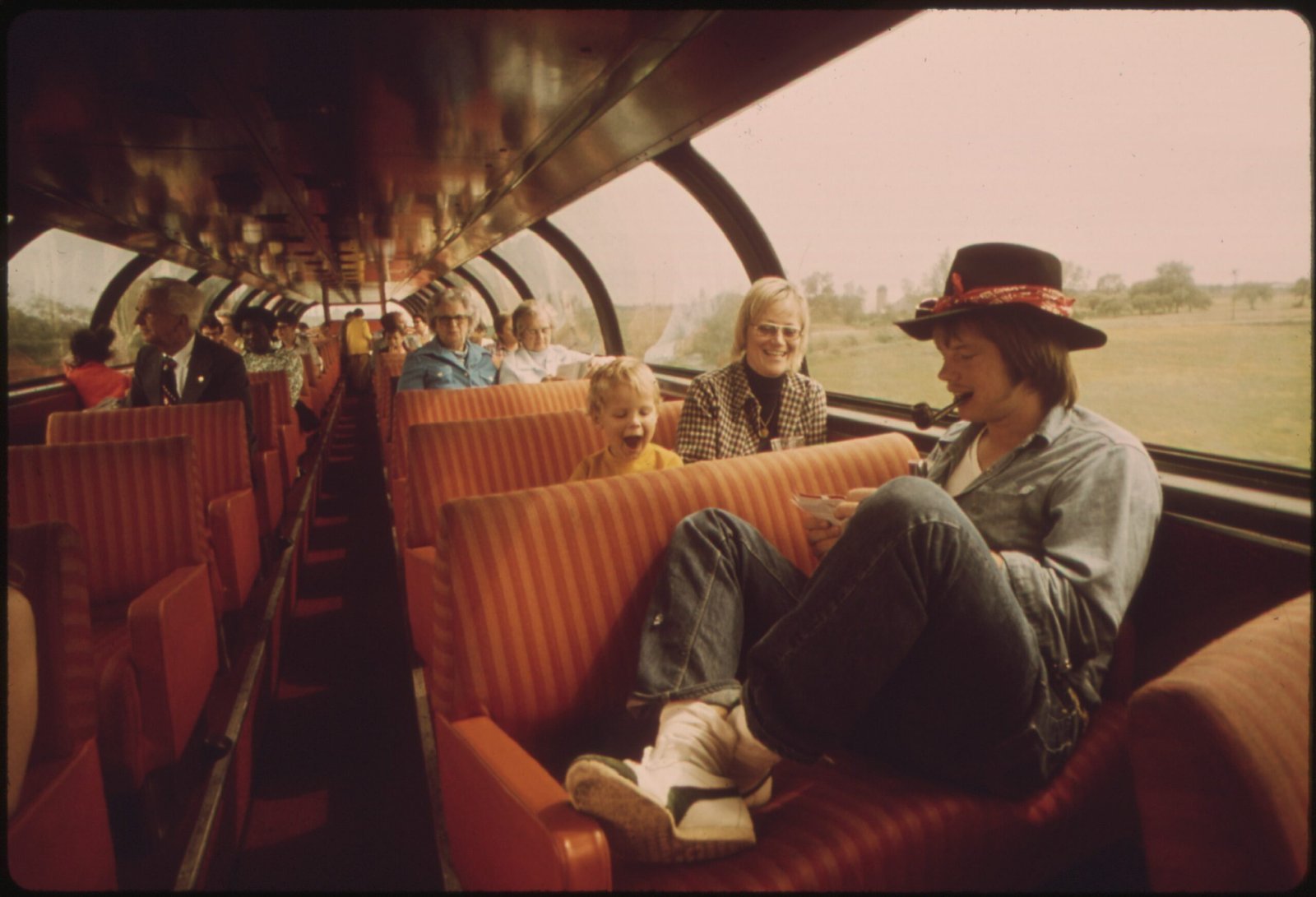
Amtrak’s Empire Builder runs daily between Chicago and the Pacific Northwest, mirroring much of Lewis and Clark’s original expedition. I think that detail alone should be enough to sell anyone a ticket. You’re not just riding a train. You’re retracing one of the greatest overland journeys in American history.
From the Windy City to Big Sky Country, the Empire Builder offers views of natural wonders including the Mississippi River, Glacier National Park, the vast North Dakota plains, and wildlife throughout Montana. The landscape shifts in a way that almost feels cinematic. Flat. Then suddenly, impossibly big mountains.
From Spokane, your options expand along two tracks, allowing you to either continue to the vibrant city of Seattle or venture down toward Portland where passengers can witness the majestic Mt. Hood. The Lewis and Clark Trail by Rail itinerary includes riding the Empire Builder past sights such as Bad Rock Canyon near Columbia Falls, Montana, as passengers make their way west to Portland, Oregon. The whole journey feels like the country revealing itself one astonishing chapter at a time.
3. The Sunset Limited: New Orleans to Los Angeles
Want to ride the oldest surviving named train in America? Right this way. The Sunset Limited is the oldest named train in the United States, operating since November 1894 along the Sunset Route, though originally named the Sunset Express. That’s over 130 years of uninterrupted service. The sheer durability of this route is staggering.
The Sunset Limited is a long-distance passenger train operated by Amtrak on a 1,995-mile route between New Orleans and Los Angeles. Major stops include Houston, San Antonio, and El Paso in Texas, as well as Tucson, Arizona. The cultural variety crammed into that one journey is extraordinary.
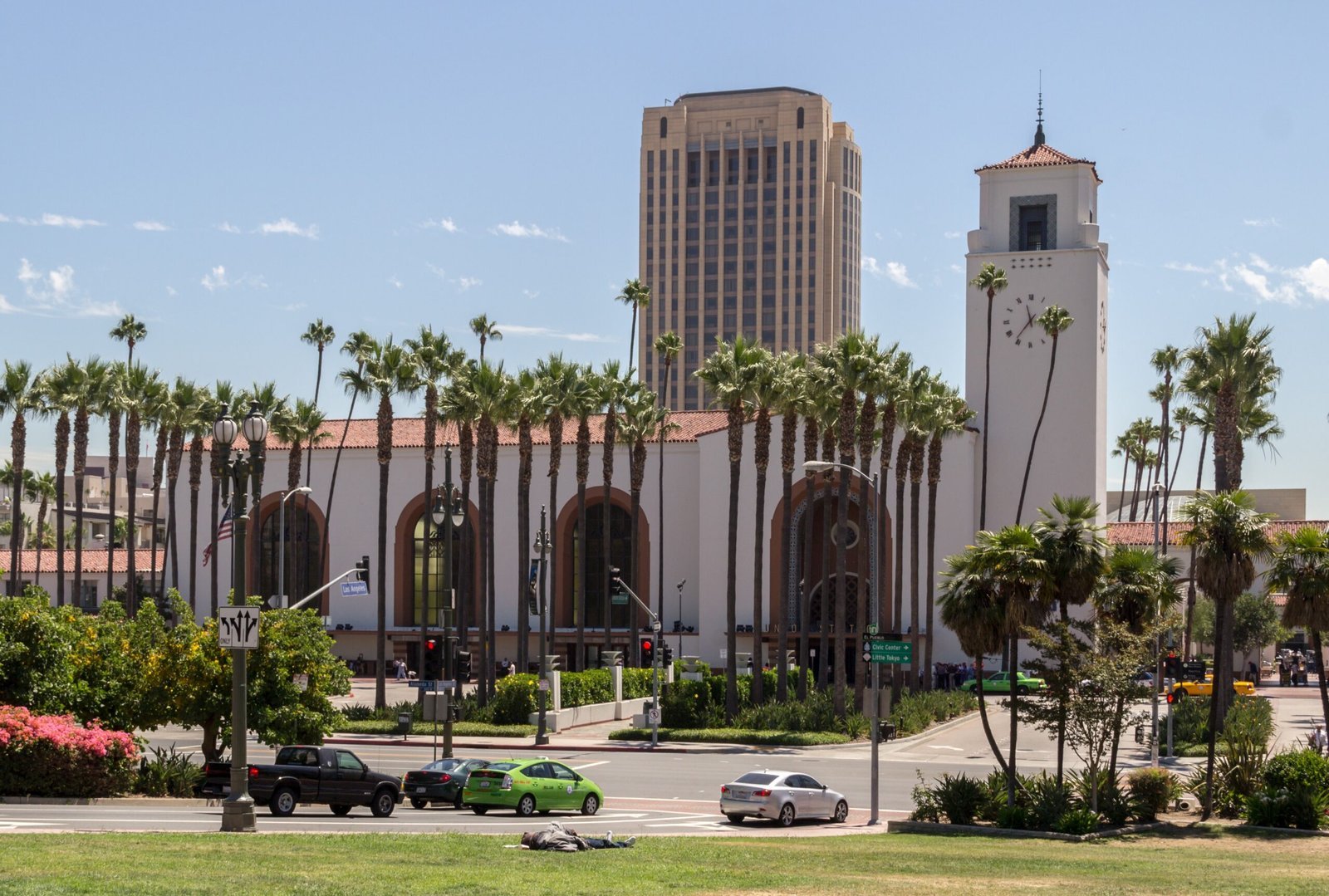
Over the course of three days, passengers move from the Pacific Coast to the Gulf Coast, crossing California, Arizona, New Mexico, and Texas before arriving in Louisiana. Boarding in Los Angeles begins at Los Angeles Union Station, one of the most beautiful Amtrak stations in the U.S., where palm trees frame Mission Revival architecture.
Passengers watch the scenery shift from the golden deserts of Tucson and the rugged borderlands of El Paso to the historic streets of San Antonio and the moss-draped wetlands of Louisiana. Honestly, it’s less like traveling across a country and more like traveling across several different worlds.
4. The Coast Starlight: Los Angeles to Seattle
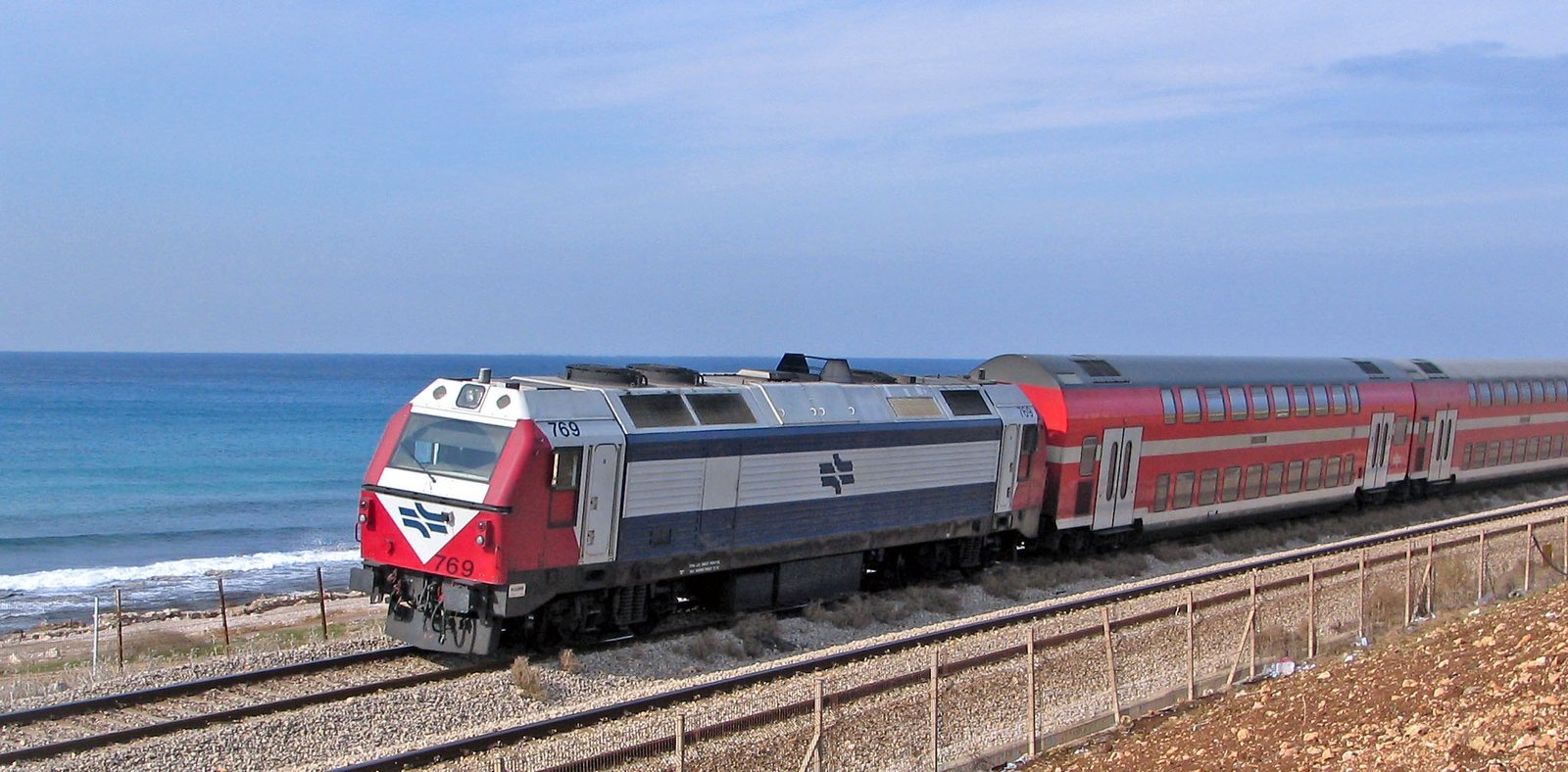
If the California Zephyr is the king of inland scenery, the Coast Starlight is its dramatic coastal counterpart. A daily route between Los Angeles and Seattle, it passes through beautiful Santa Barbara, the San Francisco Bay Area, Sacramento, and Portland, offering one of the most scenic experiences when traveling by train through California.
From the striking snow-clad summits of the Cascade Range to the expansive stretches of the Pacific Ocean coastline, the observation car offers a magnificent panorama. Sitting in that observation car on a clear afternoon, with the Pacific to one side and tall cliffs to the other, is the kind of thing that makes you wonder why you ever flew anywhere.
The route also carries enormous historical weight. The coastline of California was explored by Spanish missionaries in the 1700s, and the towns along this corridor – from Santa Barbara to Oakland – tell the layered story of Native peoples, Spanish conquest, the Gold Rush, and the great westward migrations of the 20th century. Every stop is a history lesson in a beautiful disguise.
5. The City of New Orleans: Chicago to New Orleans
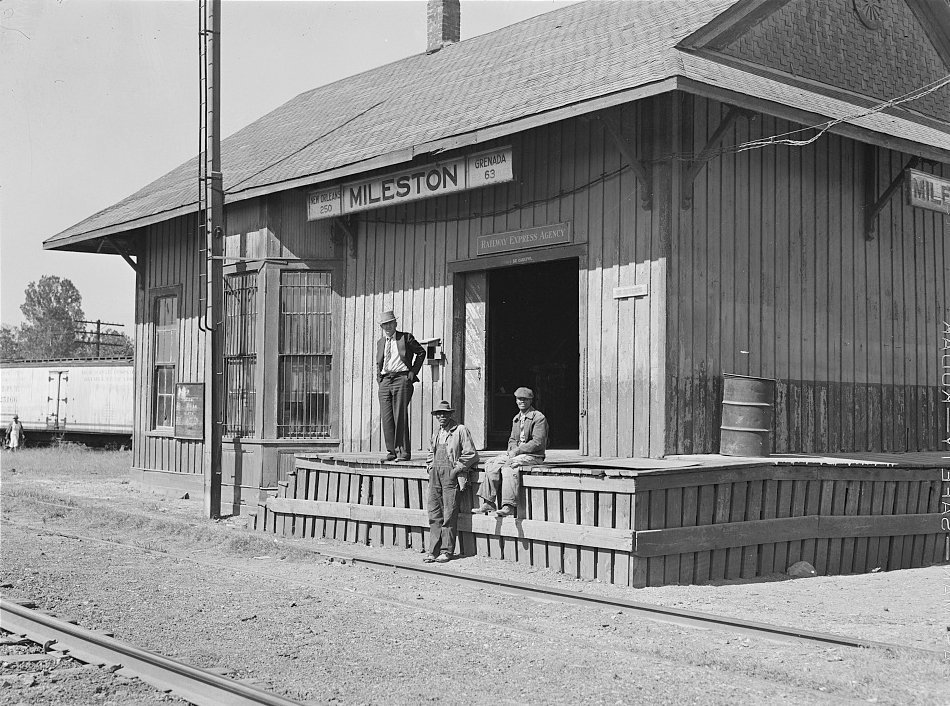
This is a route with a soundtrack in its name. The City of New Orleans is a long-distance passenger train operated by Amtrak in the Central United States between Chicago and New Orleans. The overnight train takes about 19 and a half hours to complete its 934-mile route, making major stops in Champaign-Urbana, Carbondale, Memphis, and Jackson.
The City of New Orleans was first initiated by the Illinois Central Railroad in 1947 as the daytime complement to the Panama Limited, a night train dating back to 1911. The Mississippi Delta corridor you travel through is soaked in American music history. Memphis, where the blues was born and rock and roll took its first breaths. Jackson, with its powerful Civil Rights legacy. And finally New Orleans, a city unlike anywhere else on earth.
The City of New Orleans is the only Amtrak train to serve Tennessee. That makes it an irreplaceable lifeline for communities along the route that have few other transportation options. Riding overnight, watching the deep South slowly slide past in the darkness, arriving at dawn to the sound of jazz drifting through Union Passenger Terminal – it’s one of those travel experiences that stays with you for years.
6. The Southwest Chief: Chicago to Los Angeles
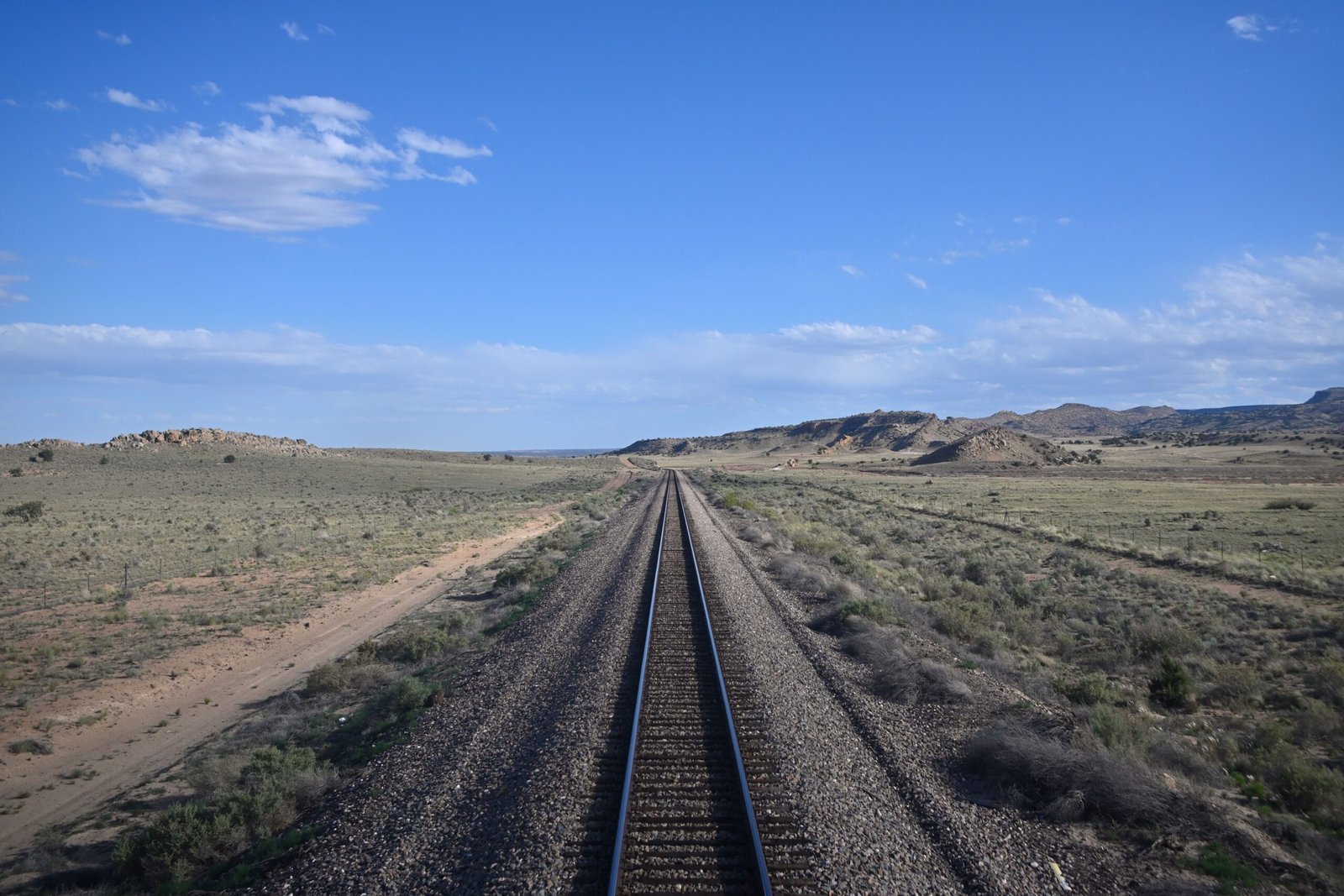
Few routes carry the mythic weight of the old Santa Fe Trail the way the Southwest Chief does. The journey goes on an adventure from Chicago to Los Angeles across the vast expanse of the fabled West, known as the “Train of the Stars,” following in the footsteps of celebrities enjoying the natural beauty on this memorable journey.
The train cuts through Kansas, where the prairies seem to go on forever, then into New Mexico and Arizona – land of ancient Pueblo cultures, Spanish colonial missions, and some of the most staggeringly beautiful desert terrain on the continent. Passengers pass through Albuquerque, the oldest city on any Amtrak route, founded in 1706 by Spanish colonists. The Painted Desert and the vast expanse of the Navajo Nation unroll outside the windows in spectacular silence.
Some of Amtrak’s most storied long-distance routes – like the Southwest Chief – anchor many of the most celebrated rail itineraries, carrying travelers through the Rockies, along the Pacific, across the Great Plains, and deep into Delta country. On the Southwest Chief, the American West doesn’t feel like a postcard. It feels alive, ancient, and deeply real.
7. The Durango & Silverton Narrow Gauge Railroad: Colorado’s Living Time Machine
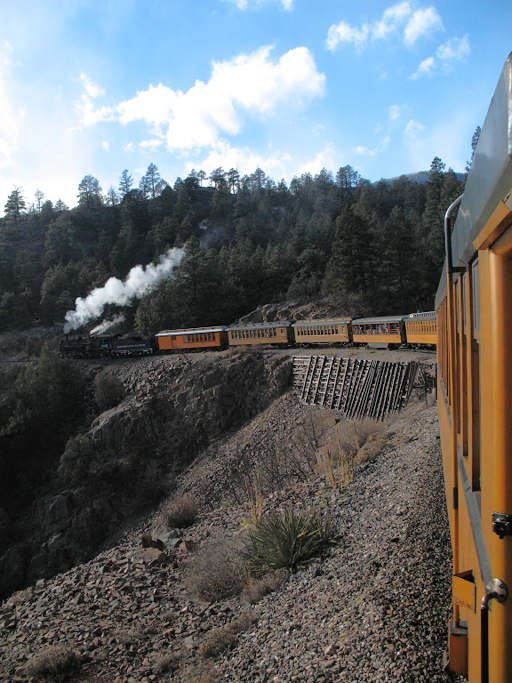
Let’s be real – not every great American train journey is about getting somewhere fast. Sometimes the point is to step directly back into 1882. The Durango & Silverton Narrow Gauge Railroad is a 3-foot narrow-gauge heritage railroad that operates on 45.2 miles of track between Durango and Silverton in the U.S. state of Colorado.
The route was originally opened in 1882 by the Denver and Rio Grande Railroad to transport silver and gold ore mined from the San Juan Mountains. The labor crew, made up of mostly Chinese and Irish immigrants, were paid $2.25 per day. That uncomfortable history is part of what makes this journey so powerful. The track was literally carved out of canyon walls by the hands of underpaid immigrant laborers.
The Durango & Silverton Narrow Gauge Railroad, in continuous operation since 1882, makes its way 45.4 miles from Durango to Silverton through the backcountry of the San Juan Mountains. A National Historic Landmark, the three-foot narrow-gauge coal-fired, steam-powered railroad winds through breathtaking scenery along the same tracks that miners, cowboys, and settlers of the Old West took over a century ago.
To build the railroad through the Animas Canyon to Silverton, workers had to blast a shelf in the canyon wall high above the river. The shelf above the Animas River, known as the Highline, has been a favorite spot for photographs of the train since its earliest years. Seeing it in person is breathtaking in a way no photograph fully captures.
8. The Grand Canyon Railway: Williams, Arizona to the South Rim
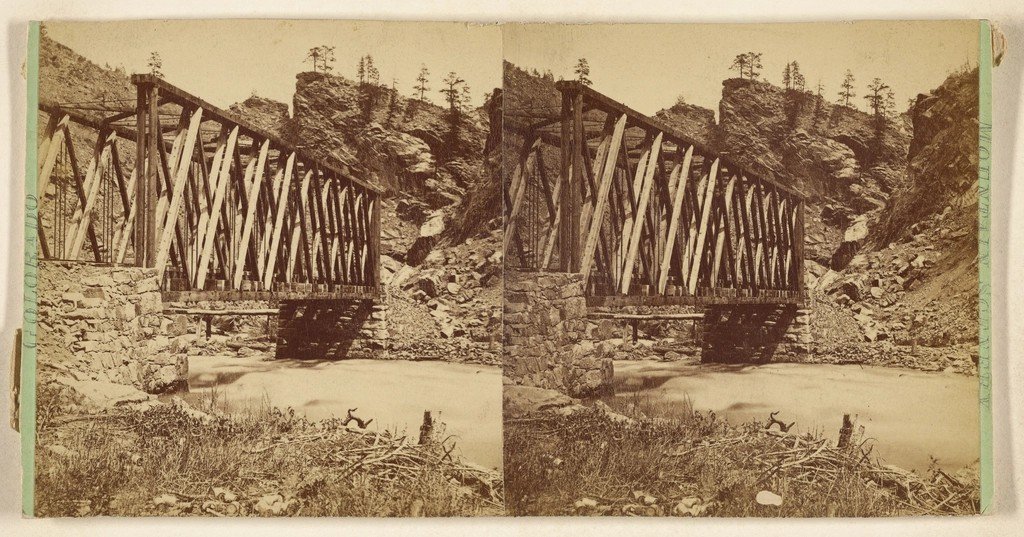
There is something undeniably theatrical about arriving at one of the world’s great natural wonders by steam train. On the Grand Canyon Railway, you depart from Williams, Arizona, and roll through pine forests and prairies, catching glimpses of pronghorn and bald eagles before arriving at the epic South Rim.
The Grand Canyon Railway offers one of the best U.S. train trips, journeying from Williams, Arizona, to the South Rim of the Grand Canyon. With operations starting in 1901, the Grand Canyon Railway has a rich history, playing a crucial role in the early tourism development of the Grand Canyon. Think about that. Tourists were arriving here by train before cars were even common.
All of the historic cars of the Grand Canyon Railway have fascinating former lives, and some have glass-dome ceilings that provide unstoppable panoramas. Riders can experience the Old West with musicians, cowboys, and entertainers on board providing a lively atmosphere reminiscent of the past. It’s part history lesson, part theater, and entirely unforgettable.
9. The Lake Shore Limited: New York to Chicago
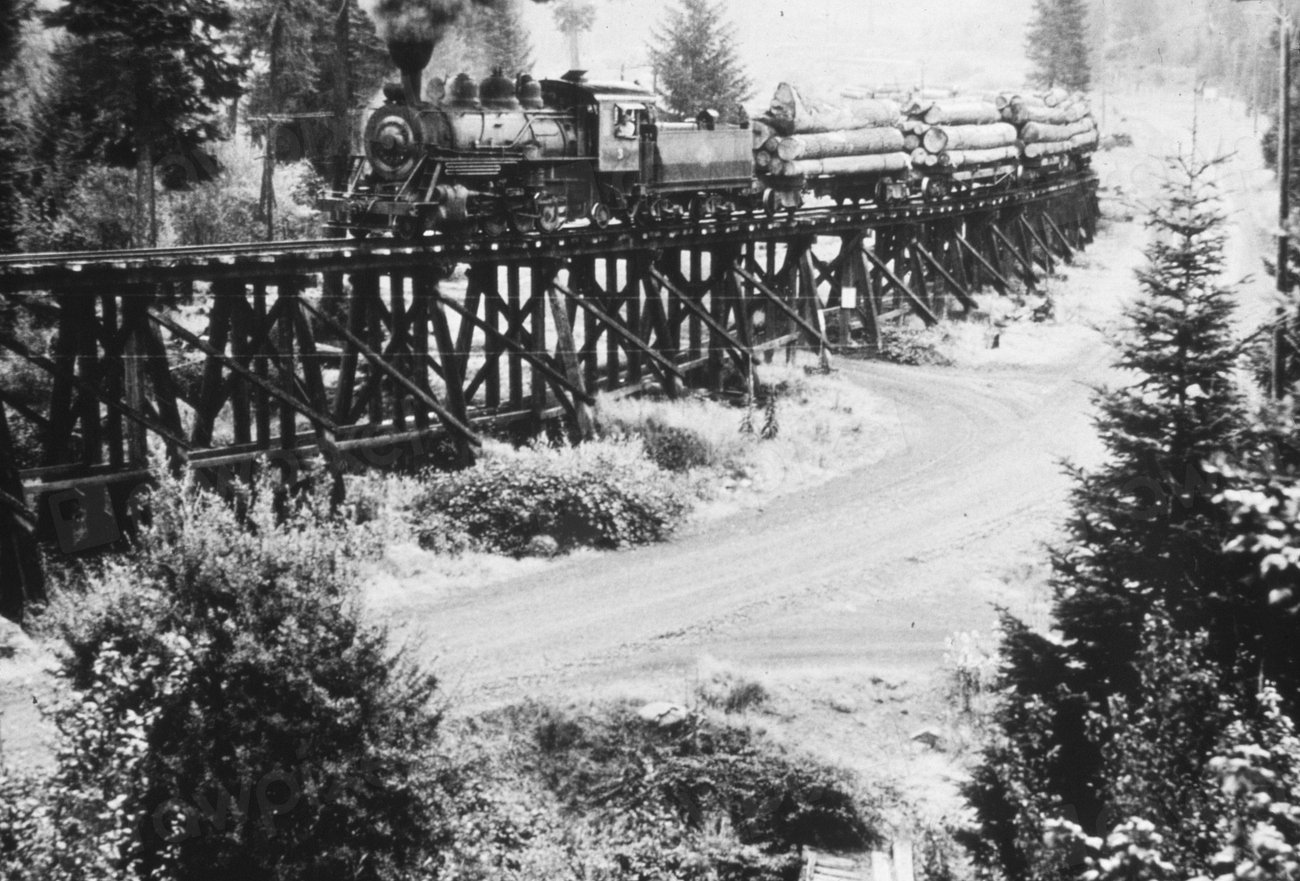
If you want to understand how the East was built, ride this train. The Lake Shore Limited traces the ancient corridor between New York and Chicago, hugging the southern shores of Lakes Erie and Ontario for hundreds of miles, passing through industrial cities that once powered the American economy and now wear their complicated histories like visible scars and badges of honor.
The route passes through Albany, Buffalo, Cleveland, and Toledo before arriving in Chicago. This corridor was once the beating heart of American manufacturing. Steel mills, port cities, immigrant neighborhoods – layers of history stacked on top of each other like geological sediment. Traveling through the Allegheny Mountains and the beautiful Potomac Valley, this flagship service also covers such destinations as Cleveland and Pittsburgh.
The year 2026 marks 250 years since the signing of the Declaration of Independence, and new collections of rail journeys offer travelers an easy way to explore the places and stories that shaped the country. Riding the Lake Shore Limited today, you pass through communities that tell both the triumph and the tragedy of American industrialization. It’s not always comfortable viewing. It’s always important.
10. The Verde Canyon Railroad: Arizona’s Hidden Canyon
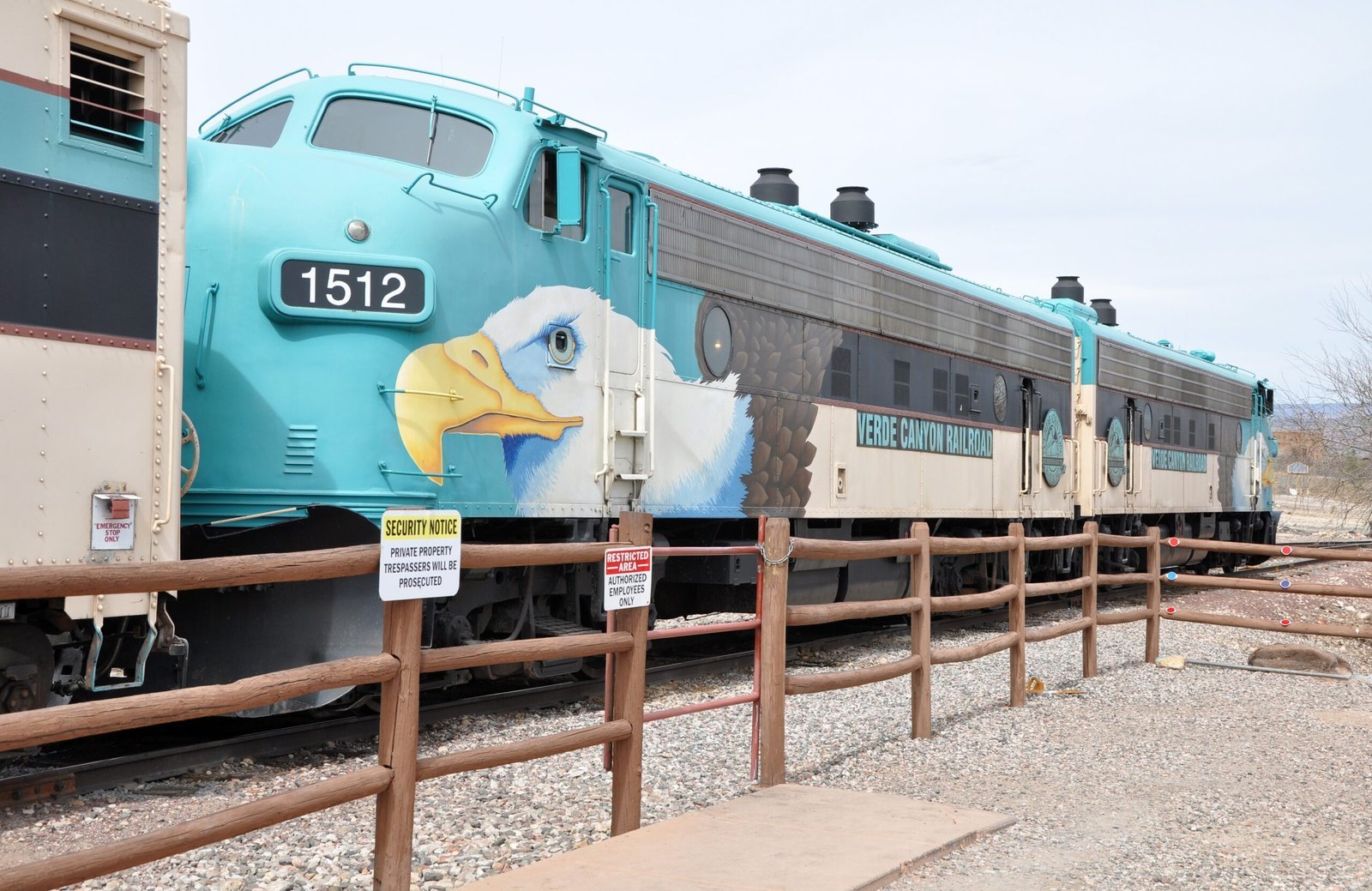
Most people have never heard of this one. That’s a shame. Take the Verde Canyon Railroad and experience Arizona’s “other Grand Canyon.” From your open-air passenger car, marvel at the picturesque red rock pinnacles and Indian ruins as you follow the 40-mile route along the wild and scenic Verde River.
You can scan for wildlife along the way, like the eagles that spend their winters in the area. The Verde Canyon corridor is one of the last unspoiled riparian habitats in the American Southwest. The train winds through terrain that cannot be accessed by road, which means you’re seeing something genuinely wild and genuinely rare.
The canyon itself is rich in Native American history. Ancient ruins and petroglyphs dot the red rock walls, remnants of peoples who lived and thrived here long before European contact. Riding through at sunset, with the canyon walls turning every shade of amber and crimson, feels like witnessing something ancient and still very much alive. It’s hard to say for sure, but this might be one of the most underrated train experiences in the entire country.
11. The Alaska Railroad: Fairbanks to Seward
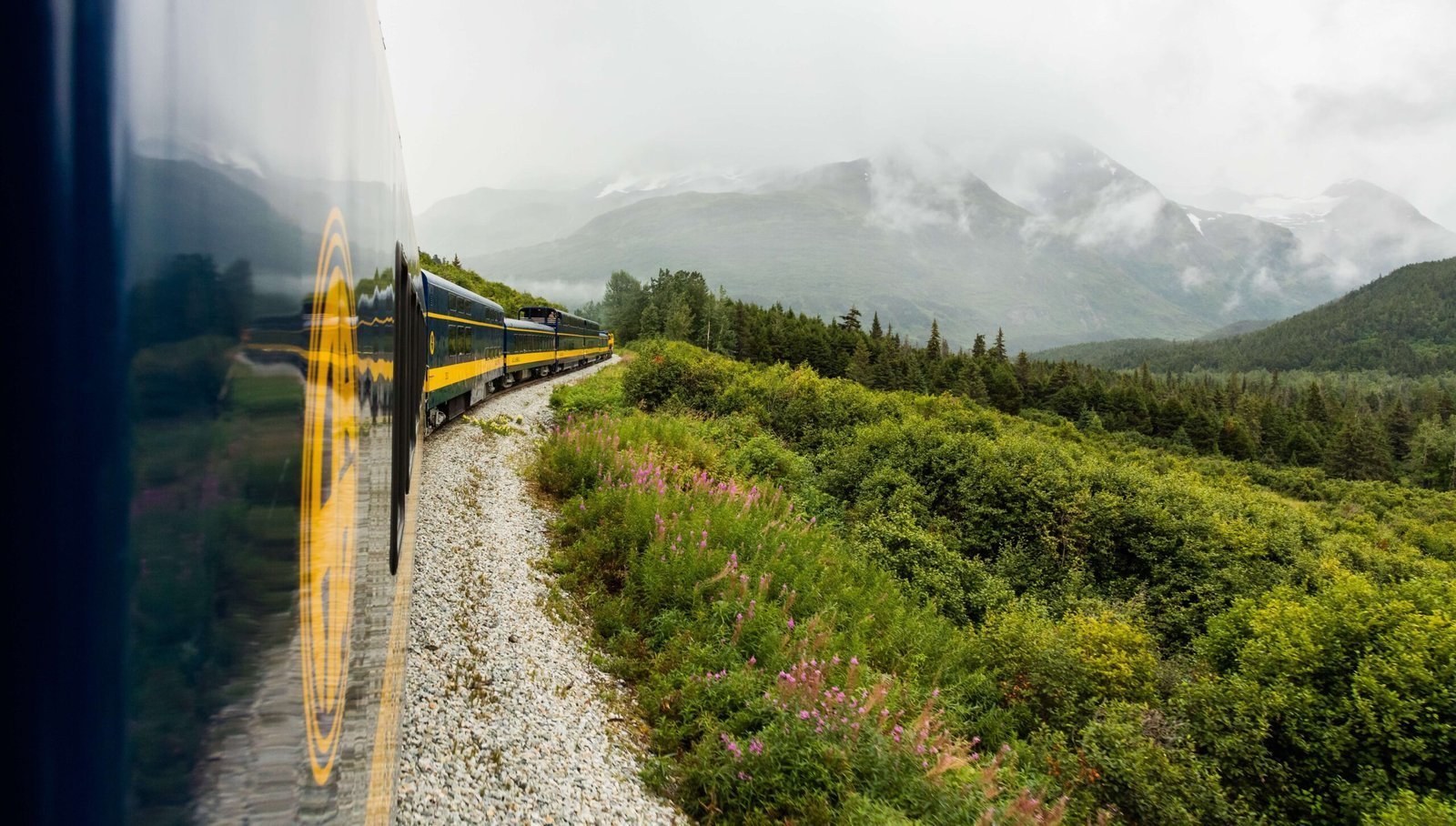
We end at the edges of everything – in Alaska, where the wilderness is on a scale that defies comprehension. This 350-mile stretch through the heart of Alaska highlights the state’s beautiful, rugged wilderness. Between the birch forests, rushing rivers, caribou and bear spotting, and a stint through Denali National Park, there’s a reason this is the Alaska Railroad’s flagship sojourn.
If you can swing it, splurge on a GoldStar upgrade and take in the spectacular scenery from an outdoor, upper-level viewing platform, with absolutely nothing between you and the wild. Best of all, of course, are the stunning vistas of Denali, the tallest mountain in North America.
The Alaska Railroad is itself a remarkable piece of American history. Built in the early 20th century to open up Alaska’s interior, it was constructed through some of the most remote and punishing terrain on earth. Today it remains a vital lifeline for isolated communities, and passengers share their cars with locals carrying supplies, hunters heading into the backcountry, and researchers studying the fragile subarctic ecosystem. It’s not just a scenic train. It’s a living piece of American frontier history, still functioning exactly as it was intended.
The Tracks That Built a Nation
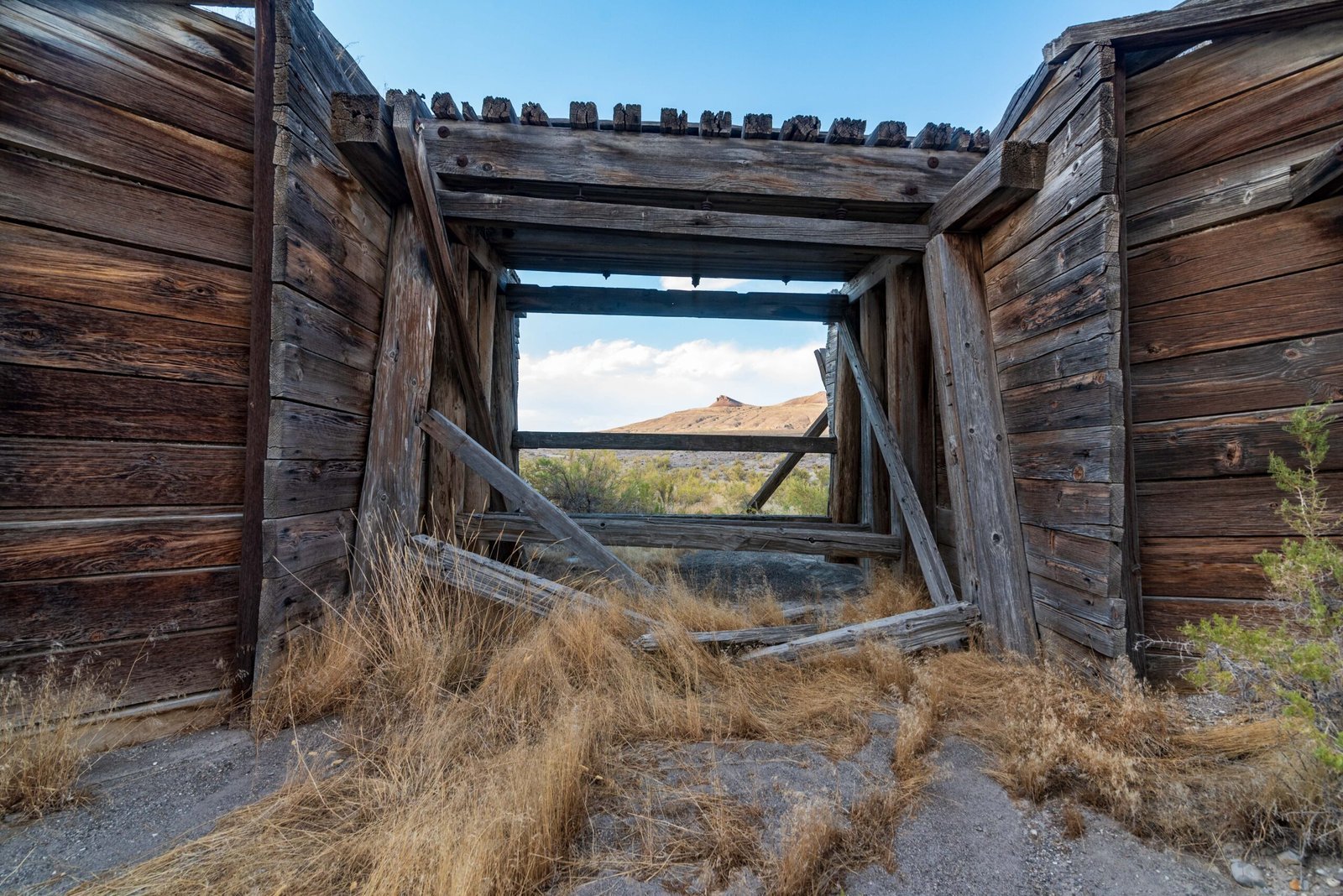
Train travel asks something of you that flying simply doesn’t. It asks you to slow down. To look. To sit with the vastness of a country that, even after 250 years, remains genuinely astonishing in its scale and variety. Railways made it possible to carry goods and freight across the country and gave those with adventurous spirits access to the North American frontier. Those previously landlocked in rural mountain towns now had access to a whole new world.
Every route on this list is a chapter in that story. Some chapters are triumphant. Some are painful. All of them are true. The Zephyr crossing Donner Pass, where survival and tragedy were measured in winter snowfall. The Durango line built on immigrant labor for $2.25 a day. The City of New Orleans rolling through a Delta that gave the world its most extraordinary music.
In total, more than three dozen destinations appear across America’s greatest rail itineraries, from major metros like New York, Los Angeles, Chicago, and San Francisco to early settlements like Boston, Philadelphia, and Florida’s St. Augustine. The rails connect all of it. The question isn’t whether these journeys are worth taking. The question is: which one will you board first?
CEO-Co-Founder
