

- 10 One-Hit Wonders That Secretly Made Millions. - August 18, 2026
- Great Literature Offers Profound Insights Into the Human Condition, Unchanged by Time. - August 18, 2026
- The Evolution of Pop Culture Reveals a Fascinating, Often Unpredictable, Human Journey - August 18, 2026
Some records don’t just get played – they get lived in. They reshape how you hear everything that comes after. Honestly, there are albums out there that feel less like a collection of songs and more like a complete emotional universe, one you step into and come out changed. The question isn’t really whether you’ve heard of them. It’s whether you’ve actually sat down, pressed play, and let them work on you.
This list isn’t about chart curiosity or music trivia. It’s about the records that critics, musicians, and entire generations keep returning to – decade after decade – for good reason. Be prepared to discover something you didn’t expect.
1. Marvin Gaye – What’s Going On (1971)
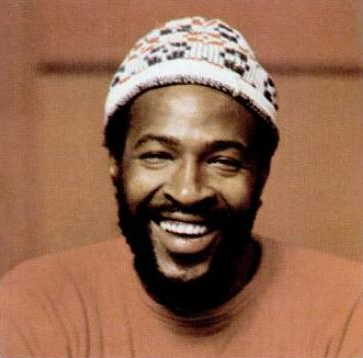
If there is one album on this list that can legitimately claim the title of the greatest ever made, this is probably it. Rolling Stone magazine ranks it the number one album of all time. The result of Gaye’s personal and artistic reassessment, “What’s Going On” has been called a concept album or song cycle based on the interrelation of each of its nine songs, both musically and lyrically, with songs flowing uninterrupted from one to the next.
While the album’s melodies are as smooth as Gaye’s velvety vocals, what made it stand apart was its eagerness to take on socio-political issues, highly unusual for the Motown label which tended to favor dance tunes. The result was the best-selling Motown record ever, a triumph of both art-as-commerce and art-over-commerce.
2. Michael Jackson – Thriller (1982)
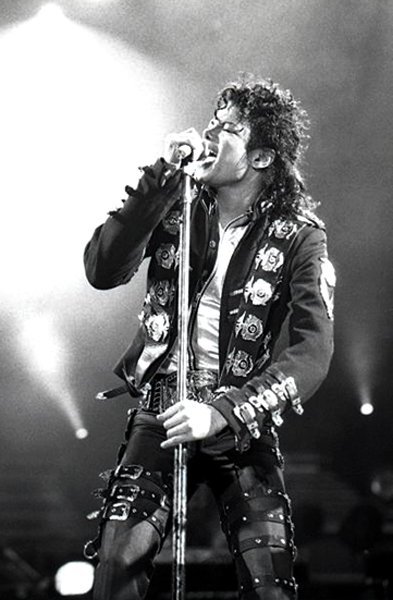
There are best-selling albums. Then there is Thriller. It exists in a category entirely its own. Thriller spent 37 nonconsecutive weeks at number one on the Billboard 200 and was the first album to generate a record seven top-ten singles on the Billboard Hot 100 chart.
On December 16, 2015, Thriller became the first album to be certified 30x platinum by the Recording Industry Association of America, for shipments of at least 30 million units in the US alone. In 2024, Time magazine described Thriller as “a towering pillar of American culture” and “the gold standard to which all pop artists aspire in its beloved omnipresence.” Numbers this staggering stop feeling like statistics and start feeling like mythology.
3. Nirvana – Nevermind (1991)
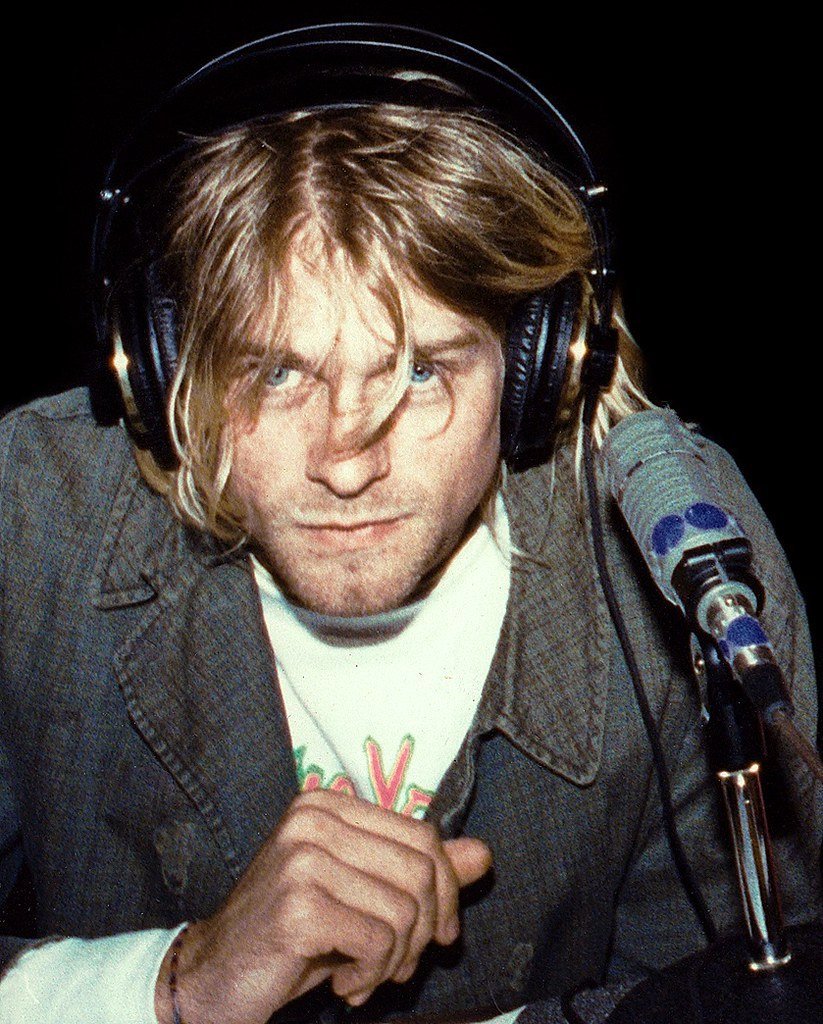
Nevermind hit the music world like a freight train nobody saw coming. Despite low commercial expectations by the band and its record label, Nevermind became a surprise success in late 1991, largely due to the popularity of its first single, “Smells Like Teen Spirit,” and by January 1992, it had replaced Michael Jackson’s album Dangerous at number one on the Billboard 200.
The RIAA has certified the album Diamond, representing over 10 million copies shipped in the US, and the album has sold over 30 million copies worldwide. Nevermind was in part responsible for bringing alternative rock to a large mainstream audience and has been ranked highly on lists of the greatest albums of all time by publications such as Rolling Stone and Time. Few records have swung the cultural pendulum quite so hard, quite so fast.
4. Fleetwood Mac – Rumours (1977)
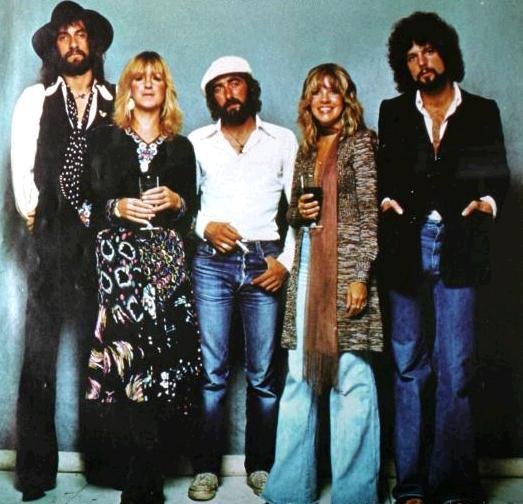
Here’s the thing about Rumours: it is one of the most emotionally raw albums ever recorded, and it was made by people who were barely on speaking terms. The Fleetwood Mac band members were going through divorces and breakups while recording this album, yet despite this chaos, they created one of the most cohesive records ever made, with pristine three-part vocal harmonies between Lindsey Buckingham, Stevie Nicks, and Christine McVie setting new standards.
The album has sold over 40 million copies worldwide, making it one of the best-selling albums ever. As of April 2025, it had logged 989 cumulative weeks on the Billboard 200, which is more than 19 years in total. That is not a chart run. That is a permanent residence.
5. The Beatles – Sgt. Pepper’s Lonely Hearts Club Band (1967)
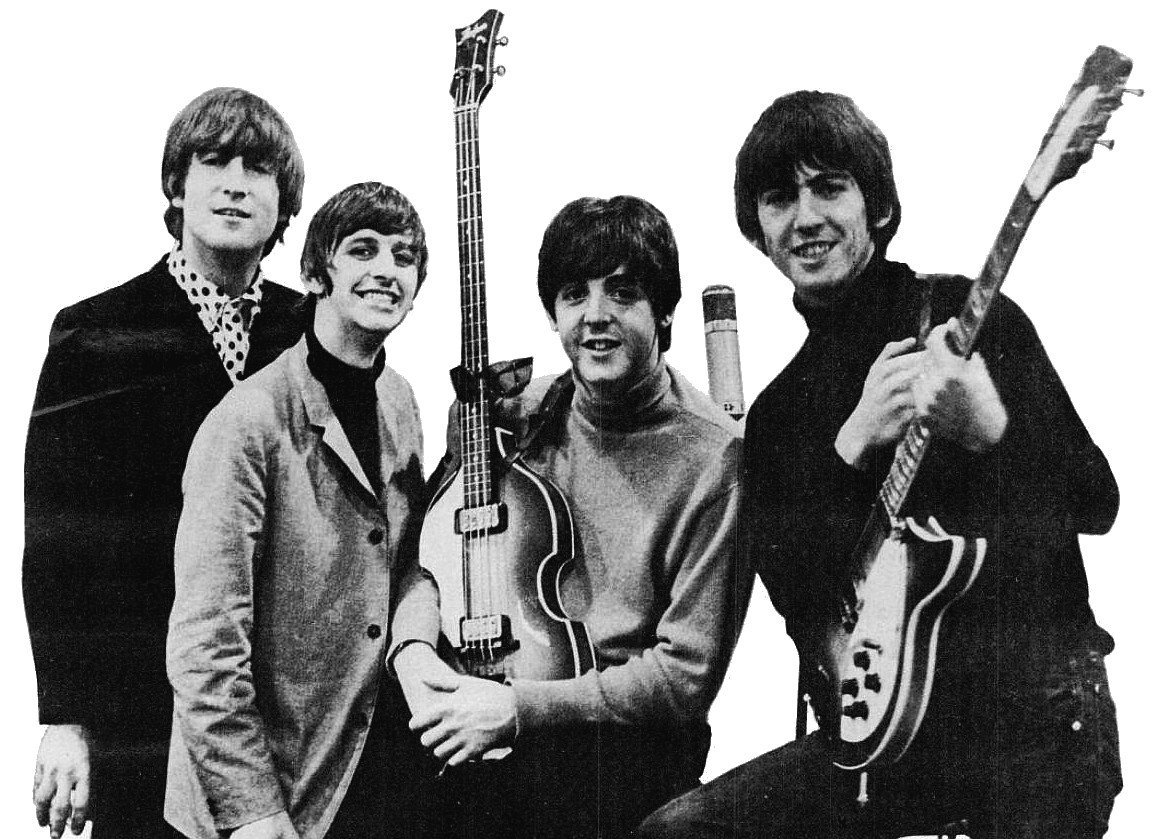
Before Sgt. Pepper’s, pop music made hit singles. After it, pop music made statements. The Beatles’ 1967 album Sgt. Pepper’s Lonely Hearts Club Band topped the original Rolling Stone 500 Greatest Albums list, with Rolling Stone’s editors describing it as “the most important rock ‘n’ roll album ever made.” Think of it like the moment cinema discovered it could tell stories that were bigger than the screen itself.
The album fused orchestral arrangements, studio experimentation, and conceptual ambition in ways that virtually no rock record had attempted before. Its influence on artists ranging from progressive rock bands to modern pop producers is, to this day, virtually impossible to overstate. I think it’s fair to say the entire idea of the “album as art form” starts here.
6. Miles Davis – Kind of Blue (1959)
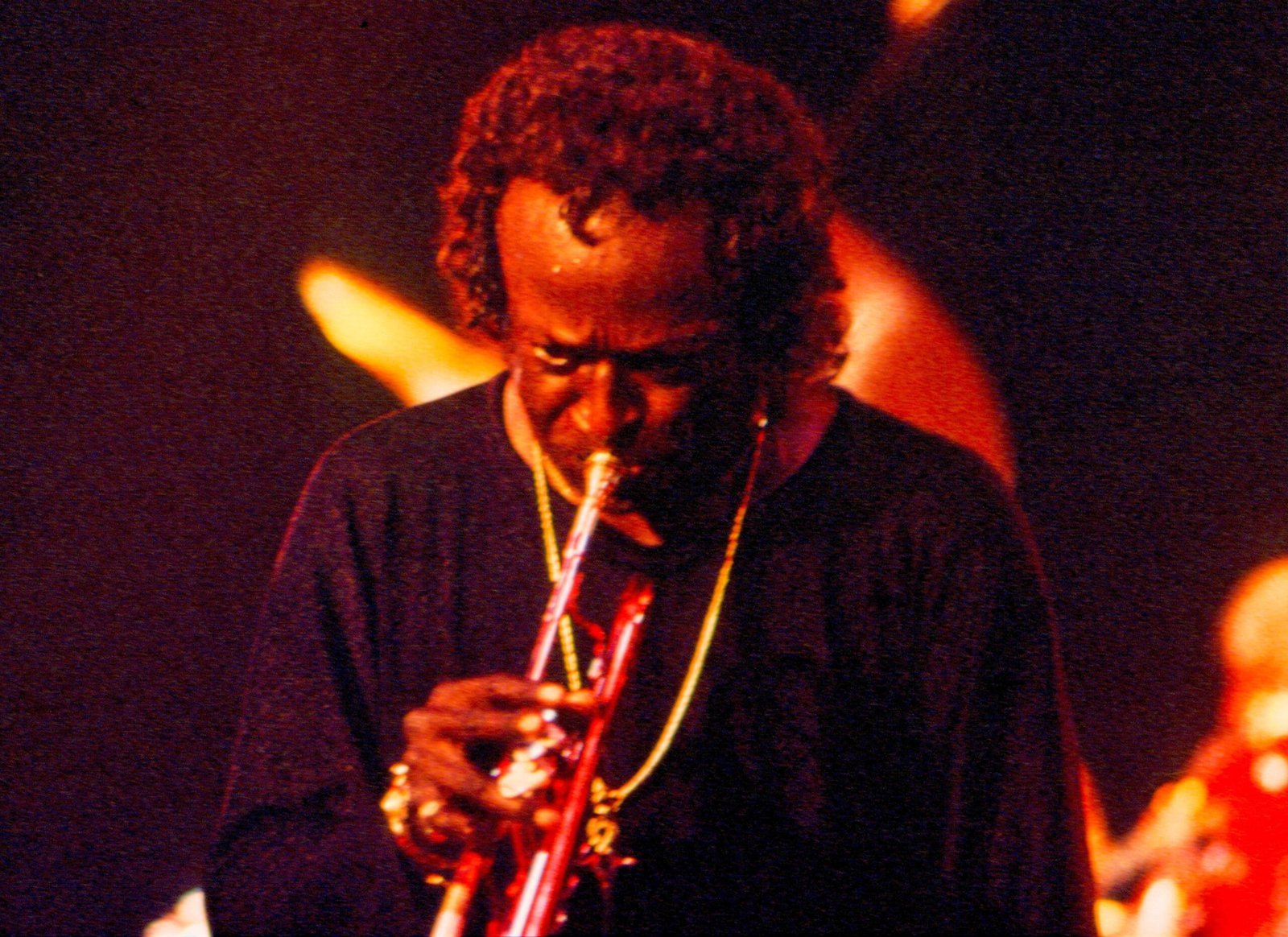
Kind of Blue is the kind of album that works equally well as background music for a dinner party and as a life-changing listening experience at three in the morning when the room is dark and quiet. Frequently cited as the greatest jazz record ever made, Kind of Blue introduced modal jazz improvisation, and was recorded with minimal takes and no overdubs.
Miles’ trumpet, Coltrane’s saxophone, and Bill Evans’ piano each kept their unique character, and the recording captures subtle details like breath sounds and saxophone key clicks, making the music feel entirely alive. Apple Music placed it among the 100 best albums of all time. It remains, more than six decades on, the best-selling jazz album in history. Some things simply endure.
7. Pink Floyd – The Dark Side of the Moon (1973)
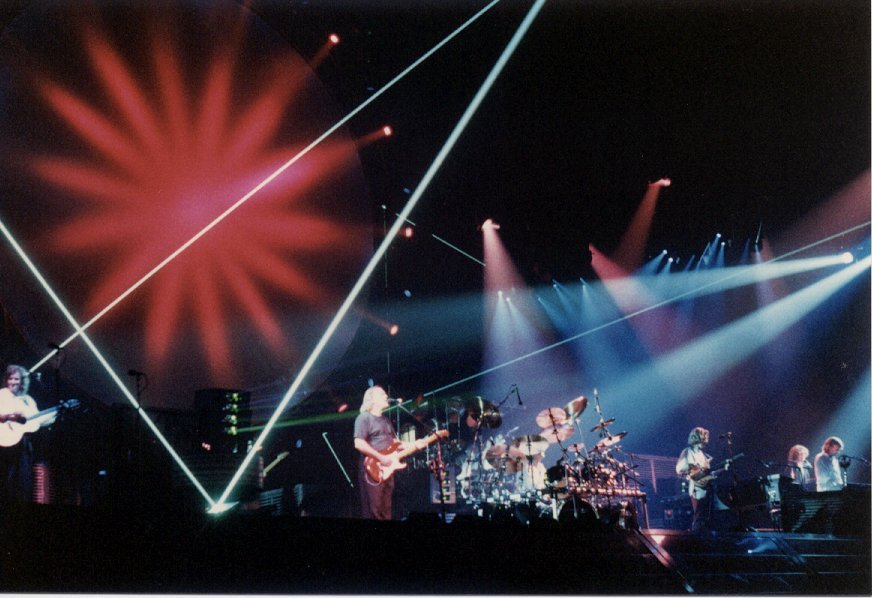
The statistics around this album are almost comical. The Dark Side of the Moon set a record by remaining on the Billboard album chart for 741 weeks from 1973 to 1988, has since reentered numerous times on the Top Pop Catalog Albums chart, and has sold about 45 million copies.
Recorded at Abbey Road Studios, this album turned anxiety, greed, mortality, and madness into something deeply listenable. It’s a record that rewards every single replay differently depending on where you are in life. Rolling Stone has consistently placed it among the top ten albums ever made. It’s hard to argue with that. It’s genuinely one of those records that sounds like it was beamed in from somewhere more advanced than 1973.
8. Joni Mitchell – Blue (1971)
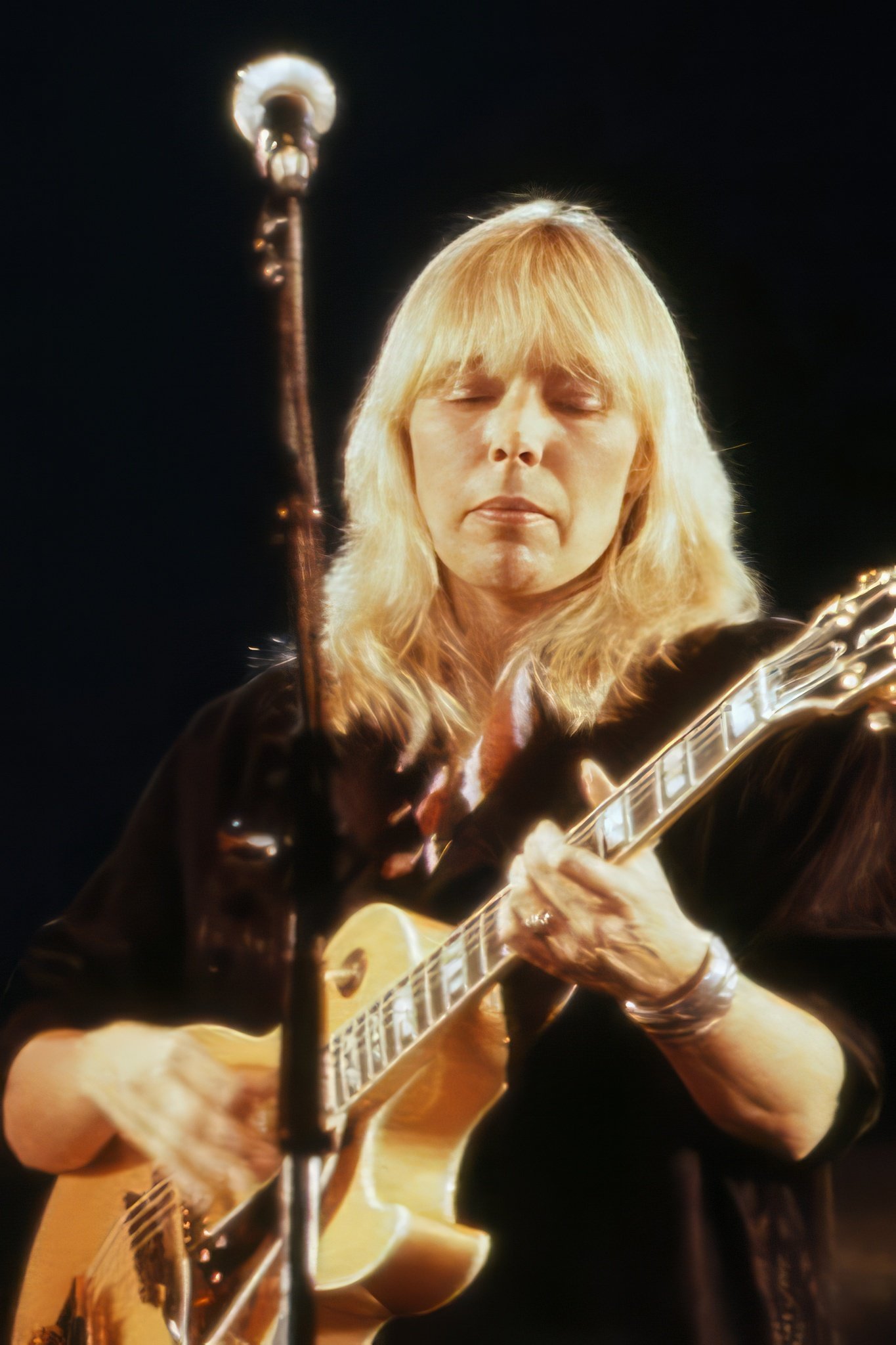
Blue is not a comfortable listen. It was never meant to be. Released in 1971, it is widely considered one of the most nakedly confessional singer-songwriter albums in history, written with a level of emotional honesty that made many of Mitchell’s contemporaries deeply uncomfortable. Apple Music ranked it number 17 on their 100 Best Albums of All Time list.
Rolling Stone placed Blue at number three on their updated 500 Greatest Albums list. Mitchell wrote, played, and arranged most of the album herself, stripping production down to nearly nothing so that only the raw emotional weight of the writing remained. It’s an album that makes you feel like you’re reading someone’s private journal – except the journal is also the most beautiful piece of music you’ve ever heard.
9. The Miseducation of Lauryn Hill (1998)
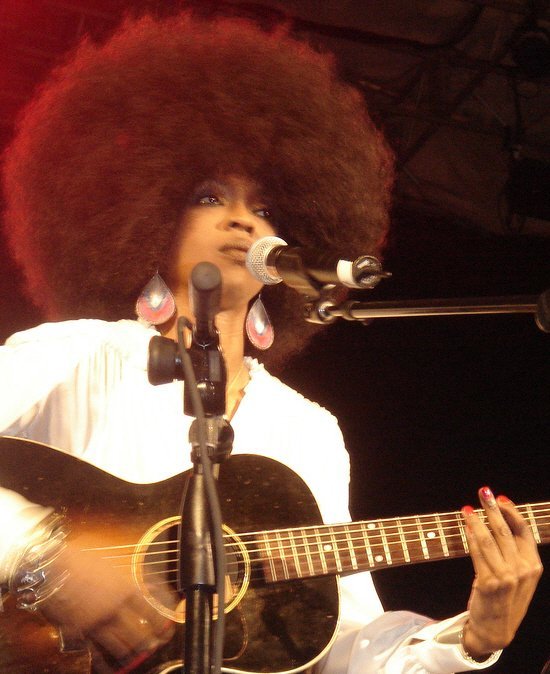
No debut album in recent memory has arrived with this level of cultural force and simply refused to leave. The Miseducation of Lauryn Hill was both a critical and commercial success, debuting at number one on the Billboard 200 chart with more than 422,000 sales in its first week. It also earned Hill 10 Grammy nominations and five wins, including Album of the Year, Best R&B Album, and Best Female R&B Vocal Performance.
More than 20 years after its release, The Miseducation of Lauryn Hill reached Diamond status, with the RIAA confirming it had sold more than 10 million units. Apple Music placed it at the very top of their 100 Best Albums of All Time list. For an album that blended hip-hop, soul, reggae, and gospel into a seamless, personal statement, that ranking feels more than justified.
10. Radiohead – OK Computer (1997)
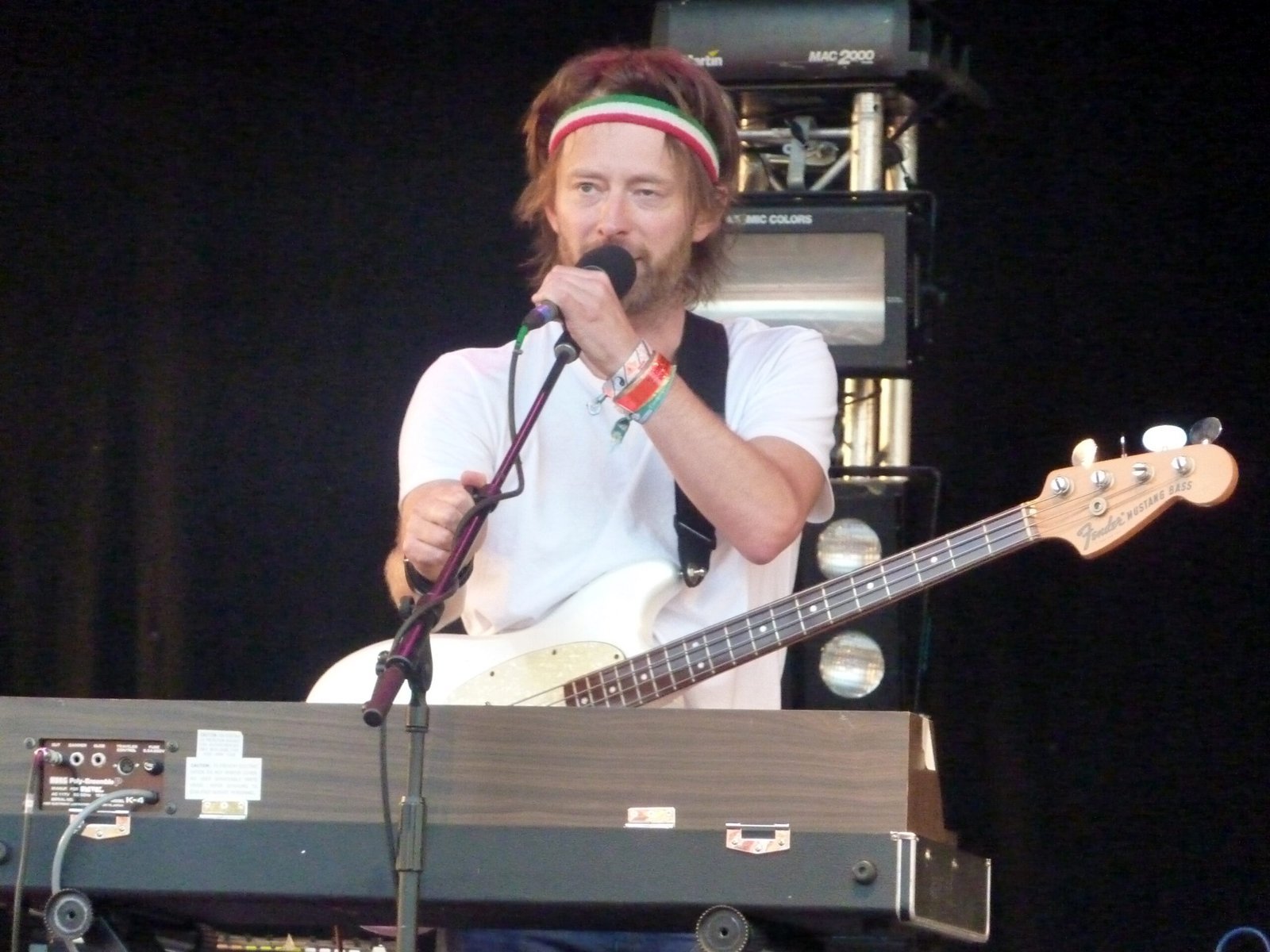
OK Computer arrived like a distress signal from a future nobody wanted to admit was coming. Released in 1997, it captured the alienation, paranoia, and technological anxiety of modern life so precisely that it sounds, if anything, more relevant today than it did then. Apple Music ranked it number 13 on their 100 Best Albums of All Time list.
Rolling Stone has long placed it in the upper tier of their 500 Greatest Albums list, and music journalists have consistently cited it as the defining alternative rock album of the late 1990s. It sold millions of copies worldwide and won the Grammy Award for Best Alternative Music Album in 1998. There is something almost eerie about a record this prescient: it felt like science fiction in 1997 and reads like a documentary in 2026.
A Final Thought
Lists like this are always going to spark arguments. Honestly, that’s part of the point. Music this important deserves to be debated, re-examined, and defended passionately. As Rolling Stone noted in their December 2023 update to the 500 Greatest Albums list, the music landscape keeps producing undeniable classics, and the 2020 list itself was the result of votes among more than 300 artists, writers, producers, and industry figures.
These ten albums aren’t just historically significant. They’re emotionally essential. Each one is a full human experience compressed into a record. You don’t simply listen to them – you live inside them, at least for a while.
So pull one up tonight. Turn it up. Which one would you put on first?
CEO-Co-Founder
