

- Classic Novels Hold Profound Insights That Remain Relevant for Today’s World - August 16, 2026
- The Golden Age of Festivals Was a Crucible of Unforgettable Artistic Expression. - August 16, 2026
- 10 Architects Whose Visionary Designs Redefined Modern Cityscapes - August 16, 2026
There is something almost mythological about the way people talk about 1980s music. It gets described with a reverence that borders on religion. The synthesizers, the big hair, the stadium anthems, the pop gods roaming the earth. But was it actually a golden age, or do we just remember it that way because nostalgia has a very flattering filter?
The answer, honestly, is complicated. The decade produced some genuinely world-changing cultural moments. It also produced some deeply questionable ones. So let’s dig into the real arguments, one by one, and see what actually holds up.
MTV Rewired Everything

Here is the thing: before August 1, 1981, if someone had offered to show you a “music video,” you might not have even known what that meant. When MTV launched, music videos were almost unknown. As one account of the channel’s early history notes, if you had said to someone in 1981 “Do you want to watch a music video?” the person would have said they didn’t know what you were talking about, because the phrase didn’t actually exist.
The MTV 24-hour cable music video channel began airing on August 1, 1981, and the record industry was forever changed from selling a primarily audio form of entertainment into one in which the visual element became as big of a draw as the music. Think about how seismic that was. Music had existed for centuries as something you heard. In the space of a few years, it became something you watched.
As MTV’s popularity and scope expanded, it began to effectively define popular culture and the music industry in an unprecedented manner. Popular music became more visual, and dancing styles and clothing styles became increasingly more important. It also helped break the color barrier for popular music on television. That last part often gets overlooked, but it matters enormously when assessing the decade’s real legacy.
The Birth of the Global Pop Icon
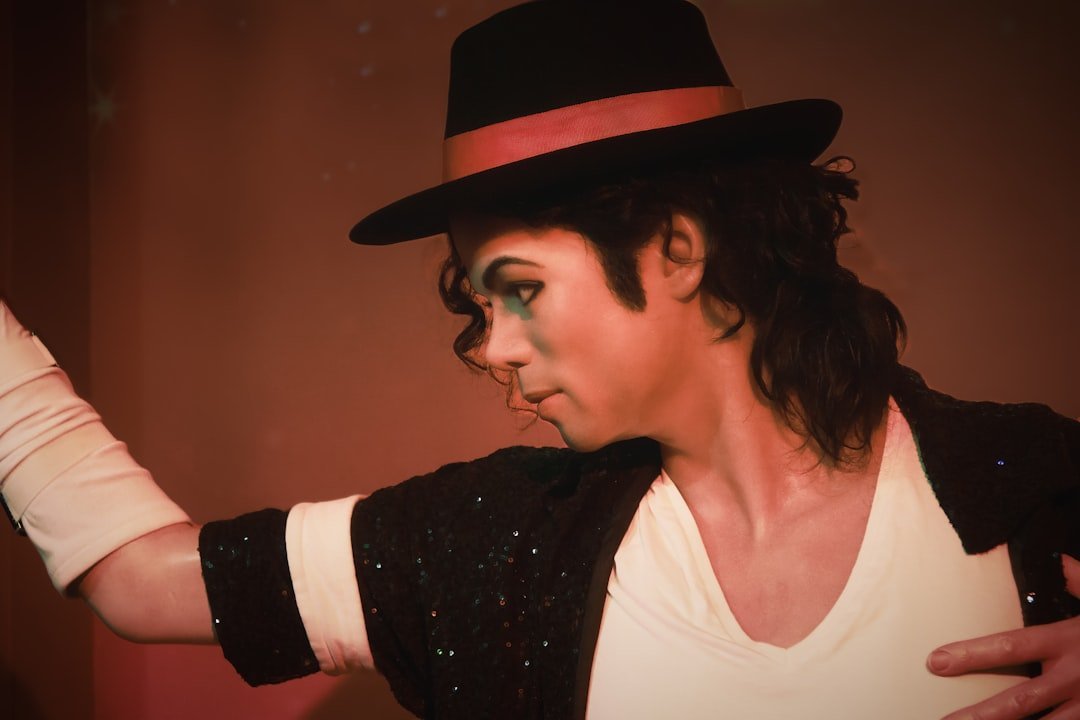
The MTV pop superstars of the 1980s helped propel the U.S. and British record industries to new levels of global success. The consolidated major record companies now had the capital to establish global distribution networks to fund this expansion. The urban dance style of Madonna, Michael Jackson, and Prince provided the globally accessible and visually alluring soundtrack to nearly worldwide commercial growth.
These weren’t just popular artists. They were phenomena. Michael Jackson’s “Thriller” video alone, as music journalism has long noted, wasn’t simply a promotional clip. MTV gave rise to music superstars like Madonna and Michael Jackson, whose innovative music videos left an indelible mark on popular culture. Jackson’s “Thriller,” for instance, wasn’t just a music video – it was a 14-minute short film that transformed music video production into high art.
MTV’s influence extended beyond music to fashion, advertising, and youth culture as a whole. The channel’s impact on fashion trends was particularly significant, with artists like Madonna, Michael Jackson, and Prince setting new standards for style and self-expression through their iconic music videos. Honestly, can you name another decade where three artists simultaneously redefined what it meant to be a global star? It is hard to argue with that kind of concentration of talent.
The Compact Disc Changed How We Heard Music

People forget just how revolutionary the compact disc was when it arrived. I know it sounds almost quaint now, but the CD felt like the future. On August 17, 1982, the world’s first compact disc – a copy of ABBA’s “The Visitors” – was produced at a Philips factory in Germany, marking the beginning of a new era for the music industry. No scratches, no hiss, no needle dragging across vinyl. It was genuinely shocking in the best possible way.
In 1988, 400 million CDs were manufactured by 50 pressing plants around the world. That figure tells you everything about how fast the format exploded. CDs started in 1983 as only about half a percent of recorded music sales, but they overtook LP sales by 1987 and then cassette sales in 1991. The ’80s were the decade where digital audio went from a laboratory curiosity to the standard.
Because of the supposed advantages of the futuristic new CD format, along with potentially longer running time, CDs could also be priced higher than vinyl albums. The twin stimuli of CDs and MTV helped resuscitate the record industry by 1983, though it was primarily the major labels who benefited. A rising tide lifted some boats more than others, it’s fair to say.
Stadium Rock Reached a New Scale
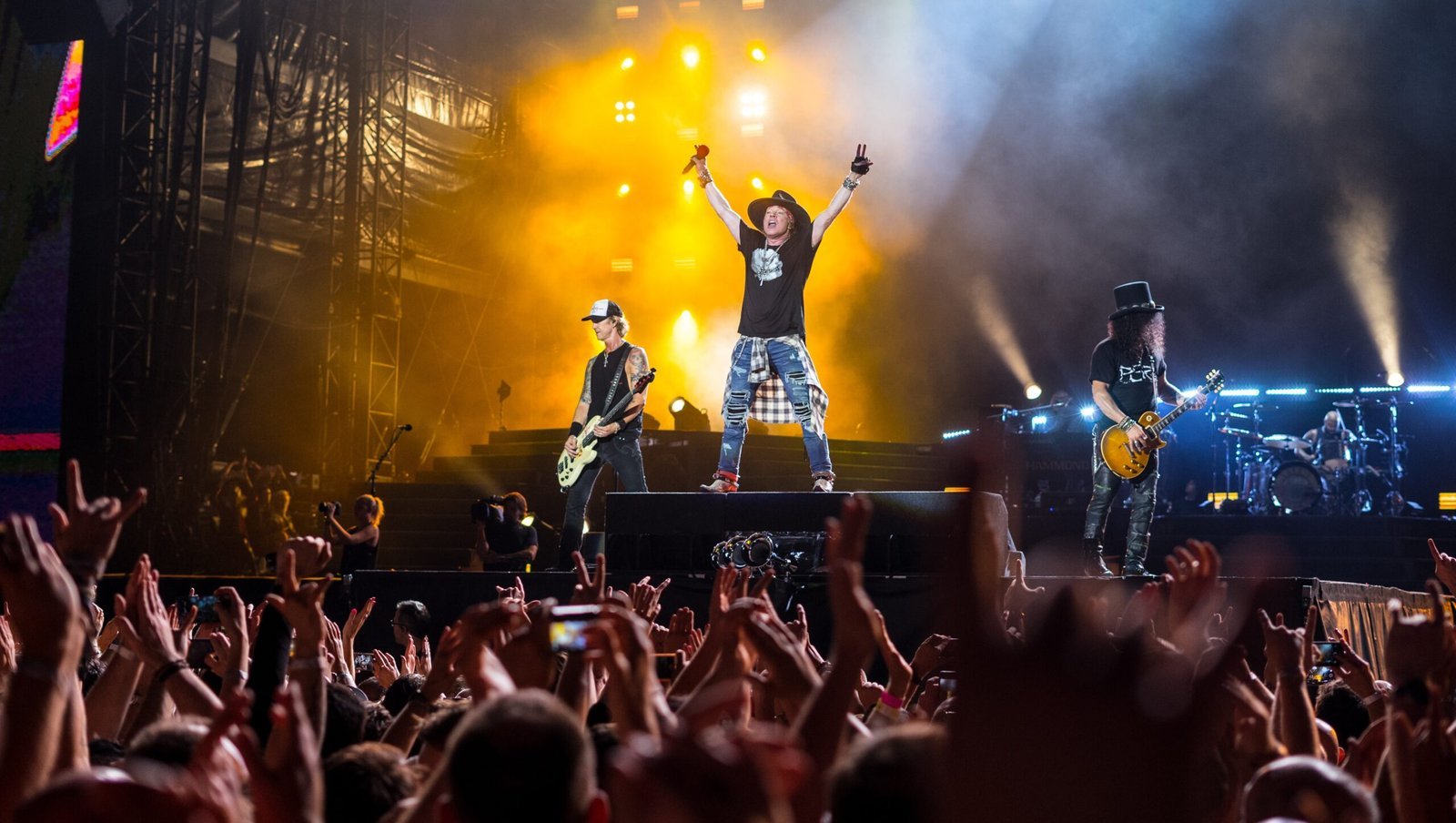
The 1980s didn’t just produce big music. It produced music that demanded enormous physical spaces to contain it. Stadium rock was not invented in the ’80s, but it was perfected there. Bon Jovi’s 1986 album “Slippery When Wet” sold over 20 million copies and included three Top 10 singles. Their follow-up album “New Jersey” in 1988 was also hugely successful, featuring five Top 10 singles, which was a record for a glam metal album. These were not modest, intimate achievements. These were acts built for arenas.
The sheer scale of these tours reshaped what the live music industry could be, setting a commercial template that still defines stadium touring today. Acts didn’t just play shows. They staged spectacles. Lighting rigs, pyrotechnics, massive screens – all of it became standard-issue in the 1980s, and the industry has never looked back.
Live Aid and the Power of Music as a Force for Good
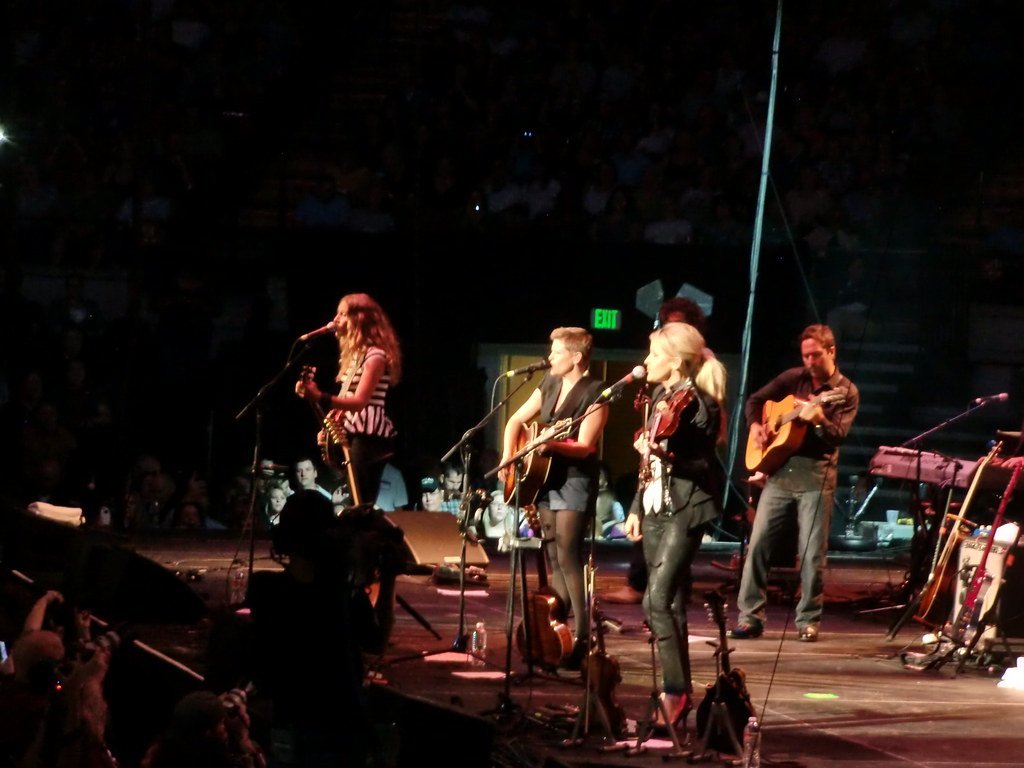
If you want a single moment that captures what made the ’80s feel genuinely extraordinary, it’s July 13, 1985. Live Aid unfolded as a dual concert held simultaneously at Wembley Stadium in London and John F. Kennedy Stadium in Philadelphia. It was a day that captivated millions, bringing together some of the biggest names in music and reaching a global audience of over 1.5 billion people across 150 countries.
Bob Geldof was able to book more than 50 of the music industry’s biggest names, including Queen, David Bowie, Elton John, Paul McCartney, The Who, Bob Dylan, U2, and Madonna. The sheer concentration of talent on a single bill, performing for free, was staggering. Queen’s 20-minute set at Wembley, led by the electrifying presence of Freddie Mercury, is often hailed as one of the greatest live performances in rock history. The band’s renditions of “Bohemian Rhapsody,” “Radio Ga Ga,” and “We Are the Champions” were delivered with unparalleled energy and charisma, galvanizing the crowd and creating a sense of unity that transcended the music.
Live Aid raised over $127 million for famine relief in Africa, and it also brought the issue of global poverty into the living rooms of millions. No other decade had a moment quite like this one. Music proving it could move the world, not just the dance floor.
Genre Diversity Was Genuinely Remarkable
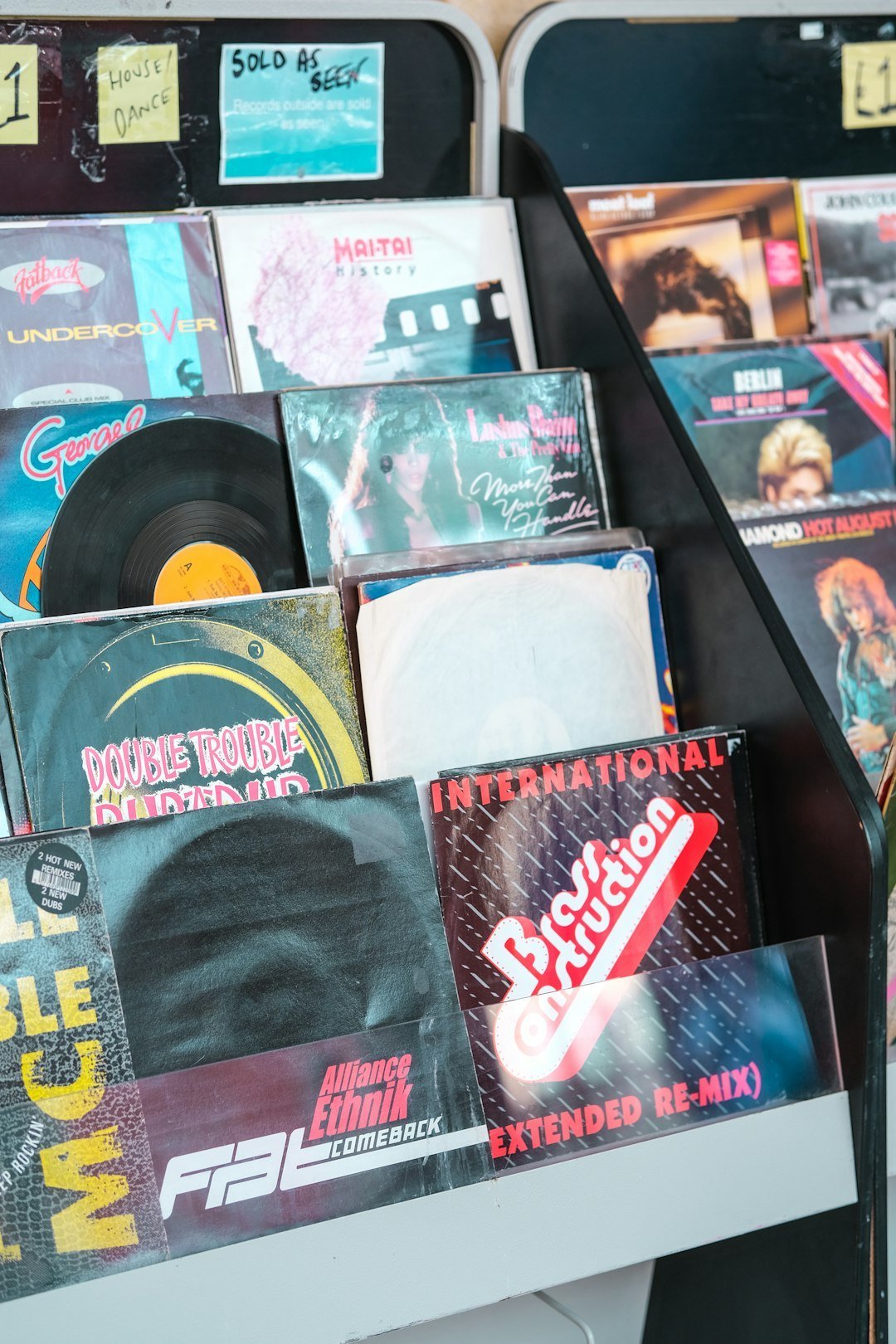
Let’s be real: the ’80s are often caricatured as the decade of synth-pop and hairspray. That’s unfair. In the editors’ own assessment at Rolling Stone, the decade spanned the Clash’s polyglot punk, Prince’s crossover funkadelica, Afro-bop from Talking Heads and Paul Simon, and hymns of innocence and experience by U2 and Tracy Chapman. That is not a narrow decade. That is a remarkably wide tent.
The Eighties were the decade of, among other things, synth pop, Michael Jackson, the compact disc, Sixties reunion tours, the Beastie Boys, and a lot more heavy metal. Heavy metal and hip-hop were both expanding dramatically at the same time that pop was reaching unprecedented commercial heights. That kind of simultaneous multi-genre explosion is genuinely rare in any single decade.
The Second British Invasion Changed American Radio
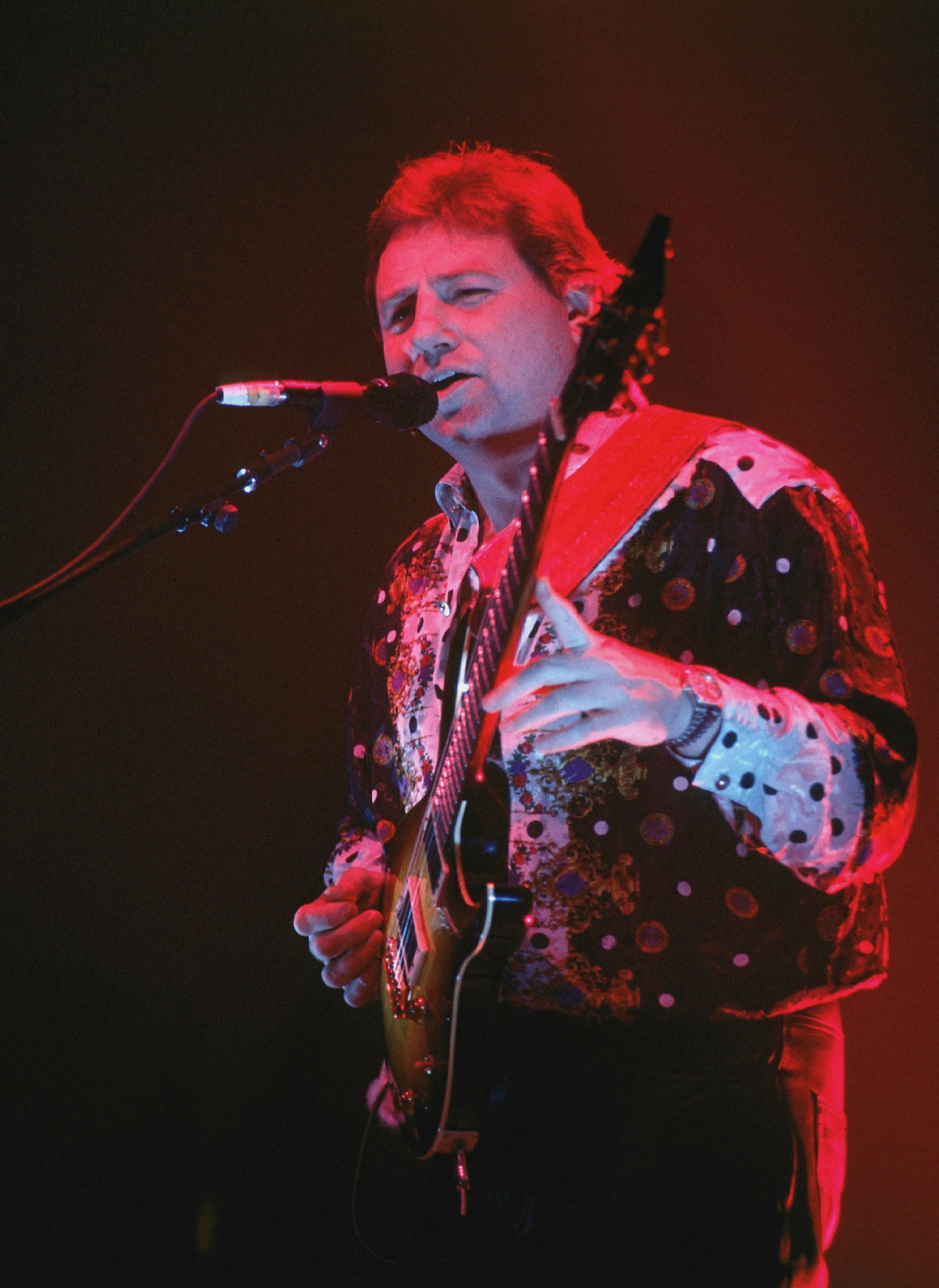
The British were coming again, and this time MTV let them in the front door. The Police became globally popular in the late 1970s and early 1980s and are generally regarded as one of the first new-wave groups to achieve mainstream success, playing a style of rock influenced by punk, reggae, and jazz. They are also considered one of the leaders of the Second British Invasion of the United States.
Duran Duran, Culture Club, Eurythmics, Wham!, The Cure – British acts flooded American charts in ways that hadn’t happened since the Beatles era. Cyndi Lauper, Mick Jagger, Pat Benatar and David Bowie were among the musicians featured in the channel’s 1982 “I Want My MTV” campaign, a campaign that helped establish the visual language of a whole new era of pop stardom. The transatlantic creative dialogue happening through MTV in those years was as culturally fertile as anything in pop history.
The Synth Revolution Rewrote the Rules of Production
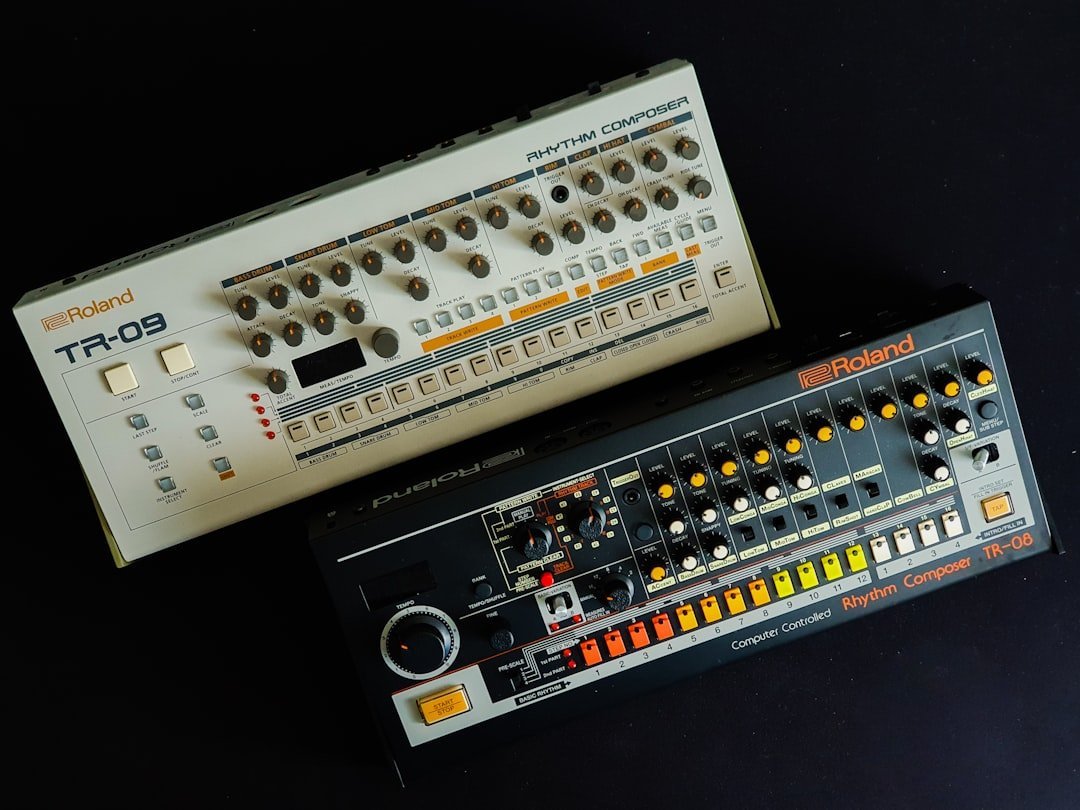
The technology transforming how music was recorded and produced in the ’80s was not limited to the CD. The synthesizer and the drum machine fundamentally changed what a “band” could sound like. You didn’t need a live drummer anymore. You didn’t even need to be in the same room as your collaborators. Producers like Trevor Horn and Quincy Jones turned albums into architectural projects.
The sound of the decade – that big, bright, slightly artificial sheen that you hear on records from this era – was largely the result of new digital recording technology arriving alongside powerful new synthesizers. It was controversial at the time. Purists hated it. In retrospect, it created one of the most immediately recognizable sonic signatures in pop music history, which is its own form of achievement.
The Nostalgia Economy Proves the ’80s Still Pull
Here is perhaps the most compelling modern argument in favor of the ’80s as a golden age: the present keeps borrowing from it. The Weeknd co-wrote and co-produced the synth-driven, 1980s-evoking hit that topped Billboard’s list of the greatest Hot 100 songs of the 21st century. That’s not a coincidence. Artists from Dua Lipa to The Weeknd have spent the early 2020s essentially building careers on carefully reconstructed ’80s aesthetics.
Music videos are still a vital part of an artist’s promotional strategy, and platforms like YouTube and Vevo owe a significant debt to MTV’s pioneering work. The influence of ’80s music videos can be seen in the visual styles and storytelling techniques used by contemporary artists. Many modern music videos pay homage to the iconic videos of the ’80s, drawing inspiration from their creativity and innovation. That debt is real, and it’s unpaid.
The Counterargument: Not Everyone Benefited

Still, it would be dishonest to close the case without noting the cracks. In its early years, MTV targeted an audience of mostly White suburban males, with music from a Rock industry made up of mostly White male performers. Michael Jackson was one of the musicians of color to be featured on MTV, and it took much longer for MTV to broadcast hip-hop and rap videos, thinking White audiences would be afraid of the aggressive lyrics. That was not a golden age for everyone simultaneously.
As one industry analysis put it, MTV worked for the record labels, not necessarily for music fans. The decade’s commercial boom benefited major labels enormously while it was primarily the major labels who benefited from back catalog CD reissues and the MTV superstars who sold millions of CDs. The typical recording musician saw little of that additional revenue. Prosperity in the music industry has never been equally distributed, and the ’80s were no exception.
The ’80s were probably not a pure golden age. They were something more interesting: a decade of genuine transformation, enormous commercial power, and cultural ambition, with all the contradictions that implies. The question worth sitting with is this: if the decade wasn’t truly golden, why does so much of what we make and love today still reach back for it?
CEO-Co-Founder
