

- 12 Iconic TV Commercials That Defined a Generation and Became Pop Culture Cornerstones - August 23, 2026
- Classic literature often reveals more about our society’s lost values than any history book. - August 23, 2026
- 15 Musical Instruments So Strange, You Won’t Believe They Exist (or How They Play). - August 23, 2026
There’s something oddly nostalgic about the smell of a school-assigned paperback. You know the one. Dog-eared corners, a classmate’s name scrawled inside the front cover, and the vague memory of a quiz you may or may not have studied for. These books shaped how millions of Americans think about morality, power, love, and justice – often without us even realizing it at the time.
Despite efforts to introduce texts offering a variety of points of view into American secondary English literature classrooms, the list of the most taught books remains largely unchanged from 35 years ago. Honestly, that’s a remarkable thing. Some of these titles have outlasted entire cultural revolutions. Here’s a look back at all twenty of them – and why each one earned its permanent spot on the syllabus. Let’s dive in.
1. Romeo and Juliet – William Shakespeare
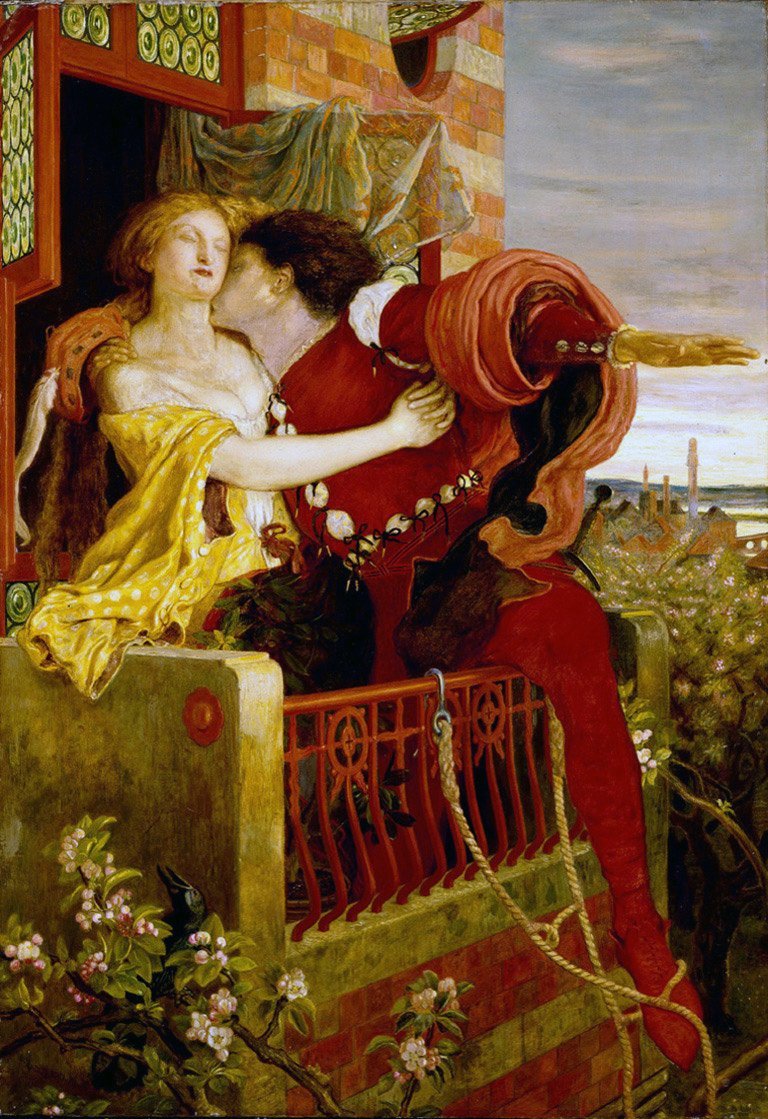
William Shakespeare’s “Romeo and Juliet” is the most taught text in American secondary schools, according to a nationwide NCTE survey. It’s almost a rite of passage – teenagers reading about teenagers doing reckless things in the name of love. The play endures not just because of its romance, but because of what it says about family loyalty, impulsive decisions, and the cost of feuding. Teachers have relied on it for generations precisely because its emotional stakes feel immediate, even in 2026.
2. The Great Gatsby – F. Scott Fitzgerald
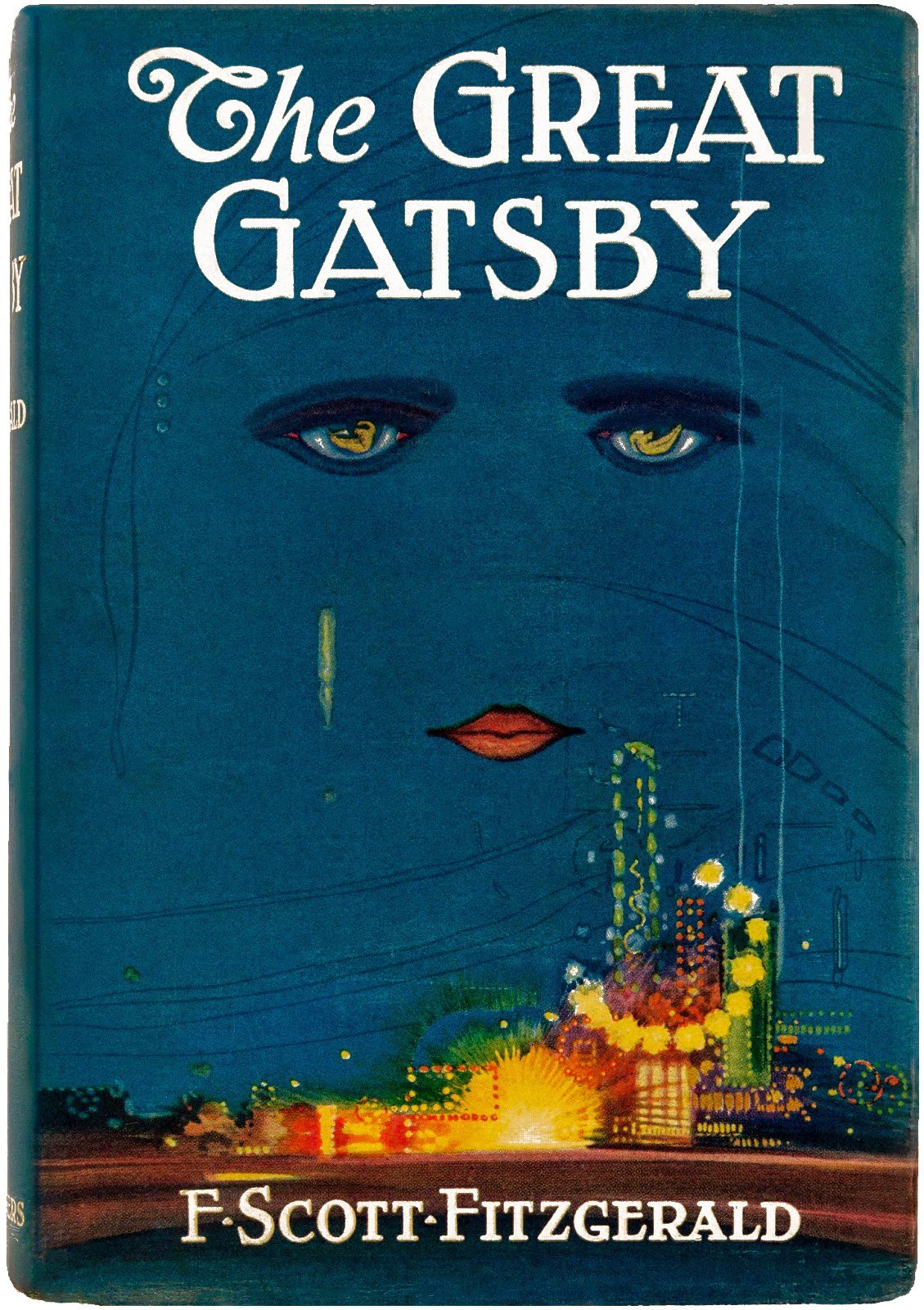
The Great Gatsby is frequently assigned due to its exploration of the American Dream and the Roaring Twenties. Fitzgerald packs an astonishing amount into a relatively short novel. Green lights, white dresses, careless people – the symbolism practically writes its own essay questions. One 11th grade teacher in rural Tennessee noted she would not incorporate diverse literature at the expense of a work like The Great Gatsby. That kind of devotion from educators says everything about the novel’s staying power.
3. To Kill a Mockingbird – Harper Lee
To Kill a Mockingbird takes a deep look at racial inequality and morality, through the eyes of a young girl. Harper Lee’s novel remains one of the most widely read books in American education, even as conversations about its racial framing have grown more complex in recent years. Seeing injustice through Scout Finch’s child-like innocence was, for many students, their first true encounter with systemic racism in literature. I think the fact that it still provokes real classroom debate is precisely what keeps it on the list.
4. Macbeth – William Shakespeare
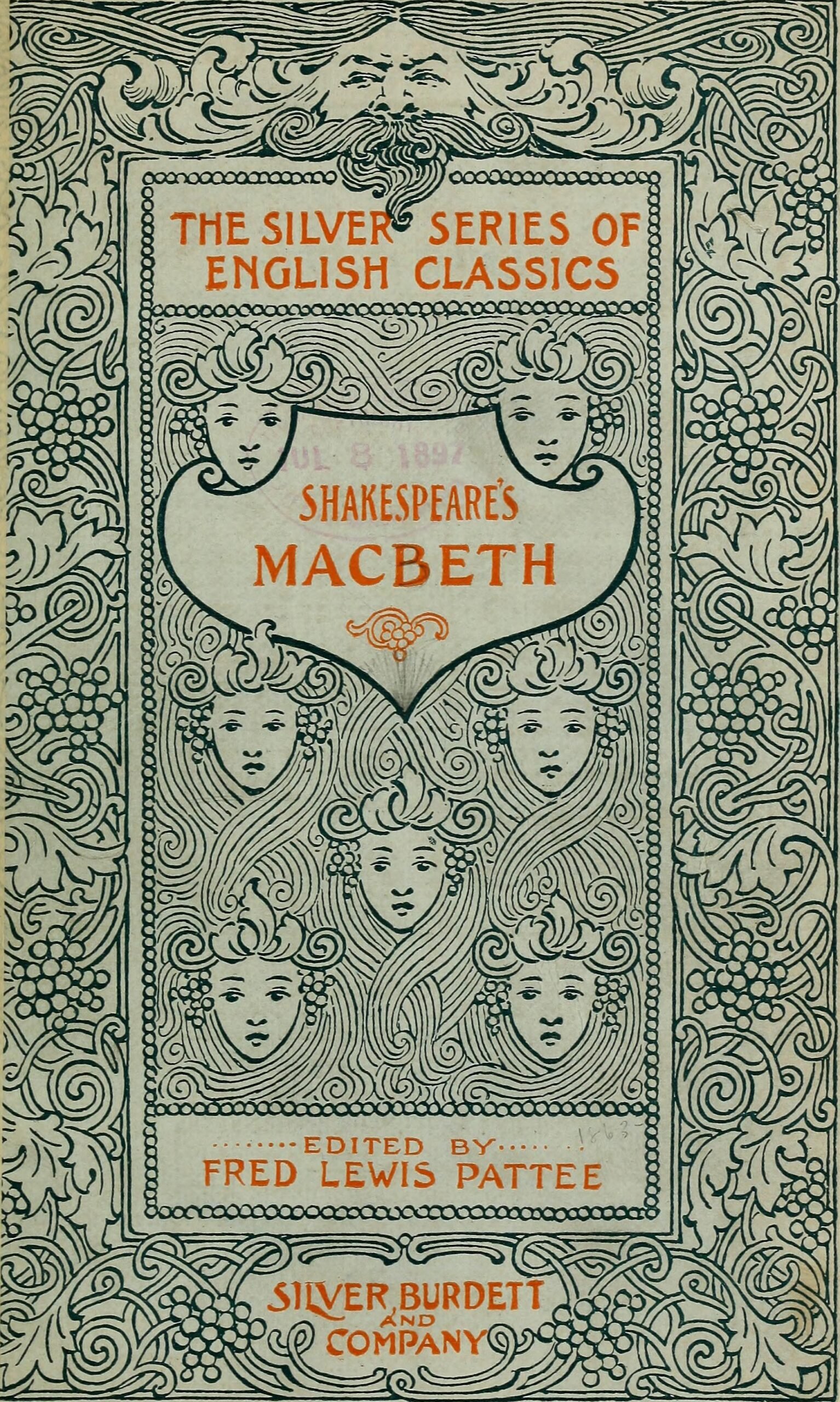
Shakespeare’s Macbeth, listed fourth in the recent NCTE survey, was among the top 10 in 1989 as well as in a 1964 survey of literature in American classrooms. That’s over six decades of consistent classroom presence – and it makes sense. Ambition, guilt, manipulation, the disintegration of a man’s moral compass: it’s a psychological thriller written four hundred years before the genre had a name. Few texts do a better job of showing students what unchecked power looks like from the inside.
5. The Crucible – Arthur Miller

The Crucible follows Romeo and Juliet and The Great Gatsby at the top of the NCTE survey rankings. It is one of just four texts – along with Elie Wiesel’s Night, Ray Bradbury’s Fahrenheit 451, and Mary Shelley’s Frankenstein – that were not on the 1989 list of 10 most taught texts. Miller wrote it as a direct allegory for McCarthyism, but the play has proven remarkably adaptable to nearly every era of mass hysteria or mob justice since. Students who read it as a history lesson sometimes realize, mid-discussion, that they’re actually reading about the present.
6. 1984 – George Orwell
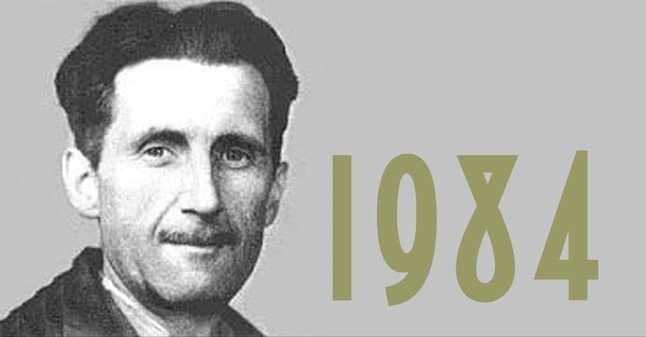
Known for its portrayal of dystopian society, “1984” is a staple in many classrooms to scrutinize governmental power and individual liberty. Orwell’s vision of a surveillance state feels less like fiction with each passing year. George Orwell’s 1984 saw sales jump significantly after President Donald Trump’s re-election in November 2024. That kind of cultural responsiveness is rare for a book published in 1949. Doublethink, thoughtcrime, the Ministry of Truth – teenagers encounter these concepts in class and immediately start seeing them everywhere in the real world. That’s the mark of a truly effective piece of literature.
7. Lord of the Flies – William Golding
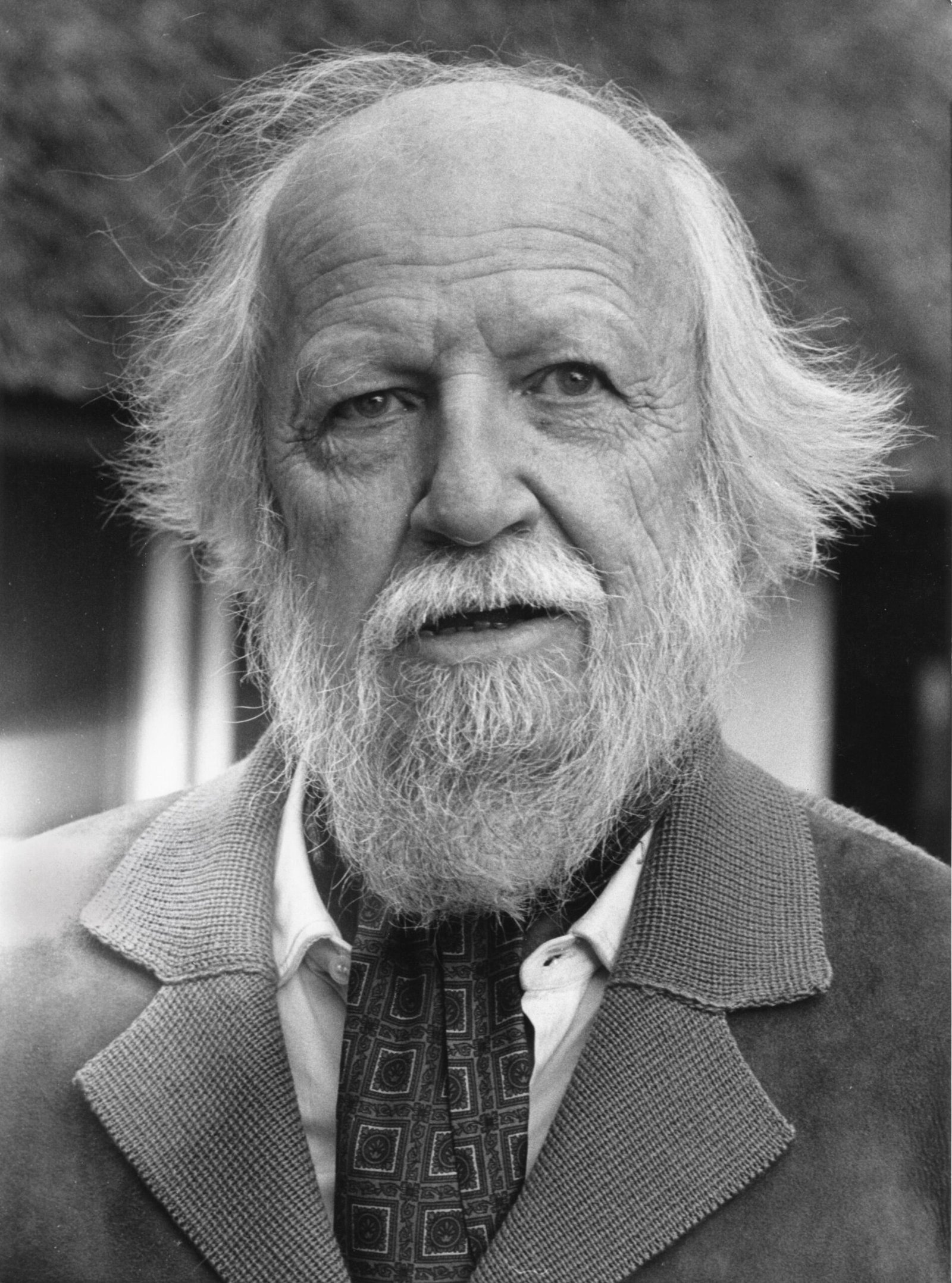
Lord of the Flies is a tale of survival and the inherent evil within humanity, and it is commonly used to spark deep discussions. A group of British schoolboys stranded on an island descend into savagery – slowly, then all at once. What makes it such a classroom staple is the uncomfortable question at its core: Is civilization just a very thin mask? Students, sitting in an actual institution of rules and structure, tend to find the question a little too relevant. Golding knew exactly what he was doing.
8. Of Mice and Men – John Steinbeck
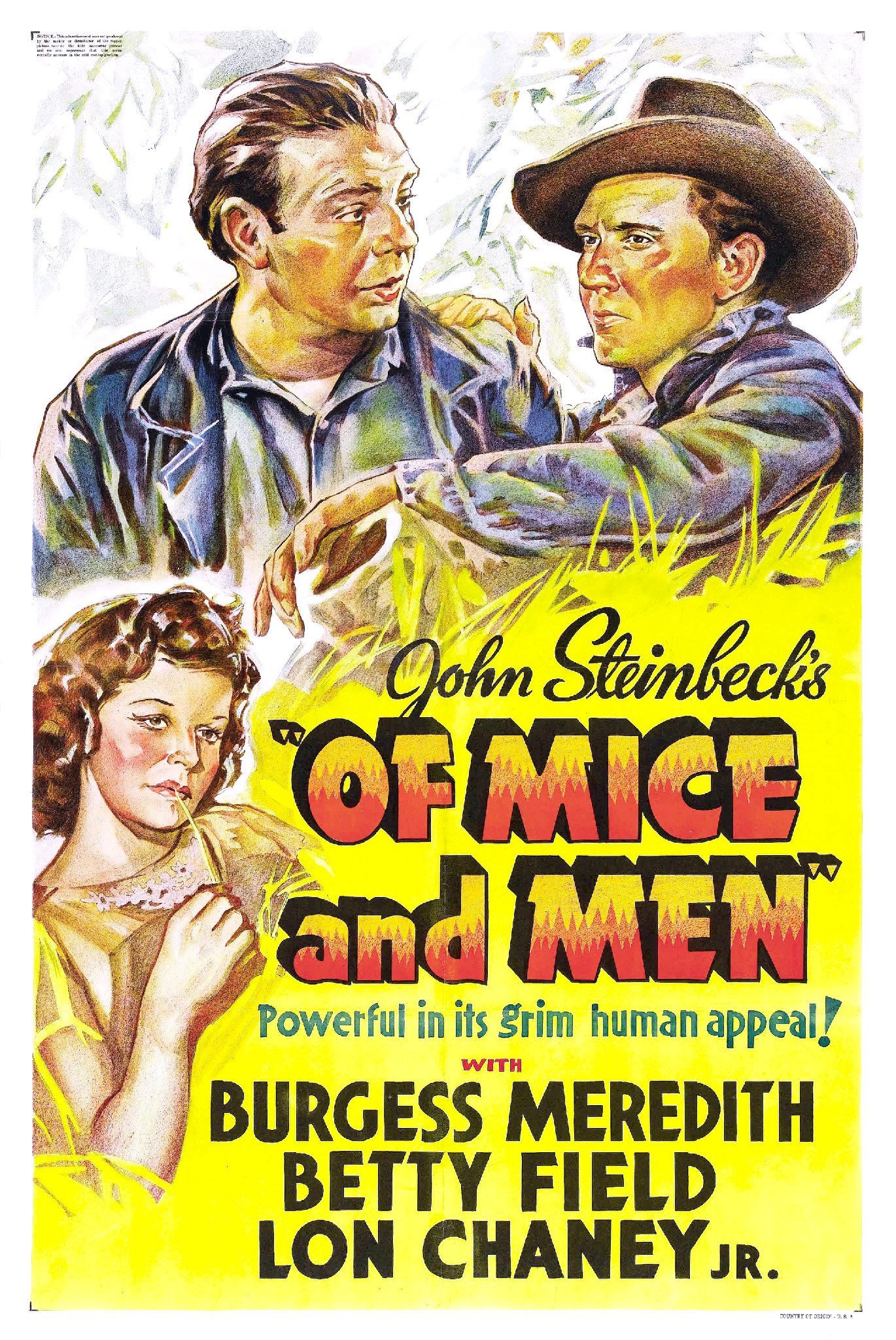
John Steinbeck’s story of an unlikely and tragically fated friendship between two men of remarkably different intellectual abilities explores themes of friendship and loyalty, character, cruelty and mercy. It is one of the shortest novels on nearly every high school reading list, and yet it hits like a freight train. George and Lennie’s dream of a small farm of their own becomes the reader’s dream too – which makes the ending land with devastating force. Few books teach the concept of dramatic irony more efficiently, or more painfully.
9. Night – Elie Wiesel
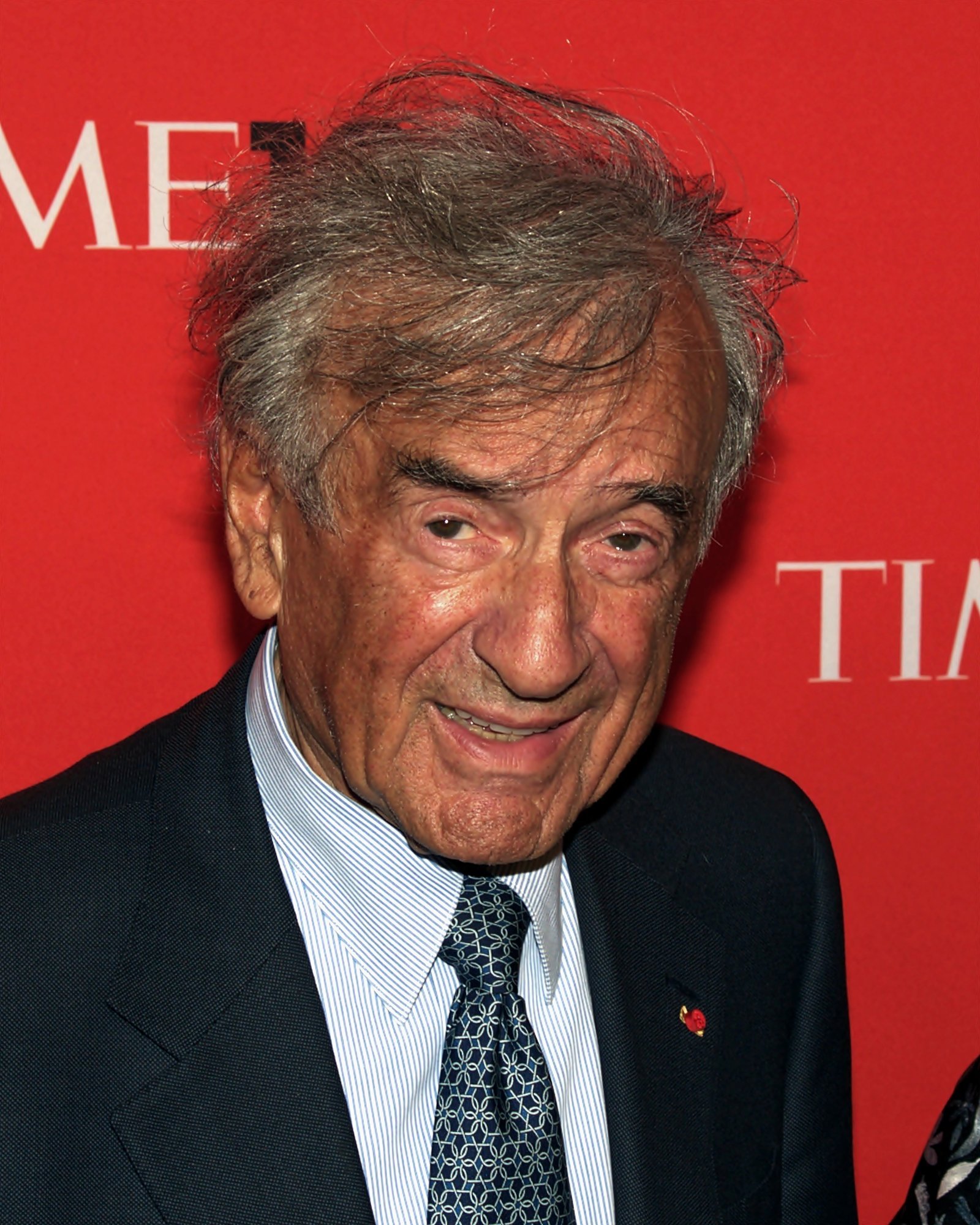
Elie Wiesel’s Night was not on the 1989 list of the ten most taught texts, but it has since entered the top tier of most assigned works in American secondary classrooms. Its rise reflects a growing curricular commitment to Holocaust education over the past few decades. Wiesel’s first-person account of surviving Auschwitz and Buchenwald is brief – barely over one hundred pages – but it carries the full weight of historical testimony. There is simply no other text that makes the horror of the Holocaust feel more immediate or more human.
10. Fahrenheit 451 – Ray Bradbury
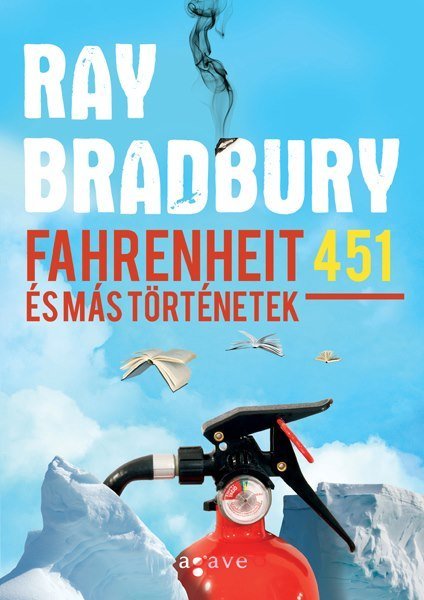
Ray Bradbury describes a futuristic world where books are banned and burned, and follows Guy Montag, a firefighter tasked with extinguishing the books, who questions the practice. Here’s the thing – assigning a book about banning books in a school setting has always carried a certain irony. The last large-scale national study on literature use in the classroom was published by Arthur Applebee in 1989, and what researchers discovered is that the most frequently taught books in modern-day classrooms have barely changed in the past 35 years. Bradbury’s warning about intellectual passivity and media dependency feels more relevant now than it did in 1953, which is probably why it keeps showing up on syllabi.
11. The Scarlet Letter – Nathaniel Hawthorne
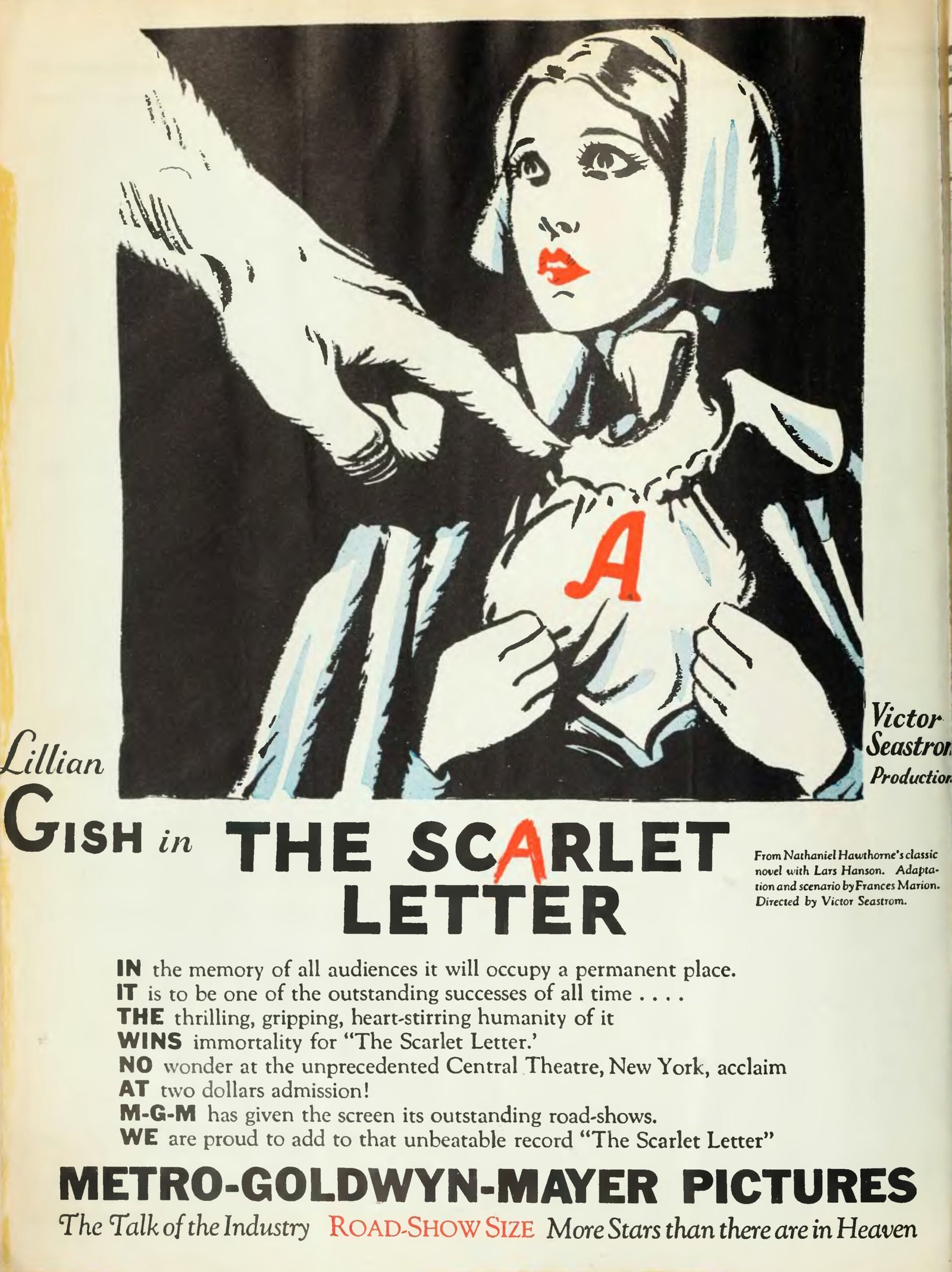
Nathaniel Hawthorne’s novel set in Puritan New England has been a fixture on American high school reading lists for well over a century, appearing consistently across curriculum guidelines from state boards of education. Hester Prynne’s forced public shaming, her quiet dignity, and the rot that consumes those who judge her – all of it adds up to one of the most psychologically complex narratives in the American literary canon. According to the National Council of Teachers of English survey, the list of the most commonly assigned books in middle and high school English classes hasn’t changed much since the 1980s, and all of the top titles were written more than 60 years ago. Hawthorne, writing about an even older era, fits that pattern perfectly.
12. The Grapes of Wrath – John Steinbeck
John Steinbeck’s Depression-era classic follows the travels of impoverished Dust Bowl refugees as they flee westward to California, with primary themes including wealth and poverty, injustice, and social and political policy. It is a long book – students know it, teachers know it – but its scope justifies every page. The Joads are a composite portrait of millions of real American families who lost everything in the 1930s. John Steinbeck’s “The Grapes of Wrath” is among the classics that certain high school curriculums continue to include due to their enduring literary significance.
13. Hamlet – William Shakespeare
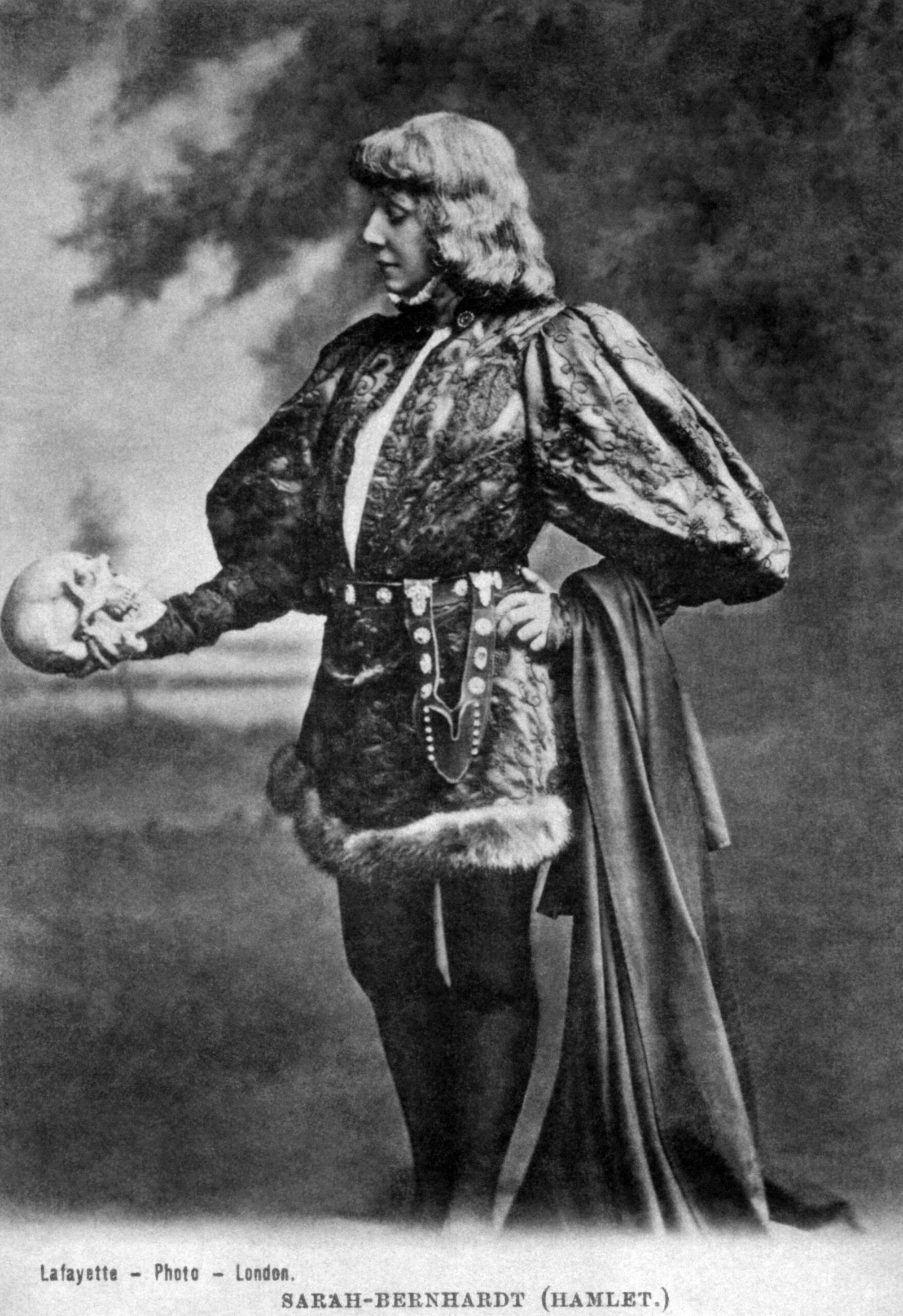
All of the top ten titles commonly assigned in high school English are written by white authors and were published more than 60 years ago. The list includes three Shakespeare plays: Romeo and Juliet, Macbeth, and Hamlet. Hamlet is arguably Shakespeare’s most intellectually demanding play for high school students. The famous “To be or not to be” soliloquy gets quoted constantly out of context, but inside the play it is devastating – a young man genuinely weighing whether life is worth living. Students who read it carefully tend to come away with a much more sophisticated understanding of grief, performance, and moral paralysis.
14. Their Eyes Were Watching God – Zora Neale Hurston
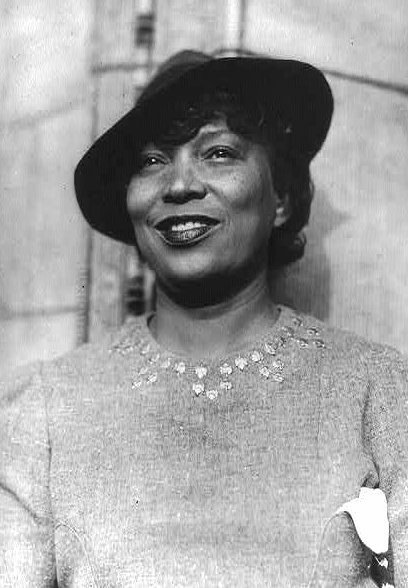
A coming-of-age story set in early 1900s Florida, “Their Eyes Were Watching God” tackles issues of racism, sexism, segregation, poverty, and gender roles. Initially overlooked upon its release, Zora Neale Hurston’s best-known work is now considered a modern American masterpiece thanks to work done in Black studies programs in the 1970s. Janie Crawford’s journey toward self-determination is one of the most quietly radical narratives in American literature. Edutopia describes the novel as depicting “the life of Janie Crawford, an African American woman in the Jim Crow South,” with themes including gender roles, race, and the nature of love. It took decades for it to reach classrooms at scale, but it belongs there.
15. Animal Farm – George Orwell
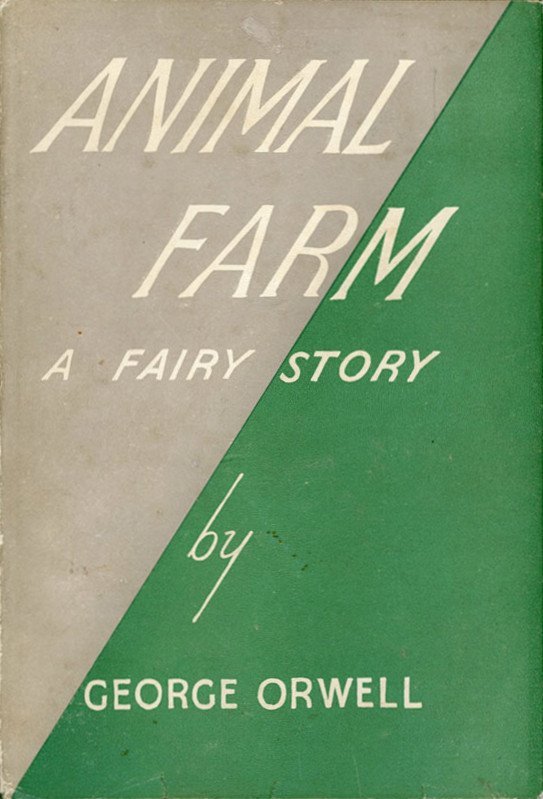
Animal Farm is a satirical allegory of Soviet totalitarianism. It is also, somehow, a story about farm animals – which is exactly why it works so well in a high school setting. The absurdity of the premise makes the politics accessible. Students who might glaze over during a history lecture about Stalinism will sit up and engage when the pigs start walking on two legs and rewriting the barn commandments. Orwell understood that fable is sometimes the clearest lens for truth.
16. The Adventures of Huckleberry Finn – Mark Twain
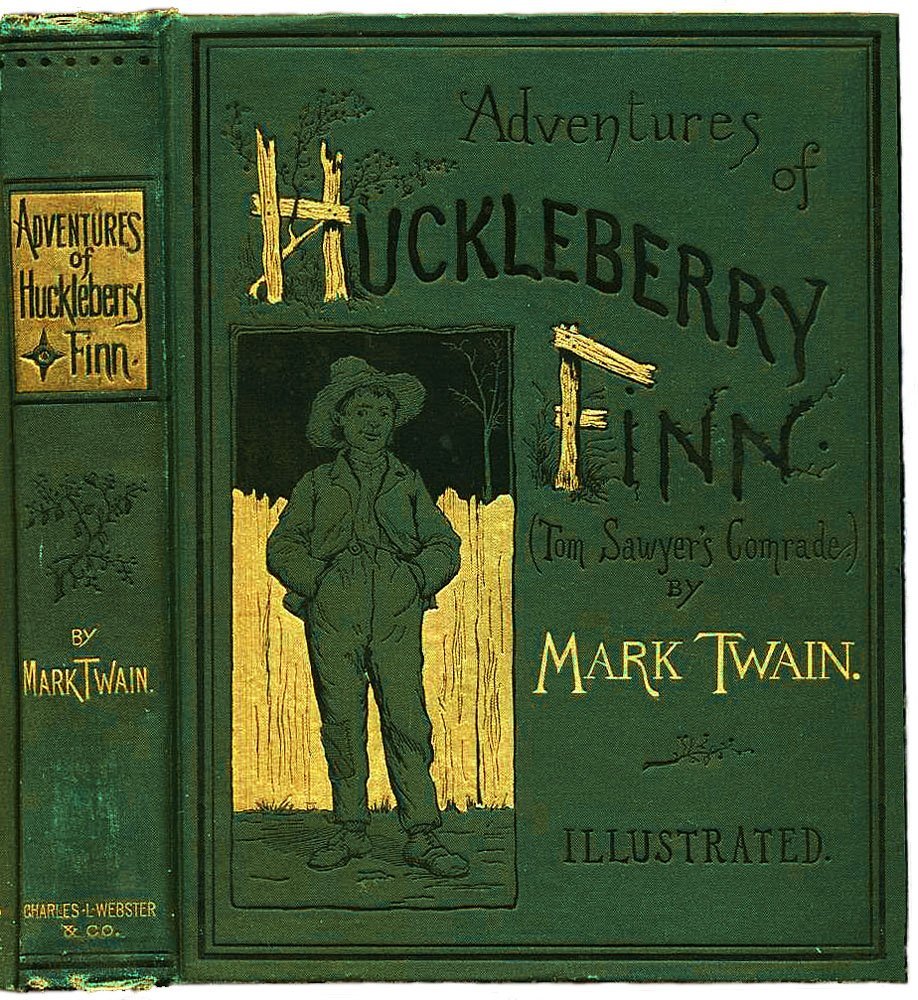
Mark Twain’s novel has appeared on American high school reading lists for well over a century, and it has also been one of the most debated. Its use of racial slurs has prompted serious pedagogical discussions about how – and whether – to teach it, with many districts revisiting their approach in recent years. What gets taught in English classes remains among the most hot-button of all curriculum topics in schools, with some in the field criticizing the lack of diversity in selected texts. Huck Finn sits at the center of that debate, a novel that is simultaneously a masterpiece of American vernacular and a deeply uncomfortable text to navigate in a modern classroom.
17. Frankenstein – Mary Shelley
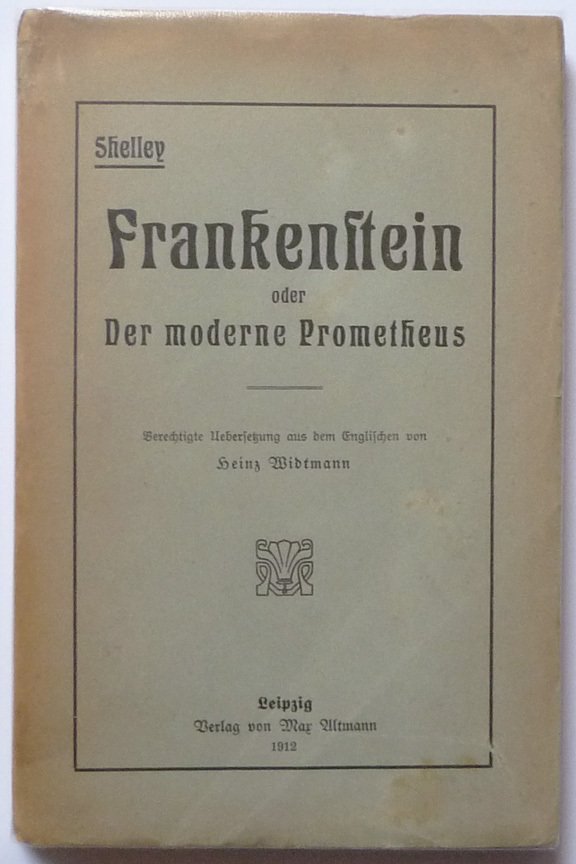
Mary Shelley’s Frankenstein is one of four texts that were not on the 1989 top-ten list but have since risen to prominence in U.S. secondary classrooms, according to the NCTE survey. Written by a teenager – Shelley was only eighteen when she began it – the novel raises questions about scientific ethics and the responsibilities of a creator toward what they bring into the world. I honestly think it is one of the most underappreciated texts on any high school list. The monster is not the villain. Victor Frankenstein is. And that distinction takes most students completely by surprise.
18. The Catcher in the Rye – J.D. Salinger
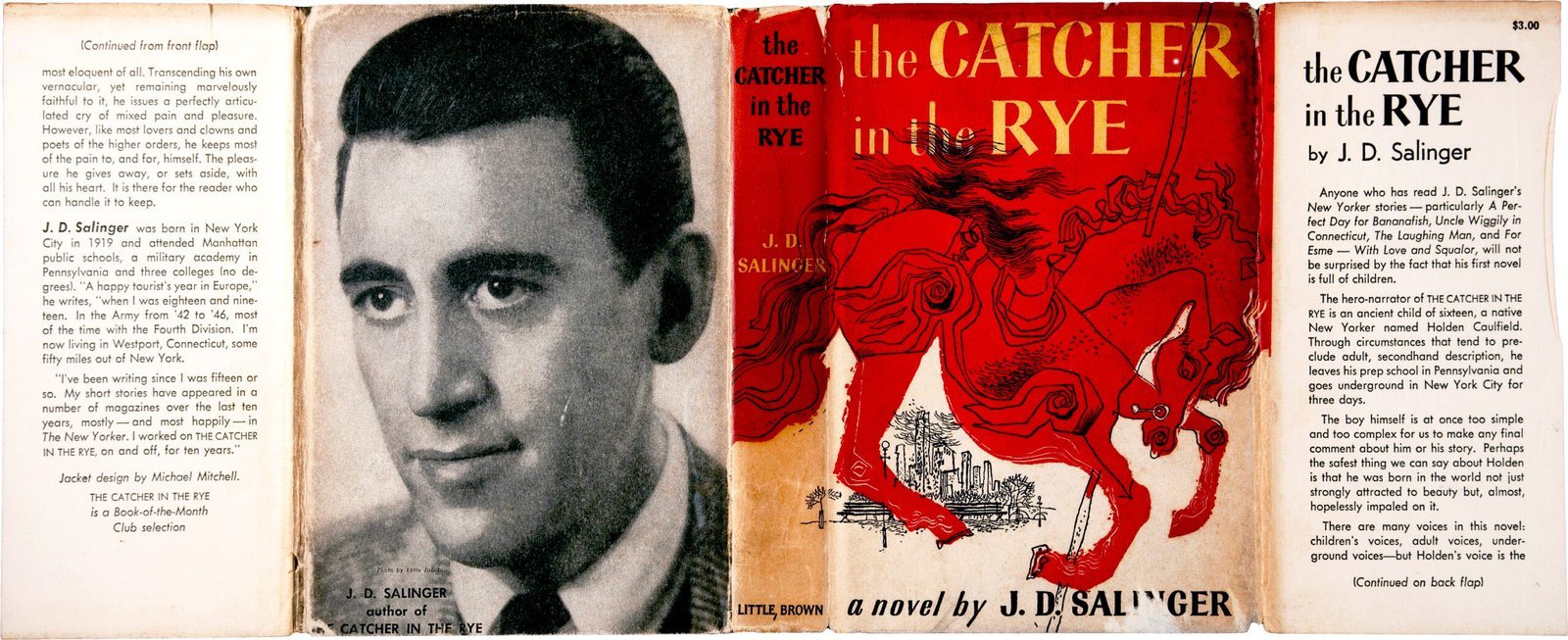
J.D. Salinger’s novel about the alienated teenager Holden Caulfield has occupied a strange space in American education for decades – beloved by some students, deeply irritating to others, and consistently assigned by teachers who see in it a mirror of adolescent psychology. A majority of the nation’s teachers say teaching diverse texts is a goal, but their ability to do so is influenced by factors including autonomy over text selection and censorship. The Catcher in the Rye has itself faced censorship challenges throughout its history, which only seems to cement its reputation. There is something almost perfectly circular about a novel about phoniness being called dangerous.
19. Brave New World – Aldous Huxley
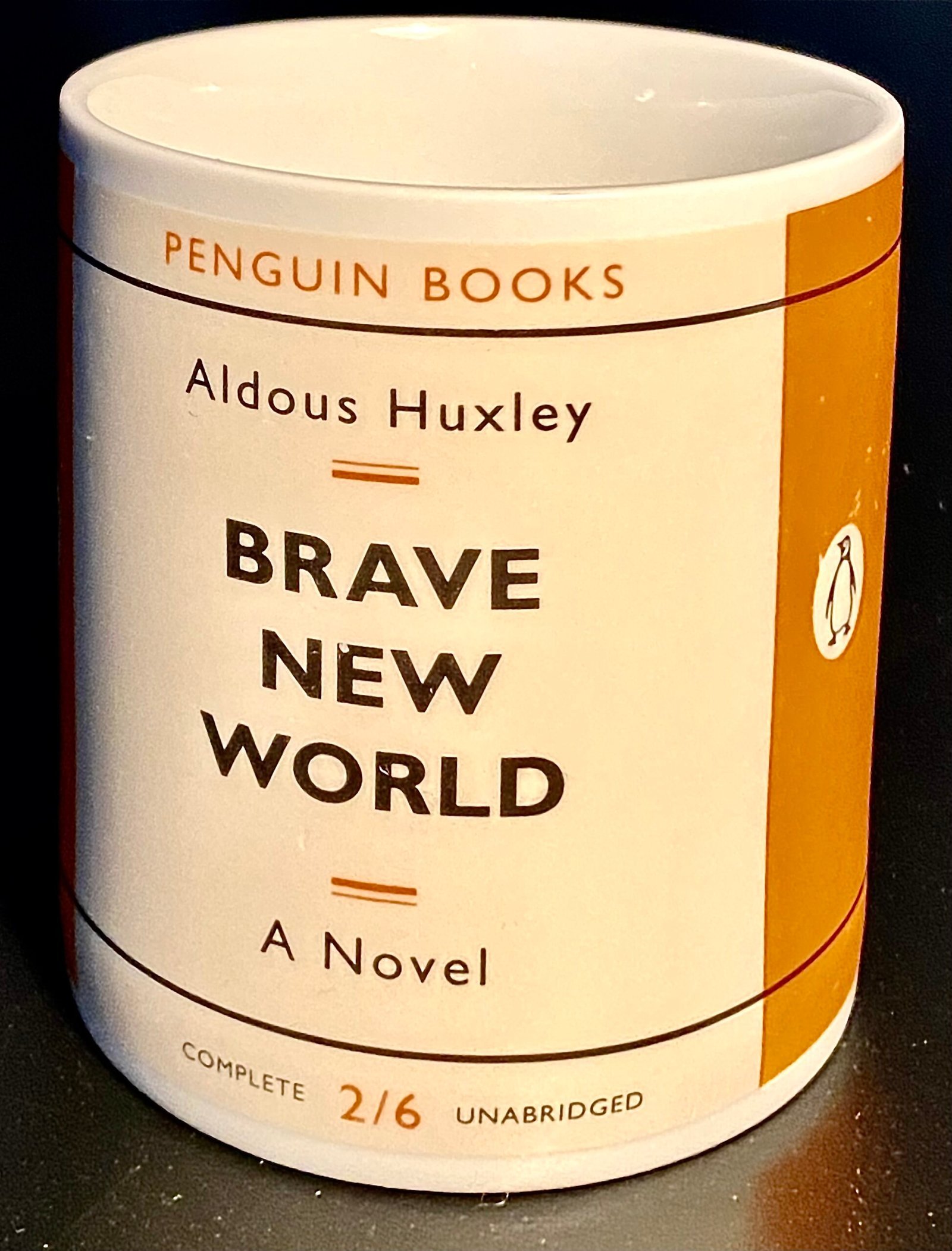
Aldous Huxley’s 1932 dystopian novel is a staple of high school curricula across the country, consistently appearing on state-recommended reading lists alongside Orwell’s 1984. The two books are often taught in tandem – Orwell’s fear that we would be controlled by pain, Huxley’s fear that we would be controlled by pleasure. It’s a pairing that lands differently on every generation of students, and in 2026, Huxley’s vision of a society distracted into compliance feels particularly sharp. In the NCTE survey, about 44% of teachers reported experiencing censorship from their school or district, which makes teaching books about state control more complicated and more necessary at the same time.
20. The House on Mango Street – Sandra Cisneros

Sandra Cisneros’ “The House on Mango Street” is among the texts that certain high school curricula include as an enduring work of broader literary significance. Written in short, lyrical vignettes, the novel follows Esperanza Cordero growing up in a Latino neighborhood in Chicago, navigating identity, gender, and belonging. It is one of the few titles on this list written by a woman of color, and its presence reflects a slow but real expansion of the traditional high school canon. All of the top ten books found in the NCTE study were written by white authors, mostly men, and published more than 60 years ago – which makes Cisneros’s inclusion in extended curriculum lists all the more meaningful and overdue.
These Books Still Have Something to Say
Taken together, these twenty titles form something like a blueprint for how American schools have understood literature, morality, and human nature for generations. The last large-scale national study on literature use in the classroom was published in 1989, and researchers discovered that the most frequently taught books in modern-day classrooms have barely changed in the past 35 years. That’s either reassuring or alarming, depending on how you look at it.
Some of these books are masterpieces. Some are complicated. A few are actively debated. The most frequently taught books in secondary English classes have remained largely unchanged for decades, though even in the face of book challenges, ever-shrinking budgets, and politically charged school districts, educators are seeking inclusive literature. The list is shifting – slowly – but it is shifting.
Maybe the most surprising thing is how many of these books still feel urgent. Pick one up again. You might find you understand it completely differently now than you did at sixteen. What would you have guessed back then that you now know to be true? Tell us in the comments.
CEO-Co-Founder
