

There is something about the 1980s that still feels electrically alive in the imagination. The decade had a restless, almost frantic energy, and the books it produced reflected that. Some were assigned by teachers who seemed almost missionary about them. Others showed up on nightstands across the country, passed between friends and coworkers like contraband. A few were both. Whether you were a teenager dissecting themes in a classroom or an adult who couldn’t put something down on the subway, the ’80s gave readers a library’s worth of books that still echo loudly today. Here are twenty of them.
1. Beloved – Toni Morrison (1987)
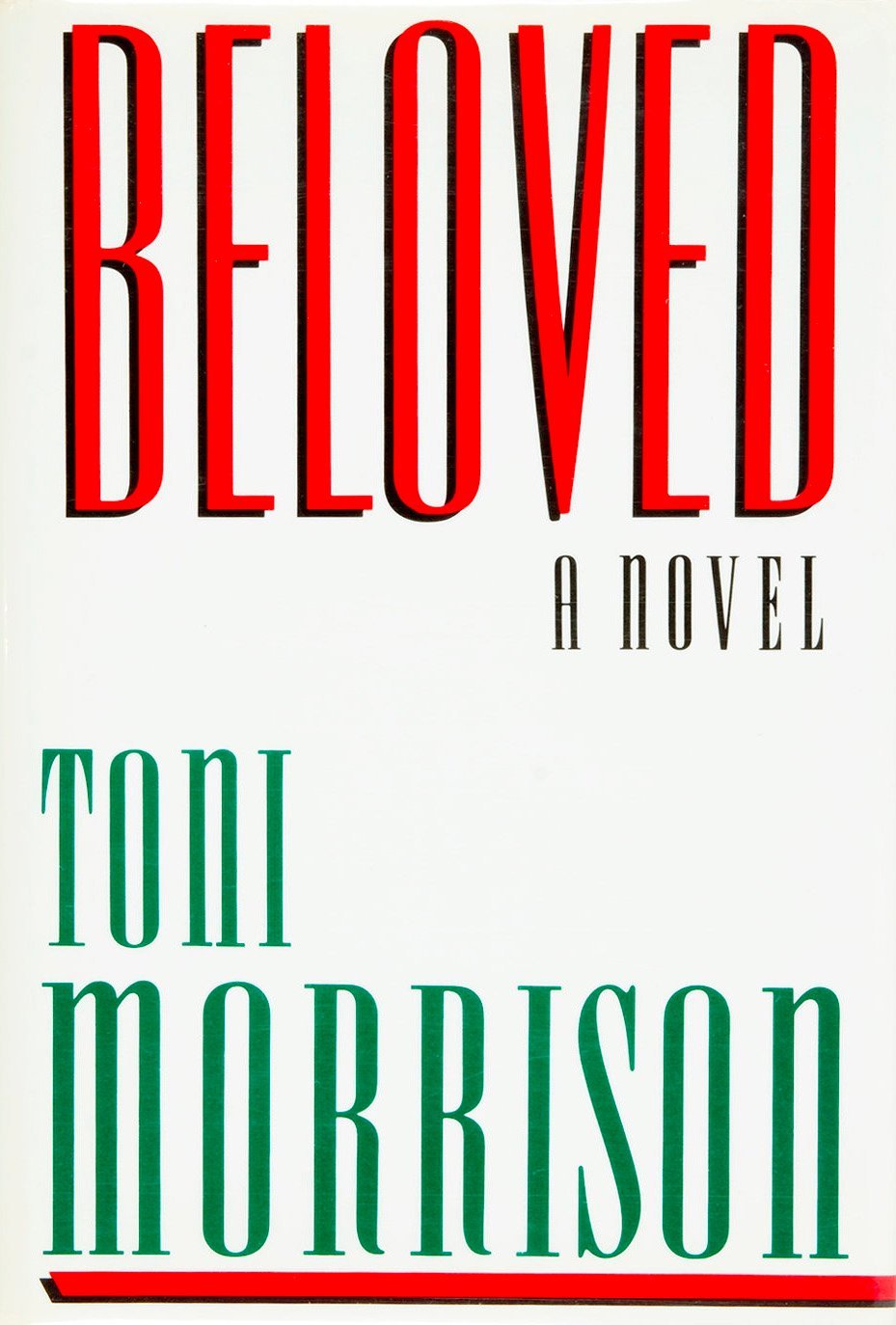
In 1987, Morrison published what many consider her most celebrated novel, inspired by the true story of an enslaved African-American woman named Margaret Garner, whose story Morrison had discovered while compiling an earlier project. In 1988, Morrison won the Pulitzer Prize for Beloved. Despite its overall high acclaim, the novel initially failed to win the National Book Award or the National Book Critics Circle Award, prompting forty-eight Black critics and writers, among them Maya Angelou, to protest the omission in a statement published by The New York Times on January 24, 1988. Beloved is a New York Times bestseller and remains, in the words of People magazine, a “powerful, mesmerizing story” and an unflinching look into the experience of slavery.
2. The Handmaid’s Tale – Margaret Atwood (1985)
The Handmaid’s Tale won the 1985 Governor General’s Award and the first Arthur C. Clarke Award in 1987; it was also nominated for the 1986 Nebula Award, the 1986 Booker Prize, and the 1987 Prometheus Award. The novel resonates with historical and contemporary relevance, reflecting the feminist movements of the 1980s and offering a cautionary lens, with Atwood’s exploration of gender inequality, reproductive rights, and the impact of religious fundamentalism remaining a powerful commentary on societal issues. Margaret Atwood’s 1985 feminist thriller also surged up the bestseller list around the time of Donald Trump’s re-election in November 2024, demonstrating just how stubbornly relevant it remains four decades on. The novel has found new resonance through Hulu’s successful television adaptation, which premiered in 2017, starring Elisabeth Moss as Offred and reigniting discussions about the book’s relevance in today’s socio-political climate.
3. IT – Stephen King (1986)
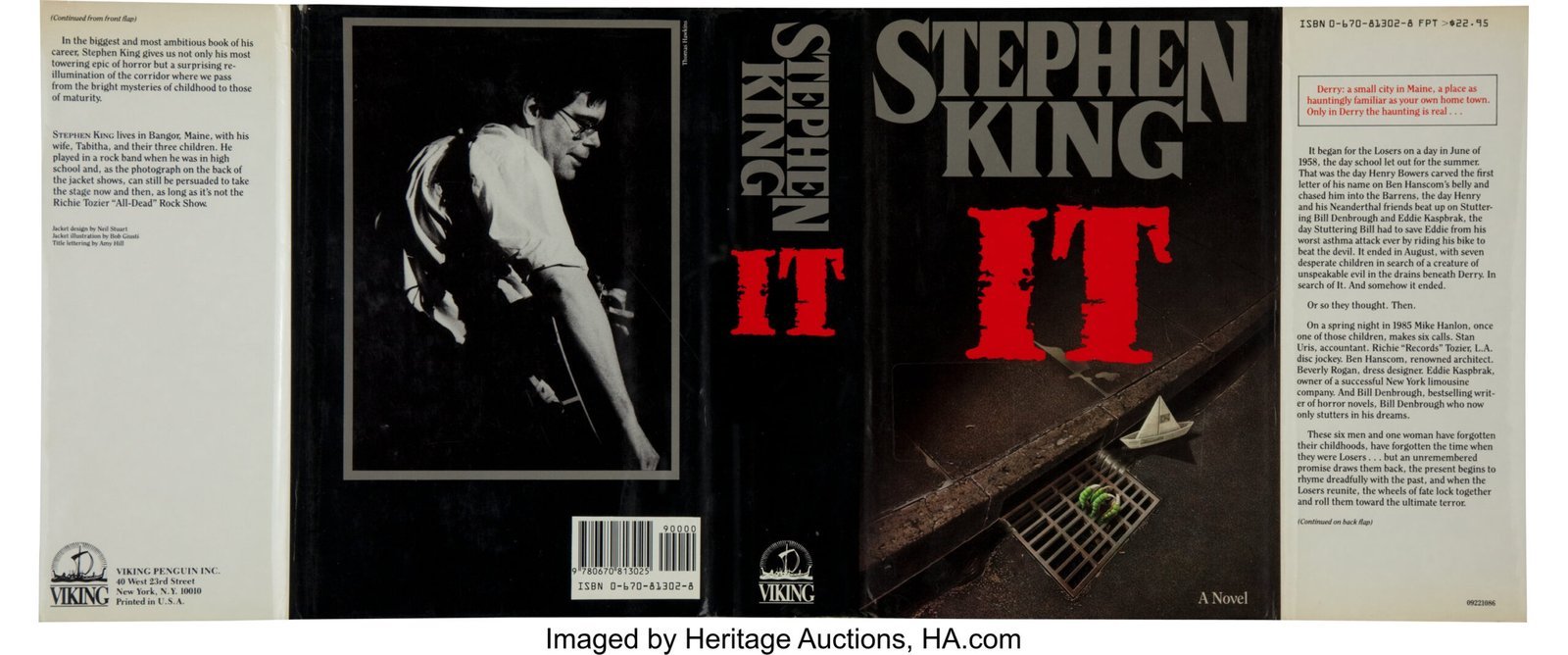
IT was published in 1986 as part of a string of King’s popular novels throughout the decade. King’s books across his career have sold around 350 million to 400 million copies worldwide, and many have been adapted into successful movies and TV shows. The story of the shapeshifting terror lurking beneath Derry, Maine became a cultural milestone of the decade, one that cemented a generation’s fear of clowns. IT is among King’s epic works that form the basis for major motion pictures, with IT now the highest-grossing horror film of all time.
4. A Brief History of Time – Stephen Hawking (1988)
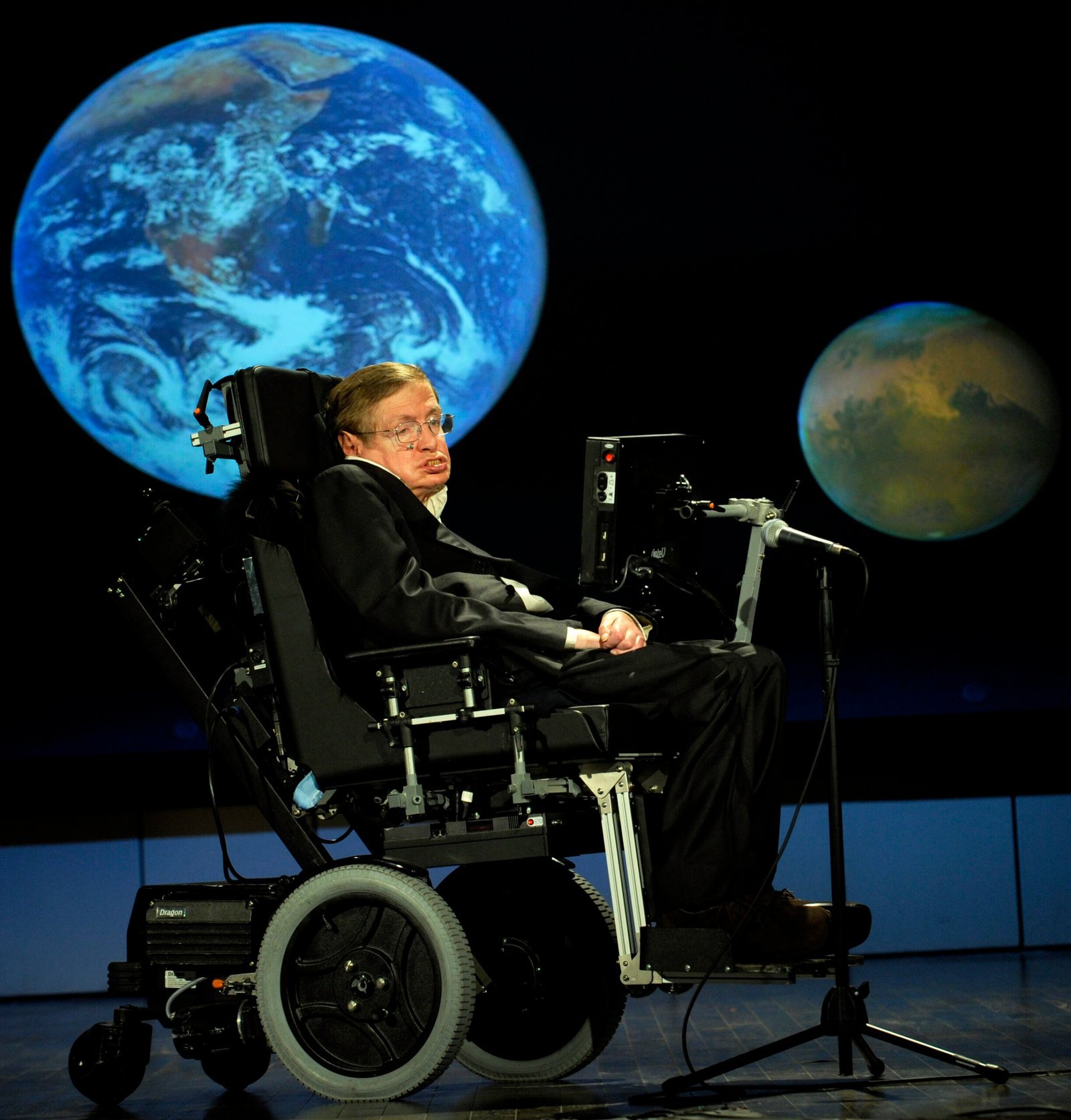
Hawking’s plain-language explanation of the universe has sold more than 10 million copies since it was first published, spending 147 weeks on the New York Times bestseller list and an astonishing 237 weeks on the Times of London bestseller list, and has been translated into some 35 languages. Honestly, it’s hard to overstate how wild it was for a book about quantum mechanics and black holes to become a genuine pop phenomenon. It is more or less the reason why the average American has any idea about space, black holes, or quantum mechanics, though it carries the ironic reputation of being “probably the least-read, most-bought book ever.”
5. The House on Mango Street – Sandra Cisneros (1984)
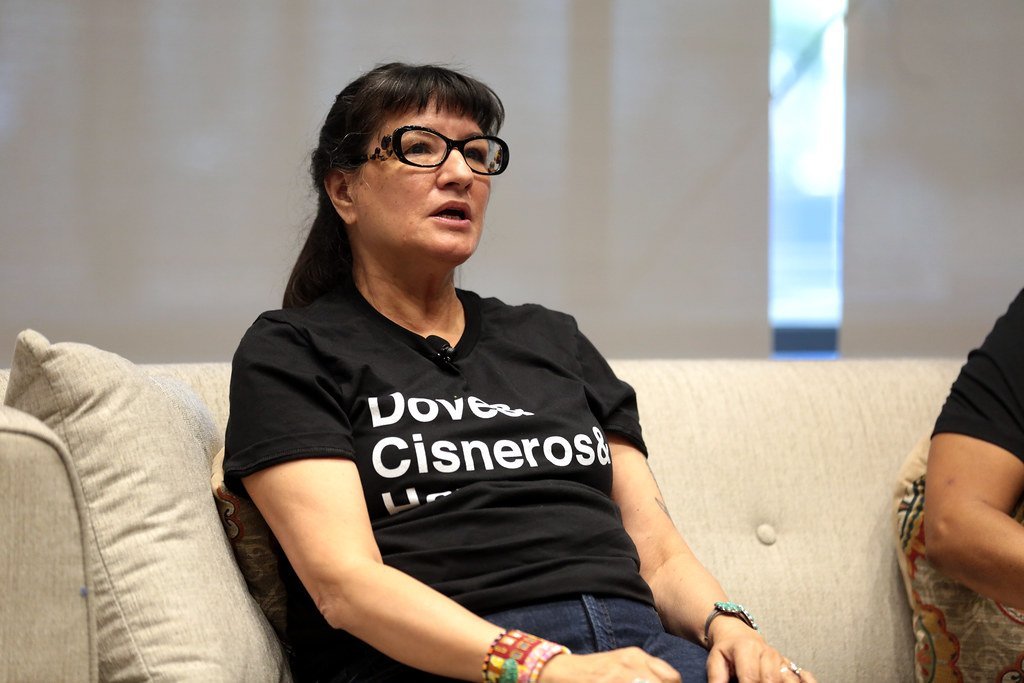
The House on Mango Street, first published in 1983, is a collection of vignettes and short stories that explore the experiences of a young Chicana girl named Esperanza Cordero growing up in a working-class neighborhood in Chicago. Through her observations, Esperanza reflects on the complexities of identity and community, and the book is noted for its lyrical and powerful voice, as well as its vivid depiction of the experiences of Latina women and the issues of poverty, gender, and racism they face. A coming-of-age classic, a staple of middle and high school reading curriculums, and a classic of Chicano literature, by 2002 it had sold two million copies in 11 languages.
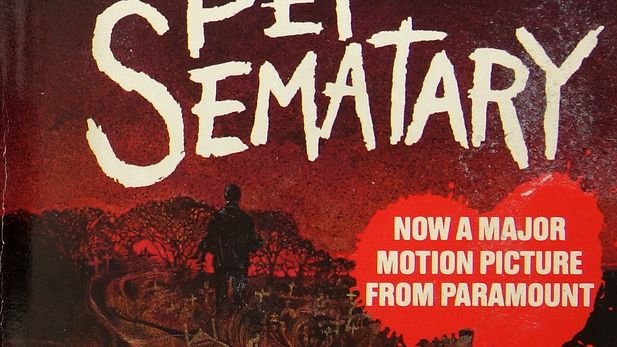
6. Pet Sematary – Stephen King (1983)
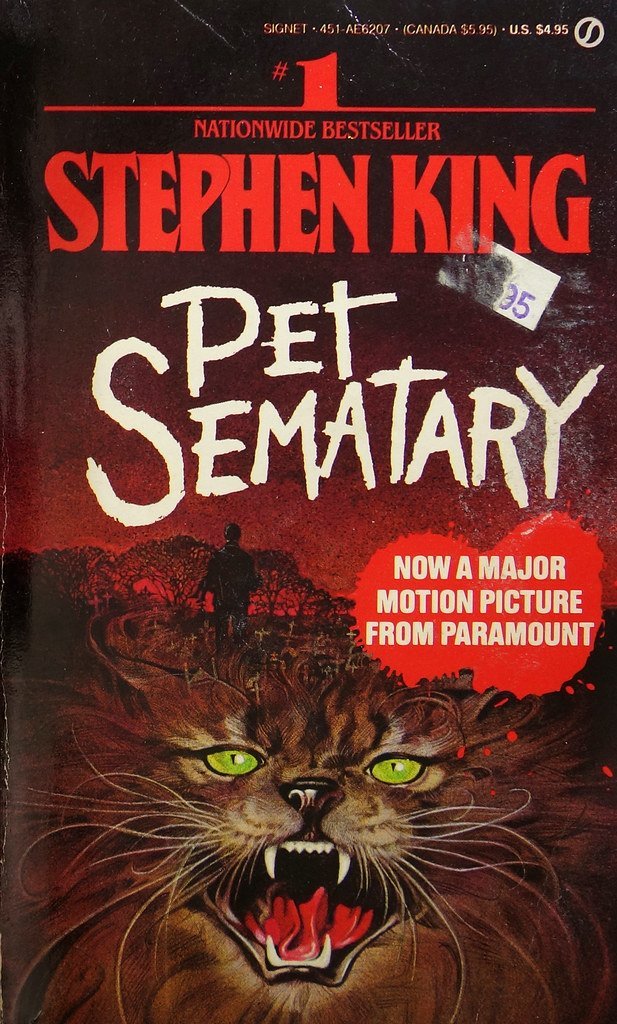
Pet Sematary is a 1983 horror novel by Stephen King, nominated for a World Fantasy Award for Best Novel in 1984, and adapted into two films: one in 1989 and another in 2019. King has gone on record stating that of all the novels he has written, Pet Sematary is the one which genuinely scared him the most. The Dark Half from 1989 was the second-highest selling novel of the 1980s in the US, reflecting how completely King dominated the bestseller charts all decade long. Pet Sematary, for its part, hit readers somewhere primal, turning an everyday suburban fear about busy roads into one of the most disturbing novels in American fiction.
7. Misery – Stephen King (1987)
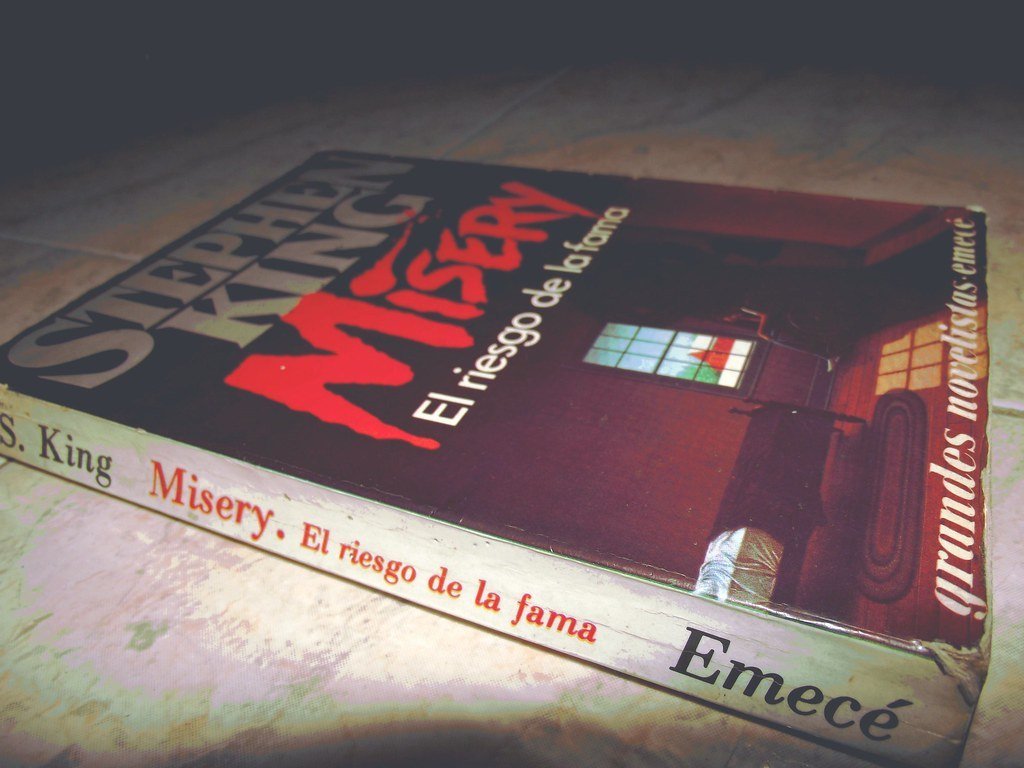
Misery was published in 1987 and found a different kind of horror than King usually trafficked in: no monsters, no supernatural forces, just a novelist trapped in a remote house with a very dangerous woman. When bestselling novelist Paul Sheldon is in a serious car accident, he meets his biggest fan, Annie Wilkes, who takes care of him as his nurse. Yet as Misery unfolds, readers find that she is much more than a healthcare provider, with something far more cryptic in mind for the author she adores. The acclaimed Rob Reiner film adaptation of Misery won Kathy Bates the Best Actress Academy Award for her performance as the psychotic nurse Annie Wilkes.
8. The Color Purple – Alice Walker (1982)

The Color Purple by Alice Walker is a powerful and moving novel set in rural Georgia in the early twentieth century, telling the story of Celie, a young Black woman who has been oppressed and abused by the men in her life. This book sold 1 million copies, was nominated for a National Book Award, and spent more than two years on the New York Times bestseller list. Steven Spielberg’s 1985 film adaptation brought the story to an even wider audience, though the novel itself remains an enduring fixture of school and college reading lists. Let’s be real, it’s one of those rare books that genuinely changed what American fiction looked like.
9. Cosmos – Carl Sagan (1980)
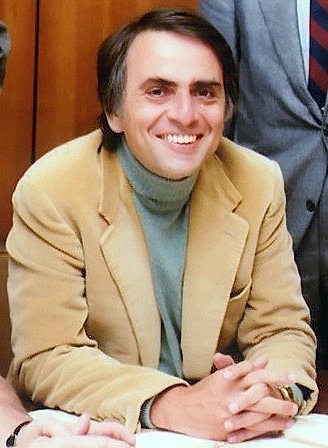
Cosmos by Carl Sagan reached the number-one position on the New York Times nonfiction hardcover bestseller list in November 1980. There was argument among critics over whether Cosmos or Stephen Hawking’s A Brief History of Time had the greater cultural influence in the decade, a testament to how big both books loomed in the public imagination. Sagan had a gift for making the incomprehensible feel both intimate and urgent, like a letter written specifically to you. The book accompanied a hugely popular PBS television series of the same name, which made Sagan a household name across the country.
10. Neuromancer – William Gibson (1984)
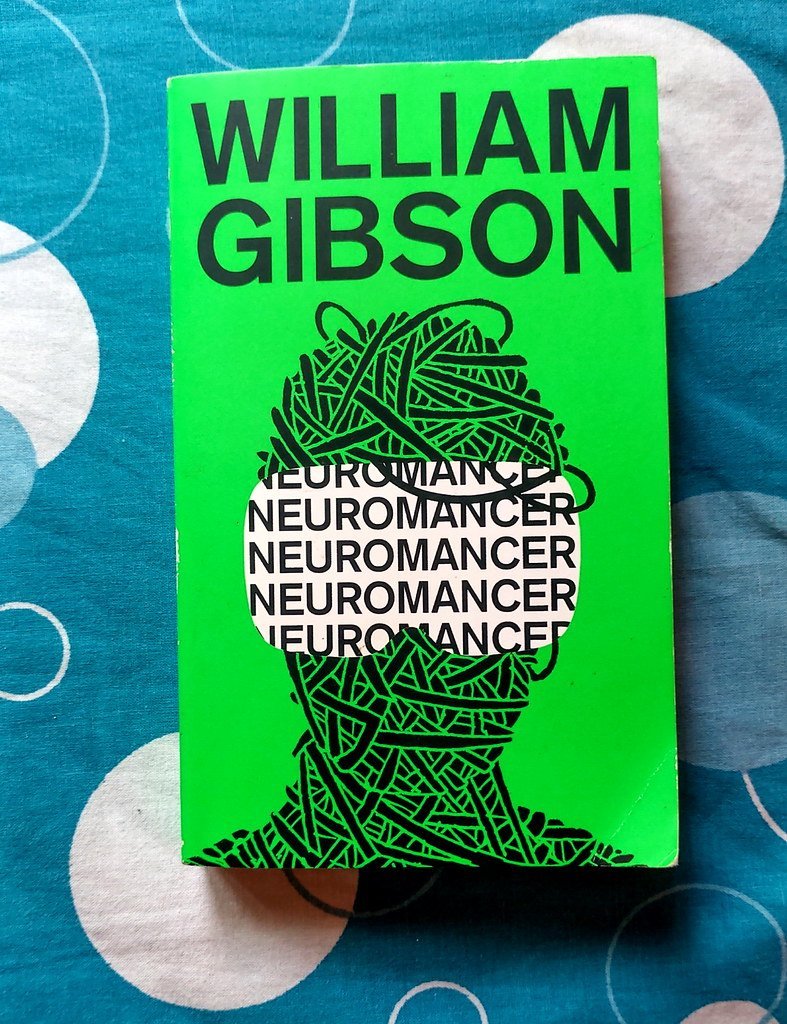
For science fiction books from the 1980s, it doesn’t get more iconic than Neuromancer, one of the first and most popular cyberpunk novels ever written and winner of multiple awards. Neuromancer is known for its innovative use of technology and its depiction of a bleak future where corporations hold immense power and the line between the virtual and the real has become blurred. It won the Hugo, Nebula, and Philip K. Dick awards in the same year, which had never happened before. Weaving in modern concepts of cyberspace and super-consciousness, it was way ahead of its time in the early ’80s.
11. The Bonfire of the Vanities – Tom Wolfe (1987)
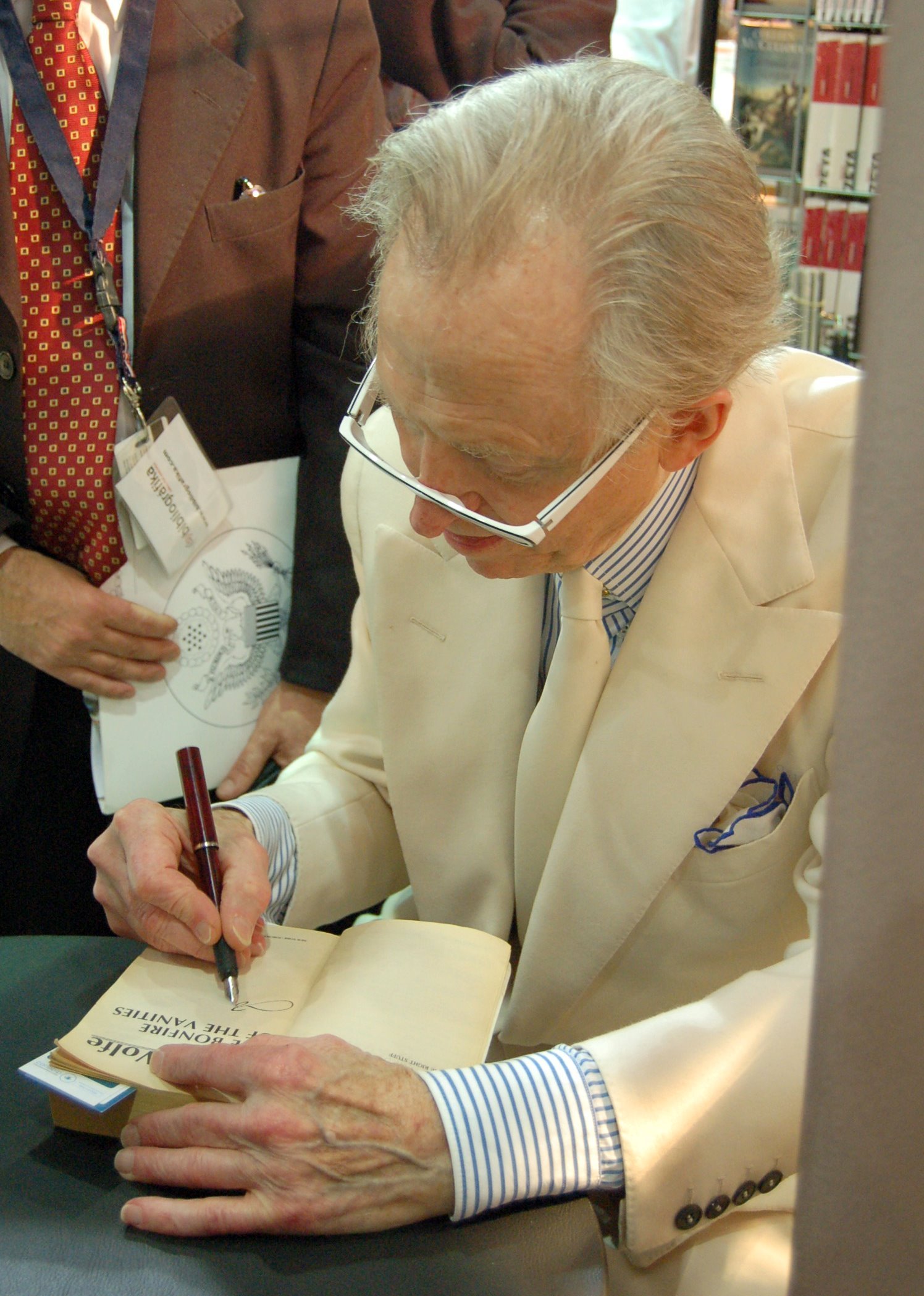
The novel follows the life of a successful Wall Street bond trader who, after a wrong turn in the Bronx, finds his life spiraling out of control. After a hit-and-run accident in a predominantly Black neighborhood, he becomes the target of a political witch hunt, exacerbating racial tensions in the city. As the protagonist’s world unravels, the story provides a satirical commentary on 1980s New York City, exploring themes of racism, classism, politics, and greed. The book appeared on the New York Times bestseller list and became the defining social novel of the decade. It felt like it captured something true and slightly sickening about the era’s obsession with wealth and status.
12. Maus – Art Spiegelman (1986)
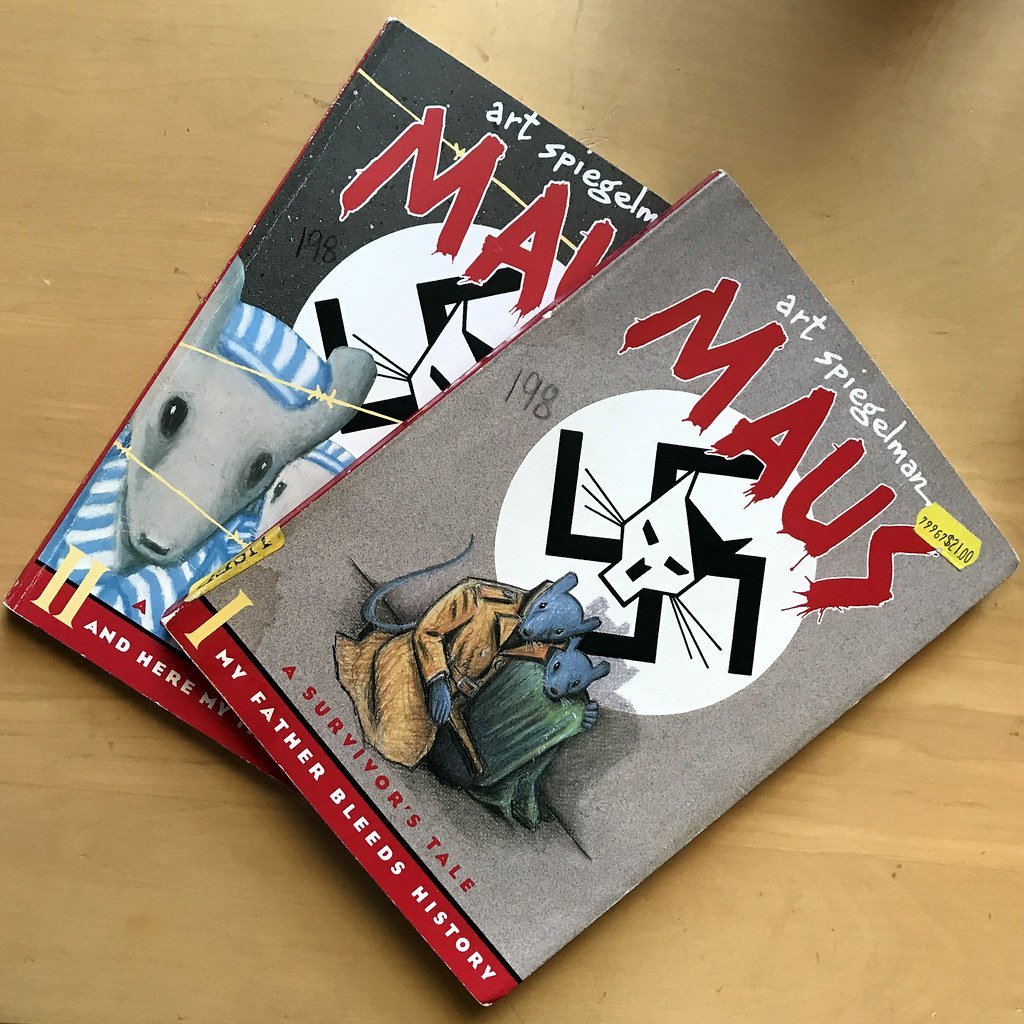
The Pulitzer Prize-winning Maus tells the story of Vladek Spiegelman, a Jewish survivor of Hitler’s Europe, and his son, a cartoonist coming to terms with his father’s story. It approaches the unspeakable through the diminutive, and its form, using cats as Nazis and mice as Jews, shocks us out of any lingering sense of familiarity and succeeds, in the words of The New York Times, in “drawing us closer to the bleak heart of the Holocaust.” On the occasion of its twenty-fifth anniversary, it was called “the first masterpiece in comic book history” by The New Yorker. Published serially beginning in 1980 and then in collected form, it redefined what the graphic novel could do and what it could survive.
13. The Cider House Rules – John Irving (1985)

The Cider House Rules by John Irving appeared in 1985 and became one of the decade’s most debated literary novels. It follows Homer Wells, raised in an orphanage run by a doctor who secretly performs abortions, a topic that Irving handled with unusual moral complexity for popular fiction. This is, unsurprisingly, one of those controversial ’80s books that has resurfaced under the current political climate, finding new readers who recognize how little the argument at its center has changed. It landed on bestseller lists and in college syllabi simultaneously, which is a neat trick.
14. The Unbearable Lightness of Being – Milan Kundera (1984)
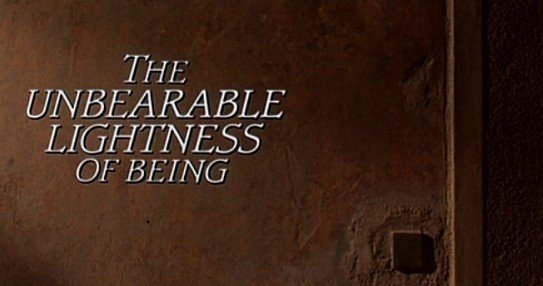
The Unbearable Lightness of Being by Milan Kundera appeared in 1984 and quickly became one of the most talked-about translations in American literary life. Set against the backdrop of the 1968 Prague Spring, it braided philosophy, eroticism, and political tragedy together in a way that felt genuinely new to many readers. It became a staple of college literature courses and dorm room bookshelves throughout the decade. The 1988 film adaptation brought it to an even wider audience, though most professors would insist the novel remains untranslatable to screen.
15. The Name of the Rose – Umberto Eco (1980)
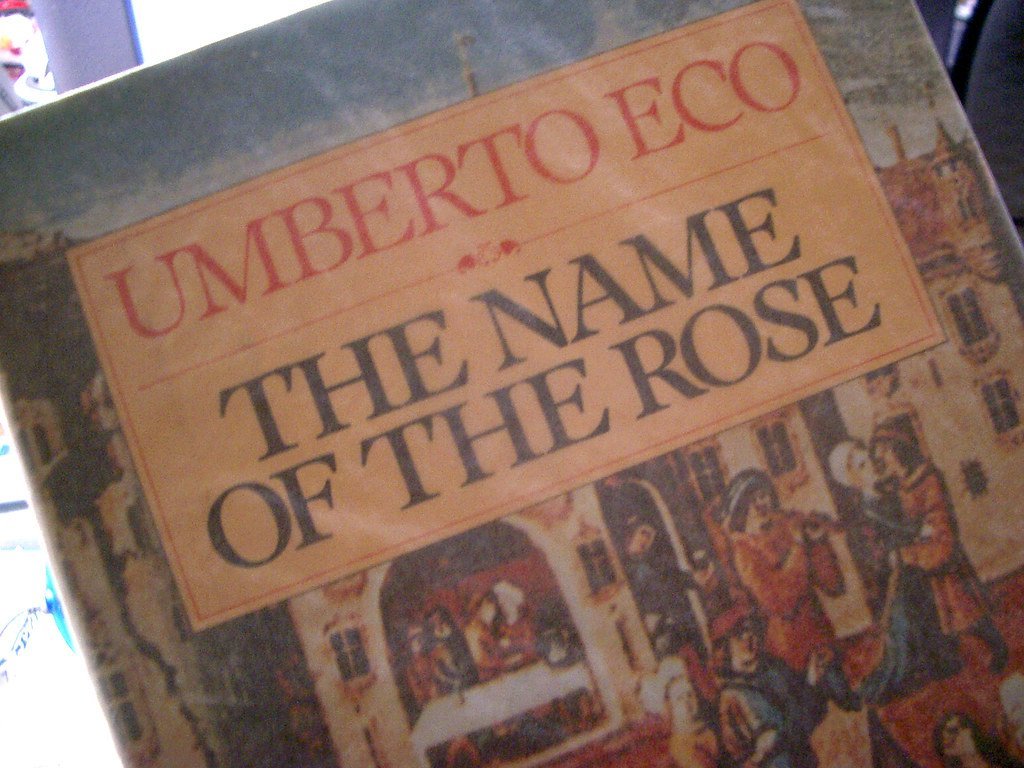
Umberto Eco’s medieval murder mystery became a surprising international phenomenon when it was published in Italy in 1980 and translated into English in 1983. It spent months on the New York Times bestseller list, which was genuinely unusual for a dense, scholarly novel set in a fourteenth-century monastery. Eco somehow made semiotics and theology read like a thriller, which remains one of the more remarkable tricks in modern literary history. A generation of readers discovered their appetite for historical fiction through this one book.
16. Patriot Games – Tom Clancy (1987)
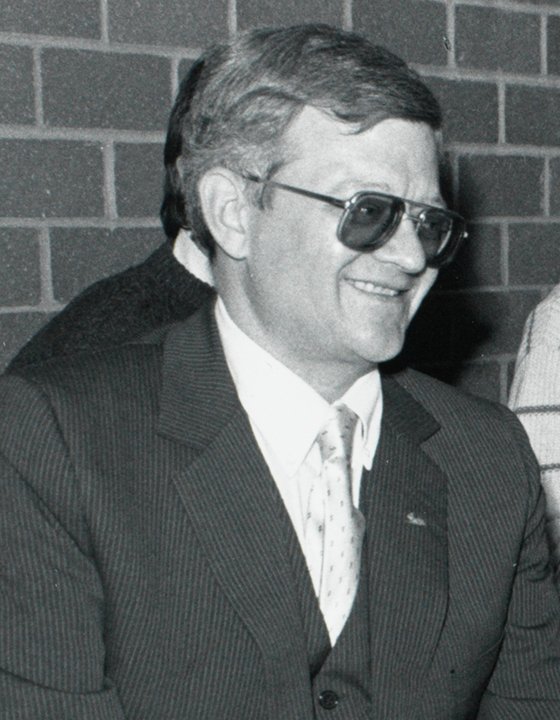
Patriot Games by Tom Clancy appeared in 1987 as the follow-up to the wildly successful The Hunt for Red October, which had already made Clancy the defining author of Cold War techno-thrillers. Clancy’s books dominated the Publishers Weekly bestseller lists throughout the latter half of the decade, and Patriot Games was no exception, introducing Jack Ryan to millions of new readers. The detailed, almost obsessive attention to military hardware and intelligence tradecraft became Clancy’s trademark. His novels were practically required reading in certain corners of Washington.
17. Presumed Innocent – Scott Turow (1987)

Presumed Innocent by Scott Turow was published in 1987 and became one of the most celebrated legal thrillers ever written, sitting atop the New York Times bestseller list for weeks and launching an entire genre of courtroom fiction. Turow, a practicing attorney, brought an insider’s authenticity to the story of a prosecutor accused of murdering his colleague, and readers responded immediately. It’s the kind of book that made people miss subway stops. The Alan Pakula film adaptation starring Harrison Ford followed in 1990, ensuring the story reached millions more.
18. Contact – Carl Sagan (1985)
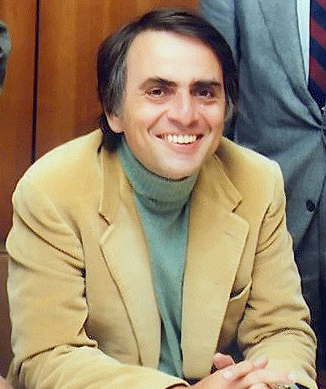
Contact by Carl Sagan was published in 1985, Sagan’s only novel, and it landed on the New York Times bestseller list with the kind of reception usually reserved for celebrity memoirs rather than science-inflected fiction. The story follows a radio astronomer who picks up a signal of extraterrestrial origin, and Sagan used the premise to explore the relationship between science, religion, and human identity with a clarity that only he could manage. It’s hard to say for sure, but the novel may have done more to promote scientific thinking in popular culture than most nonfiction books of the decade. Robert Zemeckis adapted it into a film starring Jodie Foster in 1997.
19. Watchmen – Alan Moore and Dave Gibbons (1986–1987)
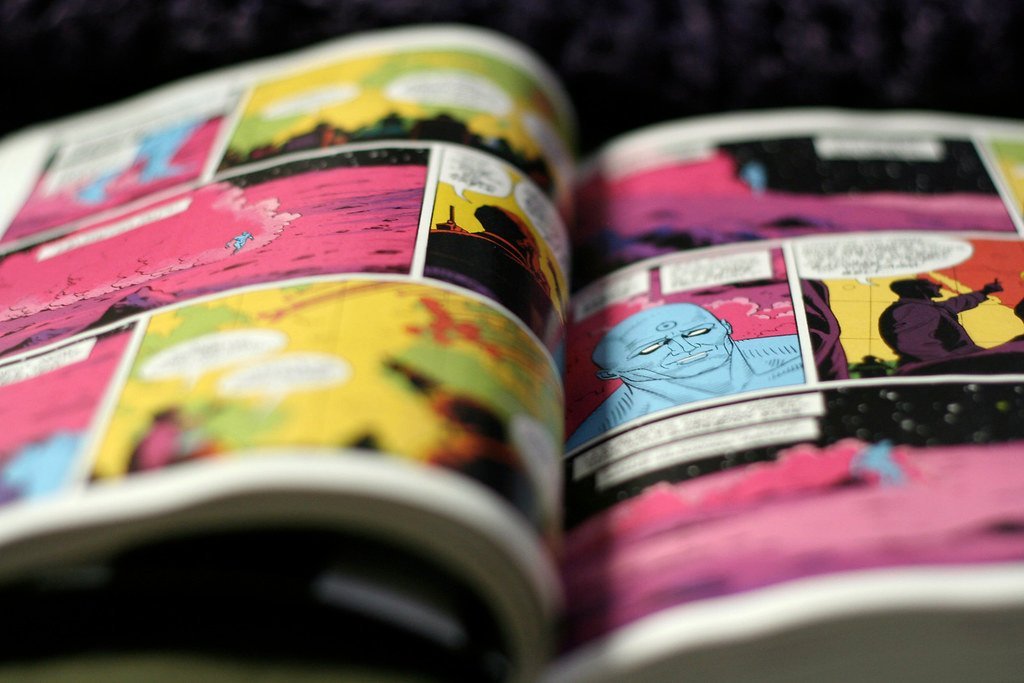
Watchmen by Alan Moore and Dave Gibbons was published in 1986 and 1987 as a serialized twelve-issue comic that was then collected into a single volume that would fundamentally reshape how the world viewed comic books. It asked what superheroes would actually be like if they existed in a morally compromised world, and the answer was dark, political, and deeply unsettling. Time magazine later included it in its list of the 100 best English-language novels published since 1923. Entire university courses have since been built around unpacking it.
20. The Satanic Verses – Salman Rushdie (1988)

It was The Satanic Verses that kicked off the largest literary controversy of the 1980s. Published in 1988, the novel triggered a political and cultural firestorm that went far beyond literary criticism, ultimately resulting in a fatwa issued by Iranian Supreme Leader Ayatollah Khomeini calling for Rushdie’s death, which forced the author into years of hiding under police protection. The Satanic Verses appeared alongside other major titles of 1988 on bestseller lists, partly driven by curiosity and controversy in equal measure. The episode became the decade’s defining collision between literature, religion, and politics, and it is still talked about in publishing and free speech discussions today.
—
Looking back, the ’80s were a stranger and richer decade for reading than we sometimes give them credit for. Horror sitting next to Pulitzer Prize winners. Graphic novels next to Cold War thrillers. Science popularizers next to feminist dystopias. That’s a wild mix. How many of these did you actually read? And honestly, how many are still sitting unfinished somewhere on a shelf?
CEO-Co-Founder
