

- 10 Legendary Rock Albums Recorded in the Most Dramatic Locations - August 26, 2026
- Certain Philosophical Ideas Dramatically Altered Human Thought Forever. - August 26, 2026
- The Dramatic Rise and Fall of Iconic Record Labels Shaped Music History. - August 26, 2026
Every era produces thousands of songs. Most disappear within months, forgotten as soon as the next release cycle begins. But a rare few just refuse to go away. They show up in grocery stores, film trailers, your grandmother’s playlist, and a teenager’s TikTok feed – all at the same time. What exactly separates those songs from the rest?
Timelessness in music is not magic. It’s measurable. There are real, documented signals – from streaming data to licensing revenue to academic research – that tell us whether a song has the kind of staying power that outlasts trends, genres, and decades. The indicators are clearer than most people think. Let’s dive in.
1. Catalog Streaming Dominance Over New Releases
One of the most concrete signs that a song has achieved lasting status is when it continues to generate streams long after its release window closes. According to Luminate’s 2025 Year-End Music Report, less than half of all U.S. on-demand audio streams – just 43% – came from tracks released in the last five years. That means the majority of listening activity in the U.S. is directed at older music. Think about what that says.
A truly timeless song doesn’t just survive its first 18 months. It keeps accumulating streams for years. U.S. on-demand streaming of “current” music, defined as tracks 18 months or newer, actually declined by 1.6% in volume compared to 2024, which makes continued growth in catalog streaming all the more meaningful. When a song pulls streams against that tide, that’s a real signal.
2. Crossing the Billion-Stream Milestone – and Staying There
Reaching one billion streams on Spotify used to be nearly impossible. Now it’s easier than ever, which is exactly why it matters how a song reaches that threshold. The time required for a song to reach one billion streams has never been shorter, with the average time falling from 2,729 days in 2015 to just 197 days. Speed alone, then, is not the indicator.
What separates a timeless song is not how fast it gets there – it’s how long it stays relevant afterward. A song like “Blinding Lights” by The Weeknd is the clearest example on the platform right now. His song “Blinding Lights” became the first track in Spotify history to cross 5 billion streams in 2025, proving his work has unmatched longevity. Years after its release, it’s still accumulating. That’s the difference between a hit and a classic.
3. Sustained Chart Presence Across Multiple Eras
Initial chart performance is almost irrelevant as a standalone measure of timelessness. Honestly, some of the most enduring songs in history barely registered when they first appeared. As music journalism has long pointed out, throughout the history of rock music, many tracks have become timeless classics despite never reaching the top spot on the Billboard Hot 100. Chart position at release tells you about marketing and momentum. It doesn’t tell you about longevity.
The real marker is re-entry. Songs that return to the charts years or even decades after their original release – driven by a film placement, a viral moment, or a cultural shift – demonstrate something very few tracks ever do. They prove they can find new audiences without being repackaged or rebranded. That cyclical chart presence is among the clearest signals that a song carries genuine cross-generational weight.
4. The Volume and Diversity of Cover Versions
Here’s the thing: when other artists want to record your song, it’s one of the most honest endorsements in music. Cover versions represent artistic admiration, not commercial obligation. According to Newsweek’s reporting on the most covered songs of all time, various versions of “Bridge Over Troubled Water” have been produced by Aretha Franklin, Roberta Flack, Tom Jones, The Jackson Five, Elvis Presley, Roy Orbison, LeAnn Rimes and John Legend – spanning multiple decades and genres.
The sheer variety of artists who cover a song reveals how universally its emotional or melodic core translates across styles. Chuck Berry’s “Johnny B. Goode” has been covered countless times by legendary acts such as The Beatles, Jimi Hendrix, and the Sex Pistols, showing its wide appeal. When a song works in rock, soul, country, and jazz – often simultaneously – its structural fundamentals are essentially unbreakable.
5. Licensing in Film and Television

A song placed in a major film or television production is not just commercially valuable – it’s a sign that music supervisors, whose entire job is emotional storytelling, consider the track irreplaceable in a given moment. The most dramatic example of sync music’s transformative power came when Kate Bush’s “Running Up That Hill” was featured in Netflix’s “Stranger Things,” generating $2.3 million in streaming royalties in just one month, with 137 million new Spotify streams in three weeks.
Catalog music from established artists, contemporary material and new music written specifically to sync with images on screen can all become key components in audiovisual media. The global sync licensing market reflects just how seriously this industry takes great songs. The global sync licensing market reached USD 5.9 billion in 2024 and is projected to grow at a CAGR of 8.4% from 2025 to 2033, potentially reaching USD 12.1 billion by 2033. Timeless songs are at the premium end of that market.
6. Cross-Generational Streaming Data

It’s one thing for older listeners to keep playing a song they loved in their twenties. That’s nostalgia, not timelessness. The real test is whether younger audiences, who have access to everything ever recorded, choose to stream a 30-year-old track on their own terms. Various research and streaming data indicate that music preference is heavily tied to childhood, with popular tastes radically diverging across generations. That makes it all the more remarkable when a song bridges that gap.
Still, not all music is destined for obscurity. A handful of exceptional artists and songs stand the test of time, their works passed down across generations. When platform data shows that a song is being discovered – not just replayed – by listeners in their teens and early twenties, that’s a powerful indicator of genuine musical longevity rather than demographic habit.
7. Decade-Specific Outlier Status in Statistical Analysis
Academic and data-driven research has begun to quantify what makes certain songs culturally durable in ways that go beyond gut feeling. Statistical analysis of music longevity across decades reveals clear patterns. When aggregating data by decade, researchers find outsized longevity for works from the 1970s, driven by a high concentration of outliers, with a sizable cohort of mega-hits such as Queen’s “Bohemian Rhapsody,” The Jackson 5’s “I Want You Back,” and Bill Withers’ “Ain’t No Sunshine.”
I think this is one of the most fascinating angles of this whole discussion. Songs that become outliers within their own era – that is, tracks that dramatically outperform everything else from the same period in terms of continued cultural reference – are the ones that tend to survive the longest. Being exceptional within a decade is a stronger predictor of timelessness than being broadly popular within it.
8. Structural and Harmonic Universality
Research published in Scientific Reports examined the musical structures of pop songs spanning more than five decades. Many structural patterns and metrics in western popular music have been consistently stable for a period of more than fifty years, though important changes were found related to the restriction of pitch transitions, the homogenization of the timbral palette, and growing loudness levels. The implication is important: songs built on time-proven harmonic structures can sound fresh even when the production around them ages.
The research also suggests something remarkable – that an old tune could perfectly sound novel and fashionable, provided that it consisted of common harmonic progressions, changed the instrumentation, and increased the average loudness. This is why so many timeless songs translate beautifully into new arrangements and cover versions. Their bones are solid enough to hold any new set of clothes placed on top of them.
9. Vinyl Sales and Physical Endurance
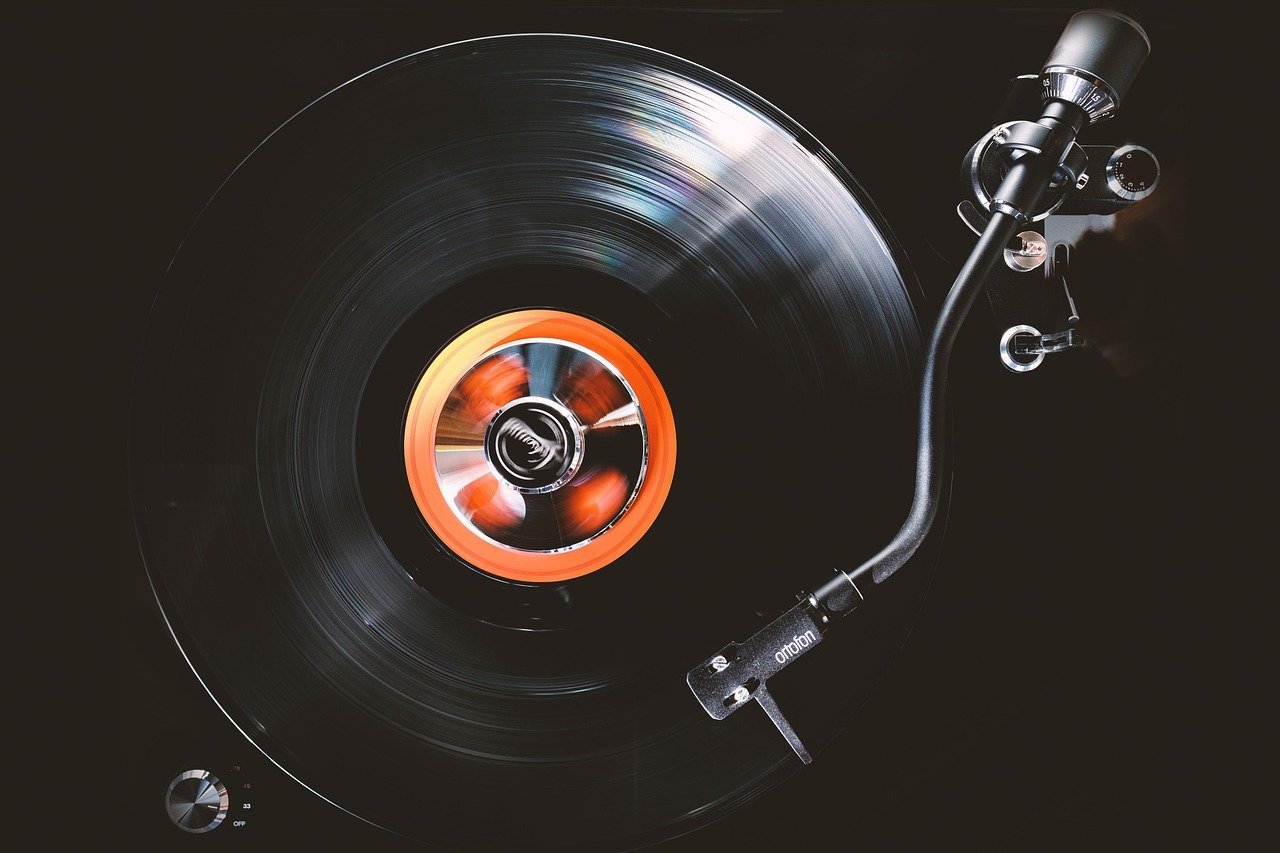
In an era where nearly all music is consumed digitally, vinyl sales represent a deliberate, considered choice. Nobody accidentally buys a record. In the physical realm, U.S. vinyl sales grew for the 19th consecutive year, increasing 8.6% to reach 47.9 million units. The songs and albums that drive those purchases are largely catalog titles – music that listeners want to own in a tangible, permanent form.
When a song ends up on vinyl because someone actively sought it out, pressed it, and paid for it, that’s a very different kind of engagement than a passive stream. It signals that the music has entered a listener’s identity. Songs that sustain vinyl demand across multiple generations are not simply popular. They are considered worth preserving – which is perhaps the clearest lay definition of timelessness there is.
10. Presence on Critical Legacy Rankings
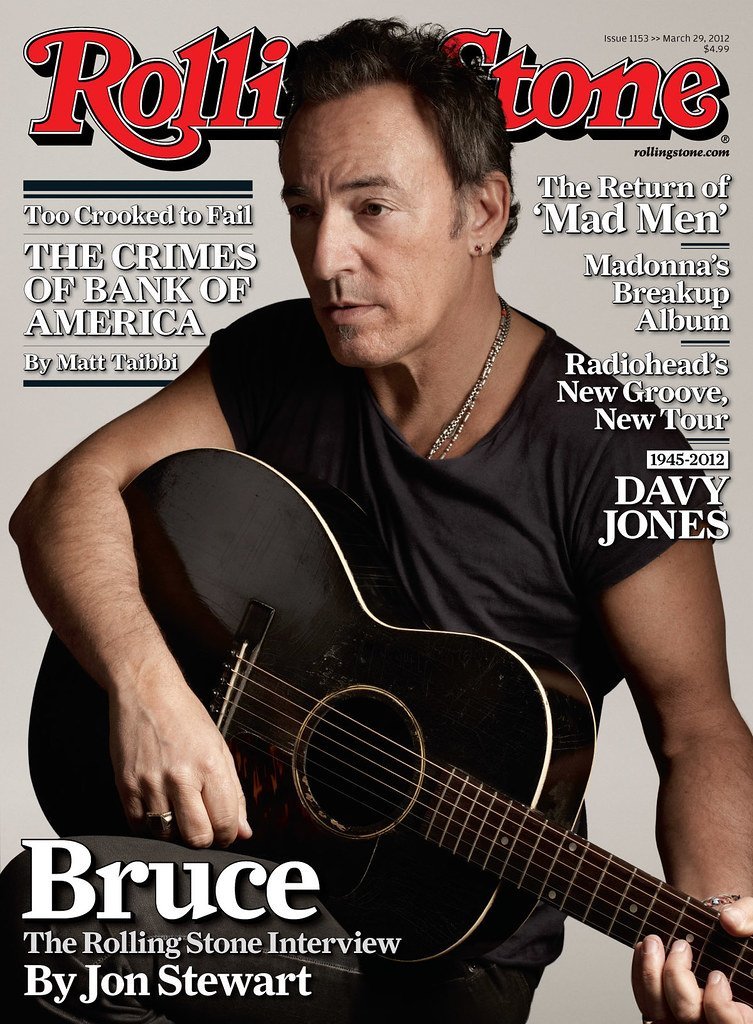
Publications like Rolling Stone periodically update their lists of the greatest songs ever recorded, and the titles that consistently appear on those lists represent a form of critical consensus that accumulates over time. Rolling Stone rated “Hey Jude” eighth on the list of the 500 Greatest Songs of All Time, and that song has appeared on critical rankings for decades, regardless of the era doing the ranking. Consistency across different critical periods is the key signal here.
It’s worth noting that critical rankings are not infallible, and I’d be the first to admit that plenty of deserving songs are overlooked for decades. Still, when a track holds its position on respected legacy lists through multiple revisions and across different editorial eras, it reflects something real – a persistent cultural weight that critics across generations keep finding impossible to dismiss.
11. Short-Form Video Discovery of Catalog Music
One of the most telling modern indicators of timelessness is when a song originally released years or decades ago finds a massive new audience through short-form video platforms. This is not nostalgia. It is active rediscovery. Short-form video platforms continue to drive catalog success; for instance, 36% of U.S. Rock fans discovered new music through short-form video in 2025. Much of that “new music” is actually old music, heard for the first time by younger listeners.
When a song from the 1980s trends on a platform dominated by Generation Z users who were not yet born when it was released, it demonstrates a cross-era emotional appeal that no marketing campaign could manufacture. The algorithm surfaces it. The audience chooses to keep it. That combination – algorithmic surfacing plus genuine listener retention – is a modern proof point for timelessness that simply didn’t exist before.
12. Sync Licensing Revenue Growth for Catalog Titles

The final and perhaps most financially concrete indicator of a song’s timeless status is its continued and growing value in the licensing marketplace. Catalog age, genre, and exclusivity shift the sync license cost, with classic hits able to command double or triple the fee of a new indie release. Music supervisors are not sentimental. They pay more for songs that reliably deliver emotional impact, and they know from experience which ones do.
Beyond streaming, catalog exploitation has proven resilient, with older hits especially those licensed for films, TV, or advertising continuing to provide stable revenue. As reported by Reprtoir in their 2026 industry analysis, classic tracks placed in advertisements or popular streaming shows can introduce new audiences to an artist’s catalog while generating substantial licensing income. A song that keeps generating licensing income decades after its release is not just culturally beloved. It is economically proven to matter – and in the music industry, that is about as definitive as any signal gets.
Conclusion: Timelessness Is Not Accidental
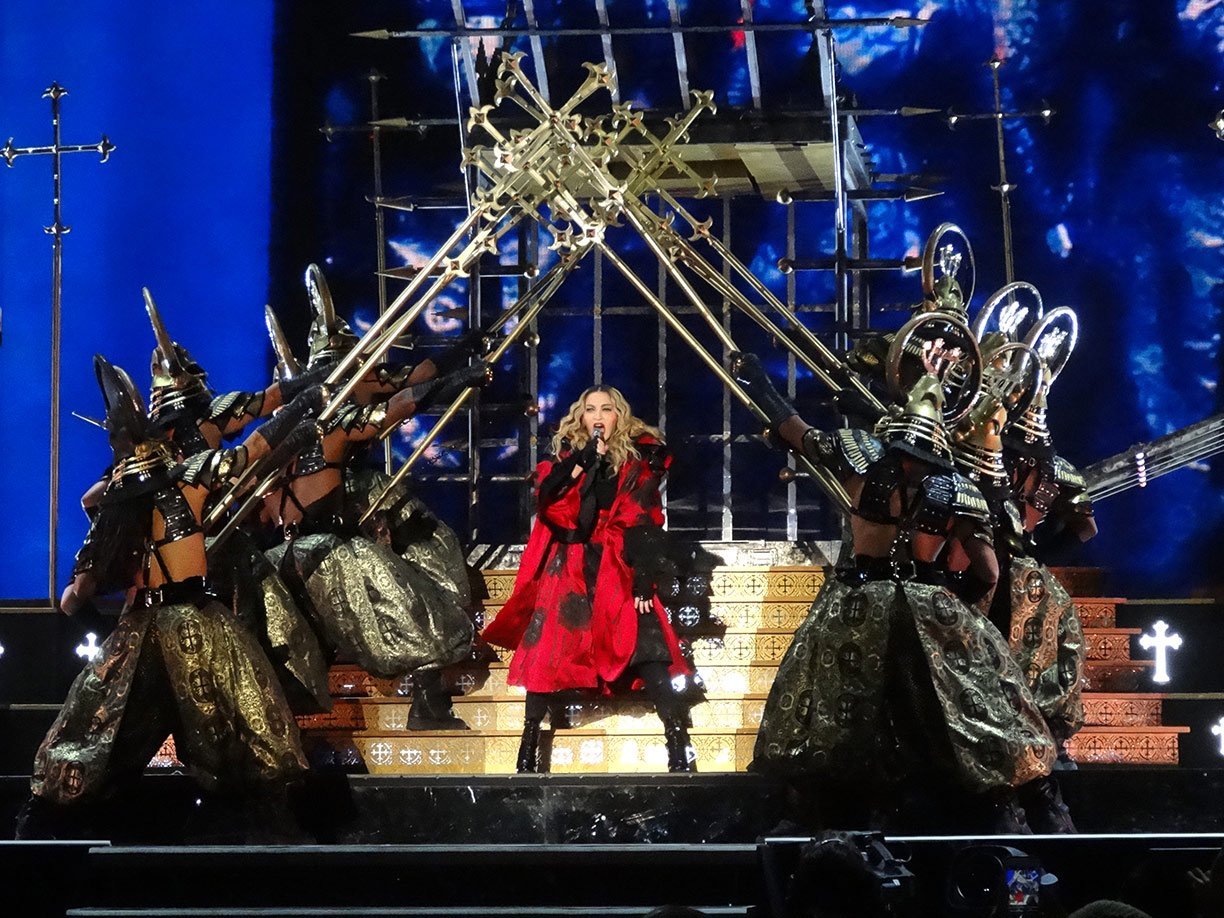
Looking at all twelve of these indicators together, something becomes very clear. Timeless songs are not just “good.” They are structurally durable, emotionally universal, cross-generationally discoverable, and commercially irreplaceable. They survive the format wars, the trend cycles, and the algorithm shifts because they operate on a frequency that goes deeper than any particular era of music production.
The data paints a consistent picture. Whether we look at Luminate’s streaming reports, Billboard’s chart history, academic research from Royal Society Open Science, or the explosive growth of the sync licensing market, the same tracks keep surfacing. They are the outliers within their own decades, the songs that artists cannot stop covering, the ones that music supervisors reach for when a scene needs to say something that words alone cannot carry.
Not every great song becomes timeless. And honestly, that’s what makes the ones that do so extraordinary. Which song do you think has the strongest case for true timelessness – and which of these twelve signals convinced you?
CEO-Co-Founder
