
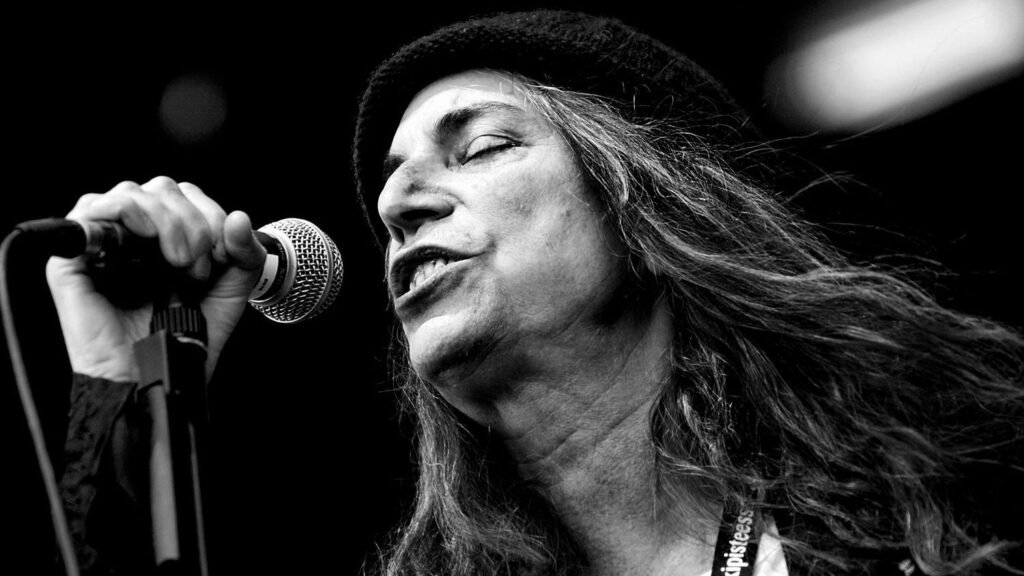
There are certain years in music that feel less like a calendar year and more like a collision. Nineteen seventy-five was exactly that. Worlds were crashing into each other. Rock was getting louder and more ambitious. Folk was getting rawer and more confessional. Funk was leaving Earth’s atmosphere entirely. Punk was loading its pistol in basement clubs. Honestly, looking back at the sheer density of what dropped in those twelve months is almost hard to believe. These were not just good records. They were turning points. Let’s dive in.
1. Blood on the Tracks – Bob Dylan (January 20, 1975)
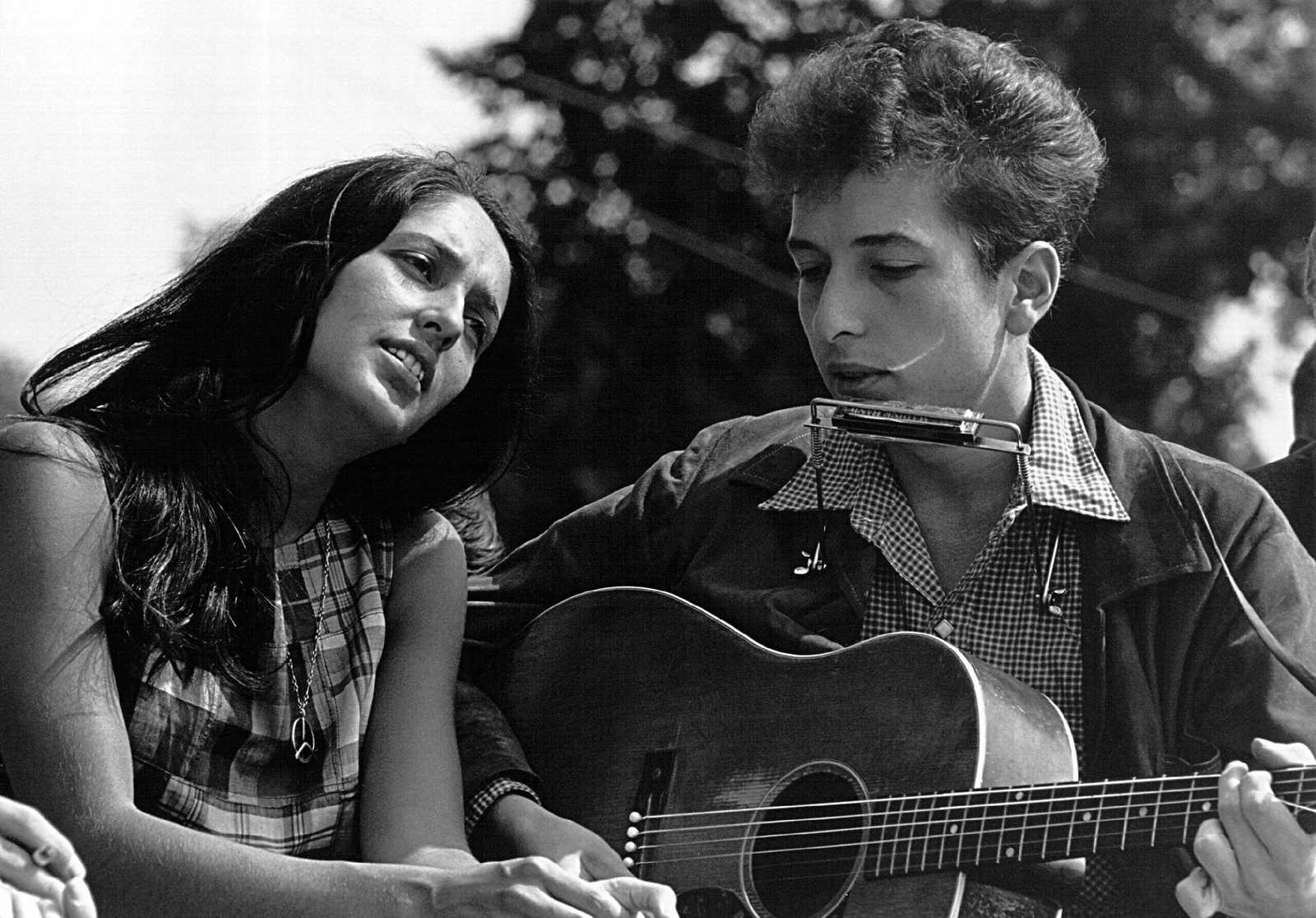
Few records have ever captured the anatomy of heartbreak with such surgical precision. Waves of sorrow, anger, and lonesome yearning ripple through what many consider Dylan’s most open-hearted album. The modern category of the divorce album essentially began here, finding a messier prototype a few years later in Fleetwood Mac’s Rumours. As noted by history.com in their 2025 retrospective on the year’s iconic albums, this one rewrote the emotional vocabulary of the singer-songwriter genre in ways that still echo through every confessional album released today.
2. Physical Graffiti – Led Zeppelin (February 24, 1975)
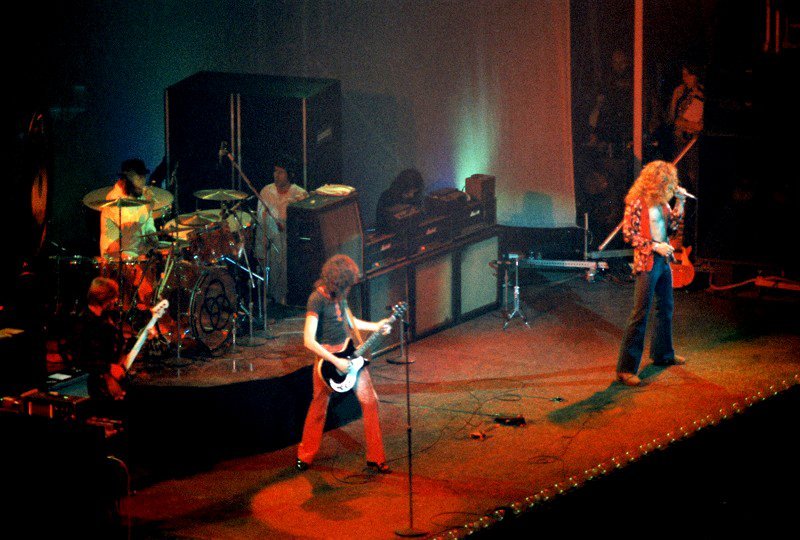
Released on February 24, 1975, the album was a commercial and critical success, having built up a huge advance order, and when eventually issued it reached number one in the UK charts. Physical Graffiti has since been certified 16 times Platinum by the RIAA for US sales in excess of 16 million copies. There were other big, ambitious records that year, but Physical Graffiti shipped more than a million copies and became the fastest-selling record in history at that time. It remains the definitive argument for the double album as an art form.
3. Born to Run – Bruce Springsteen (August 25, 1975)

Released on August 25, 1975, Born to Run peaked at number three on the Billboard Top LPs and Tape chart and topped the Record World chart. Due to the success of the record, Springsteen was featured on the covers of Time and Newsweek during the same week of October 27, 1975. He was the first rock star to do so. America’s favorite rock star’s third studio album is the record that changed his life and rock music forever, reshaping the sound in the image of the beloved Jersey boy.
4. Wish You Were Here – Pink Floyd (September 12, 1975)
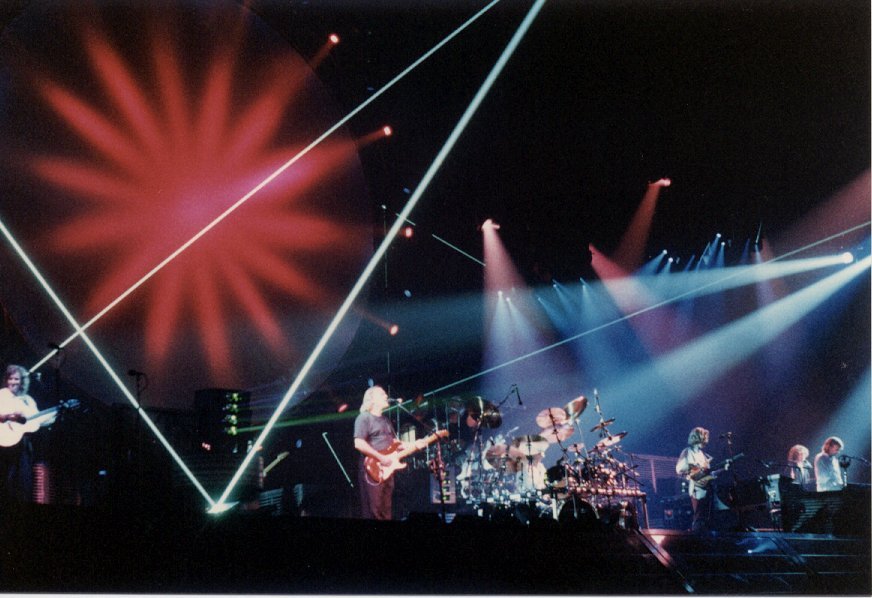
Pink Floyd had already reached the summit with The Dark Side of the Moon in 1973, so the pressure on this follow-up was enormous. Wish You Were Here is a certified Gold album that topped charts in several European countries and sold an estimated 13 million copies. Built around the fragmented legacy of Syd Barrett and the alienation of the music industry itself, the album asks questions about fame and loss that never quite go out of style. As Rolling Stone noted in their April 2025 retrospective on the best albums of 1975, it still sounds fantastic today.
5. A Night at the Opera – Queen (November 28, 1975)
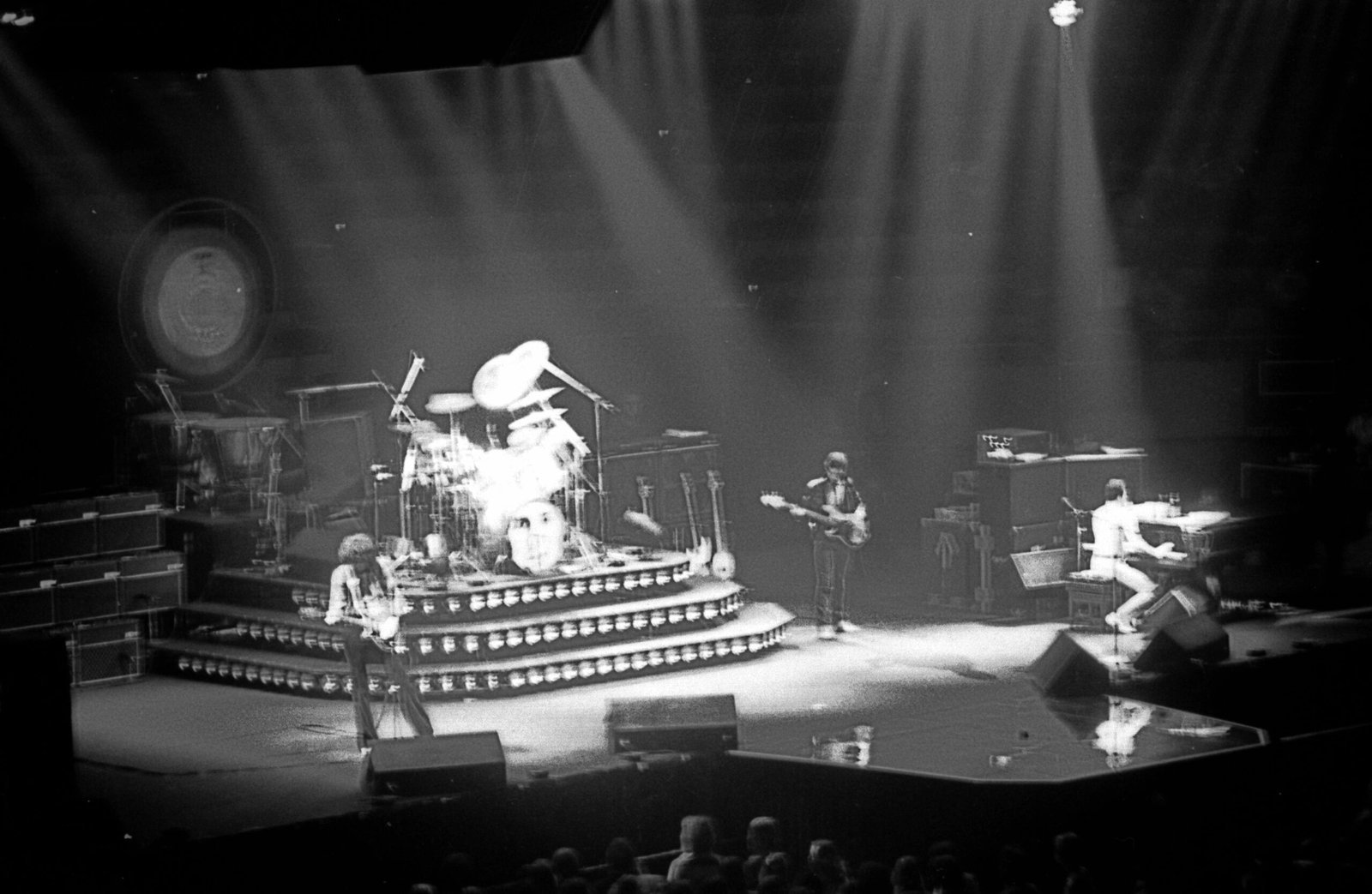
With their fourth album, Queen proved they could take serious-minded genres like progressive rock and heavy metal and filter them through a fun, flamboyant vision of their own. Often cited as the most expensive album of its day, A Night at the Opera catapulted the British group to international fame. The album’s theatricality and eclectic style, ranging from hard rock anthems to operatic ballads, showcases Queen’s unparalleled versatility and creativity. Bohemian Rhapsody alone could have defined a career. The fact that it was just one track on this record tells you everything.
6. Horses – Patti Smith (November 10, 1975)
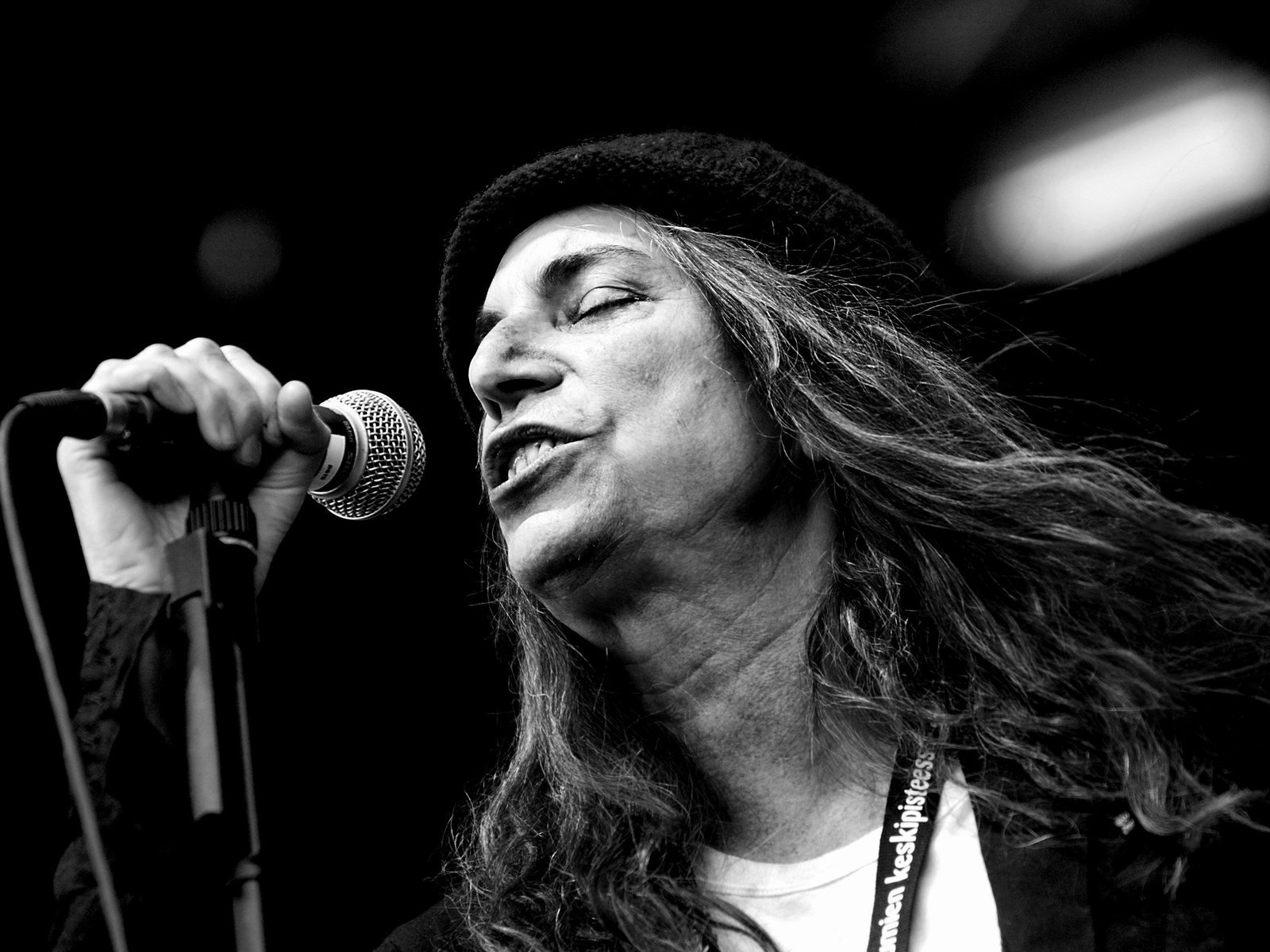
Plenty of restless poets have dabbled in rock music, but few have emerged with a debut as potent and era-defining as Horses. Patti Smith’s 1975 debut needs no reintroduction. A two-disc 50th anniversary reissue, adding pre-LP demos and works-in-progress from the John Cale-produced sessions, charts in previously-unreleased detail the singer-poet’s commitment to risk and wonder. Horses is the sound of Smith finding a voice and future in rock and roll. Punk, art rock, and poetry never merged quite so violently or beautifully again.
7. Fleetwood Mac – Fleetwood Mac (July 11, 1975)
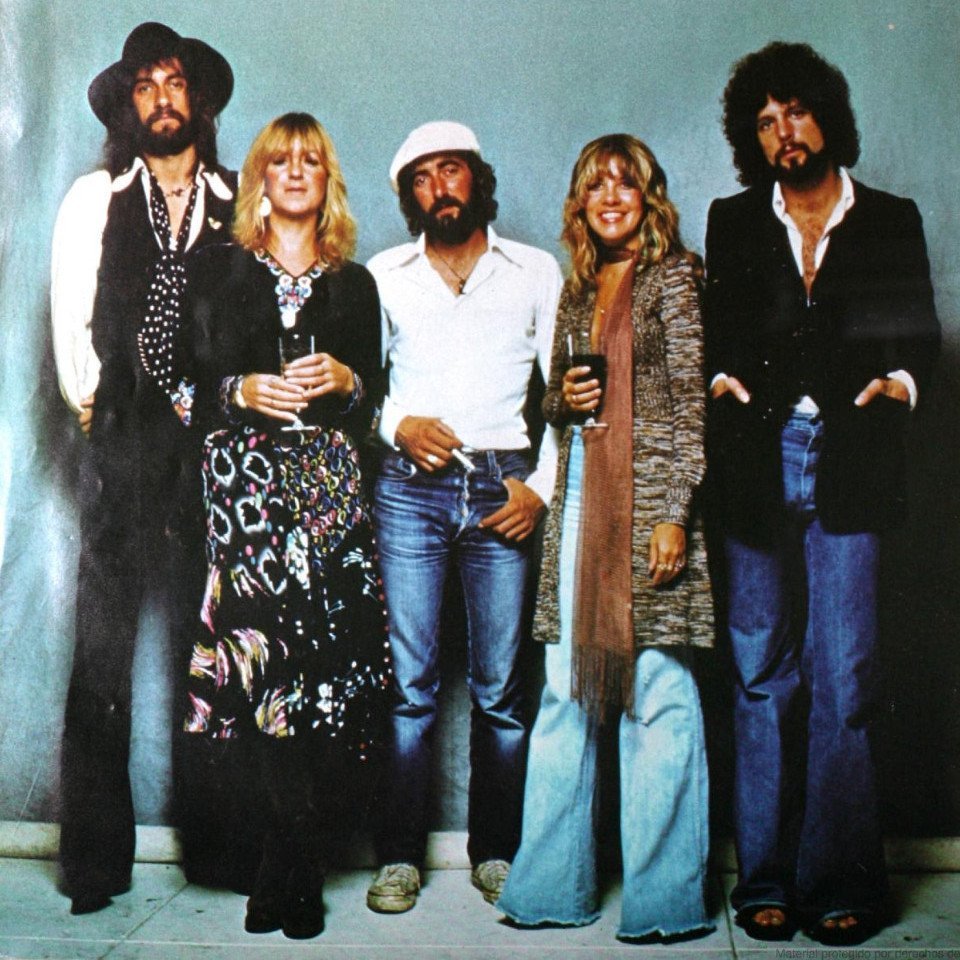
On the 50th anniversary of its original release, the self-titled Fleetwood Mac album was certified nine times platinum by the RIAA. The album peaked at number one on the US Billboard 200 chart, 58 weeks after entering the chart, and spawned three top-twenty singles: “Over My Head,” “Rhiannon,” and “Say You Love Me.” The album’s sound marked a break from the band’s blues-based roots, pivoting toward a melodic, harmony-rich approach that would come to define a generation of FM radio. It’s the unlikely origin story of one of the biggest bands on Earth.
8. Mothership Connection – Parliament (December 15, 1975)
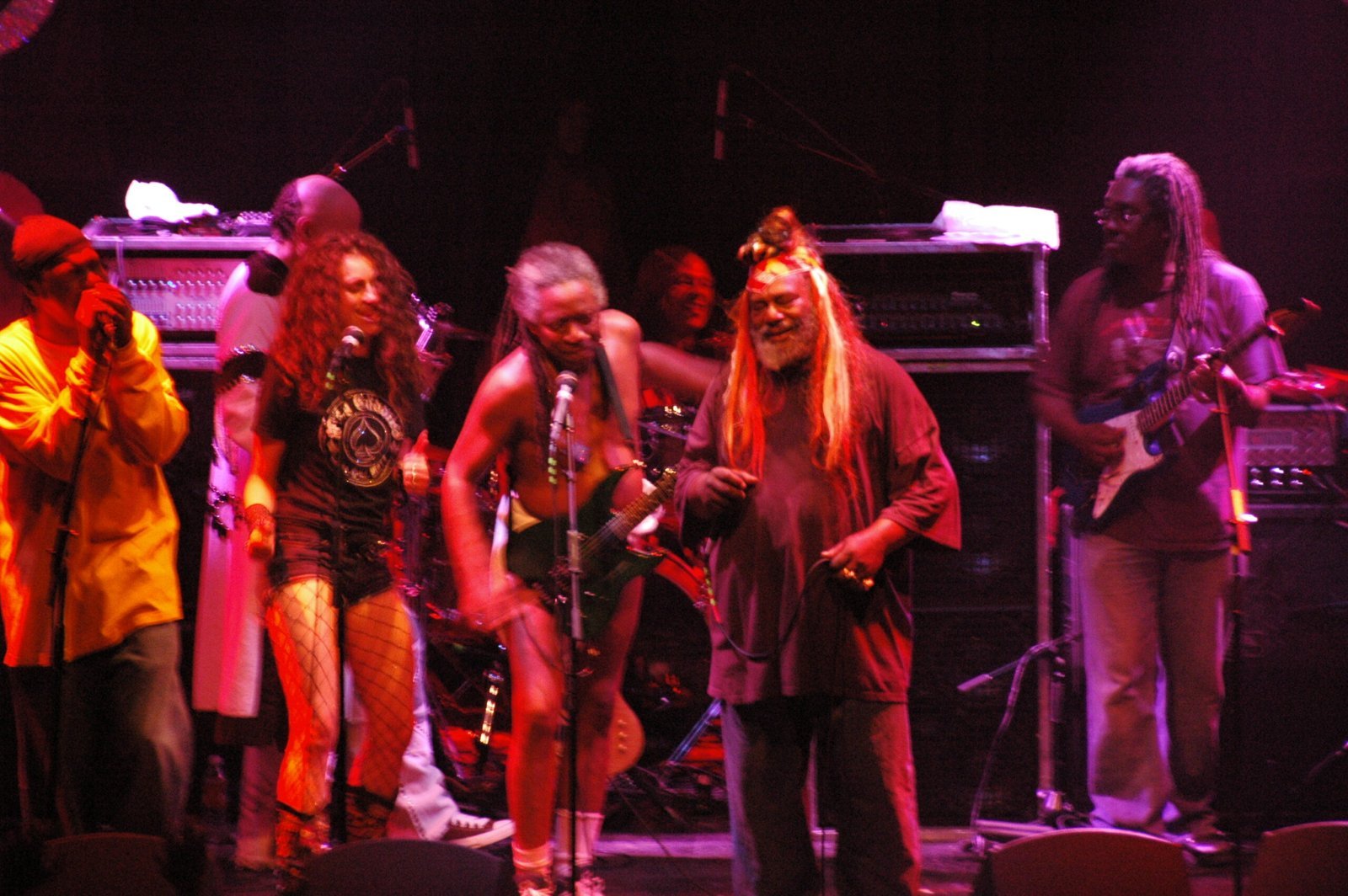
Funk was already bold before George Clinton arrived, but Mothership Connection took the whole genre into a different solar system. Mothership Connection went gold and platinum, its key single went gold, and the album was later voted into the National Recording Registry in 2011. As described by music journalists consistently since its release, this was a full conceptual universe: spaceship imagery, extraterrestrial mythology, and an unstoppable groove section that influenced virtually every funk, R&B, and hip-hop act that came after it. Parliament released what many consider one of the most significant funk albums of all time.
9. The Hissing of Summer Lawns – Joni Mitchell (November 1, 1975)
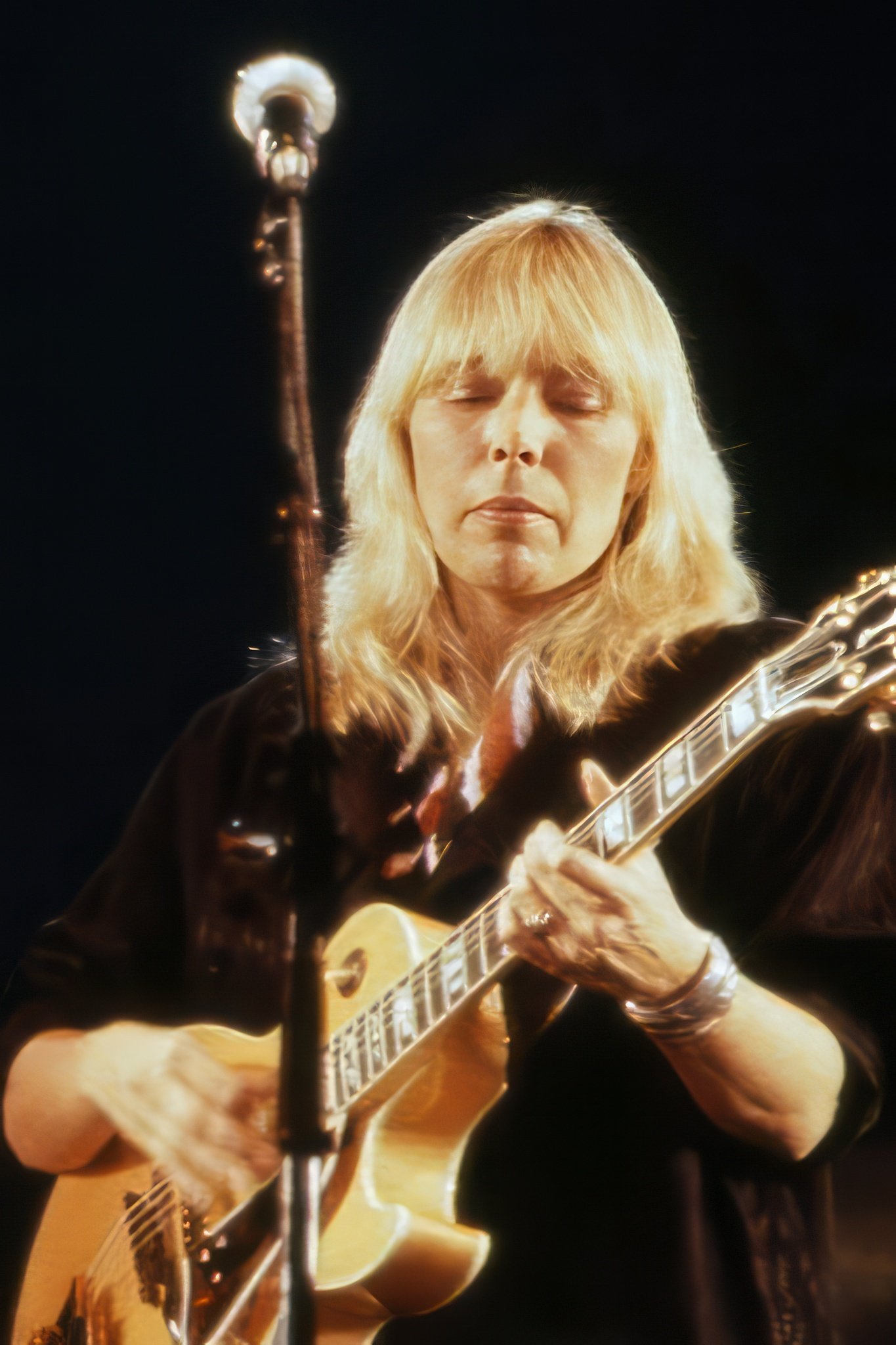
Few artists transformed their sound as mightily between 1970 and 1975 as Joni Mitchell, who immersed herself in freewheeling jazz-pop fusion as a backdrop for sneakily complex songs of feminist malaise. Stretching beyond folk-rock instrumentation, Mitchell grew more musically restless, incorporating congas and Dobro resonator guitar on the anti-patriarchal “Don’t Interrupt the Sorrow” and sampling an African percussion loop on the remarkably ahead-of-its-time “The Jungle Line.” It was misunderstood on release. Fifty years later, it sounds prophetic.
10. Tonight’s the Night – Neil Young (June 20, 1975)
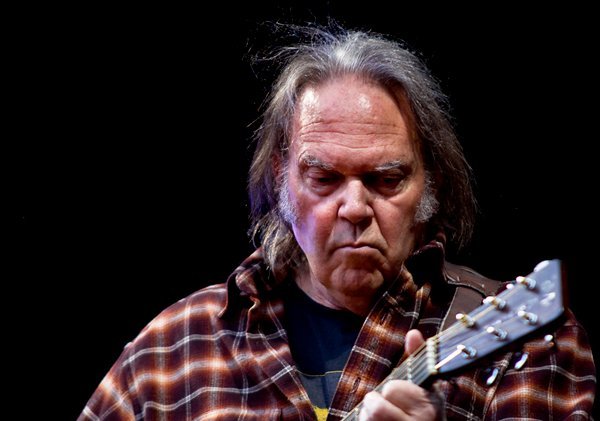
Neil Young released Tonight’s the Night as a harrowing exploration of drug addiction, death, and grief that was originally recorded two years earlier. It is more than likely the artist’s most honest recording. The album fared well with regard to industry standards, peaking at number 25 on Billboard, but achieved even deeper accolades within the artist’s fandom and via music publication critique. It was the last album considered part of his Ditch Trilogy, a streak of deliberately uncommercial records that remain some of the most emotionally honest music ever made.
11. Toys in the Attic – Aerosmith (April 8, 1975)

Including much-loved songs like “Walk This Way” and “Sweet Emotion,” the rock superstars’ third studio album established them as kings of raunchy and languid hard rock. Before this record, Aerosmith were a promising band with a regional following. After it, they were one of the biggest rock acts in America. Walk This Way would later be sampled by Run-DMC in 1986, crossing a bridge between rock and hip-hop that quite literally changed popular music. That single moment of influence alone earns Toys in the Attic a permanent place in history.
12. That’s the Way of the World – Earth, Wind and Fire (March 3, 1975)
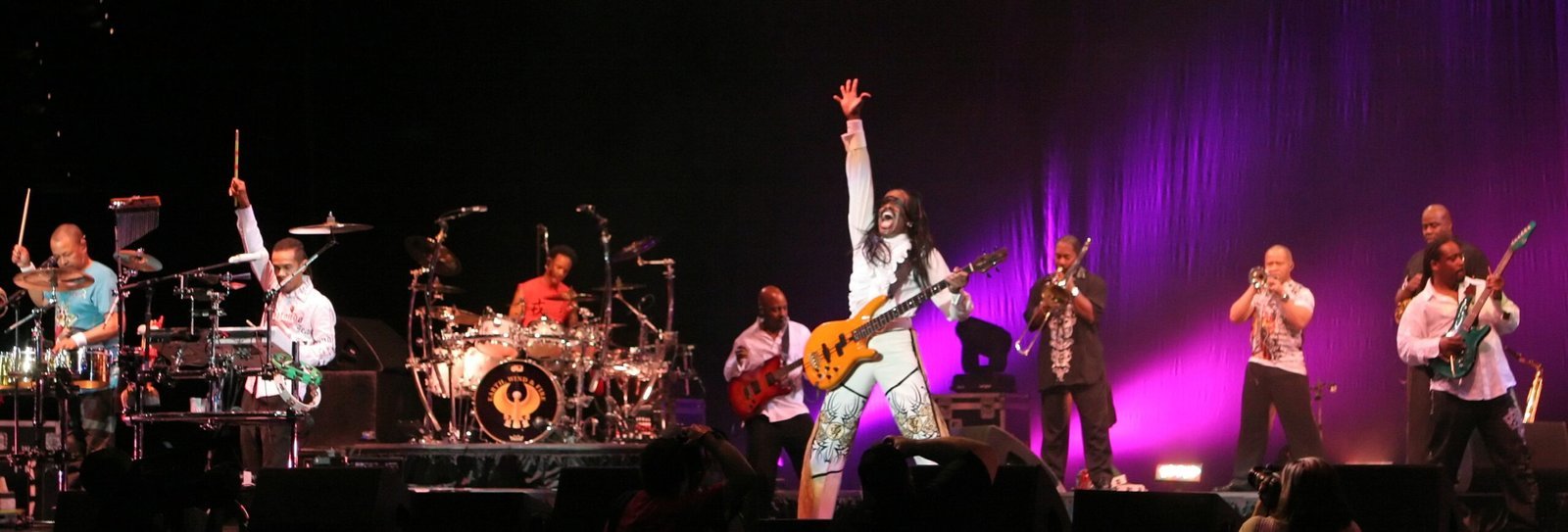
Featuring classics such as “Reasons” and “Shining Star,” the R&B group’s 1975 album is among their bestsellers and transformed them from artists of their time to evergreen pop stars. Shining Star reached number one on the Billboard Hot 100 in April 1975, the band’s first chart-topper. The album’s combination of funk grooves, orchestral richness, and spiritual uplift created a sound that felt genuinely new. As noted by uDiscover Music, this record proved the group were not just popular but truly enduring.
13. One of These Nights – Eagles (June 10, 1975)
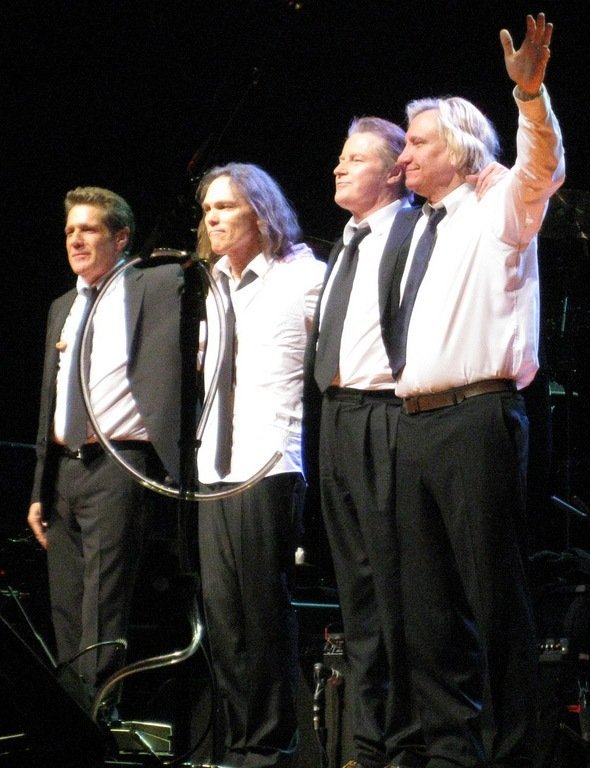
The California band’s fourth and most popular studio album was also the last to feature its original lineup. While improving on its brand of country, rock, and folk, the Eagles incorporated elements of R&B and swing into the mix and made indelible marks with the title track, “Lyin’ Eyes,” “Take It to the Limit,” and “Journey of the Sorcerer.” One of These Nights debuted at number one on the Billboard 200 and defined the smooth, radio-conquering sound of mid-seventies California rock. It is the Eagles at their most controlled and most irresistible.
14. Young Americans – David Bowie (March 7, 1975)
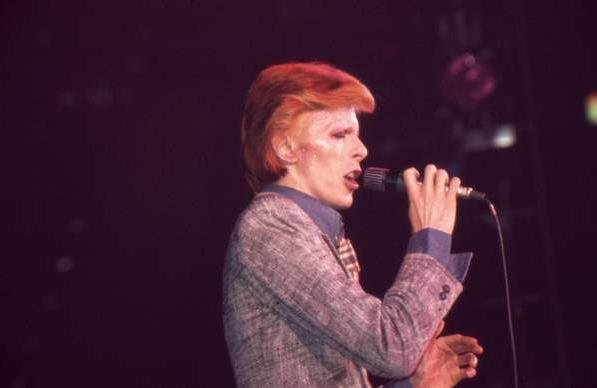
Bowie had already been through Ziggy Stardust, Aladdin Sane, and Diamond Dogs. Then he pivoted to Philadelphia soul and disco, recording at Sigma Sound Studios with Luther Vandross providing backup vocals. The result was Young Americans, a record that showcased Bowie’s chameleon genius more clearly than perhaps any other album in his catalog. As Rolling Stone noted in their 2025 best albums of 1975 coverage, the title track and Fame – co-written with John Lennon – gave Bowie his first US number one single and proved that no musical territory was off limits to him.
15. Red Headed Stranger – Willie Nelson (May 1975)

With a $4,000 budget, Willie Nelson made a rule-breaking, boundary-busting album that captivated fans and critics alike and rode the Billboard chart for 120 weeks. Against spare arrangements and expressive melodies, Nelson wove an epic tale of a heartbroken lonely wanderer. It’s daring, evocative, and haunting. In a genre built on big production and commercial polish, Red Headed Stranger was practically whispered. That was precisely what made it revolutionary, and it remains the foundation stone of the outlaw country movement.
16. The Basement Tapes – Bob Dylan and The Band (June 26, 1975)
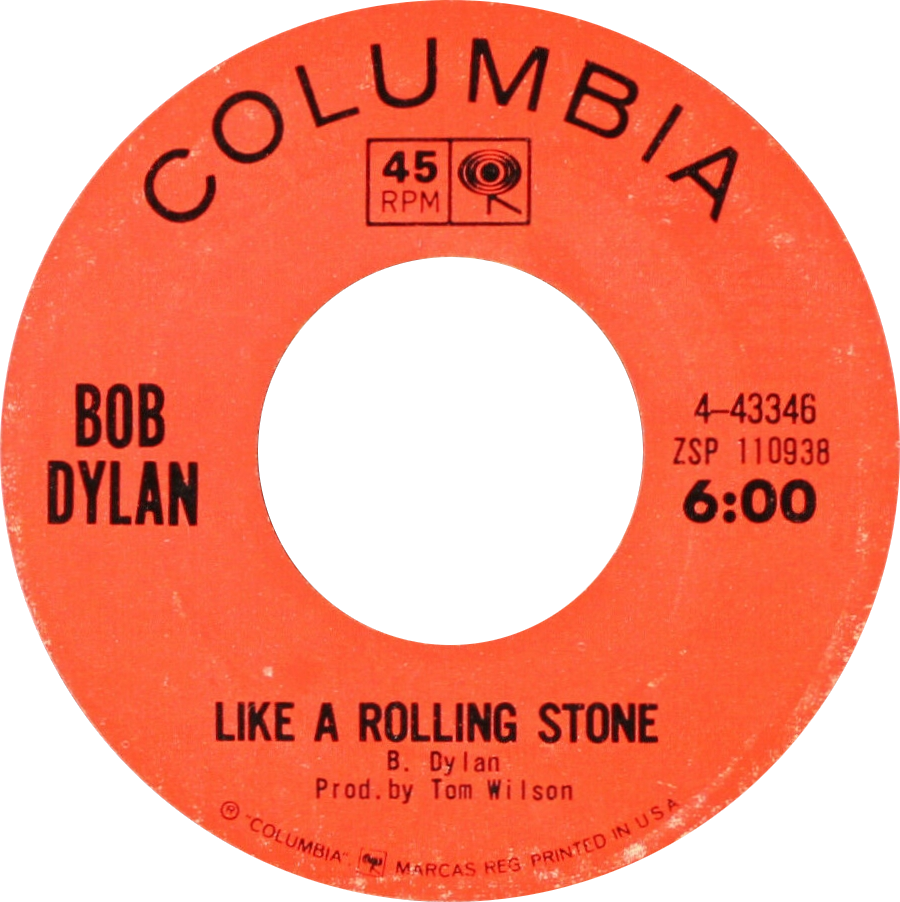
Bob Dylan and the Band finally released The Basement Tapes in 1975, though it was originally recorded back in 1967. Interestingly, it was one of two classic albums Dylan released in 1975, the other being Blood on the Tracks. The album was voted the best album of 1975 in the Pazz and Jop, an annual critics poll run by The Village Voice. Releasing an eight-year-old recording that still managed to top a year filled with giants says everything about its raw, timeless power.
17. Köln Concert – Keith Jarrett (January 24, 1975)

Saddled with an out-of-tune piano and in the midst of excruciating back pain, Jarrett’s live recording has gone down in jazz history as the best-selling piano recording of all time. The whole thing was improvised, start to finish, performed at the Cologne Opera House in Germany for an audience expecting something very different from what they got. What Jarrett produced in those conditions is miraculous, the musical equivalent of a painter creating a masterpiece while blindfolded. It remains one of the most extraordinary documents in the entire ECM Records catalog.
18. Bee Gees Main Course – Bee Gees (June 1975)
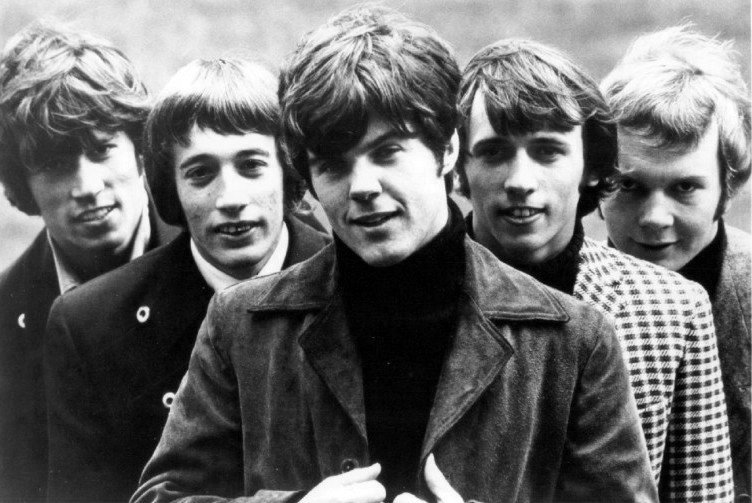
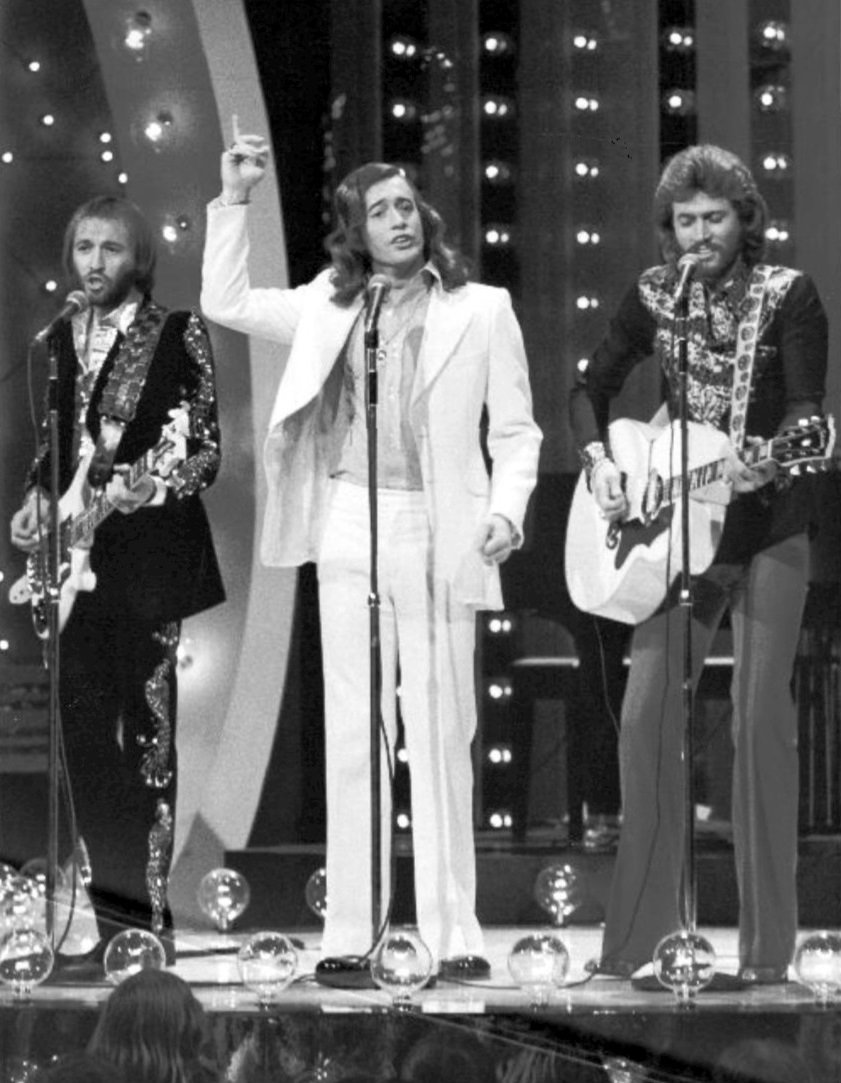
Main Course was the album that saw the Bee Gees successfully transition to a more disco-oriented sound, featuring hits like “Jive Talkin'” and “Nights on Broadway,” which not only defined their new direction but also left an indelible mark on the music landscape of the late seventies. Main Course is a landmark release that captured the Bee Gees during one of their most creative periods, and with its irresistible grooves, the album remains a classic. Without this pivot, Saturday Night Fever might never have happened. Think about that for a second.
19. Still Crazy After All These Years – Paul Simon (October 1975)

Featuring the hit “50 Ways to Leave Your Lover,” the singer-songwriter’s 1975 album saw him joining forces again with Art Garfunkel, resulting in one of his most successful records and earning him two Grammys. The album won the Grammy for Album of the Year in 1976. As history.com observed in its 2025 anniversary coverage of the year’s iconic albums, this record occupied a lane that was opening up for sophisticated singer-songwriters who blended jazz sensibility with pop clarity. It’s an album that sounds effortless. It really, truly wasn’t.
20. Another Green World – Brian Eno (September 1975)
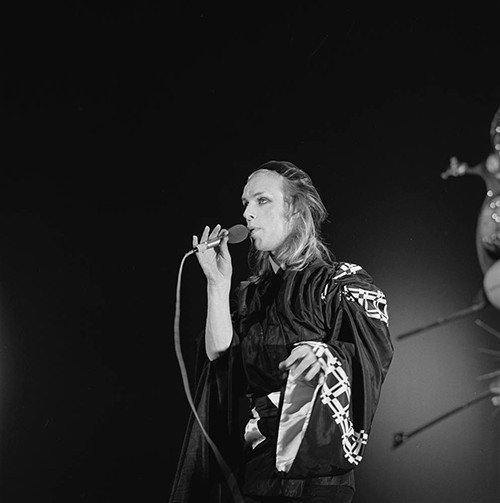
Another Green World finds Brian Eno suspended halfway between the art rock of his Roxy Music days and the ambient sound he would pioneer by the decade’s end. Most people who have never heard the album have been influenced by artists who have. Its approach to texture, silence, and sonic architecture shaped everything from post-punk to film scoring to modern electronic music. As Rolling Stone’s 2025 ranking of the year’s best albums noted, it stands as one of 1975’s most quietly radical statements. Quietly radical. That’s the perfect description for a record that changed everything while barely raising its voice.
A Year That Refused to Be Ordinary
Nineteen seventy-five did not produce twenty great albums. It produced dozens. The twenty here represent a cross-section of genres, ambitions, and artistic gambles that somehow all paid off in the same calendar year. In 1975, the music industry was a world in transition. Classic rockers who defined the 1960s were gone or falling out of favor. Thrilling new genres, like punk and disco, were bubbling up in regional scenes on the verge of breaking into the mainstream. Newly minted stars were reshaping what rock stardom looked like. Fifty years on, these albums don’t just hold up. They still push forward.
Which of these 1975 albums do you think had the deepest lasting impact on music? Tell us in the comments.

- 33 Lyrics That Were Secretly Codes (Wait Until #12) - August 7, 2026
- 45 Iconic Songs Everyone Has Been Singing Wrong For Decades - August 7, 2026
- The 18 Biggest Music Scandals of the 2000s - July 29, 2026

