

For any feedback please reach out to info@festivalinside.com
- 10 Iconic Movie Soundtracks That Defined an Era and Are Still Essential Listening - August 17, 2026
- 12 Unexpected Connections Between Ancient History and Modern Pop Culture Phenomena - August 17, 2026
- 10 Iconic Fashion Trends From the 70s and 80s Making a Dramatic Return This Season. - August 17, 2026
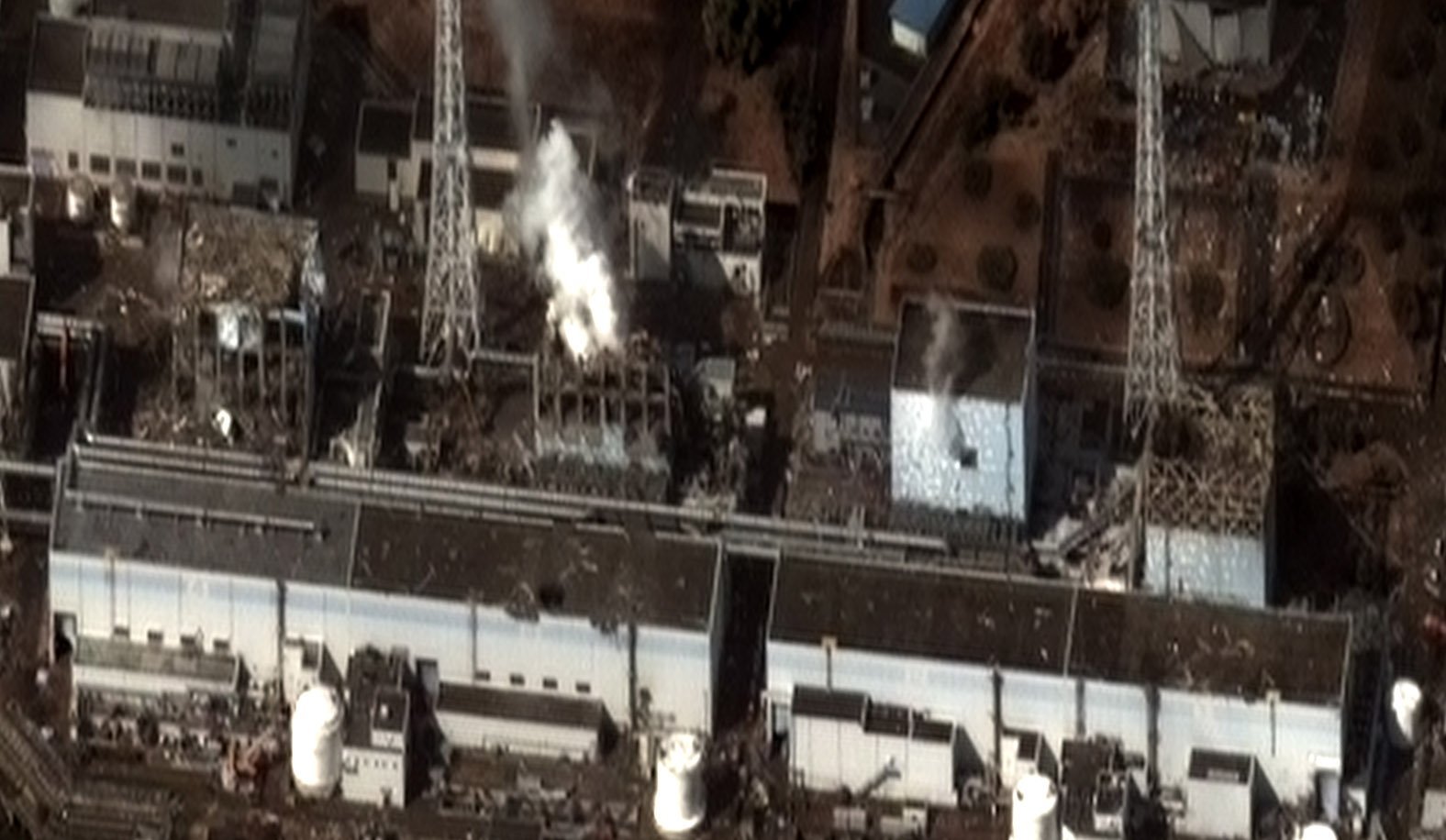
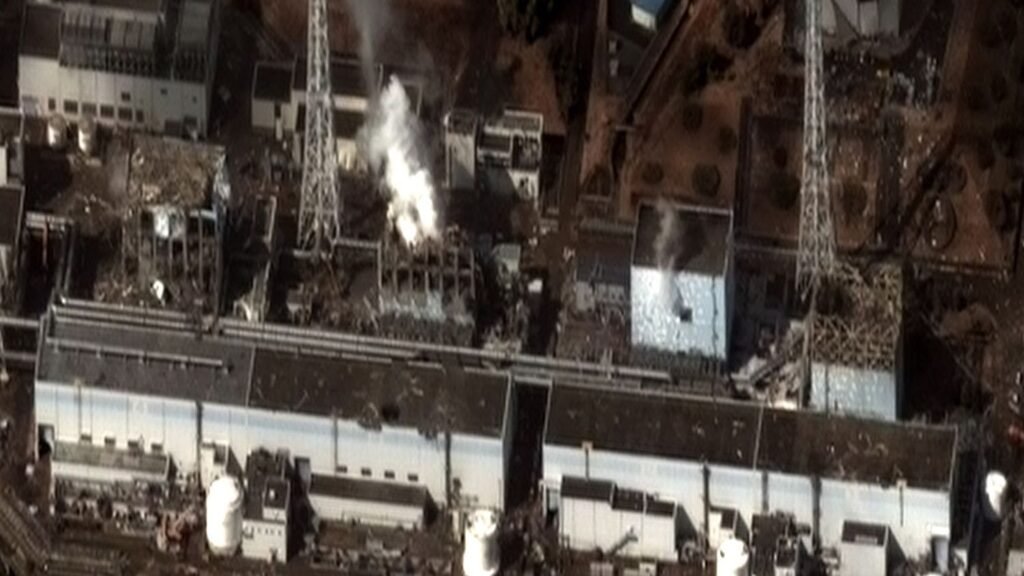
Fifteen years after a monstrous earthquake and tsunami unleashed chaos on Japan’s northeast coast, HBO has unveiled the trailer for its hard-hitting documentary Fukushima: A Nuclear Nightmare, set to premiere March 10 on HBO and Max. This timely release spotlights the near-total meltdown at the Fukushima Daiichi plant, a catastrophe that spewed radiation across vast swaths of land and sea. Communities still wrestle with displacement and distrust, even as Japan tentatively restarts nuclear reactors amid global energy pressures. Here’s the thing: the anniversary forces a reckoning with whether we’ve truly learned from nature’s fury combined with human hubris.
Decontamination drags on, radioactive water discharges stir international fury, and the psychological toll lingers like fallout in the wind. What makes this moment electric is HBO’s dive into survivor testimonies and the raw mechanics of the meltdown, reminding viewers that recovery remains a marathon, not a sprint.
The Cataclysm That Shook the World
A magnitude 9.0 earthquake slammed Japan’s Tohoku region on March 11, 2011, triggering tsunami waves towering up to 40 meters that pulverized coastal defenses. Fukushima Daiichi’s six reactors, already battered, lost backup power, sparking meltdowns in three cores and hydrogen explosions that hurled cesium-137 and other isotopes skyward. Over 160,000 tons of contaminated water pooled as a toxic byproduct, turning the site into a labyrinth of peril. Nearly 20,000 perished in the tsunami’s wrath, but the nuclear breach amplified fears of invisible poisons spreading unchecked. Workers scrambled in sweltering darkness to vent reactors manually, buying time against total annihilation. This chain reaction exposed vulnerabilities in an industry long cloaked in overconfidence.
The Fukushima 50: Unsung Guardians Amid Hellfire
Dubbed the Fukushima 50, a core group of plant workers stayed behind as evacuation orders emptied the facility, facing blistering radiation and structural collapse. These men navigated isolation and terror, manually overriding systems to prevent worse catastrophe, their stories now central to HBO’s narrative. Families scattered, children uprooted from homes, while over 2,300 evacuees later succumbed to stress-related ills like suicide and neglected care. Mental health crises exploded, with depression and PTSD rates dwarfing national norms, hitting women and elders hardest. Let’s be real: their sacrifice averted a Tokyo-threatening plume, yet official narratives often gloss over the human price. Today, memorials honor them, but many await justice and return.
Health Shadows and Environmental Quagmire Persist
Thyroid cancer cases among young evacuees top 300, sparking debates over radiation’s role despite rigorous screening, while fears of leukemia and heart issues simmer from low-dose exposure. Wildlife shows mutations in butterflies, marine life carries elevated radiation, though ecosystems claw back resilience. Decontamination crews scrape soil and scrub buildings across thousands of hectares, but tritium-tainted water defies fixes – Japan’s 2023 sea releases ignited protests from fishermen and neighbors like China. IAEA monitoring deems discharges safe, yet local distrust festers, boycotting certified produce. Cleanup costs trillions of yen, projected over decades with tech like radiation drones aiding surveys. This standoff highlights how nuclear stains endure, defying quick erasure.
TEPCO’s Reckoning as Japan Flirts with Nuclear Revival
Tokyo Electric Power Company drew fire for skimping on tsunami walls despite 2008 warnings of 10-meter waves, plus botched communication that bred panic. Compensation nears 10 trillion yen, but victims slam shortfalls for lost livelihoods; executive charges fizzled in 2018, fueling outrage. Reforms ditch “safety mythology,” mandating extreme-scenario designs. Now, TEPCO eyes restarting Kashiwazaki-Kariwa, the world’s largest plant dormant since 2011, with one reactor firing up amid local pushback. Of 33 operable reactors, 14 hum online as Japan chases emissions cuts and energy security. Skeptics question if scars from Fukushima truly inform this pivot.
Global Echoes and the Push for Transparency
Fukushima spurred Germany’s nuclear exit, European stress tests, and U.S. seawall upgrades, while IAEA decries complacency in aging fleets. China bolsters protocols in expansions, Pacific nations eye ocean currents for radionuclides – none widespread yet. Debates rage on small modular reactors as safer bets, Ukraine’s Zaporizhzhia woes underscoring warzone risks. HBO’s film arrives as exclusion zones shrink, 80% return in spots, with new towns and safe farms blooming. Yet youth flight and aging holdouts stall revival. This anniversary demands unflinching looks at atomic ambitions.
Final Thought
Fukushima stands as a brutal testament to technology’s double edge, where progress collides with unpredictability. As HBO spotlights these enduring wounds, Japan balances revival against remembrance – what price for powering ahead? Communities inch toward normalcy, but full healing feels distant. How do you weigh nuclear’s promise against its perils? Share your take in the comments.
Source: Original YouTube Video

Christian Wiedeck, all the way from Germany, loves music festivals, especially in the USA. His articles bring the excitement of these events to readers worldwide.
For any feedback please reach out to info@festivalinside.com
