
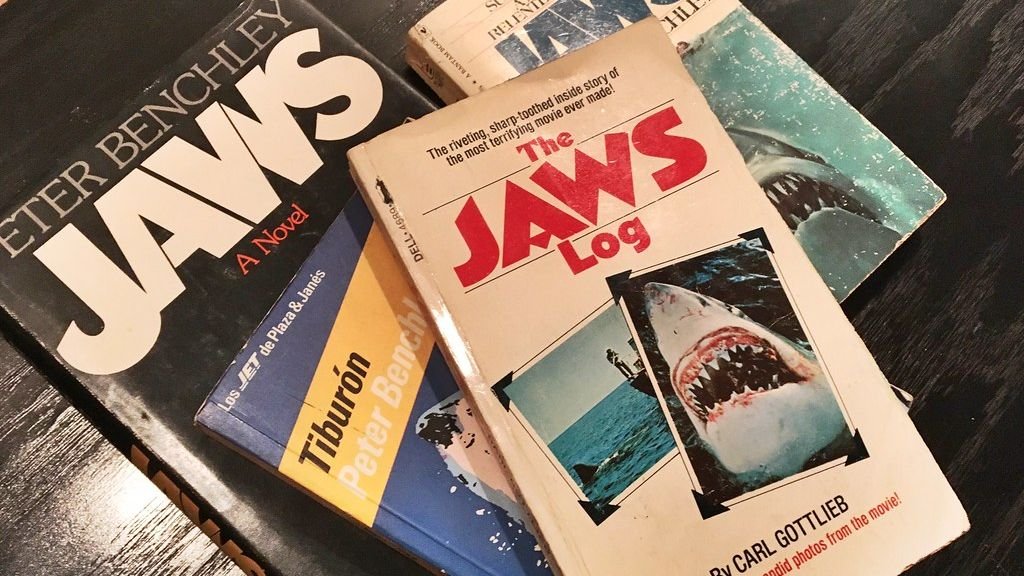
Picture this: your book climbs the charts, fans rave, movies get made. Yet the creator grimaces in private. These literary legends built empires on works they wished they could erase. What drove their disdain? Let’s explore.
1. Arthur Conan Doyle and Sherlock Holmes
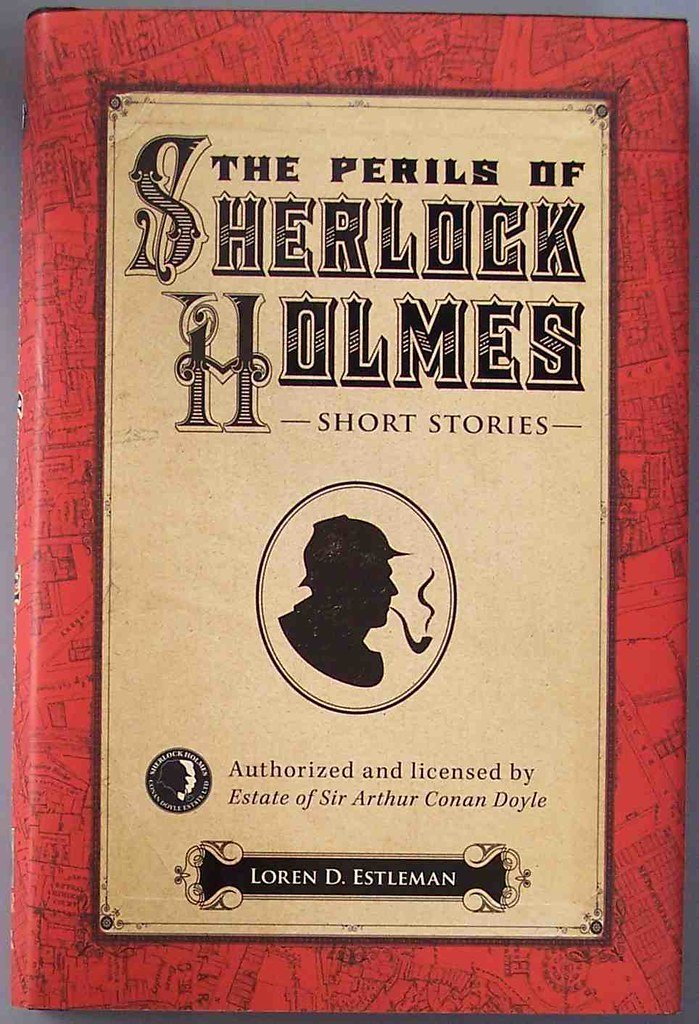
Sherlock Holmes turned Arthur Conan Doyle into a household name with massive sales across dozens of stories. He saw the detective tales as shallow distractions from his deeper historical fiction ambitions. Tired of the character’s grip, Doyle even killed Holmes off at Reichenbach Falls before fan pressure brought him back. Honestly, it’s wild how success trapped him.[1][2]
2. Peter Benchley and Jaws
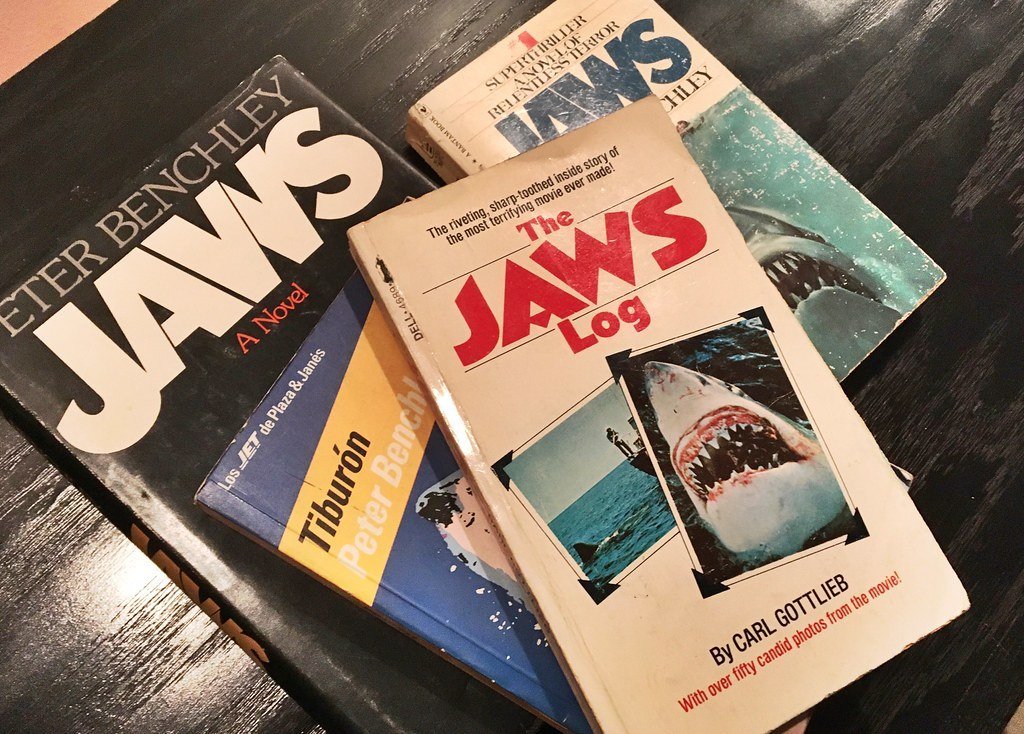
Jaws exploded as a blockbuster novel, selling millions and spawning the ultimate summer movie. Peter Benchley later regretted fueling shark hysteria since he knew attacks on humans are rare. He switched to ocean conservation, fighting the very fear his story ignited. Talk about irony turning into activism.[1][2]
3. Ian Fleming and The Spy Who Loved Me
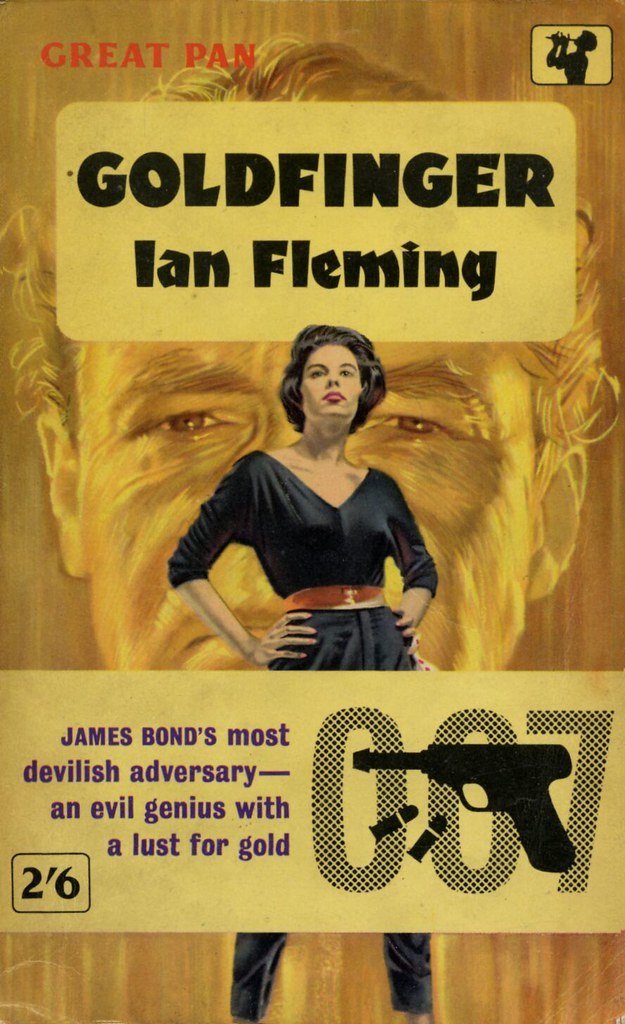
This James Bond entry shifted to a woman’s viewpoint, aiming to expose the spy’s flaws rather than glorify him. Ian Fleming soured on it fast amid brutal reviews and young fans missing the point. He pushed publishers to halt reprints, though its rarity boosted value posthumously. Experiments like that rarely age well.[1][2]
Still, Bond’s empire overshadowed the regret.
4. Anthony Burgess and A Clockwork Orange
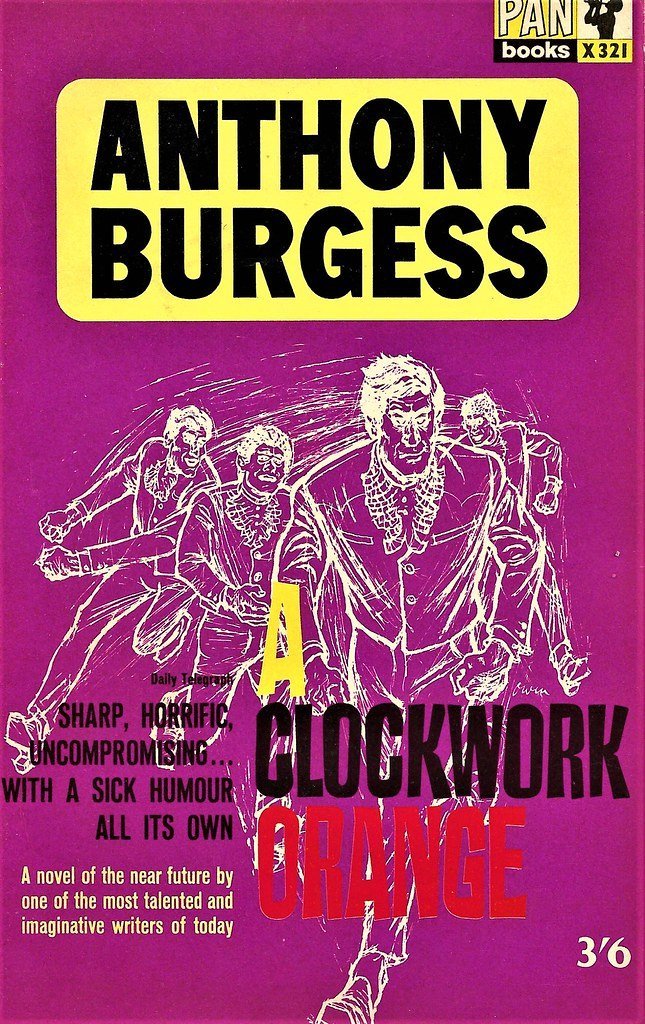
A Clockwork Orange rocketed to fame, especially post-Kubrick film, with sales soaring worldwide. Anthony Burgess dismissed it as a quick cash grab, a playful whim turned moral fable misunderstood as violence porn. The movie’s version without his intended redemptive end irked him deeply. Here’s the thing: fame twisted his intent.[1][2]
5. A.A. Milne and Winnie-the-Pooh
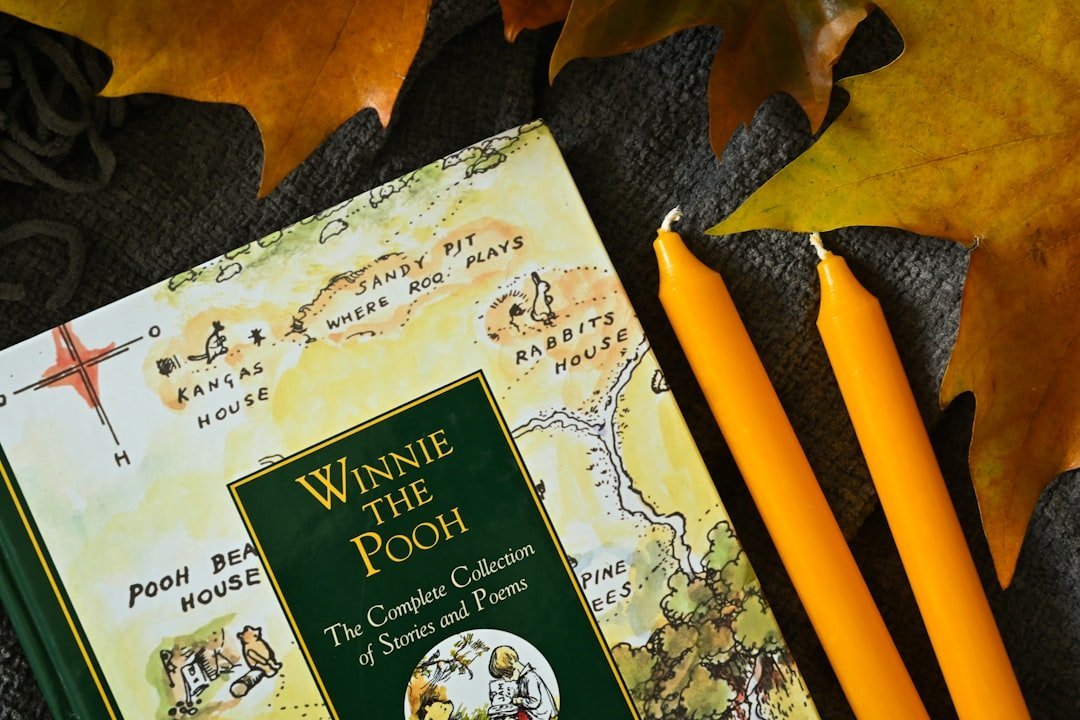
Winnie-the-Pooh books charmed generations, dominating children’s bestseller lists for decades. A.A. Milne grew bitter as they eclipsed his adult plays and novels, trapping him in whimsy. His son Christopher Robin suffered too, resenting the public gaze. Success can feel like a cage sometimes.[2][3]
6. Lewis Carroll and Alice’s Adventures in Wonderland
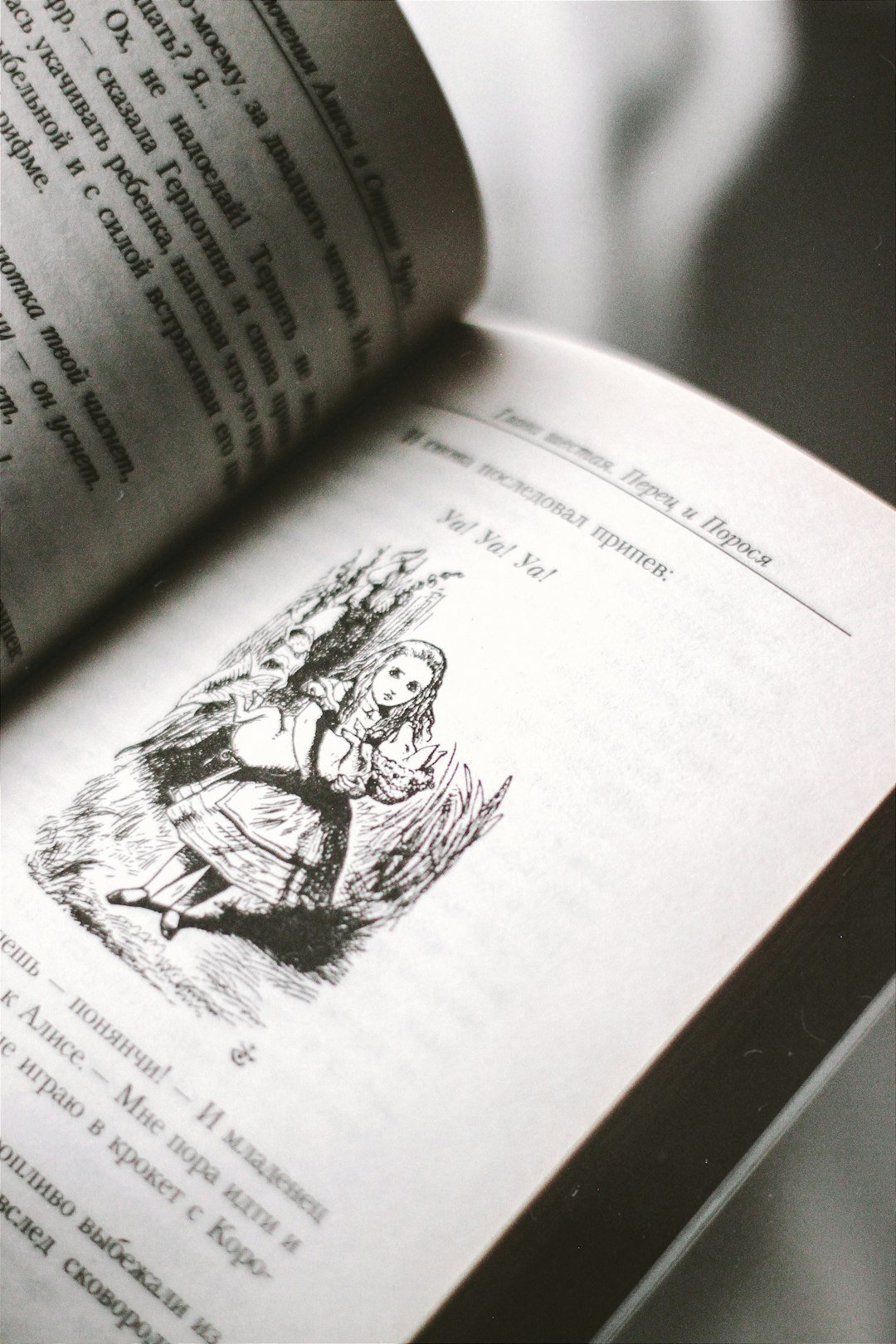
Alice captivated readers, becoming a perennial bestseller with endless adaptations. Lewis Carroll despised the fame, hating strangers linking his real name to the tale. He dodged publicity, wishing the book away to reclaim privacy. Fame’s spotlight burns bright but harsh.[2][3]
7. Louisa May Alcott and Little Women
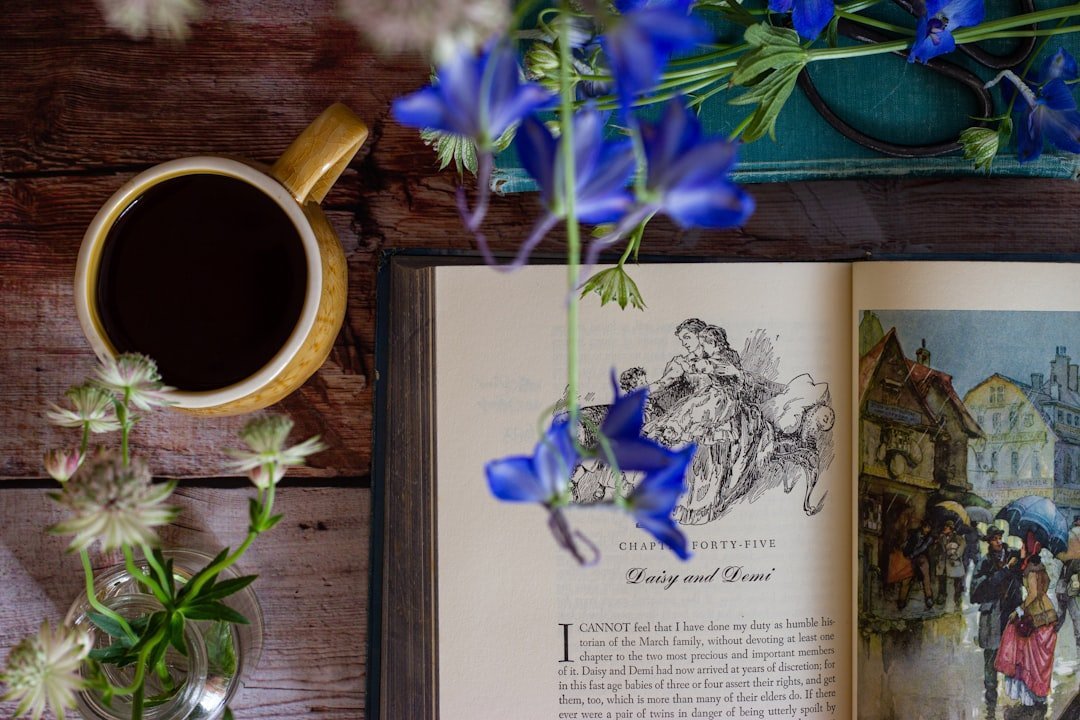
Little Women flew off shelves, a Civil War era smash hit adored by girls everywhere. Louisa May Alcott grumbled it was moral pap she penned reluctantly, even perversely pairing Jo against fan wishes. She preferred her thrillers anyway. Readers demanded one thing; her heart pulled elsewhere.[2]
8. Agatha Christie and Hercule Poirot
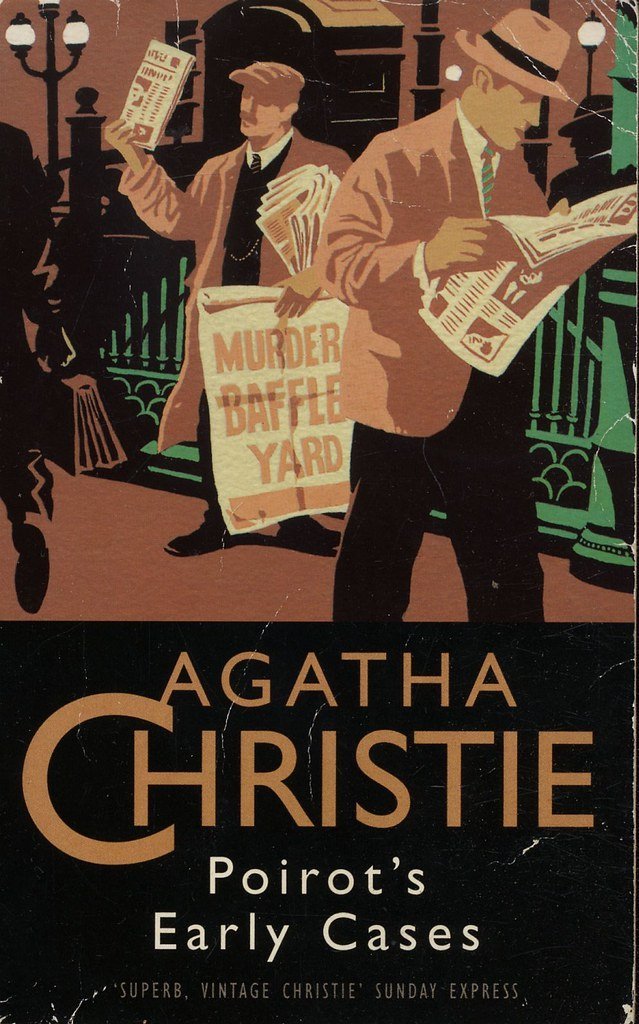
Hercule Poirot solved mysteries in bestsellers that funded Christie’s life comfortably. She branded him a tiresome egomaniac, eager to bury the character after decades. Still, his stories outsold her dreams. Popularity demands endurance.[2]
Exorcising him brought relief at last.
9. Franz Kafka and The Metamorphosis
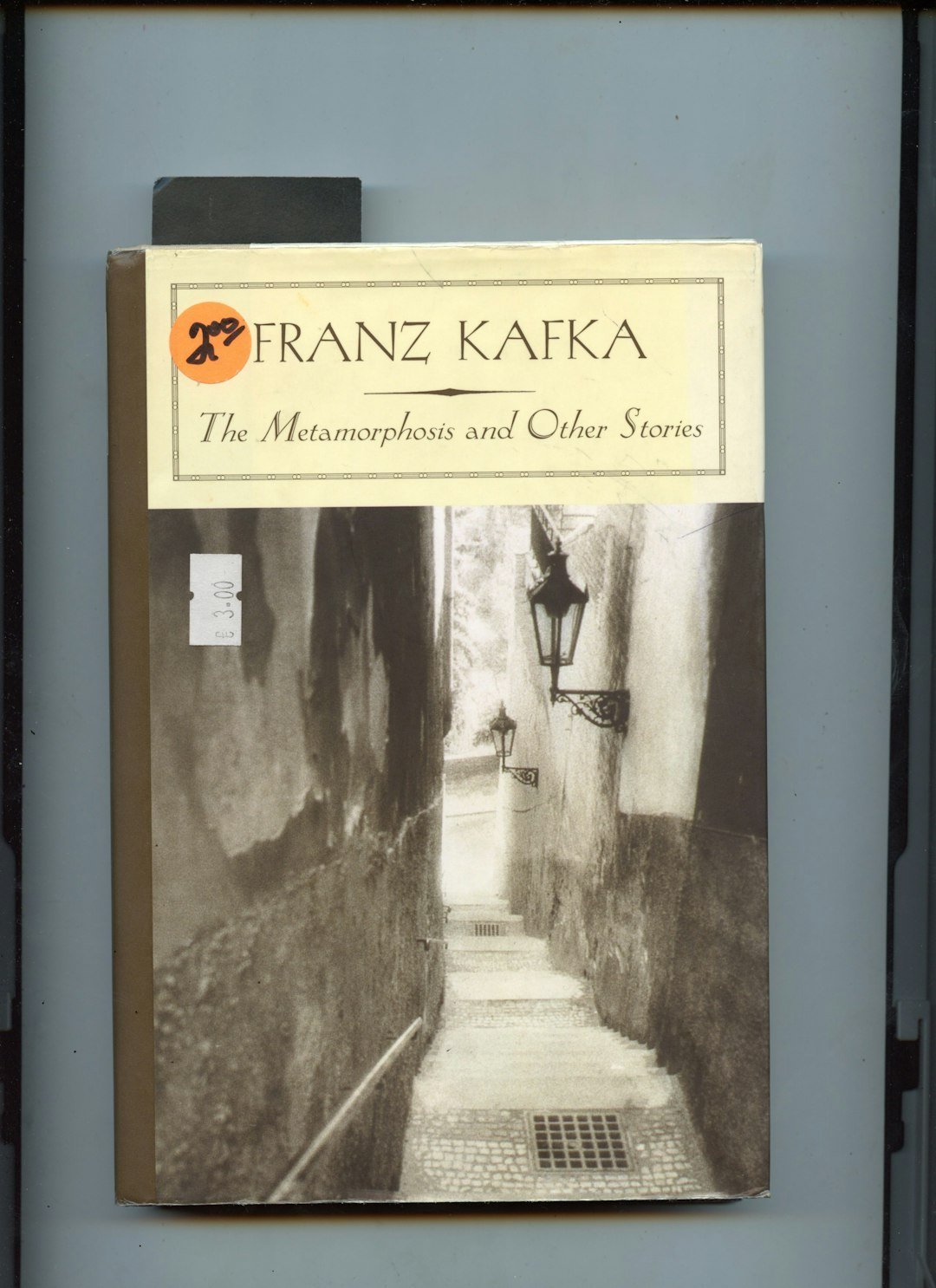
The Metamorphosis endures as a bestseller staple in modern lit courses and sales. Franz Kafka loathed his output, demanding a friend destroy everything upon his death. Ignored, his horror tales haunted literature forever. Self-doubt cuts deep in geniuses.[2][4]
10. Annie Proulx and Brokeback Mountain

Brokeback Mountain’s short story fame surged with the Oscar-winning film, boosting book sales hugely. Annie Proulx tired of fans rewriting its tragic end, ignoring homophobia themes. Hassle piled on, making her wish it unpublished. Hits invite meddlers.[1][2]
11. P.L. Travers and Mary Poppins
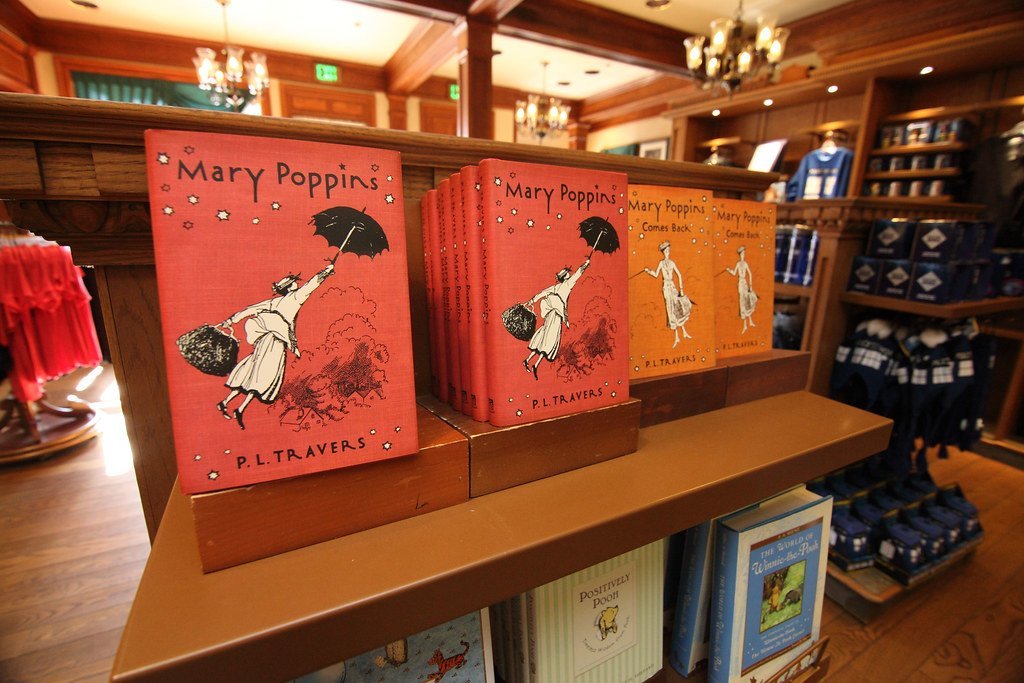
Mary Poppins soared as a children’s bestseller, magical nanny enchanting the world. P.L. Travers recoiled at Disney’s sugary film twist, softening her stern creation. She fought adaptations fiercely. Control slips in Hollywood hands.[2]
12. Leo Tolstoy and War and Peace
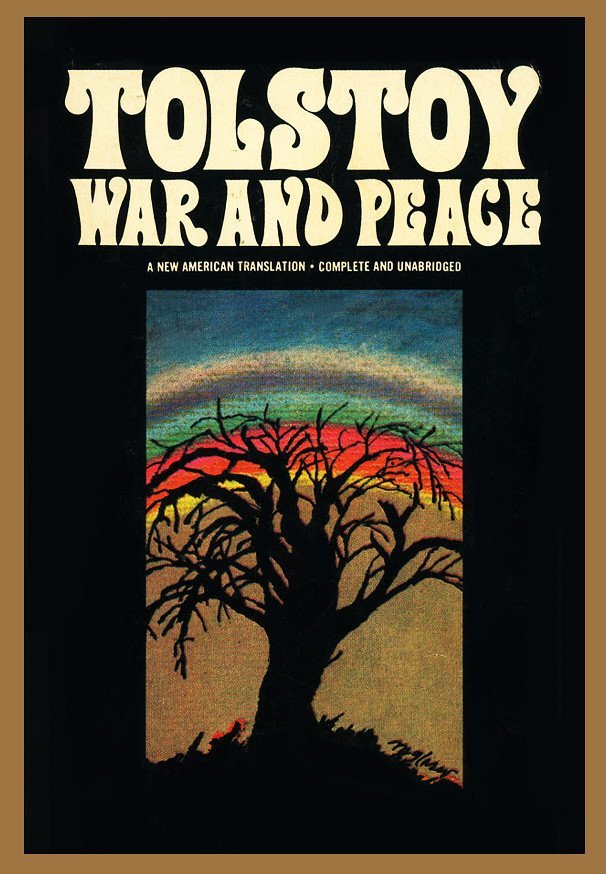
War and Peace stands as an epic bestseller, translated endlessly with epic sales. Late-life Tolstoy renounced it amid spiritual shifts, deeming early works trivial despite acclaim. Applause rang hollow then. Evolution changes views sharply.[1]
What Does This Tell Us?

These tales reveal success’s double edge. Authors craft hits yet yearn for obscurity or purer art. Next time you love a classic, ponder the creator’s hidden grimace. Which one’s story surprises you most?[1]


