
- Top 10 Virginia Destinations for Music Lovers - August 13, 2026
- 15 Scenic Spring Destinations in Virginia - August 13, 2026
- 15 Inspiring Native American Quotes That Will Give You Something to Think About - August 13, 2026
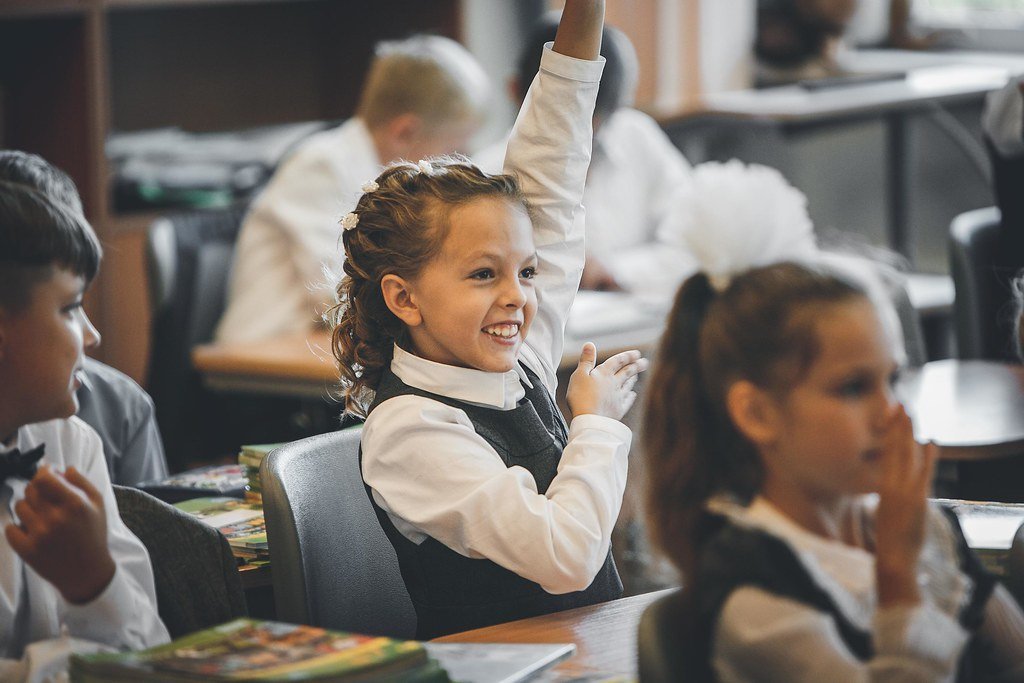
Two decades after Sir Ken Robinson delivered his groundbreaking TED Talk, the debate over whether schools stifle creativity burns hotter than ever. Nearly 80 million views later, his words challenge today’s educators amid AI-driven innovation demands and mental health crises in classrooms. Parents and policymakers alike wonder if rigid systems designed for factory workers truly serve a generation of potential inventors.
Robinson’s sharp critique exposed how conformity trumps imagination, sparking reforms worldwide. Yet progress feels slow. What happens when young minds, brimming with ideas, face hierarchies that value math over movement?
The Industrial Legacy Shaping Modern Classrooms
Schools mimic 19th-century factories, with students lined in rows and funneled through identical schedules. This setup sorts kids by test scores, rewarding memorization while sidelining arts and dance during budget cuts. Curiosity thrives in kindergarten but plummets by high school, according to longstanding educational patterns. Teachers express frustration over systems that penalize originality instead of nurturing it. Here’s the thing: this model produces test-takers, not trailblazers. In 2026, clinging to it risks leaving economies short on diverse thinkers.
Why Kids Start as Natural Innovators
Five-year-olds dance, draw, and invent without hesitation, treating every pursuit as equally exciting. Free from failure’s fear, they experiment boldly with everyday objects. Schooling shifts this by introducing judgment, where errors signal weakness rather than growth. Divergent thinking scores drop sharply from kindergarten through teen years. Let’s be real – protecting this spark demands rethinking academic pressures. Without it, innate gifts fade under uniformity’s weight.
Academia’s Unfair Hierarchy of Subjects
Math, science, and languages crown the curriculum, seen as gateways to success. Arts and drama scrape the bottom, dismissed as luxuries despite honing problem-solving skills. Funding gaps hit creative programs hardest, widening the divide. Countries like Finland buck this trend, blending holistic approaches with top innovation rankings. Talented performers often ditch passions to chase grades, only to regret it later. This bias persists globally, from U.S. budgets to U.K. admissions.
Standardized Tests and the Conformity Trap
High-stakes exams measure narrow abilities, ignoring broader intelligences. They breed risk aversion, essential creativity’s enemy. Dropouts like Richard Branson and Steve Jobs prove escape can lead to greatness. PISA rankings glorify scores over inventive output, skewing priorities. Recent studies link competitive pressure to reduced creative gains in children. Non-conformists suffer most, perpetuating a cycle of suppression.
Tales of Talent Nearly Lost Forever
Gillian Lynne fidgeted endlessly in school, labeled a troublemaker for not sitting still. A perceptive psychologist spotted her dancing talent instead, steering her to classes that celebrated movement. She went on to choreograph blockbusters like Cats and Phantom of the Opera. Abraham Lincoln faced ridicule for storytelling, yet it fueled his leadership. These stories reveal how schools misread gifts outside the mold. Countless others bury potentials, fueling adult discontent.
Global Crises and Paths to Reform
South Korea’s exam obsession correlates with youth mental health epidemics, stifling originality. Finland’s low-testing model fosters well-being and ingenuity through play-based learning. Progressive systems like Montessori boost engagement and fresh ideas. Robinson, who passed in 2020, urged equal treatment for all talents – linguistic, logical, kinesthetic. Integrate arts deeply, train teachers in divergent thinking, embrace mistakes. His legacy pushes for evolution before more lights dim.
Final Thought
Sir Ken Robinson’s vision demands urgent action to revive creativity in schools. Imagine classrooms igniting rather than extinguishing young geniuses. What change would you prioritize in your local system?
Source: Original YouTube Video

Besides founding Festivaltopia, Luca is the co founder of trib, an art and fashion collectiv you find on several regional events and online. Also he is part of the management board at HORiZONTE, a group travel provider in Germany.
