

For any feedback please reach out to info@festivalinside.com
- 10 Music Videos That Changed How We See the Song - September 20, 2026
- 20 Books That Went Viral Before Going to Print - September 20, 2026
- Top 10 Movie Soundtracks of All Time - September 20, 2026
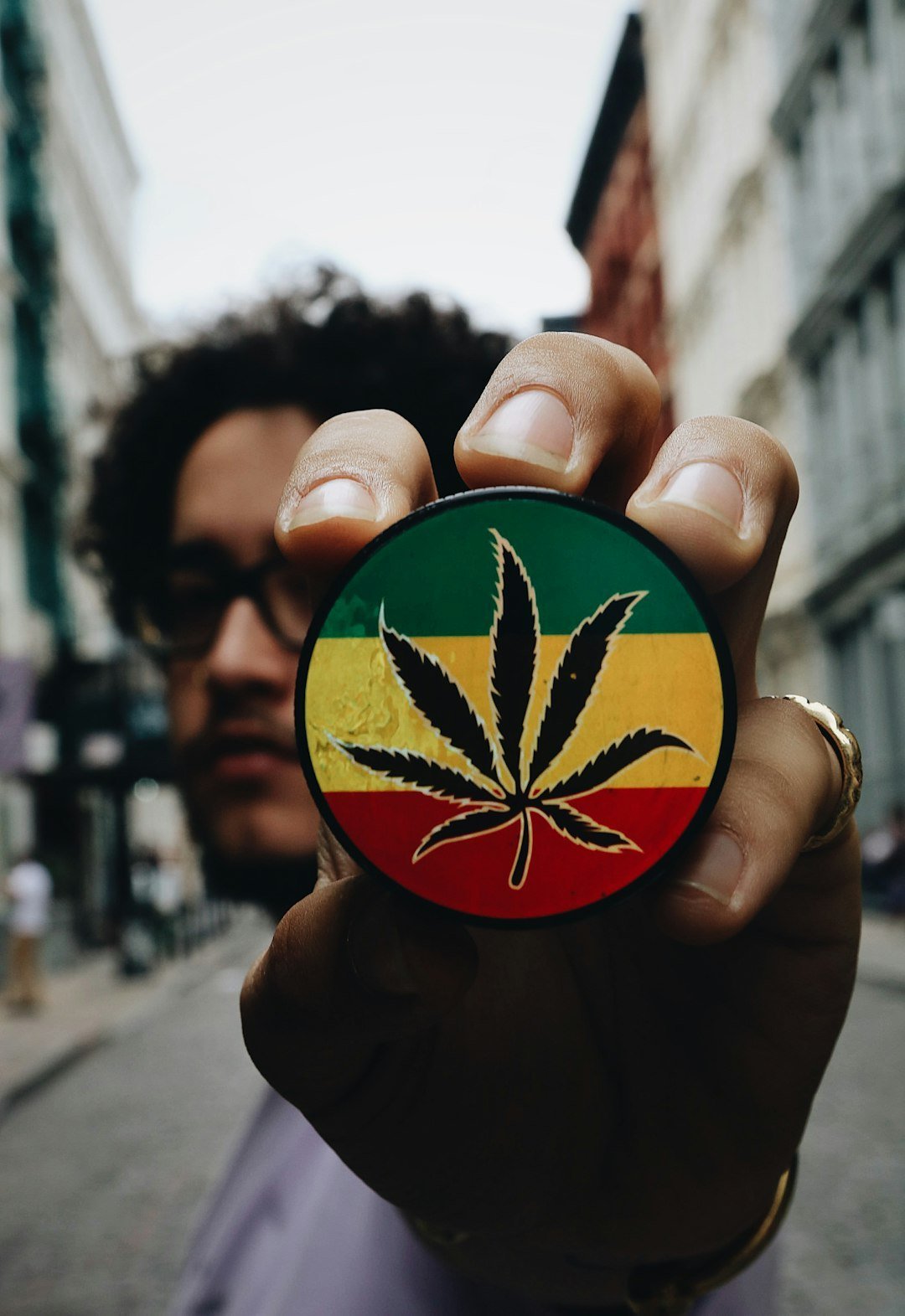
The New York Times, once a champion of ending marijuana prohibition, has delivered a sobering wake-up call. In a pair of recent editorials, the paper confronts a harsh reality: widespread legalization across the U.S. has unleashed a surge in heavy use, addiction, and public health woes far beyond what advocates predicted. Today, on February 11, 2026, this shift from the influential outlet underscores mounting bipartisan worries as states grapple with unintended fallout. Here’s the thing – legal access was supposed to solve problems, yet it’s created new ones demanding smarter controls.
Let’s unpack why this matters now, especially with federal changes under President Trump easing restrictions even as harms escalate.
A Surge in Daily Use Dwarfs Early Expectations
Thirteen years ago, recreational marijuana was illegal everywhere. Fast forward to today, and most Americans live in states where it’s sold openly. Federal surveys paint a stark picture: about 18 million people now use it nearly daily, up from six million in 2012 and under one million in 1992. More folks puff daily than swig alcohol, flipping old assumptions on their head.
Hospitalizations for cannabis-linked issues have spiked, including paranoia, psychosis, and severe vomiting from cannabinoid hyperemesis syndrome affecting nearly 2.8 million yearly. Frequent users struggle with jobs and families, echoing alcohol’s toll. What makes this alarming is how quickly norms shifted – public clouds of smoke now permeate cities like New York and D.C., more noticeable than cigarettes.
Youth Exposure and Potency Risks Escalate Dangers
Teen use hasn’t dropped as promised; daily high school consumption hits records in places like Colorado. Edibles and vapes, easy to conceal, draw kids in, with pediatric ER visits for cannabis up sharply. Products mimicking kid favorites – “Trips Ahoy” cookies or “Double Stuf Stoneos” – worry experts about sneaky marketing.
Potency tells the real story. Street weed from the ’90s averaged 4% THC; today’s strains hit 90%, like swapping beer for whiskey. This fuels addiction, with one in 10 users hooked, and correlates to brain development hits before age 25, including IQ drops. States lag on caps, letting concentrates flood shelves unchecked.
Mental Health and Economic Burdens Mount
Psychiatric admissions for schizophrenia and anxiety have climbed 50% in legalized areas, per studies from Denmark and New Zealand. Women and young adults suffer most, alongside productivity losses rivaling booze. Insurers push for addiction treatment coverage as ERs overflow.
Economically, promises faded. Colorado rakes $400 million in taxes yearly but shells out over $100 million for related services. Black markets snag 40-60% of sales, dodging regs and taxes. The $30 billion industry lobbies hard, prioritizing heavy users who drive over half the revenue.
Path Forward: Smarter Rules Over Reversal
The Times rejects recriminalization, citing past arrests’ toll on Black and Latino communities. Instead, it pushes “grudging toleration” – keep it legal, but tax heavily, like tobacco. Dollars-per-joint levies, potency limits above 60% THC banned, flavored bans, and addiction warnings mimic alcohol guardrails.
Federal oversight could standardize chaos, funding research while cracking down on medical claims lacking proof. Canada taxes high-THC items; Uruguay balances decrim without hype. Bipartisan momentum builds, with polls showing 55% favoring tighter reins.
Final Thought
This pivot signals drug policy’s next chapter: legalization without limits breeds excess. Evidence demands balance – access for patients, brakes on recreation. What regulations would you prioritize to fix this?
Source: Original YouTube Video

Christian Wiedeck, all the way from Germany, loves music festivals, especially in the USA. His articles bring the excitement of these events to readers worldwide.
For any feedback please reach out to info@festivalinside.com
