

- 5 Ambitious 21st-Century Ideas That Crashed and Burned - July 26, 2026
- 5 Bizarre True Crime Cases That Defy Belief - July 26, 2026
- Discover Your Reading Persona: Which Type Fits You Best? - July 25, 2026
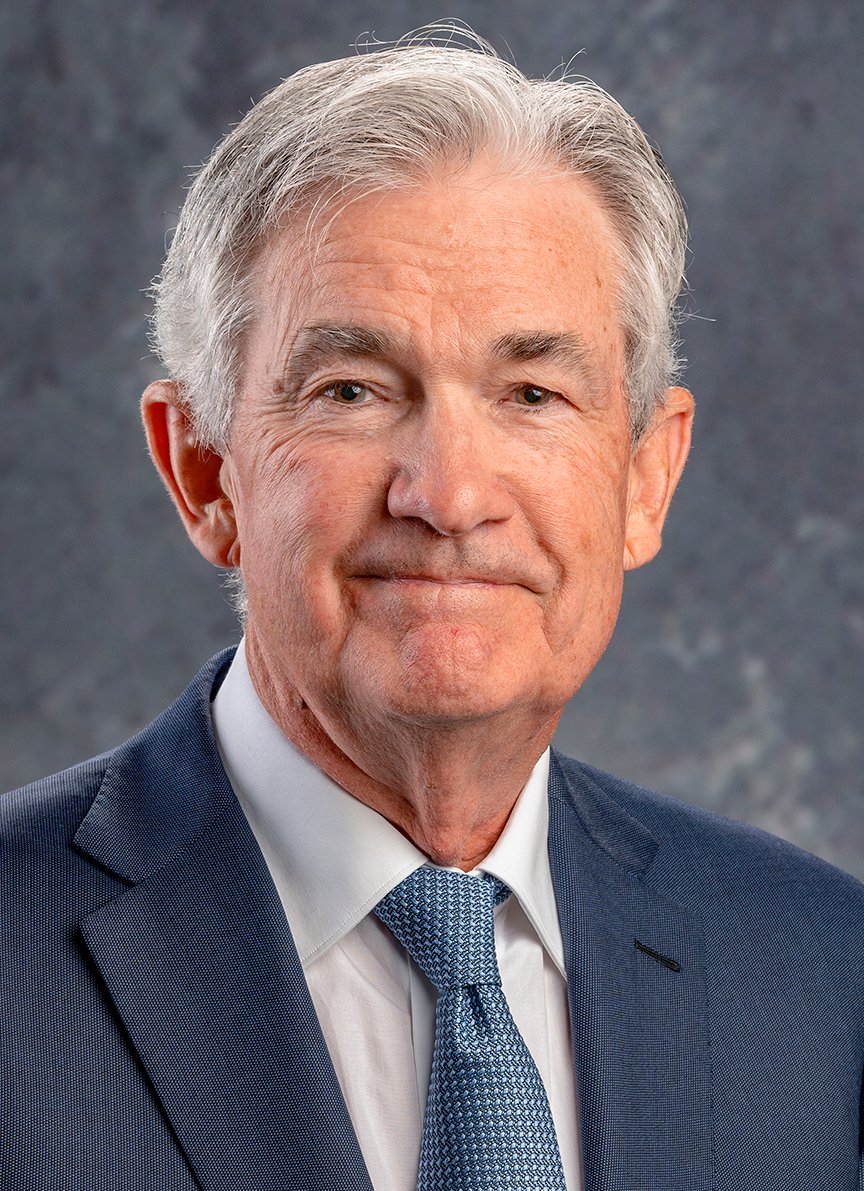
A Limited Vote, Yet Unmatched Sway (Image Credits: Upload.wikimedia.org)
Recent discussions around a potential new Federal Reserve chair have spotlighted the role’s outsized role in guiding the nation’s monetary policy.
A Limited Vote, Yet Unmatched Sway
The Federal Reserve chair holds just one of 12 votes on the Federal Open Market Committee, the group that determines interest rates.[1]
This structure, outlined in the Federal Reserve Act, aims to prevent any single individual from dominating economic decisions. The chair also leads the seven-member Board of Governors, where votes occur on regulatory matters. Despite these checks, history shows chairs rarely face defeat. The chair has never lost an FOMC vote, a record spanning the central bank’s existence.[1]
Economists analyzing decades of meeting transcripts found FOMC outcomes aligned precisely with the chair’s preferences.[1] Such alignment stems from preparation and persuasion rather than coercion.
Agenda Control Shapes Outcomes
Fed chairs set the agendas for both FOMC and Board meetings, steering discussions toward preferred policies. Meetings follow this blueprint closely, limiting spontaneous challenges.[1]
Ben Bernanke exemplified this during the 2008 crisis. With rates at zero, he introduced quantitative easing – massive asset purchases – to stimulate growth. Drawing on his research into past depressions, Bernanke placed the innovative approach on the agenda and secured broad support.[1]
This authority proved pivotal when traditional tools failed, highlighting how chairs drive policy evolution.
CEO Authority and Institutional Leverage
As the Fed’s “active executive officer,” the chair functions like a CEO, overseeing daily operations, staff, and research.[1] This includes influence over hiring, promotions, and reports like the Tealbook, which informs FOMC deliberations with economic data and analysis.
Former vice chair Lael Brainard noted chairs lobby members pre-meeting to build support for their views. “It was really about getting people on board with their preferences,” she observed.[1] Chairs also command communications, holding press conferences and testifying to Congress, amplifying their voice.
Longer tenures foster expertise and respect, reinforcing deference. Tradition dictates FOMC members select the Board chair annually as their leader.
Consensus and Cultural Norms
A culture of unity bolsters the chair’s position. Defying the leader risks harming the institution’s credibility, experts say.[1]
Princeton economist Alan Blinder, who served as vice chair under Alan Greenspan, described how chairs signal intentions early. Members then weigh alignment against open dissent.[1] The last Board outvote occurred in 1986 under Paul Volcker.
These norms ensure cohesive messaging to markets, vital for stability. Dissenters may face subtle repercussions, like reduced influence.
- One vote on FOMC, yet zero losses historically.
- Agenda-setting directs policy focus.
- CEO powers shape staff inputs and personnel.
- Public platform commands attention.
- Consensus culture prioritizes institutional strength.
Key Takeaways
- The Fed chair’s influence exceeds formal rules through preparation and persuasion.
- Historical records confirm chairs prevail on critical votes.
- Traditions and norms sustain this leadership dynamic.
The Fed chair’s power, rooted in structure and culture, underscores a delicate balance of authority and collaboration. As nominations like Kevin Warsh’s unfold, this role remains central to economic stewardship – for more details, see the analysis from NPR Planet Money. What do you think defines effective Fed leadership? Tell us in the comments.

Besides founding Festivaltopia, Fritz is the managing director of Europe’s largest manufacturer of mobile stages Kultour and has a lot of experience in the event industry, loves music and likes to go to festivals.
