

- Your Zodiac Sign’s Secret Festival Vibe: Which Era Defines Your Spirit? - September 10, 2026
- Your Zodiac Sign’s Perfect Classic Rock Anthem: A Song for Your Soul - September 10, 2026
- 17 Radio Hits From the ’70s With Lyrics Everyone Missed - September 10, 2026
Most people think of Florida and picture palm trees, theme parks, or retirement communities. Few realize the Sunshine State quietly engineered some of the most influential inventions of the modern era. From the sports drink that revolutionized athletic performance to the personal computer that democratized technology, Florida has been home to breakthroughs that reshaped how billions of people live, work, and play.
These weren’t accidental discoveries. They emerged from universities, corporate labs, and fast-food kitchens across the state, driven by researchers and engineers who saw problems nobody else bothered to solve. Let’s dive into the Florida innovations you interact with almost daily, probably without even realizing where they came from.
Gatorade – When Kidney Doctors Accidentally Invented Sports Science

In 1965, Dr. Cade and a team of researchers who included Dr. H. James Free, Dr. Dana Shires, and Dr. Alex de Quesada, began work to answer the question posed about the football team- “Why didn’t football players urinate after a game?” The question sounds absurd now, but it led to something extraordinary. They developed a drink that contained salts and sugars that could be absorbed more quickly and the basis for Gatorade was formed.
Here’s the thing: the first batch tasted so terrible that the freshman football team refused to drink it. Phoebe revealed that her mother, who was neither an inventor nor a scientist herself, suggested adding lemon to improve the taste. With her idea in mind, Dr. Cade squeezed fresh lemon into the mixture and presented it again the following day. Sometimes the most revolutionary inventions need a mom’s common sense.
Cade patented the formula and offered all the rights to the drink to the University of Florida in exchange for the university’s backing of the production and marketing of the drink. After thirty-one months of legal wrangling, Cade and the university negotiated a settlement of their dispute in 1972, and the Board of Regents and the university settled for a twenty percent share of the royalties. Today, that dispute looks almost quaint. As of 2015, this total has increased to $281 million. The sports drink industry that Gatorade created is now worth billions globally, and it all started because some football players in Gainesville couldn’t pee after practice.
Disney Imagineering – Building Dreams With Wires and Hydraulics
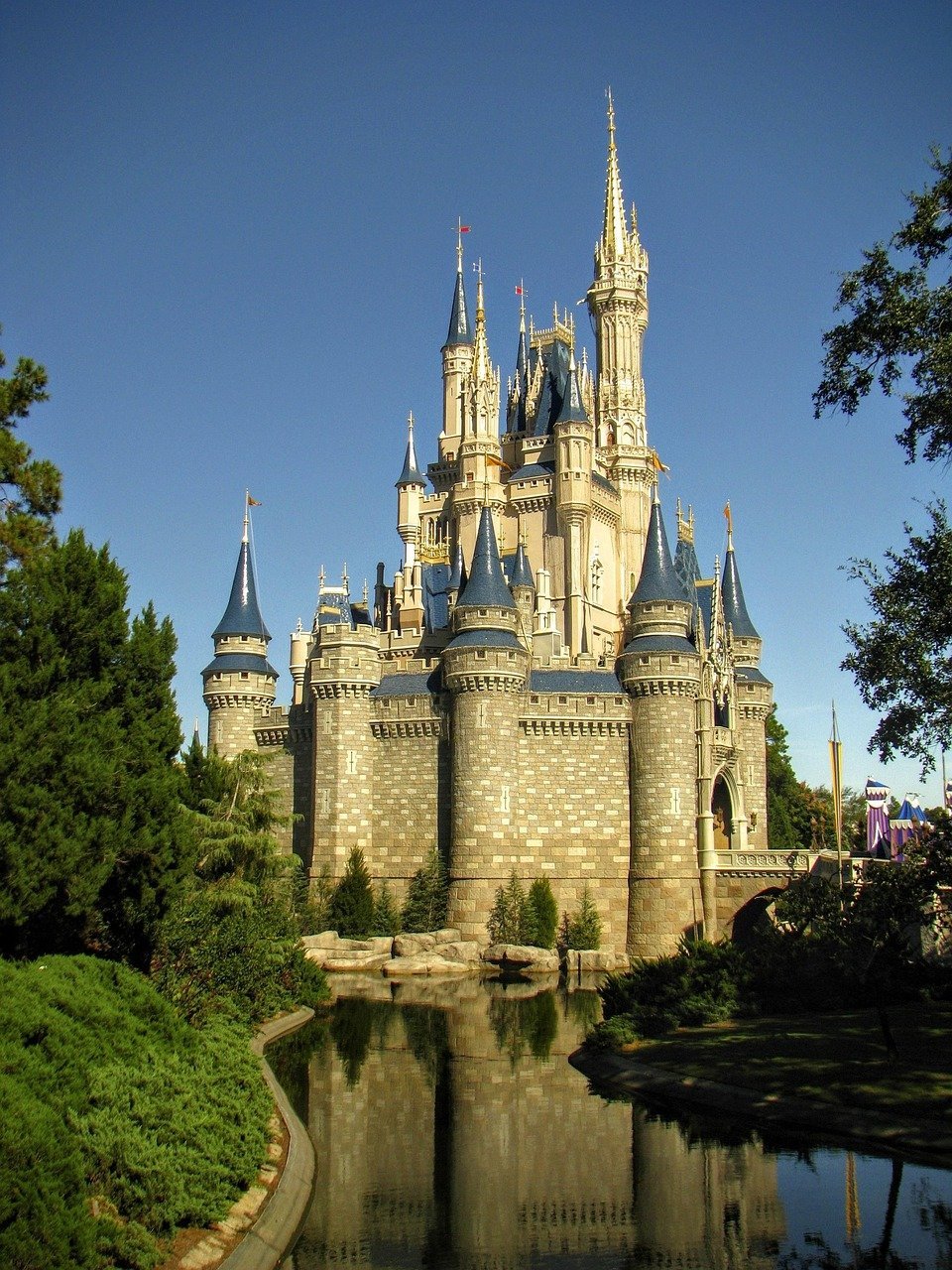
Walk into any Disney park today and you’ll encounter technology so advanced it feels like magic. Those lifelike figures singing, dancing, and interacting with guests? They’re the product of decades of patented innovation from Disney Imagineering, much of it developed in Orlando.
Audio-Animatronics move and often synchronize with an audio soundtrack from an external sound system, and are usually fixed to whatever supports them. Audio-Animatronics were originally a creation of Disney employee Lee Adams, who worked as an electrician. Walt Disney got a mechanical toy bird in New Orleans and found out how it worked, which served as the inspiration for Audio-Animatronics.
The technology evolved dramatically over time. With modern digital computers controlling the device, the number of channels is virtually unlimited, allowing more complex, realistic motion. The current versions (series A-100) now have individual actuators for each finger. It’s wild to think about how much computing power goes into making a robotic pirate wink at you.
Disney continues pushing boundaries. Disney filed a new patent application (US18/592,863) that describes a system that would project faces or content onto a “mechanically animated surface” like an animatronic. The projection would update in real-time as the animatronic moves. These innovations didn’t just change theme parks. They influenced museums, entertainment venues, and anywhere immersive experiences matter.
The IBM Personal Computer – When Boca Raton Changed Everything
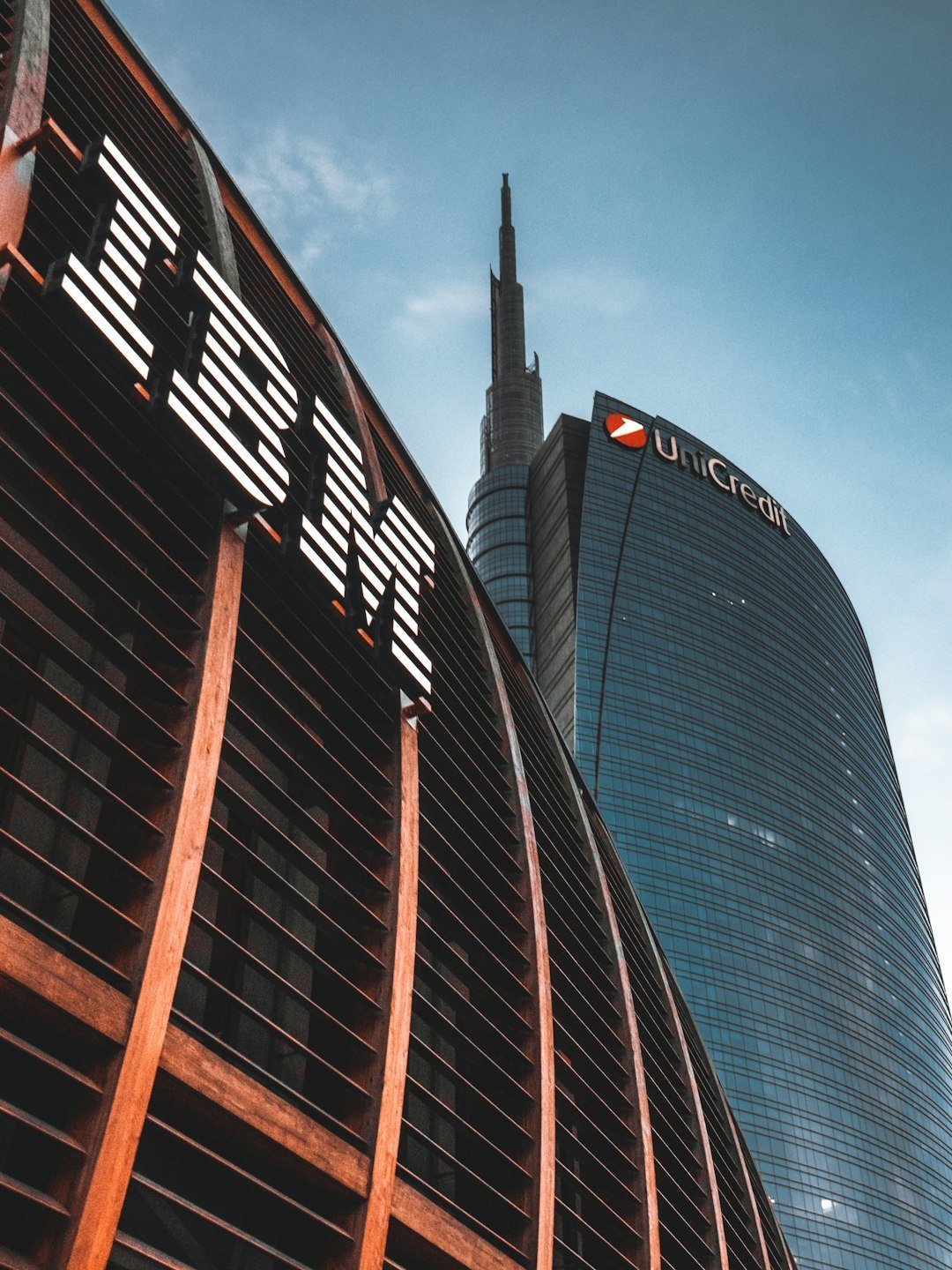
Let’s be real: without the IBM PC developed in Boca Raton, you probably wouldn’t be reading this right now. Released on August 12, 1981, it was created by a team of engineers and designers at International Business Machines (IBM), directed by William C. Lowe and Philip Don Estridge in Boca Raton, Florida.
What made this project remarkable wasn’t just the computer itself. It was how IBM built it. Under pressure to meet an incredibly tight deadline and with autonomy from management unprecedented in IBM history, a small team created a personal computer that became the standard for the PC industry. Rather than develop all the parts internally, the team, incorporating an ‘open architecture,’ quickly pulled together existing resources from outside companies.
It took 40 days to design the motherboard and four months to create a working prototype. Forty days. That’s faster than most companies can approve a budget request today. In 1983, Time Magazine recognized its revolutionary impact by naming the PC the ‘Machine of the Year,’ the first time the award was given to an object instead of a person.
The Boca Raton facility became legendary in tech circles. By 1987, almost 10,000 IBM employees were based in Boca Raton. Though IBM eventually moved operations elsewhere, that Florida campus birthed the personal computing revolution that defines modern life.
Burger King’s Flame Broiler – Fast Food Gets Innovative
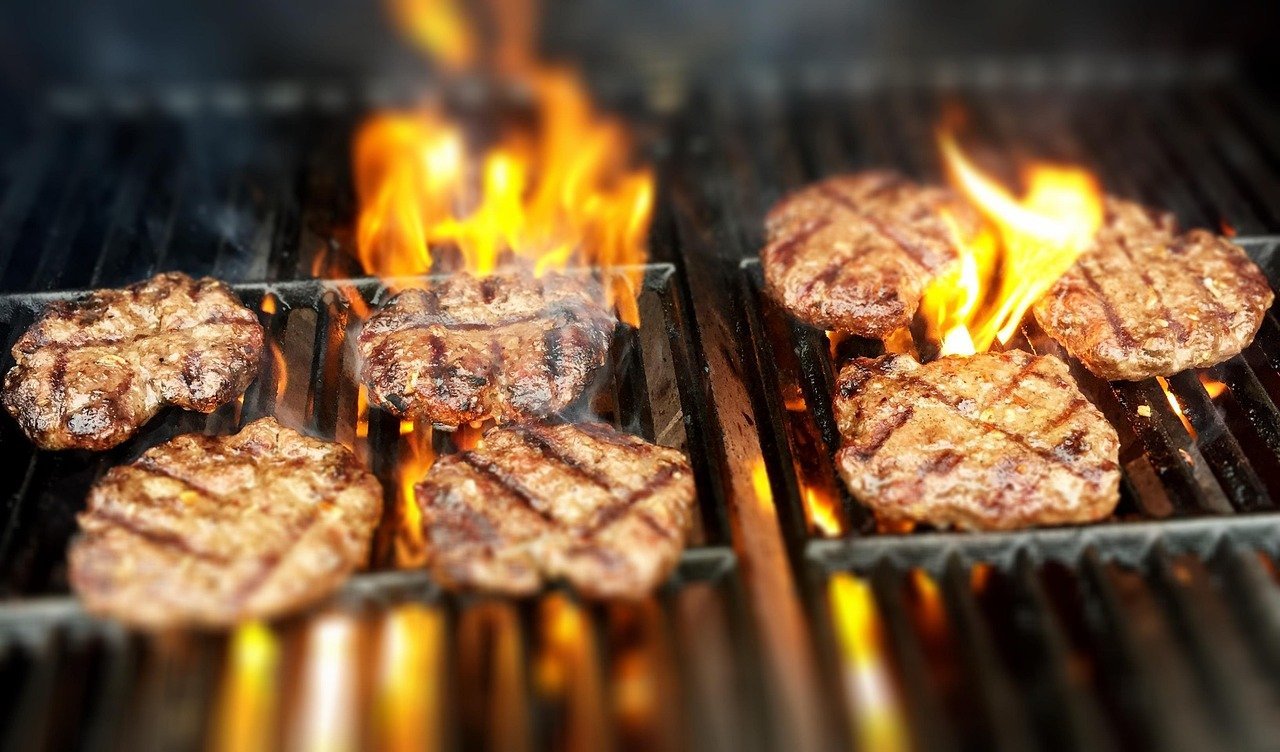
You might not think of burger cooking as patent-worthy technology, but Burger King’s flame-broiling process set it apart from every competitor. Burger King has been around since 1953, when it was founded as Insta-Burger King in Jacksonville Florida, inspired by early McDonald’s franchises – which it follows as the second largest hamburger chain in the U.S.
A flame broiler is a commercial mechanical gas grill used to cook various products. The device consists of a ladder-type conveyor chain that transports a hamburger patty over gas broiler tubes that provide a gas flame. The underside of the meat patty directly contacts the flames as the meat is conveyed through the broiler enclosure.
The technology evolved significantly over decades. Burger King made its mark on the fast-food industry with a high-tech new broiler that took three years to develop. It was crafted to keep burger patties hot for longer, keep the burgers juicy, and also help reduce utility costs. Honestly, the engineering that goes into consistently cooking millions of burgers is more sophisticated than most people realize.
BK has used a commercial broiler right from the get-go, and updated the models along the way. Today, it’s not just any broiler – it’s a proprietary one that was developed specifically for the chain. That signature flame-grilled taste millions recognize worldwide? It’s Florida innovation.
Kennedy Space Center – Launching Humanity Into the Future

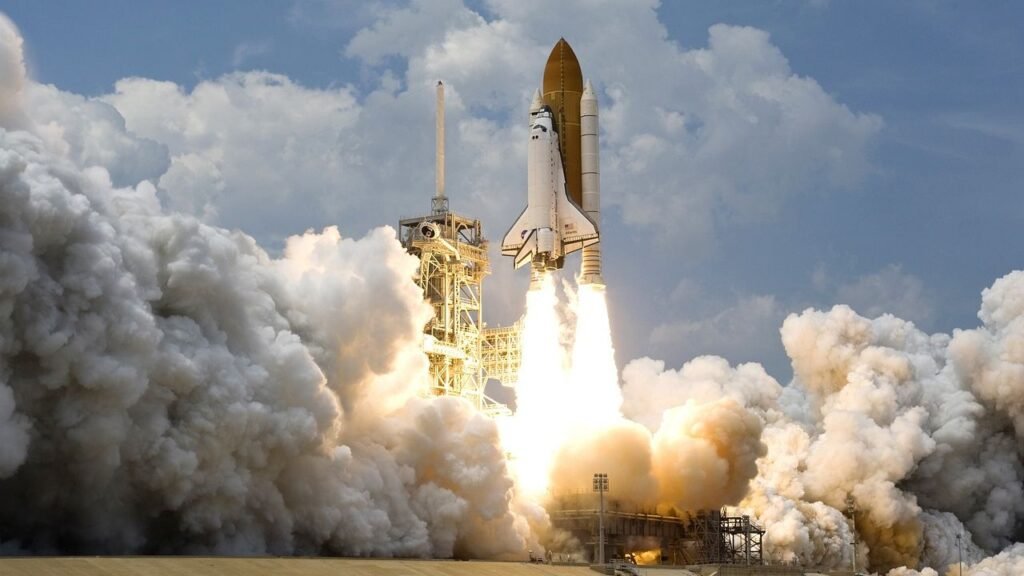
When you think about space exploration, you’re thinking about Florida. Kennedy Space Center, one of 10 NASA field centers, is a premier multi-user spaceport with about 100 private-sector partners and nearly 250 partnership agreements. The technology developed there extends far beyond rockets.
The technology was invented at Kennedy by Luke Roberson, Janine Captain, Martha Williams, Trent Smith and LaNetra Tate, and recently was licensed to the University of Central Florida in Orlando, Florida. The technology was invented by Martha Williams, Trent Smith, James Fesmire, Jared Sass and Eric Weiser at Kennedy Space Center. Aerofoam has improved thermal performance properties with the added benefit of being inherently flame retardant and exceptionally thermally stable.
Kennedy researchers hold patents on everything from hydrogen detection systems to advanced thermal insulation. The patent is for methods and systems that reduce the time, cost and rework associated with the test and checkout of a payload over its lifecycle through the use of a distributed command and control architecture, according to Meade. ‘This management system allows users to relocate test operations that are traditionally performed at the launch site to the payload developer location,’ Meade said.
Blackwell-Thompson is the holder of multiple patents related to launch vehicle interface standardization concepts, and command and control methods and systems. These innovations don’t just enable space missions. They filter down into industries ranging from construction to manufacturing, improving countless everyday products most people never connect to space exploration.
Why Florida Became an Innovation Powerhouse
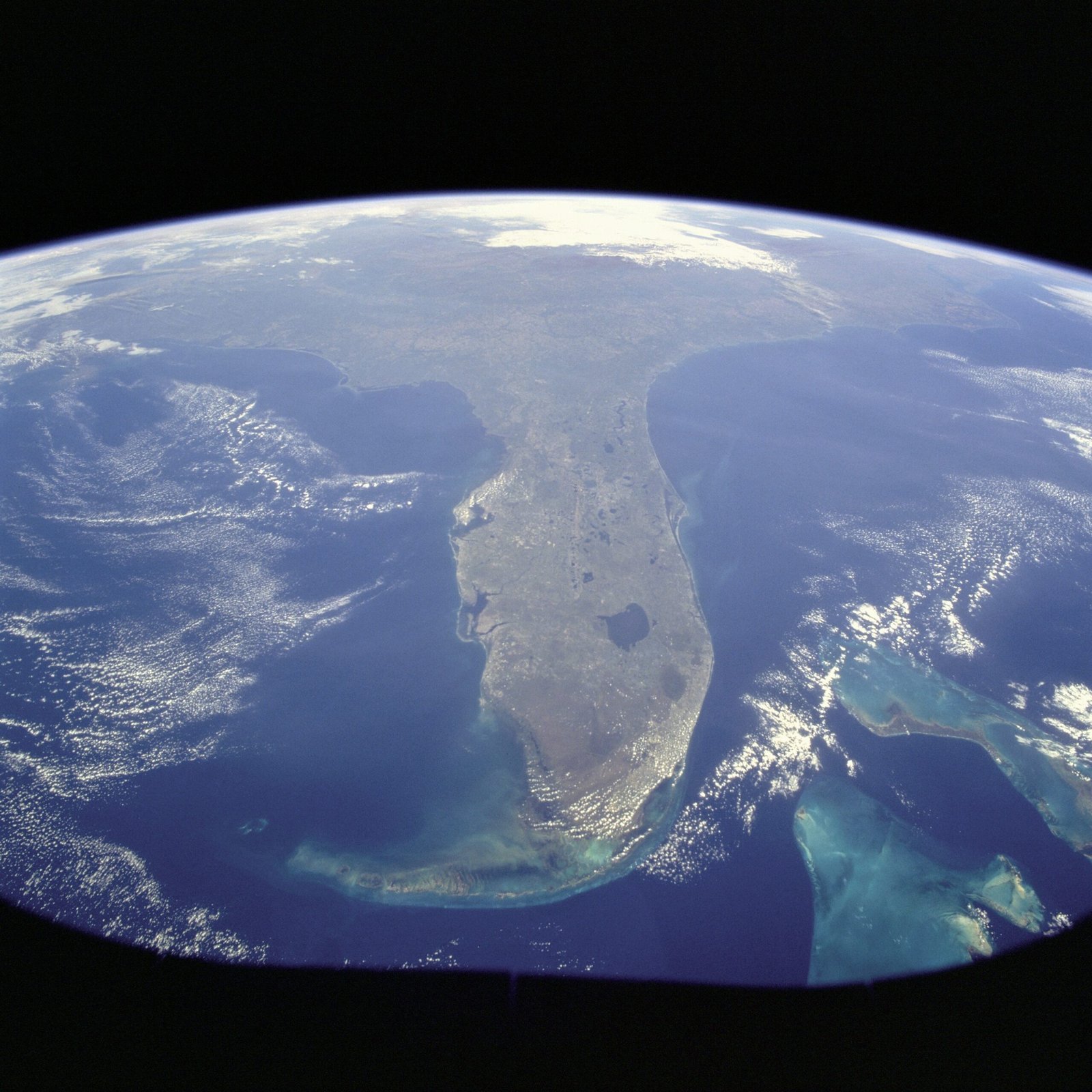
What is it about Florida that breeds world-changing inventions? The state offers a unique combination of factors. Major research universities like the University of Florida provide deep talent pools. The presence of NASA creates aerospace expertise unmatched anywhere else. Tourism and entertainment industries demand constant innovation to stay competitive.
Climate plays a role too. Year-round testing conditions and coastal access for launch facilities make Florida ideal for certain types of development. The state also attracted visionaries who saw opportunities others missed, from Walt Disney transforming swampland into entertainment destinations to IBM executives choosing Boca Raton for their skunkworks PC project.
Florida inventions share something else: they’re practical and scalable. They solve real problems people actually have, whether that’s athletes needing better hydration, families wanting immersive entertainment, businesses requiring affordable computing, or humanity reaching for the stars. There’s no pretense, just solutions that work.
The Legacy Lives On
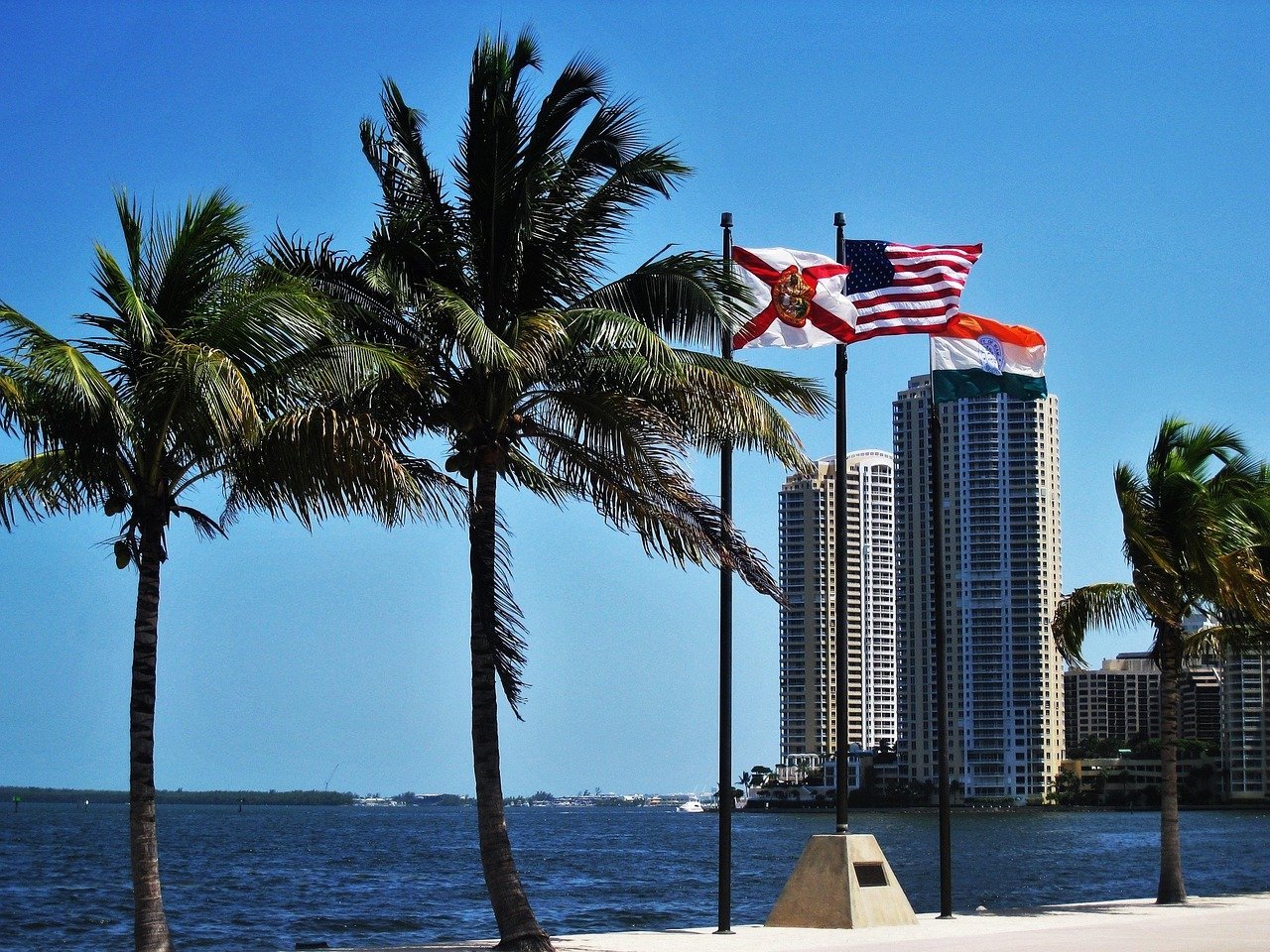
These Florida inventions didn’t just change the world once. They continue evolving, spawning entire industries and inspiring new generations of innovation. Gatorade led to countless sports nutrition products. Disney’s animatronics influenced robotics worldwide. The IBM PC architecture still underpins modern computing standards. Burger King’s broiler technology shaped fast-food operations globally. Kennedy Space Center remains at the cutting edge of aerospace advancement.
The state’s commitment to research, development, and commercialization ensures more breakthroughs are coming. Universities continue partnering with industry. NASA collaborates with private space companies. Theme parks push entertainment technology forward. Florida’s innovation ecosystem is stronger than ever.
What’s remarkable is how these inventions became so ubiquitous that people forgot they had to be invented at all. You grab a sports drink without thinking about kidney doctors in Gainesville. You use a computer without remembering Boca Raton engineers working forty-day miracles. You enjoy theme park attractions without considering the patents behind them. That’s the mark of truly transformative innovation: it becomes invisible, woven into the fabric of daily life.
Next time you’re in Florida, look around differently. That’s not just a tourist destination. It’s the birthplace of technologies that quietly run your world. What do you think the next big Florida invention will be?

Besides founding Festivaltopia, Luca is the co founder of trib, an art and fashion collectiv you find on several regional events and online. Also he is part of the management board at HORiZONTE, a group travel provider in Germany.
