

- 21 Songs That Captured America’s Urban Life - October 3, 2026
- 15 American Writers Who Changed the Global Literary Scene - October 3, 2026
- The 23 Secret Origins of American Blues Legends - October 2, 2026
Think your data is safe online? Think again. The digital landscape is littered with catastrophic security failures that have exposed billions of people to identity theft, fraud, and worse. These aren’t just numbers on a screen. They’re real people whose names, Social Security numbers, passport details, and credit card information ended up in the hands of criminals.
Let’s be real here. The companies we trust with our most sensitive information have fumbled their responsibility time and time again. From tech giants to credit bureaus, no one seems immune to hackers, and the consequences ripple through millions of lives for years after the initial breach. What makes these failures even more troubling is how often they go undetected for months or even years.
Yahoo: The Unprecedented Collapse of Digital Security
Between 2013 and 2014, all three billion Yahoo user accounts were compromised, making this the largest-known data breach in history. Let me emphasize that: every single Yahoo account that existed during that time period was hit.
The exposed data included names, email addresses, phone numbers, dates of birth, hashed passwords, and security questions and answers. Here’s what really grinds my gears about this one. Yahoo was aware of the second intrusion since 2014, yet didn’t disclose the breaches publicly until September 2016. That’s years of silence while criminals had access to your information.
The 2014 hack was believed to be state-sponsored and later led to charges against Russian government agents, though many questions remain about the 2013 hack and its perpetrators. Yahoo agreed to reduce its purchase price by $350 million after Verizon declared the disclosure a material adverse event.
Facebook’s Scraping Nightmare: When 533 Million Became Cannon Fodder
In April 2021, personal information of hundreds of millions of Facebook users from over 106 countries was leaked online, obtained by exploiting Facebook’s contact importer feature, which was patched by the company in 2019. The breach impacted around 533 million users, with data including phone numbers, Facebook IDs, full names, locations, birthdates, bios, and in some instances, email addresses.
What really happened? Attackers exploited a vulnerability in Facebook’s Contact Importer feature, abusing this functionality to match phone numbers to Facebook profiles. Facebook called it scraping, not hacking. Honestly, that distinction means nothing to the people affected.
The leaked information included cell phone numbers, Facebook IDs, names, genders, localities, relationship statuses, occupations, birth dates, and email addresses. In 2022 Meta was fined €265 million by Irish data protection authorities for the same incident. The damage continues today. The breach includes names and phone numbers, which could lead to an uptick in robocalls or text messages.
Equifax: The Credit Bureau That Couldn’t Protect Credit
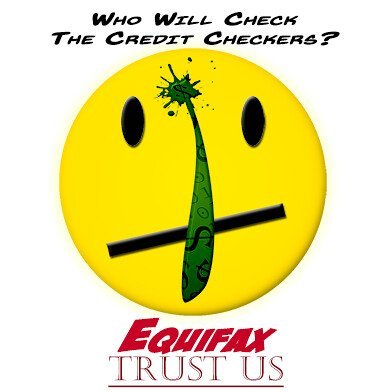
This one hits differently because we’re talking about a credit reporting agency. Between May and July 2017, American credit bureau Equifax was breached, with private records of 147.9 million Americans along with 15.2 million British citizens and about 19,000 Canadian citizens compromised.
The breach originated from a failure to patch a critical vulnerability known as Apache Struts CVE-2017-5638, which had been disclosed months before the attack, allowing hackers to exploit this unpatched flaw and exfiltrate massive amounts of sensitive data. Information exposed includes Social Security numbers, names, birth dates, addresses, and in some cases, driver’s license numbers, credit card data, and dispute records.
Equifax was slow off its mark to respond to the crisis, waiting six weeks after discovering the breach to alert consumers. The breach cost Equifax $1.38 billion total, including settlements, regulatory fines, and mandatory security improvements. It’s hard to say for sure, but I suspect the real damage to individuals’ credit security continues to this day.
Marriott’s Starwood Disaster: Four Years of Invisible Intrusion

An internal security tool flagged suspicious activity in September 2018, prompting an investigation that determined the Starwood network had been compromised sometime in 2014, back when Starwood had been a separate company. Marriott initially estimated that up to 500 million guests were affected, later revising this number down to approximately 383 million unique guests.
Information included a variety of customers’ personal details such as names, addresses, phone numbers, email addresses, passport numbers and credit card numbers. The truly insane part? After Marriott acquired Starwood in September 2016, most of Starwood’s corporate staff were laid off, but Marriott wasn’t ready to use its own reservation system, so Starwood’s old system continued, infected with malware and breached by hackers, for another two years.
The United Kingdom’s Information Commissioner’s Office fined Marriott $23.8 million for failing to meet security standards required by GDPR. The company is estimated to have suffered over $1 billion in lost revenue due to diminished customer loyalty following the incident.
LinkedIn: The Professional Network That Leaked Professionals
First reported in June 2021, the breach resulted in hackers scraping data from nearly 700 million accounts. Approximately 92% of LinkedIn’s user base was impacted by the breach, adding up to 700 million affected accounts out of an estimated 756 million at the time.
The hackers claimed to have used LinkedIn’s API to scrape public and private user data, exploiting LinkedIn’s API to collect user data by combining both publicly available and private information. LinkedIn insisted this wasn’t technically a breach since no system intrusion occurred. A user of RaidForums stated they were in possession of the data dump and provided a sample of a million records as proof, with data including full names, gender, email addresses, phone numbers and employment information.
The original LinkedIn breach actually traces back to 2012. Passwords for nearly 6.5 million user accounts were stolen, and in May 2016, LinkedIn discovered an additional 100 million email addresses and hashed passwords from the same 2012 breach, prompting LinkedIn to invalidate passwords of all users who hadn’t changed passwords since 2012.
Adobe’s Weak Encryption Failure

In 2013, hackers accessed Adobe customer databases affecting roughly 153 million users. The exposed data included email addresses, encrypted passwords, and payment information. What made this breach particularly damaging was Adobe’s use of weak encryption practices, which made passwords far easier for attackers to crack.
This wasn’t just about stolen data. It revealed fundamental security flaws in how Adobe protected customer information. The company faced significant backlash for not implementing stronger security measures to protect such a massive user base.
MySpace: The Forgotten Account That Never Forgot

Here’s the thing about old accounts. Just because you haven’t logged into MySpace since 2008 doesn’t mean your data disappeared. In 2016, roughly eight years after the actual breach occurred, data from approximately 360 million MySpace accounts surfaced online.
The leaked information included email addresses and passwords from the social media platform’s heyday. This breach serves as a stark reminder that forgotten accounts continue to pose security risks long after you’ve moved on to other platforms. Those old credentials could still unlock doors you didn’t even know were open.
Twitter’s API Vulnerability: Scraping at Scale

Between 2021 and 2023, Twitter experienced multiple data scraping incidents affecting over 200 million users. Attackers exploited API vulnerabilities to conduct mass data collection, exposing email addresses, usernames, and public profile information.
The real danger here isn’t just the data itself. It’s what criminals do with it. This information enabled targeted scams, impersonation campaigns, and doxxing attacks. The breach highlighted how platform vulnerabilities can be systematically exploited to harvest data at an industrial scale.
Target: When Retail Systems Become Attack Vectors
In 2013, Target suffered a breach affecting roughly 110 million customers. Malware was installed through third-party vendor access, compromising credit and debit card numbers along with customer contact information during the holiday shopping season.
This breach fundamentally changed how companies approach vendor security. It demonstrated that your security is only as strong as your weakest partner. Target’s failure to properly secure vendor access points created a highway for attackers straight into customer payment data.
AT&T’s Recurring Nightmare
AT&T has faced multiple data leaks between 2019 and 2023, impacting tens of millions of users. These incidents involved customer records including phone numbers, call metadata, and account details.
Telecom data is particularly valuable because it enables SIM-swap attacks and SMS fraud. When criminals get their hands on your phone records and account information, they can potentially intercept your two-factor authentication codes and hijack your digital identity.
The Pattern Nobody Wants to Talk About
Let’s look at what these breaches have in common. First, old data never really dies. Information from breaches years ago continues to resurface and fuel new scam campaigns. Second, phone numbers and email addresses are constantly reused across multiple attacks.
Here’s what keeps me up at night: many of today’s scams don’t rely on fresh hacks at all. Criminals are simply recycling data from previous breaches, combining information from multiple sources to build comprehensive profiles. Your Yahoo email from 2013 plus your Facebook phone number from 2019 plus your LinkedIn profile from 2021 creates a complete picture of you.
The truth is, if you’ve been online for any length of time, your data has probably been exposed multiple times. The companies entrusted with protecting it have failed repeatedly, and the consequences compound with each new breach.
What This Really Means for You
These aren’t isolated incidents. They represent a fundamental failure of corporate data security across industries. Credit bureaus, social media platforms, hotel chains, telecoms – nobody gets a passing grade.
The exposed data from these breaches doesn’t just vanish. It circulates on dark web forums, gets bundled with other stolen information, and resurfaces years later in targeted phishing campaigns. Your Social Security number from Equifax, your passport number from Marriott, and your phone number from Facebook could all be sitting in the same criminal database right now.
We’re living in an era where data breaches have become so common they barely make headlines anymore unless the numbers are truly staggering. That normalization is dangerous. Every breach represents real people facing real consequences, from drained bank accounts to stolen identities that take years to recover.
What’s your take on all this? Have you been caught up in any of these massive breaches? The odds suggest you probably have, even if you don’t know it yet.

Besides founding Festivaltopia, Luca is the co founder of trib, an art and fashion collectiv you find on several regional events and online. Also he is part of the management board at HORiZONTE, a group travel provider in Germany.
