

- 21 Songs That Captured America’s Urban Life - October 3, 2026
- 15 American Writers Who Changed the Global Literary Scene - October 3, 2026
- The 23 Secret Origins of American Blues Legends - October 2, 2026
Your name is worth money. So is your email address, your birthday, and that password you’ve been recycling since 2012. In an economy you never signed up for, your personal information has become one of the most traded commodities on earth. Criminals harvest it. Brokers package it. Buyers profit from it. Welcome to the data economy, where you’re the product and fraud is the business model.
It’s hard to say for sure, but chances are your information is already out there, floating somewhere in a digital underworld you’ll never visit. The question isn’t whether you’ve been compromised. It’s how many times.
The Gold Rush Nobody Talks About
Think oil or gold once held the crown as the world’s most valuable resource. That crown has shifted. Data has taken its place, quietly and decisively. Today, data holds that same level of value, perhaps even more, serving as the currency of power wielded by governments, corporations, and cybercriminals alike.
The number of data compromises rose roughly five percent last year, with well over three thousand events recorded in a single year. About four out of every five people said they received at least one data breach notice in the prior twelve months, with nearly two-fifths receiving three to five separate notices. Let’s be real, if you haven’t gotten a breach notification yet, you might just not be checking your mail.
These aren’t isolated incidents anymore. Breaches have become part of the background noise of modern life. Companies store your details carelessly, get hacked predictably, then send you a half-hearted apology letter with an offer for free credit monitoring that expires before the real damage even starts.
How Fraudsters Break In – It’s Easier Than You Think
Hackers can use many tricks, like phishing emails, weak passwords, or even breaking into company servers. Attackers gain access by stealing login credentials from an employee’s compromised personal computer. Sometimes it’s not even that sophisticated. Sometimes breaches happen because a company failed to update its security.
Malware harvests credentials directly from browsers, and these logs appear on infostealer channels within hours of infection. One click on a suspicious email attachment. One outdated software patch. One reused password. That’s all it takes to open the gates.
Social engineering plays a massive role too. Since many people tend to overshare on social media, it’s easier for cybercriminals to find personal information about their targets, like figuring out exact birthdates from birthday posts. Your vacation photos, your pet’s name, your favorite restaurant. All breadcrumbs leading straight to your accounts.
Hackers can use phishing emails to steal passwords, malware to spy on systems, or brute force attacks to guess login credentials based on previous leaks. The methods vary, but the outcome is always the same. Your data ends up somewhere it shouldn’t.
The Shopping List – What Criminals Actually Want
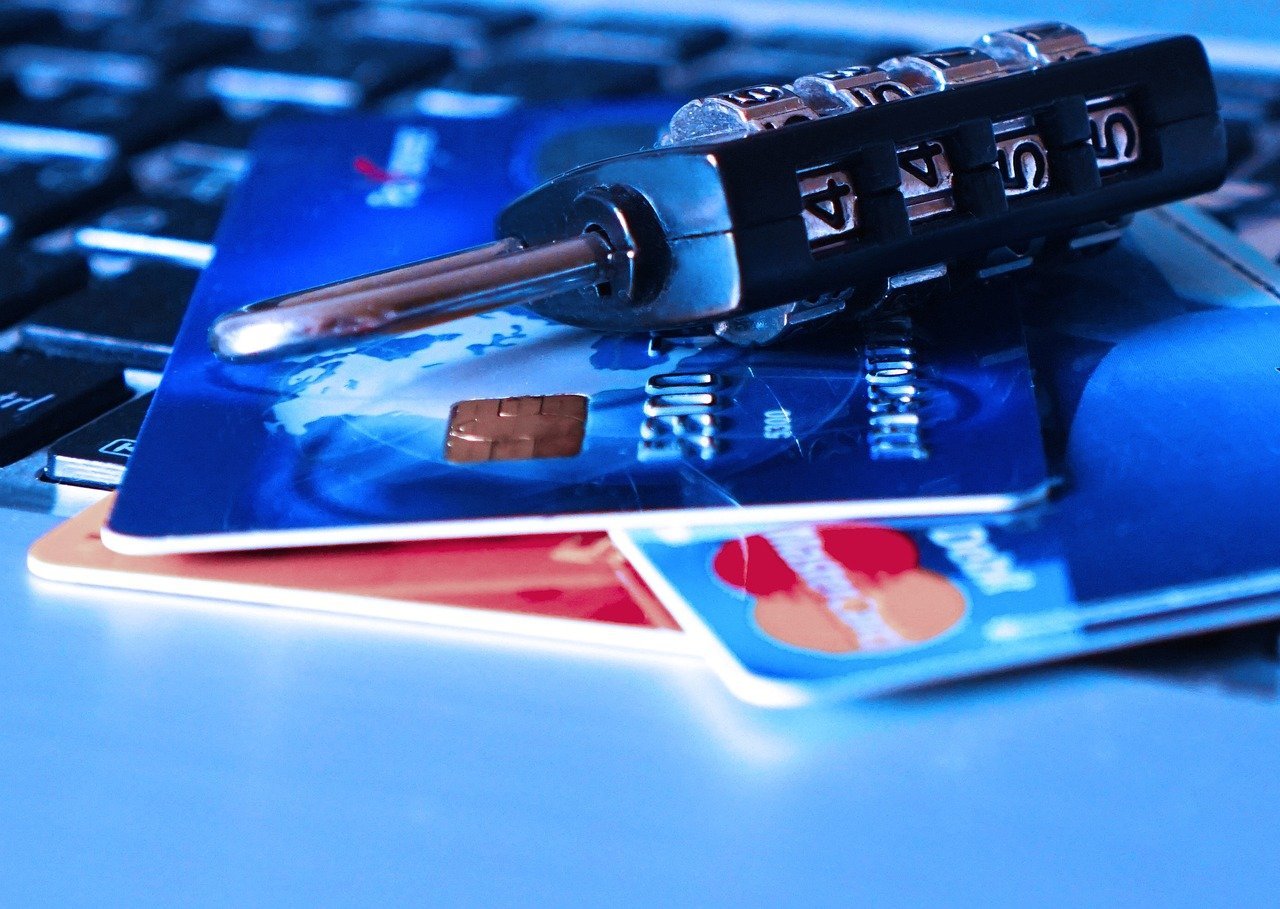
Not all data is created equal. Fraudsters have preferences. Cybercriminals are mostly interested in login data, financial data, debit and credit card numbers, and anything else that allows them to profit at your expense. They’re not interested in your Netflix viewing history or your workout stats. They want the stuff that converts to cash.
Scammers covet details that directly identify a person, including full name, birth date, address, and Social Security number. More than half of all breaches involve customer personal identifiable information, which can include tax identification numbers, emails, phone numbers, and home addresses. These bits of information, when stitched together, form a complete identity ripe for exploitation.
Bank account numbers, credit card details, and investment records are highly-prized assets for thieves. Financial data is a direct path to your money, which is exactly why it’s a top target for cybercriminals. Once they have your card number and security code, they can drain your account or sell the details in bulk to other criminals.
Healthcare and insurance information allows scammers to use medical records, insurance policies, and health-related data for medical identity theft. Medical records remain one of the most expensive types of personal data, with a single comprehensive record selling for up to five hundred dollars or more, thanks to the rich combination of personal details and health history.
Where Your Data Goes After It’s Stolen

Stolen data often ends up being sold online on the dark web. The dark web market consists of more than twenty-two thousand listings for stolen data, with over seven hundred thousand sales conducted. It’s a thriving marketplace with product catalogs, customer reviews, and even seasonal discounts.
The dark web has turned fraud into a business model, with criminals offering stolen data as a marketable product, complete with discount pricing, customer service, product lists, and sales events. Honestly, it’s almost impressive how organized they are. Almost.
The most frequently traded items in this illegal marketplace include payment card data, identity information like passports and driving licenses, online accounts, and email addresses. A full identity package that includes a name, Social Security Number, and date of birth sells for an average of twenty to one hundred dollars on dark web markets.
Think about that for a second. Your entire identity. Decades of building credit, establishing your reputation, living your life. All reduced to pocket change on some encrypted forum where criminals haggle like it’s a yard sale.
The Dark Web Economy – Your Data as Currency
The dark web isn’t science fiction, it’s the backroom of the internet where your identity, passwords, and personal history can be sold in minutes, and data is currency. Financial data including credit card details, bank credentials, and cryptocurrency keys are sold for direct theft and fraud.
Buyers use stolen data in several ways, creating clone cards for fraudulent transactions, using Social Security numbers and personal details for identity theft, applying for loans or credit cards under victim names, and filing fraudulent tax returns. The damage ripples outward, affecting every corner of your financial life.
Hackers sell stolen data on the Dark Web, allowing scammers to gain lists of viable targets for identity fraud. Buyers may directly use the data to commit fraud or they may resell the information to other actors. Your information might change hands multiple times before someone finally uses it against you.
The dark web enables fraudsters to connect with one another and shop for custom stolen datasets, while criminals create massive datasets numbering billions of records made from material from numerous previous breaches. They’re building profiles. Detailed, comprehensive, disturbingly accurate profiles.
Third-Party Breaches – You Don’t Even Need To Be The Target
Here’s the thing that keeps security experts up at night. You can do everything right and still get burned. When vendors get breached, your data may be exposed. An intruder can copy personal data that includes names, postal addresses, email addresses, telephone numbers, and order details.
Companies are vulnerable even if they themselves have not been breached, and organizations deal with the fallout from breaches that impact all of their employees and customers. One weak link in a supply chain can compromise thousands of businesses downstream.
Security experts believe extortion groups carry out attacks through third-party integrations or disguised apps, allowing persistent access to customer records. The attack surface has expanded beyond recognition. Every app you’ve ever authorized. Every service that stores your payment information. Every company that has your email address. All potential entry points.
Synthetic Identities – The Frankenstein Approach
If fraudsters have your full name and SSN, they could apply for loans or access your bank accounts, and many criminals combine real personal information and fake details to create synthetic identities, which are harder for authorities to detect. They’re mixing and matching. A real Social Security number here. A fake name there. Real address. Fabricated employment history.
Businesses that extend credit should prepare for a rise in synthetic identities, which are combinations of real and fabricated personal data used to commit application fraud. These Frankenstein identities slip through automated verification systems because parts of them check out. By the time anyone notices something’s wrong, the damage is done.
By blending real and fake information, cybercriminals create new individuals, enabling them to access credit or healthcare fraudulently. Children are particularly vulnerable. Some crooks create synthetic IDs by using the data of children, racking up debts in their victims’ names for years. Kids don’t discover their identities have been stolen until they’re applying for their first job or student loan, only to find their credit history destroyed before they even turned eighteen.
Phishing and Social Engineering – Playing on Human Nature
Hackers use personal information in phishing scams to trick victims into revealing more sensitive information, and scam callers pretend to be from banks using personal information they already know to gain trust. They don’t need to break through your firewall if they can just walk through the front door by pretending to be someone you trust.
A human-crafted phishing email takes an average of sixteen hours to create, while AI can generate a deceptive phish in five minutes. Hyper-personalized phishing emails generated by AI are nearly indistinguishable from legitimate communications, with automated malware adapting in real time to bypass security tools.
Fraudsters are advancing their techniques, collaborating through dark web channels to develop increasingly creative and deceptive tactics designed to steal or acquire personal information such as login credentials. They share best practices. They iterate on successful attacks. They learn from each other’s failures. It’s a whole criminal research and development ecosystem.
Data Brokers – The Legal Gray Zone
Most people do not realize how much of their life already circulates inside massive databases run by data brokers, companies that exist for one purpose: to collect, package and sell personal information, often without knowledge or approval. These aren’t hackers in hoodies. These are legitimate businesses with offices and shareholders.
Data brokers quietly collect and sell personal information, creating detailed profiles that fuel scams, identity theft and privacy risks. Personal information sold by data brokers fuels AI scams and deepfake phone fraud. The line between legal data collection and criminal exploitation has become impossibly blurry.
The more data you leave exposed, the easier identity theft becomes, and hundreds of exposed data points create a permanent risk until they’re removed. Data brokers have to delete your data if you request it, but they want you to give up, with some hiding opt-out pages behind dozens of clicks or requiring faxes and ID uploads.
The Real Cost – Beyond Money
Of those who recently received a data breach notice, roughly nine out of ten reported at least one negative consequence, such as increased phishing attempts, more spam, or an attempted account takeover. Fraud and identity theft can happen long after the breach, with criminals opening fake credit cards, taking out loans, or filing false tax returns using stolen data, and victims may spend months or even years trying to clear their names.
Individuals suffer damaged credit scores, emotional stress, and years of recovery from identity theft. Companies face regulatory scrutiny, reputational damage, and operational disruptions, with one Indian fintech startup suffering a major trust crisis when twenty million user records were leaked, resulting in investor pullout.
Experts say it’s generally best for consumers to assume their data has already been exposed in various breaches, with one CEO stating that everyone’s identity has already been stolen and the only question is whether it’s been used. That’s the world we live in now. Not if, but when.
Staying Protected in an Unprotected World
Look, I know it sounds crazy, but you can’t rely on companies to protect your information. The most common form of data breach is cybercriminals’ unauthorized access to sensitive information, occurring through phishing attacks, malware infections, or exploiting weak passwords. Weak passwords give attackers the easiest path into accounts, with simple passwords containing personal information taking criminals just minutes to crack, and the problem gets worse when people reuse the same password across multiple sites.
Strong, unique passwords for every account. Two-factor authentication everywhere it’s offered. Regular credit report checks. Dark web monitoring services if you can afford them. Multi-Factor Authentication apps create an additional layer of defense, and automatic updates should be enabled on phones, computers, and smart home devices because hackers love unpatched software.
Social networking platforms should have security settings adjusted appropriately, and personal information like addresses or dates of birth should be avoided in social media bios because criminals can use this data to build up a picture. It’s encouraged to private social media accounts and only accept friend or follow requests from people you know.
Outdated accounts likely contain a mix of personal data, identity details, and credit card numbers, and if you use the same password for multiple accounts, a password leak at one site can mean attackers obtain access to your accounts at other sites, so it’s advisable to remove private data from services you no longer use by closing those accounts. Digital housekeeping isn’t glamorous, but it matters.
The Future Looks Complicated
Fraudsters are rapidly weaponizing technologies to launch attacks that are more autonomous and harder to detect, signaling a new era of risk from AI-driven scams to deepfake job candidates. Employment fraud is set to escalate in the remote workforce as generative AI tools generate hyper-tailored resumes and deepfake candidates capable of passing interviews in real time, with employers unknowingly onboarding individuals who aren’t who they say they are.
Fraud-as-a-Service will make scams more accessible, with criminals purchasing kits on the dark web complete with playbooks and step-by-step instructions. The barrier to entry for cybercrime keeps dropping. You don’t need technical expertise anymore. You just need money to buy the tools.
By 2026, ransomware will be less about encrypting files and more about leveraging stolen data. Data breaches will look less like sudden accidents and more like well-planned operations. The criminals are getting smarter. More organized. More patient.
Your information is already out there. Probably in multiple places, sold multiple times, to multiple buyers. That’s the uncomfortable truth nobody wants to admit. Data has become the world’s most valuable currency, and most of us are hemorrhaging it without even realizing. The question isn’t whether you’re exposed anymore. It’s what you’re going to do about it. What steps are you taking today to protect what’s left of your digital privacy?

Besides founding Festivaltopia, Luca is the co founder of trib, an art and fashion collectiv you find on several regional events and online. Also he is part of the management board at HORiZONTE, a group travel provider in Germany.
