

- 12 Classic Board Games That Secretly Taught Us Life Lessons and Strategic Thinking - August 24, 2026
- These Unsung Heroes of History Made Profound Impacts Without Seeking the Limelight. - August 24, 2026
- The Most Dramatic Plot Twists in Literary History That Still Leave Readers Stunned. - August 24, 2026
You know those stories your friend swears happened to their cousin’s roommate? Most of them are nonsense. But here’s the thing about New York. Sometimes the most ridiculous heists actually happened. They worked because the city itself became an accomplice, with its rhythms, its chaos, and its beautiful indifference making the impossible seem almost routine.
Let’s be real, these weren’t your garden variety smash and grabs. These were elaborate schemes that weaponized the very fabric of Manhattan life. Sure, they all eventually fell apart. They always do. Still, for a brief, shining moment, these criminals proved that audacity paired with local knowledge can beat almost any security system the city could throw at them.
The Central Park Upper East Side Burglar

Picture this. While Manhattan’s elite sipped champagne at charity galas, someone was systematically emptying their apartments. This wasn’t random. The burglar studied doormen schedules like a PhD candidate, cross referenced society page announcements, tracked benefit dinners, and essentially turned the New York Social Diary into a shopping list.
The genius here was understanding that the ultra rich run on predictable calendars. Gala season meant empty penthouses. The doorman rotations had gaps, especially when residents assured staff they’d be out all evening. High society’s need to be seen became its fatal flaw.
For months, luxury apartments along Fifth Avenue and Park Avenue were hit with surgical precision. No alarms tripped, no violent entry, just someone who knew exactly when to slip in and out. Honestly, it’s almost impressive how thoroughly this thief understood that wealth operates on a social schedule.
The ‘Payphone Quarter’ Scheme
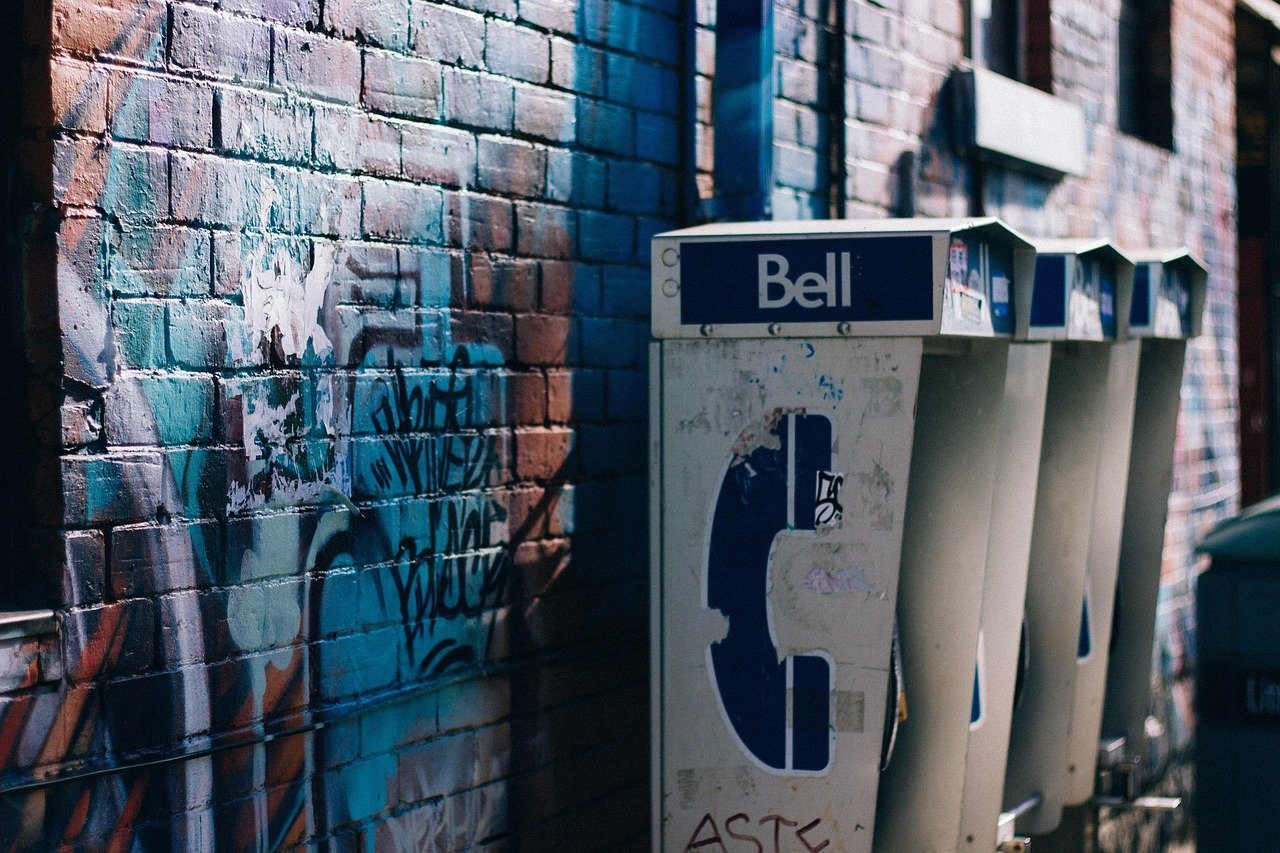
Before cell phones swallowed the city whole, payphones were everywhere. Thousands of them. And someone figured out how to turn pocket change into serious money through the simplest possible sabotage.
Thieves jammed payphones so quarters wouldn’t drop properly, then returned later to collect what accumulated. Multiply that across hundreds of phones and suddenly you’re talking real cash. Low tech, high volume, brilliantly tedious.
The beauty was in the anonymity. Who notices someone using a payphone? Who tracks quarter theft across a city of eight million people? By the time anyone connected the dots, thousands of dollars had vanished into pockets, one coin at a time. It’s hard to say for sure, but this might be the most New York crime ever. Pure volume disguised as invisible repetition.
The Fake Film Crew Heist
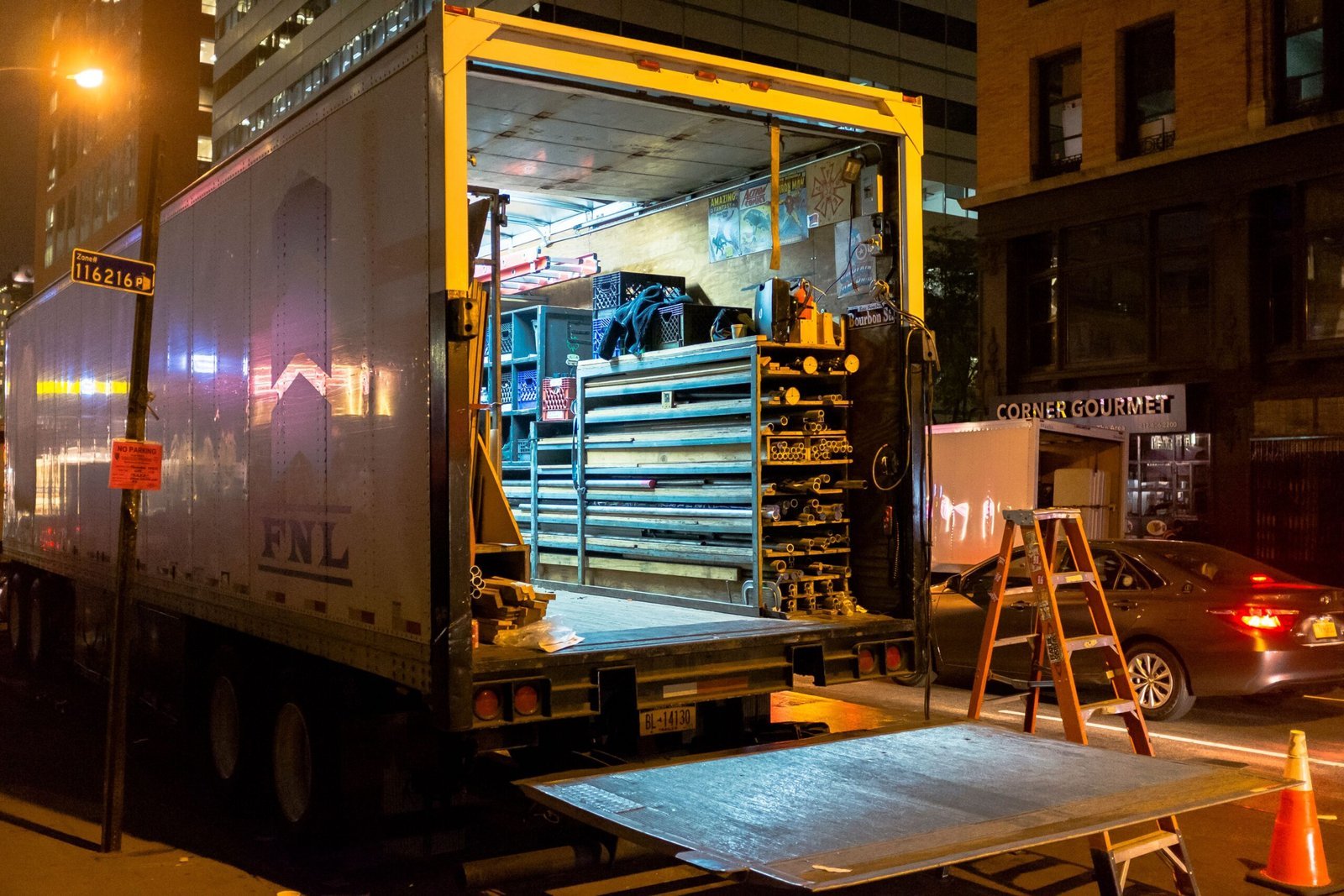
Criminals posed as a legitimate film crew to access buildings and move stolen property, taking advantage of how film production crews are ubiquitous in New York City. Think about it. You see orange cones, equipment trucks, people in headsets barking orders. Your brain just files it under ‘film shoot’ and moves on.
This scam worked because New Yorkers are numb to production chaos. Streets get blocked constantly. Crews haul expensive looking boxes in and out of buildings daily. Security guards wave through anyone with a clipboard and the right attitude.
The fake crew could essentially commandeer entire blocks, restrict access, and load up vans with stolen goods while bystanders assumed they were watching movie magic. Nobody questions a harried production assistant. Nobody stops a guy moving a equipment case. The city’s film industry created the perfect camouflage, and someone exploited it beautifully.
The Wall Street ‘Lunch Break’ Trader Fraud
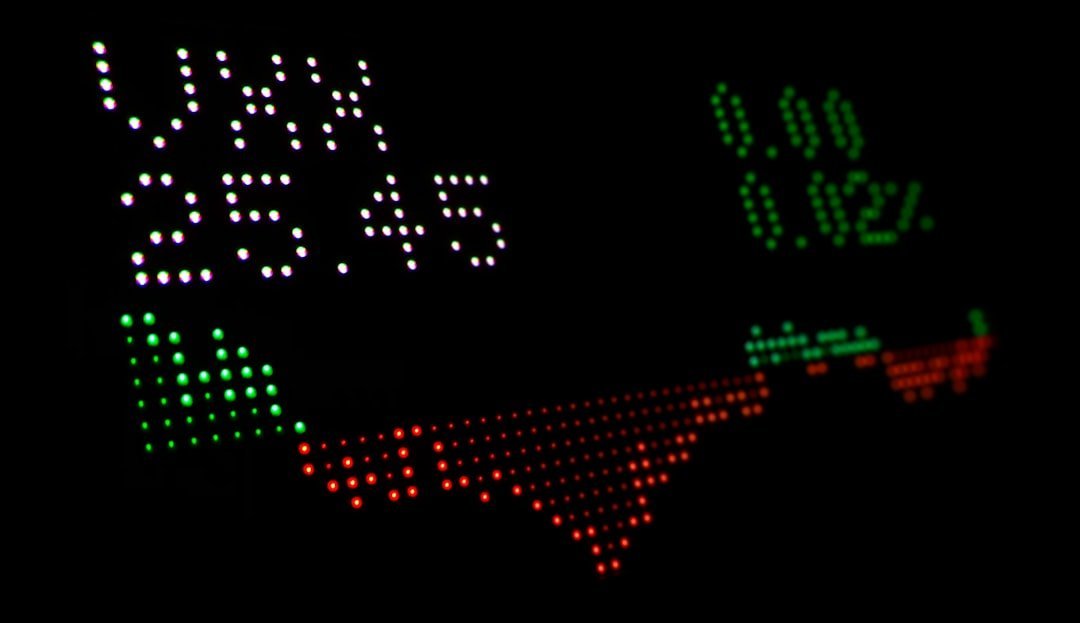
The lunch hour on Wall Street typically sees reduced trading activity and quieter markets, with volatility dropping significantly between roughly 11:45 am and 1:30 pm. A trader realized this predictable lull created tiny, exploitable price movements that algorithms hadn’t quite caught yet.
The scheme involved capitalizing on human behavior rather than hacking systems. Lunch time in New York is usually the quietest period of the trading day, often avoided by day traders. This trader found patterns in that quiet, making millions off micro movements before the machines wised up.
It’s the kind of fraud that sounds boring until you see the numbers. Exploiting lunch break psychology across enough trades adds up fast. Eventually algorithmic trading caught up and closed the gap, but for a while someone was literally profiting off Wall Street’s sandwich hour.
The ATM ‘Fog Machine’ Robbery

This one sounds like pure fiction. Security smoke systems use thermally generated fog made from glycol or glycerine mixed with distilled water to prevent theft. Thieves essentially reversed the concept, filling ATM vestibules with smoke to create panic and confusion.
Here’s where it gets clever. Alarms would trigger, but security assumed false alerts because smoke machines aren’t exactly standard robbery tools. Users fled in confusion. Cameras couldn’t see through the fog. And while everyone scrambled to figure out what was happening, the crew calmly emptied machines.
The method weaponized chaos instead of violence. ATM robberies have involved sophisticated surveillance and creative entry methods targeting cash delivery systems throughout New York City. Fog machine heists added a theatrical element that threw everyone off balance long enough for the crew to vanish. I know it sounds crazy, but that’s exactly why it worked.
Why These Crimes Feel So New York
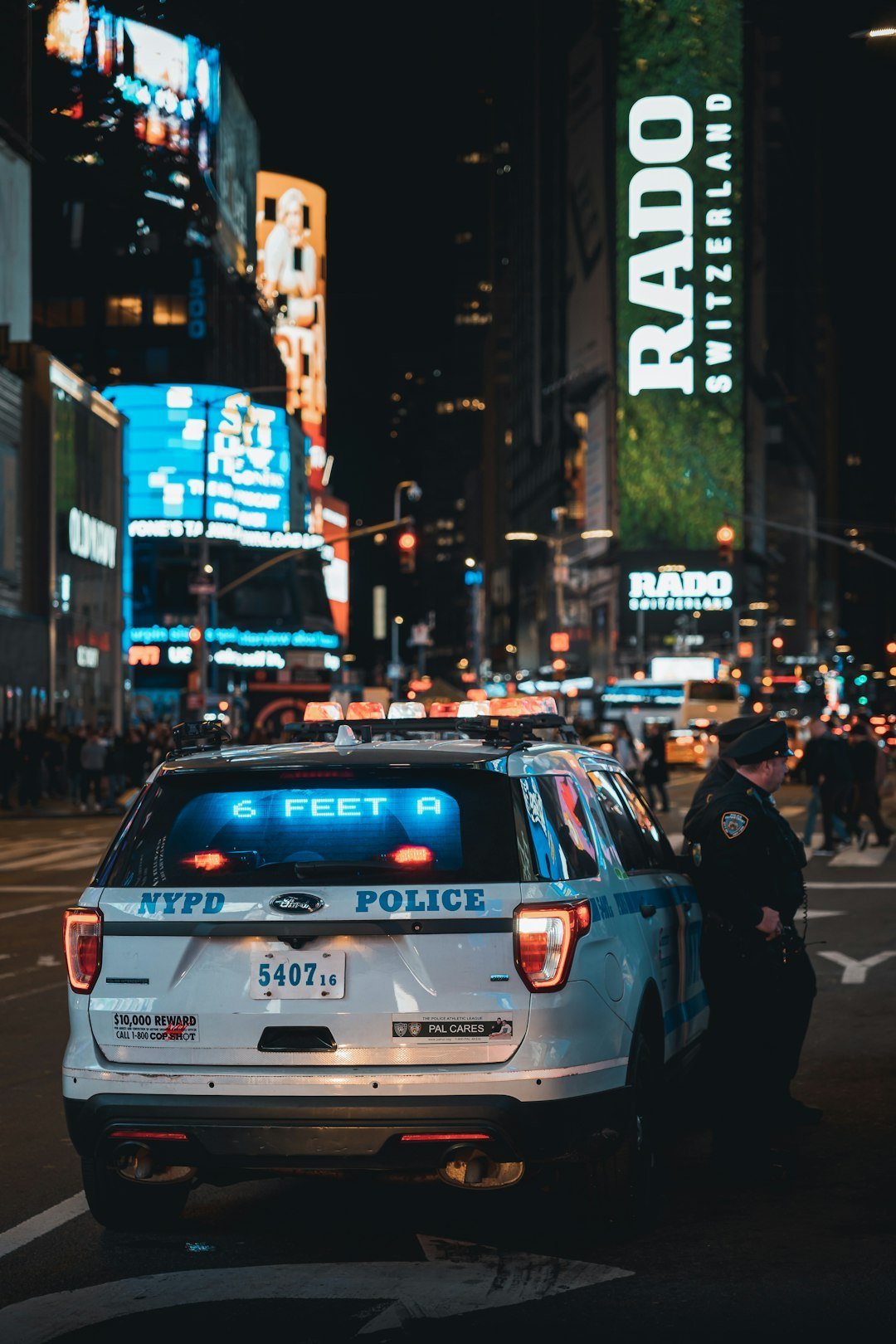
They relied on the city’s specific rhythms. Density meant targets everywhere. Anonymity meant blending in was easy. Routine meant patterns could be studied and exploited. Trust in familiar chaos meant nobody questioned the unusual.
These schemes didn’t attack people directly. They exploited systems, schedules, and the city’s own operational logic. There’s an odd elegance to crimes that work because everyone’s too busy, too jaded, or too used to weirdness to notice.
Fast execution mattered. The city never stops moving, which means windows of opportunity open and close in minutes. These criminals understood timing the way a good New Yorker understands subway transfers. Precision, speed, and knowing exactly when to act.
They could only work here. Try the fake film crew scam in a small town and you’d be caught in an hour. The payphone scheme needs thousands of targets. The society burglar needs a concentrated wealth district with predictable social calendars. Wall Street’s lunch lull doesn’t exist anywhere else quite the same way.
What strikes me most is how these crimes turned New York’s strengths into vulnerabilities. The very things that make the city function became tools for those clever or brazen enough to see the angles. For a while, at least, brilliance won. Then reality caught up, as it always does.
Did these stories surprise you? Which scheme do you think took the most nerve to pull off?

Besides founding Festivaltopia, Luca is the co founder of trib, an art and fashion collectiv you find on several regional events and online. Also he is part of the management board at HORiZONTE, a group travel provider in Germany.
