

- 15 Times History Was Changed by a Single Speech - September 25, 2026
- “20 Authors Who Captured the American Dream Like No One Else” - September 25, 2026
- 20 Literary Rivalries That Shaped the American Canon - September 25, 2026
You might not hear much about Nebraska in the daily news cycle. This sprawling state in the middle of the country doesn’t chase headlines or crave attention. Yet if you trace the roots of how America truly functions, how it became connected from coast to coast, and how the nation learned to feed itself reliably, you find yourself looking at Nebraska over and over again.
It’s not by accident. Geography positioned Nebraska at a crossroads during one of the most transformative centuries in American history. What happened here didn’t just affect the local population. It created systems, ideas, and a cultural identity that still echo through the entire nation in 2026.
America’s Westward Movement Was Organized Here
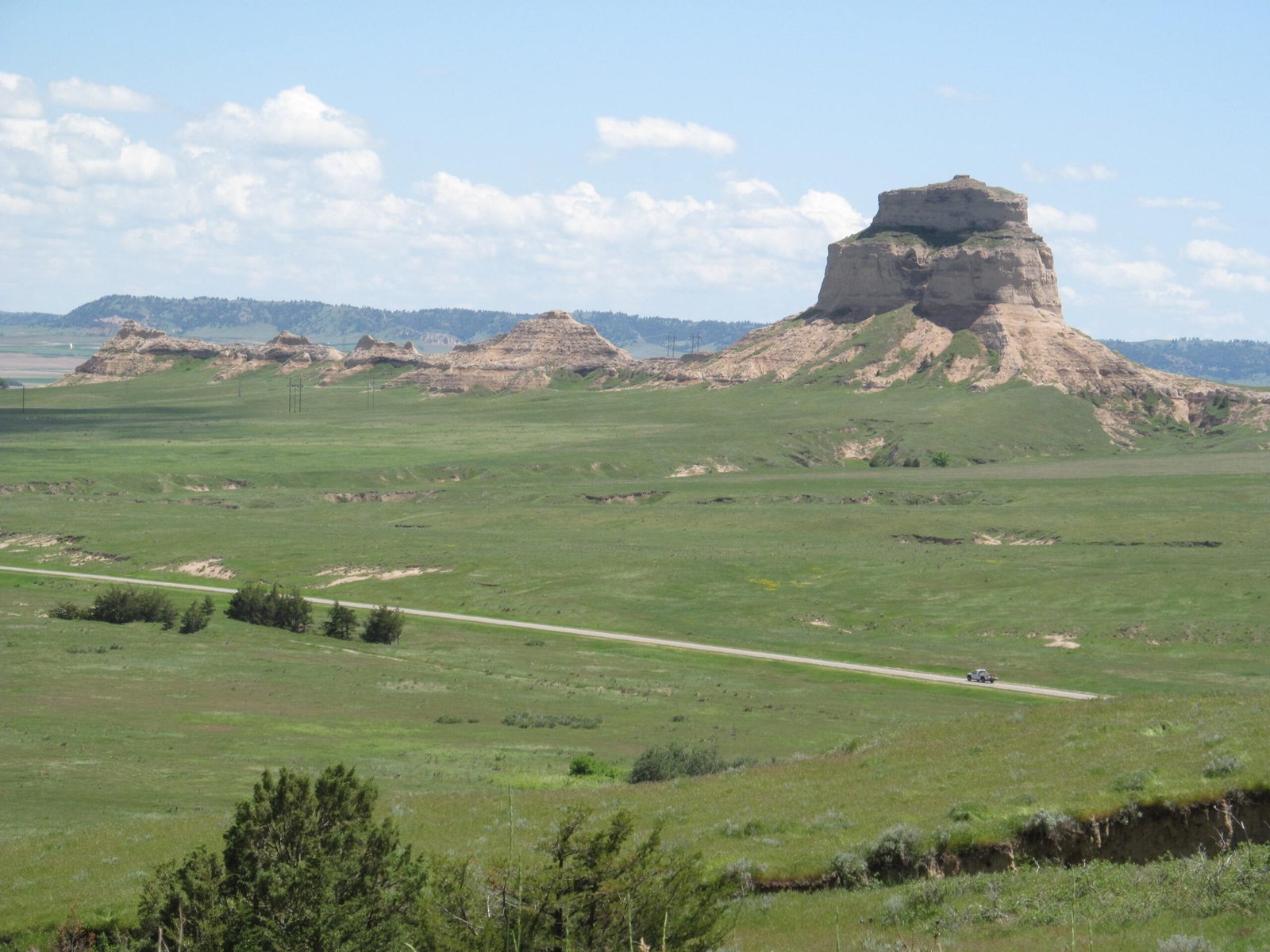
Nebraska wasn’t simply a place pioneers passed through. It became the staging ground where westward expansion transformed from scattered individual journeys into organized, systematic movement. The trails from various departure cities converged in the mostly empty flatlands of central Nebraska near present-day Kearney, in the vicinity of Fort Kearney. That convergence point turned Nebraska into the practical hub of American migration westward.
Nebraska served as a crucial transit point, with several towns and forts like Fort Kearny acting as ‘jumping-off places’ for westward migration. Think about what that meant: supplies had to be available, routes had to be mapped, logistics had to be figured out. Families weren’t just wandering aimlessly. They were following paths refined by thousands who came before them, paths that cut directly through Nebraska territory.
Thousands of settlers began to move west along the routes of earlier trail blazers, many of which simply followed the east-west course of the Platte River, which offered an easy navigational aid and a dependable source of water for the first leg of any westward journey. The practical know-how of moving people, livestock, and dreams across a continent was tested, refined, and passed along right here. Nebraska has long been an important link in America’s route to the West, and its pioneer trails indeed are ‘highways to history’.
The Transcontinental Railroad Became a Reality Here
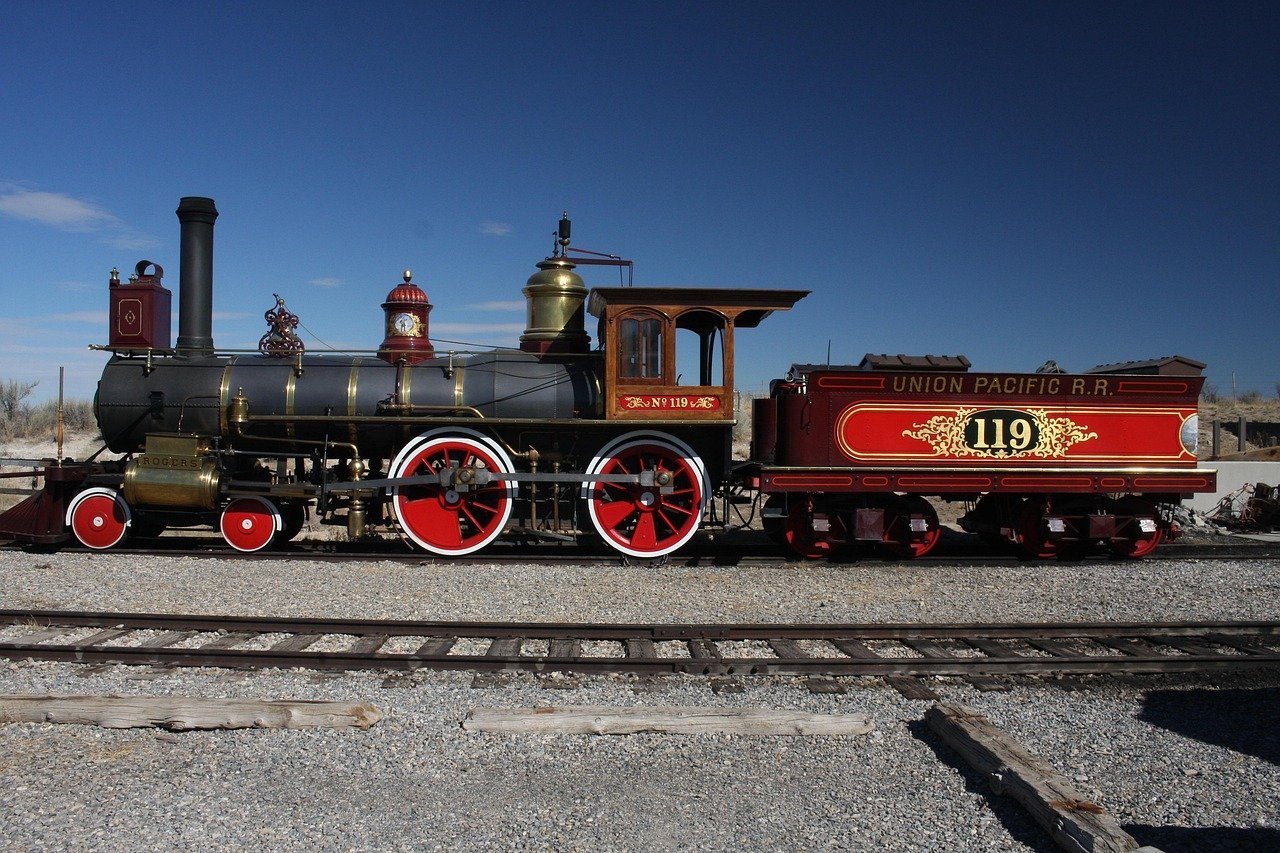
Omaha was chosen by President Abraham Lincoln as the location of its Transfer Depot where up to seven railroads could transfer mail and other goods to Union Pacific trains bound for the west. That single decision positioned Nebraska at the very center of the most ambitious infrastructure project in American history.
In 1863 ground was broken near Miller’s Landing on the Missouri River for the First Transcontinental Railroad. Actual construction took time, delayed by the Civil War and financing challenges. Ground was broken in Omaha in 1863 but actual construction was delayed until July 1865, when the first rail was laid just three months after Lincoln was assassinated.
The result changed everything. The resulting coast-to-coast railroad connection revolutionized the settlement and economy of the American West. It brought the western states and territories into alignment with the northern Union states and made transporting passengers and goods coast-to-coast considerably quicker, safer and less expensive. Before the railroad, crossing the country by wagon took months and risked everything. After 1869, it took days. The Union Pacific Railroad has been headquartered in Omaha since its inception in 1867, and remains there to this day.
Modern Large-Scale Farming Was Perfected Here
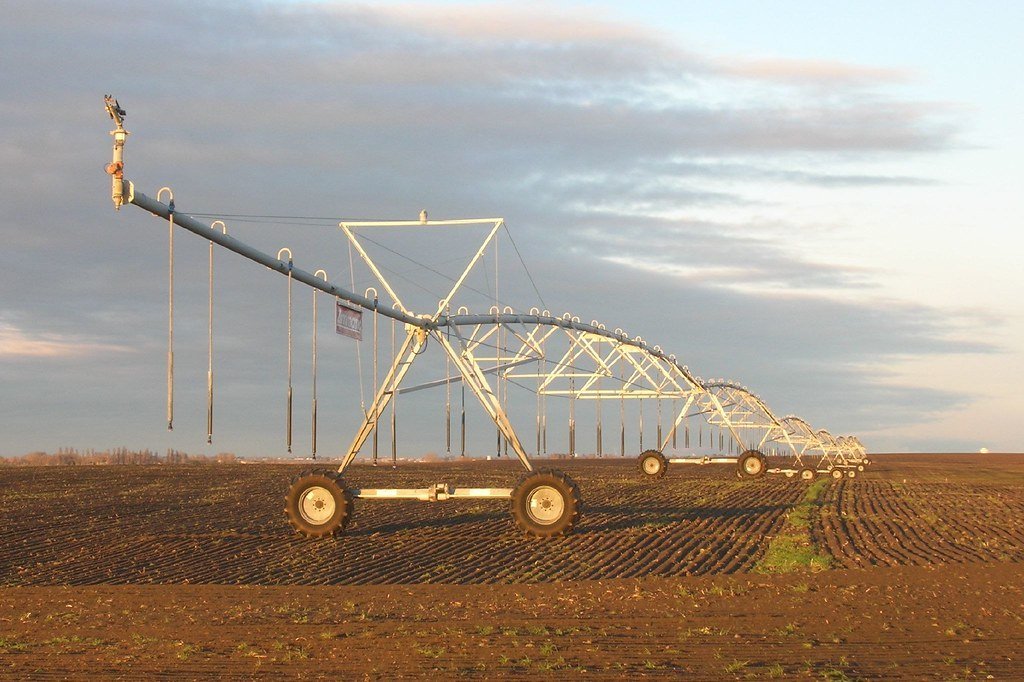
Here’s something many people don’t know: Frank Zybach, a farmer from Platte County, is the man who invented the center pivot. He designed and built his first system in 1948, applied for a patent in 1949, and the patent was awarded in 1952. That invention, born in Nebraska, transformed agriculture not just in America but across the entire world.
The center pivot is the one invention that has changed the irrigated agricultural landscape worldwide. Center pivot irrigation has increased irrigation water use efficiency and reduced labor costs. Before center pivot irrigation, farming marginal land with inconsistent soil quality was often impractical. After its development, agriculture expanded into areas previously considered unsuitable.
Nebraska became a testing ground for turning farming into a reliable, efficient system. Forty percent of the nation’s irrigated corn is sourced from Nebraska – Nebraska has the most irrigated land among all U.S. states, with 8.6 million acres of irrigated cropland, accounting for 14.8% of all irrigated cropland in the United States. That’s not just impressive numbers. That’s food security for millions of people, developed and maintained from Nebraska’s farmland.
The state didn’t stop at invention. Recent pilot projects demonstrate continued innovation. The program helped the farmers learn to fine tune irrigation across their fields, enabling them to reduce their pumping by about 20%. Over the three-year period, they saved more than a billion gallons of water – enough to fill more than 110,000 semi tanker trucks.
The Trustworthy ‘Middle America’ Image Was Cemented Here
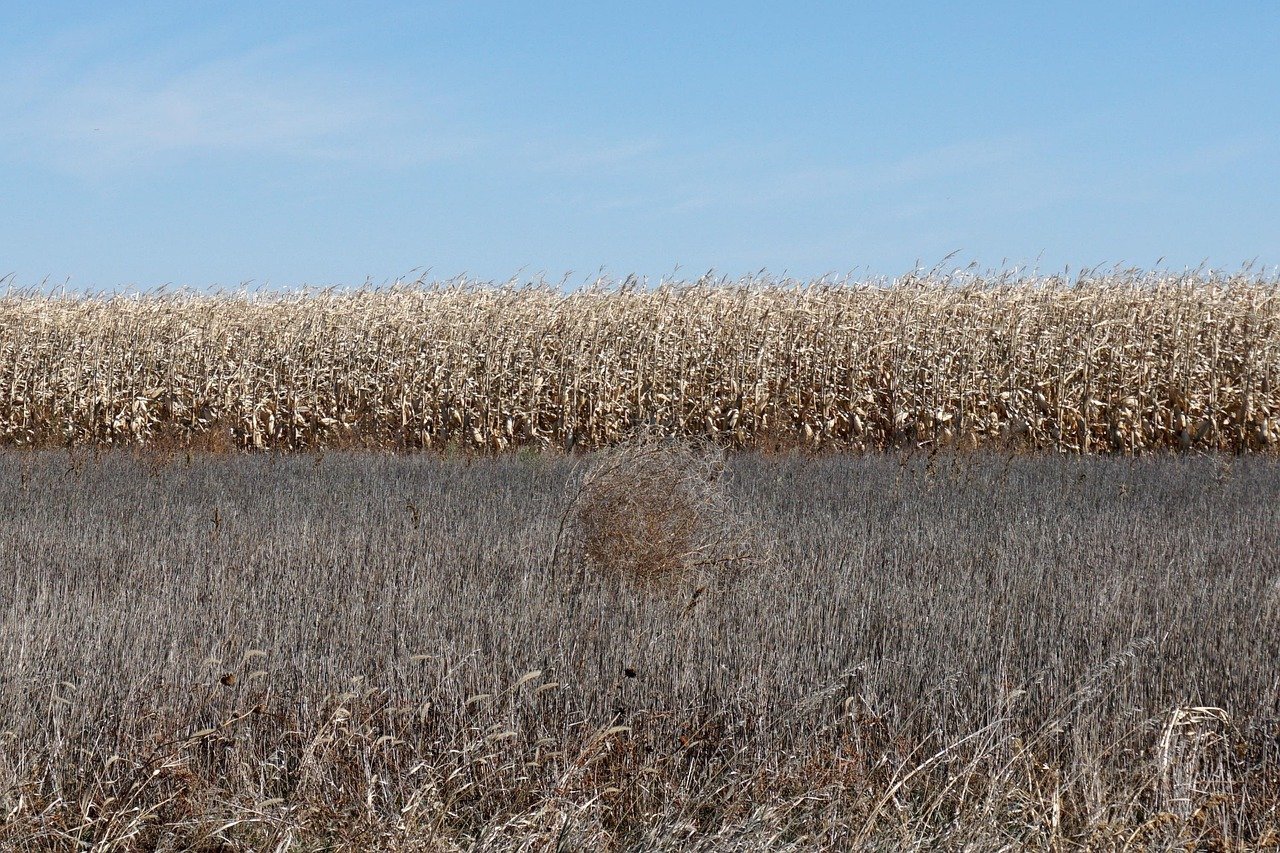
When Americans think of dependability, fairness, and steady values, Nebraska often comes to mind whether they realize it or not. The heartland, when referring to a cultural region of the United States, is the central land area of the country, usually the Midwestern United States or the states that do not border the Atlantic or Pacific oceans, associated with mainstream or traditional values, such as economic self-sufficiency, conservative political and religious ideals, and rootedness in agrarian life.
Kansas and Nebraska were receiving enormous accolades in the media and other states wanted some of the shine to rub off on them. That reputation wasn’t manufactured or accidental. It grew from generations of Nebraskans doing the unglamorous work of building communities, maintaining infrastructure, and keeping promises.
The Midwest had a growing reputation of being steady; where non-temperamental, level-minded people chose to live. During times of national uncertainty, political turmoil, or cultural upheaval, America has repeatedly looked to Nebraska and similar heartland states as a kind of cultural anchor. It’s symbolic, sure. Yet symbols matter when a nation needs something stable to reference.
Classic American Journeys Found Their Visual Language Here
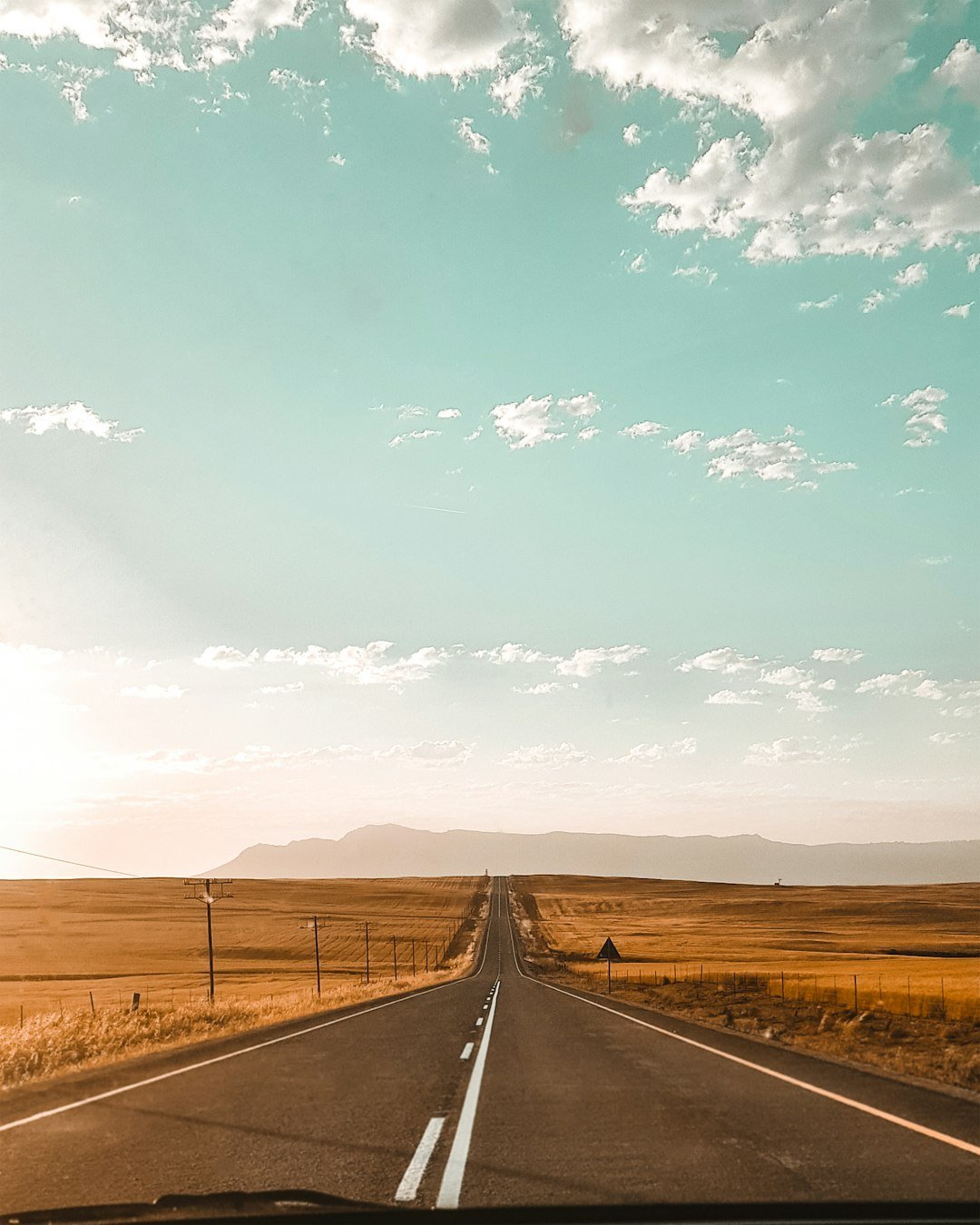
Open highways stretching toward distant horizons. Endless skies meeting flat farmland. Small towns with grain elevators visible for miles. These images appear repeatedly in American film, photography, and literature as shorthand for transition, reflection, and honest progress.
Nebraska provided that visual vocabulary. The route has remained an important travel corridor in the modern era, being the path of choice for the transcontinental Lincoln Highway beginning in 1913 and eventually Interstate 80. When filmmakers and artists want to show a character on a journey of transformation, they often place them on a road that looks remarkably like Interstate 80 cutting through Nebraska.
The aesthetic isn’t just pretty. It communicates something deeper about American identity: the idea that open space allows for possibility, that the journey itself holds meaning, and that the heartland represents authenticity. Whether that’s fully accurate isn’t really the point. Nebraska shaped how Americans visualize their own national story.
When America Needed To Connect, Settle, And Trust
There’s a pattern here worth noticing. When the young United States faced massive challenges – connecting isolated regions, settling vast territories, feeding a growing population, establishing reliable values – solutions repeatedly emerged from or passed through Nebraska.
This wasn’t random luck. Geography mattered: the Platte River Valley provided a natural corridor. Timing mattered: Nebraska’s settlement coincided with crucial decades of American expansion. Yet something else mattered too. The people who built systems here focused on practical solutions rather than grand theories. They figured out what worked, refined it, and kept going.
In 2026, Nebraska still produces a significant portion of America’s food. The Union Pacific still operates from Omaha. Interstate 80 still follows those original pioneer trails. The innovations in irrigation developed here are now used globally. What started in Nebraska didn’t stay in Nebraska. It spread outward, shaping how an entire nation functions.
Do Nebraskans themselves talk much about all this? Not really. That quiet competence is part of the whole identity. Yet the next time you see corn from Nebraska, drive Interstate 80 westward, or think about what ‘heartland values’ actually means, remember that these weren’t abstract concepts. They were built, tested, and refined in a state that rarely demands the spotlight but shaped America in ways that still matter deeply.

Besides founding Festivaltopia, Luca is the co founder of trib, an art and fashion collectiv you find on several regional events and online. Also he is part of the management board at HORiZONTE, a group travel provider in Germany.
